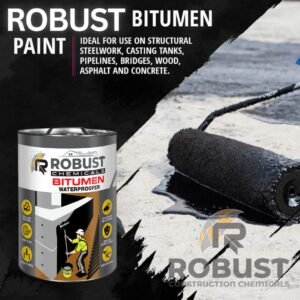
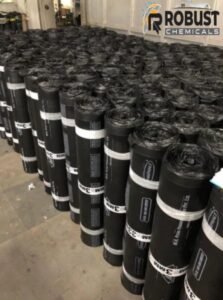
Bitumen Coating – Complete Guide to Waterproofing and Protection
Introduction
Bitumen coating, also known as asphalt coating or bituminous coating, is one of the most reliable and widely used waterproofing and protective materials in the construction industry. It has been trusted for decades because of its excellent adhesion, flexibility, and resistance to water, chemicals, and weathering. Bitumen coatings are commonly applied to concrete foundations, roofs, basements, steel structures, and pipelines to create a durable, waterproof barrier that prevents corrosion and moisture damage.
In modern construction, bitumen waterproofing coating has evolved into several modified forms such as polymer-modified bitumen, emulsified bitumen, and cold-applied bituminous membranes. These variations provide greater elasticity, UV resistance, and adhesion properties that make them suitable for both residential and industrial use.
What is Bitumen Coating?
Bitumen is a black, sticky, viscous substance derived from the distillation of crude oil or found naturally in deposits such as tar sands. When used as a coating, it forms a strong, seamless protective layer over surfaces like concrete, steel, or wood.
A bitumen coating is typically composed of refined bitumen mixed with polymers, solvents, or water (in the case of emulsions) to make it easier to apply. After application, the coating dries or cures to form a continuous film that provides waterproofing and corrosion protection.
Bitumen coatings are known for their:
-
High resistance to water penetration
-
Flexibility and elongation properties
-
Adhesion to various substrates
-
Resistance to alkalis and mild acids
Types of Bitumen Coating
Different formulations of bitumen coatings are used depending on the surface, exposure conditions, and application method. The main types include:
1. Solvent-Based Bitumen Coating
This traditional type is made by dissolving bitumen in an organic solvent. It is easy to apply by brush, roller, or spray and dries to form a tough waterproof film.
Use: Metal structures, pipelines, concrete foundations, and roofs.
Features: Fast drying, excellent adhesion, high durability.
2. Water-Based Bitumen Emulsion
This environmentally friendly version uses water instead of solvent as a carrier. It has low odor, easy cleanup, and reduced VOC emissions.
Use: Interior basements, retaining walls, waterproofing of concrete surfaces.
Features: Safe for indoor use, non-flammable, economical.
3. Polymer-Modified Bitumen Coating
These coatings are enhanced with polymers such as SBS (Styrene-Butadiene-Styrene) or APP (Atactic Polypropylene) to improve flexibility, elongation, and UV resistance.
Use: Roofs, terraces, exposed concrete, and surfaces subject to thermal movement.
Features: Highly elastic, UV stable, suitable for extreme weather.
4. Bituminous Aluminum Paint
This is a reflective topcoat containing aluminum flakes in a bituminous base. It protects the bitumen layer from UV degradation and provides a decorative metallic finish.
Use: Roof protection, exposed tanks, and pipelines.
Features: Reflective, durable, weather-resistant.
5. Cold-Applied Bitumen Coating
Unlike hot bitumen, which needs heating, this version is ready to use and can be applied directly with a brush or roller.
Use: General waterproofing of foundations and retaining walls.
Features: Easy to apply, time-saving, safe handling.
Applications of Bitumen Coating
Bitumen coatings are versatile and can be used in almost every area of construction and industry. Below are some of the most common applications:
1. Concrete Foundation Protection
Bitumen coatings are used to waterproof concrete foundations and prevent water seepage from soil moisture. They form a continuous film that resists hydrostatic pressure and protects the concrete from carbonation and chloride attack.
2. Basement Waterproofing
In basements, bitumen coatings act as a barrier to ground moisture and groundwater. They prevent dampness, mold growth, and structural weakening caused by water penetration.
3. Roof Waterproofing
Bituminous coatings are ideal for flat or sloped roofs. They seal cracks and prevent rainwater leakage, extending the roof’s lifespan. For exposed roofs, a reflective aluminum topcoat is recommended.
4. Metal Protection
Steel structures, storage tanks, and pipelines are prone to corrosion when exposed to moisture and chemicals. Bitumen coatings provide excellent anti-corrosive protection, forming a tough barrier against rust.
5. Bathrooms and Wet Areas
Bitumen coatings can be used beneath tiles in wet areas such as bathrooms, kitchens, and balconies to ensure complete waterproofing.
6. Tunnel and Bridge Deck Protection
Bituminous coatings are applied to tunnels and bridge decks as waterproof membranes, protecting concrete from chloride attack and freeze-thaw damage.
7. Dams and Water Reservoirs
Due to its water resistance, bitumen coating is applied to dams, canals, and water reservoirs to reduce seepage and maintain structural strength.
8. Industrial and Marine Applications
Bitumen coatings protect ship hulls, docks, and marine structures from saltwater corrosion, making them ideal for coastal environments.
Advantages of Bitumen Coating
The benefits of using bitumen coating are numerous, making it one of the most trusted solutions for waterproofing and protection.
-
Excellent Waterproofing:
Forms a seamless, impermeable barrier against water and moisture. -
Strong Adhesion:
Adheres to concrete, metal, and masonry surfaces effectively. -
Corrosion Resistance:
Protects steel and concrete from oxidation, chemicals, and salts. -
Flexibility and Crack Bridging:
Accommodates minor surface movements without cracking. -
Durability:
Resistant to harsh weather conditions, UV rays, and temperature variations. -
Chemical Resistance:
Withstands mild acids, alkalis, and industrial fumes. -
Cost-Effective:
Provides long-term protection at a relatively low cost compared to membranes. -
Easy Application:
Can be applied by brush, roller, or spray — no heating required for cold-applied versions. -
Low Maintenance:
Once applied and cured, it requires minimal maintenance. -
Environmentally Safe (for Emulsion Types):
Water-based versions are non-toxic and suitable for indoor applications.
Surface Preparation and Application Instructions
To achieve maximum waterproofing performance, surface preparation and correct application techniques are critical. Below is a step-by-step instruction guide.
Step 1 – Surface Preparation
-
Clean the surface thoroughly to remove dust, dirt, grease, and loose materials.
-
Repair cracks, holes, or uneven areas with suitable mortar or repair compound.
-
Ensure the surface is dry and free from standing water before coating.
Step 2 – Primer Application
-
For porous surfaces like concrete, apply a primer made by diluting bitumen coating with a suitable solvent or water (for emulsions) in a 1:1 ratio.
-
Allow the primer to dry for 2–4 hours until tacky.
Step 3 – Application of Bitumen Coating
-
Stir the coating thoroughly before use.
-
Apply the first coat using a brush, roller, or spray machine.
-
Ensure an even, continuous layer without pinholes or gaps.
-
Allow the first coat to dry completely (typically 6–8 hours depending on weather).
-
Apply a second coat perpendicular to the first for uniform coverage.
Step 4 – Curing
-
Let the coating cure for at least 24–48 hours before backfilling or applying any protective layer.
-
For exposed surfaces, apply a reflective aluminum paint to prevent UV damage.
Step 5 – Thickness
-
Recommended dry film thickness (DFT): 1.5 mm to 2.5 mm depending on exposure.
-
For heavy-duty waterproofing (e.g., basements or tanks), use 2–3 coats.
Coverage
Coverage varies based on surface texture, porosity, and product type. On average:
-
Smooth surface: 1 liter covers 1.5–2 m² per coat
-
Rough surface: 1 liter covers 1–1.2 m² per coat
Always refer to the manufacturer’s data sheet for specific coverage values.
Safety and Handling Precautions
-
Ensure good ventilation when applying solvent-based coatings.
-
Avoid contact with skin and eyes; wear gloves and goggles.
-
Do not apply in direct sunlight or during rain.
-
Keep containers tightly closed when not in use.
-
Store in a cool, dry place away from open flames.
Technical Properties (Typical Values)
| Property | Description |
|---|---|
| Appearance | Black viscous liquid |
| Base | Bitumen / Polymer modified |
| Application Method | Brush, Roller, or Spray |
| Drying Time | 6–8 hours per coat |
| Solid Content | 45–60% (depending on type) |
| Elongation | Up to 400% for polymer modified |
| Water Resistance | Excellent |
| UV Resistance | Moderate to High (depends on topcoat) |
| Service Temperature | -10°C to +80°C |
Bitumen Coating vs. Other Waterproofing Methods
| Property | Bitumen Coating | Cementitious | Polyurethane | Acrylic |
|---|---|---|---|---|
| Flexibility | High | Low | Very High | Medium |
| Cost | Low | Medium | High | Medium |
| UV Resistance | Moderate | Poor | Good | Good |
| Crack Bridging | Excellent | Poor | Excellent | Moderate |
| Ease of Application | Easy | Moderate | Moderate | Easy |
Bitumen coatings strike an excellent balance between cost, performance, and durability, making them ideal for general waterproofing needs.
Environmental and Modern Innovations
With growing environmental awareness, manufacturers now produce eco-friendly bitumen emulsions that are water-based and free from harmful solvents. These modern formulations offer the same durability and waterproofing performance as traditional coatings while ensuring safer handling and reduced VOC emissions.
In addition, fiber-reinforced bitumen coatings are now available, improving tensile strength and reducing cracking under structural stress.
Maintenance and Lifespan
A properly applied bitumen coating can last 10–15 years or more, depending on exposure and maintenance. Regular inspection, especially of exposed surfaces, is recommended every 2–3 years. If cracks or peeling are detected, a touch-up or re-coat can easily restore full protection.
Conclusion
Bitumen coating remains one of the most versatile, cost-effective, and durable solutions for waterproofing and corrosion protection. Whether for foundations, basements, roofs, or steel structures, its seamless protective layer ensures long-term reliability and peace of mind. With modern advancements like polymer modification and water-based emulsions, bitumen coatings now meet both performance and environmental standards for today’s construction needs.
For professional waterproofing, always choose high-quality bitumen waterproofing coatings from trusted brands and follow manufacturer instructions for best results.
SEO Meta Description
Bitumen coating is a durable, flexible waterproofing and protective layer for concrete, steel, and roofs. Learn about types, uses, application methods, and benefits.
Suggested SEO Keywords
-
Bitumen waterproofing coating
-
Bitumen coating for concrete
-
Bituminous coating application
-
Polymer modified bitumen coating
-
Basement waterproofing coating
-
Roof bitumen waterproofing
-
Bitumen emulsion coating
-
Asphalt waterproofing paint
-
Bituminous protection for metal
-
Bitumen coating instructions
ituminous waterproofing is an essential solution for protecting roofs from water damage, ensuring durability, and prolonging the lifespan of structures. Whether it’s a residential building or a commercial space, water leakage and seepage are among the most common challenges faced by property owners. Bituminous waterproofing products and chemicals offer a reliable and cost-effective solution to these problems. In this guide, we will explore the different types of bituminous products, their applications, benefits, and maintenance tips to help you make an informed decision.
What Is Bituminous Waterproofing?
Bituminous waterproofing refers to the application of bitumen-based products to create a watertight barrier on surfaces, primarily roofs. Bitumen, also known as asphalt, is a sticky, black, and highly viscous material derived from crude oil. Its natural waterproofing properties make it an ideal choice for protecting surfaces against water penetration.
These products are typically used in the construction industry for:
Roof waterproofing
Basement waterproofing
Bridge decks
Parking decks
Damp-proofing foundations
Types of Bituminous Waterproofing Products
There are several types of bituminous waterproofing products available in the market, each designed for specific applications. Here are the most common ones:
Bituminous Membranes
Bituminous membranes are popular for flat roof waterproofing. They come in rolls and are applied using heat or adhesive. There are two primary types:
Torch-on Membranes: These membranes are applied by heating the material with a blowtorch, ensuring a strong bond to the roof surface.
Self-adhesive Membranes: These are easier to apply and don’t require heating, making them a safer option for residential use.
Bituminous Coatings
Bituminous coatings, also known as asphalt coatings, are liquid-applied products. They provide a seamless and flexible protective layer, ideal for irregular surfaces and hard-to-reach areas. These coatings can be modified with polymers to enhance their performance and longevity.
Modified Bitumen
Modified bitumen is a blend of bitumen and polymers, designed to offer improved elasticity, durability, and resistance to extreme weather conditions. This type is commonly used for roofs that experience high levels of thermal movement.
Bituminous Sealants
Bituminous sealants are used to fill cracks and joints in roofs and other structures. They create a watertight seal, preventing water ingress and minimizing the risk of leaks.
Emulsion-Based Bituminous Products
These are water-based bituminous products that are environmentally friendly and easy to apply. They are often used for damp-proofing and as a primer for other bituminous layers.
Advantages of Bituminous Waterproofing Products
Bituminous waterproofing products are widely used due to their numerous benefits:
Excellent Waterproofing Properties
Bitumen is inherently waterproof, providing an effective barrier against water infiltration.
Durability
These products are highly resistant to wear and tear, ensuring long-lasting protection for roofs and other structures.
Flexibility
Bituminous materials can adapt to the thermal movements of buildings, reducing the risk of cracks and leaks.
Ease of Application
With options like self-adhesive membranes and liquid coatings, bituminous waterproofing can be applied with minimal equipment and expertise.
Cost-Effective
Compared to other waterproofing methods, bituminous products offer a balance between affordability and performance.
Versatility
Suitable for a wide range of applications, including roofs, basements, walls, and even bridges.
Applications of Bituminous Waterproofing
Flat Roofs
Flat roofs are prone to water pooling, making bituminous membranes and coatings an ideal choice for creating a watertight barrier.
Sloped Roofs
Bituminous shingles and coatings are commonly used on sloped roofs to enhance their waterproofing capabilities.
Basements and Foundations
Bituminous coatings are applied to foundations to prevent water from seeping into basements.
Bridges and Parking Decks
These structures require heavy-duty waterproofing solutions, which bituminous products can provide effectively.
Repair and Maintenance
Bituminous sealants are used to repair cracks and leaks, extending the lifespan of existing waterproofing systems.
Steps to Apply Bituminous Waterproofing
Proper application is key to achieving optimal performance from bituminous waterproofing products. Here’s a step-by-step guide:
Surface Preparation
Clean the surface thoroughly to remove dust, dirt, grease, and loose particles. Ensure the surface is dry before applying any product.
Priming
Apply a bituminous primer to enhance adhesion between the waterproofing layer and the surface.
Application of Waterproofing Product
For membranes: Unroll the membrane, align it properly, and adhere it to the surface using heat or self-adhesive properties.
For coatings: Use a brush, roller, or spray gun to apply the product evenly.
Sealing Joints and Edges
Use bituminous sealants to seal joints, edges, and penetrations to prevent water ingress.
Curing
Allow the product to cure as per the manufacturer’s instructions before exposing it to water or other loads.
Maintenance Tips for Bituminous Waterproofing
To ensure the longevity of your bituminous waterproofing system, regular maintenance is essential. Here are some tips:
Regular Inspections
Inspect the roof and other waterproofed areas periodically for signs of damage, cracks, or wear.
Cleaning
Remove debris, leaves, and dirt from the surface to prevent water pooling and blockages.
Timely Repairs
Address cracks, punctures, and other damages promptly using bituminous sealants or patches.
Reapplication
Over time, reapply coatings or membranes to maintain the effectiveness of the waterproofing system.
Professional Assistance
For major repairs or reapplications, consult a professional waterproofing contractor to ensure the job is done correctly.
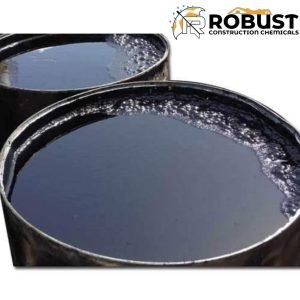
What is Bitumen Waterproofing Coating?
Bitumen waterproofing coating is a hydrocarbon-based substance obtained as a byproduct of crude oil distillation. When modified with polymers or other additives, it becomes a high-performance protective layer that resists water, chemicals, and UV radiation.
It forms an impermeable barrier that prevents water penetration, protecting structures from leaks, dampness, and corrosion.
🔹 Composition of Bitumen Coating
A standard bituminous waterproofing coating contains:
-
Bitumen (Asphalt) – The base waterproofing material.
-
Solvents or Water – Used to adjust viscosity and aid application.
-
Polymers (e.g., SBS, APP, Acrylic) – To enhance flexibility and temperature resistance.
-
Fillers and Additives – To improve UV resistance, drying time, and adhesion.
🔹 Types of Bitumen Waterproofing Coatings
1. Solvent-Based Bitumen Coating
-
Composed of bitumen dissolved in organic solvents.
-
Provides a tough, durable, and water-resistant film.
-
Commonly used for metal pipes, roofs, and tanks.
-
Requires proper ventilation during application.
2. Water-Based Bitumen Emulsion
-
Environment-friendly and easy to apply.
-
Used for concrete foundations, walls, and roofs.
-
Dries faster and has low odor.
3. Modified Bitumen Coatings
-
Contain polymers such as SBS (Styrene Butadiene Styrene) or APP (Atactic Polypropylene).
-
Provide enhanced flexibility, crack-bridging, and UV resistance.
-
Commonly used in roofing membranes and external waterproofing systems.
4. Aluminum Bituminous Paint
-
Combines bitumen with aluminum flakes.
-
Reflects heat and UV rays, reducing roof temperature.
-
Ideal for sun-exposed metal or concrete roofs.
🔹 Application Areas
Bituminous waterproofing coatings can be applied in a wide variety of construction projects:
-
Basement walls and floors – Prevents dampness and seepage.
-
Concrete foundations – Provides an external waterproof barrier.
-
Roof slabs and terraces – Protects against leakage and UV rays.
-
Bridges and tunnels – Offers strong protection against water and chemicals.
-
Water tanks and reservoirs – Prevents corrosion and leakage.
-
Metal surfaces and pipelines – Acts as an anti-corrosion layer.
🔹 Surface Preparation
Before application, the surface must be properly prepared to ensure adhesion and effectiveness.
-
Clean the Surface: Remove dirt, oil, grease, or loose materials.
-
Drying: The surface must be dry and moisture-free.
-
Repair Cracks: Fill holes and cracks with suitable repair mortar.
-
Primer Application: Apply a bitumen primer to enhance adhesion.
-
Coating Application: Apply the bitumen coating in layers using a brush, roller, or spray.
🔹 Application Instructions
Step 1 – Primer
-
Apply 1 coat of bitumen primer using a brush or spray.
-
Allow to dry for 4–6 hours depending on ambient temperature.
Step 2 – First Coat
-
Stir the bitumen coating well.
-
Apply evenly with a brush, roller, or airless spray machine.
-
Allow the first coat to dry (typically 6–8 hours).
Step 3 – Second Coat
-
Apply the second coat perpendicular to the first for uniform thickness.
-
For high-performance waterproofing, apply two or three coats.
-
Recommended dry film thickness: 1.0–1.5 mm for walls, 1.5–2.0 mm for roofs.
Step 4 – Protection Layer (Optional)
-
If exposed to sunlight, apply aluminum paint or cement plaster protection to prevent UV degradation.
Advantages of Bitumen Waterproofing Coating
Strong Adhesion: Bonds well with concrete, metal, and masonry.
Flexible and Crack-Resistant: Accommodates structural movements.
Chemical Resistant: Withstands salts, acids, and alkalis.
Cost-Effective: Economical compared to other waterproofing systems.
Easy to Apply: Requires minimal tools and training.
Durable Protection: Provides long-lasting waterproof barrier.
Limitations
Not suitable for UV exposure (unless modified or protected).
Cannot be applied on wet surfaces.
Requires adequate drying time between coats.
Some solvent-based coatings emit fumes — use PPE and ventilation.
Technical Specifications (Typical)
| Property | Specification |
|---|---|
| Appearance | Black or dark brown viscous liquid |
| Drying Time | 6–8 hours (per coat) |
| Solid Content | 50–70% |
| Density | 1.0–1.2 g/cm³ |
| Elongation | 300–600% |
| Water Penetration | Nil |
| Application Temperature | 5°C to 45°C |
| Service Life | 7–10 years (with maintenance) |
Health & Safety Precautions
-
Wear gloves, goggles, and masks during application.
-
Ensure good ventilation in confined areas.
-
Keep away from open flames and sparks.
-
Store in a cool, dry place away from direct sunlight.
Maintenance Tips
-
Inspect coated surfaces every 6–12 months.
-
Recoat areas that show cracks, chalking, or damage.
-
Clean dust and debris regularly to extend lifespan.
-
Use protective topcoat or screed for long-term durability.
Popular Applications by Sector
| Sector | Use |
|---|---|
| Residential Buildings | Roofs, bathrooms, balconies, basements |
| Commercial Structures | Terrace waterproofing, car parks, tanks |
| Industrial Plants | Machinery foundations, chemical tanks |
| Infrastructure | Bridges, culverts, and tunnels |
Conclusion
Bitumen waterproofing coating remains one of the most reliable, versatile, and affordable waterproofing methods in modern construction. With proper surface preparation and application, it provides decades of protection against moisture, leaks, and corrosion.
Whether for basements, roofs, or industrial tanks, bitumen coatings continue to be a cornerstone in waterproofing technology due to their proven performance, durability, and cost-effectiveness.
Introduction
Bitumen coating, also known as asphalt coating or bituminous coating, is one of the most reliable and widely used waterproofing and protective materials in the construction industry. It has been trusted for decades because of its excellent adhesion, flexibility, and resistance to water, chemicals, and weathering. Bitumen coatings are commonly applied to concrete foundations, roofs, basements, steel structures, and pipelines to create a durable, waterproof barrier that prevents corrosion and moisture damage.
In modern construction, bitumen waterproofing coating has evolved into several modified forms such as polymer-modified bitumen, emulsified bitumen, and cold-applied bituminous membranes. These variations provide greater elasticity, UV resistance, and adhesion properties that make them suitable for both residential and industrial use.
What is Bitumen Coating?
Bitumen is a black, sticky, viscous substance derived from the distillation of crude oil or found naturally in deposits such as tar sands. When used as a coating, it forms a strong, seamless protective layer over surfaces like concrete, steel, or wood.
A bitumen coating is typically composed of refined bitumen mixed with polymers, solvents, or water (in the case of emulsions) to make it easier to apply. After application, the coating dries or cures to form a continuous film that provides waterproofing and corrosion protection.
Bitumen coatings are known for their:
-
High resistance to water penetration
-
Flexibility and elongation properties
-
Adhesion to various substrates
-
Resistance to alkalis and mild acids
Types of Bitumen Coating
Different formulations of bitumen coatings are used depending on the surface, exposure conditions, and application method. The main types include:
1. Solvent-Based Bitumen Coating
This traditional type is made by dissolving bitumen in an organic solvent. It is easy to apply by brush, roller, or spray and dries to form a tough waterproof film.
Use: Metal structures, pipelines, concrete foundations, and roofs.
Features: Fast drying, excellent adhesion, high durability.
2. Water-Based Bitumen Emulsion
This environmentally friendly version uses water instead of solvent as a carrier. It has low odor, easy cleanup, and reduced VOC emissions.
Use: Interior basements, retaining walls, waterproofing of concrete surfaces.
Features: Safe for indoor use, non-flammable, economical.
3. Polymer-Modified Bitumen Coating
These coatings are enhanced with polymers such as SBS (Styrene-Butadiene-Styrene) or APP (Atactic Polypropylene) to improve flexibility, elongation, and UV resistance.
Use: Roofs, terraces, exposed concrete, and surfaces subject to thermal movement.
Features: Highly elastic, UV stable, suitable for extreme weather.
4. Bituminous Aluminum Paint
This is a reflective topcoat containing aluminum flakes in a bituminous base. It protects the bitumen layer from UV degradation and provides a decorative metallic finish.
Use: Roof protection, exposed tanks, and pipelines.
Features: Reflective, durable, weather-resistant.
5. Cold-Applied Bitumen Coating
Unlike hot bitumen, which needs heating, this version is ready to use and can be applied directly with a brush or roller.
Use: General waterproofing of foundations and retaining walls.
Features: Easy to apply, time-saving, safe handling.
Applications of Bitumen Coating
Bitumen coatings are versatile and can be used in almost every area of construction and industry. Below are some of the most common applications:
1. Concrete Foundation Protection
Bitumen coatings are used to waterproof concrete foundations and prevent water seepage from soil moisture. They form a continuous film that resists hydrostatic pressure and protects the concrete from carbonation and chloride attack.
2. Basement Waterproofing
In basements, bitumen coatings act as a barrier to ground moisture and groundwater. They prevent dampness, mold growth, and structural weakening caused by water penetration.
3. Roof Waterproofing
Bituminous coatings are ideal for flat or sloped roofs. They seal cracks and prevent rainwater leakage, extending the roof’s lifespan. For exposed roofs, a reflective aluminum topcoat is recommended.
4. Metal Protection
Steel structures, storage tanks, and pipelines are prone to corrosion when exposed to moisture and chemicals. Bitumen coatings provide excellent anti-corrosive protection, forming a tough barrier against rust.
5. Bathrooms and Wet Areas
Bitumen coatings can be used beneath tiles in wet areas such as bathrooms, kitchens, and balconies to ensure complete waterproofing.
6. Tunnel and Bridge Deck Protection
Bituminous coatings are applied to tunnels and bridge decks as waterproof membranes, protecting concrete from chloride attack and freeze-thaw damage.
7. Dams and Water Reservoirs
Due to its water resistance, bitumen coating is applied to dams, canals, and water reservoirs to reduce seepage and maintain structural strength.
8. Industrial and Marine Applications
Bitumen coatings protect ship hulls, docks, and marine structures from saltwater corrosion, making them ideal for coastal environments.
Advantages of Bitumen Coating
The benefits of using bitumen coating are numerous, making it one of the most trusted solutions for waterproofing and protection.
-
Excellent Waterproofing:
Forms a seamless, impermeable barrier against water and moisture. -
Strong Adhesion:
Adheres to concrete, metal, and masonry surfaces effectively. -
Corrosion Resistance:
Protects steel and concrete from oxidation, chemicals, and salts. -
Flexibility and Crack Bridging:
Accommodates minor surface movements without cracking. -
Durability:
Resistant to harsh weather conditions, UV rays, and temperature variations. -
Chemical Resistance:
Withstands mild acids, alkalis, and industrial fumes. -
Cost-Effective:
Provides long-term protection at a relatively low cost compared to membranes. -
Easy Application:
Can be applied by brush, roller, or spray — no heating required for cold-applied versions. -
Low Maintenance:
Once applied and cured, it requires minimal maintenance. -
Environmentally Safe (for Emulsion Types):
Water-based versions are non-toxic and suitable for indoor applications.
Surface Preparation and Application Instructions
To achieve maximum waterproofing performance, surface preparation and correct application techniques are critical. Below is a step-by-step instruction guide.
Step 1 – Surface Preparation
-
Clean the surface thoroughly to remove dust, dirt, grease, and loose materials.
-
Repair cracks, holes, or uneven areas with suitable mortar or repair compound.
-
Ensure the surface is dry and free from standing water before coating.
Step 2 – Primer Application
-
For porous surfaces like concrete, apply a primer made by diluting bitumen coating with a suitable solvent or water (for emulsions) in a 1:1 ratio.
-
Allow the primer to dry for 2–4 hours until tacky.
Step 3 – Application of Bitumen Coating
-
Stir the coating thoroughly before use.
-
Apply the first coat using a brush, roller, or spray machine.
-
Ensure an even, continuous layer without pinholes or gaps.
-
Allow the first coat to dry completely (typically 6–8 hours depending on weather).
-
Apply a second coat perpendicular to the first for uniform coverage.
Step 4 – Curing
-
Let the coating cure for at least 24–48 hours before backfilling or applying any protective layer.
-
For exposed surfaces, apply a reflective aluminum paint to prevent UV damage.
Step 5 – Thickness
-
Recommended dry film thickness (DFT): 1.5 mm to 2.5 mm depending on exposure.
-
For heavy-duty waterproofing (e.g., basements or tanks), use 2–3 coats.
Coverage
Coverage varies based on surface texture, porosity, and product type. On average:
-
Smooth surface: 1 liter covers 1.5–2 m² per coat
-
Rough surface: 1 liter covers 1–1.2 m² per coat
Always refer to the manufacturer’s data sheet for specific coverage values.
Safety and Handling Precautions
-
Ensure good ventilation when applying solvent-based coatings.
-
Avoid contact with skin and eyes; wear gloves and goggles.
-
Do not apply in direct sunlight or during rain.
-
Keep containers tightly closed when not in use.
-
Store in a cool, dry place away from open flames.
Technical Properties (Typical Values)
| Property | Description |
|---|---|
| Appearance | Black viscous liquid |
| Base | Bitumen / Polymer modified |
| Application Method | Brush, Roller, or Spray |
| Drying Time | 6–8 hours per coat |
| Solid Content | 45–60% (depending on type) |
| Elongation | Up to 400% for polymer modified |
| Water Resistance | Excellent |
| UV Resistance | Moderate to High (depends on topcoat) |
| Service Temperature | -10°C to +80°C |
Bitumen Coating vs. Other Waterproofing Methods
| Property | Bitumen Coating | Cementitious | Polyurethane | Acrylic |
|---|---|---|---|---|
| Flexibility | High | Low | Very High | Medium |
| Cost | Low | Medium | High | Medium |
| UV Resistance | Moderate | Poor | Good | Good |
| Crack Bridging | Excellent | Poor | Excellent | Moderate |
| Ease of Application | Easy | Moderate | Moderate | Easy |
Bitumen coatings strike an excellent balance between cost, performance, and durability, making them ideal for general waterproofing needs.
Environmental and Modern Innovations
With growing environmental awareness, manufacturers now produce eco-friendly bitumen emulsions that are water-based and free from harmful solvents. These modern formulations offer the same durability and waterproofing performance as traditional coatings while ensuring safer handling and reduced VOC emissions.
In addition, fiber-reinforced bitumen coatings are now available, improving tensile strength and reducing cracking under structural stress.
Maintenance and Lifespan
A properly applied bitumen coating can last 10–15 years or more, depending on exposure and maintenance. Regular inspection, especially of exposed surfaces, is recommended every 2–3 years. If cracks or peeling are detected, a touch-up or re-coat can easily restore full protection.
Conclusion
Bitumen coating remains one of the most versatile, cost-effective, and durable solutions for waterproofing and corrosion protection. Whether for foundations, basements, roofs, or steel structures, its seamless protective layer ensures long-term reliability and peace of mind. With modern advancements like polymer modification and water-based emulsions, bitumen coatings now meet both performance and environmental standards for today’s construction needs.
For professional waterproofing, always choose high-quality bitumen waterproofing coatings from trusted brands and follow manufacturer instructions for best results.
SEO Meta Description
Bitumen coating is a durable, flexible waterproofing and protective layer for concrete, steel, and roofs. Learn about types, uses, application methods, and benefits.
Suggested SEO Keywords
-
Bitumen waterproofing coating
-
Bitumen coating for concrete
-
Bituminous coating application
-
Polymer modified bitumen coating
-
Basement waterproofing coating
-
Roof bitumen waterproofing
-
Bitumen emulsion coating
-
Asphalt waterproofing paint
-
Bituminous protection for metal
-
Bitumen coating instructions