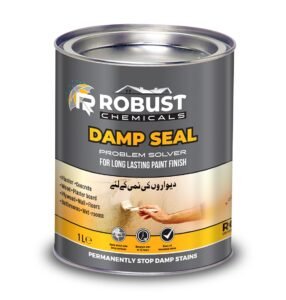
Waterproofing walls is a crucial step in preserving the integrity and longevity of any structure. Whether it’s your home, office, or commercial building, damp or water-infiltrated walls can lead to structural damage, mold growth, and an unpleasant living environment. Wall waterproofing chemicals are a reliable solution to tackle these issues effectively. In this guide, we’ll explore everything you need to know about wall waterproofing chemicals, their types, applications, and benefits.
Understanding Wall Waterproofing
Wall waterproofing involves applying specific chemical treatments to walls to prevent water penetration. These chemicals create a barrier that protects the walls from moisture, rainwater, or groundwater, ensuring that they remain dry and sturdy over time. Waterproofing is essential for both interior and exterior walls, as it safeguards the building against structural deterioration and enhances its aesthetic appeal.
Why Waterproofing is Important
Walls exposed to water can weaken over time, leading to cracks, peeling paint, and fungal growth. Here are some key reasons why wall waterproofing is essential:
Structural Integrity: Prevents the weakening of walls caused by water infiltration.
Health Benefits: Reduces mold and mildew growth, ensuring better air quality.
Cost-Efficiency: Minimizes repair costs by addressing moisture issues early.
Aesthetic Appeal: Keeps paint and finishes intact for longer.
Types of Wall Waterproofing Chemicals
Several waterproofing chemicals are available in the market, each suited to specific applications and wall types. Let’s look at the most commonly used ones:
Cementitious Waterproofing
Made from cement, sand, and specialized chemicals.
Ideal for concrete and masonry walls.
Easy to apply using a brush or trowel.
Commonly used in basements, water tanks, and bathrooms.
Acrylic Waterproofing Coatings
Flexible, UV-resistant, and durable.
Suitable for exterior walls exposed to weather conditions.
Can be tinted to match wall colors.
Silicone-Based Sealants
Excellent for sealing cracks and joints.
Water-repellent and highly elastic.
Best for preventing localized water seepage.
Bituminous Waterproofing
Made from asphalt or bitumen.
Provides a strong and durable waterproof layer.
Commonly used for basement walls and underground structures.
Polyurethane Waterproofing
A liquid-applied coating that forms a seamless barrier.
Offers high resistance to abrasion and chemicals.
Ideal for both interior and exterior walls.
Liquid Membrane Coatings
Applied as a liquid, forming a thin and flexible membrane.
Suitable for uneven wall surfaces.
Provides long-lasting protection.
Application Techniques
Using wall waterproofing chemicals requires proper preparation and technique to achieve optimal results. Below are the key steps involved in the process:
Surface Preparation
Clean the wall thoroughly to remove dirt, grease, and loose particles.
Repair cracks, holes, or other imperfections using a suitable filler.
Priming
Apply a primer to enhance the adhesion of the waterproofing chemical.
Applying Waterproofing Chemical
Use a brush, roller, or spray gun to apply the chemical evenly.
Ensure multiple coats are applied for better protection, allowing each coat to dry before applying the next.
Finishing
After the final coat has dried, inspect the surface for uniformity.
For aesthetic purposes, you can paint over the waterproofing layer using compatible paints.
Key Features to Look For in Waterproofing Chemicals
When selecting a waterproofing chemical for your walls, consider the following features:
Durability: Long-lasting protection against water.
Elasticity: Ability to withstand wall movement without cracking.
UV Resistance: Protection against sun damage for exterior walls.
Breathability: Allows trapped moisture to escape without water infiltration.
Ease of Application: Simple to use and apply.
Benefits of Using Wall Waterproofing Chemicals
Waterproofing chemicals offer numerous benefits that extend beyond just keeping your walls dry. Here’s what you can expect:
Enhanced Longevity: Protects walls from water-related damage, extending their lifespan.
Improved Indoor Comfort: Prevents dampness and musty odors inside your building.
Cost Savings: Reduces the need for frequent wall repairs and maintenance.
Energy Efficiency: Helps maintain a stable indoor temperature by eliminating damp-related heat loss.
Common Problems Solved by Wall Waterproofing
Waterproofing chemicals address a variety of issues, such as:
Wall Dampness: Caused by rising damp or condensation.
Efflorescence: White, powdery residue from water-soluble salts.
Cracks and Leaks: Infiltration through gaps in the wall structure.
Mold and Mildew Growth: Fungi thrive in damp conditions, affecting health and aesthetics.
Maintenance Tips for Waterproofed Walls
While waterproofing chemicals are durable, some maintenance is essential to ensure their effectiveness:
Regularly inspect the walls for any signs of damage or wear.
Clean the walls periodically to remove dirt and debris.
Reapply waterproofing chemicals as recommended by the manufacturer.
How to Choose the Right Waterproofing Chemical
Choosing the right chemical depends on the specific needs of your project. Consider factors such as:
Type of Wall: Concrete, brick, or plaster walls require different treatments.
Location: Interior walls need breathable solutions, while exterior walls require UV resistance.
Water Exposure Level: High-exposure areas may require more robust waterproofing systems.