Thermal & Waterproofing Insulation Sheet
Expanded Polystyrene (EPS) Thermocol Sheets with Fiber Mesh are revolutionizing the construction and insulation industries. Known for their lightweight, durable, and versatile properties, these sheets provide an innovative solution for a wide range of applications. Whether you are an architect, contractor, or homeowner, understanding the features and benefits of EPS Thermocol Sheets with Fiber Mesh can help you make informed decisions for your projects.
What is EPS Thermocol Sheet with Fiber Mesh?
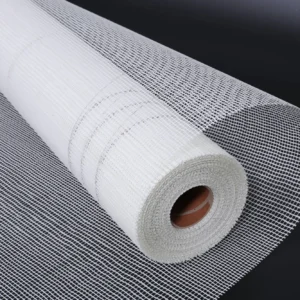
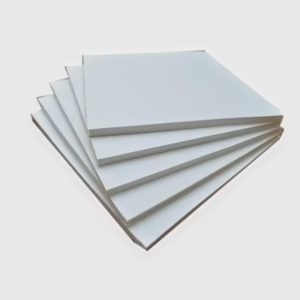
EPS Thermocol Sheet with Fiber Mesh combines two highly functional materials: expanded polystyrene (EPS) and fiber mesh. EPS is a rigid foam made from expanded polystyrene beads, known for its excellent insulation and shock-absorbing properties. Fiber mesh, on the other hand, adds structural reinforcement, making the sheet more durable and resistant to external pressures.
The combination of these materials creates a product that is not only thermally efficient but also robust enough to withstand various environmental and mechanical stresses. This makes it an ideal choice for a wide array of applications, from building insulation to soundproofing and even decorative purposes.
Expanded Polystyrene (EPS) thermocol sheets with fiber mesh are innovative construction materials gaining popularity due to their versatility and durability. These sheets combine lightweight EPS foam with a fiber mesh layer, enhancing strength, flexibility, and utility in various applications.
Key Features
1. Lightweight and Strong: EPS thermocol is lightweight, reducing structural load while maintaining robust strength due to the fiber mesh reinforcement.
2. Thermal Insulation: Exceptional insulation properties make it ideal for energy-efficient buildings, reducing heating and cooling costs.
3. Moisture Resistance: The material is highly resistant to water, making it suitable for waterproofing and damp-proofing projects.
4. Durability: The fiber mesh provides added strength, ensuring long-lasting performance even in harsh environments.
5. Easy Installation: Lightweight and customizable, it’s easy to cut, transport, and install.
Applications
1. Construction:
Used in ceilings, walls, and floors for insulation and soundproofing.
Ideal for pre-fabricated structures.
2. Waterproofing:
Acts as a protective layer in roofs and terraces to prevent seepage.
Used under tiles to ensure moisture control.
3. Packaging:
EPS sheets protect fragile items during shipping.
4. Decorative Purposes:
Popular in architectural elements, including moldings and partitions.
Advantages Over Traditional Materials
Cost-Effective: Combines affordability with superior performance.
Eco-Friendly: Recyclable and reduces energy consumption in buildings.
Enhanced Strength: Fiber mesh reinforcement improves impact resistance and lifespan.
Hashtags for EPS Thermocol Sheet with Fiber Mesh
EPS Sheet with Fiber Mesh – Thermal & Waterproofing Insulation Sheet
Product Overview
EPS Sheet with Fiber Mesh (Expanded Polystyrene with Fiberglass Reinforcement) is a lightweight, rigid insulation and protection board designed for roof, wall, and ceiling thermal insulation and waterproofing protection systems.
It combines the high insulation properties of EPS foam with the strength and crack resistance of fiber mesh, making it suitable for hot, humid, and waterproofing applications in modern construction.
The fiber-reinforced surface provides an excellent base for plaster, coatings, or waterproof membranes, ensuring long-term durability and adhesion.
Product Composition
| Layer | Material Description |
|---|---|
| Core | High-Density Expanded Polystyrene (EPS) Foam |
| Outer Layer | Alkali-Resistant Fiber Mesh (Fiberglass) |
| Bonding | High-strength adhesive lamination |
| Surface Finish | Textured mesh surface for bonding |
Technical Specifications
| Property | Specification | Standard / Remark |
|---|---|---|
| Density | 16 – 25 kg/m³ | ASTM C303 |
| Compressive Strength | 100 – 250 kPa | ASTM D1621 |
| Thermal Conductivity | 0.034 – 0.038 W/m·K | ASTM C518 |
| Water Absorption | < 1.0% by volume | ASTM C272 |
| Dimensional Stability | ±2 mm | ISO 2796 |
| Fire Rating | Class E (Self-extinguishing) | EN 13501-1 |
| Temperature Range | -50°C to +80°C | – |
| Standard Thickness | 25 mm, 50 mm, 75 mm, 100 mm | Custom sizes available |
| Sheet Size | 1.2 m × 2.4 m (Standard) | Other sizes on request |
| Mesh Type | Alkali-resistant fiberglass (125 g/m² or higher) | – |
Key Features & Benefits
High Thermal Insulation Efficiency
Significantly reduces heat transfer, keeping interiors cooler in summer and warmer in winter.
Reinforced Strength with Fiber Mesh
The fiber layer prevents cracking, provides surface toughness, and improves bonding with plaster or waterproof coatings.
Lightweight and Easy to Handle
EPS core offers lightweight structure, simplifying installation and reducing dead load.
Waterproof and Moisture Resistant
Closed-cell EPS structure resists water absorption, ideal for waterproofing applications.
Chemical and Weather Resistant
Stable against alkali, acids, and UV exposure when protected with finishing layers.
Energy Efficiency
Reduces energy consumption for air-conditioning or heating by up to 40%.
Acoustic Insulation
Provides moderate sound absorption and noise reduction in wall systems.
Economical and Durable
Cost-effective insulation solution with a service life exceeding 25 years under proper installation.
Areas of Application
-
Roof and Terrace Insulation
-
External Wall Insulation (EIFS / ETICS Systems)
-
Basement and Foundation Protection
-
Waterproofing System Underlays
-
Precast Roof Panel Thermal Protection
-
Interior Thermal Wall Panels
-
Cold Storage and HVAC Duct Insulation
-
Heat Shield for Metal Buildings
Installation Instructions
Surface Preparation
-
Clean the surface — remove dust, oil, and loose particles.
-
Ensure the substrate is dry and even.
-
Fill cracks or voids with mortar before application.
Fixing of EPS Sheets
-
Apply approved adhesive or polymer mortar on the back of each sheet (covering at least 40–50% area).
-
Press the sheet firmly onto the surface with slight sliding motion.
-
For additional strength, use mechanical fasteners (insulation anchors) — typically 5–6 per sheet.
-
Ensure joint gaps < 2 mm; fill large joints with polyurethane foam or similar.
Application of Fiber Mesh
-
Overlapping of fiber mesh must be at least 100 mm.
-
Ensure mesh edges are embedded properly in adhesive mortar.
-
Apply 2 coats of polymer-modified mortar over mesh for surface reinforcement.
Top Finish (Optional)
-
Apply cement plaster, PU / acrylic waterproof coating, or protective paint depending on application.
-
Ensure full curing of mortar layers before waterproofing or painting.
Packaging & Supply
| Packaging Type | Details |
|---|---|
| Standard Sheet Size | 1.2 m × 2.4 m |
| Thickness Options | 25, 50, 75, 100 mm |
| Mesh Type | Fiber-reinforced (white or green mesh) |
| Packing | Poly-wrapped bundles (5–10 sheets per pack) |
| Storage | Store flat, in a dry shaded area, away from direct sunlight and sharp objects |
Performance Data
| Parameter | Performance |
|---|---|
| Heat Reflection | > 85% |
| Energy Saving | Up to 40% in cooling load |
| Water Resistance | Excellent (closed-cell structure) |
| Adhesion Strength (with mortar) | ≥ 0.1 N/mm² |
| UV Stability | Good (when covered with plaster/paint) |
Advantages Over Ordinary EPS Sheets
| Feature | Normal EPS Sheet | EPS Sheet with Fiber Mesh |
|---|---|---|
| Strength | Low surface strength | High impact resistance |
| Crack Resistance | Prone to cracking | Crack-proof due to mesh |
| Adhesion | Weak with coatings | Strong bond with mortar/paint |
| Durability | 5–10 years | 20–25 years |
| Waterproofing Compatibility | Moderate | Excellent |
| Thermal Efficiency | High | High (same EPS core) |
| Finishing | Needs base coat | Ready for plaster/coating |
Precautions
-
Avoid exposure to open flame — EPS is flammable until covered.
-
Protect from UV exposure before final finishing.
-
Do not install on wet or uneven surfaces.
-
Always use alkali-resistant mesh to prevent corrosion.
-
Ensure expansion joints in large wall or roof areas.
Environmental & Safety Information
-
EPS is non-toxic and CFC-free, with no harmful emissions.
-
Fully recyclable and environment-friendly.
-
Low embodied energy and long service life contribute to sustainable building practices.
Maintenance
-
Once installed and finished properly, EPS sheets require no regular maintenance.
-
Inspect periodically for cracks or mechanical damage in external coatings.
Testing Standards & Compliance
-
ASTM C578 – Standard Specification for Rigid Cellular Polystyrene
-
IS:4671 – Indian Standard for Polystyrene Boards
-
EN 13163 – Thermal Insulation Products for Buildings
-
BS EN 13497 – Adhesion Strength for External Thermal Insulation Composite Systems
Applications in Waterproofing Systems
When used in roof waterproofing:
-
EPS sheets with fiber mesh are laid over PU or bitumen waterproofing membranes.
-
They act as thermal barrier and mechanical protection.
-
Can be finished with screed, tiles, or protective coating.
-
Prevents heat buildup that can cause membrane cracking or failure.
Advantages for Roof and Building Owners
-
Keeps interiors 5–8°C cooler in summer.
-
Reduces air conditioning load and energy cost.
-
Protects waterproofing membrane from UV, heat, and mechanical damage.
-
Provides long-term structural protection.
-
Adds value to green building certifications (LEED / IGBC).
Typical System Layer for Roof
-
RCC Roof Slab
-
Waterproofing Layer (PU, Bitumen, or Cementitious)
-
EPS Sheet with Fiber Mesh
-
Cement Mortar / Screed (for slope & protection)
-
Tile or Paint Finish
Product Availability
-
Brand: Robust Construction Chemicals (Example branding)
-
Product Name: Robust EPS Shield Board / EPS Sheet with Fiber Mesh
-
Country of Origin: Made in Pakistan / India (as applicable)
-
Delivery: Available in sheets and customized project orders
SEO META DESCRIPTION
EPS Sheet with Fiber Mesh provides high thermal insulation and waterproofing protection. Fiber-reinforced EPS board for roofs, walls, and building insulation. Lightweight, durable, and energy-efficient.
SEO FOCUS KEYWORD
👉 EPS Sheet with Fiber Mesh
LSI / Secondary Keywords
-
Thermal insulation sheet
-
Fiber reinforced EPS board
-
Waterproofing insulation board
-
Roof insulation sheet
-
EPS insulation for buildings
-
Heat resistant insulation panel
-
Energy saving insulation
Features of EPS Thermocol Sheet with Fiber Mesh
1. Lightweight
One of the standout features of EPS Thermocol Sheets is their lightweight nature. Despite their robust performance, these sheets are easy to handle, transport, and install, reducing labor costs and effort.
2. High Thermal Insulation
EPS is renowned for its excellent thermal insulation properties. By adding fiber mesh, the sheets retain their ability to regulate temperature effectively, making them ideal for both hot and cold climates.
3. Durability
The inclusion of fiber mesh enhances the structural integrity of the sheet, providing resistance against cracking, deformation, and wear over time.
4. Water Resistance
EPS Thermocol Sheets with Fiber Mesh are highly resistant to moisture, ensuring that they maintain their structural and insulation properties even in humid environments.
5. Eco-Friendly
Modern EPS manufacturing processes focus on sustainability. These sheets are recyclable and contribute to energy savings, reducing the overall carbon footprint of a building.
6. Versatility
These sheets can be easily cut, shaped, and customized to suit various applications. Whether you need them for walls, roofs, or floors, their adaptability makes them a popular choice.
Applications of EPS Thermocol Sheet with Fiber Mesh
1. Building Insulation
EPS Thermocol Sheets are widely used for thermal insulation in residential, commercial, and industrial buildings. They help maintain comfortable indoor temperatures, reducing energy consumption and lowering utility bills.
2. Soundproofing
Thanks to their density and structure, these sheets are excellent for soundproofing applications. They can be used in walls, ceilings, and floors to minimize noise transmission.
3. Roof Insulation
Installing EPS Thermocol Sheets on roofs provides a barrier against heat during summer and prevents heat loss during winter. This ensures energy efficiency and enhances indoor comfort.
4. Packaging Material
The lightweight and shock-absorbing properties of EPS make it an ideal material for packaging fragile items. The addition of fiber mesh enhances its durability, providing extra protection.
5. Decorative and Creative Applications
From architectural designs to creative art projects, EPS Thermocol Sheets with Fiber Mesh can be used to create intricate shapes and designs due to their easy-to-cut nature.
Advantages of Using EPS Thermocol Sheet with Fiber Mesh
1. Cost-Effective
Compared to traditional insulation materials, EPS Thermocol Sheets are more affordable while offering comparable, if not superior, performance. Their lightweight nature reduces transportation and installation costs further.
2. Energy Efficiency
By providing excellent thermal insulation, these sheets significantly reduce heating and cooling costs, making them a smart investment for energy-conscious individuals.
3. Easy Installation
The lightweight and flexible nature of these sheets make them easy to handle and install. They can be quickly adhered to surfaces using adhesives or fasteners, saving time and labor.
4. Enhanced Structural Support
The fiber mesh reinforcement adds to the structural integrity, making these sheets resistant to physical impacts and deformation.
5. Longevity
EPS Thermocol Sheets with Fiber Mesh are designed to last for decades without significant degradation, ensuring long-term performance and reliability.
6. Eco-Conscious Choice
With their recyclable nature and contribution to energy savings, these sheets align with modern sustainability goals, reducing environmental impact.
Installation Tips for EPS Thermocol Sheet with Fiber Mesh
1. Surface Preparation
Ensure that the surface is clean, dry, and free of debris before installation. This helps the sheets adhere better and ensures a seamless finish.
2. Cutting and Shaping
Use a sharp blade or hot wire cutter for precise cutting. Always measure twice to ensure accuracy before making cuts.
3. Adhesion
Choose a high-quality adhesive suitable for EPS. Apply evenly on the surface and press the sheet firmly to ensure proper bonding.
4. Sealing Gaps
Use foam sealant or tape to seal any gaps between the sheets. This prevents thermal bridging and enhances insulation performance.
5. Protective Coating
Consider applying a protective coating or cladding over the installed sheets to shield them from direct sunlight and physical damage.
Maintenance of EPS Thermocol Sheet with Fiber Mesh
One of the advantages of these sheets is their low maintenance requirements. However, periodic inspections can help ensure optimal performance:
Check for physical damages, especially in high-traffic areas.
Clean the surface gently with a damp cloth to remove dirt and debris.
Address any gaps or cracks promptly to maintain thermal and structural efficiency.
Why Choose EPS Thermocol Sheet with Fiber Mesh?
EPS Thermocol Sheets with Fiber Mesh are a testament to modern engineering, offering a blend of functionality, durability, and affordability. Whether you are constructing a new building, renovating an existing structure, or seeking innovative packaging solutions, these sheets cater to diverse needs. Their ability to enhance energy efficiency, provide long-lasting performance, and contribute to sustainable practices makes them a preferred choice across industries.
Environmental Conditions for Installation
To achieve the best performance and adhesion of EPS sheets, proper environmental control during installation is essential.
Ideal Conditions:
-
Temperature Range: Between +5°C and +40°C for adhesives and coatings.
-
Humidity: Below 75% relative humidity during application and curing.
-
Avoid installation during rainfall, frost, or direct sunlight.
-
For exterior work, cover freshly applied layers with protective sheets or tarpaulin.
-
Maintain good air circulation to speed up curing of polymer-based adhesives.
Avoid:
-
Applying adhesives or coatings on damp or wet surfaces.
-
Working under extreme heat, as EPS may expand.
-
Installing in windy or dusty environments without proper shielding.
21. Layer Curing and Setting Recommendations
Curing is critical for ensuring the strength and adhesion of each layer in the insulation system.
| Layer | Curing Time | Conditions |
|---|---|---|
| Adhesive Mortar | 24 hours minimum | Do not apply next layer until set |
| Embedded Mesh Layer | 48 hours | Keep surface damp to prevent shrinkage cracks |
| Waterproof Coating | 2–3 days | Apply under shade and avoid foot traffic |
| Plaster or Paint Finish | 5–7 days | Ensure complete drying before painting |
Additional Tips:
-
Use light mist curing for cementitious layers (not flooding).
-
In high-temperature regions, cover surfaces with wet hessian cloth to avoid premature drying.
-
Do not apply the next layer before the previous one has completely set and hardened.
22. Integration with Waterproofing Systems
EPS Sheets with Fiber Mesh play a dual role in waterproofing systems — thermal barrier and mechanical protection layer.
Their proper integration enhances the durability of the waterproof membrane and reduces maintenance.
For Roof Waterproofing:
-
Clean the cured waterproof layer (PU, acrylic, or bitumen-based).
-
Lay EPS sheets over it using PU adhesive or bitumen-compatible glue.
-
Ensure tight joints to prevent water seepage between sheets.
-
Apply a protective screed layer (50–75 mm) with proper slope for drainage.
-
Cure the screed completely before applying reflective or protective coating.
For Basement Walls:
-
Fix EPS sheets vertically on the outer wall with PU adhesive.
-
Seal all edges with polyurethane foam.
-
Cover sheets with geotextile fabric before backfilling with soil or sand.
-
Ensure proper drainage behind insulation to avoid hydrostatic pressure.
23. Integration with Plaster Systems (EIFS / ETICS)
EPS Sheet with Fiber Mesh is commonly used in External Insulation Finishing Systems (EIFS) or ETICS for exterior wall insulation.
Step-by-Step:
-
Apply adhesive mortar on wall surface and press EPS sheets tightly.
-
Use plastic fixing anchors to secure sheets firmly.
-
Apply a base coat of polymer-modified mortar over the sheets.
-
Embed fiber mesh across the surface ensuring full coverage.
-
Apply second mortar layer to fully cover the mesh.
-
Finish with texture coating or exterior paint.
Advantages:
-
Increases building energy efficiency.
-
Prevents cracks in external walls.
-
Protects the wall from temperature fluctuation and moisture ingress.
24. Quality Inspection and Testing
After completion of installation, it is important to perform inspections to ensure the system’s integrity and compliance with specifications.
Checklist for Quality Control:
Adhesion between sheet and substrate is strong and uniform.
No visible gaps or unfilled joints between sheets.
Fiber mesh overlaps are consistent (minimum 100 mm).
Mortar or coating layer is evenly spread with no bubbles or cracks.
Waterproof membrane (if applied) is continuous and undamaged.
Roof or wall slope allows proper water flow and drainage.
All edges, corners, and penetrations are properly sealed.
Testing Methods:
-
Adhesion Test: Randomly pull one sheet after curing to check bond strength.
-
Thermal Resistance Test: Use infrared thermometer to confirm insulation performance.
-
Water Ponding Test: For roofs, check water flow and drainage after 24-hour water retention.
25. Troubleshooting Guide
| Problem | Cause | Solution |
|---|---|---|
| Sheets peeling off | Poor adhesive coverage or wet surface | Reapply adhesive on clean, dry base |
| Cracks in top coat | Inadequate curing or missing mesh overlap | Reinforce with mesh and recoat |
| Uneven surface | Improper leveling or pressure during fixing | Use level gauge during installation |
| Water leakage | Gaps between sheets or damaged joints | Re-seal joints with PU foam and mortar |
| Blistering of coating | Moisture trapped under layers | Allow full curing before coating application |
26. Compatibility and Material Safety
-
EPS Sheets with Fiber Mesh are compatible with:
-
PU Coatings
-
Bitumen Membranes
-
Cementitious Waterproofing
-
Acrylic and Reflective Coatings
-
Polymer Mortars and Adhesives
-
-
Avoid direct contact with:
-
Solvents such as benzene, toluene, xylene, kerosene, or petrol, as they may dissolve EPS foam.
-
Open flames or welding sparks.
-
Highly alkaline materials without protective mortar.
-
Safety Notes:
-
EPS is non-toxic and chemically stable but combustible in raw form.
-
Always cover exposed sheets with a protective layer to ensure fire resistance.
-
During installation, wear dust mask, gloves, and eye protection.
27. Long-Term Performance and Maintenance
EPS Sheets with Fiber Mesh provide a durable insulation system when installed correctly.
Maintenance Tips:
-
Conduct inspection every 6–12 months for exterior walls and roofs.
-
Check for cracks or coating degradation and repair immediately.
-
Clean finished surfaces with mild soap and water if dusty.
-
Avoid sharp tools or mechanical damage to finished surfaces.
-
Reapply reflective or waterproof coatings after 5–7 years, depending on exposure.
28. Life Expectancy and Performance Guarantee
With proper installation and maintenance, EPS Sheets with Fiber Mesh offer:
-
Thermal insulation efficiency lasting over 25 years
-
Minimal heat transfer coefficient (0.035 W/m·K average)
-
Waterproofing protection without degradation of performance
-
Sustainability compliance with green building standards (LEED / IGBC)
Manufacturers often provide a product warranty of 5–10 years depending on system configuration and application environment.
29. Final Summary
EPS Sheet with Fiber Mesh is a modern, energy-efficient, and durable insulation solution for roofs, walls, and basements.
When installed correctly following the above instructions, it provides:
-
Excellent thermal insulation
-
Superior waterproofing compatibility
-
Crack resistance and mechanical protection
-
Long-lasting performance with minimal maintenance
Proper training of installers, adherence to manufacturer guidelines, and on-site supervision are key to achieving consistent, high-quality results.
SEO META DESCRIPTION
Comprehensive installation and technical instructions for EPS Sheet with Fiber Mesh, covering curing, waterproofing, EIFS systems, inspection, and troubleshooting for durable insulation performance.
FOCUS KEYWORD
EPS Sheet with Fiber Mesh Installation Instructions
LSI Keywords
-
EPS insulation system guide
-
Roof waterproofing insulation
-
Fiber reinforced thermal sheet installation
-
EIFS insulation method
-
Waterproofing protection layer