Polyurethane coatings are celebrated for their exceptional durability and versatility. These coatings are used across various industries to protect surfaces from wear, corrosion, and environmental damage. When we talk about a “robust” polyurethane coating, we are referring to an advanced formulation designed to deliver unparalleled performance, making it ideal for challenging applications and environments. This article will delve into the features, applications, benefits, and maintenance of robust polyurethane coatings to help you understand their full potential.
What Makes Polyurethane Coatings Robust?
Robust polyurethane coatings are formulated with high-quality materials to withstand extreme conditions. Here are some factors that contribute to their strength:
Chemical Resistance: These coatings are highly resistant to chemicals, making them perfect for industrial environments where exposure to solvents, oils, and acids is common.
Abrasion Resistance: With excellent resistance to wear and tear, polyurethane coatings are ideal for surfaces exposed to heavy traffic or mechanical stress.
UV Stability: Robust formulations often include UV stabilizers, ensuring that the coating does not degrade or discolor under prolonged sunlight exposure.
Elasticity: Unlike some rigid coatings, polyurethane maintains flexibility, allowing it to expand and contract with temperature fluctuations without cracking.
Waterproofing: These coatings offer superior waterproofing capabilities, protecting surfaces from moisture penetration and associated damage like rust or mold.
Applications of Robust Polyurethane Coatings
The versatility of polyurethane coatings makes them suitable for a wide range of applications. Some common areas include:
Industrial Floors: Factories, warehouses, and workshops require durable flooring solutions. Polyurethane coatings provide a seamless, hard-wearing surface that resists heavy loads and chemical spills.
Automotive and Aerospace: These coatings are used to protect vehicle exteriors and interiors from environmental and chemical damage while maintaining an aesthetic finish.
Marine Industry: Robust polyurethane coatings are applied to ships, docks, and offshore structures to prevent corrosion caused by saltwater and harsh marine environments.
Construction: Polyurethane is widely used in construction for waterproofing roofs, walls, and foundations, as well as protecting structural steel from corrosion.
Furniture and Woodwork: It provides a protective finish for wooden surfaces, enhancing their durability and resistance to scratches and stains.
Key Benefits of Robust Polyurethane Coatings
Using robust polyurethane coatings offers a myriad of advantages that make them a preferred choice for various industries:
Longevity: Their durability ensures that surfaces remain protected for years, reducing the need for frequent recoating or repairs.
Enhanced Aesthetics: Polyurethane coatings are available in a wide range of colors and finishes, including matte, gloss, and satin, allowing for aesthetic customization.
Cost-Effective: While the initial cost may be higher than traditional paints, the long-lasting protection minimizes maintenance expenses, making it a cost-effective solution in the long run.
Eco-Friendly Options: Many modern polyurethane coatings are formulated to be low in volatile organic compounds (VOCs), making them safer for the environment and indoor air quality.
Versatility: Their ability to adhere to a variety of surfaces—metal, concrete, wood, or plastic—makes them a one-size-fits-all solution for protective coating needs.
Steps to Apply Robust Polyurethane Coatings
To achieve the best results, the application process of polyurethane coatings requires precision and adherence to specific steps:
Surface Preparation: Proper cleaning and surface preparation are crucial. Remove any dust, grease, or old paint to ensure strong adhesion.
Priming: Applying a compatible primer helps create a smooth base and enhances the bonding of the polyurethane coating.
Mixing: If the coating comes in two components, mix them thoroughly according to the manufacturer’s instructions.
Application: Use a brush, roller, or spray gun to apply the coating. For best results, apply multiple thin layers rather than a single thick coat.
Curing: Allow sufficient time for the coating to cure. The curing time depends on the product and environmental conditions such as temperature and humidity.
Inspection: Check for any missed spots or uneven application and touch up as necessary.
Maintenance Tips for Longevity
Even though robust polyurethane coatings are durable, proper maintenance can further extend their lifespan:
Regular Cleaning: Clean the coated surface regularly to remove dirt and debris. Use mild detergents and avoid abrasive cleaning tools.
Avoid Harsh Chemicals: While polyurethane is chemical-resistant, prolonged exposure to aggressive chemicals should be minimized to maintain its integrity.
Periodic Inspections: Regularly inspect the coated surface for signs of wear or damage. Promptly address any issues to prevent further deterioration.
Reapplication: Depending on the level of wear, consider reapplying the coating after several years to ensure continued protection.
Innovations in Polyurethane Coating Technology
The coatings industry is continuously evolving, and polyurethane coatings are no exception. Recent advancements include:
Nano-Enhanced Coatings: Incorporating nanotechnology improves the hardness, scratch resistance, and self-cleaning properties of polyurethane coatings.
Hybrid Formulations: Combining polyurethane with other materials like epoxy enhances specific properties, such as chemical resistance or curing time.
Smart Coatings: Some modern polyurethane coatings can self-heal minor scratches or change color in response to environmental changes.
Sustainable Products: There is a growing trend towards bio-based polyurethanes, which are derived from renewable resources, reducing environmental impact.
Choosing the Right Polyurethane Coating
Selecting the right polyurethane coating depends on the specific requirements of your project. Consider the following factors:
Environment: Will the surface be exposed to extreme weather, chemicals, or heavy traffic?
Surface Type: Different formulations are better suited for metal, concrete, or wood surfaces.
Finish Preference: Choose a finish that aligns with the aesthetic and functional needs of the project.
Budget: While robust coatings may have a higher upfront cost, their long-term benefits often outweigh the initial investment.
Manufacturer Reputation: Opt for coatings from reputable manufacturers with proven performance records and customer support.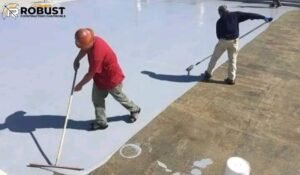
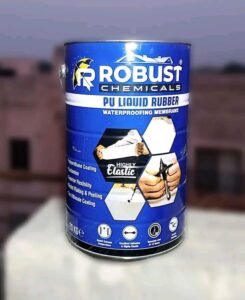
Robust Polyurethane coating is a type of high-performance finish applied to surfaces to protect them from abrasion, chemical exposure, weathering, and wear. Known for its versatility and durability, polyurethane coating is commonly used on materials such as wood, metal, plastic, and concrete.
Key Features and Benefits
Durability: Forms a hard, durable surface resistant to scratches and impacts.
Water & Chemical Resistance: Offers excellent protection against moisture, oils, and many chemicals.
UV Resistance: Some formulations are resistant to UV light, making them ideal for outdoor applications.
Flexibility: Can be adjusted to provide varying degrees of flexibility, useful for substrates that expand and contract.
Glossy or Matte Finish: Available in different sheens, from high gloss to matte, to suit aesthetic needs.
Types of Polyurethane Coatings
1. Acrylic-Polyurethane: Good for UV resistance and typically used on exterior surfaces.
2. Aliphatic Polyurethane: Very resistant to UV light, good for color retention, and often used in outdoor applications.
3. Aromatic Polyurethane: Better suited for indoor use as it can yellow when exposed to sunlight but is very tough and durable.
Common Applications
Wood Finishing: Protects wood floors, furniture, and cabinetry.
Industrial Equipment: Used on machinery and parts to guard against chemical corrosion and abrasion.
Automotive Finishes: Provides a durable topcoat for vehicles.
Concrete Floors: Often used in commercial or industrial settings to protect concrete from heavy traffic and chemicals.
Application Considerations
Polyurethane coatings can be applied by spraying, rolling, or brushing, but they often require multiple coats and curing time between applications. Proper ventilation, protective gear, and temperature control are essential, as fumes can be toxic during application.