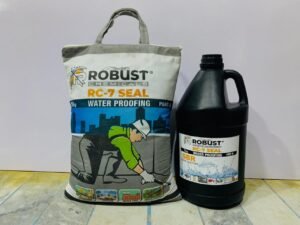
Roof Waterproofing Solutions: Protecting Your Home from Water Damage
Water damage is one of the most common and costly problems homeowners face, and roofs are particularly vulnerable to this issue. A leaky roof can lead to structural damage, mold growth, and costly repairs. That’s why roof waterproofing is an essential step to ensure the longevity and integrity of your property. This guide will explore various roof waterproofing solutions, their benefits, and tips to maintain a watertight roof.
Why Roof Waterproofing Matters
Roof waterproofing is crucial for protecting your home against:
Water Leaks: Even minor leaks can cause significant damage over time. Waterproofing prevents water from seeping through cracks and joints.
Mold and Mildew: Damp conditions create a perfect breeding ground for mold, which can affect air quality and cause health issues.
Structural Damage: Continuous water exposure weakens building materials, leading to structural instability.
Energy Efficiency: A well-waterproofed roof helps maintain consistent indoor temperatures by preventing water infiltration that can degrade insulation.
Property Value: Waterproofing enhances the durability and appeal of your property, making it more valuable in the real estate market.
Types of Roof Waterproofing Solutions
1. Bituminous Membrane Waterproofing
This method is one of the most widely used for flat and low-sloped roofs. A bituminous membrane is made of asphalt and reinforced with fiberglass or polyester for added durability.
Advantages:
High resistance to weather and UV rays
Long-lasting protection
Cost-effective
Application Process:
The roof surface is cleaned and primed.
The bituminous membrane is heated and applied to ensure adhesion.
2. Liquid Waterproofing Membrane
Liquid waterproofing involves applying a liquid coating that cures into a flexible and seamless membrane.
Advantages:
Seamless and crack-resistant
Suitable for complex roof shapes
UV-stable options available
Application Process:
The roof is cleaned and prepared.
A primer is applied, followed by one or more layers of liquid waterproofing material.
3. Cementitious Waterproofing
Cementitious waterproofing is a straightforward and economical solution, often used for roofs with less exposure to harsh weather.
Advantages:
Easy to mix and apply
Durable and cost-effective
Application Process:
A cement-based mixture is prepared and applied using a brush or roller.
4. Thermoplastic Polyolefin (TPO) Membranes
TPO membranes are a popular choice for eco-conscious homeowners. These single-ply membranes are highly reflective and energy-efficient.
Advantages:
Heat-reflective properties reduce cooling costs
Durable and flexible
Application Process:
The membrane is mechanically fastened or adhered to the roof surface.
5. EPDM Rubber Roofing
Ethylene Propylene Diene Monomer (EPDM) is a synthetic rubber membrane that offers excellent resistance to weather conditions.
Advantages:
High elasticity and durability
Easy to repair
Application Process:
EPDM sheets are adhered to the roof with glue or mechanical fasteners.
Factors to Consider When Choosing a Roof Waterproofing Solution
Roof Type: Flat, sloped, or complex roofs may require different waterproofing techniques.
Weather Conditions: Areas prone to heavy rainfall or extreme heat need robust waterproofing solutions.
Material Longevity: Choose materials that offer long-lasting protection with minimal maintenance.
Budget: Balance cost with durability to find a solution that meets your financial constraints.
Professional Expertise: Some methods, like liquid waterproofing, require skilled application for best results.
Maintenance Tips for a Watertight Roof
To ensure the effectiveness of your roof waterproofing solution, follow these maintenance tips:
Regular Inspections: Check your roof for cracks, loose shingles, or other damage at least twice a year.
Clean Gutters: Clogged gutters can cause water to pool on your roof, leading to leaks.
Trim Overhanging Branches: Prevent branches from damaging your roof or allowing debris to accumulate.
Address Issues Promptly: Fix minor problems immediately to prevent them from escalating into costly repairs.
Reapply Waterproofing: Over time, waterproofing materials may wear out. Schedule reapplication as needed.
DIY vs. Professional Roof Waterproofing
While some homeowners may attempt DIY waterproofing, hiring professionals is often the best approach for ensuring quality and durability. Professionals have access to advanced tools and materials and can guarantee proper application, reducing the risk of future leaks.
Benefits of Professional Roof Waterproofing
Expertise: Professionals can assess your roof’s unique needs and recommend the most suitable solution.
Warranty: Many companies offer warranties, giving you peace of mind.
Efficiency: With professional tools and experience, the job is completed quickly and effectively.
Signs Your Roof Needs Waterproofing
Water Stains on Ceilings or Walls: This is a clear indication of water infiltration.
Peeling Paint or Wallpaper: Excess moisture can cause walls to deteriorate.
Mold or Mildew: Visible mold growth suggests prolonged damp conditions.
Sagging Roof: This indicates severe water damage and structural issues.
Sustainable Waterproofing Solutions
As sustainability becomes a priority, eco-friendly waterproofing options are gaining traction. For instance:
Green Roofs: These incorporate vegetation layers over waterproof membranes, providing insulation and reducing urban heat.
Cool Roof Coatings: Reflective coatings minimize heat absorption, lowering energy consumption.
Recyclable Materials: Many modern membranes are made from recyclable materials, reducing environmental impact.