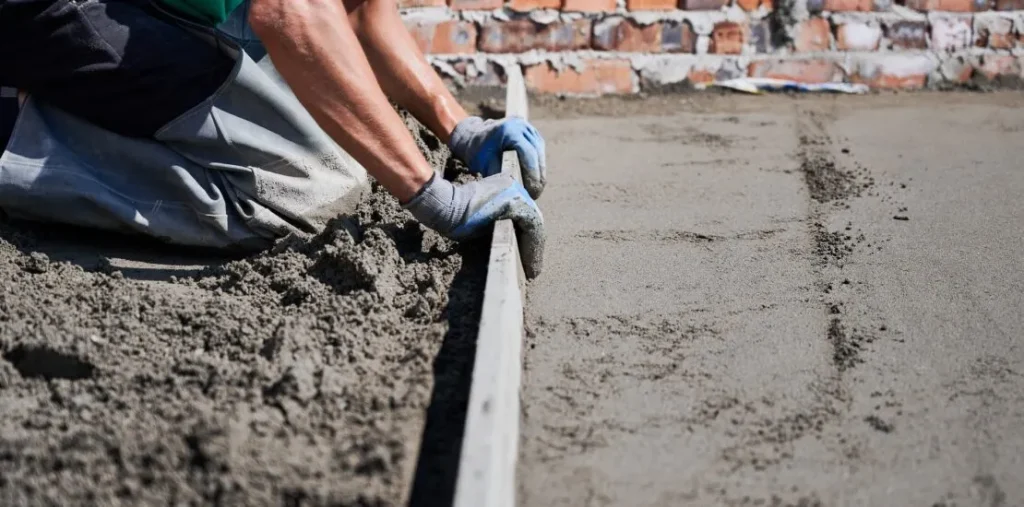
This is the most common and simple seepage prevention method. It uses a cement-based waterproofing chemical mixed with water and applied like plaster. It creates a protective coating on walls, basements, and water tanks. Best for internal areas such as bathrooms and kitchens. It bonds well with concrete and masonry surfaces. Easy to apply, durable, and cost-effective.
Wall Seepage
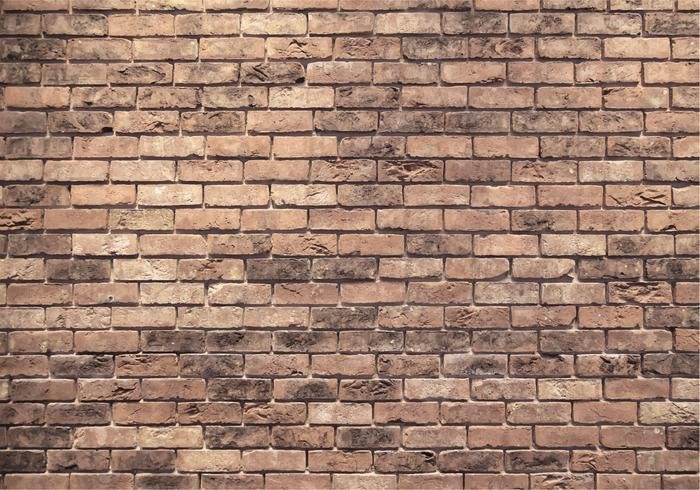
Wall seepage happens when external rainwater or internal moisture enters through porous bricks or cracks. It leads to damp patches, bubbling paint, and plaster damage. Moisture often travels upward by capillary action in walls. Efflorescence (white salt deposits) also appears on wall surfaces. Continuous seepage weakens wall strength over time. It is common in poorly plastered or unprotected walls.
Roof Seepage
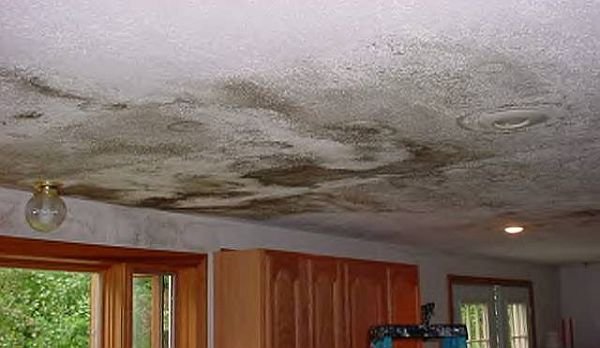
This occurs when rainwater penetrates through roof slabs or terrace tiles. Causes include cracks, poor slope, and blocked drainage outlets. Damp patches form on ceilings below the roof. Prolonged seepage results in concrete weakening and steel corrosion. It can also lead to mold and fungal growth inside rooms. Flat roofs are more prone to this issue than sloped ones.