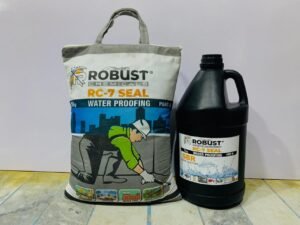
Understanding Water Leakage Protection Chemicals
Water leakage protection chemicals are specialized products designed to prevent or address water ingress in structures. These chemicals are formulated to seal cracks, provide waterproof coatings, and reinforce building materials against moisture penetration. Their application extends to residential, commercial, and industrial projects, making them a versatile solution for diverse environments.
Types of Water Leakage Protection Chemicals
Waterproofing Coatings:
These coatings form a protective layer over surfaces, preventing water from seeping through. They are commonly used on roofs, walls, basements, and terraces.
Acrylic Coatings: Known for their flexibility and UV resistance.
Bituminous Coatings: Ideal for roofs and foundations due to their durability.
Epoxy Coatings: Highly effective in industrial settings where chemical resistance is required.
Crystalline Waterproofing Compounds:
These compounds penetrate concrete and form crystals that block water pathways. They provide long-lasting protection and are particularly effective in below-ground structures such as basements and tunnels.
Polyurethane Sealants:
Polyurethane-based products are highly elastic and adhere well to various surfaces. They are ideal for sealing joints, cracks, and gaps, offering superior water resistance.
Hydrophobic Chemicals:
These chemicals repel water by creating a non-absorbent layer on surfaces. They are widely used on bricks, stones, and other porous materials.
Injection Grouts:
Injection grouts are used to fill cracks and voids in structures. They solidify upon application, providing a watertight seal. Common types include:
Polyurethane Grouts: Effective for active leaks.
Cementitious Grouts: Suitable for structural repairs.
Epoxy Grouts: Used in high-strength applications.
Admixtures:
Admixtures are added to concrete during mixing to enhance its water-resisting properties. These include:
Plasticizers: Improve workability and reduce water content.
Waterproofing Admixtures: Specifically designed to increase impermeability.
Benefits of Using Water Leakage Protection Chemicals
Enhanced Durability:
These chemicals protect structures from water-induced deterioration, extending their lifespan.
Cost Efficiency:
Investing in water leakage protection chemicals reduces long-term repair and maintenance costs.
Environmental Protection:
By preventing leaks, these solutions minimize the risk of environmental contamination and mold growth.
Improved Indoor Air Quality:
Moisture control prevents the development of mold and mildew, ensuring healthier living and working spaces.
Versatility:
From residential bathrooms to industrial tanks, these chemicals cater to a wide range of applications.
Applications of Water Leakage Protection Chemicals
Roof Waterproofing:
Protects against rainwater infiltration, preventing damage to ceilings and interior spaces.
Basement Waterproofing:
Essential for preventing water ingress in underground structures.
Swimming Pools and Water Tanks:
Ensures no leakage in water-retaining structures, maintaining efficiency and hygiene.
Bridges and Tunnels:
Safeguards infrastructure from water damage, ensuring safety and longevity.
Balconies and Terraces:
Keeps these exposed areas safe from water infiltration, preventing structural and aesthetic damage.
Industrial Applications:
Protects factories, warehouses, and other industrial facilities from water-related issues, ensuring smooth operations.
How to Choose the Right Water Leakage Protection Chemical
Selecting the right product depends on the nature of the leakage problem and the area of application. Consider the following factors:
Type of Structure:
Assess whether the application is for residential, commercial, or industrial purposes.
Severity of Leakage:
For minor leaks, simple sealants may suffice, while severe cases may require injection grouts or crystalline compounds.
Surface Material:
Identify whether the surface is concrete, metal, wood, or another material to ensure compatibility.
Environmental Conditions:
Evaluate factors like UV exposure, chemical exposure, and weather conditions.
Product Durability:
Opt for long-lasting solutions that require minimal maintenance.
Step-by-Step Guide to Application
Surface Preparation:
Clean the surface thoroughly to remove dirt, grease, and loose particles.
Repair any visible cracks or damages.
Product Selection:
Choose a chemical suited to the type and severity of the water leakage.
Application:
Apply as per the manufacturer’s instructions.
Ensure even coverage and proper sealing of all joints and cracks.
Curing:
Allow sufficient time for the product to cure, ensuring optimal performance.
Inspection:
Check for any missed spots or incomplete sealing and reapply if necessary.
Maintenance Tips
Regular Inspections:
Periodically inspect areas prone to water leakage for early signs of damage.
Prompt Repairs:
Address minor issues promptly to prevent them from escalating into major problems.
Reapplication:
Reapply protective coatings and sealants as recommended by the manufacturer to maintain effectiveness.
Drainage Management:
Ensure proper drainage systems are in place to minimize water accumulation.
Future Trends in Water Leakage Protection
The field of water leakage protection is constantly evolving, with innovations aimed at enhancing efficiency and sustainability. Emerging trends include:
Eco-Friendly Chemicals:
Development of non-toxic, biodegradable products that minimize environmental impact.
Self-Healing Materials:
Introduction of materials capable of repairing minor cracks autonomously.
Smart Waterproofing Systems:
Integration of sensors to monitor and detect leaks in real time.
Nanotechnology:
Use of nanoparticles to create ultra-thin, highly effective waterproof layers.