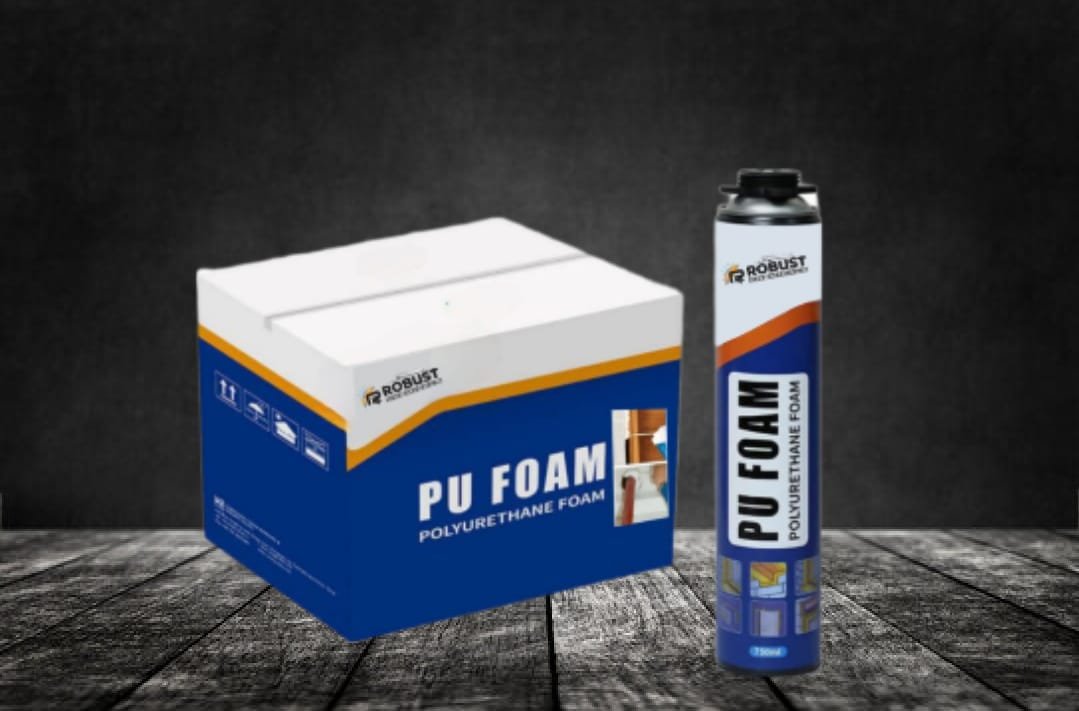
PU Foam: A Comprehensive Guide to Properties, Applications, and Benefits
Polyurethane foam, commonly referred to as PU foam, is a versatile material with a wide array of applications ranging from insulation and construction to furniture and automotive components. Its unique properties, such as flexibility, durability, and energy efficiency, make it a preferred choice for industries across the globe. This article will delve into the origins, types, properties, applications, and environmental considerations of PU foam, providing a thorough understanding of why this material is so widely used.
Origins and Types of PU Foam
Polyurethane foam was first developed in the 1930s by German chemist Otto Bayer. Initially designed as a substitute for rubber, PU foam has since evolved into various forms and types, each serving different purposes. The two main categories of PU foam are flexible polyurethane foam (FPF) and rigid polyurethane foam (RPF).
- Flexible Polyurethane Foam (FPF)
Flexible PU foam is characterized by its soft and elastic structure. It is commonly used in applications requiring comfort and cushioning, such as in furniture, mattresses, and car seats. FPF can be compressed and stretched while maintaining its structural integrity, making it highly desirable in products where comfort and flexibility are key. - Rigid Polyurethane Foam (RPF)
Rigid PU foam, on the other hand, is used primarily for insulation purposes. Its hard and dense structure provides excellent thermal insulation, which is critical in building construction, refrigeration, and HVAC systems. The closed-cell structure of rigid PU foam ensures minimal air passage, contributing to its high efficiency as an insulator.
Key Properties of PU Foam
Polyurethane foam’s success in various industries can be attributed to several key properties:
- Lightweight
Despite its durability and strength, PU foam is incredibly lightweight. This makes it easy to transport, handle, and install, especially in construction projects. - Durability
PU foam has a long lifespan, resisting wear and tear even under high stress. This durability is one of the reasons it is widely used in products that require longevity, such as furniture and bedding. - Insulation Properties
One of the most celebrated features of PU foam, particularly the rigid variety, is its exceptional insulating ability. PU foam has a low thermal conductivity, meaning it effectively prevents heat transfer, making it ideal for building insulation, refrigeration, and HVAC systems. - Flexibility
Flexible polyurethane foam is highly elastic and can be molded into various shapes and densities. This flexibility is beneficial for industries that need cushioning and shock absorption, such as automotive and packaging sectors. - Water Resistance
PU foam, especially closed-cell rigid foam, is highly resistant to moisture and water. This property makes it useful in marine applications, waterproofing, and even in building foundations where moisture exposure is a concern. - Chemical Resistance
Polyurethane foam resists many chemicals, including solvents, oils, and acids, making it suitable for various industrial applications where chemical exposure is prevalent. - Environmental Efficiency
Modern PU foam production methods focus on sustainability. Many manufacturers use eco-friendly blowing agents that minimize ozone depletion, and some PU foams are recyclable. Moreover, its insulating properties help reduce energy consumption in buildings, contributing to long-term environmental benefits.
Applications of PU Foam
The versatility of polyurethane foam means that it finds use in countless industries. Some of the most common applications include:
- Construction and Insulation
In the construction industry, PU foam is extensively used for insulation, roofing, and structural reinforcement. Rigid PU foam is ideal for insulating walls, roofs, and floors, as it reduces energy costs by maintaining temperature control within buildings. Its lightweight nature and ease of installation further enhance its appeal in construction projects. - Furniture and Bedding
Flexible PU foam is the go-to material for mattresses, cushions, and upholstered furniture. It provides a comfortable, supportive surface that enhances the user experience. Additionally, memory foam, a type of PU foam, is used in mattresses and pillows for its body-conforming properties. - Automotive Industry
The automotive industry extensively uses PU foam for seat padding, headrests, armrests, and interior trim. The material’s lightweight nature helps reduce vehicle weight, leading to improved fuel efficiency, while its durability ensures that car interiors remain comfortable and intact over time. - Packaging
PU foam is often used for packaging delicate items. Its shock-absorbing properties help protect fragile goods during shipping, ensuring they arrive at their destination undamaged. - Appliances
Rigid PU foam is a key component in refrigerators and freezers, where it provides thermal insulation. The foam’s low thermal conductivity minimizes energy consumption, making household appliances more energy-efficient. - Marine and Aerospace
Due to its water-resistant properties, PU foam is used in boats, docks, and marine buoys. In aerospace, the lightweight and insulating qualities of PU foam make it ideal for aircraft interior components, such as seating and panels.
Environmental Impact and Sustainability
As with all synthetic materials, polyurethane foam’s environmental impact is a topic of concern. Historically, the production of PU foam involved the use of chlorofluorocarbons (CFCs), which are harmful to the ozone layer. However, advancements in manufacturing processes have led to the use of eco-friendly blowing agents, which significantly reduce the environmental footprint of PU foam production.
Recycling of PU foam is another area where progress is being made. Some forms of polyurethane foam can be mechanically or chemically recycled into new foam products or used as feedstock for energy production. Moreover, its insulating properties contribute to energy savings in buildings, helping reduce greenhouse gas emissions.
Advantages of PU Foam
The use of polyurethane foam offers several advantages over other materials:
- Cost-Effective
PU foam is relatively inexpensive to produce and install, making it a cost-effective solution for many applications, particularly in construction and insulation. - Energy Savings
By providing superior insulation, PU foam helps reduce energy consumption in buildings, leading to lower energy bills and a smaller carbon footprint. - Versatility
Few materials can match the versatility of PU foam, which can be tailored to meet the specific needs of different industries. Its ability to be molded into various shapes and densities makes it suitable for a wide range of applications. - Comfort
In products such as mattresses and furniture, PU foam provides a balance of support and comfort. Its ability to conform to the shape of the body makes it ideal for ergonomic designs. - Safety
PU foam is fire-resistant and meets stringent safety standards, particularly in the construction and automotive industries. It also emits low levels of volatile organic compounds (VOCs), contributing to healthier indoor air quality.
When it comes to energy efficiency and thermal comfort, PU Foam for heat insulation in Pakistan has become one of the most effective and widely used insulation solutions. Developed with advanced polyurethane (PU) technology, this foam provides exceptional heat resistance, long-lasting insulation, and superior protection against extreme temperatures. Whether you’re constructing a new home, commercial building, cold storage, or industrial unit, PU Foam offers a cost-effective way to keep interiors cool in summer and warm in winter—perfectly suited for Pakistan’s challenging climate.
What Is PU Foam?
PU (Polyurethane) Foam is a thermal insulation material created through a chemical reaction between polyol and isocyanate. The result is a lightweight yet dense foam that expands to fill gaps and forms a continuous, airtight insulation layer. PU Foam’s closed-cell structure provides outstanding resistance to heat flow, making it one of the most energy-efficient insulation materials in the market.
Unlike traditional insulation materials like fiberglass or thermocol, PU Foam offers better adhesion, water resistance, and coverage. It can be sprayed or injected on various surfaces—such as concrete roofs, metal sheets, walls, ceilings, pipes, and tanks—without joints or seams, ensuring complete coverage and eliminating thermal bridges.
Importance of Heat Insulation in Pakistan
Pakistan experiences extreme temperature fluctuations, with scorching summers reaching above 45°C in many regions. The increasing demand for energy-efficient buildings and rising electricity costs have made heat insulation an essential part of modern construction. Proper insulation not only enhances indoor comfort but also significantly reduces energy consumption from air conditioning and heating systems.
PU Foam for heat insulation helps reduce heat transfer by up to 40–50%, ensuring that less cool air escapes during summer and less warmth is lost in winter. This efficiency leads to reduced electricity bills and a smaller carbon footprint, promoting both economic and environmental sustainability.
Benefits of PU Foam Heat Insulation
-
Superior Thermal Performance:
PU Foam has one of the lowest thermal conductivity rates among insulation materials, ensuring maximum energy savings. -
Seamless Application:
It forms a continuous layer without joints, preventing air leakage and eliminating weak points. -
Water and Moisture Resistance:
PU Foam is completely water-resistant, making it ideal for roofs, basements, and humid environments. -
Durability and Longevity:
With proper application, PU Foam insulation lasts for decades without losing its insulating properties. -
Lightweight Yet Strong:
Despite its low weight, PU Foam adds structural strength and stability to surfaces. -
Quick and Easy Installation:
Spray application ensures rapid coverage and minimal downtime during construction. -
Versatility:
Suitable for a wide range of applications including roofs, walls, ceilings, pipelines, and storage tanks. -
Energy and Cost Savings:
Reduces air conditioning and heating costs by maintaining consistent indoor temperatures.
Applications of PU Foam in Pakistan
-
Roof Heat Insulation:
PU Foam is sprayed directly onto concrete or metal roofs, forming a strong barrier against solar radiation and heat transfer. It keeps homes and offices cooler while reducing AC load. -
Wall Insulation:
Applying PU Foam within walls minimizes thermal bridging and prevents external heat from entering living spaces. -
Industrial Insulation:
Factories, warehouses, and cold storage facilities use PU Foam for temperature control and energy efficiency. -
Pipe and Tank Insulation:
PU Foam protects pipelines and storage tanks from heat gain or loss, maintaining temperature stability for liquids and gases. -
Cold Storage Units:
Essential for maintaining low temperatures in cold rooms and food processing units. PU Foam insulation helps preserve freshness while saving energy. -
Commercial and Residential Buildings:
Ideal for homes, offices, hospitals, and schools where temperature control and comfort are priorities.
PU Foam Heat Insulation for Roofs
Roofs absorb the most heat during summer, especially in cities like Lahore, Karachi, Multan, and Islamabad. Applying PU Foam insulation on roofs reduces heat absorption and prevents rooms from becoming uncomfortably hot. The foam’s reflective surface minimizes solar radiation, while its closed-cell structure prevents air leakage.
This not only increases comfort but also enhances the lifespan of roofing materials by protecting them from thermal stress and UV degradation. PU Foam also serves as an excellent waterproofing layer, providing dual benefits—heat proofing and leak protection—making it an ideal choice for flat concrete or metal roofs.
PU Foam vs. Traditional Insulation Materials
| Property | PU Foam | Thermocol | Glass Wool | Rock Wool |
|———–|———-|————|————-|
| Thermal Conductivity | Very Low (Best) | Moderate | Moderate | High |
| Water Resistance | Excellent | Poor | Poor | Moderate |
| Durability | 20+ Years | 5–8 Years | 5–7 Years | 8–10 Years |
| Application Type | Spray/Injection | Sheet | Sheet | Sheet |
| Adhesion | Excellent | Weak | Weak | Weak |
| Energy Savings | Up to 50% | 20–30% | 20–25% | 30% |
Clearly, PU Foam outperforms all conventional materials in terms of performance, longevity, and energy efficiency.
PU Foam Insulation in Different Regions of Pakistan
-
Lahore: High temperatures and humidity make PU Foam ideal for residential and commercial buildings to reduce AC costs.
-
Karachi: PU Foam provides excellent resistance to coastal humidity and salt-laden air, protecting structures from corrosion.
-
Islamabad & Rawalpindi: It ensures year-round comfort by maintaining warm indoor temperatures during winter and cool interiors in summer.
-
Multan & Faisalabad: PU Foam insulation significantly reduces heat absorption, providing relief during harsh summer months.
Environmental and Health Benefits
Modern PU Foam insulation is formulated to be eco-friendly and free from harmful CFCs and HCFCs. It contributes to green building certification standards (LEED) and helps reduce overall carbon emissions by minimizing energy waste. Additionally, it improves indoor air quality by preventing mold and dampness.
Why Choose Robust Construction Chemicals for PU Foam Heat Insulation
Robust Construction Chemicals is one of Pakistan’s leading providers of PU Foam insulation solutions, offering reliable, durable, and cost-effective services for residential, commercial, and industrial applications. We use high-quality, imported raw materials and apply PU Foam using advanced spray equipment to ensure perfect adhesion and uniform thickness.
Our team of trained professionals evaluates each project site, identifies thermal bridges, and designs a customized insulation solution tailored to your needs. From initial assessment to final coating, every step is performed with precision, ensuring long-term satisfaction.
Advantages of Choosing Robust PU Foam Services
-
Certified and experienced application team
-
Premium-grade polyurethane foam materials
-
Quick installation with minimal disturbance
-
Complete heat proofing and waterproofing in one solution
-
Affordable rates with long-term energy savings
-
Maintenance-free and environment-friendly solution
Conclusion
As energy costs continue to rise, investing in PU Foam for heat insulation in Pakistan is a smart and sustainable decision. It’s not just about keeping your interiors cool—it’s about improving energy efficiency, reducing operational costs, and protecting your property from environmental stress. Whether you’re in Lahore, Karachi, Islamabad, or Multan, Robust Construction Chemicals delivers reliable PU Foam insulation solutions that guarantee performance, comfort, and durability for years.
With Robust, you get more than just insulation—you get complete climate control protection, engineered for Pakistan’s toughest weather conditions.
In Pakistan, where summers are scorching and winters can be unexpectedly chilly, proper heat insulation has become a necessity for every modern building. Among all insulation solutions, PU Foam (Polyurethane Foam) stands out as the most reliable and efficient method for thermal control. Its superior properties make it ideal for residential homes, commercial buildings, industrial units, cold storage facilities, and roofing systems. With the growing energy demands and rising electricity costs, PU Foam insulation in Pakistan is helping businesses and homeowners save energy while ensuring comfort all year round.
Why PU Foam Is the Preferred Heat Insulation Material in Pakistan
PU Foam offers several advantages over traditional insulation methods. Unlike thermocol, glass wool, or rock wool, PU Foam has a closed-cell structure, which creates a dense barrier that traps air and prevents heat transfer. This makes it highly effective in minimizing energy loss and keeping indoor temperatures stable.
Other benefits include:
-
Seamless Coverage: PU Foam expands after application, filling every nook and corner, leaving no gaps or weak spots.
-
Waterproof and Moisture Resistant: Its closed-cell structure prevents water penetration, making it suitable for humid areas and flat roofs prone to leakage.
-
Durable and Long-Lasting: PU Foam can last for decades without losing insulating properties, unlike other materials that degrade over time.
-
Lightweight and Easy to Apply: Despite being dense and highly efficient, PU Foam adds minimal weight to structures and can be applied quickly.
-
Energy Efficiency: By reducing heat transfer, PU Foam significantly cuts air-conditioning and cooling costs during summer months.
-
Versatile Applications: It can be sprayed on roofs, walls, ceilings, cold storage tanks, pipelines, and industrial surfaces, making it a one-stop solution for all insulation needs.
Applications of PU Foam in Pakistan
-
Residential Roofs: Flat or sloped roofs can absorb excessive heat during summer. PU Foam creates a thermal barrier that keeps interiors cool, reducing dependency on air conditioning.
-
Commercial Buildings: Offices, schools, hospitals, and malls benefit from PU Foam’s ability to regulate temperature efficiently, creating a comfortable indoor environment.
-
Industrial Units: Factories and warehouses use PU Foam to maintain optimal working conditions while reducing energy costs.
-
Cold Storage Facilities: PU Foam ensures temperature stability in cold rooms, preventing food spoilage and maintaining product quality.
-
Pipelines and Tanks: Heat-sensitive liquids or gases are protected from external temperature fluctuations with PU Foam insulation.
Roof Heat Insulation with PU Foam
Roofs are the primary source of heat gain in a building. PU Foam applied to the roof not only prevents heat absorption but also provides additional benefits such as waterproofing, UV protection, and crack resistance. It adheres strongly to concrete, metal, and other surfaces, creating a seamless layer that prevents air leakage. In Pakistan, where sun intensity can be extremely high, PU Foam helps maintain a cool interior environment, saving on electricity bills and improving comfort levels.
PU Foam vs Traditional Insulation Materials
Compared to thermocol, glass wool, or rock wool, PU Foam is superior in almost every aspect:
| Feature | PU Foam | Thermocol | Glass Wool | Rock Wool |
|---|---|---|---|---|
| Thermal Conductivity | Very Low | Moderate | Moderate | High |
| Water Resistance | Excellent | Poor | Poor | Moderate |
| Durability | 20+ Years | 5–8 Years | 5–7 Years | 8–10 Years |
| Application | Spray/Injection | Sheet | Sheet | Sheet |
| Seamless Coverage | Yes | No | No | No |
| Energy Efficiency | Very High | Moderate | Moderate | High |
This makes PU Foam the ideal choice for Pakistan’s extreme climate conditions, offering both cost-effectiveness and long-term performance.
Environmental and Economic Benefits
Modern PU Foam is formulated to be environmentally safe, free from harmful chemicals like CFCs or HCFCs. By reducing the need for air conditioning and heating, it lowers energy consumption, which in turn reduces greenhouse gas emissions. Economically, the initial investment in PU Foam insulation pays off within a few years due to energy savings and reduced maintenance costs.
Why Choose Robust Construction Chemicals for PU Foam Insulation
Robust Construction Chemicals is Pakistan’s leading provider of PU Foam insulation solutions. Our team of trained professionals ensures proper assessment, application, and quality control for each project. We use premium-grade polyurethane materials and advanced spray equipment to deliver uniform, durable, and high-performance insulation for roofs, walls, ceilings, and industrial facilities.
Key advantages of choosing Robust:
-
Expert consultation and site inspection
-
Customized insulation solutions for homes, offices, and industries
-
Premium imported PU Foam for maximum thermal efficiency
-
Quick, seamless application with minimal disruption
-
Long-lasting performance and maintenance-free insulation
-
Environmentally safe, non-toxic products
Conclusion
With rising energy costs and extreme temperatures across Pakistan, investing in PU Foam for heat insulation is no longer optional—it’s essential. PU Foam provides exceptional heat resistance, energy savings, waterproofing, and long-term durability. From residential homes to commercial buildings and industrial facilities, Robust Construction Chemicals delivers reliable PU Foam insulation solutions that improve indoor comfort, reduce electricity bills, and protect your property from heat-related damage.
By choosing Robust, you’re investing in a cost-effective, environmentally friendly, and high-performance insulation solution designed specifically for Pakistan’s diverse climate conditions. Protect your building, save energy, and enjoy year-round comfort with PU Foam heat insulation by Robust Construction Chemicals.