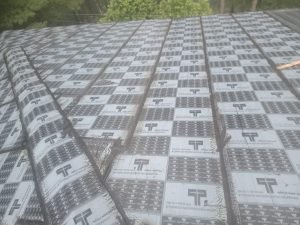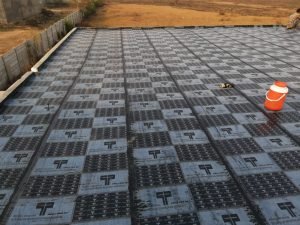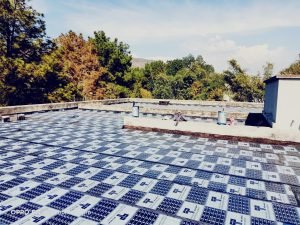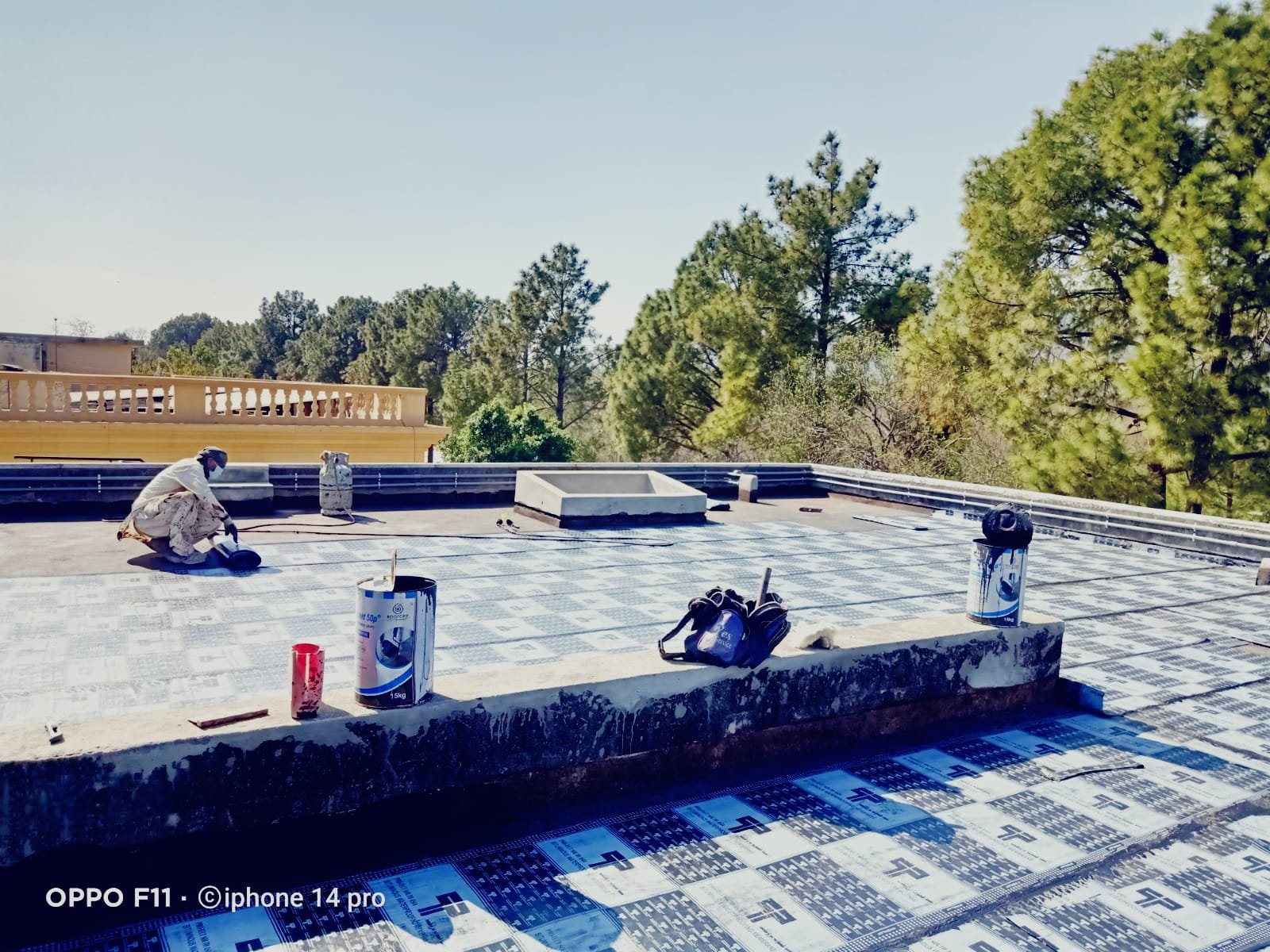
Heat Torch Membrane Sheet | Premium Roof Waterproofing Roll for Homes & Buildings
Waterproofing is one of the most critical aspects of modern construction. Roofs, terraces, basements, and walls are constantly exposed to moisture, rain, and extreme weather conditions. Without a reliable waterproofing system, buildings are prone to leaks, dampness, structural damage, and increased maintenance costs. This is where a heat torch membrane sheet comes into play. Designed for torch application using a heat gun, these membranes create a strong, continuous waterproof barrier that protects buildings for decades.
Premium torch-applied membrane sheets are made from high-quality SBS-modified bitumen. This gives them excellent elasticity, heat resistance, and durability. They can withstand temperature fluctuations, UV exposure, and mechanical stress. Homes, commercial buildings, warehouses, and even industrial facilities benefit from the long-term protection provided by these sheets.
Why Choose Heat Torch Membrane Sheets?
Unlike self-adhesive membranes or liquid coatings, torch-applied sheets bond firmly with the substrate when heated. This creates a seamless waterproof layer that resists peeling, punctures, and water ingress. Heat torch membrane sheets are particularly useful for:
-
Flat roofs that are exposed to sun and rain
-
Terraces and balconies where water pooling is common
-
Basements to prevent dampness and rising water
-
Industrial buildings where heavy loads require durable membranes
These sheets provide both waterproofing and heat resistance, reducing temperature transfer to interior spaces. This makes them ideal for regions in Pakistan with extreme heat, like Karachi, Lahore, Multan, and Hyderabad.
For internal linking, you may add:
/roof-waterproofing/
/basement-waterproofing/
/heatproofing-solutions/
External reference:
“Learn more at International Bitumen Waterproofing Standards”
Composition and Features of Heat Torch Membrane Sheets
Heat torch membranes are usually SBS (Styrene-Butadiene-Styrene) modified bitumen, which improves flexibility and temperature tolerance. Key features include:
-
Elasticity: Adapts to structural movement without cracking
-
Heat resistance: Withstands high temperatures and UV exposure
-
Moisture resistance: Impermeable to water, protecting structures from leaks
-
Durability: Long lifespan up to 15–25 years
-
Ease of installation: Can be applied with a heat torch for a strong bond
Some variants come with a foil aluminum top layer, which reflects sunlight and reduces heat penetration. This not only waterproofs the roof but also improves indoor comfort by keeping temperatures lower.
Applications of Torch-Applied Membrane Sheets
-
Residential Roofs and Terraces:
Homes with flat roofs or terraces often experience leaks during the monsoon season. Heat torch membranes provide a reliable solution by creating a continuous waterproof barrier that adheres to concrete, ensuring long-term protection. -
Commercial Buildings:
Offices, shopping malls, and hotels require robust waterproofing systems. These membranes resist foot traffic, weather conditions, and thermal stress while maintaining their integrity over years. -
Basements and Foundations:
Rising damp is a common problem in basements. Torch-applied membranes prevent water seepage and protect concrete structures from moisture damage. -
Industrial Facilities:
Factories, warehouses, and cold storage units benefit from these sheets because they are mechanically strong and can handle heavy loads while providing water resistance.
Internal linking suggestions:
/industrial-waterproofing/
/commercial-roof-protection/
Installation Process – Step by Step
Proper installation ensures maximum efficiency. Here is a general guide:
-
Surface Preparation: Clean the substrate. Remove dust, debris, or loose concrete. Ensure the surface is smooth.
-
Primer Application: Apply a bitumen-based primer for better adhesion.
-
Rolling Out the Membrane: Unroll the torch membrane sheet across the surface.
-
Heat Application: Use a heat torch or heat gun to melt the bottom layer and bond it to the surface.
-
Sealing Joints: Overlap sheets by 10–15 cm and heat seal the seams to create a continuous barrier.
-
Protection Layer (Optional): Some roofs may require a protective screed, tiles, or reflective coating over the membrane.
For content linking:
/torch-membrane-installation-guide/
/roof-protection-materials/
Advantages of Torch Membrane Sheets Over Other Systems
-
Seamless Protection: Heat bonding ensures no gaps, unlike self-adhesive membranes.
-
Durable & Long-lasting: Resistant to UV, weather, and mechanical stress.
-
Heat Resistant: Reduces interior heat transfer, improving indoor comfort.
-
Versatile Applications: Works on roofs, basements, terraces, walls, and industrial floors.
-
Cost-Effective: While initial costs are higher than liquid membranes, long-term durability reduces repair expenses.
Torch Membrane Sheet with Aluminum Foil Layer
Aluminum foil-topped membranes offer additional benefits:
-
Reflect sunlight and reduce heat transfer into buildings
-
Protect membranes from UV damage
-
Provide a smooth finish for easier maintenance
-
Improve indoor comfort and reduce AC usage
This makes it ideal for hot climates in Pakistan where energy savings are crucial.
Quality Standards for Torch-Applied Membranes
High-quality membranes comply with international standards such as:
-
ASTM D6162 – Specification for SBS Modified Bitumen Sheet
-
EN 13707 – Reinforced Bitumen Sheets for Roofing
-
ISO 9001 – Quality Management for Manufacturing
Ensuring certified products guarantees long-term performance and reliability.
Tips for Best Performance
-
Always use a primer for better adhesion
-
Maintain proper overlap between sheets (10–15 cm recommended)
-
Avoid installation in wet or rainy conditions
-
Use protective layers if the roof is exposed to heavy foot traffic
-
Regular inspection ensures longevity
Internal link suggestion:
/roof-maintenance-tips/
Combining Membrane Sheets with Other Waterproofing Products
Torch-applied membranes are often combined with:
-
Liquid waterproofing chemicals – for extra protection on corners and joints
-
Foil bitumen sheets – for enhanced UV resistance and heat reflection
-
Sealants and backer rods – for structural joints
-
PU coatings – for additional topcoat protection
Such combinations maximize roof longevity and reduce the risk of leaks over time.
Long-Term Benefits for Homeowners and Builders
-
Reduced Maintenance Costs: Fewer leaks, cracks, or repairs
-
Energy Efficiency: Reflective layers reduce heat gain
-
Structural Protection: Prevents water damage to concrete and steel structures
-
Enhanced Property Value: Well-protected roofs add value to homes and commercial buildings
Conclusion
Heat Torch Membrane Sheets are an ideal solution for anyone seeking long-lasting waterproofing. They combine durability, heat resistance, and ease of installation to protect residential, commercial, and industrial buildings. With proper installation and maintenance, these membranes provide decades of protection against water ingress, UV exposure, and thermal stress. Combining torch membranes with foil layers, liquid coatings, or protective screeds ensures maximum efficiency and peace of mind.
For internal linking:
/premium-waterproofing-products/
/roof-heatproofing/
External references:
-
ASTM Standards for SBS membranes
-
International waterproofing guides
Modern construction projects demand high-quality waterproofing solutions that provide long-term protection against water infiltration, UV radiation, and heat stress. Among these solutions, torch-applied membrane sheets have emerged as the preferred choice for residential, commercial, and industrial applications. Their ability to create a seamless, durable waterproof layer makes them indispensable in climates like Pakistan, where heavy rains, hot summers, and fluctuating temperatures pose challenges to building integrity.
These membranes are designed to work with heat torches or heat guns, which melt the bottom layer of the sheet and bond it securely to the roof or substrate. Unlike self-adhesive membranes, torch-applied sheets form a continuous barrier with no gaps, ensuring maximum waterproofing efficiency. For those exploring additional options, internal links like /roof-waterproofing/, /basement-waterproofing/, or /roof-heatproofing/ can help direct users to complementary services or products.
Composition and Types of Torch Membrane Sheets
Torch-applied membranes are usually SBS (Styrene-Butadiene-Styrene) modified bitumen sheets, sometimes reinforced with fiberglass or polyester mats. These materials enhance elasticity, heat resistance, and tensile strength. Some premium variants feature a foil aluminum top layer, offering reflective properties that reduce roof surface temperatures and improve indoor comfort.
External references for standards and quality assurance:
-
ASTM D6162 – Specification for SBS Modified Bitumen Sheets
-
EN 13707 – Reinforced Bitumen Sheets for Roofing
Membranes can be classified based on their surface type:
-
Sanded Surface Membrane: Provides better grip and adhesion to the substrate.
-
Smooth Foil Surface Membrane: Ideal for reflective applications and UV protection.
-
Composite Membrane: Combines reinforcement layers with SBS bitumen for high durability.
Internal links for related products:
/foil-aluminium-membrane-sheet/
/sbs-bitumen-membrane/
Key Applications of Heat Torch Membrane Sheets
1. Residential Roofs and Terraces
Flat and sloped roofs often suffer from water accumulation, leakage, and heat penetration. Torch-applied membranes offer a reliable waterproofing solution, ensuring the roof remains dry and insulated. When combined with reflective foil sheets, they also reduce heat transfer, helping homeowners save on cooling costs.
2. Commercial Buildings
Shopping malls, offices, and hotels benefit from these membranes because they resist foot traffic, mechanical stress, and environmental factors. Internal links for commercial solutions:
/commercial-roof-protection/
3. Basements and Foundations
Rising damp and water infiltration in basements can compromise structural integrity. Torch-applied membranes act as a barrier, protecting concrete from water damage and preventing mold growth. Recommended internal link:
/basement-waterproofing/
4. Industrial Facilities
Factories, warehouses, and cold storage units require heavy-duty waterproofing. Heat torch membranes can withstand high loads, chemical exposure, and repeated thermal cycles, making them ideal for industrial applications.
External reference:
https://www.wipo.int/wipo_magazine/en/2019/01/article_0003.html – for industrial waterproofing standards
Installation Process – Step by Step Guide
Proper installation is key to achieving maximum efficiency and longevity. Here’s a detailed process:
-
Surface Preparation
Clean the substrate thoroughly to remove dust, debris, or loose particles. Ensure the surface is dry and smooth. Internal link:
/surface-preparation-for-roofing/ -
Primer Application
Apply a bitumen-based primer evenly to improve adhesion. Allow it to dry as per manufacturer instructions. -
Unrolling the Membrane
Roll out the membrane sheet along the roof or substrate, making sure it aligns with edges. -
Heat Application
Use a torch or heat gun to melt the bottom layer. Press the sheet down firmly to bond it to the surface. -
Overlapping and Sealing
Overlap adjacent sheets by 10–15 cm. Heat seal the seams to ensure a continuous waterproof layer. -
Protective Layer (Optional)
For exposed roofs or heavy foot traffic areas, apply a protective screed, tiles, or reflective coating on top.
Internal link suggestions:
/torch-membrane-installation-guide/
/roof-protection-materials/
Advantages Over Other Waterproofing Systems
-
Seamless Protection – Heat-bonded layers prevent leaks better than self-adhesive membranes.
-
Durability – Resistant to UV radiation, thermal stress, and mechanical loads.
-
Heat Resistance – Reduces interior temperature, improving comfort in summer.
-
Versatile Applications – Suitable for roofs, basements, terraces, walls, and industrial floors.
-
Cost-Effectiveness – Longer lifespan reduces repair and maintenance costs.
Internal link suggestions:
/premium-waterproofing-products/
Combining Membrane Sheets With Other Waterproofing Solutions
For maximum performance, torch-applied membranes can be combined with:
-
Liquid waterproofing chemicals – ideal for corners and joints. Internal link: /liquid-waterproofing-products/
-
Foil bitumen sheets – for heat reflection and UV protection. Internal link: /foil-aluminium-membrane-sheet/
-
Sealants and backer rods – for expansion joints. Internal link: /backer-rod/
-
PU coatings – extra protective layer. Internal link: /pu-liquid-rubber/
Torch Membrane Sheet with Aluminum Foil Layer
Aluminum foil-topped membranes provide additional benefits:
-
Reflect sunlight and reduce heat absorption
-
Protect membranes from UV exposure
-
Maintain roof temperature and improve indoor comfort
This is highly recommended in hot regions of Pakistan where AC bills can be high.
External link suggestion:
https://www.buildinggreen.com/product/torch-applied-roofing-membranes
Quality Standards and Certifications
High-quality torch membranes comply with international standards:
-
ASTM D6162 – SBS modified bitumen
-
EN 13707 – Reinforced bitumen sheets
-
ISO 9001 – Quality management
-
BS 6920 – Waterproofing reliability
Ensuring certified products guarantees long-term durability and safe installation.
Internal link suggestion:
/quality-assured-waterproofing/
Long-Term Benefits for Homeowners and Builders
-
Reduced Maintenance Costs – fewer leaks and repairs
-
Energy Efficiency – reflective membranes reduce heat gain
-
Structural Protection – prevents concrete and steel corrosion
-
Enhanced Property Value – well-protected roofs and basements increase real estate value
Tips for Best Performance
-
Always use a primer for better adhesion
-
Maintain proper overlap between sheets (10–15 cm)
-
Avoid installation in wet or rainy conditions
-
Apply protective layers if exposed to heavy foot traffic
-
Inspect periodically for damage or wear
Internal link:
/roof-maintenance-tips/
Special Applications
-
Cold Storage and Refrigerated Units – maintains low temperatures and prevents condensation. Internal link:
/cold-storage-insulation/ -
Industrial Roofs – handles mechanical stress, chemical exposure, and temperature fluctuations.
-
Balconies and Terraces – prevents water pooling and leakage.
-
Water Tanks – protects structural integrity and prevents seepage.
External link:
https://www.waterproofmag.com/torch-applied-membranes/
Conclusion
Heat torch membrane sheets are a premium solution for waterproofing roofs, basements, terraces, and walls. They combine durability, heat resistance, and seamless protection in one product. With proper installation, these membranes offer decades of protection against water ingress, UV exposure, and thermal stress. When used with aluminum foil, PU coatings, or liquid waterproofing products, their performance reaches maximum efficiency.
Internal link suggestions:
/premium-waterproofing-products/
/roof-heatproofing/
/industrial-waterproofing/
External references:
-
ASTM SBS Standards
-
International Waterproofing Guidelines
Preventing Roof Damage with Heat Torch Membranes
One of the biggest challenges homeowners and building managers face is roof damage due to water infiltration. Rainwater, melting snow, and environmental moisture can cause cracks, leaks, and structural weakness over time. Torch-applied membrane sheets offer a long-term solution to these problems. Their seamless installation ensures that water cannot penetrate joints or seams, unlike traditional waterproofing methods like cementitious coatings or simple bitumen layers.
Internal links for related content:
/roof-waterproofing/
/basement-waterproofing/
These membranes are especially effective in flat roofs where water pooling occurs. They form a strong, elastic layer that moves slightly with the roof structure without cracking. This elasticity is particularly beneficial in areas experiencing temperature fluctuations, as the material expands and contracts without losing its waterproofing properties.
Advantages for Hot Climates
In Pakistan, heatwaves and high UV exposure are common, especially in cities like Karachi, Lahore, Multan, and Hyderabad. Torch-applied SBS membranes with reflective foil layers can reduce heat transfer into interior spaces. This not only keeps rooms cooler but also reduces the workload on air conditioning systems, resulting in lower electricity bills for homeowners.
External reference for heat reflective benefits:
https://www.buildinggreen.com/product/roof-reflective-membranes
By combining heat resistance with waterproofing, these membranes provide a dual solution that protects both the structural integrity of the roof and the comfort of building occupants.
Durability and Longevity
Torch-applied membranes are engineered to last decades. High-quality SBS-modified sheets can last anywhere from 15 to 25 years with proper installation and maintenance. Unlike traditional roofing materials that may degrade or peel, these membranes resist:
-
UV radiation
-
Heavy rainfall
-
Temperature fluctuations
-
Foot traffic and mechanical stress
Internal links:
/premium-waterproofing-products/
/roof-maintenance-tips/
The longevity of torch-applied membranes makes them a cost-effective choice. While the initial investment may be higher than other waterproofing solutions, the reduced maintenance and repair costs over time make it a smart financial decision for both residential and commercial projects.
Easy Maintenance
Despite their durability, membranes benefit from routine inspection. Homeowners should check for any:
-
Punctures or tears
-
Detachment at seams
-
Accumulated debris on the roof surface
Periodic cleaning and minor repairs ensure that the membrane performs optimally throughout its lifespan. For high-traffic roofs or terraces, adding a protective screed or tiles on top can further enhance durability.
Internal link:
/roof-maintenance-guide/
Versatility Across Different Surfaces
Torch membranes are highly versatile and can adhere to multiple substrate types, including:
-
Concrete roofs and terraces
-
Brick walls
-
Steel structures
-
Existing waterproof layers
This makes them suitable for both new constructions and renovation projects. Builders often recommend torch-applied membranes when replacing old or damaged waterproofing layers because they can bond effectively with pre-existing substrates, creating a continuous and reliable waterproof barrier.
External reference:
https://www.wipo.int/wipo_magazine/en/2019/01/article_0003.html – Industrial waterproofing applications
Industrial and Commercial Applications
Torch-applied membranes are not limited to residential projects. Many industrial facilities, factories, warehouses, and commercial buildings rely on these membranes because of their high mechanical strength. They withstand:
-
Heavy machinery loads
-
Foot traffic
-
Thermal stress from machinery operations
-
Chemical exposure
Internal links for industrial solutions:
/industrial-waterproofing/
/commercial-roof-protection/
These membranes are also used in cold storage units, where stable internal temperatures are critical. They prevent heat gain and condensation, protecting both stored products and building structures.
Combining Membranes with Other Waterproofing Products
To achieve maximum waterproofing efficiency, torch-applied membranes are often combined with:
-
Liquid waterproofing chemicals for corner and joint protection. Internal link: /liquid-waterproofing-products/
-
PU coatings for topcoat durability. Internal link: /pu-liquid-rubber/
-
Backer rods and sealants for expansion joints. Internal link: /backer-rod/
-
Aluminum foil membranes for heat reflection and UV resistance. Internal link: /foil-aluminium-membrane-sheet/
This combined approach ensures that roofs, terraces, and basements remain fully protected against water ingress and heat damage, delivering long-lasting results for both homeowners and builders.
Safety Considerations During Installation
Although torch-applied membranes are highly effective, safety during installation is essential. The heat torch or gas burner used to melt the membrane should be handled by trained personnel. Safety precautions include:
-
Wearing heat-resistant gloves and protective clothing
-
Ensuring adequate ventilation when working indoors
-
Keeping flammable materials away from the work area
-
Following manufacturer instructions strictly
Proper safety measures ensure a successful installation without accidents or damage to the property.
Environmental and Energy Benefits
Torch-applied membranes can also contribute to energy efficiency and environmental sustainability. Reflective foil variants reduce heat absorption, decreasing air conditioning demand. Over the lifespan of a building, this leads to significant energy savings, lower carbon emissions, and reduced electricity bills.
Internal link suggestions:
/energy-efficient-building-materials/
/roof-heatproofing/
Additionally, SBS membranes are recyclable in some manufacturing processes, allowing for environmentally responsible disposal at the end of their service life.
Summary of Benefits
-
Seamless Waterproofing: No gaps or weak points, even in corners and edges.
-
Durable and Long-Lasting: Resistant to UV, water, temperature fluctuations, and mechanical stress.
-
Heat Resistant: Reduces interior heat gain and improves energy efficiency.
-
Versatile Applications: Suitable for roofs, terraces, basements, walls, and industrial floors.
-
Cost-Effective: Long lifespan reduces maintenance and repair costs.
-
Easy Maintenance: Minor inspections and cleaning keep performance optimal.
-
Environmental Benefits: Energy savings and recyclable materials contribute to sustainability.
Internal and External Linking Summary
-
Internal Links:
-
/roof-waterproofing/
-
/basement-waterproofing/
-
/roof-heatproofing/
-
/premium-waterproofing-products/
-
/industrial-waterproofing/
-
/liquid-waterproofing-products/
-
/pu-liquid-rubber/
-
/foil-aluminium-membrane-sheet/
-
/backer-rod/
-
/roof-maintenance-tips/
-
-
External Links:
-
ASTM SBS Standards – https://www.astm.org/Standards/D6162.htm
-
International waterproofing guide – https://www.wipo.int/wipo_magazine/en/2019/01/article_0003.html
-
Reflective roofing benefits – https://https://robustconstructionchemical.com//product/roof-reflective-membranes
-