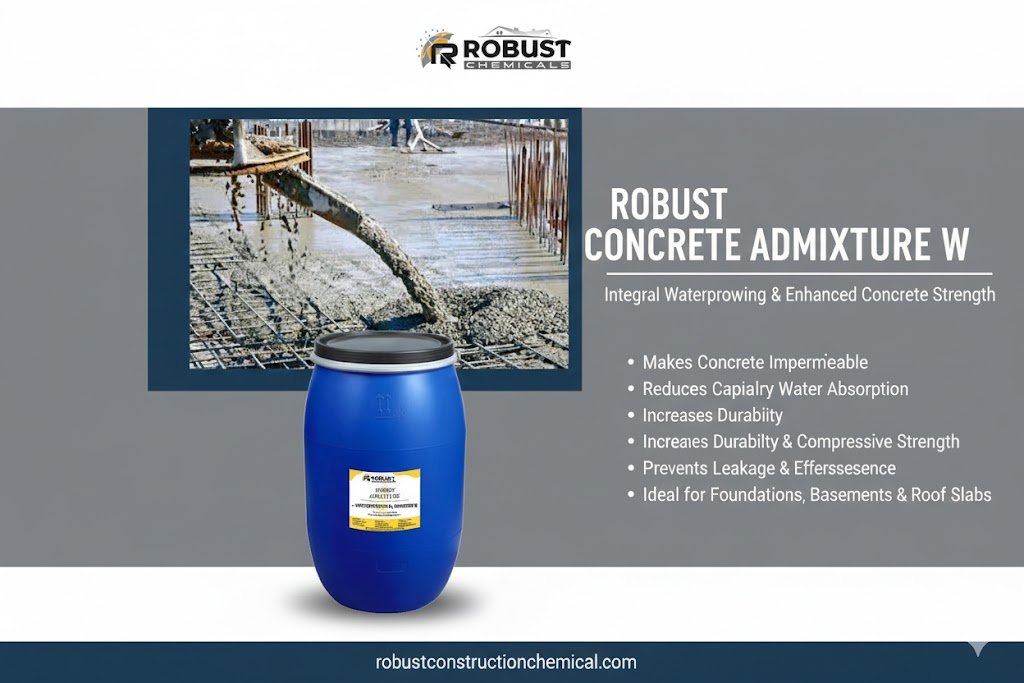
✅ Optimized Cement Blending Agent | High-Efficiency Plasticizer Admixture
Optimized cement blending agents are essential for improving the workability and performance of modern concrete mixes. . High-efficiency plasticizer admixtures reduce water content while maintaining fluidity and flow, ensuring uniform consistency across all construction applications. .
The primary advantage of using a plasticizer admixture is that it enhances concrete workability without compromising strength. . By reducing the water-cement ratio, the admixture produces denser, more durable concrete, which is resistant to cracking and shrinkage over time. .
These admixtures are compatible with various types of cement, including ordinary Portland cement, blended cement, and specialized high-strength cement products. . They are ideal for both residential and commercial construction projects where consistent quality and long-term structural integrity are required. .
High-efficiency plasticizers improve slump retention, which allows concrete to remain workable for longer periods during transportation and placement. . This is especially valuable for large pours or projects in hot climates where rapid drying could otherwise reduce workability. .
The admixture acts as a chemical water-reducing agent, dispersing cement particles and minimizing clumping, which ensures even hydration throughout the mix. . This results in better compressive strength and a smoother finish, reducing the need for additional finishing labor on site. .
By improving flow and reducing segregation, optimized plasticizer admixtures help achieve uniform density and eliminate honeycombing in concrete structures. . This is critical for critical structural elements such as beams, columns, slabs, and foundations, where integrity cannot be compromised. .
In addition to mechanical performance, these admixtures also enhance the durability of concrete. . The denser microstructure reduces porosity, making the structure more resistant to chemical attacks, sulfate exposure, and freeze-thaw cycles, which prolongs the service life of buildings and infrastructure. .
High-efficiency plasticizer admixtures are easy to use and integrate seamlessly into standard batching procedures. . They can be added directly to the mix at the plant or on-site, and they require no special equipment or additional labor, which reduces costs and improves construction efficiency. .
Environmental benefits are also significant. . By reducing the amount of water required in a concrete mix, these admixtures contribute to lower cement consumption, minimizing CO2 emissions associated with cement production and supporting sustainable construction practices. .
Optimized cement blending agents also improve surface quality. . Concrete finished with a high-efficiency plasticizer has fewer surface defects, better workability for formwork, and smoother final appearance, which is particularly important for architectural concrete applications. .
For large-scale infrastructure projects, such as bridges, highways, dams, and tunnels, plasticizer admixtures play a key role in ensuring uniform performance and reducing maintenance costs over the life of the structure. . Their ability to maintain slump and strength allows for consistent quality even under challenging environmental conditions. .
Concrete reinforced with plasticizer admixtures demonstrates enhanced tensile and flexural strength. . This contributes to better load distribution and minimizes the risk of cracking or failure under dynamic and static loads, ensuring structural safety and longevity. .
Proper dosing is critical for achieving optimal performance. . Excessive use may lead to over-fluidity, while insufficient quantities may not provide the desired benefits, so following manufacturer recommendations and conducting trial mixes are essential steps before large-scale application. .
The combination of chemical water reduction, improved flow, and stronger microstructure ensures that optimized cement blending agents support both high-strength structural applications and decorative concrete work. . Contractors and engineers increasingly rely on these admixtures to meet strict quality and durability standards. .
Using a high-efficiency plasticizer admixture also improves pumping efficiency for ready-mix concrete. . The smoother, more cohesive mix flows easily through pipelines, reducing the risk of blockages and delays during placement, which is especially critical for high-rise buildings and complex structural layouts. .
Over time, projects completed with optimized plasticizer admixtures have shown reduced repair frequency and better long-term performance. . The improved density, reduced porosity, and uniform hydration contribute to extended lifespan and lower maintenance costs for both residential and commercial structures. .
✅ Optimized Cement Blending Agent | High-Efficiency Plasticizer Admixture
Optimized cement blending agents are essential for improving the workability and performance of modern concrete mixes. . High-efficiency plasticizer admixtures reduce water content while maintaining fluidity and flow, ensuring uniform consistency across all construction applications. .
The primary advantage of using a plasticizer admixture is that it enhances concrete workability without compromising strength. . By reducing the water-cement ratio, the admixture produces denser, more durable concrete, which is resistant to cracking and shrinkage over time. .
These admixtures are compatible with various types of cement, including ordinary Portland cement, blended cement, and specialized high-strength cement products. . They are ideal for both residential and commercial construction projects where consistent quality and long-term structural integrity are required. .
High-efficiency plasticizers improve slump retention, which allows concrete to remain workable for longer periods during transportation and placement. . This is especially valuable for large pours or projects in hot climates where rapid drying could otherwise reduce workability. .
The admixture acts as a chemical water-reducing agent, dispersing cement particles and minimizing clumping, which ensures even hydration throughout the mix. . This results in better compressive strength and a smoother finish, reducing the need for additional finishing labor on site. .
By improving flow and reducing segregation, optimized plasticizer admixtures help achieve uniform density and eliminate honeycombing in concrete structures. . This is critical for critical structural elements such as beams, columns, slabs, and foundations, where integrity cannot be compromised. .
In addition to mechanical performance, these admixtures also enhance the durability of concrete. . The denser microstructure reduces porosity, making the structure more resistant to chemical attacks, sulfate exposure, and freeze-thaw cycles, which prolongs the service life of buildings and infrastructure. .
High-efficiency plasticizer admixtures are easy to use and integrate seamlessly into standard batching procedures. . They can be added directly to the mix at the plant or on-site, and they require no special equipment or additional labor, which reduces costs and improves construction efficiency. .
Environmental benefits are also significant. . By reducing the amount of water required in a concrete mix, these admixtures contribute to lower cement consumption, minimizing CO2 emissions associated with cement production and supporting sustainable construction practices. .
Optimized cement blending agents also improve surface quality. . Concrete finished with a high-efficiency plasticizer has fewer surface defects, better workability for formwork, and smoother final appearance, which is particularly important for architectural concrete applications. .
For large-scale infrastructure projects, such as bridges, highways, dams, and tunnels, plasticizer admixtures play a key role in ensuring uniform performance and reducing maintenance costs over the life of the structure. . Their ability to maintain slump and strength allows for consistent quality even under challenging environmental conditions. .
Concrete reinforced with plasticizer admixtures demonstrates enhanced tensile and flexural strength. . This contributes to better load distribution and minimizes the risk of cracking or failure under dynamic and static loads, ensuring structural safety and longevity. .
Proper dosing is critical for achieving optimal performance. . Excessive use may lead to over-fluidity, while insufficient quantities may not provide the desired benefits, so following manufacturer recommendations and conducting trial mixes are essential steps before large-scale application. .
The combination of chemical water reduction, improved flow, and stronger microstructure ensures that optimized cement blending agents support both high-strength structural applications and decorative concrete work. . Contractors and engineers increasingly rely on these admixtures to meet strict quality and durability standards. .
Using a high-efficiency plasticizer admixture also improves pumping efficiency for ready-mix concrete. . The smoother, more cohesive mix flows easily through pipelines, reducing the risk of blockages and delays during placement, which is especially critical for high-rise buildings and complex structural layouts. .
Over time, projects completed with optimized plasticizer admixtures have shown reduced repair frequency and better long-term performance. . The improved density, reduced porosity, and uniform hydration contribute to extended lifespan and lower maintenance costs for both residential and commercial structures. .
✅ Optimized Cement Blending Agent | High-Efficiency Plasticizer Admixture
Optimized cement blending agents are essential for improving the workability and performance of modern concrete mixes. . High-efficiency plasticizer admixtures reduce water content while maintaining fluidity and flow, ensuring uniform consistency across all construction applications. .
The primary advantage of using a plasticizer admixture is that it enhances concrete workability without compromising strength. . By reducing the water-cement ratio, the admixture produces denser, more durable concrete, which is resistant to cracking and shrinkage over time. .
These admixtures are compatible with various types of cement, including ordinary Portland cement, blended cement, and specialized high-strength cement products. . They are ideal for both residential and commercial construction projects where consistent quality and long-term structural integrity are required. .
High-efficiency plasticizers improve slump retention, which allows concrete to remain workable for longer periods during transportation and placement. . This is especially valuable for large pours or projects in hot climates where rapid drying could otherwise reduce workability. .
The admixture acts as a chemical water-reducing agent, dispersing cement particles and minimizing clumping, which ensures even hydration throughout the mix. . This results in better compressive strength and a smoother finish, reducing the need for additional finishing labor on site. .
By improving flow and reducing segregation, optimized plasticizer admixtures help achieve uniform density and eliminate honeycombing in concrete structures. . This is critical for critical structural elements such as beams, columns, slabs, and foundations, where integrity cannot be compromised. .
In addition to mechanical performance, these admixtures also enhance the durability of concrete. . The denser microstructure reduces porosity, making the structure more resistant to chemical attacks, sulfate exposure, and freeze-thaw cycles, which prolongs the service life of buildings and infrastructure. .
High-efficiency plasticizer admixtures are easy to use and integrate seamlessly into standard batching procedures. . They can be added directly to the mix at the plant or on-site, and they require no special equipment or additional labor, which reduces costs and improves construction efficiency. .
Environmental benefits are also significant. . By reducing the amount of water required in a concrete mix, these admixtures contribute to lower cement consumption, minimizing CO2 emissions associated with cement production and supporting sustainable construction practices. .
Optimized cement blending agents also improve surface quality. . Concrete finished with a high-efficiency plasticizer has fewer surface defects, better workability for formwork, and smoother final appearance, which is particularly important for architectural concrete applications. .
For large-scale infrastructure projects, such as bridges, highways, dams, and tunnels, plasticizer admixtures play a key role in ensuring uniform performance and reducing maintenance costs over the life of the structure. . Their ability to maintain slump and strength allows for consistent quality even under challenging environmental conditions. .
Concrete reinforced with plasticizer admixtures demonstrates enhanced tensile and flexural strength. . This contributes to better load distribution and minimizes the risk of cracking or failure under dynamic and static loads, ensuring structural safety and longevity. .
Proper dosing is critical for achieving optimal performance. . Excessive use may lead to over-fluidity, while insufficient quantities may not provide the desired benefits, so following manufacturer recommendations and conducting trial mixes are essential steps before large-scale application. .
The combination of chemical water reduction, improved flow, and stronger microstructure ensures that optimized cement blending agents support both high-strength structural applications and decorative concrete work. . Contractors and engineers increasingly rely on these admixtures to meet strict quality and durability standards. .
Using a high-efficiency plasticizer admixture also improves pumping efficiency for ready-mix concrete. . The smoother, more cohesive mix flows easily through pipelines, reducing the risk of blockages and delays during placement, which is especially critical for high-rise buildings and complex structural layouts. .
Over time, projects completed with optimized plasticizer admixtures have shown reduced repair frequency and better long-term performance. . The improved density, reduced porosity, and uniform hydration contribute to extended lifespan and lower maintenance costs for both residential and commercial structures. .

✅ Optimized Cement Blending Agent | High-Efficiency Plasticizer Admixture
Optimized cement blending agents are essential for improving the workability and performance of modern concrete mixes. . High-efficiency plasticizer admixtures reduce water content while maintaining fluidity and flow, ensuring uniform consistency across all construction applications. .
The primary advantage of using a plasticizer admixture is that it enhances concrete workability without compromising strength. . By reducing the water-cement ratio, the admixture produces denser, more durable concrete, which is resistant to cracking and shrinkage over time. .
These admixtures are compatible with various types of cement, including ordinary Portland cement, blended cement, and specialized high-strength cement products. . They are ideal for both residential and commercial construction projects where consistent quality and long-term structural integrity are required. .
High-efficiency plasticizers improve slump retention, which allows concrete to remain workable for longer periods during transportation and placement. . This is especially valuable for large pours or projects in hot climates where rapid drying could otherwise reduce workability. .
The admixture acts as a chemical water-reducing agent, dispersing cement particles and minimizing clumping, which ensures even hydration throughout the mix. . This results in better compressive strength and a smoother finish, reducing the need for additional finishing labor on site. .
By improving flow and reducing segregation, optimized plasticizer admixtures help achieve uniform density and eliminate honeycombing in concrete structures. . This is critical for critical structural elements such as beams, columns, slabs, and foundations, where integrity cannot be compromised. .
In addition to mechanical performance, these admixtures also enhance the durability of concrete. . The denser microstructure reduces porosity, making the structure more resistant to chemical attacks, sulfate exposure, and freeze-thaw cycles, which prolongs the service life of buildings and infrastructure. .
High-efficiency plasticizer admixtures are easy to use and integrate seamlessly into standard batching procedures. . They can be added directly to the mix at the plant or on-site, and they require no special equipment or additional labor, which reduces costs and improves construction efficiency. .
Environmental benefits are also significant. . By reducing the amount of water required in a concrete mix, these admixtures contribute to lower cement consumption, minimizing CO2 emissions associated with cement production and supporting sustainable construction practices. .
Optimized cement blending agents also improve surface quality. . Concrete finished with a high-efficiency plasticizer has fewer surface defects, better workability for formwork, and smoother final appearance, which is particularly important for architectural concrete applications. .
For large-scale infrastructure projects, such as bridges, highways, dams, and tunnels, plasticizer admixtures play a key role in ensuring uniform performance and reducing maintenance costs over the life of the structure. . Their ability to maintain slump and strength allows for consistent quality even under challenging environmental conditions. .
Concrete reinforced with plasticizer admixtures demonstrates enhanced tensile and flexural strength. . This contributes to better load distribution and minimizes the risk of cracking or failure under dynamic and static loads, ensuring structural safety and longevity. .
Proper dosing is critical for achieving optimal performance. . Excessive use may lead to over-fluidity, while insufficient quantities may not provide the desired benefits, so following manufacturer recommendations and conducting trial mixes are essential steps before large-scale application. .
The combination of chemical water reduction, improved flow, and stronger microstructure ensures that optimized cement blending agents support both high-strength structural applications and decorative concrete work. . Contractors and engineers increasingly rely on these admixtures to meet strict quality and durability standards. .
Using a high-efficiency plasticizer admixture also improves pumping efficiency for ready-mix concrete. . The smoother, more cohesive mix flows easily through pipelines, reducing the risk of blockages and delays during placement, which is especially critical for high-rise buildings and complex structural layouts. .
Over time, projects completed with optimized plasticizer admixtures have shown reduced repair frequency and better long-term performance. . The improved density, reduced porosity, and uniform hydration contribute to extended lifespan and lower maintenance costs for both residential and commercial structures. .
Optimized cement blending agents are essential for improving the workability and performance of modern concrete mixes. . High-efficiency plasticizer admixtures reduce water content while maintaining fluidity and flow, ensuring uniform consistency across all construction applications. .
The primary advantage of using a plasticizer admixture is that it enhances concrete workability without compromising strength. . By reducing the water-cement ratio, the admixture produces denser, more durable concrete, which is resistant to cracking and shrinkage over time. .
These admixtures are compatible with various types of cement, including ordinary Portland cement, blended cement, and specialized high-strength cement products. . They are ideal for both residential and commercial construction projects where consistent quality and long-term structural integrity are required. .
High-efficiency plasticizers improve slump retention, which allows concrete to remain workable for longer periods during transportation and placement. . This is especially valuable for large pours or projects in hot climates where rapid drying could otherwise reduce workability. .
The admixture acts as a chemical water-reducing agent, dispersing cement particles and minimizing clumping, which ensures even hydration throughout the mix. . This results in better compressive strength and a smoother finish, reducing the need for additional finishing labor on site. .
By improving flow and reducing segregation, optimized plasticizer admixtures help achieve uniform density and eliminate honeycombing in concrete structures. . This is critical for critical structural elements such as beams, columns, slabs, and foundations, where integrity cannot be compromised. .
In addition to mechanical performance, these admixtures also enhance the durability of concrete. . The denser microstructure reduces porosity, making the structure more resistant to chemical attacks, sulfate exposure, and freeze-thaw cycles, which prolongs the service life of buildings and infrastructure. .
High-efficiency plasticizer admixtures are easy to use and integrate seamlessly into standard batching procedures. . They can be added directly to the mix at the plant or on-site, and they require no special equipment or additional labor, which reduces costs and improves construction efficiency. .
Environmental benefits are also significant. . By reducing the amount of water required in a concrete mix, these admixtures contribute to lower cement consumption, minimizing CO2 emissions associated with cement production and supporting sustainable construction practices. .
Optimized cement blending agents also improve surface quality. . Concrete finished with a high-efficiency plasticizer has fewer surface defects, better workability for formwork, and smoother final appearance, which is particularly important for architectural concrete applications. .
For large-scale infrastructure projects, such as bridges, highways, dams, and tunnels, plasticizer admixtures play a key role in ensuring uniform performance and reducing maintenance costs over the life of the structure. . Their ability to maintain slump and strength allows for consistent quality even under challenging environmental conditions. .
Concrete reinforced with plasticizer admixtures demonstrates enhanced tensile and flexural strength. . This contributes to better load distribution and minimizes the risk of cracking or failure under dynamic and static loads, ensuring structural safety and longevity. .
Proper dosing is critical for achieving optimal performance. . Excessive use may lead to over-fluidity, while insufficient quantities may not provide the desired benefits, so following manufacturer recommendations and conducting trial mixes are essential steps before large-scale application. .
The combination of chemical water reduction, improved flow, and stronger microstructure ensures that optimized cement blending agents support both high-strength structural applications and decorative concrete work. . Contractors and engineers increasingly rely on these admixtures to meet strict quality and durability standards. .
Using a high-efficiency plasticizer admixture also improves pumping efficiency for ready-mix concrete. . The smoother, more cohesive mix flows easily through pipelines, reducing the risk of blockages and delays during placement, which is especially critical for high-rise buildings and complex structural layouts. .
Over time, projects completed with optimized plasticizer admixtures have shown reduced repair frequency and better long-term performance. . The improved density, reduced porosity, and uniform hydration contribute to extended lifespan and lower maintenance costs for both residential and commercial structures. .
🔶 H2: What Is Plasticizer Admixture
🔹 H3: Definition and Role in Concrete
🔸 H4: Chemical Composition Overview
🔸 H4: How It Improves Workability
🔹 H3: Why Use High-Efficiency Plasticizers
🔸 H4: Reduce Water-Cement Ratio
🔸 H4: Enhance Concrete Strength
🔶 H2: Benefits of Optimized Cement Blending Agent
🔹 H3: Improved Concrete Flow and Workability
🔸 H4: Uniform Mix for Complex Structures
🔸 H4: Easier Placement and Pumping
🔹 H3: Long-Term Durability Advantages
🔸 H4: Crack Resistance
🔸 H4: Reduced Shrinkage and Porosity
🔶 H2: Application Areas of Plasticizer Admixture
🔹 H3: Residential Construction
🔸 H4: Slabs, Beams, and Columns
🔸 H4: Basements and Walls
🔹 H3: Commercial and Industrial Projects
🔸 H4: High-Rise Buildings
🔸 H4: Infrastructure Projects like Bridges and Roads
🔶 H2: Application Process
🔹 H3: Dosage and Mixing Guidelines
🔸 H4: Recommended Proportions
🔸 H4: Trial Mix for Quality Check
🔹 H3: Integration With Cement Mix
🔸 H4: Manual and Machine Mixing Methods
🔸 H4: Avoiding Over or Under Dosage
🔶 H2: Maintenance and Quality Assurance
🔹 H3: Inspecting Concrete Performance
🔸 H4: Slump Test and Workability Checks
🔸 H4: Long-Term Structural Monitoring
🔹 H3: Choosing the Right Supplier
🔸 H4: Material Consistency
🔸 H4: Technical Support and Guidance
optimizedoptimizedoptimizedoptimizedoptimizedoptimizedoptimizedoptimizedoptimizedoptimizedoptimizedoptimizedoptimizedoptimizedoptimizedoptimizedoptimizedoptimizedoptimizedoptimizedoptimized