Basement Waterproofing & Damp Proofing: What You Need to Know
When it comes to protecting a basement from moisture and water ingress, two terms often appear: damp proofing and waterproofing. While they sound similar, their performance, materials and suitability differ significantly. Understanding these differences will help you choose the right solution for your basement, whether you’re constructing a new structure or repairing an existing one.
What is Damp Proofing?
Damp proofing refers to measures taken to resist moisture migration through floors and walls — typically soil-moisture, capillary action or condensation. It is not designed to resist water under pressure or heavy seepage. APSense+3staydrywaterproofing.com+3paintcorsa.co.za+3
Examples of damp proofing include:
-
Coatings or membranes applied to the exterior or interior of foundation walls. basementsystems.ca+1
-
Application of bitumen or asphalt-based layers on exterior walls (in simpler site conditions). basementsystems.ca+1
-
Basic vapour barriers or sheet membranes under slabs to reduce moisture from below.
Damp proofing is generally less expensive and less complex than full waterproofing. However, it also offers limited protection, especially in sites with high groundwater, hydrostatic pressure, or heavy rainfall. staydrywaterproofing.com
What is Waterproofing?
Waterproofing is a more robust system that is engineered to stop water — including liquid water under pressure — from entering the structure. It is particularly important for basements, foundations and underground spaces where water table or hydrostatic pressure may be a factor. paintcorsa.co.za+2decoproducts.com+2
Key features of waterproofing:
-
Membranes, coatings or systems applied that resist water flow under pressure. mydamp.com+1
-
May include drainage systems, sump pumps, exterior membranes, crack-repair, and full exterior treatment rather than just internal surfaces. staydrywaterproofing.com+1
-
Suitable for basements with signs of leakage, water entry, or in high risk zones (high water table, poor drainage).
Damp Proofing vs Waterproofing: Core Differences
Here is a comparison of the two to clarify selection criteria:
| Feature | Damp Proofing | Waterproofing |
|---|---|---|
| Goal | Resist moisture migration or dampness | Prevent any water (including under pressure) entering |
| Materials/System | Simple coatings/membranes, bitumen coatings | Advanced membranes, drainage systems, full waterproof systems |
| Resistance to hydrostatic pressure | Very limited or none | High resistance to hydrostatic pressure and seepage |
| Site suitability | Sites with low water table, good drainage | Sites subject to groundwater, heavy rain, seepage risk |
| Cost | Lower upfront cost | Higher cost, more intensive work |
| Long-term performance | Good in mild conditions; may fail in heavy exposure | Higher durability, more reliable under tough conditions |
According to one source: “Damp-proofing is intended to keep out soil moisture; waterproofing keeps out both moisture (or water vapour) and liquid water.” mydamp.com Another adds: “Damp-proofing does not address other issues that can cause leaks … it may not protect against hydrostatic pressure.” Wet Basement Resolutions
When to Choose Which?
-
If your basement is in a dry well-drained area, with no history of water ingress, a damp-proofing treatment may suffice.
-
If your basement is prone to water leaks, seepage, flooding or high groundwater, then full waterproofing is strongly recommended. One article states that damp proofing might be “the minimum code requirement” whereas waterproofing is what you need when serious water loads exist. staydrywaterproofing.com
-
Always consider the site conditions: soil type, level of drainage, presence of cracks, slope of ground, external water flows.
Why Waterproofing Matters for Basements
Basements are especially vulnerable because they are below-grade and subject to forces such as hydrostatic pressure (water bearing against the structure), capillary rise and poor external drainage. Without proper protection, water ingress can lead to mould, corrosion of reinforcement, structural damage and deterioration of finishes. britishdampproofing.co.uk+1
Waterproofing not only improves structural durability, but also raises the value of the building and usability of the basement (e.g., living space rather than storage). britishdampproofing.co.uk
Key Basement Waterproofing & Damp Proofing Techniques
-
Surface Preparation & Repair: Remove loose materials, clean walls, fix cracks and joints. Even for damp proofing, this is necessary.
-
Application of Membranes or Coatings:
-
For damp proofing: asphalt coatings, bitumen layers applied outside walls. basementsystems.ca
-
For waterproofing: polymer membranes, liquid-applied membranes, drainage boards, sump pump systems.
-
-
Drainage: External/perimeter drains or internal drainage systems to relieve hydrostatic pressure. No waterproof system works well without drainage.
-
Protection and Finishes: After applying waterproofing, protective layers may be added prior to backfill.
-
Ventilation/Dehumidification: For basements, especially to manage moisture that can penetrate despite coatings.
-
Regular Inspection & Maintenance: Even the best systems need monitoring to catch damage, blockages or system failures.
Why Choose Robust Construction Chemicals’ Solutions
At Robust Construction Chemicals, we recognise the importance of high-performance basement protection. Our solutions combine advanced chemical technologies, membranes and expert support to provide either damp proofing or full waterproofing systems depending on your site conditions.
-
We emphasise correct specification: if the site has high risk, we recommend a waterproof system rather than just a damp proof coat.
-
Materials are selected for durability, flexibility, strong adhesion and performance under pressure.
-
Complete systems include not just coatings, but surface prep, drainage advice, and after-care guidance.
-
Our team supports you with technical guidance, whether it’s a new build in Lahore or a remedial basement in need of upgrade.
Summary & SEO-Friendly Recap
Basement waterproofing and damp proofing are not interchangeable. While damp proofing can address minor moisture issues, waterproofing is required for serious water threats. For durable, habitable basements, especially below grade, waterproofing sets a higher standard of protection. For those in lower risk zones, damp proofing may offer an economical option — but only if you accept the limits.
When specifying a system, consider: site conditions, water table, drainage, structural state, and future use of the space. Work with a materials specialist like Robust Construction Chemicals to ensure the right system is installed for long-term performance and peace of mind.
Protect your basement today — choose the right approach and safeguard your investment for years to come.
Basements are an essential part of many homes, offering valuable space for storage, recreation, or living. However, one of the most common issues faced by homeowners is basement dampness and water infiltration. Addressing these problems with proper waterproofing and damp proofing techniques can significantly extend the life of your home, improve its structural integrity, and create a healthier living environment.
Basement Waterproofing and Damp Proofing
These two services, while related, address different issues in construction and maintenance:
Basement Waterproofing
This process ensures that water does not enter the basement through walls, floors, or joints. It’s especially important in areas with a high water table or heavy rainfall.
Techniques include:
1. Exterior Waterproofing: Applying a membrane or coating outside the structure.
2. Interior Waterproofing: Using sealants, coatings, or drainage systems inside the basement.
3. Drainage Systems: Installing French drains or sump pumps to redirect water.
4. Crack Repair: Sealing cracks in walls or floors to prevent water infiltration.
Damp Proofing
Damp proofing is designed to prevent moisture from penetrating walls due to capillary action. It’s not as comprehensive as waterproofing but is suitable for less severe conditions.
Methods include:
1. Damp Proof Course (DPC): A horizontal barrier (usually made of asphalt or plastic) in walls.
2. Damp Proof Membrane (DPM): Applied to floors or walls to block moisture.
3. Surface Treatments: Using paints, plasters, or sealants designed to repel moisture.
4. Ventilation: Improving airflow to reduce condensation and humidity.
Understanding the Importance of Basement Waterproofing and Damp Proofing
Waterproofing and damp proofing are often used interchangeably, but they serve different purposes. Waterproofing prevents water from entering the basement, while damp proofing is designed to prevent moisture or water vapor from seeping through walls and floors. Both are crucial in maintaining the basement’s structural integrity and preventing issues like mold, mildew, and structural damage.
Key Reasons to Waterproof and Damp Proof Your Basement:
Prevent Structural Damage: Water intrusion can weaken the foundation, leading to cracks and other structural issues.
Mold and Mildew Prevention: Excess moisture creates the perfect environment for mold and mildew growth, which can harm your health.
Increased Property Value: A dry, well-maintained basement adds to the value of your property.
Improved Air Quality: Damp basements contribute to poor indoor air quality, affecting the entire house.
Enhanced Usability: Waterproofing transforms a damp basement into a usable, comfortable space.
Common Causes of Basement Dampness
Before implementing a solution, it’s crucial to identify the root cause of the problem. Common causes include:
Poor Drainage: Improper grading or clogged gutters can direct water towards your home’s foundation.
Hydrostatic Pressure: Water in the soil exerts pressure on basement walls, leading to cracks and water seepage.
Foundation Cracks: These provide an easy entry point for water.
Faulty Construction: Poorly constructed foundations or missing waterproofing layers can result in dampness.
High Water Table: Areas with high water tables are more prone to basement water issues.
Effective Basement Waterproofing Techniques
Exterior Waterproofing
Exterior waterproofing is one of the most effective ways to prevent water from entering your basement. This involves applying a waterproof coating or membrane to the outer walls of the foundation. Key steps include:
Excavation: The soil around the foundation is excavated to expose the walls.
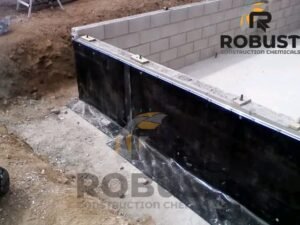
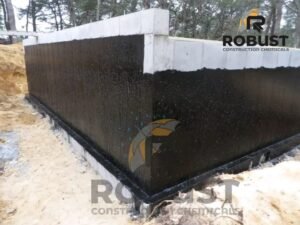
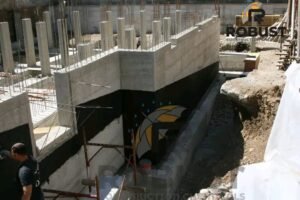
Application of Waterproof Membranes: A waterproof material, such as asphalt or rubberized membranes, is applied to create a barrier against water.
Installation of Drainage Systems: Drainage systems like French drains or weeping tiles are installed to redirect water away from the foundation.
Interior Waterproofing
Interior waterproofing solutions manage water that has already penetrated the walls or floor. Common techniques include:
Sealants and Coatings: Applying waterproof sealants to walls and floors can prevent moisture seepage.
Sump Pumps: Installing a sump pump helps to remove water that accumulates in the basement.
Drainage Channels: Interior drainage systems channel water to a sump pump, keeping the area dry.
Proper Grading and Landscaping
Ensuring the ground around your home slopes away from the foundation prevents water from pooling near the basement. Adding landscaping features like swales or berms can further redirect water.
Gutter and Downspout Maintenance
Regularly cleaning gutters and ensuring downspouts extend several feet away from the foundation helps to keep water away from your home.
Damp Proofing Methods
While waterproofing focuses on keeping water out, damp proofing addresses moisture vapor that seeps through walls and floors. Key damp proofing techniques include:
Bituminous Coatings
Bituminous damp-proof coatings are applied to basement walls to block moisture. These coatings are often used during construction but can also be applied as a retrofit solution.
Damp-Proof Membranes
These are polyethylene or plastic sheets installed on walls and floors to create a barrier against moisture.
Chemical Injections
For walls suffering from rising damp, chemical injections can create a waterproof barrier, stopping moisture from moving upwards.
Ventilation Improvements
Proper ventilation is crucial for reducing moisture levels in basements. Installing exhaust fans or dehumidifiers can keep humidity in check.
Choosing the Right Solution for Your Basement
Selecting the appropriate waterproofing or damp-proofing solution depends on several factors, including the severity of the problem, your budget, and the construction of your home. Consulting with a professional contractor can help identify the best approach for your specific needs.
Factors to Consider:
Extent of Damage: Minor cracks may only require sealants, while significant issues may need extensive repairs.
Type of Foundation: The materials and construction of your foundation will determine the suitability of certain techniques.
Local Climate: Areas with heavy rainfall or high water tables require more robust waterproofing measures.
Budget: Some solutions, such as exterior waterproofing, are more expensive but offer long-term benefits.
Maintenance Tips for a Dry Basement
Preventative maintenance can help keep your basement dry and reduce the need for extensive repairs. Here are some tips:
Inspect Regularly: Check for cracks, leaks, or signs of dampness and address them promptly.
Keep Gutters Clean: Ensure gutters and downspouts are free of debris and functioning correctly.
Monitor Landscaping: Maintain proper grading around your home and keep soil from piling up against the foundation.
Use a Dehumidifier: Keep basement humidity levels below 50% to prevent condensation and mold growth.
Repair Cracks Immediately: Use epoxy or polyurethane injections to seal foundation cracks before they worsen.
Benefits of Professional Services
While some waterproofing and damp-proofing solutions can be DIY projects, hiring professionals offers several advantages:
Expertise: Professionals can identify the root cause of the problem and recommend the most effective solution.
Quality Materials: They have access to high-quality materials and tools that ensure long-lasting results.
Comprehensive Solutions: Professionals provide end-to-end services, from inspection to repair and maintenance.
Warranty: Many companies offer warranties on their work, giving you peace of mind.
Advanced Insights: Basement Waterproofing and Damp Proofing in Modern Construction
The need for effective basement waterproofing and damp proofing has increased rapidly in recent years, especially in urban areas such as Lahore, Karachi, Islamabad, and Faisalabad, where rising groundwater levels and unpredictable rainfall create significant moisture challenges. Many homes and commercial buildings in Pakistan are built below ground level, where water pressure and soil moisture can easily compromise the structure if not properly protected.
In these environments, the choice between damp proofing and waterproofing becomes a critical design decision. Modern building codes and consultants now recommend full waterproofing for basements and foundation walls, as it provides long-term reliability and reduces maintenance costs over the lifespan of the building.
Common Causes of Basement Dampness
Before selecting a waterproofing method, it’s important to understand the root causes of basement dampness and water leakage:
-
Hydrostatic Pressure – When groundwater accumulates around a basement, it exerts pressure on the walls and floors, forcing water through cracks, joints, or porous concrete.
-
Capillary Action – Water can rise through concrete pores or masonry units from the foundation, causing rising damp.
-
Poor Drainage – Inadequate surface or subsurface drainage can trap water near foundation walls.
-
Cracks and Construction Joints – Improper sealing of joints or shrinkage cracks allows moisture infiltration.
-
Condensation and Humidity – In humid climates, condensation can form on cold basement walls, leading to dampness and mold growth.
-
Improper Grading Around Building – If the ground slopes toward the structure, rainwater naturally flows toward the basement instead of away from it.
Identifying these causes helps engineers choose the right combination of waterproofing chemicals, membranes, and drainage systems to ensure complete protection.
Types of Basement Waterproofing Systems
There are three main categories of waterproofing and damp proofing systems used in Pakistan’s construction industry today:
1. Integral Waterproofing Admixtures
These are chemical additives (like Robust Leak Fix Admixture) mixed directly into the concrete at the batching stage. They make the concrete itself water-resistant by reducing its permeability and sealing pores internally.
-
Advantages: Simple application, durable, cost-effective for large pours.
-
Ideal Use: Foundations, retaining walls, and below-grade slabs.
2. Liquid-Applied Membranes
This category includes PU (Polyurethane) Liquid Rubber, acrylic-based coatings, and cementitious membranes. These form a flexible waterproof film when cured.
-
Advantages: Seamless, elastic, easy to apply on both new and old surfaces.
-
Ideal Use: External basement walls, retaining structures, and podium decks.
3. Sheet Membranes and Bituminous Rolls
These are prefabricated membranes applied by torching or adhesive bonding. They are thick and durable but require careful joint sealing.
-
Advantages: High thickness, reliable protection when properly installed.
-
Limitations: Difficult to apply on complex shapes or internal surfaces.
In comparison, liquid-applied systems like PU Liquid Rubber or cementitious coatings have gained greater popularity due to their ease of use, flexibility, and crack-bridging ability.