Best Heatproofing Chemicals Suppliers Globally – Advanced Thermal Protection for Modern Buildings
As global temperatures continue to rise and climate conditions become more extreme, heatproofing chemicals have become a critical component of modern construction. From residential homes to industrial plants and mega infrastructure projects, controlling heat transfer is essential for energy efficiency, structural durability, and indoor comfort.
Across the world, the best heatproofing chemicals suppliers are developing advanced formulations that reflect solar radiation, reduce surface temperatures, and improve thermal insulation. These suppliers serve markets in United States, Germany, China, United Arab Emirates, India, and Pakistan, supplying high-performance thermal protection solutions for diverse climates.
This comprehensive guide explores the best global heatproofing chemicals suppliers, the technologies they offer, product categories, applications, benefits, certifications, and future trends shaping the heatproofing industry.
Why Heatproofing Chemicals Are Essential Worldwide
Heatproofing chemicals are designed to reduce heat absorption, reflect infrared radiation, and slow thermal transfer through building envelopes. Their importance has increased due to:
-
Rising global temperatures and heat waves
-
Increased energy consumption for air conditioning
-
Urban heat island effects
-
Structural damage caused by thermal expansion
-
Demand for green and energy-efficient buildings
Without proper heatproofing, buildings suffer from:
-
Excessive indoor heat
-
Higher electricity bills
-
Roof slab cracking
-
Reduced lifespan of waterproofing systems
-
Poor occupant comfort
The best heatproofing suppliers focus on chemical innovation and climate-specific performance.
What Are Heatproofing Chemicals?
Heatproofing chemicals are specialized construction chemicals applied to roofs, walls, and structural surfaces to minimize heat transfer. They work by:
-
Reflecting solar radiation
-
Providing thermal insulation
-
Reducing surface temperature
-
Enhancing roof and wall durability
Most global suppliers now integrate heatproofing with waterproofing, offering dual-function solutions.
Major Types of Heatproofing Chemicals Supplied Globally
1. Heat Reflective Roof Coatings
These coatings contain ceramic microspheres and reflective pigments that deflect solar radiation.
Key benefits:
-
Reduces roof temperature by 10–20°C
-
Improves indoor comfort
-
Lowers cooling costs
Applications:
-
Residential roofs
-
Industrial sheds
-
Warehouses and factories
2. Elastomeric Heatproofing Coatings
Elastomeric coatings expand and contract with temperature changes.
Advantages:
-
Crack-bridging ability
-
UV resistance
-
Long service life
These are popular in regions with extreme heat and thermal movement.
3. Acrylic Thermal Insulation Coatings
Water-based acrylic heatproofing chemicals are widely exported due to eco-friendly properties.
Features:
-
Low VOC
-
Easy application
-
High solar reflectance
4. Polyurethane (PU) Thermal Systems
PU-based heatproofing systems provide superior insulation.
Common forms:
-
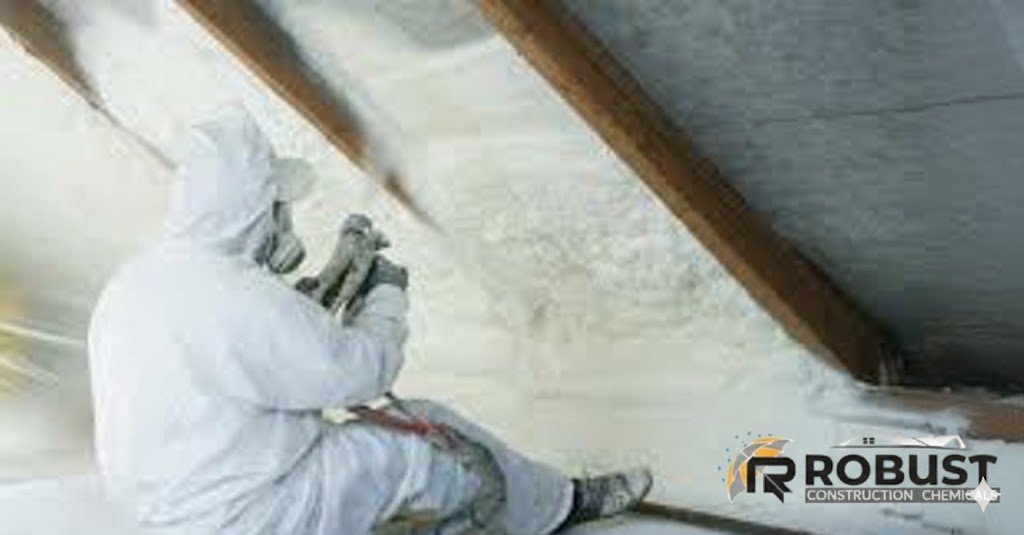
PU spray foam
-
PU liquid coatings
Applications:
-
Cold storage
-
Industrial roofs
-
Commercial buildings
5. Ceramic & Nano-Technology Heatproofing Chemicals
Advanced suppliers use nano-ceramic technology for enhanced performance.
Benefits:
-
Thin application
-
High reflectivity
-
Long-term durability
Global Regions Leading Heatproofing Chemical Supply
North America
Suppliers focus on high-performance, energy-efficient, and certified products, driven by green building regulations.
Europe
Countries like Germany lead in eco-friendly and sustainable heatproofing formulations.
Middle East
Extreme temperatures in Saudi Arabia and the United Arab Emirates drive strong demand for advanced thermal coatings.
Asia
Manufacturing hubs in China, India, and Pakistan supply cost-effective heatproofing chemicals globally.
Applications Served by the Best Heatproofing Suppliers
Residential Buildings
-
Roof slabs
-
External walls
-
Top-floor apartments
Commercial Projects
-
Shopping malls
-
Office towers
-
Parking structures
Industrial Facilities
-
Factories
-
Warehouses
-
Power plants
Infrastructure
-
Airports
-
Railway stations
-
Stadiums
Key Benefits of Sourcing from Top Global Suppliers
-
Proven Performance – Tested in extreme climates
-
Energy Savings – Reduced cooling costs
-
Durability – Long-lasting thermal protection
-
Eco-Friendly Solutions – Low VOC and water-based
-
Technical Support – Application guidance and training
-
Global Certifications – Compliance with ASTM, ISO, EN
Certifications and Quality Standards
Leading heatproofing chemical suppliers comply with:
-
ISO quality management systems
-
ASTM thermal performance standards
-
EN European norms
-
Green building certifications
These standards ensure product reliability across global markets.
Role of Exporters in the Heatproofing Industry
Global exporters bridge the gap between manufacturers and international buyers by providing:
-
Bulk supply capability
-
Climate-specific formulations
-
Secure export packaging
-
Technical documentation
Export-oriented suppliers are essential for large-scale projects.
Emerging Trends in Heatproofing Chemicals (2025–2030)
Hybrid Heat + Waterproofing Products
Single coatings offering dual protection.
Nano-Technology
Higher reflectivity with thinner films.
Sustainable Chemistry
Environmentally safe and recyclable formulations.
Smart Thermal Coatings
Future coatings with temperature-responsive properties.
How to Choose the Best Heatproofing Chemicals Supplier
When selecting a global supplier, consider:
-
Experience in international markets
-
Compliance with standards
-
Production capacity
-
Export readiness
-
Technical support and warranties
Future Outlook of the Global Heatproofing Market
With increasing climate challenges, heatproofing chemicals will play a central role in sustainable construction. Global suppliers investing in innovation, eco-friendly chemistry, and integrated solutions will dominate the market in the coming decade.

Best Heatproofing Chemicals Suppliers Globally – Advanced Thermal Protection for Modern Buildings
As global temperatures continue to rise and climate conditions become more extreme, heatproofing chemicals have become a critical component of modern construction. From residential homes to industrial plants and mega infrastructure projects, controlling heat transfer is essential for energy efficiency, structural durability, and indoor comfort.
Across the world, the best heatproofing chemicals suppliers are developing advanced formulations that reflect solar radiation, reduce surface temperatures, and improve thermal insulation. These suppliers serve markets in United States, Germany, China, United Arab Emirates, India, and Pakistan, supplying high-performance thermal protection solutions for diverse climates.
This comprehensive guide explores the best global heatproofing chemicals suppliers, the technologies they offer, product categories, applications, benefits, certifications, and future trends shaping the heatproofing industry.
Why Heatproofing Chemicals Are Essential Worldwide
Heatproofing chemicals are designed to reduce heat absorption, reflect infrared radiation, and slow thermal transfer through building envelopes. Their importance has increased due to:
-
Rising global temperatures and heat waves
-
Increased energy consumption for air conditioning
-
Urban heat island effects
-
Structural damage caused by thermal expansion
-
Demand for green and energy-efficient buildings
Without proper heatproofing, buildings suffer from:
-
Excessive indoor heat
-
Higher electricity bills
-
Roof slab cracking
-
Reduced lifespan of waterproofing systems
-
Poor occupant comfort
The best heatproofing suppliers focus on chemical innovation and climate-specific performance.
What Are Heatproofing Chemicals?
Heatproofing chemicals are specialized construction chemicals applied to roofs, walls, and structural surfaces to minimize heat transfer. They work by:
-
Reflecting solar radiation
-
Providing thermal insulation
-
Reducing surface temperature
-
Enhancing roof and wall durability
Most global suppliers now integrate heatproofing with waterproofing, offering dual-function solutions.
Major Types of Heatproofing Chemicals Supplied Globally
1. Heat Reflective Roof Coatings
These coatings contain ceramic microspheres and reflective pigments that deflect solar radiation.
Key benefits:
-
Reduces roof temperature by 10–20°C
-
Improves indoor comfort
-
Lowers cooling costs
Applications:
-
Residential roofs
-
Industrial sheds
-
Warehouses and factories
2. Elastomeric Heatproofing Coatings
Elastomeric coatings expand and contract with temperature changes.
Advantages:
-
Crack-bridging ability
-
UV resistance
-
Long service life
These are popular in regions with extreme heat and thermal movement.
3. Acrylic Thermal Insulation Coatings
Water-based acrylic heatproofing chemicals are widely exported due to eco-friendly properties.
Features:
-
Low VOC
-
Easy application
-
High solar reflectance
4. Polyurethane (PU) Thermal Systems
PU-based heatproofing systems provide superior insulation.
Common forms:
-
PU spray foam
-
PU liquid coatings
Applications:
-
Cold storage
-
Industrial roofs
-
Commercial buildings
5. Ceramic & Nano-Technology Heatproofing Chemicals
Advanced suppliers use nano-ceramic technology for enhanced performance.
Benefits:
-
Thin application
-
High reflectivity
-
Long-term durability
Global Regions Leading Heatproofing Chemical Supply
North America
Suppliers focus on high-performance, energy-efficient, and certified products, driven by green building regulations.
Europe
Countries like Germany lead in eco-friendly and sustainable heatproofing formulations.
Middle East
Extreme temperatures in Saudi Arabia and the United Arab Emirates drive strong demand for advanced thermal coatings.
Asia
Manufacturing hubs in China, India, and Pakistan supply cost-effective heatproofing chemicals globally.
Applications Served by the Best Heatproofing Suppliers
Residential Buildings
-
Roof slabs
-
External walls
-
Top-floor apartments
Commercial Projects
-
Shopping malls
-
Office towers
-
Parking structures
Industrial Facilities
-
Factories
-
Warehouses
-
Power plants
Infrastructure
-
Airports
-
Railway stations
-
Stadiums
Key Benefits of Sourcing from Top Global Suppliers
-
Proven Performance – Tested in extreme climates
-
Energy Savings – Reduced cooling costs
-
Durability – Long-lasting thermal protection
-
Eco-Friendly Solutions – Low VOC and water-based
-
Technical Support – Application guidance and training
-
Global Certifications – Compliance with ASTM, ISO, EN
Certifications and Quality Standards
Leading heatproofing chemical suppliers comply with:
-
ISO quality management systems
-
ASTM thermal performance standards
-
EN European norms
-
Green building certifications
These standards ensure product reliability across global markets.
Role of Exporters in the Heatproofing Industry
Global exporters bridge the gap between manufacturers and international buyers by providing:
-
Bulk supply capability
-
Climate-specific formulations
-
Secure export packaging
-
Technical documentation
Export-oriented suppliers are essential for large-scale projects.
Emerging Trends in Heatproofing Chemicals (2025–2030)
Hybrid Heat + Waterproofing Products
Single coatings offering dual protection.
Nano-Technology
Higher reflectivity with thinner films.
Sustainable Chemistry
Environmentally safe and recyclable formulations.
Smart Thermal Coatings
Future coatings with temperature-responsive properties.
How to Choose the Best Heatproofing Chemicals Supplier
When selecting a global supplier, consider:
-
Experience in international markets
-
Compliance with standards
-
Production capacity
-
Export readiness
-
Technical support and warranties
Future Outlook of the Global Heatproofing Market
With increasing climate challenges, heatproofing chemicals will play a central role in sustainable construction. Global suppliers investing in innovation, eco-friendly chemistry, and integrated solutions will dominate the market in the coming decade.

Best Heatproofing Chemicals Suppliers Globally – Advanced Thermal Protection for Modern Buildings
As global temperatures continue to rise and climate conditions become more extreme, heatproofing chemicals have become a critical component of modern construction. From residential homes to industrial plants and mega infrastructure projects, controlling heat transfer is essential for energy efficiency, structural durability, and indoor comfort.
Across the world, the best heatproofing chemicals suppliers are developing advanced formulations that reflect solar radiation, reduce surface temperatures, and improve thermal insulation. These suppliers serve markets in United States, Germany, China, United Arab Emirates, India, and Pakistan, supplying high-performance thermal protection solutions for diverse climates.
This comprehensive guide explores the best global heatproofing chemicals suppliers, the technologies they offer, product categories, applications, benefits, certifications, and future trends shaping the heatproofing industry.
Why Heatproofing Chemicals Are Essential Worldwide
Heatproofing chemicals are designed to reduce heat absorption, reflect infrared radiation, and slow thermal transfer through building envelopes. Their importance has increased due to:
-
Rising global temperatures and heat waves
-
Increased energy consumption for air conditioning
-
Urban heat island effects
-
Structural damage caused by thermal expansion
-
Demand for green and energy-efficient buildings
Without proper heatproofing, buildings suffer from:
-
Excessive indoor heat
-
Higher electricity bills
-
Roof slab cracking
-
Reduced lifespan of waterproofing systems
-
Poor occupant comfort
The best heatproofing suppliers focus on chemical innovation and climate-specific performance.
What Are Heatproofing Chemicals?
Heatproofing chemicals are specialized construction chemicals applied to roofs, walls, and structural surfaces to minimize heat transfer. They work by:
-
Reflecting solar radiation
-
Providing thermal insulation
-
Reducing surface temperature
-
Enhancing roof and wall durability
Most global suppliers now integrate heatproofing with waterproofing, offering dual-function solutions.
Major Types of Heatproofing Chemicals Supplied Globally
1. Heat Reflective Roof Coatings
These coatings contain ceramic microspheres and reflective pigments that deflect solar radiation.
Key benefits:
-
Reduces roof temperature by 10–20°C
-
Improves indoor comfort
-
Lowers cooling costs
Applications:
-
Residential roofs
-
Industrial sheds
-
Warehouses and factories
2. Elastomeric Heatproofing Coatings
Elastomeric coatings expand and contract with temperature changes.
Advantages:
-
Crack-bridging ability
-
UV resistance
-
Long service life
These are popular in regions with extreme heat and thermal movement.
3. Acrylic Thermal Insulation Coatings
Water-based acrylic heatproofing chemicals are widely exported due to eco-friendly properties.
Features:
-
Low VOC
-
Easy application
-
High solar reflectance
4. Polyurethane (PU) Thermal Systems
PU-based heatproofing systems provide superior insulation.
Common forms:
-
PU spray foam
-
PU liquid coatings
Applications:
-
Cold storage
-
Industrial roofs
-
Commercial buildings
5. Ceramic & Nano-Technology Heatproofing Chemicals
Advanced suppliers use nano-ceramic technology for enhanced performance.
Benefits:
-
Thin application
-
High reflectivity
-
Long-term durability
Global Regions Leading Heatproofing Chemical Supply
North America
Suppliers focus on high-performance, energy-efficient, and certified products, driven by green building regulations.
Europe
Countries like Germany lead in eco-friendly and sustainable heatproofing formulations.
Middle East
Extreme temperatures in Saudi Arabia and the United Arab Emirates drive strong demand for advanced thermal coatings.
Asia
Manufacturing hubs in China, India, and Pakistan supply cost-effective heatproofing chemicals globally.
Applications Served by the Best Heatproofing Suppliers
Residential Buildings
-
Roof slabs
-
External walls
-
Top-floor apartments
Commercial Projects
-
Shopping malls
-
Office towers
-
Parking structures
Industrial Facilities
-
Factories
-
Warehouses
-
Power plants
Infrastructure
-
Airports
-
Railway stations
-
Stadiums
Key Benefits of Sourcing from Top Global Suppliers
-
Proven Performance – Tested in extreme climates
-
Energy Savings – Reduced cooling costs
-
Durability – Long-lasting thermal protection
-
Eco-Friendly Solutions – Low VOC and water-based
-
Technical Support – Application guidance and training
-
Global Certifications – Compliance with ASTM, ISO, EN
Certifications and Quality Standards
Leading heatproofing chemical suppliers comply with:
-
ISO quality management systems
-
ASTM thermal performance standards
-
EN European norms
-
Green building certifications
These standards ensure product reliability across global markets.
Role of Exporters in the Heatproofing Industry
Global exporters bridge the gap between manufacturers and international buyers by providing:
-
Bulk supply capability
-
Climate-specific formulations
-
Secure export packaging
-
Technical documentation
Export-oriented suppliers are essential for large-scale projects.
Emerging Trends in Heatproofing Chemicals (2025–2030)
Hybrid Heat + Waterproofing Products
Single coatings offering dual protection.
Nano-Technology
Higher reflectivity with thinner films.
Sustainable Chemistry
Environmentally safe and recyclable formulations.
Smart Thermal Coatings
Future coatings with temperature-responsive properties.
How to Choose the Best Heatproofing Chemicals Supplier
When selecting a global supplier, consider:
-
Experience in international markets
-
Compliance with standards
-
Production capacity
-
Export readiness
-
Technical support and warranties
Future Outlook of the Global Heatproofing Market
With increasing climate challenges, heatproofing chemicals will play a central role in sustainable construction. Global suppliers investing in innovation, eco-friendly chemistry, and integrated solutions will dominate the market in the coming decade.
Best Heatproofing Chemicals Suppliers Globally – Advanced Thermal Protection for Modern Buildings
As global temperatures continue to rise and climate conditions become more extreme, heatproofing chemicals have become a critical component of modern construction. From residential homes to industrial plants and mega infrastructure projects, controlling heat transfer is essential for energy efficiency, structural durability, and indoor comfort.
Across the world, the best heatproofing chemicals suppliers are developing advanced formulations that reflect solar radiation, reduce surface temperatures, and improve thermal insulation. These suppliers serve markets in United States, Germany, China, United Arab Emirates, India, and Pakistan, supplying high-performance thermal protection solutions for diverse climates.
This comprehensive guide explores the best global heatproofing chemicals suppliers, the technologies they offer, product categories, applications, benefits, certifications, and future trends shaping the heatproofing industry.
Why Heatproofing Chemicals Are Essential Worldwide
Heatproofing chemicals are designed to reduce heat absorption, reflect infrared radiation, and slow thermal transfer through building envelopes. Their importance has increased due to:
-
Rising global temperatures and heat waves
-
Increased energy consumption for air conditioning
-
Urban heat island effects
-
Structural damage caused by thermal expansion
-
Demand for green and energy-efficient buildings
Without proper heatproofing, buildings suffer from:
-
Excessive indoor heat
-
Higher electricity bills
-
Roof slab cracking
-
Reduced lifespan of waterproofing systems
-
Poor occupant comfort
The best heatproofing suppliers focus on chemical innovation and climate-specific performance.
What Are Heatproofing Chemicals?
Heatproofing chemicals are specialized construction chemicals applied to roofs, walls, and structural surfaces to minimize heat transfer. They work by:
-
Reflecting solar radiation
-
Providing thermal insulation
-
Reducing surface temperature
-
Enhancing roof and wall durability
Most global suppliers now integrate heatproofing with waterproofing, offering dual-function solutions.
Major Types of Heatproofing Chemicals Supplied Globally
1. Heat Reflective Roof Coatings
These coatings contain ceramic microspheres and reflective pigments that deflect solar radiation.
Key benefits:
-
Reduces roof temperature by 10–20°C
-
Improves indoor comfort
-
Lowers cooling costs
Applications:
-
Residential roofs
-
Industrial sheds
-
Warehouses and factories
2. Elastomeric Heatproofing Coatings
Elastomeric coatings expand and contract with temperature changes.
Advantages:
-
Crack-bridging ability
-
UV resistance
-
Long service life
These are popular in regions with extreme heat and thermal movement.
3. Acrylic Thermal Insulation Coatings
Water-based acrylic heatproofing chemicals are widely exported due to eco-friendly properties.
Features:
-
Low VOC
-
Easy application
-
High solar reflectance
4. Polyurethane (PU) Thermal Systems
PU-based heatproofing systems provide superior insulation.
Common forms:
-
PU spray foam
-
PU liquid coatings
Applications:
-
Cold storage
-
Industrial roofs
-
Commercial buildings
5. Ceramic & Nano-Technology Heatproofing Chemicals
Advanced suppliers use nano-ceramic technology for enhanced performance.
Benefits:
-
Thin application
-
High reflectivity
-
Long-term durability
Global Regions Leading Heatproofing Chemical Supply
North America
Suppliers focus on high-performance, energy-efficient, and certified products, driven by green building regulations.
Europe
Countries like Germany lead in eco-friendly and sustainable heatproofing formulations.
Middle East
Extreme temperatures in Saudi Arabia and the United Arab Emirates drive strong demand for advanced thermal coatings.
Asia
Manufacturing hubs in China, India, and Pakistan supply cost-effective heatproofing chemicals globally.
Applications Served by the Best Heatproofing Suppliers
Residential Buildings
-
Roof slabs
-
External walls
-
Top-floor apartments
Commercial Projects
-
Shopping malls
-
Office towers
-
Parking structures
Industrial Facilities
-
Factories
-
Warehouses
-
Power plants
Infrastructure
-
Airports
-
Railway stations
-
Stadiums
Key Benefits of Sourcing from Top Global Suppliers
-
Proven Performance – Tested in extreme climates
-
Energy Savings – Reduced cooling costs
-
Durability – Long-lasting thermal protection
-
Eco-Friendly Solutions – Low VOC and water-based
-
Technical Support – Application guidance and training
-
Global Certifications – Compliance with ASTM, ISO, EN
Certifications and Quality Standards
Leading heatproofing chemical suppliers comply with:
-
ISO quality management systems
-
ASTM thermal performance standards
-
EN European norms
-
Green building certifications
These standards ensure product reliability across global markets.
Role of Exporters in the Heatproofing Industry
Global exporters bridge the gap between manufacturers and international buyers by providing:
-
Bulk supply capability
-
Climate-specific formulations
-
Secure export packaging
-
Technical documentation
Export-oriented suppliers are essential for large-scale projects.
Emerging Trends in Heatproofing Chemicals (2025–2030)
Hybrid Heat + Waterproofing Products
Single coatings offering dual protection.
Nano-Technology
Higher reflectivity with thinner films.
Sustainable Chemistry
Environmentally safe and recyclable formulations.
Smart Thermal Coatings
Future coatings with temperature-responsive properties.
How to Choose the Best Heatproofing Chemicals Supplier
When selecting a global supplier, consider:
-
Experience in international markets
-
Compliance with standards
-
Production capacity
-
Export readiness
-
Technical support and warranties
Future Outlook of the Global Heatproofing Market
With increasing climate challenges, heatproofing chemicals will play a central role in sustainable construction. Global suppliers investing in innovation, eco-friendly chemistry, and integrated solutions will dominate the market in the coming decade.
best best best best best best best best best