Concrete Waterproofing Solutions – Complete Guide to Long-Lasting Structural Protection
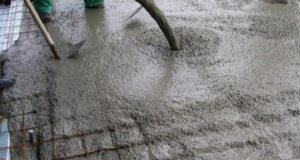
Concrete is the backbone of modern construction. From residential buildings and commercial complexes to bridges, tunnels, basements, water tanks, and industrial plants, concrete structures are everywhere. While concrete is strong and durable, it is not naturally waterproof. Due to its porous nature, concrete absorbs water, allowing moisture to penetrate deep into the structure.
Without proper protection, water ingress leads to cracks, corrosion of steel reinforcement, reduced load-bearing capacity, leakage, dampness, and premature structural failure. This is why concrete waterproofing solutions are essential for ensuring long-term durability, safety, and performance of any structure.
This comprehensive guide explains concrete waterproofing solutions, technologies, applications, benefits, methods, and future trends, helping builders and developers select the most effective system for long-term protection.
Why Concrete Waterproofing Is Essential
Concrete contains millions of microscopic pores and capillaries. Water enters concrete through:
-
Capillary absorption
-
Hairline cracks
-
Construction joints
-
Cold joints
-
Hydrostatic pressure
Once water penetrates concrete, it causes:
-
Corrosion of steel reinforcement
-
Cracking and spalling
-
Efflorescence and damp patches
-
Mold and fungal growth
-
Reduced structural strength
-
Increased maintenance costs
Concrete waterproofing solutions create a protective barrier or internal sealing mechanism that blocks water pathways and ensures structural longevity.
Common Areas Where Concrete Waterproofing Is Required
Concrete waterproofing is critical in:
-
Foundations and footings
-
Basements and retaining walls
-
Roof slabs and terraces
-
Water tanks and reservoirs
-
Swimming pools
-
Bridges and flyovers
-
Tunnels and underground structures
-
Industrial floors and plants
Each area requires a specific waterproofing approach based on exposure, pressure, and usage.
Types of Concrete Waterproofing Solutions
1. Cementitious Concrete Waterproofing Solutions
Cementitious waterproofing is one of the most widely used methods for concrete structures.
Key Features:
-
Cement-based formulations
-
Easy application by brush or spray
-
Strong adhesion to concrete
Applications:
-
Basements
-
Foundations
-
Water tanks
-
Lift pits
Advantages:
-
Cost-effective
-
Durable
-
Suitable for internal and external applications
2. Crystalline Concrete Waterproofing Solutions
Crystalline waterproofing is an integral concrete waterproofing technology.
How it Works:
Active chemicals react with moisture and cement particles to form insoluble crystals that block pores and capillaries permanently.
Key Features:
-
Self-healing of micro-cracks
-
Permanent waterproofing
-
High resistance to hydrostatic pressure
Applications:
-
Foundations
-
Raft slabs
-
Basements
-
Tunnels and water tanks
Advantages:
-
Becomes part of concrete
-
No peeling or delamination
-
Long service life
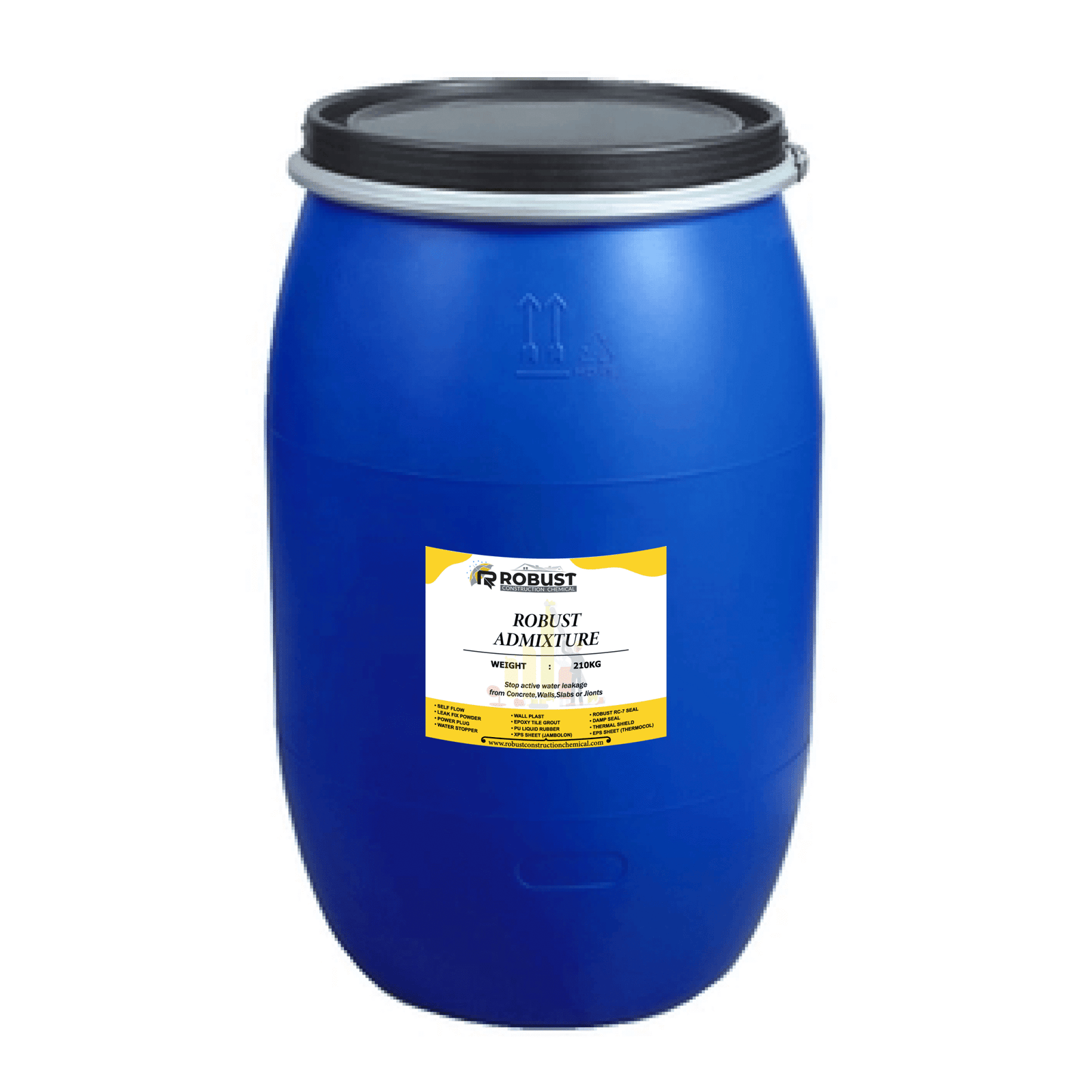
3. Integral Concrete Waterproofing Admixtures
Integral waterproofing admixtures are added directly to concrete during mixing.
Key Features:
-
Reduces permeability of concrete
-
Improves durability
-
Enhances resistance to water and chemicals
Applications:
-
New construction projects
-
Structural concrete
-
High-rise buildings
Advantages:
-
Uniform protection
-
No surface application required
-
Cost-effective over lifecycle
4. Polyurethane (PU) Concrete Waterproofing Solutions
PU waterproofing is a high-performance liquid-applied solution.
Key Features:
-
Seamless membrane
-
High elasticity
-
Excellent crack-bridging ability
Applications:
-
Roof slabs
-
Basements
-
Podium slabs
-
Expansion joints
Advantages:
-
Long-lasting
-
UV and chemical resistant
-
Suitable for dynamic structures
5. Bituminous Concrete Waterproofing Solutions
Bitumen-based waterproofing has been used for decades and remains effective with modern modifications.
Types:
-
Bitumen coatings
-
APP and SBS modified membranes
Applications:
-
Foundations
-
Retaining walls
-
Underground slabs
Advantages:
-
Excellent water resistance
-
Flexible with polymer modification
-
Cost-effective
6. Liquid-Applied Waterproofing Membranes
Liquid membranes cure to form a seamless, joint-free waterproof layer.
Types:
-
Acrylic membranes
-
Elastomeric coatings
-
Liquid rubber
Applications:
-
Roof slabs
-
Complex concrete surfaces
-
Repair projects
Advantages:
-
Uniform coverage
-
Easy application
-
Strong adhesion
7. Elastomeric Concrete Waterproofing Coatings
Elastomeric coatings stretch and recover with concrete movement.
Key Features:
-
High elongation
-
Crack resistance
-
Weather and UV resistance
Applications:
-
External concrete walls
-
Roof slabs
-
Exposed structures
Advantages:
-
Covers hairline cracks
-
Durable in harsh climates
-
Long-term performance
8. Injection Waterproofing Solutions for Concrete
Injection waterproofing is used for repairing cracks and active leaks.
Types:
-
PU injection grouts
-
Acrylic injection gels
-
Epoxy injection resins
Applications:
-
Basement leakage
-
Structural cracks
-
Construction joints
Advantages:
-
Stops active water seepage
-
Restores structural integrity
-
Ideal for remedial works
Concrete Waterproofing Methods
Positive-Side Waterproofing
Applied on the side exposed to water, preventing water entry.
Negative-Side Waterproofing
Applied on the opposite side, resisting water pressure after penetration.
Integral Waterproofing
Built into the concrete itself using admixtures or crystalline technology.
Using a combination of methods provides maximum protection.
Concrete Waterproofing for Basements
Basements are highly vulnerable due to groundwater pressure.
Effective solutions include:
-
Crystalline waterproofing in concrete
-
External membranes
-
Injection grouting for joints
-
Drainage systems
Proper basement waterproofing ensures dry, usable underground spaces.
Concrete Waterproofing for Roof Slabs
Roof slabs face direct exposure to rain, heat, and UV radiation.
Recommended solutions:
-
PU waterproofing systems
-
Elastomeric coatings
-
Liquid membranes with protective screed
This prevents leakage and enhances roof durability.
Concrete Waterproofing for Water Retaining Structures
Water tanks, reservoirs, and swimming pools require non-toxic and pressure-resistant waterproofing.
Best solutions:
-
Crystalline waterproofing
-
Cementitious waterproofing approved for potable water
These systems ensure leak-free and hygienic water storage.
Benefits of Concrete Waterproofing Solutions
-
Prevents Water Ingress
-
Protects Steel Reinforcement from Corrosion
-
Enhances Structural Strength
-
Reduces Maintenance Costs
-
Extends Building Life
-
Improves Indoor Air Quality
-
Increases Property Value
Quality Standards and Compliance
High-quality concrete waterproofing solutions comply with:
-
ISO quality standards
-
ASTM testing methods
-
EN European norms
-
Green building requirements
Compliance ensures reliability and international acceptance.
Choosing the Right Concrete Waterproofing Solution
Consider:
-
Type of structure
-
Exposure to water pressure
-
New construction or repair
-
Climate conditions
-
Budget vs. lifecycle cost
Professional evaluation ensures optimal performance.
Common Concrete Waterproofing Mistakes
-
Poor surface preparation
-
Using low-quality products
-
Ignoring joints and cracks
-
Incorrect application thickness
-
Inadequate curing
Avoiding these mistakes ensures successful waterproofing results.
Future Trends in Concrete Waterproofing
-
Self-healing concrete technologies
-
Nano-based waterproofing solutions
-
Eco-friendly, low-VOC products
-
Hybrid waterproofing systems
-
Smart moisture-monitoring coatings
These innovations are transforming modern concrete construction.
Concrete Waterproofing Solutions – Complete Guide to Long-Lasting Structural Protection
Concrete is the backbone of modern construction. From residential buildings and commercial complexes to bridges, tunnels, basements, water tanks, and industrial plants, concrete structures are everywhere. While concrete is strong and durable, it is not naturally waterproof. Due to its porous nature, concrete absorbs water, allowing moisture to penetrate deep into the structure.
Without proper protection, water ingress leads to cracks, corrosion of steel reinforcement, reduced load-bearing capacity, leakage, dampness, and premature structural failure. This is why concrete waterproofing solutions are essential for ensuring long-term durability, safety, and performance of any structure.
This comprehensive guide explains concrete waterproofing solutions, technologies, applications, benefits, methods, and future trends, helping builders and developers select the most effective system for long-term protection.
Why Concrete Waterproofing Is Essential
Concrete contains millions of microscopic pores and capillaries. Water enters concrete through:
-
Capillary absorption
-
Hairline cracks
-
Construction joints
-
Cold joints
-
Hydrostatic pressure
Once water penetrates concrete, it causes:
-
Corrosion of steel reinforcement
-
Cracking and spalling
-
Efflorescence and damp patches
-
Mold and fungal growth
-
Reduced structural strength
-
Increased maintenance costs
Concrete waterproofing solutions create a protective barrier or internal sealing mechanism that blocks water pathways and ensures structural longevity.
Common Areas Where Concrete Waterproofing Is Required
Concrete waterproofing is critical in:
-
Foundations and footings
-
Basements and retaining walls
-
Roof slabs and terraces
-
Water tanks and reservoirs
-
Swimming pools
-
Bridges and flyovers
-
Tunnels and underground structures
-
Industrial floors and plants
Each area requires a specific waterproofing approach based on exposure, pressure, and usage.
Types of Concrete Waterproofing Solutions
1. Cementitious Concrete Waterproofing Solutions
Cementitious waterproofing is one of the most widely used methods for concrete structures.
Key Features:
-
Cement-based formulations
-
Easy application by brush or spray
-
Strong adhesion to concrete
Applications:
-
Basements
-
Foundations
-
Water tanks
-
Lift pits
Advantages:
-
Cost-effective
-
Durable
-
Suitable for internal and external applications
2. Crystalline Concrete Waterproofing Solutions
Crystalline waterproofing is an integral concrete waterproofing technology.
How it Works:
Active chemicals react with moisture and cement particles to form insoluble crystals that block pores and capillaries permanently.
Key Features:
-
Self-healing of micro-cracks
-
Permanent waterproofing
-
High resistance to hydrostatic pressure
Applications:
-
Foundations
-
Raft slabs
-
Basements
-
Tunnels and water tanks
Advantages:
-
Becomes part of concrete
-
No peeling or delamination
-
Long service life
3. Integral Concrete Waterproofing Admixtures
Integral waterproofing admixtures are added directly to concrete during mixing.
Key Features:
-
Reduces permeability of concrete
-
Improves durability
-
Enhances resistance to water and chemicals
Applications:
-
New construction projects
-
Structural concrete
-
High-rise buildings
Advantages:
-
Uniform protection
-
No surface application required
-
Cost-effective over lifecycle
4. Polyurethane (PU) Concrete Waterproofing Solutions
PU waterproofing is a high-performance liquid-applied solution.
Key Features:
-
Seamless membrane
-
High elasticity
-
Excellent crack-bridging ability
Applications:
-
Roof slabs
-
Basements
-
Podium slabs
-
Expansion joints
Advantages:
-
Long-lasting
-
UV and chemical resistant
-
Suitable for dynamic structures
5. Bituminous Concrete Waterproofing Solutions
Bitumen-based waterproofing has been used for decades and remains effective with modern modifications.
Types:
-
Bitumen coatings
-
APP and SBS modified membranes
Applications:
-
Foundations
-
Retaining walls
-
Underground slabs
Advantages:
-
Excellent water resistance
-
Flexible with polymer modification
-
Cost-effective
6. Liquid-Applied Waterproofing Membranes
Liquid membranes cure to form a seamless, joint-free waterproof layer.
Types:
-
Acrylic membranes
-
Elastomeric coatings
-
Liquid rubber
Applications:
-
Roof slabs
-
Complex concrete surfaces
-
Repair projects
Advantages:
-
Uniform coverage
-
Easy application
-
Strong adhesion
7. Elastomeric Concrete Waterproofing Coatings
Elastomeric coatings stretch and recover with concrete movement.
Key Features:
-
High elongation
-
Crack resistance
-
Weather and UV resistance
Applications:
-
External concrete walls
-
Roof slabs
-
Exposed structures
Advantages:
-
Covers hairline cracks
-
Durable in harsh climates
-
Long-term performance
8. Injection Waterproofing Solutions for Concrete
Injection waterproofing is used for repairing cracks and active leaks.
Types:
-
PU injection grouts
-
Acrylic injection gels
-
Epoxy injection resins
Applications:
-
Basement leakage
-
Structural cracks
-
Construction joints
Advantages:
-
Stops active water seepage
-
Restores structural integrity
-
Ideal for remedial works
Concrete Waterproofing Methods
Positive-Side Waterproofing
Applied on the side exposed to water, preventing water entry.
Negative-Side Waterproofing
Applied on the opposite side, resisting water pressure after penetration.
Integral Waterproofing
Built into the concrete itself using admixtures or crystalline technology.
Using a combination of methods provides maximum protection.
Concrete Waterproofing for Basements
Basements are highly vulnerable due to groundwater pressure.
Effective solutions include:
-
Crystalline waterproofing in concrete
-
External membranes
-
Injection grouting for joints
-
Drainage systems
Proper basement waterproofing ensures dry, usable underground spaces.
Concrete Waterproofing for Roof Slabs
Roof slabs face direct exposure to rain, heat, and UV radiation.
Recommended solutions:
-
PU waterproofing systems
-
Elastomeric coatings
-
Liquid membranes with protective screed
This prevents leakage and enhances roof durability.
Concrete Waterproofing for Water Retaining Structures
Water tanks, reservoirs, and swimming pools require non-toxic and pressure-resistant waterproofing.
Best solutions:
-
Crystalline waterproofing
-
Cementitious waterproofing approved for potable water
These systems ensure leak-free and hygienic water storage.
Benefits of Concrete Waterproofing Solutions
-
Prevents Water Ingress
-
Protects Steel Reinforcement from Corrosion
-
Enhances Structural Strength
-
Reduces Maintenance Costs
-
Extends Building Life
-
Improves Indoor Air Quality
-
Increases Property Value
Quality Standards and Compliance
High-quality concrete waterproofing solutions comply with:
-
ISO quality standards
-
ASTM testing methods
-
EN European norms
-
Green building requirements
Compliance ensures reliability and international acceptance.
Choosing the Right Concrete Waterproofing Solution
Consider:
-
Type of structure
-
Exposure to water pressure
-
New construction or repair
-
Climate conditions
-
Budget vs. lifecycle cost
Professional evaluation ensures optimal performance.
Common Concrete Waterproofing Mistakes
-
Poor surface preparation
-
Using low-quality products
-
Ignoring joints and cracks
-
Incorrect application thickness
-
Inadequate curing
Avoiding these mistakes ensures successful waterproofing results.
Future Trends in Concrete Waterproofing
-
Self-healing concrete technologies
-
Nano-based waterproofing solutions
-
Eco-friendly, low-VOC products
-
Hybrid waterproofing systems
-
Smart moisture-monitoring coatings
These innovations are transforming modern concrete construction.
Concrete Waterproofing Solutions – Complete Guide to Long-Lasting Structural Protection
Concrete is the backbone of modern construction. From residential buildings and commercial complexes to bridges, tunnels, basements, water tanks, and industrial plants, concrete structures are everywhere. While concrete is strong and durable, it is not naturally waterproof. Due to its porous nature, concrete absorbs water, allowing moisture to penetrate deep into the structure.
Without proper protection, water ingress leads to cracks, corrosion of steel reinforcement, reduced load-bearing capacity, leakage, dampness, and premature structural failure. This is why concrete waterproofing solutions are essential for ensuring long-term durability, safety, and performance of any structure.
This comprehensive guide explains concrete waterproofing solutions, technologies, applications, benefits, methods, and future trends, helping builders and developers select the most effective system for long-term protection.
Why Concrete Waterproofing Is Essential
Concrete contains millions of microscopic pores and capillaries. Water enters concrete through:
-
Capillary absorption
-
Hairline cracks
-
Construction joints
-
Cold joints
-
Hydrostatic pressure
Once water penetrates concrete, it causes:
-
Corrosion of steel reinforcement
-
Cracking and spalling
-
Efflorescence and damp patches
-
Mold and fungal growth
-
Reduced structural strength
-
Increased maintenance costs
Concrete waterproofing solutions create a protective barrier or internal sealing mechanism that blocks water pathways and ensures structural longevity.
Common Areas Where Concrete Waterproofing Is Required
Concrete waterproofing is critical in:
-
Foundations and footings
-
Basements and retaining walls
-
Roof slabs and terraces
-
Water tanks and reservoirs
-
Swimming pools
-
Bridges and flyovers
-
Tunnels and underground structures
-
Industrial floors and plants
Each area requires a specific waterproofing approach based on exposure, pressure, and usage.
Types of Concrete Waterproofing Solutions
1. Cementitious Concrete Waterproofing Solutions
Cementitious waterproofing is one of the most widely used methods for concrete structures.
Key Features:
-
Cement-based formulations
-
Easy application by brush or spray
-
Strong adhesion to concrete
Applications:
-
Basements
-
Foundations
-
Water tanks
-
Lift pits
Advantages:
-
Cost-effective
-
Durable
-
Suitable for internal and external applications
2. Crystalline Concrete Waterproofing Solutions
Crystalline waterproofing is an integral concrete waterproofing technology.
How it Works:
Active chemicals react with moisture and cement particles to form insoluble crystals that block pores and capillaries permanently.
Key Features:
-
Self-healing of micro-cracks
-
Permanent waterproofing
-
High resistance to hydrostatic pressure
Applications:
-
Foundations
-
Raft slabs
-
Basements
-
Tunnels and water tanks
Advantages:
-
Becomes part of concrete
-
No peeling or delamination
-
Long service life
3. Integral Concrete Waterproofing Admixtures
Integral waterproofing admixtures are added directly to concrete during mixing.
Key Features:
-
Reduces permeability of concrete
-
Improves durability
-
Enhances resistance to water and chemicals
Applications:
-
New construction projects
-
Structural concrete
-
High-rise buildings
Advantages:
-
Uniform protection
-
No surface application required
-
Cost-effective over lifecycle
4. Polyurethane (PU) Concrete Waterproofing Solutions
PU waterproofing is a high-performance liquid-applied solution.
Key Features:
-
Seamless membrane
-
High elasticity
-
Excellent crack-bridging ability
Applications:
-
Roof slabs
-
Basements
-
Podium slabs
-
Expansion joints
Advantages:
-
Long-lasting
-
UV and chemical resistant
-
Suitable for dynamic structures
5. Bituminous Concrete Waterproofing Solutions
Bitumen-based waterproofing has been used for decades and remains effective with modern modifications.
Types:
-
Bitumen coatings
-
APP and SBS modified membranes
Applications:
-
Foundations
-
Retaining walls
-
Underground slabs
Advantages:
-
Excellent water resistance
-
Flexible with polymer modification
-
Cost-effective
6. Liquid-Applied Waterproofing Membranes
Liquid membranes cure to form a seamless, joint-free waterproof layer.
Types:
-
Acrylic membranes
-
Elastomeric coatings
-
Liquid rubber
Applications:
-
Roof slabs
-
Complex concrete surfaces
-
Repair projects
Advantages:
-
Uniform coverage
-
Easy application
-
Strong adhesion
7. Elastomeric Concrete Waterproofing Coatings
Elastomeric coatings stretch and recover with concrete movement.
Key Features:
-
High elongation
-
Crack resistance
-
Weather and UV resistance
Applications:
-
External concrete walls
-
Roof slabs
-
Exposed structures
Advantages:
-
Covers hairline cracks
-
Durable in harsh climates
-
Long-term performance
8. Injection Waterproofing Solutions for Concrete
Injection waterproofing is used for repairing cracks and active leaks.
Types:
-
PU injection grouts
-
Acrylic injection gels
-
Epoxy injection resins
Applications:
-
Basement leakage
-
Structural cracks
-
Construction joints
Advantages:
-
Stops active water seepage
-
Restores structural integrity
-
Ideal for remedial works
Concrete Waterproofing Methods
Positive-Side Waterproofing
Applied on the side exposed to water, preventing water entry.
Negative-Side Waterproofing
Applied on the opposite side, resisting water pressure after penetration.
Integral Waterproofing
Built into the concrete itself using admixtures or crystalline technology.
Using a combination of methods provides maximum protection.
Concrete Waterproofing for Basements
Basements are highly vulnerable due to groundwater pressure.
Effective solutions include:
-
Crystalline waterproofing in concrete
-
External membranes
-
Injection grouting for joints
-
Drainage systems
Proper basement waterproofing ensures dry, usable underground spaces.
Concrete Waterproofing for Roof Slabs
Roof slabs face direct exposure to rain, heat, and UV radiation.
Recommended solutions:
-
PU waterproofing systems
-
Elastomeric coatings
-
Liquid membranes with protective screed
This prevents leakage and enhances roof durability.
Concrete Waterproofing for Water Retaining Structures
Water tanks, reservoirs, and swimming pools require non-toxic and pressure-resistant waterproofing.
Best solutions:
-
Crystalline waterproofing
-
Cementitious waterproofing approved for potable water
These systems ensure leak-free and hygienic water storage.
Benefits of Concrete Waterproofing Solutions
-
Prevents Water Ingress
-
Protects Steel Reinforcement from Corrosion
-
Enhances Structural Strength
-
Reduces Maintenance Costs
-
Extends Building Life
-
Improves Indoor Air Quality
-
Increases Property Value
Quality Standards and Compliance
High-quality concrete waterproofing solutions comply with:
-
ISO quality standards
-
ASTM testing methods
-
EN European norms
-
Green building requirements
Compliance ensures reliability and international acceptance.
Choosing the Right Concrete Waterproofing Solution
Consider:
-
Type of structure
-
Exposure to water pressure
-
New construction or repair
-
Climate conditions
-
Budget vs. lifecycle cost
Professional evaluation ensures optimal performance.
Common Concrete Waterproofing Mistakes
-
Poor surface preparation
-
Using low-quality products
-
Ignoring joints and cracks
-
Incorrect application thickness
-
Inadequate curing
Avoiding these mistakes ensures successful waterproofing results.
Future Trends in Concrete Waterproofing
-
Self-healing concrete technologies
-
Nano-based waterproofing solutions
-
Eco-friendly, low-VOC products
-
Hybrid waterproofing systems
-
Smart moisture-monitoring coatings
These innovations are transforming modern concrete construction.