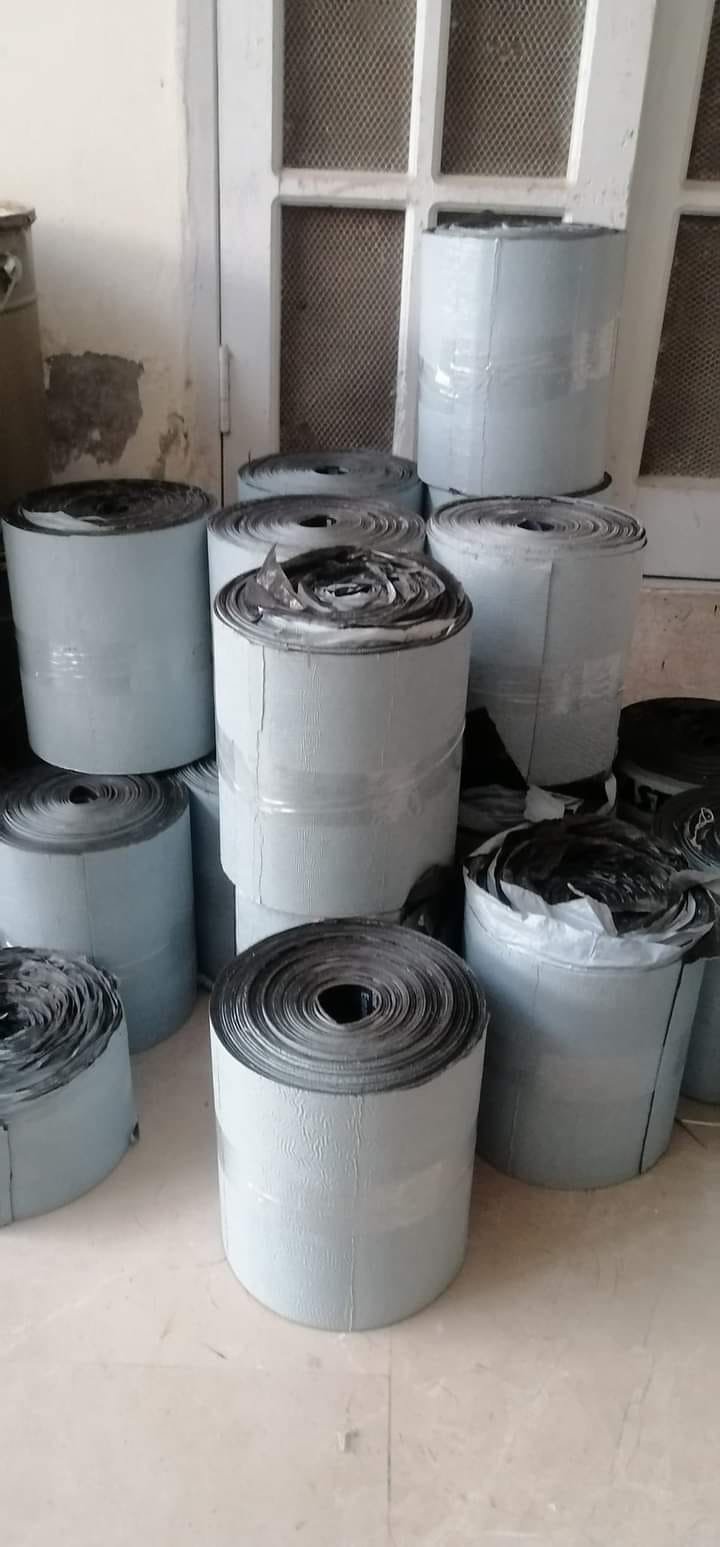
DPC Membrane Roll – Damp Proof Course Waterproofing SheetMembrane DPC Roll (Damp Proof Course Roll)
A membrane DPC roll is a waterproof barrier sheet used in construction to prevent rising dampness from the ground into walls, floors, and structural elements of buildings. It acts as a moisture barrier layer, ensuring that water or damp does not move upward through capillary action into the structure.
What is a Membrane DPC Roll?
A membrane DPC (Damp Proof Course) is a flexible plastic or bituminous sheet placed at the base of walls, foundations, or floors. It forms a continuous waterproof layer between masonry courses or under concrete slabs to block moisture penetration.
Common Materials Used in DPC Membranes:
-
Bituminous Membrane DPC Roll – Made from modified bitumen with reinforcement (fiberglass or polyester).
-
HDPE (High-Density Polyethylene) Membrane DPC – Strong, flexible, and chemical-resistant plastic membrane.
-
PVC Membrane DPC – Durable and resistant to moisture and most chemicals.
-
EPDM Rubber Membrane – Elastic and long-lasting for high-performance waterproofing.
-
Self-Adhesive DPC Membrane – Easy peel-and-stick bituminous rolls for quick application.
Technical Specifications (Typical):
-
Thickness: 1.0 mm to 4.0 mm
-
Width: 300 mm to 1000 mm (custom sizes available)
-
Length per roll: 10 m to 20 m
-
Tensile Strength: > 400 N/50 mm
-
Water Absorption: Nil
-
Softening Point: > 100°C
Applications:
-
Foundation and plinth level damp proofing
-
Under brick walls and blockwork
-
Under concrete slabs and ground floors
-
Between masonry courses
-
Around basement walls
-
As a moisture barrier below roof screeds
Installation Instructions:
-
Surface Preparation:
-
Clean the surface, ensuring it’s smooth, dry, and free from dust or oil.
-
Repair cracks or uneven surfaces before laying the membrane.
-
-
Application:
-
Unroll the DPC membrane carefully over the surface.
-
Overlap joints by at least 100 mm (4 inches).
-
For bituminous membranes, heat-seal overlaps with a torch or apply bitumen primer.
-
Ensure the membrane extends beyond the wall thickness for full coverage.
-
-
Sealing:
-
Press joints firmly to ensure watertight bonding.
-
Apply extra bitumen compound or primer at junctions, corners, and laps.
-
-
Protection:
-
Protect the installed membrane with screed, mortar, or protective boards before further construction.
-
Advantages of Membrane DPC Roll:
-
Completely waterproof and vapor-resistant
-
Flexible and easy to install
-
Resistant to salts, alkalis, and soil chemicals
-
Long-lasting (life expectancy 20–50 years)
-
Suitable for all climate conditions
-
Reduces risk of damp walls, mold, and plaster damage
Types of Bituminous DPC Rolls (Examples):
| Type | Description | Application |
|---|---|---|
| APP Modified Bitumen Roll | Torch-applied roll with polymer-modified asphalt | Roofs, basements, and damp areas |
| Self-Adhesive Bitumen Membrane | Cold-applied, peel-and-stick | Residential DPC, wet areas |
| SBS Modified Membrane | Elastic and flexible | Cold regions, below-grade waterproofing |
Typical Uses in Construction:
-
Under brick masonry walls
-
Below concrete floors
-
At basement retaining walls
-
In wet zones like bathrooms and kitchens
-
For roof damp proofing and terrace waterproofing
Maintenance Tips:
-
Ensure no damage during bricklaying or concreting.
-
Do not puncture or tear the membrane.
-
Regularly inspect exposed edges or laps.
-
Seal any tears or joints immediately with bituminous adhesive.
Conclusion:
A membrane DPC roll is a critical component in building waterproofing systems, especially for foundations, walls, and floors. It offers durable, cost-effective, and reliable damp protection, ensuring long-term structural integrity and dry interiors.
DPC Membrane Roll – Complete Guide
A DPC membrane roll (Damp Proof Course membrane) is a flexible waterproof sheet used in building construction to prevent moisture from rising through walls, floors, or foundations. It is one of the most effective and economical methods of damp proofing in modern construction.
What is a DPC Membrane Roll?
A DPC membrane is a plastic, bituminous, or rubberized sheet installed at the base of walls or flooring to block capillary moisture movement from the ground into the structure.
It usually comes in roll form, making it easy to handle, cut, and install on-site.
Technical Description
| Property | Specification |
|---|---|
| Material Type | High-Density Polyethylene (HDPE), Low-Density Polyethylene (LDPE), or Bituminous Polymer |
| Thickness | 250 to 1000 microns (commonly 500 microns = 0.5mm) |
| Roll Width | 1 meter (standard) |
| Roll Length | 30 meters (standard) |
| Color | Black or Grey |
| Tensile Strength | 15–25 N/mm² |
| Water Absorption | < 0.2% |
| Temperature Resistance | -20°C to +80°C |
| Installation Type | Laid horizontally at plinth level or under walls/floors |
Purpose of DPC Membrane
-
Prevents Rising Damp: Stops moisture traveling from the ground through masonry.
-
Protects Finishes: Prevents plaster and paint from peeling or bubbling.
-
Prevents Efflorescence: Avoids white salt deposits on walls.
-
Improves Longevity: Increases building durability and maintains structural integrity.
-
Barrier for Radon Gas: HDPE membranes can also reduce radon gas ingress.
Applications
| Area | Application |
|---|---|
| Walls | Installed at the base of brick/block walls above ground level |
| Floors | Acts as a damp proof layer under concrete slabs |
| Basements | Used with waterproofing membranes for full protection |
| Roofs | Under roof screed to block moisture ingress |
| Bathrooms/Kitchens | As a protective layer beneath tiles or cement floors |
Installation Instructions
Step-by-Step Process
-
Surface Preparation:
-
Clean the surface from dust, debris, or sharp edges.
-
Ensure the surface is level and dry.
-
-
Cutting the Roll:
-
Cut the DPC roll to the required length using a knife or cutter.
-
-
Laying the Membrane:
-
Lay the sheet horizontally at the plinth or DPC level.
-
Overlap adjacent sheets by at least 100 mm (4 inches).
-
-
Sealing the Joints:
-
Heat seal or apply bitumen-based adhesive at overlaps to make joints watertight.
-
-
Protection:
-
Cover the membrane immediately with mortar, screed, or protection board to prevent punctures.
-
Advantages of DPC Membrane Roll
100% Waterproof – Provides an impenetrable barrier to moisture.
Easy Installation – Light, flexible, and simple to lay.
Durable and Long-Lasting – Resistant to chemicals, root growth, and temperature changes.
Low Cost – Cost-effective alternative to chemical DPC methods.
Non-toxic & Eco-friendly – Safe for residential and commercial buildings.
Common Materials Used
| Material Type | Description |
|---|---|
| Bituminous Membrane | Made of asphalt or polymer-modified bitumen; provides strong waterproofing. |
| Polyethylene (PE) | Lightweight and economical; suitable for light residential structures. |
| HDPE | High-strength, chemical-resistant option for industrial and basement applications. |
| EPDM Rubber | Elastic and durable, ideal for heavy-duty waterproofing systems. |
Typical Installation Locations
-
Plinth level between foundation and brickwork
-
Under floor slabs (for ground moisture)
-
Over retaining walls and damp zones
-
In garden walls or boundary walls exposed to rain
-
Under tiles in wet areas (bathrooms, kitchens)
Maintenance & Inspection
-
Check joints periodically for damage or separation.
-
Ensure no puncture during construction (especially while bricklaying).
-
Replace damaged portions immediately before covering with finishing layers.
Comparison: DPC Membrane vs Chemical DPC
| Feature | DPC Membrane | Chemical DPC |
|---|---|---|
| Form | Physical barrier sheet | Liquid chemical injection |
| Durability | 30+ years | 10–15 years |
| Installation Speed | Fast | Time-consuming |
| Cost | Low | Moderate |
| Use Case | New construction | Existing damp walls |
Popular Brands and Types
-
Robust DPC Membrane Roll
-
Sika Proof® D
-
Bituflex DPM
-
Fosroc Proofex 3000
-
Grace Preprufe®
-
Tremco DPM
Technical Benefits
-
High tensile and tear resistance
-
Excellent flexibility even at low temperatures
-
Compatible with concrete, mortar, and bitumen layers
-
UV stabilized (optional) for exposed use
-
Suitable for both horizontal and vertical damp proofing
Conclusion
A DPC membrane roll is a critical element in modern waterproofing systems. It ensures that moisture and dampness do not travel through building foundations, walls, or floors.
Using a quality DPC membrane, especially HDPE or bituminous types, provides long-term protection against structural damage, peeling paint, and mold growth.
It is easy to install, highly durable, and maintenance-free, making it a must-have waterproofing solution for residential, commercial, and industrial projects.
A DPC Membrane Roll is a flexible waterproof sheet used in construction to prevent rising dampness and moisture penetration through concrete, brickwork, or block masonry. It forms an impermeable barrier that stops water from moving upward by capillary action, ensuring dry and long-lasting walls and floors.
This membrane is typically made from bitumen, HDPE (High-Density Polyethylene), PVC, or polymer-modified asphalt, depending on site conditions and structural requirements.
Purpose of DPC Membrane
The main purpose of a DPC membrane is to protect buildings from ground moisture, salts, and dampness that can damage plaster, paint, and reinforcement steel. It is an essential layer for:
-
Plinth-level waterproofing
-
Basement damp protection
-
Underfloor moisture barrier
-
Wall base damp proofing
-
Roof damp protection
Available Types
| Type | Description | Application |
|---|---|---|
| Bituminous DPC Membrane | Made from polymer-modified bitumen with fiberglass or polyester reinforcement. | For foundations, basements, and roof slabs. |
| HDPE DPC Membrane | High-density polyethylene film; flexible, strong, and chemical-resistant. | For ground-level damp proofing under concrete slabs. |
| PVC DPC Membrane | Plasticized PVC sheets that are easy to handle and long-lasting. | For wall base and flooring protection. |
| Self-Adhesive Bitumen Membrane | Cold-applied peel-and-stick sheet for easy installation. | Ideal for small residential and renovation projects. |
Technical Specifications (Typical)
| Property | Value |
|---|---|
| Thickness | 1.0 mm – 4.0 mm |
| Width | 300 mm – 1000 mm |
| Roll Length | 10 m – 20 m |
| Water Absorption | Nil |
| Softening Point | > 100°C |
| Tensile Strength | > 400 N/50 mm |
| Elongation at Break | 150% – 300% |
| Temperature Range | -5°C to +45°C |
Key Features & Benefits
100% Waterproof – Prevents rising dampness effectively
Flexible & Durable – Suitable for movement and thermal expansion
High Chemical Resistance – Protects against salts and alkaline soil
Long Life – Durable and maintenance-free (up to 40–50 years)
Easy to Install – Suitable for hot or cold application
Cost-Effective – Reduces long-term structural maintenance costs
Applications
-
Plinth level damp proofing under brick/block masonry
-
Concrete floor slab protection
-
Basements and retaining wall waterproofing
-
Roof terraces and podium slabs
-
Wet areas such as bathrooms and kitchens
-
Wall-floor junctions and under flooring tiles
Installation Instructions
1. Surface Preparation
-
Clean the surface properly — remove dust, grease, and debris.
-
Repair cracks and make the surface smooth and dry.
-
Apply a coat of bitumen primer on concrete or masonry surfaces. Allow it to dry.
2. Laying the Membrane
-
Unroll the DPC membrane over the surface.
-
Align properly along the wall or slab.
-
Cut to required length ensuring full coverage.
3. Joint Sealing
-
Overlap edges by minimum 100 mm (4 inches).
-
Seal overlaps with bituminous adhesive or torch application (for APP membranes).
-
Press down firmly using a hand roller to remove trapped air.
4. Protection
-
Protect the membrane immediately after installation.
-
Use a cement-sand screed (40 mm thick) for floor applications.
-
For walls, apply protective mortar before bricklaying.
-
5. Continuity
-
Ensure continuous coverage of the DPC membrane across junctions, corners, and edges.
-
At wall junctions, fold the membrane vertically to maintain continuity.
Safety & Handling
-
Use gloves and goggles during application.
-
Avoid working in wet or rainy conditions.
-
Do not leave membrane exposed to sunlight for extended periods.
-
Store rolls upright in a cool, dry place away from direct heat sources.
Typical Layer Arrangement (Wall Base Example)
-
Concrete footing or plinth beam
-
Bitumen primer coat
-
DPC membrane roll (laid with overlaps sealed)
-
Brick/block wall construction
Maintenance
-
Once installed properly, DPC membranes require minimal maintenance.
-
If punctured, repair using a patch of the same membrane with at least 100 mm overlap.
-
Inspect exposed areas periodically, especially before monsoon season.
Storage Information
-
Store vertically to avoid deformation.
-
Keep in shaded, ventilated area.
-
Avoid stacking more than 5 rolls high.
-
Shelf life: 12–18 months (depending on type and storage conditions).
Advantages of Using DPC Membrane Over Traditional DPC
| Feature | Traditional Cement DPC | DPC Membrane Roll |
|---|---|---|
| Waterproofing | Limited | 100% waterproof |
| Flexibility | Rigid | Highly flexible |
| Installation | Time-consuming | Fast & clean |
| Longevity | 5–10 years | 30–50 years |
| Chemical Resistance | Low | High |
Conclusion
The DPC Membrane Roll is a modern, durable, and reliable solution for preventing dampness and moisture ingress in both residential and commercial buildings. Its easy installation, long lifespan, and high-performance waterproofing make it an essential product for any structure requiring long-term protection against water damage.
SEO Focus Keywords:
-
DPC Membrane Roll
-
Damp Proof Course Sheet
-
Bituminous DPC Membrane
-
HDPE DPC Roll
-
Wall Base Waterproofing Membrane
-
Foundation Damp Proofing
Meta Description:
DPC Membrane Roll is a high-quality waterproofing sheet used to prevent rising dampness in walls, floors, and foundations. Flexible, durable, and 100% waterproof — ideal for long-term damp proofing protection.
DPC Membrane Roll – Ultimate Damp Proofing Solution by Robust Construction Chemicals
A DPC (Damp Proof Course) Membrane Roll is one of the most effective and essential materials in modern construction for preventing rising dampness and moisture penetration in buildings. At Robust Construction Chemicals, we manufacture and supply high-quality DPC membrane rolls designed to provide long-lasting protection against water ingress, moisture migration, and structural damage caused by damp conditions. Our DPC membranes are engineered using advanced polymer-based compounds that ensure superior waterproofing performance, flexibility, and durability in all climatic conditions across Pakistan.
The Robust DPC Membrane Roll acts as a continuous barrier that stops moisture from moving upward through walls, floors, or foundations by capillary action. It is primarily installed at the base of walls and other critical junctions where dampness could rise and damage plaster, paint, and internal finishes. This membrane provides a highly effective waterproofing layer that safeguards buildings from internal damp patches, efflorescence, mold growth, and deterioration of construction materials. Whether used in residential, commercial, or industrial structures, our DPC membrane rolls are a trusted solution for long-term damp-proof protection.
High-Performance Composition
The DPC membrane rolls offered by Robust Construction Chemicals are made from premium-quality polyethylene and bituminous materials that provide exceptional strength, flexibility, and resistance to chemicals. The material is formulated to withstand environmental stress, UV rays, and temperature fluctuations. Each roll is carefully manufactured using precision technology to ensure uniform thickness, consistent quality, and easy handling during installation. The result is a strong yet lightweight damp-proof course that can be seamlessly integrated into a variety of construction applications.
Key Features and Benefits
-
Superior Waterproofing Protection:
The Robust DPC membrane roll is specifically designed to prevent the ingress of water and dampness through masonry and concrete structures. It ensures that moisture cannot travel upward from the ground, protecting walls and flooring from damage. -
Durable and Long-Lasting:
Our membrane rolls offer exceptional tensile strength and tear resistance, providing a durable waterproofing layer that lasts for decades. It maintains its integrity even under high compression loads. -
Chemical and Alkaline Resistance:
The DPC roll is resistant to most acids, alkalis, and salts present in soil or construction materials, ensuring its longevity in chemically aggressive environments. -
Flexible and Easy to Install:
Lightweight, roll-form design allows quick installation with minimal wastage. The flexibility makes it easy to handle and cut on-site without compromising its performance. -
Environmentally Friendly:
Made with eco-safe raw materials, the Robust DPC Membrane Roll does not emit harmful substances and contributes to sustainable construction practices. -
Cost-Effective Solution:
It offers superior protection at a reasonable cost, minimizing long-term maintenance expenses associated with moisture-related damages.
Applications of DPC Membrane Roll
The versatility of Robust DPC Membrane Roll makes it ideal for a wide range of construction uses:
-
Residential Buildings: Installed in foundations, walls, and floors to prevent rising damp that can cause paint blistering and plaster damage.
-
Commercial and Industrial Structures: Used in basements, storage areas, and under slabs to protect valuable goods and maintain a dry environment.
-
Bridges and Tunnels: Acts as an effective waterproofing barrier against groundwater seepage.
-
Water Retaining Structures: Applied under tanks or reservoirs to ensure that dampness and water do not penetrate concrete foundations.
-
Concrete Floors and Roofs: Provides a reliable damp-proof layer under screeds and tiles.
The adaptability of the Robust DPC Membrane Roll ensures it can be used effectively in both horizontal and vertical damp-proofing applications.
Installation Procedure
Proper installation of the DPC membrane roll is crucial for achieving optimum performance. The process involves:
-
Surface Preparation:
Clean the surface thoroughly, removing any loose particles, sharp edges, or debris to ensure smooth application. -
Positioning:
Roll out the DPC membrane along the area where the damp proof course is required, ensuring it covers the entire surface evenly. -
Jointing:
Overlap adjacent sheets by at least 100mm and seal the joints using Robust Bitumen Primer or compatible adhesive for a watertight bond. -
Fixing:
For walls, the DPC roll should be laid between two mortar courses. For floors, it should be placed beneath the concrete slab or screed. -
Finishing:
Once installed, ensure that the membrane is properly aligned and free from folds or creases before covering with the next construction layer.
Following these simple steps guarantees long-term protection against rising damp and water ingress.
Technical Specifications
-
Material: Polymer-based bitumen or polyethylene
-
Thickness: 0.5mm to 1.5mm (custom options available)
-
Roll Length: 30 meters (standard)
-
Width: 100mm to 1000mm
-
Tensile Strength: Excellent resistance to tearing and puncturing
-
Water Absorption: Negligible
-
Temperature Range: Suitable for -10°C to +70°C environments
These specifications meet local and international waterproofing standards, ensuring reliability and performance in every project.
Why Choose Robust Construction Chemicals DPC Membrane Roll?
Choosing Robust Construction Chemicals means choosing a brand that prioritizes quality, innovation, and customer satisfaction. Our DPC membrane rolls are produced under strict quality control measures using high-grade raw materials that meet global standards. Every roll undergoes comprehensive testing for tensile strength, elongation, flexibility, and impermeability to guarantee consistent performance.
We provide full technical support and on-site guidance to help clients achieve perfect installation results. Our experienced engineers and waterproofing experts ensure that every product delivers the expected protection and durability. Whether you are building a new structure or renovating an existing one, our DPC membrane roll is an indispensable part of your moisture-proofing system.
Advantages Over Traditional Methods
Unlike conventional damp-proofing methods such as brick or mortar-based DPC, the Robust DPC Membrane Roll offers enhanced flexibility and uniform coverage. It eliminates gaps, cracks, and weak points that may occur in traditional systems. Furthermore, it is resistant to settlement movements and can easily accommodate structural shifts without tearing. This ensures a continuous and highly effective barrier even under challenging construction conditions.
Additionally, it can be used alongside other waterproofing materials such as bituminous coatings, PU sealants, and cementitious membranes for multi-layered protection. Its compatibility with a wide range of substrates makes it an ideal choice for architects, engineers, and contractors seeking reliable damp-proofing performance.
Maintenance and Longevity
Once installed, the DPC membrane requires minimal maintenance. It remains stable and functional for decades, offering continuous protection against rising damp and capillary action. In the long term, it helps preserve the structural integrity of buildings by preventing corrosion of steel reinforcement, fungal growth, and material decay. The investment in a quality DPC membrane roll from Robust Construction Chemicals pays back through reduced repair costs and extended building life.
Environmental and Health Benefits
A moisture-free building environment enhances indoor air quality and prevents the growth of mold, mildew, and bacteria. The Robust DPC Membrane Roll contributes to a healthier living and working environment by stopping dampness at its source. Moreover, since it is made from eco-friendly and recyclable materials, it supports green construction practices and sustainable development goals.
Robust Construction Chemicals – Building a Waterproof Future
As a leading manufacturer and supplier of waterproofing and heatproofing solutions in Pakistan, Robust Construction Chemicals is committed to delivering products that ensure safety, comfort, and durability. Our DPC membrane roll is one of the most trusted solutions for preventing damp-related issues in construction projects across Lahore, Karachi, Islamabad, and other cities. With a combination of advanced technology, superior raw materials, and professional expertise, we offer products that protect your buildings from water damage for years to come.
When you choose Robust Construction Chemicals, you are choosing excellence, reliability, and innovation. Our mission is to provide high-performance waterproofing products that guarantee structural strength, sustainability, and long-lasting protection.
Conclusion
In summary, the Robust DPC Membrane Roll is an indispensable damp-proofing solution for modern construction. It effectively prevents the upward movement of moisture, ensuring the longevity and safety of buildings. With features such as high tensile strength, chemical resistance, flexibility, and easy installation, it outperforms traditional materials in both performance and durability. Whether for residential, commercial, or industrial applications, our DPC membrane roll delivers proven results and unmatched reliability.
Protect your buildings from the damaging effects of dampness—choose Robust Construction Chemicals DPC Membrane Roll for ultimate protection and peace of mind.