Durable Waterproofing Products for Harsh Climates – Long-Lasting Protection for Extreme Environments
In regions facing extreme weather conditions, including heavy rainfall, monsoon storms, high humidity, intense heat, or freezing winters, the durability of waterproofing systems is crucial. Buildings in United Arab Emirates, Saudi Arabia, Pakistan, India, and Australia face diverse environmental stressors that challenge conventional waterproofing systems.
Durable waterproofing products are specifically engineered to resist these harsh climates, providing long-lasting protection, structural integrity, and cost efficiency. Modern construction relies heavily on these advanced solutions to prevent leakage, dampness, and structural degradation in extreme environments.
This guide explores durable waterproofing products for harsh climates, their types, technologies, applications, benefits, and how they ensure long-term protection.
Why Harsh Climates Demand Durable Waterproofing
Harsh climates present unique challenges:
-
Extreme heat causing thermal expansion and roof cracking
-
Heavy rainfall and monsoon flooding leading to seepage
-
High humidity promoting mold, mildew, and concrete degradation
-
Freeze–thaw cycles in colder climates causing structural stress
-
UV radiation accelerating wear and surface deterioration
Buildings exposed to these conditions require high-performance waterproofing solutions that can withstand:
-
Hydrostatic pressure
-
Thermal stress
-
Chemical corrosion
-
Mechanical wear
Durable waterproofing products ensure minimal maintenance and long service life in such environments.
Types of Durable Waterproofing Products
1. Crystalline Waterproofing Chemicals
Crystalline waterproofing forms insoluble crystals within concrete, sealing pores and micro-cracks.
Advantages:
-
Integral protection from the inside
-
Self-healing of micro-cracks
-
Permanent waterproofing
-
Resistance to high water pressure
Applications: Foundations, basements, water tanks, tunnels, and reservoirs.
2. Polymer-Modified Cementitious Coatings
These coatings enhance traditional cementitious waterproofing with polymers to improve adhesion, flexibility, and crack resistance.
Benefits:
-
Easy application on vertical and horizontal surfaces
-
High bond strength to concrete
-
Resistance to chemical exposure
Common applications: Balconies, terraces, bathrooms, and podium slabs.
3. Liquid-Applied Membranes
Liquid membranes cure to form a seamless, joint-free barrier, ideal for complex structures.
Types:
-
Polyurethane (PU) coatings
-
Acrylic liquid membranes
-
Elastomeric liquid rubber
Benefits:
-
Excellent crack-bridging properties
-
Adaptable to complex surfaces
-
Long-lasting performance
Used for: Roofs, industrial floors, and exposed terraces.
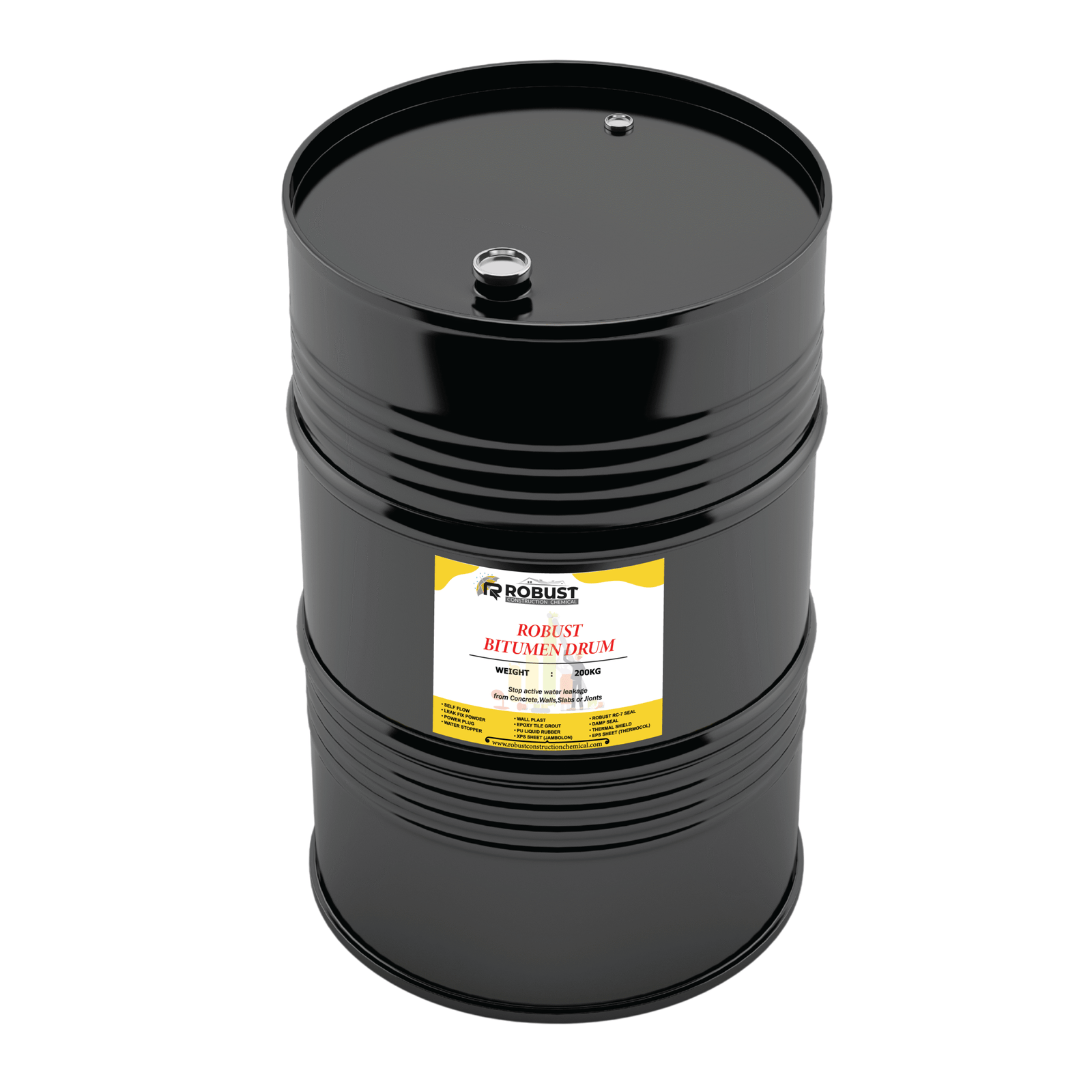
4. Bitumen-Based Membranes
Modern bitumen membranes include SBS and APP polymer-modified sheets for harsh climates.
Advantages:
-
UV and heat resistance
-
High elasticity
-
Resistance to thermal stress
Applications: Roofs, basements, podiums, bridges, and retaining walls.
5. Elastomeric Coatings
Elastomeric coatings stretch and recover with structural movement.
Advantages:
-
Crack bridging ability
-
Weather and UV resistance
-
Long-term durability
Used for: Exposed roofs, external walls, and high-rise building façades.
6. Nano-Technology Waterproofing
Nano coatings provide deep penetration and hydrophobic protection.
Advantages:
-
Repels water effectively
-
Breathable waterproofing
-
Durable protection in extreme climates
Applications: Concrete façades, masonry walls, heritage structures, and outdoor exposed surfaces.
7. Hybrid Waterproofing Systems
Hybrid systems combine multiple technologies for maximum protection.
Examples:
-
Crystalline + liquid membrane
-
Polymer-modified cement + elastomeric coating
-
Waterproofing + heatproofing hybrid coatings
Benefits:
-
Multi-layer protection
-
High resistance to environmental stress
-
Reduced failure risk
Applications in Harsh Climates
Residential Construction
-
Roof slabs and terraces
-
Bathrooms and kitchens
-
External walls
Commercial Projects
-
Shopping malls and offices
-
Parking structures
-
Hotels and resorts in tropical or desert regions
Industrial Facilities
-
Factories and warehouses
-
Cold storage units
-
Power plants and chemical plants
Infrastructure
-
Bridges and flyovers
-
Tunnels and subways
-
Water reservoirs and dams
Benefits of Durable Waterproofing Products
-
Long-Term Durability – Resistant to extreme weather
-
Reduced Maintenance – Less frequent repairs
-
Crack Resistance – Bridges structural movements
-
Chemical Resistance – Protects against corrosion
-
Energy Efficiency – Heat-reflective products reduce roof temperature
-
Eco-Friendly Options – Low VOC and water-based coatings
Global Standards and Certifications
Reputable durable waterproofing products comply with:
-
ISO quality management standards
-
ASTM testing methods
-
EN European norms
-
Green building certifications
These standards ensure reliability and international acceptance.
Choosing the Right Product for Harsh Climates
Factors to consider:
-
Climate type (hot, humid, wet, or cold)
-
Exposure level of the structure
-
Type of substrate (concrete, masonry, metal)
-
Maintenance capabilities
-
Budget vs. lifecycle cost
Professional consultation ensures the best system selection.
Future Trends in Durable Waterproofing
-
Self-healing waterproofing systems for crack recovery
-
Nano-ceramic coatings for superior surface protection
-
Integrated waterproofing + heatproofing solutions
-
Sustainable, eco-friendly formulations
-
Smart membranes with moisture sensors
These innovations are shaping next-generation construction practices.
Durable Waterproofing Products for Harsh Climates – Long-Lasting Protection for Extreme Environments
In regions facing extreme weather conditions, including heavy rainfall, monsoon storms, high humidity, intense heat, or freezing winters, the durability of waterproofing systems is crucial. Buildings in United Arab Emirates, Saudi Arabia, Pakistan, India, and Australia face diverse environmental stressors that challenge conventional waterproofing systems.
Durable waterproofing products are specifically engineered to resist these harsh climates, providing long-lasting protection, structural integrity, and cost efficiency. Modern construction relies heavily on these advanced solutions to prevent leakage, dampness, and structural degradation in extreme environments.
This guide explores durable waterproofing products for harsh climates, their types, technologies, applications, benefits, and how they ensure long-term protection.
Why Harsh Climates Demand Durable Waterproofing
Harsh climates present unique challenges:
-
Extreme heat causing thermal expansion and roof cracking
-
Heavy rainfall and monsoon flooding leading to seepage
-
High humidity promoting mold, mildew, and concrete degradation
-
Freeze–thaw cycles in colder climates causing structural stress
-
UV radiation accelerating wear and surface deterioration
Buildings exposed to these conditions require high-performance waterproofing solutions that can withstand:
-
Hydrostatic pressure
-
Thermal stress
-
Chemical corrosion
-
Mechanical wear
Durable waterproofing products ensure minimal maintenance and long service life in such environments.
Types of Durable Waterproofing Products
1. Crystalline Waterproofing Chemicals
Crystalline waterproofing forms insoluble crystals within concrete, sealing pores and micro-cracks.
Advantages:
-
Integral protection from the inside
-
Self-healing of micro-cracks
-
Permanent waterproofing
-
Resistance to high water pressure
Applications: Foundations, basements, water tanks, tunnels, and reservoirs.
2. Polymer-Modified Cementitious Coatings
These coatings enhance traditional cementitious waterproofing with polymers to improve adhesion, flexibility, and crack resistance.
Benefits:
-
Easy application on vertical and horizontal surfaces
-
High bond strength to concrete
-
Resistance to chemical exposure
Common applications: Balconies, terraces, bathrooms, and podium slabs.
3. Liquid-Applied Membranes
Liquid membranes cure to form a seamless, joint-free barrier, ideal for complex structures.
Types:
-
Polyurethane (PU) coatings
-
Acrylic liquid membranes
-
Elastomeric liquid rubber
Benefits:
-
Excellent crack-bridging properties
-
Adaptable to complex surfaces
-
Long-lasting performance
Used for: Roofs, industrial floors, and exposed terraces.
4. Bitumen-Based Membranes
Modern bitumen membranes include SBS and APP polymer-modified sheets for harsh climates.
Advantages:
-
UV and heat resistance
-
High elasticity
-
Resistance to thermal stress
Applications: Roofs, basements, podiums, bridges, and retaining walls.
5. Elastomeric Coatings
Elastomeric coatings stretch and recover with structural movement.
Advantages:
-
Crack bridging ability
-
Weather and UV resistance
-
Long-term durability
Used for: Exposed roofs, external walls, and high-rise building façades.
6. Nano-Technology Waterproofing
Nano coatings provide deep penetration and hydrophobic protection.
Advantages:
-
Repels water effectively
-
Breathable waterproofing
-
Durable protection in extreme climates
Applications: Concrete façades, masonry walls, heritage structures, and outdoor exposed surfaces.
7. Hybrid Waterproofing Systems
Hybrid systems combine multiple technologies for maximum protection.
Examples:
-
Crystalline + liquid membrane
-
Polymer-modified cement + elastomeric coating
-
Waterproofing + heatproofing hybrid coatings
Benefits:
-
Multi-layer protection
-
High resistance to environmental stress
-
Reduced failure risk
Applications in Harsh Climates
Residential Construction
-
Roof slabs and terraces
-
Bathrooms and kitchens
-
External walls
Commercial Projects
-
Shopping malls and offices
-
Parking structures
-
Hotels and resorts in tropical or desert regions
Industrial Facilities
-
Factories and warehouses
-
Cold storage units
-
Power plants and chemical plants
Infrastructure
-
Bridges and flyovers
-
Tunnels and subways
-
Water reservoirs and dams
Benefits of Durable Waterproofing Products
-
Long-Term Durability – Resistant to extreme weather
-
Reduced Maintenance – Less frequent repairs
-
Crack Resistance – Bridges structural movements
-
Chemical Resistance – Protects against corrosion
-
Energy Efficiency – Heat-reflective products reduce roof temperature
-
Eco-Friendly Options – Low VOC and water-based coatings
Global Standards and Certifications
Reputable durable waterproofing products comply with:
-
ISO quality management standards
-
ASTM testing methods
-
EN European norms
-
Green building certifications
These standards ensure reliability and international acceptance.
Choosing the Right Product for Harsh Climates
Factors to consider:
-
Climate type (hot, humid, wet, or cold)
-
Exposure level of the structure
-
Type of substrate (concrete, masonry, metal)
-
Maintenance capabilities
-
Budget vs. lifecycle cost
Professional consultation ensures the best system selection.
Future Trends in Durable Waterproofing
-
Self-healing waterproofing systems for crack recovery
-
Nano-ceramic coatings for superior surface protection
-
Integrated waterproofing + heatproofing solutions
-
Sustainable, eco-friendly formulations
-
Smart membranes with moisture sensors
These innovations are shaping next-generation construction practices.

Durable Waterproofing Products for Harsh Climates – Long-Lasting Protection for Extreme Environments
In regions facing extreme weather conditions, including heavy rainfall, monsoon storms, high humidity, intense heat, or freezing winters, the durability of waterproofing systems is crucial. Buildings in United Arab Emirates, Saudi Arabia, Pakistan, India, and Australia face diverse environmental stressors that challenge conventional waterproofing systems.
Durable waterproofing products are specifically engineered to resist these harsh climates, providing long-lasting protection, structural integrity, and cost efficiency. Modern construction relies heavily on these advanced solutions to prevent leakage, dampness, and structural degradation in extreme environments.
This guide explores durable waterproofing products for harsh climates, their types, technologies, applications, benefits, and how they ensure long-term protection.
Why Harsh Climates Demand Durable Waterproofing
Harsh climates present unique challenges:
-
Extreme heat causing thermal expansion and roof cracking
-
Heavy rainfall and monsoon flooding leading to seepage
-
High humidity promoting mold, mildew, and concrete degradation
-
Freeze–thaw cycles in colder climates causing structural stress
-
UV radiation accelerating wear and surface deterioration
Buildings exposed to these conditions require high-performance waterproofing solutions that can withstand:
-
Hydrostatic pressure
-
Thermal stress
-
Chemical corrosion
-
Mechanical wear
Durable waterproofing products ensure minimal maintenance and long service life in such environments.
Types of Durable Waterproofing Products
1. Crystalline Waterproofing Chemicals
Crystalline waterproofing forms insoluble crystals within concrete, sealing pores and micro-cracks.
Advantages:
-
Integral protection from the inside
-
Self-healing of micro-cracks
-
Permanent waterproofing
-
Resistance to high water pressure
Applications: Foundations, basements, water tanks, tunnels, and reservoirs.
2. Polymer-Modified Cementitious Coatings
These coatings enhance traditional cementitious waterproofing with polymers to improve adhesion, flexibility, and crack resistance.
Benefits:
-
Easy application on vertical and horizontal surfaces
-
High bond strength to concrete
-
Resistance to chemical exposure
Common applications: Balconies, terraces, bathrooms, and podium slabs.
3. Liquid-Applied Membranes
Liquid membranes cure to form a seamless, joint-free barrier, ideal for complex structures.
Types:
-
Polyurethane (PU) coatings
-
Acrylic liquid membranes
-
Elastomeric liquid rubber
Benefits:
-
Excellent crack-bridging properties
-
Adaptable to complex surfaces
-
Long-lasting performance
Used for: Roofs, industrial floors, and exposed terraces.
4. Bitumen-Based Membranes
Modern bitumen membranes include SBS and APP polymer-modified sheets for harsh climates.
Advantages:
-
UV and heat resistance
-
High elasticity
-
Resistance to thermal stress
Applications: Roofs, basements, podiums, bridges, and retaining walls.
5. Elastomeric Coatings
Elastomeric coatings stretch and recover with structural movement.
Advantages:
-
Crack bridging ability
-
Weather and UV resistance
-
Long-term durability
Used for: Exposed roofs, external walls, and high-rise building façades.
6. Nano-Technology Waterproofing
Nano coatings provide deep penetration and hydrophobic protection.
Advantages:
-
Repels water effectively
-
Breathable waterproofing
-
Durable protection in extreme climates
Applications: Concrete façades, masonry walls, heritage structures, and outdoor exposed surfaces.
7. Hybrid Waterproofing Systems
Hybrid systems combine multiple technologies for maximum protection.
Examples:
-
Crystalline + liquid membrane
-
Polymer-modified cement + elastomeric coating
-
Waterproofing + heatproofing hybrid coatings
Benefits:
-
Multi-layer protection
-
High resistance to environmental stress
-
Reduced failure risk
Applications in Harsh Climates
Residential Construction
-
Roof slabs and terraces
-
Bathrooms and kitchens
-
External walls
Commercial Projects
-
Shopping malls and offices
-
Parking structures
-
Hotels and resorts in tropical or desert regions
Industrial Facilities
-
Factories and warehouses
-
Cold storage units
-
Power plants and chemical plants
Infrastructure
-
Bridges and flyovers
-
Tunnels and subways
-
Water reservoirs and dams
Benefits of Durable Waterproofing Products
-
Long-Term Durability – Resistant to extreme weather
-
Reduced Maintenance – Less frequent repairs
-
Crack Resistance – Bridges structural movements
-
Chemical Resistance – Protects against corrosion
-
Energy Efficiency – Heat-reflective products reduce roof temperature
-
Eco-Friendly Options – Low VOC and water-based coatings
Global Standards and Certifications
Reputable durable waterproofing products comply with:
-
ISO quality management standards
-
ASTM testing methods
-
EN European norms
-
Green building certifications
These standards ensure reliability and international acceptance.
Choosing the Right Product for Harsh Climates
Factors to consider:
-
Climate type (hot, humid, wet, or cold)
-
Exposure level of the structure
-
Type of substrate (concrete, masonry, metal)
-
Maintenance capabilities
-
Budget vs. lifecycle cost
Professional consultation ensures the best system selection.
Future Trends in Durable Waterproofing
-
Self-healing waterproofing systems for crack recovery
-
Nano-ceramic coatings for superior surface protection
-
Integrated waterproofing + heatproofing solutions
-
Sustainable, eco-friendly formulations
-
Smart membranes with moisture sensors
These innovations are shaping next-generation construction practices.
Durable Waterproofing Products for Harsh Climates – Long-Lasting Protection for Extreme Environments
In regions facing extreme weather conditions, including heavy rainfall, monsoon storms, high humidity, intense heat, or freezing winters, the durability of waterproofing systems is crucial. Buildings in United Arab Emirates, Saudi Arabia, Pakistan, India, and Australia face diverse environmental stressors that challenge conventional waterproofing systems.
Durable waterproofing products are specifically engineered to resist these harsh climates, providing long-lasting protection, structural integrity, and cost efficiency. Modern construction relies heavily on these advanced solutions to prevent leakage, dampness, and structural degradation in extreme environments.
This guide explores durable waterproofing products for harsh climates, their types, technologies, applications, benefits, and how they ensure long-term protection.
Why Harsh Climates Demand Durable Waterproofing
Harsh climates present unique challenges:
-
Extreme heat causing thermal expansion and roof cracking
-
Heavy rainfall and monsoon flooding leading to seepage
-
High humidity promoting mold, mildew, and concrete degradation
-
Freeze–thaw cycles in colder climates causing structural stress
-
UV radiation accelerating wear and surface deterioration
Buildings exposed to these conditions require high-performance waterproofing solutions that can withstand:
-
Hydrostatic pressure
-
Thermal stress
-
Chemical corrosion
-
Mechanical wear
Durable waterproofing products ensure minimal maintenance and long service life in such environments.
Types of Durable Waterproofing Products
1. Crystalline Waterproofing Chemicals
Crystalline waterproofing forms insoluble crystals within concrete, sealing pores and micro-cracks.
Advantages:
-
Integral protection from the inside
-
Self-healing of micro-cracks
-
Permanent waterproofing
-
Resistance to high water pressure
Applications: Foundations, basements, water tanks, tunnels, and reservoirs.
2. Polymer-Modified Cementitious Coatings
These coatings enhance traditional cementitious waterproofing with polymers to improve adhesion, flexibility, and crack resistance.
Benefits:
-
Easy application on vertical and horizontal surfaces
-
High bond strength to concrete
-
Resistance to chemical exposure
Common applications: Balconies, terraces, bathrooms, and podium slabs.
3. Liquid-Applied Membranes
Liquid membranes cure to form a seamless, joint-free barrier, ideal for complex structures.
Types:
-
Polyurethane (PU) coatings
-
Acrylic liquid membranes
-
Elastomeric liquid rubber
Benefits:
-
Excellent crack-bridging properties
-
Adaptable to complex surfaces
-
Long-lasting performance
Used for: Roofs, industrial floors, and exposed terraces.
4. Bitumen-Based Membranes
Modern bitumen membranes include SBS and APP polymer-modified sheets for harsh climates.
Advantages:
-
UV and heat resistance
-
High elasticity
-
Resistance to thermal stress
Applications: Roofs, basements, podiums, bridges, and retaining walls.
5. Elastomeric Coatings
Elastomeric coatings stretch and recover with structural movement.
Advantages:
-
Crack bridging ability
-
Weather and UV resistance
-
Long-term durability
Used for: Exposed roofs, external walls, and high-rise building façades.
6. Nano-Technology Waterproofing
Nano coatings provide deep penetration and hydrophobic protection.
Advantages:
-
Repels water effectively
-
Breathable waterproofing
-
Durable protection in extreme climates
Applications: Concrete façades, masonry walls, heritage structures, and outdoor exposed surfaces.
7. Hybrid Waterproofing Systems
Hybrid systems combine multiple technologies for maximum protection.
Examples:
-
Crystalline + liquid membrane
-
Polymer-modified cement + elastomeric coating
-
Waterproofing + heatproofing hybrid coatings
Benefits:
-
Multi-layer protection
-
High resistance to environmental stress
-
Reduced failure risk
Applications in Harsh Climates
Residential Construction
-
Roof slabs and terraces
-
Bathrooms and kitchens
-
External walls
Commercial Projects
-
Shopping malls and offices
-
Parking structures
-
Hotels and resorts in tropical or desert regions
Industrial Facilities
-
Factories and warehouses
-
Cold storage units
-
Power plants and chemical plants
Infrastructure
-
Bridges and flyovers
-
Tunnels and subways
-
Water reservoirs and dams
Benefits of Durable Waterproofing Products
-
Long-Term Durability – Resistant to extreme weather
-
Reduced Maintenance – Less frequent repairs
-
Crack Resistance – Bridges structural movements
-
Chemical Resistance – Protects against corrosion
-
Energy Efficiency – Heat-reflective products reduce roof temperature
-
Eco-Friendly Options – Low VOC and water-based coatings
Global Standards and Certifications
Reputable durable waterproofing products comply with:
-
ISO quality management standards
-
ASTM testing methods
-
EN European norms
-
Green building certifications
These standards ensure reliability and international acceptance.
Choosing the Right Product for Harsh Climates
Factors to consider:
-
Climate type (hot, humid, wet, or cold)
-
Exposure level of the structure
-
Type of substrate (concrete, masonry, metal)
-
Maintenance capabilities
-
Budget vs. lifecycle cost
Professional consultation ensures the best system selection.
Future Trends in Durable Waterproofing
-
Self-healing waterproofing systems for crack recovery
-
Nano-ceramic coatings for superior surface protection
-
Integrated waterproofing + heatproofing solutions
-
Sustainable, eco-friendly formulations
-
Smart membranes with moisture sensors
These innovations are shaping next-generation construction practices.