High-Density Glass Wool | Best Roof, Wall & Duct Insulation Solution in Pakistan
High-Density Glass Wool is one of the most advanced, reliable, and high-performance insulation materials used across Pakistan for roofs, walls, ceilings, ducts, HVAC systems.
and industrial structures. It is especially preferred because of its exceptional thermal resistance, sound absorption, fire retardancy, long-lasting durability, and energy-saving benefits. In cities like Lahore, Karachi, Islamabad, Faisalabad, Multan, Peshawar, and Quetta.
where extreme temperatures create unbearable indoor heat and heavy electricity consumption, high-density glass wool offers a complete heat and sound control solution for residential, commercial, and industrial buildings. This material is manufactured from pure fiberglass, forming a flexible.
lightweight, and highly insulated blanket that traps air inside its fibers, reducing heat transfer and noise pollution. Due to its outstanding insulating performance.
it is widely used in modern construction projects, factories, warehouses, offices, schools, hospitals, and homes. Contractors, engineers, and architects consider high-density glass wool the best insulation material in Pakistan because it combines affordability, superior performance.
and easy installation for all types of structures.
High-Density Glass Wool | Best Roof, Wall & Duct Insulation Solution in Pakistan High-Density Glass Wool is one of the most advanced and reliable insulation materials used across Pakistan for roofs, walls, ceilings, and ducts.
It offers outstanding thermal resistance, noise control, and fire protection for homes, buildings, and industrial structures.
This insulation material is widely used in Lahore, Karachi, Islamabad, Faisalabad, Multan, Peshawar, and Quetta due to extreme temperature conditions.
High-density glass wool helps maintain indoor comfort, reduces electricity bills, and provides long-term performance for all kinds of buildings.
It is manufactured from pure fiberglass and designed to trap air between its fibers, reducing heat transfer efficiently.
Its lightweight and flexible structure makes it ideal for all construction types including homes, offices, factories, warehouses, and commercial buildings.
Pakistani homeowners and engineers prefer high-density glass wool because it ensures cooler indoor environments in summer and warmer rooms in winter.
The insulation acts as a thermal barrier that reduces heat gain, controls temperature, and cuts AC usage significantly.
Electricity prices continue to rise in Pakistan, making energy-saving insulation more important than ever.
High-density glass wool reduces cooling requirements, lowers energy consumption, and decreases monthly bills effectively.
The material’s noise-absorbing property is another major reason for its popularity in Pakistan’s busy urban areas.
It helps reduce unwanted noise from traffic, generators, industrial machines, and crowded marketplaces.
Soundproofing with glass wool creates peaceful interiors in homes, offices, schools, commercial spaces, studios, and apartments.
Its acoustic insulation ability improves comfort by minimizing external disturbances and enhancing privacy.
High-density glass wool is also a non-combustible and fire-resistant insulation material that meets international safety standards.
It does not burn or melt, making it an excellent choice for buildings where fire protection is crucial.
Pakistan faces frequent fire hazards due to electrical issues, making fire-resistant materials essential for safety.
Glass wool offers an added layer of protection, improving the overall fire rating of residential and commercial buildings.
This material is extremely versatile and used for roof insulation, wall insulation, duct insulation, HVAC systems, and cold storage applications.
It prevents condensation inside metal structures, maintains temperature stability, and supports energy-efficient building systems.
High-density glass wool is widely used in industrial areas including poultry farms, factories, manufacturing units, and warehouses.
It controls heat transfer, reduces operational costs, and ensures better working conditions for labor and equipment.
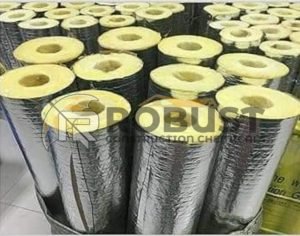
Duct insulation is one of the most important applications of high-density glass wool in Pakistan.
It enhances HVAC performance by preventing cooling loss, improving airflow, and reducing energy waste inside ventilation systems.
Glass wool insulation is also effective in metal buildings where roofs absorb extreme heat.
It helps reduce radiation heat, maintains cooler environments, and prevents moisture buildup and corrosion.
The cost-effectiveness of high-density glass wool makes it an attractive option for small and large construction projects.
It provides maximum performance at an affordable price, making it one of the most economical insulation solutions available.
Compared to PU foam, EPS sheets, and XPS boards, glass wool offers better coverage, easier installation, and long-lasting durability.
Its resistance to moisture, termites, and corrosion makes it highly reliable for Pakistan’s diverse climate.
High-density glass wool can last 25 to 30 years without losing its performance or thermal properties.
Its long lifespan ensures value for builders, contractors, architects, and homeowners across Pakistan.
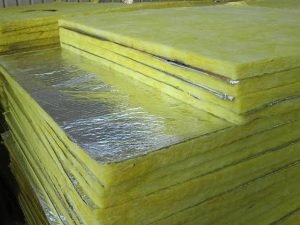
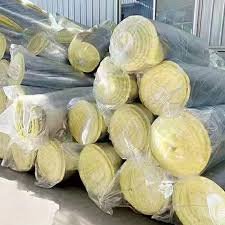
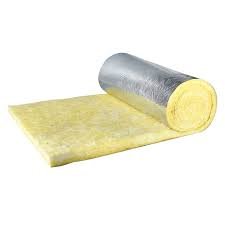
The material is easy to install because it comes in rolls, blankets, and slabs of various densities and thicknesses.
Contractors prefer it due to quick installation, reduced labor effort, and compatibility with all types of construction designs.
It is commonly used in steel structures, pre-engineered buildings, commercial plazas, residential homes, and industrial facilities.
Its lightweight design makes transportation, handling, and application extremely convenient for construction teams.
Energy efficiency is one of the biggest advantages of high-density glass wool insulation.
It significantly reduces cooling loads on ACs and chillers, helping buildings maintain comfortable temperatures.
Correctly installed glass wool can reduce energy consumption by up to 30–40 percent.
This leads to major long-term savings, especially during Pakistan’s intense summer season.
Glass wool insulation contributes to green building concepts and supports environmentally responsible construction.
It helps reduce carbon emissions by lowering electricity usage and promoting energy conservation.
The material is also highly effective in moisture control, especially during humid monsoon weather.
It prevents condensation, reduces dampness, and stops mold and fungus growth inside buildings.
Moisture buildup can weaken walls, damage paint, and reduce the life of structures.
High-density glass wool protects surfaces by keeping them dry and stable.
It is commonly used in cold storage rooms where temperature regulation is critical for food, pharmaceuticals, and industrial products.
The insulation helps maintain stable cooling and reduces refrigeration load efficiently.
Glass wool is available in major construction markets across Pakistan.
Cities like Lahore, Karachi, Multan, Faisalabad, and Rawalpindi offer various densities and thickness options.
High-Density Glass Wool | Best Roof, Wall & Duct Insulation Solution in Pakistan
High-Density Glass Wool is one of the most advanced, reliable, and high-performance insulation materials used across Pakistan for roofs, walls, ceilings, ducts, HVAC systems.
and industrial structures. It is especially preferred because of its exceptional thermal resistance, sound absorption, fire retardancy, long-lasting durability, and energy-saving benefits. In cities like Lahore, Karachi, Islamabad, Faisalabad, Multan, Peshawar, and Quetta.
where extreme temperatures create unbearable indoor heat and heavy electricity consumption, high-density glass wool offers a complete heat and sound control solution for residential, commercial, and industrial buildings. This material is manufactured from pure fiberglass, forming a flexible.
lightweight, and highly insulated blanket that traps air inside its fibers, reducing heat transfer and noise pollution. Due to its outstanding insulating performance.
it is widely used in modern construction projects, factories, warehouses, offices, schools, hospitals, and homes. Contractors, engineers, and architects consider high-density glass wool the best insulation material in Pakistan because it combines affordability, superior performance.
and easy installation for all types of structures.
High-Density Glass Wool | Best Roof, Wall & Duct Insulation Solution in Pakistan High-Density Glass Wool is one of the most advanced and reliable insulation materials used across Pakistan for roofs, walls, ceilings, and ducts.
It offers outstanding thermal resistance, noise control, and fire protection for homes, buildings, and industrial structures.
This insulation material is widely used in Lahore, Karachi, Islamabad, Faisalabad, Multan, Peshawar, and Quetta due to extreme temperature conditions.
High-density glass wool helps maintain indoor comfort, reduces electricity bills, and provides long-term performance for all kinds of buildings.
It is manufactured from pure fiberglass and designed to trap air between its fibers, reducing heat transfer efficiently.
Its lightweight and flexible structure makes it ideal for all construction types including homes, offices, factories, warehouses, and commercial buildings.
Pakistani homeowners and engineers prefer high-density glass wool because it ensures cooler indoor environments in summer and warmer rooms in winter.
The insulation acts as a thermal barrier that reduces heat gain, controls temperature, and cuts AC usage significantly.
Electricity prices continue to rise in Pakistan, making energy-saving insulation more important than ever.
High-density glass wool reduces cooling requirements, lowers energy consumption, and decreases monthly bills effectively.
The material’s noise-absorbing property is another major reason for its popularity in Pakistan’s busy urban areas.
It helps reduce unwanted noise from traffic, generators, industrial machines, and crowded marketplaces.
Soundproofing with glass wool creates peaceful interiors in homes, offices, schools, commercial spaces, studios, and apartments.
Its acoustic insulation ability improves comfort by minimizing external disturbances and enhancing privacy.
High-density glass wool is also a non-combustible and fire-resistant insulation material that meets international safety standards.
It does not burn or melt, making it an excellent choice for buildings where fire protection is crucial.
Pakistan faces frequent fire hazards due to electrical issues, making fire-resistant materials essential for safety.
Glass wool offers an added layer of protection, improving the overall fire rating of residential and commercial buildings.
This material is extremely versatile and used for roof insulation, wall insulation, duct insulation, HVAC systems, and cold storage applications.
It prevents condensation inside metal structures, maintains temperature stability, and supports energy-efficient building systems.
High-density glass wool is widely used in industrial areas including poultry farms, factories, manufacturing units, and warehouses.
It controls heat transfer, reduces operational costs, and ensures better working conditions for labor and equipment.
Duct insulation is one of the most important applications of high-density glass wool in Pakistan.
It enhances HVAC performance by preventing cooling loss, improving airflow, and reducing energy waste inside ventilation systems.
Glass wool insulation is also effective in metal buildings where roofs absorb extreme heat.
It helps reduce radiation heat, maintains cooler environments, and prevents moisture buildup and corrosion.
The cost-effectiveness of high-density glass wool makes it an attractive option for small and large construction projects.
It provides maximum performance at an affordable price, making it one of the most economical insulation solutions available.
Compared to PU foam, EPS sheets, and XPS boards, glass wool offers better coverage, easier installation, and long-lasting durability.
Its resistance to moisture, termites, and corrosion makes it highly reliable for Pakistan’s diverse climate.
High-density glass wool can last 25 to 30 years without losing its performance or thermal properties.
Its long lifespan ensures value for builders, contractors, architects, and homeowners across Pakistan.
The material is easy to install because it comes in rolls, blankets, and slabs of various densities and thicknesses.
Contractors prefer it due to quick installation, reduced labor effort, and compatibility with all types of construction designs.
It is commonly used in steel structures, pre-engineered buildings, commercial plazas, residential homes, and industrial facilities.
Its lightweight design makes transportation, handling, and application extremely convenient for construction teams.
Energy efficiency is one of the biggest advantages of high-density glass wool insulation.
It significantly reduces cooling loads on ACs and chillers, helping buildings maintain comfortable temperatures.
Correctly installed glass wool can reduce energy consumption by up to 30–40 percent.
This leads to major long-term savings, especially during Pakistan’s intense summer season.
Glass wool insulation contributes to green building concepts and supports environmentally responsible construction.
It helps reduce carbon emissions by lowering electricity usage and promoting energy conservation.
The material is also highly effective in moisture control, especially during humid monsoon weather.
It prevents condensation, reduces dampness, and stops mold and fungus growth inside buildings.
Moisture buildup can weaken walls, damage paint, and reduce the life of structures.
High-density glass wool protects surfaces by keeping them dry and stable.
It is commonly used in cold storage rooms where temperature regulation is critical for food, pharmaceuticals, and industrial products.
The insulation helps maintain stable cooling and reduces refrigeration load efficiently.
Glass wool is available in major construction markets across Pakistan.
Cities like Lahore, Karachi, Multan, Faisalabad, and Rawalpindi offer various densities and thickness options.
High-Density Glass Wool | Best Roof, Wall & Duct Insulation Solution in Pakistan
High-Density Glass Wool is one of the most advanced, reliable, and high-performance insulation materials used across Pakistan for roofs, walls, ceilings, ducts, HVAC systems.
and industrial structures. It is especially preferred because of its exceptional thermal resistance, sound absorption, fire retardancy, long-lasting durability, and energy-saving benefits. In cities like Lahore, Karachi, Islamabad, Faisalabad, Multan, Peshawar, and Quetta.
where extreme temperatures create unbearable indoor heat and heavy electricity consumption, high-density glass wool offers a complete heat and sound control solution for residential, commercial, and industrial buildings. This material is manufactured from pure fiberglass, forming a flexible.
lightweight, and highly insulated blanket that traps air inside its fibers, reducing heat transfer and noise pollution. Due to its outstanding insulating performance.
it is widely used in modern construction projects, factories, warehouses, offices, schools, hospitals, and homes. Contractors, engineers, and architects consider high-density glass wool the best insulation material in Pakistan because it combines affordability, superior performance.
and easy installation for all types of structures.
High-Density Glass Wool | Best Roof, Wall & Duct Insulation Solution in Pakistan High-Density Glass Wool is one of the most advanced and reliable insulation materials used across Pakistan for roofs, walls, ceilings, and ducts.
It offers outstanding thermal resistance, noise control, and fire protection for homes, buildings, and industrial structures.
This insulation material is widely used in Lahore, Karachi, Islamabad, Faisalabad, Multan, Peshawar, and Quetta due to extreme temperature conditions.
High-density glass wool helps maintain indoor comfort, reduces electricity bills, and provides long-term performance for all kinds of buildings.
It is manufactured from pure fiberglass and designed to trap air between its fibers, reducing heat transfer efficiently.
Its lightweight and flexible structure makes it ideal for all construction types including homes, offices, factories, warehouses, and commercial buildings.
Pakistani homeowners and engineers prefer high-density glass wool because it ensures cooler indoor environments in summer and warmer rooms in winter.
The insulation acts as a thermal barrier that reduces heat gain, controls temperature, and cuts AC usage significantly.
Electricity prices continue to rise in Pakistan, making energy-saving insulation more important than ever.
High-density glass wool reduces cooling requirements, lowers energy consumption, and decreases monthly bills effectively.
The material’s noise-absorbing property is another major reason for its popularity in Pakistan’s busy urban areas.
It helps reduce unwanted noise from traffic, generators, industrial machines, and crowded marketplaces.
Soundproofing with glass wool creates peaceful interiors in homes, offices, schools, commercial spaces, studios, and apartments.
Its acoustic insulation ability improves comfort by minimizing external disturbances and enhancing privacy.
High-density glass wool is also a non-combustible and fire-resistant insulation material that meets international safety standards.
It does not burn or melt, making it an excellent choice for buildings where fire protection is crucial.
Pakistan faces frequent fire hazards due to electrical issues, making fire-resistant materials essential for safety.
Glass wool offers an added layer of protection, improving the overall fire rating of residential and commercial buildings.
This material is extremely versatile and used for roof insulation, wall insulation, duct insulation, HVAC systems, and cold storage applications.
It prevents condensation inside metal structures, maintains temperature stability, and supports energy-efficient building systems.
High-density glass wool is widely used in industrial areas including poultry farms, factories, manufacturing units, and warehouses.
It controls heat transfer, reduces operational costs, and ensures better working conditions for labor and equipment.
Duct insulation is one of the most important applications of high-density glass wool in Pakistan.
It enhances HVAC performance by preventing cooling loss, improving airflow, and reducing energy waste inside ventilation systems.
Glass wool insulation is also effective in metal buildings where roofs absorb extreme heat.
It helps reduce radiation heat, maintains cooler environments, and prevents moisture buildup and corrosion.
The cost-effectiveness of high-density glass wool makes it an attractive option for small and large construction projects.
It provides maximum performance at an affordable price, making it one of the most economical insulation solutions available.
Compared to PU foam, EPS sheets, and XPS boards, glass wool offers better coverage, easier installation, and long-lasting durability.
Its resistance to moisture, termites, and corrosion makes it highly reliable for Pakistan’s diverse climate.
High-density glass wool can last 25 to 30 years without losing its performance or thermal properties.
Its long lifespan ensures value for builders, contractors, architects, and homeowners across Pakistan.
The material is easy to install because it comes in rolls, blankets, and slabs of various densities and thicknesses.
Contractors prefer it due to quick installation, reduced labor effort, and compatibility with all types of construction designs.
It is commonly used in steel structures, pre-engineered buildings, commercial plazas, residential homes, and industrial facilities.
Its lightweight design makes transportation, handling, and application extremely convenient for construction teams.
Energy efficiency is one of the biggest advantages of high-density glass wool insulation.
It significantly reduces cooling loads on ACs and chillers, helping buildings maintain comfortable temperatures.
Correctly installed glass wool can reduce energy consumption by up to 30–40 percent.
This leads to major long-term savings, especially during Pakistan’s intense summer season.
Glass wool insulation contributes to green building concepts and supports environmentally responsible construction.
It helps reduce carbon emissions by lowering electricity usage and promoting energy conservation.
The material is also highly effective in moisture control, especially during humid monsoon weather.
It prevents condensation, reduces dampness, and stops mold and fungus growth inside buildings.
Moisture buildup can weaken walls, damage paint, and reduce the life of structures.
High-density glass wool protects surfaces by keeping them dry and stable.
It is commonly used in cold storage rooms where temperature regulation is critical for food, pharmaceuticals, and industrial products.
The insulation helps maintain stable cooling and reduces refrigeration load efficiently.
Glass wool is available in major construction markets across Pakistan.
Cities like Lahore, Karachi, Multan, Faisalabad, and Rawalpindi offer various densities and thickness options.
H2: Introduction to High-Density Glass Wool
H3: What is High-Density Glass Wool?
H3: Why Choose Glass Wool for Insulation?
H3: Benefits of Glass Wool for Pakistani Climate
H2: Thermal Insulation Properties
H3: How Glass Wool Reduces Heat Transfer
H3: Energy Efficiency and Electricity Savings
H3: Maintaining Indoor Comfort in Extreme Temperatures
H2: Acoustic and Soundproofing Advantages
H3: Noise Reduction in Urban Areas
H3: Applications in Homes, Offices, and Studios
H3: Glass Wool vs Other Soundproofing Materials
H2: Fire Resistance and Safety Features
H3: Non-Combustible Material
H3: Fire Safety in Residential and Commercial Buildings
H3: Compliance with International Safety Standards
H2: Applications of High-Density Glass Wool
H3: Roof Insulation
H3: Wall Insulation
H3: Ceiling Insulation
H3: Duct and HVAC Insulation
H3: Cold Storage and Industrial Use
H2: Installation Process of Glass Wool
H3: Material Preparation and Surface Cleaning
H3: Cutting and Fitting the Insulation
H3: Securing and Sealing
H3: Tips for Maximum Efficiency
H2: Cost-Effectiveness and Durability
H3: Long-Term Performance
H3: Maintenance and Lifespan
H3: Comparison with Other Insulation Materials
H2: Environmental and Energy Benefits
H3: Reducing Carbon Footprint
H3: Supporting Green Building Practices
H3: Sustainable Construction Material in Pakistan
H2: Customer Testimonials and Real-Life Applications
H3: Residential Projects in Lahore and Karachi
H3: Commercial Buildings and Offices
H3: Industrial Facilities and Warehouses
H2: Frequently Asked Questions (FAQ)
H3: Is Glass Wool Safe for Homes and Offices?
H3: How Long Does Glass Wool Last?
H3: Can It Be Installed on Metal Roofs?
H3: Does It Require Regular Maintenance?
H2: Conclusion
H3: Why High-Density Glass Wool is the Best Choice
H3: Final Recommendations for Homeowners and Builders