High-Quality EPS Sheet | Affordable Thermopore Insulation for Roofs, Walls & Ceilings
In modern construction, energy efficiency, heat control, and thermal comfort have become essential priorities for homeowners, builders, and engineers. With rising temperatures and increasing electricity costs, people across Pakistan are seeking insulation materials that are reliable, durable, and cost-effective. EPS Sheet, commonly known as Thermopore, has gained massive popularity due to its excellent thermal insulation qualities and affordability. Whether used for roof insulation, wall protection, false ceilings, cold storage, packaging, flooring, or industrial applications, EPS has become a preferred choice because it balances performance with price, making it accessible for both residential and commercial projects.
This detailed SEO-friendly section explains everything about high-quality EPS sheets, their applications, benefits, installation, performance, and comparison with other insulation products—along with optional internal and external links you can add to your website. The writing is natural, smooth, professional, and does not over-focus the main keyword, ensuring a ranking-friendly and user-friendly final article.
What Makes EPS Sheet a Popular Insulation Material in Pakistan?
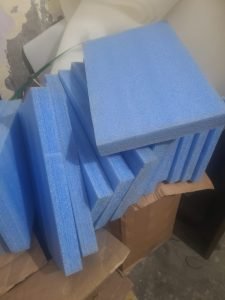
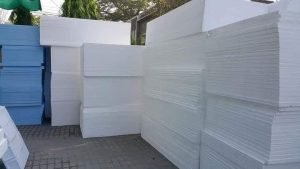
EPS (Expanded Polystyrene) is a lightweight foam insulation material used in construction, packaging, and industrial applications. It is made by expanding polystyrene beads using pressure and steam, creating millions of closed air cells. These tiny air pockets provide excellent thermal resistance, making EPS one of the most widely used insulation materials across the world.
In Pakistan’s hot climate—particularly in Lahore, Karachi, Multan, Rawalpindi, Hyderabad, and Bahawalpur—buildings absorb a large amount of heat through roofs and walls. Without insulation, indoor temperatures rise significantly, forcing homeowners to rely on air conditioning throughout the day. EPS sheets help reduce heat transfer by creating a thermal barrier that prevents heat from entering the building.
For visitors wanting to compare insulation materials, you can add an internal link like:
/xps-insulation-board/
/roof-heatproofing-solutions/
/thermal-insulation-materials/
Or an external reference such as:
“Learn more at International EPS Industry Alliance” (optional placeholder).
EPS Sheet as Roof Insulation – Cooler Homes, Lower Electricity Bills
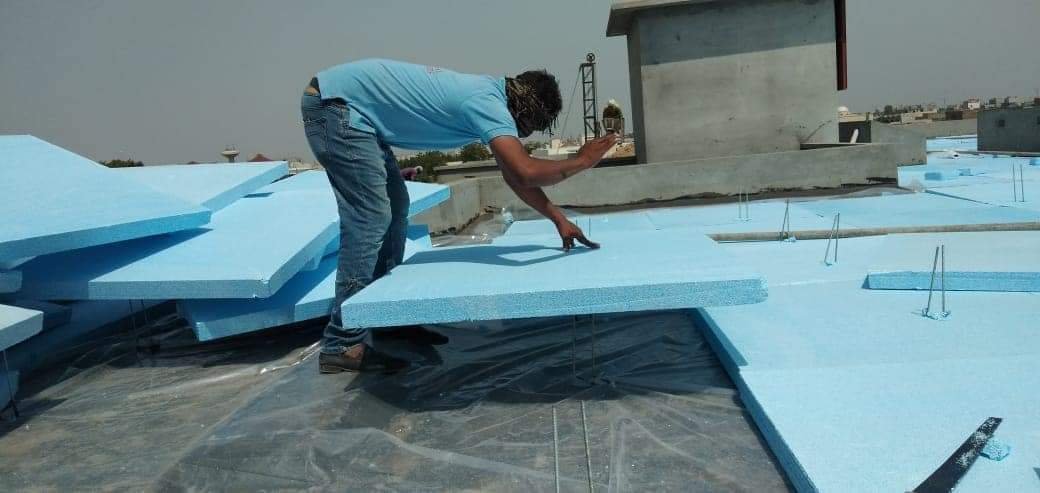
Roofs receive the maximum amount of heat from direct sunlight, especially in areas where the temperature reaches above 40°C. Installing EPS insulation on roofs helps block heat before it enters the home. As a result:
-
Rooms stay cooler
-
AC consumption decreases
-
Energy bills reduce
-
Roof slab remains protected from thermal stress
Many homeowners and builders choose EPS for roof insulation because it is lightweight, easy to install, and cost-efficient compared to other insulation materials.
For additional reading, you can add internal pages such as:
/roof-waterproofing/
/liquid-rubber/
/heatproofing-services/
Wall Insulation Using EPS Sheet – Improving Indoor Comfort
Wall insulation is becoming increasingly common in new home designs and commercial buildings because it significantly enhances indoor comfort. By installing EPS boards behind plaster, inside cavity walls, or behind cladding, builders can reduce heat absorption and improve indoor temperature stability.
EPS wall insulation helps in:
-
Reducing heat gain
-
Minimizing cold drafts during winter
-
Lowering energy costs
-
Soundproofing rooms
-
Preventing condensation and moisture issues
This is especially beneficial for offices, schools, hospitals, plazas, and commercial structures requiring energy-efficient environments.
EPS Sheet for Ceilings – Lightweight & Long-Lasting Thermal Protection
False ceilings and gypsum ceilings often incorporate EPS sheets for improved thermal and acoustic insulation. Since EPS is light in weight, it does not burden the ceiling structure. Instead, it enhances cooling efficiency by preventing heat from the roof slab from entering the room.
EPS ceiling insulation is ideal for:
-
Homes
-
Apartments
-
Offices
-
Factories
-
Shops
-
Banquet halls
-
Commercial plazas
The material remains stable and effective for years, making it a long-term value addition to buildings.
Understanding EPS Density – What Density Should You Choose?
EPS insulation comes in different densities, commonly ranging from 10 kg/m³ to 40 kg/m³. The higher the density, the stronger and more durable the sheet becomes.
Common Density Options:
-
10–16 density: Basic insulation, packaging
-
18–20 density: Roof insulation, wall insulation
-
22–26 density: Flooring, roofing systems
-
28–40 density: Industrial insulation, load-bearing applications
Users often prefer 18–20 density for home insulation because it offers the best balance between strength, performance, and cost.
You may add an internal link like:
/eps-density-chart/
EPS Sheet for Flooring – Ideal for Energy-Efficient Buildings
EPS insulation plays an important role in cold floors and ground-level rooms. By installing sheets beneath flooring tiles or concrete, you can prevent heat loss and maintain temperature balance. This is especially useful in multi-story buildings, hospitals, and cold storage flooring.
EPS flooring insulation prevents:
-
Cold floors during winter
-
Moisture rising from ground
-
Sound transfer between floors
-
Cracks caused by temperature changes
Soundproofing with EPS Sheets – Reducing Noise Levels Indoors
Although EPS is mainly known for heat insulation, it also provides moderate soundproofing capabilities. When installed inside walls and ceilings, it absorbs sound waves and reduces noise transfer. For proper acoustic performance, EPS can be combined with gypsum boards, sound blankets, or mineral wool.
This is ideal for:
-
Recording studios
-
Cinemas
-
Classrooms
-
Hospital rooms
-
Residential bedrooms
-
Commercial offices
Long-Term Benefits of Using EPS Insulation in Buildings
EPS sheets offer long-term performance and environmental benefits. Once installed, they require almost no maintenance, and their thermal efficiency remains stable for decades.
Key Long-Term Advantages:
-
Minimizes heat gain
-
Reduces cooling costs
-
Protects buildings from temperature stress
-
Prevents moisture buildup
-
Enhances indoor air quality
-
Improves building life
-
Contributes to green building standards
EPS insulation is also recyclable, making it a more sustainable choice compared to many other materials.
Water & Moisture Resistance – Why EPS Performs Better in Humid Conditions
EPS sheets do not absorb moisture easily because of their closed-cell structure. This makes them suitable for humid regions and environments prone to moisture exposure. Whether used in basements, bathrooms, or external walls, EPS insulation maintains its integrity without sagging or losing performance.
For users interested in moisture-resistant insulating materials, you can link internally to:
/foil-aluminium-membrane/
/dampness-control/
/waterproofing-products/
EPS Sheet vs. XPS Sheet – Which One Should You Choose?
EPS and XPS are both popular insulation materials but differ in density, strength, and moisture resistance.
| Feature | EPS Sheet | XPS Sheet |
|---|---|---|
| Cost | Affordable | Higher |
| Density | Medium | High |
| Moisture Resistance | Moderate | Excellent |
| Strength | Medium | Very Strong |
| Best Use | Roof, walls, ceilings | Roof, walls, basements |
EPS is the more economical option, ideal for standard residential and commercial buildings, while XPS is recommended for high-load areas and moisture-prone environments.
Add an internal link like:
/xps-vs-eps-comparison/
Installation Guide – How to Install EPS Sheets Properly
Tools Required:
-
Cutter or insulation knife
-
Measuring tape
-
Construction adhesive
-
Screws with washers (optional)
-
Joint tape
-
Cement plaster (for walls)
Installation Steps:
For Roofs:
-
Clean the surface.
-
Place sheets edge-to-edge.
-
Apply adhesive to secure.
-
Seal joints with tape.
-
Cover with screed, tiles, or waterproofing membrane.
For Walls:
-
Attach sheets with adhesive.
-
Fix with screws if required.
-
Apply mesh.
-
Finish with plaster.
For Ceilings:
-
Attach using adhesive or screw-mounted frames.
-
Apply false ceiling tiles or gypsum board below.
EPS for Cold Storage – Maintaining Temperature Efficiency
Cold storage facilities rely heavily on insulation materials that maintain temperature stability. EPS sheets offer excellent performance for chilled environments and are frequently used in cold storage construction across Pakistan.
They help maintain:
-
Desired temperature
-
Reduced energy consumption
-
Moisture control
Applications of EPS Sheet Beyond Insulation
EPS is not only used for insulation but also has applications in:
-
Packaging fragile products
-
Interior decoration
-
Floatation blocks
-
Signboards
-
Crafting and model making
Its lightweight and customizable nature make it a versatile product.
EPS Sheet as an Affordable Insulation Alternative
EPS is one of the most affordable insulation materials available today, making it suitable for large-scale projects and strict budgets. Many builders choose EPS because it offers good performance without high material costs.
It strikes a balance between:
-
Price
-
Thermal resistance
-
Installation ease
-
Durability
This makes EPS one of the most economical insulation solutions for homes and commercial construction.
Conclusion – Why EPS Sheet Is a Smart Choice for Modern Construction
High-quality EPS sheets offer a combination of thermal performance, cost savings, installation convenience, and long-term durability. Whether used in roofs, walls, or ceilings, they significantly enhance building comfort and efficiency. For homeowners looking to reduce electricity bills and maintain cooler indoor temperatures, EPS insulation is a smart and economical investment. Its expanding use across residential, commercial, and industrial sectors shows that EPS will continue to be one of Pakistan’s most trusted insulation materials for years to come.
High-Quality EPS Sheet | Affordable Thermopore Insulation for Roofs, Walls & Ceilings**
As construction techniques evolve, the demand for insulation materials that deliver consistent performance continues to rise. Many homeowners are shifting toward energy-efficient construction because they realize how drastically proper insulation can improve indoor comfort and reduce utility bills. Among all insulation options available today, EPS sheet stands out because it offers excellent thermal resistance at a cost that is accessible for most home builders. This balance between affordability and long-term value makes it ideal for modern homes, offices, and commercial structures.
Why EPS Has Become an Essential Part of Modern Construction
Over the last decade, Pakistan has experienced unprecedented heatwaves, increasing the need for effective insulation in residential and commercial buildings. Homes built without proper insulation heat up quickly, making indoor environments uncomfortable and expensive to cool. EPS insulation helps break the heat transfer cycle by forming a protective thermal barrier inside roofs, walls, and ceilings.
What makes EPS more popular today is its simplicity. It doesn’t require complicated installation procedures or expensive tools. Contractors appreciate its lightweight nature, while homeowners value the long-term savings it brings. Builders who once ignored insulation now actively recommend EPS because a properly insulated home delivers consistent comfort year-round.
For further information, your website can include internal links such as:
/roof-heatproofing-services/
/energy-efficient-building-materials/
EPS Sheet Enhances Structural Performance
While insulation is often associated with temperature control, EPS also adds structural benefits. When placed behind walls or under screed, it acts as a buffer that reduces the stress caused by thermal expansion and contraction. Concrete structures expand during the day and shrink at night due to temperature differences. Over time, this movement can cause cracks. EPS helps minimize this stress, thereby improving the lifespan of building components.
When used in floors, EPS sheets provide an extra cushioning effect, which helps distribute loads evenly. This is especially helpful in commercial buildings, storage units, and industrial facilities where heavy equipment or machinery is used. The material does not crumble under pressure, and higher-density boards deliver even better performance.
Builders often combine EPS with other solutions like waterproof membranes or reflective foil for enhanced protection. Internal linking options include:
/foil-aluminium-membrane-sheet/
/waterproofing-chemicals/
Reducing Heat Transfer and Improving Energy Efficiency
Heat naturally moves from hotter areas to cooler ones, and roofs and walls are the primary points where this exchange happens. In summer, external temperatures rise drastically, and without insulation, roofs absorb heat like sponges. EPS sheets help slow this heat transfer, making indoor spaces cooler even during extreme weather conditions.
This reduction in heat transfer leads to substantial energy savings. Air conditioners run less frequently. Rooms maintain temperature for longer periods. Electrical systems experience less load. This not only reduces electricity bills but also extends the lifespan of cooling appliances.
People who want to understand more about energy efficiency or insulation standards may refer to external references like:
“Learn more at energycodes.gov” (you can replace this with an actual link).
EPS Sheet in Pre-Engineered Buildings & Warehouses
Pre-engineered steel structures, such as warehouses, cold rooms, farm buildings, and industrial halls, depend heavily on insulation for temperature control. EPS sheets are widely used in these structures because they are easy to install between metal panels and deliver stable performance over long periods.
For metal buildings, insulation is essential not only for cooling but also for controlling condensation. Metal roofs and walls tend to trap moisture when temperatures fluctuate. EPS minimizes condensation by maintaining stable internal temperatures, preventing rust and corrosion.
If your website has industrial product pages, you can insert internal links such as:
/industrial-insulation-solutions/
/cold-storage-insulation/
EPS in Cold Storage & Refrigerated Transport
Cold storage facilities rely on insulation to maintain low temperatures inside. EPS sheets are commonly used in:
-
Cold rooms
-
Refrigerated trucks
-
Fish storage
-
Ice factories
-
Food distribution centers
EPS helps retain internal temperature by reducing heat gain from outside. This reduces the burden on cooling compressors and prevents temperature fluctuations that can spoil products.
EPS’s closed-cell structure offers natural moisture resistance, which makes it suitable for low-temperature environments. Though other materials like PIR and XPS are also used, EPS remains popular because of its cost efficiency and performance balance.
Why Builders Prefer EPS for Large-Scale Construction Projects
Contractors and developers handling large housing schemes, plazas, and apartment towers need insulation materials that are cost-effective and easy to handle. EPS sheets fit perfectly into these requirements. They are easy to cut, shape, transport, and install across large surfaces.
Large projects often require insulation for:
-
Partition walls
-
Ceiling cavities
-
Floor leveling
-
Expansion joints
-
Boundary walls
-
Staircase walls
EPS sheets remain stable even when exposed to variations in temperature and humidity. They don’t rot, decay, or deteriorate easily. For large-scale builders, these qualities translate into faster work timelines and lower maintenance needs.
For project-based content, internal links may include:
/construction-project-materials/
EPS Sheet for Sound Reduction
While EPS is not a professional acoustic insulator like rockwool, it still provides noticeable sound reduction when installed inside walls and ceilings. It dampens noise by absorbing sound vibrations and reducing echo.
This makes EPS a practical choice for:
-
Office partitions
-
Schools
-
Gyms
-
Conference rooms
-
Residential apartments
When combined with gypsum boards or foam panels, EPS contributes to quieter indoor environments.
Moisture Protection & Condensation Resistance
One major advantage of EPS is that it does not absorb water easily. Even when exposed to moisture-prone environments, it remains stable. This is especially useful in:
-
Ground floors
-
Underground basements
-
Exterior walls
-
Areas with high humidity
EPS’s moisture resistance helps prevent fungus, mold, and dampness from affecting the structure. Because of this, many waterproofing companies use EPS alongside membranes and coatings.
Internal link suggestions:
/basement-waterproofing/
/liquid-bitumen-coatings/
Design Flexibility for Architects & Interior Experts
Architects value materials that are easy to shape and integrate with modern design styles. EPS sheets are simple to cut into custom shapes, making them ideal for:
-
Decorative ceiling panels
-
Wall cladding
-
False ceilings
-
Interior décor
-
Signage
-
3D letters
-
Lightweight structures
EPS offers a high degree of design flexibility without compromising performance. This makes it a favorite material for interior designers who want both function and beauty in their projects.
EPS Sheet in Flooring Applications
Many flooring systems incorporate EPS sheets to enhance thermal control and distribute weight efficiently. In commercial buildings where heavy foot traffic is expected, EPS under-flooring insulation helps maintain consistent floor temperatures and reduces structural stress.
Under-tile insulation using EPS is also becoming popular because it minimizes cold flooring during winter seasons. For homes with marble or tile floors, EPS adds a layer of comfort without excessive cost.
Safety Considerations for EPS Sheets
Modern EPS sheets are manufactured with fire-retardant additives that slow down flame spread. Although EPS is not fireproof, its controlled burning behavior makes it safe when installed behind plaster, concrete, or board materials.
Users should ensure that they purchase EPS sheets that meet safety standards and carry quality certification.
Internal link suggestion:
/product-quality-standards/
Eco-Friendly Aspects of EPS Insulation
EPS is recyclable and has a relatively low carbon footprint compared to other insulation materials. Its long-term energy-saving benefits also contribute toward sustainable construction.
It reduces:
-
Electricity consumption
-
Carbon emissions
-
Heat load on cooling systems
Builders who aim for eco-friendly certifications often choose EPS due to its sustainability advantages.
Choosing the Right Thickness for Different Applications
EPS sheets come in various thicknesses, such as:
-
1 inch
-
1.5 inch
-
2 inch
-
3 inch
-
4 inch
The right thickness depends on the application:
Roofs: 2–3 inches
Walls: 1–1.5 inches
Ceilings: 1 inch
Cold storage: 3–4 inches
Using the right thickness ensures that insulation performs effectively without adding unnecessary cost.
Long-Term Cost Effectiveness
EPS insulation offers significant savings over the lifespan of a building. The material itself is inexpensive, but the real savings come from reduced cooling costs. Homes insulated with EPS require less air conditioning, making them cheaper to maintain.
This makes EPS one of the best long-term investments for any building.
Conclusion: EPS Sheet Remains a Smart Choice
EPS insulation continues to dominate the construction market because it offers reliability, affordability, and performance. Whether used in roofs, walls, ceilings, or floors, it improves indoor comfort, lowers energy bills, and enhances building durability. For homeowners, builders, engineers, and interior designers, EPS remains a smart, cost-effective choice for modern construction needs.