High-Quality Waterproofing Materials for Construction: Complete Guide to Water Stopper Systems
Introduction
High-quality waterproofing materials for construction are essential for protecting modern structures against water ingress, leakage, seepage, and long-term structural deterioration. Among all waterproofing components used in civil and industrial construction, water stoppers play a critical role in controlling water flow at construction joints, expansion joints, and movement joints. Without properly designed and installed water stopper systems, even the strongest concrete structures can fail due to water penetration.
In today’s construction industry—where projects include high-rise buildings, basements, tunnels, bridges, dams, water tanks, sewage treatment plants, and underground infrastructure—water stoppers are a non-negotiable waterproofing solution. They act as the first line of defense against hydrostatic pressure and water migration through concrete joints.
This comprehensive SEO guide explains high-quality waterproofing materials with a deep focus on water stoppers, covering types, materials, applications, benefits, installation practices, quality standards, and long-term performance. Whether you are working on residential, commercial, or industrial projects, understanding water stopper technology is vital for achieving durable, leak-free construction.
Importance of Waterproofing in Modern Construction
Concrete is strong in compression but naturally porous. Micro-cracks, capillaries, and construction joints allow water to pass through, leading to corrosion of reinforcement, loss of strength, and costly repairs.
Why Waterproofing Materials Are Essential
-
Prevent water leakage and seepage
-
Protect steel reinforcement from corrosion
-
Increase service life of concrete structures
-
Reduce maintenance and repair costs
-
Maintain structural integrity
-
Improve safety and hygiene
-
Protect finishes and interiors
Among all waterproofing materials, water stoppers are specifically designed to protect the weakest points in concrete structures—joints.
What Is a Water Stopper?
A water stopper (also known as waterstop) is a specially designed waterproofing profile embedded within concrete joints to block the passage of water. It is installed at the junction where two concrete pours meet, ensuring a continuous watertight barrier even under high water pressure.
Water stoppers are used in:
-
Construction joints
-
Expansion joints
-
Contraction joints
-
Movement joints
They are manufactured from PVC, rubber, thermoplastic elastomers, or hydrophilic compounds, depending on project requirements.
Role of Water Stoppers in Waterproofing Systems
While membranes, coatings, and admixtures protect surfaces, water stoppers protect the internal weak zones of concrete structures. They work by:
-
Physically blocking water paths
-
Allowing controlled movement without leakage
-
Resisting hydrostatic pressure
-
Maintaining joint integrity over time
Without water stoppers, joints become the primary source of leakage in basements, tanks, tunnels, and foundations.
Types of Water Stoppers Used in Construction
1. PVC Water Stoppers
PVC water stoppers are the most widely used waterproofing materials in construction due to their flexibility, durability, and cost-effectiveness.
Key Features
-
Made from high-grade polyvinyl chloride
-
High tensile strength
-
Excellent flexibility and elongation
-
Resistant to chemicals and water pressure
Applications
-
Basements
-
Foundations
-
Water tanks
-
Retaining walls
-
Underground structures
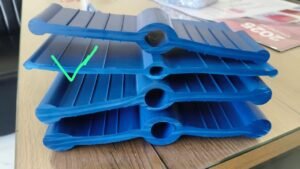
PVC water stoppers are available in center bulb, dumbbell, ribbed, and flat profiles to suit different joint types.
2. Rubber Water Stoppers
Rubber water stoppers are used in heavy-duty and high-movement applications.
Advantages
-
Exceptional elasticity
-
High resistance to deformation
-
Excellent performance under dynamic loads
Applications
-
Bridges
-
Dams
-
Tunnels
-
Large expansion joints
Rubber water stoppers are ideal where joints experience frequent movement.
3. Hydrophilic Water Stoppers
Hydrophilic water stoppers expand upon contact with water, sealing cracks and gaps automatically.
Key Characteristics
-
Swell when exposed to moisture
-
Self-sealing capability
-
Ideal for difficult joint geometries
Applications
-
Precast concrete joints
-
Pipe penetrations
-
Cold joints
-
Repair works
Hydrophilic water stoppers are often used as secondary waterproofing protection.
4. Thermoplastic Elastomer (TPE) Water Stoppers
TPE water stoppers combine the flexibility of rubber with the durability of plastic.
Benefits
-
Excellent chemical resistance
-
Long service life
-
Superior flexibility
They are commonly used in industrial and chemical exposure environments.
Water Stopper Profiles and Designs
Water stoppers are available in various profiles designed for specific joint conditions:
Center Bulb Water Stopper
-
Used in expansion joints
-
Accommodates movement in multiple directions
-
Ideal for large structures
Dumbbell Type Water Stopper
-
Used in construction joints
-
Provides strong anchorage in concrete
-
High resistance to water pressure
Ribbed Water Stopper
-
Enhanced bonding with concrete
-
Improved watertight performance
Flat Strip Water Stopper
-
Used in small joints and repairs
-
Easy installation
Choosing the correct profile is critical for long-term waterproofing performance.
Applications of Water Stoppers in Construction Projects
Basement Waterproofing
Basements are exposed to continuous groundwater pressure. Water stoppers prevent seepage through slab-wall joints and construction joints.
Foundation Waterproofing
Water stoppers protect foundations from rising damp and lateral water pressure.
Water Tanks and Reservoirs
Used extensively in potable and non-potable water tanks to ensure zero leakage.
Sewage Treatment Plants
Chemical-resistant water stoppers protect against aggressive liquids and gases.
Tunnels and Underground Structures
High-performance water stoppers prevent water ingress under extreme pressure.
Dams and Canals
Heavy-duty water stoppers ensure structural stability and water retention.
Advantages of Using High-Quality Water Stoppers
Using premium-grade water stoppers offers multiple benefits:
-
Long-term waterproofing protection
-
High resistance to hydrostatic pressure
-
Flexibility to absorb structural movement
-
Chemical and abrasion resistance
-
Easy integration with concrete structures
-
Reduced maintenance and repair costs
Low-quality water stoppers may crack, deform, or lose elasticity, leading to leakage and structural damage.
Installation Best Practices for Water Stoppers
Proper installation is as important as product quality.
Key Installation Guidelines
-
Fix water stopper securely before concreting
-
Ensure correct alignment at joint center
-
Avoid folding, twisting, or stretching
-
Use heat welding for PVC joints
-
Ensure full concrete compaction around the water stopper
Improper installation can compromise even the highest-quality waterproofing materials.
Common Mistakes to Avoid
-
Using incorrect water stopper type
-
Poor joint detailing
-
Inadequate anchorage
-
Improper welding of joints
-
Damage during concrete pouring
Avoiding these mistakes ensures optimal waterproofing performance.
Water Stoppers vs Other Waterproofing Materials
While membranes and coatings protect surfaces, water stoppers protect structural joints, making them irreplaceable in many applications.
| Waterproofing Method | Purpose |
|---|---|
| Water Stoppers | Joint waterproofing |
| Liquid Membranes | Surface protection |
| Sheet Membranes | Area waterproofing |
| Admixtures | Internal concrete protection |
A complete waterproofing system often uses multiple materials together, with water stoppers as a core component.
Quality Standards for Water Stoppers
High-quality water stoppers should comply with international standards such as:
-
Tensile strength requirements
-
Elongation at break
-
Tear resistance
-
Water pressure resistance
-
Chemical resistance
Always choose products from reliable manufacturers with proven test data.
Cost Consideration and Value
Although high-quality water stoppers may have a slightly higher initial cost, they deliver:
-
Longer service life
-
Lower maintenance expenses
-
Reduced repair risks
-
Improved structural reliability
In construction, the cost of failure is far greater than the cost of quality.
Sustainability and Modern Waterproofing
Modern water stoppers are designed to be:
-
Environmentally friendly
-
Long-lasting
-
Compatible with green building practices
Durable waterproofing materials reduce the need for frequent repairs, supporting sustainable construction.
Choosing the Right Water Stopper for Your Project
Consider the following factors:
-
Type of joint
-
Water pressure level
-
Structural movement
-
Chemical exposure
-
Installation conditions
-
Project lifespan
Consult waterproofing specialists for optimal selection.
High-Quality Waterproofing Materials for Construction: Complete Guide to Water Stopper Systems
Introduction
High-quality waterproofing materials for construction are essential for protecting modern structures against water ingress, leakage, seepage, and long-term structural deterioration. Among all waterproofing components used in civil and industrial construction, water stoppers play a critical role in controlling water flow at construction joints, expansion joints, and movement joints. Without properly designed and installed water stopper systems, even the strongest concrete structures can fail due to water penetration.
In today’s construction industry—where projects include high-rise buildings, basements, tunnels, bridges, dams, water tanks, sewage treatment plants, and underground infrastructure—water stoppers are a non-negotiable waterproofing solution. They act as the first line of defense against hydrostatic pressure and water migration through concrete joints.
This comprehensive SEO guide explains high-quality waterproofing materials with a deep focus on water stoppers, covering types, materials, applications, benefits, installation practices, quality standards, and long-term performance. Whether you are working on residential, commercial, or industrial projects, understanding water stopper technology is vital for achieving durable, leak-free construction.
Importance of Waterproofing in Modern Construction
Concrete is strong in compression but naturally porous. Micro-cracks, capillaries, and construction joints allow water to pass through, leading to corrosion of reinforcement, loss of strength, and costly repairs.
Why Waterproofing Materials Are Essential
-
Prevent water leakage and seepage
-
Protect steel reinforcement from corrosion
-
Increase service life of concrete structures
-
Reduce maintenance and repair costs
-
Maintain structural integrity
-
Improve safety and hygiene
-
Protect finishes and interiors
Among all waterproofing materials, water stoppers are specifically designed to protect the weakest points in concrete structures—joints.
What Is a Water Stopper?
A water stopper (also known as waterstop) is a specially designed waterproofing profile embedded within concrete joints to block the passage of water. It is installed at the junction where two concrete pours meet, ensuring a continuous watertight barrier even under high water pressure.
Water stoppers are used in:
-
Construction joints
-
Expansion joints
-
Contraction joints
-
Movement joints
They are manufactured from PVC, rubber, thermoplastic elastomers, or hydrophilic compounds, depending on project requirements.
Role of Water Stoppers in Waterproofing Systems
While membranes, coatings, and admixtures protect surfaces, water stoppers protect the internal weak zones of concrete structures. They work by:
-
Physically blocking water paths
-
Allowing controlled movement without leakage
-
Resisting hydrostatic pressure
-
Maintaining joint integrity over time
Without water stoppers, joints become the primary source of leakage in basements, tanks, tunnels, and foundations.
Types of Water Stoppers Used in Construction
1. PVC Water Stoppers
PVC water stoppers are the most widely used waterproofing materials in construction due to their flexibility, durability, and cost-effectiveness.
Key Features
-
Made from high-grade polyvinyl chloride
-
High tensile strength
-
Excellent flexibility and elongation
-
Resistant to chemicals and water pressure
Applications
-
Basements
-
Foundations
-
Water tanks
-
Retaining walls
-
Underground structures
PVC water stoppers are available in center bulb, dumbbell, ribbed, and flat profiles to suit different joint types.
2. Rubber Water Stoppers
Rubber water stoppers are used in heavy-duty and high-movement applications.
Advantages
-
Exceptional elasticity
-
High resistance to deformation
-
Excellent performance under dynamic loads
Applications
-
Bridges
-
Dams
-
Tunnels
-
Large expansion joints
Rubber water stoppers are ideal where joints experience frequent movement.
3. Hydrophilic Water Stoppers
Hydrophilic water stoppers expand upon contact with water, sealing cracks and gaps automatically.
Key Characteristics
-
Swell when exposed to moisture
-
Self-sealing capability
-
Ideal for difficult joint geometries
Applications
-
Precast concrete joints
-
Pipe penetrations
-
Cold joints
-
Repair works
Hydrophilic water stoppers are often used as secondary waterproofing protection.
4. Thermoplastic Elastomer (TPE) Water Stoppers
TPE water stoppers combine the flexibility of rubber with the durability of plastic.
Benefits
-
Excellent chemical resistance
-
Long service life
-
Superior flexibility
They are commonly used in industrial and chemical exposure environments.
Water Stopper Profiles and Designs
Water stoppers are available in various profiles designed for specific joint conditions:
Center Bulb Water Stopper
-
Used in expansion joints
-
Accommodates movement in multiple directions
-
Ideal for large structures
Dumbbell Type Water Stopper
-
Used in construction joints
-
Provides strong anchorage in concrete
-
High resistance to water pressure
Ribbed Water Stopper
-
Enhanced bonding with concrete
-
Improved watertight performance
Flat Strip Water Stopper
-
Used in small joints and repairs
-
Easy installation
Choosing the correct profile is critical for long-term waterproofing performance.
Applications of Water Stoppers in Construction Projects
Basement Waterproofing
Basements are exposed to continuous groundwater pressure. Water stoppers prevent seepage through slab-wall joints and construction joints.
Foundation Waterproofing
Water stoppers protect foundations from rising damp and lateral water pressure.
Water Tanks and Reservoirs
Used extensively in potable and non-potable water tanks to ensure zero leakage.
Sewage Treatment Plants
Chemical-resistant water stoppers protect against aggressive liquids and gases.
Tunnels and Underground Structures
High-performance water stoppers prevent water ingress under extreme pressure.
Dams and Canals
Heavy-duty water stoppers ensure structural stability and water retention.
Advantages of Using High-Quality Water Stoppers
Using premium-grade water stoppers offers multiple benefits:
-
Long-term waterproofing protection
-
High resistance to hydrostatic pressure
-
Flexibility to absorb structural movement
-
Chemical and abrasion resistance
-
Easy integration with concrete structures
-
Reduced maintenance and repair costs
Low-quality water stoppers may crack, deform, or lose elasticity, leading to leakage and structural damage.
Installation Best Practices for Water Stoppers
Proper installation is as important as product quality.
Key Installation Guidelines
-
Fix water stopper securely before concreting
-
Ensure correct alignment at joint center
-
Avoid folding, twisting, or stretching
-
Use heat welding for PVC joints
-
Ensure full concrete compaction around the water stopper
Improper installation can compromise even the highest-quality waterproofing materials.
Common Mistakes to Avoid
-
Using incorrect water stopper type
-
Poor joint detailing
-
Inadequate anchorage
-
Improper welding of joints
-
Damage during concrete pouring
Avoiding these mistakes ensures optimal waterproofing performance.
Water Stoppers vs Other Waterproofing Materials
While membranes and coatings protect surfaces, water stoppers protect structural joints, making them irreplaceable in many applications.
| Waterproofing Method | Purpose |
|---|---|
| Water Stoppers | Joint waterproofing |
| Liquid Membranes | Surface protection |
| Sheet Membranes | Area waterproofing |
| Admixtures | Internal concrete protection |
A complete waterproofing system often uses multiple materials together, with water stoppers as a core component.
Quality Standards for Water Stoppers
High-quality water stoppers should comply with international standards such as:
-
Tensile strength requirements
-
Elongation at break
-
Tear resistance
-
Water pressure resistance
-
Chemical resistance
Always choose products from reliable manufacturers with proven test data.
Cost Consideration and Value
Although high-quality water stoppers may have a slightly higher initial cost, they deliver:
-
Longer service life
-
Lower maintenance expenses
-
Reduced repair risks
-
Improved structural reliability
In construction, the cost of failure is far greater than the cost of quality.
Sustainability and Modern Waterproofing
Modern water stoppers are designed to be:
-
Environmentally friendly
-
Long-lasting
-
Compatible with green building practices
Durable waterproofing materials reduce the need for frequent repairs, supporting sustainable construction.
Choosing the Right Water Stopper for Your Project
Consider the following factors:
-
Type of joint
-
Water pressure level
-
Structural movement
-
Chemical exposure
-
Installation conditions
-
Project lifespan
Consult waterproofing specialists for optimal selection.
High-Quality Waterproofing Materials for Construction: Complete Guide to Water Stopper Systems
Introduction
High-quality waterproofing materials for construction are essential for protecting modern structures against water ingress, leakage, seepage, and long-term structural deterioration. Among all waterproofing components used in civil and industrial construction, water stoppers play a critical role in controlling water flow at construction joints, expansion joints, and movement joints. Without properly designed and installed water stopper systems, even the strongest concrete structures can fail due to water penetration.
In today’s construction industry—where projects include high-rise buildings, basements, tunnels, bridges, dams, water tanks, sewage treatment plants, and underground infrastructure—water stoppers are a non-negotiable waterproofing solution. They act as the first line of defense against hydrostatic pressure and water migration through concrete joints.
This comprehensive SEO guide explains high-quality waterproofing materials with a deep focus on water stoppers, covering types, materials, applications, benefits, installation practices, quality standards, and long-term performance. Whether you are working on residential, commercial, or industrial projects, understanding water stopper technology is vital for achieving durable, leak-free construction.
Importance of Waterproofing in Modern Construction
Concrete is strong in compression but naturally porous. Micro-cracks, capillaries, and construction joints allow water to pass through, leading to corrosion of reinforcement, loss of strength, and costly repairs.
Why Waterproofing Materials Are Essential
-
Prevent water leakage and seepage
-
Protect steel reinforcement from corrosion
-
Increase service life of concrete structures
-
Reduce maintenance and repair costs
-
Maintain structural integrity
-
Improve safety and hygiene
-
Protect finishes and interiors
Among all waterproofing materials, water stoppers are specifically designed to protect the weakest points in concrete structures—joints.
What Is a Water Stopper?
A water stopper (also known as waterstop) is a specially designed waterproofing profile embedded within concrete joints to block the passage of water. It is installed at the junction where two concrete pours meet, ensuring a continuous watertight barrier even under high water pressure.
Water stoppers are used in:
-
Construction joints
-
Expansion joints
-
Contraction joints
-
Movement joints
They are manufactured from PVC, rubber, thermoplastic elastomers, or hydrophilic compounds, depending on project requirements.
Role of Water Stoppers in Waterproofing Systems
While membranes, coatings, and admixtures protect surfaces, water stoppers protect the internal weak zones of concrete structures. They work by:
-
Physically blocking water paths
-
Allowing controlled movement without leakage
-
Resisting hydrostatic pressure
-
Maintaining joint integrity over time
Without water stoppers, joints become the primary source of leakage in basements, tanks, tunnels, and foundations.
Types of Water Stoppers Used in Construction
1. PVC Water Stoppers
PVC water stoppers are the most widely used waterproofing materials in construction due to their flexibility, durability, and cost-effectiveness.
Key Features
-
Made from high-grade polyvinyl chloride
-
High tensile strength
-
Excellent flexibility and elongation
-
Resistant to chemicals and water pressure
Applications
-
Basements
-
Foundations
-
Water tanks
-
Retaining walls
-
Underground structures
PVC water stoppers are available in center bulb, dumbbell, ribbed, and flat profiles to suit different joint types.
2. Rubber Water Stoppers
Rubber water stoppers are used in heavy-duty and high-movement applications.
Advantages
-
Exceptional elasticity
-
High resistance to deformation
-
Excellent performance under dynamic loads
Applications
-
Bridges
-
Dams
-
Tunnels
-
Large expansion joints
Rubber water stoppers are ideal where joints experience frequent movement.
3. Hydrophilic Water Stoppers
Hydrophilic water stoppers expand upon contact with water, sealing cracks and gaps automatically.
Key Characteristics
-
Swell when exposed to moisture
-
Self-sealing capability
-
Ideal for difficult joint geometries
Applications
-
Precast concrete joints
-
Pipe penetrations
-
Cold joints
-
Repair works
Hydrophilic water stoppers are often used as secondary waterproofing protection.
4. Thermoplastic Elastomer (TPE) Water Stoppers
TPE water stoppers combine the flexibility of rubber with the durability of plastic.
Benefits
-
Excellent chemical resistance
-
Long service life
-
Superior flexibility
They are commonly used in industrial and chemical exposure environments.
Water Stopper Profiles and Designs
Water stoppers are available in various profiles designed for specific joint conditions:
Center Bulb Water Stopper
-
Used in expansion joints
-
Accommodates movement in multiple directions
-
Ideal for large structures
Dumbbell Type Water Stopper
-
Used in construction joints
-
Provides strong anchorage in concrete
-
High resistance to water pressure
Ribbed Water Stopper
-
Enhanced bonding with concrete
-
Improved watertight performance
Flat Strip Water Stopper
-
Used in small joints and repairs
-
Easy installation
Choosing the correct profile is critical for long-term waterproofing performance.
Applications of Water Stoppers in Construction Projects
Basement Waterproofing
Basements are exposed to continuous groundwater pressure. Water stoppers prevent seepage through slab-wall joints and construction joints.
Foundation Waterproofing
Water stoppers protect foundations from rising damp and lateral water pressure.
Water Tanks and Reservoirs
Used extensively in potable and non-potable water tanks to ensure zero leakage.
Sewage Treatment Plants
Chemical-resistant water stoppers protect against aggressive liquids and gases.
Tunnels and Underground Structures
High-performance water stoppers prevent water ingress under extreme pressure.
Dams and Canals
Heavy-duty water stoppers ensure structural stability and water retention.
Advantages of Using High-Quality Water Stoppers
Using premium-grade water stoppers offers multiple benefits:
-
Long-term waterproofing protection
-
High resistance to hydrostatic pressure
-
Flexibility to absorb structural movement
-
Chemical and abrasion resistance
-
Easy integration with concrete structures
-
Reduced maintenance and repair costs
Low-quality water stoppers may crack, deform, or lose elasticity, leading to leakage and structural damage.
Installation Best Practices for Water Stoppers
Proper installation is as important as product quality.
Key Installation Guidelines
-
Fix water stopper securely before concreting
-
Ensure correct alignment at joint center
-
Avoid folding, twisting, or stretching
-
Use heat welding for PVC joints
-
Ensure full concrete compaction around the water stopper
Improper installation can compromise even the highest-quality waterproofing materials.
Common Mistakes to Avoid
-
Using incorrect water stopper type
-
Poor joint detailing
-
Inadequate anchorage
-
Improper welding of joints
-
Damage during concrete pouring
Avoiding these mistakes ensures optimal waterproofing performance.
Water Stoppers vs Other Waterproofing Materials
While membranes and coatings protect surfaces, water stoppers protect structural joints, making them irreplaceable in many applications.
| Waterproofing Method | Purpose |
|---|---|
| Water Stoppers | Joint waterproofing |
| Liquid Membranes | Surface protection |
| Sheet Membranes | Area waterproofing |
| Admixtures | Internal concrete protection |
A complete waterproofing system often uses multiple materials together, with water stoppers as a core component.
Quality Standards for Water Stoppers
High-quality water stoppers should comply with international standards such as:
-
Tensile strength requirements
-
Elongation at break
-
Tear resistance
-
Water pressure resistance
-
Chemical resistance
Always choose products from reliable manufacturers with proven test data.
Cost Consideration and Value
Although high-quality water stoppers may have a slightly higher initial cost, they deliver:
-
Longer service life
-
Lower maintenance expenses
-
Reduced repair risks
-
Improved structural reliability
In construction, the cost of failure is far greater than the cost of quality.
Sustainability and Modern Waterproofing
Modern water stoppers are designed to be:
-
Environmentally friendly
-
Long-lasting
-
Compatible with green building practices
Durable waterproofing materials reduce the need for frequent repairs, supporting sustainable construction.
Choosing the Right Water Stopper for Your Project
Consider the following factors:
-
Type of joint
-
Water pressure level
-
Structural movement
-
Chemical exposure
-
Installation conditions
-
Project lifespan
Consult waterproofing specialists for optimal selection.