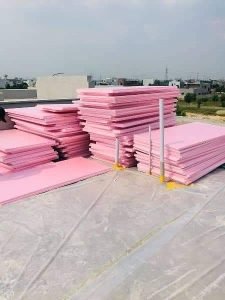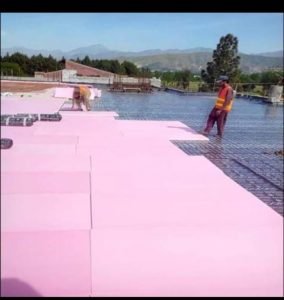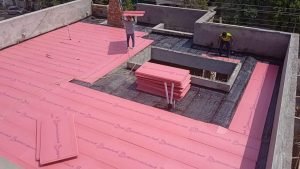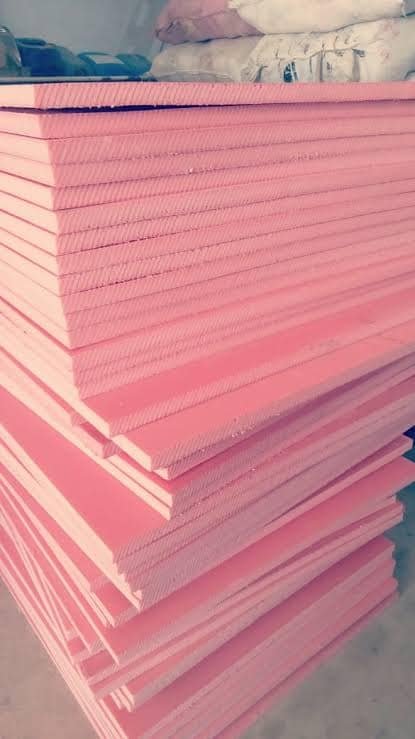
Ultimate XPS Sheet | High-Performance Roof & Wall Insulation in Pakistan
Ultimate XPS Sheet is a revolutionary solution for thermal insulation and heatproofing in modern construction.
It is widely used in residential, commercial, and industrial buildings in Pakistan to improve energy efficiency and comfort.
This high-performance insulation sheet is made from extruded polystyrene (XPS).
Its unique closed-cell structure provides exceptional thermal resistance and compressive strength.
XPS Sheet is lightweight yet highly durable.
It prevents heat transfer, reduces cooling costs, and protects roof and wall structures from moisture and condensation.
Contractors and engineers in Pakistan prefer Ultimate XPS Sheet due to its long-term performance.
It is suitable for roofs, walls, floors, and ceilings in a wide range of construction projects.
In addition to thermal insulation, XPS Sheet offers excellent waterproofing properties.
It is resistant to water absorption and prevents mold and mildew formation.
H2: What Is XPS Sheet? (Focus Keyword)
XPS Sheet stands for Extruded Polystyrene Insulation Sheet.
It is a closed-cell insulation board designed to provide superior thermal protection.
The sheet is made by extruding polystyrene resin, which creates a dense and uniform structure.
This makes it strong, moisture-resistant, and capable of withstanding high loads.
XPS Sheet is widely used for roofs, walls, and floors in Pakistan due to its durability and energy efficiency.
It is ideal for both new constructions and retrofitting existing buildings.
H2: Key Features of Ultimate XPS Sheet
-
High thermal resistance and insulation performance.
-
Lightweight and easy to install.
-
Moisture-resistant and waterproof.
-
High compressive strength for roof and floor applications.
-
Long-lasting and durable under extreme weather conditions.
Ultimate XPS Sheet also provides soundproofing benefits.
It reduces external noise and improves indoor comfort.
H3: Thermal Insulation Benefits
XPS Sheet prevents heat from penetrating the roof or walls.
This reduces the load on air conditioning systems and lowers electricity bills.
It maintains a consistent indoor temperature throughout the year.
During hot summers in Pakistan, XPS Sheet keeps interiors cool and comfortable.
H3: Moisture and Water Resistance
Unlike other insulation materials, XPS Sheet has very low water absorption.
It protects structures from leaks, dampness, and mold growth.
This property is especially beneficial for areas with heavy rainfall or high humidity.
Basements, rooftops, and exterior walls are ideal applications.
H2: Types of XPS Sheet
XPS Sheets come in different thicknesses and densities for various applications.
Choosing the right type ensures optimal performance.
H3: Standard XPS Sheet
Used for general insulation purposes.
It provides excellent thermal resistance and moderate compressive strength.
H3: High-Density XPS Sheet
Designed for heavy-duty applications like roof terraces, parking decks, and industrial floors.
It can withstand high loads without deformation.
H3: Foil-Faced XPS Sheet
Comes with an aluminum foil layer for additional thermal reflection.
It enhances energy efficiency in both hot and cold climates.
H2: Applications of XPS Sheet in Pakistan
XPS Sheets are used in a wide range of construction projects.
They are suitable for both residential and commercial applications.
H3: Roof Insulation
XPS Sheet prevents heat from entering the building.
It improves energy efficiency and prolongs roof life.
Check out Robust Construction Chemicals for premium XPS products.
H3: Wall Insulation
Installing XPS Sheet in walls reduces heat transfer.
It provides thermal comfort and reduces air-conditioning costs.
H3: Floor and Ceiling Insulation
High-density XPS Sheets can be used under flooring.
They improve insulation, reduce noise, and provide extra support.
H3: Industrial Applications
Factories, warehouses, and cold storage facilities benefit from XPS Sheet.
It maintains temperature stability and protects stored goods.
For social media updates, visit: Facebook Page.
H2: Advantages of Ultimate XPS Sheet
-
Reduces cooling and heating costs.
-
Prevents water damage and mold growth.
-
Lightweight and easy to handle.
-
Durable and long-lasting.
-
Provides sound insulation.
These advantages make Ultimate XPS Sheet the preferred choice for architects, engineers, and contractors in Pakistan.
H2: Installation Guide
Proper installation ensures maximum performance of XPS Sheet.
Follow these steps for optimal results:
H3: Step-by-Step Installation
-
Clean the roof, wall, or floor surface.
-
Measure and cut XPS Sheets to fit the area.
-
Apply adhesive or mechanical fixing as required.
-
Ensure sheets are tightly joined to avoid gaps.
-
Cover with finishing material such as screed or plaster.
H4: Common Installation Mistakes
-
Gaps between sheets reduce insulation efficiency.
-
Poor adhesive application can lead to sheet displacement.
-
Using low-quality sheets compromises long-term performance.
-
Exposing sheets to direct sunlight before covering can degrade the surface.
H2: Technical Specifications
-
Material: Extruded Polystyrene (XPS)
-
Thermal Conductivity: 0.030–0.035 W/mK
-
Water Absorption: <0.5%
-
Compressive Strength: 250–450 kPa (depending on type)
-
Fire Resistance: Class C / Flame-retardant variants available
H2: Why Choose XPS Sheet in Pakistan
Pakistan’s hot summers and humid climate make insulation essential.
XPS Sheet improves energy efficiency and provides long-term structural protection.
It is widely used in Lahore, Karachi, Islamabad, Faisalabad, and other major cities.
Using high-quality XPS Sheet ensures comfort and reduces energy costs year-round.
H2: FAQs About XPS Sheet
H3: Can XPS Sheet be used outdoors?
Yes, with proper covering, foil-faced XPS Sheets are suitable for outdoor roofs and walls.
H3: How long does it last?
Premium XPS Sheet can last 25–30 years with proper installation.
H3: Is it safe for residential use?
Yes, XPS Sheet is non-toxic and safe for indoor use.
H3: Can it handle heavy loads?
High-density XPS Sheets are suitable for roof terraces, industrial floors, and heavy-duty applications.
Ultimate XPS Sheet provides long-term thermal insulation and waterproofing for residential, commercial, and industrial projects.
It is widely used in Pakistan due to its durability, high compressive strength, and energy efficiency.
The sheet is made from extruded polystyrene (XPS), a closed-cell insulation material.
Its dense structure ensures excellent heat resistance while preventing moisture absorption.
Unlike traditional insulation boards, XPS Sheet maintains its integrity under extreme loads and environmental conditions.
This makes it suitable for roof terraces, floors, walls, and industrial applications.
XPS Sheet also improves indoor comfort by reducing heat transfer and lowering cooling or heating costs.
It is environmentally friendly and safe for use in all types of buildings.
H2: How XPS Sheet Works for Thermal Insulation
The structure of XPS Sheet creates an effective thermal barrier.
The closed cells trap air, which limits heat flow and maintains a consistent indoor temperature.
By reducing heat gain in summer and heat loss in winter, XPS Sheet lowers energy consumption.
This is especially important in Pakistan’s extreme climate regions such as Sindh, Punjab, and Baluchistan.
XPS Sheet can be combined with reflective foil layers to enhance energy efficiency.
Foil-faced sheets reflect sunlight and reduce roof surface temperature further.
H3: Advantages Over Traditional Insulation Materials
Compared to EPS, fiberglass, or mineral wool, XPS Sheet provides:
-
Higher compressive strength for roof and floor applications.
-
Minimal water absorption, preventing mold and dampness.
-
Consistent performance over decades.
-
Lightweight and easy handling during installation.
Contractors prefer XPS Sheet for projects where durability, moisture resistance, and energy savings are priorities.
It is widely used in both new constructions and retrofitting projects.
H2: Applications in Residential Buildings
XPS Sheet is highly effective in residential homes.
It can be installed on roofs, ceilings, walls, and floors to enhance thermal comfort.
H3: Roof Insulation
Installing XPS Sheets on roofs reduces heat gain significantly.
This lowers the burden on air-conditioning systems and cuts energy bills.
Foil-faced XPS Sheets are ideal for exposed roof surfaces.
They reflect sunlight and provide additional thermal insulation.
For premium XPS Sheet products, visit Robust Construction Chemicals.
H3: Wall Insulation
XPS Sheets can be installed on exterior walls.
They prevent heat transfer and improve indoor temperature regulation.
Wall insulation also protects against moisture infiltration.
This prevents mold growth and enhances building longevity.
H3: Floor Insulation
High-density XPS Sheets are perfect for floor insulation.
They provide thermal resistance, compressive strength, and noise reduction.
Floor insulation is crucial in multi-story buildings and industrial spaces.
It reduces energy consumption while protecting underlying structures.
H2: Applications in Commercial & Industrial Buildings
XPS Sheet is ideal for offices, factories, warehouses, and cold storage facilities.
Its high compressive strength ensures durability under heavy loads.
H3: Cold Storage and Refrigeration
In cold storage facilities, XPS Sheet maintains consistent low temperatures.
It reduces energy consumption and prevents condensation inside storage units.
H3: Warehouses and Industrial Floors
XPS Sheets support heavy machinery while providing thermal insulation.
They enhance structural stability and reduce maintenance costs.
H3: Roof Terraces and Parking Decks
High-density XPS Sheets protect roofs and parking decks from heat and load stress.
They prevent structural damage and improve energy efficiency in large commercial buildings.
H2: Environmental Benefits
XPS Sheet is a sustainable insulation material.
It is recyclable and reduces energy consumption in buildings.
By lowering energy demand, XPS Sheet reduces carbon emissions.
This contributes to eco-friendly construction practices in Pakistan.
Its water-resistant properties also prevent structural damage caused by moisture.
This reduces the need for frequent repairs and resource wastage.
H2: Installation Guide for Maximum Efficiency
Correct installation ensures long-term performance and energy savings.
-
Clean the surface before placing the XPS Sheets.
-
Measure and cut sheets accurately to avoid gaps.
-
Use recommended adhesives or mechanical fasteners.
-
Ensure tight alignment and level placement.
-
Cover with plaster, screed, or protective layer to prevent UV damage.
Proper installation also minimizes thermal bridges.
This ensures the building maintains a consistent indoor temperature.
H3: Common Installation Mistakes
-
Gaps between sheets reduce insulation efficiency.
-
Poor adhesive application can lead to displacement or sagging.
-
Using low-quality sheets may compromise durability.
-
Leaving sheets exposed to sunlight without foil or covering can cause degradation.
Always follow manufacturer instructions for best results.
Consult certified contractors for large-scale installations.
H2: Technical Specifications of XPS Sheet
-
Material: Extruded Polystyrene (XPS)
-
Thermal Conductivity: 0.030–0.035 W/mK
-
Water Absorption: <0.5%
-
Compressive Strength: 250–450 kPa (depending on sheet type)
-
Fire Resistance: Class C / Flame-retardant variants available
-
Thickness: 20mm – 100mm
These specifications make XPS Sheet suitable for residential, commercial, and industrial applications.
H2: Choosing the Right XPS Sheet
Choosing the right sheet depends on:
-
Application type (roof, wall, floor)
-
Load-bearing requirements
-
Environmental conditions
-
Energy efficiency goals
Consult manufacturers or suppliers for product selection.
High-quality sheets offer long-lasting performance and structural protection.
H3: Verification Tips
-
Check material certifications.
-
Confirm thermal conductivity and compressive strength.
-
Verify foil-facing quality for reflective sheets.
-
Inspect sheet edges for uniformity and quality.
H2: Frequently Asked Questions (Extended)
H3: Is XPS Sheet safe for indoor use?
Yes, it is non-toxic and safe for walls, floors, and ceilings.
H3: How long does it last?
Premium XPS Sheets can last 25–30 years with proper installation.
H3: Can it be used on exposed roofs?
Yes, but foil-faced sheets or protective layers are recommended for direct sunlight.
H3: Can XPS Sheets handle heavy loads?
High-density sheets are designed for roof terraces, industrial floors, and heavy equipment areas.
Ultimate XPS Sheet provides long-term thermal insulation and waterproofing for residential, commercial, and industrial projects.
It is widely used in Pakistan due to its durability, high compressive strength, and energy efficiency.
The sheet is made from extruded polystyrene (XPS), a closed-cell insulation material.
Its dense structure ensures excellent heat resistance while preventing moisture absorption.
Unlike traditional insulation boards, XPS Sheet maintains its integrity under extreme loads and environmental conditions.
This makes it suitable for roof terraces, floors, walls, and industrial applications.
XPS Sheet also improves indoor comfort by reducing heat transfer and lowering cooling or heating costs.
It is environmentally friendly and safe for use in all types of buildings.
H2: How XPS Sheet Works for Thermal Insulation
The structure of XPS Sheet creates an effective thermal barrier.
The closed cells trap air, which limits heat flow and maintains a consistent indoor temperature.
By reducing heat gain in summer and heat loss in winter, XPS Sheet lowers energy consumption.
This is especially important in Pakistan’s extreme climate regions such as Sindh, Punjab, and Baluchistan.
XPS Sheet can be combined with reflective foil layers to enhance energy efficiency.
Foil-faced sheets reflect sunlight and reduce roof surface temperature further.
H3: Advantages Over Traditional Insulation Materials
Compared to EPS, fiberglass, or mineral wool, XPS Sheet provides:
-
Higher compressive strength for roof and floor applications.
-
Minimal water absorption, preventing mold and dampness.
-
Consistent performance over decades.
-
Lightweight and easy handling during installation.
Contractors prefer XPS Sheet for projects where durability, moisture resistance, and energy savings are priorities.
It is widely used in both new constructions and retrofitting projects.
H2: Applications in Residential Buildings
XPS Sheet is highly effective in residential homes.
It can be installed on roofs, ceilings, walls, and floors to enhance thermal comfort.
H3: Roof Insulation
Installing XPS Sheets on roofs reduces heat gain significantly.
This lowers the burden on air-conditioning systems and cuts energy bills.
Foil-faced XPS Sheets are ideal for exposed roof surfaces.
They reflect sunlight and provide additional thermal insulation.
For premium XPS Sheet products, visit Robust Construction Chemicals.
H3: Wall Insulation
XPS Sheets can be installed on exterior walls.
They prevent heat transfer and improve indoor temperature regulation.
Wall insulation also protects against moisture infiltration.
This prevents mold growth and enhances building longevity.
H3: Floor Insulation
High-density XPS Sheets are perfect for floor insulation.
They provide thermal resistance, compressive strength, and noise reduction.
Floor insulation is crucial in multi-story buildings and industrial spaces.
It reduces energy consumption while protecting underlying structures.
H2: Applications in Commercial & Industrial Buildings
XPS Sheet is ideal for offices, factories, warehouses, and cold storage facilities.
Its high compressive strength ensures durability under heavy loads.
H3: Cold Storage and Refrigeration
In cold storage facilities, XPS Sheet maintains consistent low temperatures.
It reduces energy consumption and prevents condensation inside storage units.
H3: Warehouses and Industrial Floors
XPS Sheets support heavy machinery while providing thermal insulation.
They enhance structural stability and reduce maintenance costs.
H3: Roof Terraces and Parking Decks
High-density XPS Sheets protect roofs and parking decks from heat and load stress.
They prevent structural damage and improve energy efficiency in large commercial buildings.
H2: Environmental Benefits
XPS Sheet is a sustainable insulation material.
It is recyclable and reduces energy consumption in buildings.
By lowering energy demand, XPS Sheet reduces carbon emissions.
This contributes to eco-friendly construction practices in Pakistan.
Its water-resistant properties also prevent structural damage caused by moisture.
This reduces the need for frequent repairs and resource wastage.
H2: Installation Guide for Maximum Efficiency
Correct installation ensures long-term performance and energy savings.
-
Clean the surface before placing the XPS Sheets.
-
Measure and cut sheets accurately to avoid gaps.
-
Use recommended adhesives or mechanical fasteners.
-
Ensure tight alignment and level placement.
-
Cover with plaster, screed, or protective layer to prevent UV damage.
Proper installation also minimizes thermal bridges.
This ensures the building maintains a consistent indoor temperature.
H3: Common Installation Mistakes
-
Gaps between sheets reduce insulation efficiency.
-
Poor adhesive application can lead to displacement or sagging.
-
Using low-quality sheets may compromise durability.
-
Leaving sheets exposed to sunlight without foil or covering can cause degradation.
Always follow manufacturer instructions for best results.
Consult certified contractors for large-scale installations.
H2: Technical Specifications of XPS Sheet
-
Material: Extruded Polystyrene (XPS)
-
Thermal Conductivity: 0.030–0.035 W/mK
-
Water Absorption: <0.5%
-
Compressive Strength: 250–450 kPa (depending on sheet type)
-
Fire Resistance: Class C / Flame-retardant variants available
-
Thickness: 20mm – 100mm
These specifications make XPS Sheet suitable for residential, commercial, and industrial applications.
H2: Choosing the Right XPS Sheet
Choosing the right sheet depends on:
-
Application type (roof, wall, floor)
-
Load-bearing requirements
-
Environmental conditions
-
Energy efficiency goals
Consult manufacturers or suppliers for product selection.
High-quality sheets offer long-lasting performance and structural protection.
H3: Verification Tips
-
Check material certifications.
-
Confirm thermal conductivity and compressive strength.
-
Verify foil-facing quality for reflective sheets.
-
Inspect sheet edges for uniformity and quality.
H2: Frequently Asked Questions (Extended)
H3: Is XPS Sheet safe for indoor use?
Yes, it is non-toxic and safe for walls, floors, and ceilings.
H3: How long does it last?
Premium XPS Sheets can last 25–30 years with proper installation.
H3: Can it be used on exposed roofs?
Yes, but foil-faced sheets or protective layers are recommended for direct sunlight.
H3: Can XPS Sheets handle heavy loads?
High-density sheets are designed for roof terraces, industrial floors, and heavy equipment areas.