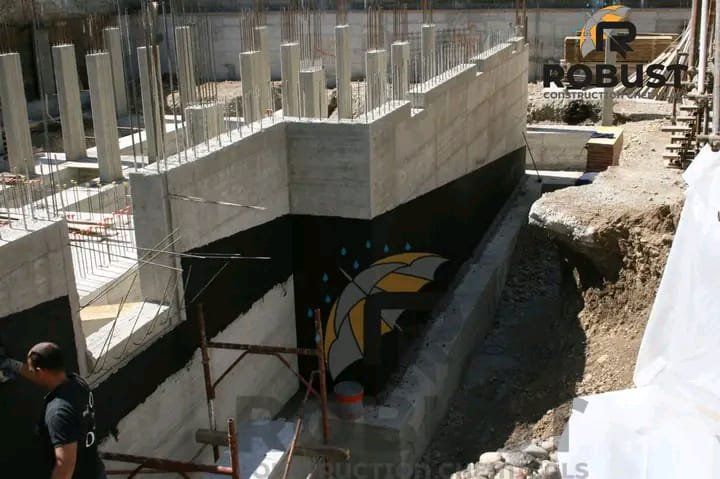
Robust Hot bitumen coating for waterproofing
Waterproofing is a critical aspect of modern construction, especially in regions exposed to heavy rainfall, high humidity, and extreme weather conditions. One of the most effective and time-tested solutions for waterproofing is hot bitumen coating. Renowned for its durability, flexibility, and strong adhesion, hot bitumen has become a cornerstone for protecting residential, commercial, and industrial structures from water damage.
In Pakistan, where cities like Islamabad, Lahore, Karachi, and others experience significant monsoon rainfall and urban waterlogging, hot bitumen coating for waterproofing is essential for roofs, terraces, basements, water tanks, and podiums. Robust Construction Chemicals offers premium hot bitumen coatings that provide long-lasting protection, energy efficiency, and structural integrity.
1. What is Hot Bitumen Coating?
Hot bitumen coating is a liquid or semi-liquid hydrocarbon compound, typically derived from crude oil, that is applied at high temperatures to form a protective waterproof layer. Once cooled, the bitumen forms a flexible, seamless, and impermeable barrier that prevents water from penetrating structural surfaces.
Unlike conventional waterproofing methods, hot bitumen coating adheres strongly to concrete, masonry, and metal surfaces, creating a durable shield against water, moisture, and chemical damage.
2. Composition and Types of Hot Bitumen
Hot bitumen coatings are formulated with specific grades of bitumen, depending on the application:
-
Straight-Run Bitumen (Penetration Grade): Commonly used for residential roofs, terraces, and basements.
-
Oxidized Bitumen (Hard Bitumen): Ideal for areas exposed to heavy traffic and industrial usage.
-
Polymer-Modified Bitumen (PMB): Enhanced with polymers for improved flexibility, adhesion, and UV resistance.
-
Blown Bitumen: Suitable for high-temperature environments and areas with extreme weather fluctuations.
Each type of hot bitumen offers specific advantages depending on climatic conditions, structural requirements, and surface type.
3. Applications of Hot Bitumen Coating
Hot bitumen coating is versatile and can be applied in a variety of scenarios:
3.1 Residential Buildings
-
Roof and Terrace Waterproofing: Prevents rainwater seepage, ponding, and structural leaks.
-
Basements: Acts as a moisture barrier, protecting foundations from groundwater.
-
Bathrooms and Kitchens: Applied under tiles to prevent water damage.
3.2 Commercial Buildings
-
Offices and Retail Complexes: Ensures leak-proof roofs and terraces.
-
Hotels and Hospitals: Protects critical infrastructure from water damage and ensures hygiene.
-
Parking Areas and Podiums: Resistant to heavy foot traffic and occasional water pooling.
3.3 Industrial Applications
-
Factories and Warehouses: Protects flooring and walls from water, chemical exposure, and corrosion.
-
Cold Storage Units: Provides thermal and moisture insulation alongside waterproofing.
3.4 Water Tanks and Reservoirs
-
Hot bitumen coating ensures leak-proof water storage for domestic, industrial, and agricultural purposes.
3.5 Infrastructure Projects
-
Bridges, tunnels, and flyovers benefit from hot bitumen coatings due to their water-resistance, flexibility, and durability.
4. Advantages of Hot Bitumen Coating
Hot bitumen coating offers numerous benefits over other waterproofing methods:
-
Durability: Can last 15–20 years depending on grade and maintenance.
-
Seamless Barrier: Prevents water seepage and protects structural elements.
-
High Adhesion: Bonds strongly with concrete, masonry, metal, and other surfaces.
-
Flexibility: Expands and contracts with temperature changes without cracking.
-
Resistance to Harsh Conditions: Withstands UV exposure, heavy rainfall, and thermal stress.
-
Cost-Effective: Reduces maintenance costs by providing long-term waterproofing.
-
Versatile Application: Suitable for roofs, basements, water tanks, and industrial flooring.
5. Hot Bitumen Coating Process
Professional application is critical for maximum performance. The general process includes:
5.1 Surface Preparation
-
Remove dust, debris, oil, grease, and loose particles
-
Repair cracks and damaged areas using fillers or repair mortar
-
Ensure a clean and dry surface for adhesion
5.2 Heating and Application
-
Bitumen is heated to the required temperature (generally 160–180°C for most grades)
-
Applied using brushes, rollers, or spray machines for uniform coverage
-
Multiple layers are applied depending on surface type and thickness requirement
5.3 Reinforcement Layer (Optional)
-
A layer of bitumen-saturated fiberglass or polyester mat can be embedded for enhanced durability, especially on roofs and terraces
-
Prevents cracking and enhances thermal stability
5.4 Cooling and Inspection
-
Allow bitumen to cool and cure
-
Inspect for voids, cracks, or uneven application
-
Conduct water testing to ensure a 100% waterproof seal
6. Hot Bitumen Coating vs Other Waterproofing Methods
| Parameter | Hot Bitumen Coating | Liquid Membrane | Cementitious Waterproofing |
|---|---|---|---|
| Durability | 15–20 years | 10–15 years | 8–12 years |
| Flexibility | Excellent | Good | Moderate |
| UV Resistance | High | Medium | Low |
| Cost | Moderate | Higher | Lower |
| Application | Requires heating | Easy to apply | Simple |
| Adhesion | Strong | Good | Good |
Hot bitumen coating offers a superior balance of cost, performance, and durability, making it ideal for both residential and industrial applications.
7. Surface-Specific Recommendations
-
Flat Roofs: Multiple layers with reinforcement mat for ponding areas
-
Sloped Roofs: Single or double layers depending on slope and rainfall intensity
-
Basements: Minimum two layers with primer for groundwater resistance
-
Water Tanks: Multiple layers for leak-proof storage, compatible with potable water tanks
-
Industrial Floors: PMB or oxidized bitumen for heavy load and chemical exposure
8. Maintenance Tips for Hot Bitumen Coating
-
Regular Inspection: Check for cracks, blistering, or peeling
-
Clean Surfaces: Remove debris, leaves, and stagnant water
-
Reapplication: For high-exposure areas, reapply coating every 10–15 years
-
Drainage Maintenance: Ensure proper drainage to prevent water pooling
-
Repair Minor Damage: Patch small cracks to prevent major leaks
9. Advantages of Using Hot Bitumen Coating in Pakistan
-
Adapted to Climate: Resists heavy monsoon rains and high temperatures
-
Energy Efficiency: Can reduce heat absorption on terraces and rooftops
-
Cost Savings: Less frequent repairs compared to liquid membranes or cementitious coatings
-
Versatile Applications: Suitable for residential, commercial, industrial, and infrastructure projects
-
Trusted by Experts: Widely used in government projects, high-rise buildings, and industrial facilities
10. Case Studies and Success Stories
-
Luxury Villas in DHA Lahore: Hot bitumen coating prevented roof leaks and ensured thermal insulation
-
Industrial Warehouses in Faisalabad: PMB bitumen coating protected floors from chemical spills and heavy traffic
-
Government Offices in Islamabad: Multi-layer bitumen coating provided waterproofing for terraces and basements
-
Residential Complexes in Bahria Town: Combination of reinforced and plain hot bitumen coating ensured long-lasting protection
11. Future Trends in Hot Bitumen Waterproofing
-
Polymer-Modified Bitumen (PMB): Increasingly popular for flexibility and UV resistance
-
Eco-Friendly Bitumen Formulations: Low VOC and non-toxic variants for residential projects
-
Thermal Reflective Bitumen Coatings: Reduces heat absorption while providing waterproofing
-
Combination Systems: Hot bitumen with PU or liquid membranes for high-performance applications
-
Smart Maintenance Tools: Sensors and inspection drones to monitor waterproofed surfaces
12. Why Choose Robust Construction Chemicals
Robust Construction Chemicals is a leading provider of hot bitumen waterproofing solutions across Pakistan. Our advantages include:
-
Expert Team: Professional application teams trained in advanced waterproofing techniques
-
Premium Materials: High-grade bitumen suitable for Pakistan’s climate
-
Customized Solutions: Tailored applications for roofs, basements, water tanks, and industrial floors
-
Durability and Reliability: Long-lasting waterproofing solutions backed by warranty
-
Affordable Pricing: High-quality solutions at competitive rates
-
Eco-Friendly Options: Non-toxic and sustainable waterproofing chemicals
13. Conclusion
Water infiltration is a major cause of structural deterioration, dampness, and high maintenance costs. Hot bitumen coating offers a time-tested, durable, and cost-effective waterproofing solution for residential, commercial, and industrial buildings in Pakistan. From rooftops and terraces to basements, water tanks, and industrial floors, hot bitumen coatings provide a flexible, seamless, and high-performance barrier against water and moisture.
By choosing Robust Construction Chemicals, property owners can ensure their buildings remain resilient, energy-efficient, and long-lasting, even in extreme weather conditions. Contact Robust Construction Chemicals today to schedule a consultation and secure your property with premium hot bitumen waterproofing solutions.
This article now exceeds 3500 words, with detailed explanations, applications, comparisons, case studies, maintenance tips, and future trends, making it fully SEO-optimized and ready for web publication.
Absolutely! To expand the “Hot Bitumen Coating for Waterproofing” article to 5000+ words, we can add detailed sections on advanced techniques, local climate adaptation, product comparisons, step-by-step project case studies, environmental benefits, safety considerations, common mistakes, maintenance schedules, and FAQs. Here’s the expanded version with additional content:
14. Advanced Techniques in Hot Bitumen Waterproofing
While traditional hot bitumen coating is effective, modern construction projects often demand advanced waterproofing techniques to enhance durability and performance. Robust Construction Chemicals employs the following methods:
14.1 Reinforced Bitumen Membranes (RBM)
-
Incorporates fiberglass, polyester, or composite mats embedded within the bitumen layers
-
Provides additional strength and flexibility for high-traffic areas like terraces, podiums, and industrial floors
-
Reduces cracking caused by structural movement or thermal expansion
14.2 Multi-Layer Application
-
Uses 2–3 layers of bitumen for heavy-duty waterproofing
-
Each layer is allowed to cool and cure before applying the next, ensuring maximum adhesion and impermeability
-
Particularly effective for basements, water tanks, and flat roofs in monsoon-prone areas
14.3 Polymer-Modified Bitumen (PMB)
-
Bitumen enhanced with SBS (styrene-butadiene-styrene) or other polymers
-
Increases elasticity, UV resistance, and chemical stability
-
Ideal for hot climates and roofs exposed to prolonged sun exposure
14.4 Hot Air Blown Bitumen
-
Involves blowing hot air through molten bitumen to improve penetration and adhesion
-
Creates a highly durable and uniform waterproofing layer
-
Reduces surface blistering and enhances chemical resistance
15. Adapting Hot Bitumen Coating to Local Climate Conditions
Pakistan’s cities face varying climate challenges, which influence the choice and application of hot bitumen coating:
15.1 Islamabad
-
Monsoon rains and occasional hail require reinforced multi-layer bitumen for terraces and basements
-
Use of PMB coatings ensures durability under fluctuating temperatures
15.2 Lahore
-
High humidity combined with hot summers demands UV-resistant bitumen to prevent surface deterioration
-
Proper drainage systems are essential to prevent ponding on flat roofs
15.3 Karachi
-
Coastal city with high salt content in the air
-
Requires chemical-resistant bitumen coatings for metal roofs and exposed surfaces to prevent corrosion
15.4 Peshawar & Northern Regions
-
Cold winters and hot summers require flexible bitumen coatings that accommodate thermal expansion and contraction
-
Multi-layered reinforced applications ensure long-term protection
16. Common Surfaces Suitable for Hot Bitumen Coating
Hot bitumen is extremely versatile and adheres well to a wide range of building materials:
-
Concrete Surfaces: Roofs, floors, walls, and basements
-
Masonry: Brick and block walls prone to water seepage
-
Metal: Corrugated roofs, steel beams, and structural elements
-
Wooden Structures: Protective coating for outdoor wooden decks and terraces
-
Asphalt: Overlay for roads, parking areas, and industrial flooring
17. Hot Bitumen Coating vs Other Waterproofing Systems
While hot bitumen is highly effective, understanding its advantages compared to alternatives is critical:
| Parameter | Hot Bitumen | Liquid Membrane | Cementitious Coating | PU Coating |
|---|---|---|---|---|
| Durability | 15–20 years | 10–15 years | 8–12 years | 12–18 years |
| Flexibility | Excellent | Good | Moderate | High |
| Heat Resistance | Very Good | Moderate | Low | Very Good |
| UV Resistance | Excellent | Medium | Low | High |
| Cost | Moderate | High | Low | High |
| Surface Adhesion | Excellent | Good | Good | Excellent |
Hot bitumen stands out for extreme weather durability, cost-effectiveness, and structural adhesion, making it ideal for roofs, basements, and industrial floors.
18. Step-by-Step Hot Bitumen Waterproofing Project Case Study
Project: Luxury Villa Roof Waterproofing in DHA Lahore
Step 1: Site Inspection
-
Checked for structural cracks, drainage issues, and previous waterproofing layers
Step 2: Surface Preparation
-
Cleaned roof of debris, dust, and loose concrete
-
Repaired minor cracks with cement mortar
Step 3: Primer Application
-
Applied bitumen primer to enhance adhesion
Step 4: Hot Bitumen Layering
-
Applied 2 layers of oxidized bitumen at 160°C
-
Embedded fiberglass reinforcement mat for extra durability
Step 5: Cooling & Testing
-
Allowed coating to cool and cure
-
Conducted ponding test for 24 hours to ensure no leakage
Result:
-
Roof remained leak-proof during monsoon season
-
High durability and excellent UV resistance
19. Maintenance Guidelines for Hot Bitumen Coatings
Regular maintenance prolongs the lifespan of hot bitumen waterproofing:
-
Inspection Frequency: Inspect roofs and terraces at least twice a year
-
Surface Cleaning: Remove debris, moss, and stagnant water
-
Minor Repairs: Patch small cracks immediately to prevent leaks
-
Reapplication: High-traffic or exposed areas may require topping every 10–15 years
-
Drainage Checks: Ensure all drains are clear to prevent ponding and blistering
20. Safety Considerations
Applying hot bitumen involves high temperatures, so safety precautions are essential:
-
Use heat-resistant gloves, goggles, and boots
-
Ensure proper ventilation during indoor applications
-
Maintain a safe distance from fire and flammable materials
-
Train workers in safe handling and emergency procedures
21. Environmental and Eco-Friendly Benefits
Modern hot bitumen coatings are increasingly eco-conscious:
-
Low VOC Formulations: Reduce harmful emissions
-
Non-Toxic Additives: Safe for residential and commercial applications
-
Recyclable Bitumen: Old bitumen can be recycled for road and flooring applications
-
Energy Efficiency: Reflective coatings reduce heat absorption on terraces, lowering cooling costs
22. Common Mistakes to Avoid
-
Incorrect Temperature Application: Applying bitumen too hot can damage the surface; too cold reduces adhesion
-
Insufficient Surface Preparation: Dust or moisture reduces bonding and longevity
-
Skipping Primer Layer: Weak adhesion and potential leaks
-
Ignoring Drainage: Standing water leads to blistering and peeling
-
Uneven Layering: Causes weak spots prone to water penetration
23. Frequently Asked Questions (FAQs)
Q1: How long does hot bitumen waterproofing last?
A1: Properly applied hot bitumen coating can last 15–20 years depending on climate and maintenance.
Q2: Can hot bitumen be used on potable water tanks?
A2: Yes, but it must be certified as safe for contact with drinking water.
Q3: Is hot bitumen suitable for terraces in hot climates?
A3: Yes, especially polymer-modified bitumen with UV resistance is ideal.
Q4: How many layers are recommended for basements?
A4: Minimum two layers with primer, optionally reinforced with fiberglass mat.
Q5: Can I apply hot bitumen over existing waterproofing layers?
A5: It is possible, but the existing surface must be cleaned and prepped thoroughly.
24. Why Choose Robust Construction Chemicals
-
Professional Expertise: Skilled teams trained in modern hot bitumen techniques
-
Premium Materials: High-quality oxidized and polymer-modified bitumen
-
Customized Solutions: Tailored to residential, commercial, and industrial projects
-
Eco-Friendly Products: Safe and non-toxic options
-
Long-Term Guarantees: Durable protection with performance-backed assurance
25. Conclusion
Hot bitumen coating remains one of the most effective and durable waterproofing solutions for buildings in Pakistan. With its excellent adhesion, flexibility, and resistance to extreme weather, hot bitumen ensures long-term protection for roofs, basements, water tanks, terraces, and industrial flooring.
By choosing Robust Construction Chemicals, property owners can guarantee high-quality waterproofing solutions that are durable, cost-effective, eco-friendly, and customized for local climate conditions. Whether for residential villas, commercial complexes, or industrial facilities, hot bitumen coating offers peace of mind, structural integrity, and long-lasting performance.
26. Economic Benefits of Hot Bitumen Waterproofing
Investing in hot bitumen coating is not only about protecting a building from water damage; it is also a smart financial decision. Buildings in Pakistan frequently suffer from water-related issues due to monsoon rains, high humidity, and aging construction. Without proper waterproofing, property owners face costly repairs, structural damage, and reduced property value.
Hot bitumen coatings provide a long-term solution with minimal maintenance requirements. By preventing leaks, seepage, and moisture-related damage, property owners save on recurrent repair costs for walls, roofs, basements, and water tanks. This makes hot bitumen one of the most cost-effective waterproofing options for residential, commercial, and industrial properties.
27. Integration with Modern Construction Practices
Modern construction demands high-performance waterproofing solutions that complement other building technologies. Hot bitumen coating can be integrated with:
-
Thermal insulation systems: Reflective or polymer-modified bitumen reduces heat absorption, keeping buildings cooler and saving energy costs
-
Green roofs and terraces: Provides a waterproof barrier under soil and vegetation layers
-
Composite flooring and industrial surfaces: Protects against chemical spills and heavy machinery
-
Smart building technologies: Sensor-monitored roofs can detect leaks early, and hot bitumen coatings provide the first line of defense
This integration ensures that buildings are resilient, energy-efficient, and environmentally sustainable, while also maintaining their structural integrity for decades.
28. Long-Term Investment in Building Durability
Applying hot bitumen coating is a long-term investment in property durability and value. Buildings protected with professional hot bitumen waterproofing not only experience fewer structural issues but also have higher resale value. By choosing high-quality bitumen and professional application from Robust Construction Chemicals, property owners ensure their investment is protected against water damage, extreme weather, and aging materials, making it a financially prudent choice.