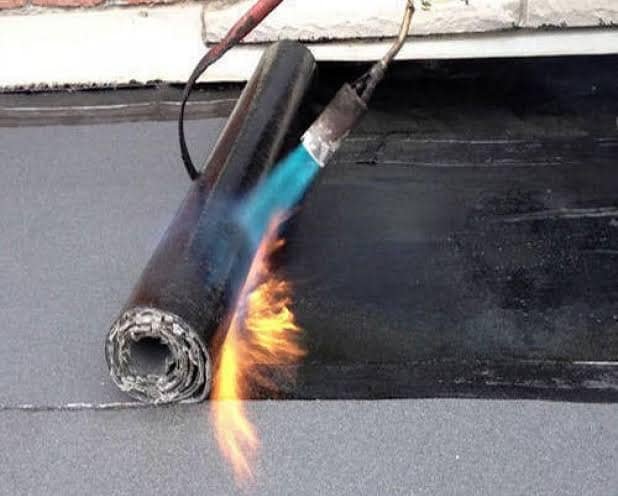
Membrane Sheet for Waterproofing
A membrane sheet is a continuous, flexible barrier layer applied over surfaces to prevent the passage of water or moisture. It is one of the most effective and long-lasting waterproofing methods used in construction. Membrane sheets are commonly used on roofs, basements, foundations, tunnels, water tanks, bridges, and bathrooms to ensure complete waterproof protection.
What Is a Waterproofing Membrane Sheet?
A waterproofing membrane sheet is a thin, impermeable layer that is applied over a substrate (like concrete, brick, or metal) to block water infiltration. These membranes are designed to remain elastic, durable, and resistant to environmental changes such as UV rays, temperature fluctuations, and chemical exposure.
Types of Waterproofing Membrane Sheets
There are two major categories of membrane sheets:
1. Sheet-Based Membranes
These are pre-formed sheets manufactured in factories and applied on-site using adhesives, heat, or mechanical fastening.
Common Types:
-
Bituminous Membrane Sheets
-
Made of modified bitumen (APP or SBS) with polyester or fiberglass reinforcement.
-
Installed using a torch-on method or self-adhesive backing.
-
Ideal for roofs, basements, and retaining walls.
-
Example: APP (Atactic Polypropylene) Membrane, SBS (Styrene-Butadiene-Styrene) Membrane.
-
-
EPDM (Ethylene Propylene Diene Monomer) Sheets
-
Synthetic rubber membrane known for excellent UV and weather resistance.
-
Commonly used for roofing systems and pond liners.
-
-
PVC (Polyvinyl Chloride) Membranes
-
Flexible, lightweight, and highly durable.
-
Heat-welded at the joints for total waterproofing integrity.
-
Suitable for roofs, tunnels, and terraces.
-
-
TPO (Thermoplastic Polyolefin) Membranes
-
Single-ply membrane offering high reflectivity and energy efficiency.
-
UV and chemical resistant — often used for green roofs and industrial sheds.
-
Application Areas
Membrane sheets are versatile and can be used for:
-
Roof terraces & podium decks
-
Basements & foundations
-
Bathrooms & kitchens
-
Water tanks & swimming pools
-
Tunnels, bridges & subways
-
Retaining walls & planters
Installation Methods
-
Surface Preparation
-
Clean, smooth, and dry substrate.
-
Apply primer if needed for better adhesion.
-
-
Membrane Application
-
Torch-on membranes: Heat the bituminous layer with a gas torch and roll onto the surface.
-
Self-adhesive membranes: Peel off protective film and press onto the surface.
-
PVC/EPDM/TPO membranes: Mechanically fasten or heat-weld seams for a continuous seal.
-
-
Detailing
-
Properly seal corners, edges, and pipe penetrations using compatible sealants or tapes.
-
-
Protection Layer
-
Apply protection screed, insulation, or geotextile as per the site requirement.
-
Advantages
100% Waterproof Barrier
High Tensile Strength and Flexibility
Long Life (10–25 years depending on type)
Chemical, UV, and Heat Resistant
Seamless (in case of welded sheets)
Easy and Quick Installation
Disadvantages
Requires skilled labor for installation
Surface preparation is critical
Punctures during construction can cause leaks
Costlier than simple liquid coatings
Popular Brands & Products
-
Sika Bitumen Membrane
-
BASF MasterSeal Membrane
-
Dr. Fixit Torch Shield APP
-
Asian Paints SmartCare Damp Proof Membrane
-
Robust Construction Chemicals Waterproof Membrane (APP/SBS Type)
Tips for Best Results
-
Always inspect overlaps and joints carefully.
-
Ensure no air pockets or wrinkles during application.
-
Use compatible primers and adhesives recommended by the manufacturer.
-
Conduct a water pond test before finishing work.
SEO Meta Description
Membrane sheet waterproofing provides long-term protection against leaks in roofs, basements, and structures using bituminous, PVC, or EPDM sheets. Learn types, applications, and installation methods.
1. Composition and Chemical Structure
Bitumen waterproofing coating is composed primarily of refined bitumen, a hydrocarbon-based substance derived from crude oil distillation. To enhance its properties, various modifiers and polymers are blended into the base bitumen. These include:
-
APP (Atactic Polypropylene): Increases elasticity and improves temperature resistance.
-
SBS (Styrene-Butadiene-Styrene): Adds flexibility and durability, allowing the coating to withstand thermal expansion and contraction.
-
Solvents: Facilitate easy application by providing suitable viscosity and penetration ability.
-
Fillers and Pigments: Improve adhesion, UV stability, and surface finish.
This unique combination results in a viscous, sticky compound that, once cured, forms a monolithic, seamless waterproof barrier resistant to water, chemicals, and environmental degradation.
2. Bitumen Waterproofing Coating Manufacturing Process
The manufacturing process involves several controlled steps to ensure product quality and consistency:
-
Bitumen Refining: The crude bitumen is purified and refined to remove impurities.
-
Polymer Modification: Specific polymers (APP or SBS) are mixed in hot bitumen to enhance flexibility.
-
Additive Blending: Anti-stripping agents, stabilizers, and adhesion promoters are added.
-
Cooling and Packaging: The final compound is cooled, tested for viscosity and adhesion, then packed into drums or buckets for site use.
The quality of each stage directly affects the waterproofing performance and lifespan of the coating.
3. Types of Bitumen Waterproofing Coatings
Different formulations are available to meet various project needs and climatic conditions:
-
Cold-Applied Bitumen Coating:
-
Applied without heating.
-
Suitable for concrete, metal, and masonry surfaces.
-
Ideal for moderate climates and easy on-site use.
-
-
Hot-Applied Bitumen Coating:
-
Heated before application to achieve a fluid state.
-
Provides excellent penetration and adhesion.
-
Commonly used in industrial waterproofing and large-scale infrastructure projects.
-
-
Bitumen Emulsion:
-
A water-based formulation with no harmful solvents.
-
Environmentally friendly and non-flammable.
-
Easy to clean and apply with brushes or sprayers.
-
-
Polymer-Modified Bitumen Coating:
-
Enhanced with APP or SBS for improved elasticity.
-
Withstands extreme weather, UV radiation, and structural movements.
-
-
Fiber-Reinforced Bitumen Coating:
-
Contains microfibers that improve tensile strength and crack-bridging ability.
-
Recommended for roofs and basements exposed to high stress.
-
4. Surface Preparation and Application Steps
Proper surface preparation ensures strong adhesion and maximum waterproofing efficiency. The general steps include:
Step 1 – Surface Cleaning
-
Remove dust, oil, grease, and loose materials.
-
For old surfaces, remove any previous coatings, rust, or algae.
Step 2 – Repair
-
Fill cracks and voids with a cementitious repair mortar or bituminous mastic.
-
Ensure the surface is level and free from sharp protrusions.
Step 3 – Priming
-
Apply a bitumen primer (bitumen mixed with solvent) to promote adhesion.
-
Allow it to dry for 2–4 hours before the next layer.
Step 4 – Application of Coating
-
Apply the first layer of bitumen coating using a brush, roller, or spray.
-
Maintain a uniform thickness (typically 1.0–1.5 mm wet film thickness).
-
After the first coat dries (around 6–8 hours), apply the second coat crosswise.
Step 5 – Curing and Protection
-
Allow full curing for 24–48 hours depending on temperature.
-
If exposed to sunlight, cover with a protective screed or aluminum paint to prevent UV degradation.
5. Areas of Application
Bitumen waterproofing coatings are versatile and can be used in a wide range of applications:
-
Basements and Foundations: Protects below-ground structures from groundwater ingress.
-
Terraces and Roofs: Prevents leakage from rainwater accumulation.
-
Water Tanks (Exteriors): Creates an impermeable shield against moisture.
-
Bridges and Tunnels: Resists hydrostatic pressure and water seepage.
-
Metal Surfaces and Pipelines: Provides anti-corrosive protection.
-
Bathrooms and Wet Areas: Applied beneath tiles or cement screeds to prevent dampness.
6. Key Advantages of Bitumen Waterproofing Coating
-
Highly Durable:
Withstands harsh weather and heavy traffic conditions. -
Seamless Protection:
Forms a continuous membrane with no joints or weak spots. -
Cost-Effective Solution:
Offers excellent performance at a reasonable cost compared to other systems. -
Strong Adhesion:
Bonds effectively to most building materials like concrete, metal, and brick. -
Chemical and Salt Resistance:
Ideal for industrial zones and coastal structures. -
Flexible and Crack-Resistant:
Adjusts to minor structural movements without tearing. -
Long Service Life:
Can last 8–12 years with minimal maintenance when properly applied.
7. Limitations and Precautions
While bitumen coatings are reliable, proper handling and conditions are essential:
-
Avoid applying during rain or high humidity.
-
Ensure the surface temperature is above 5°C for cold-applied systems.
-
For potable water tanks, use non-toxic emulsions.
-
Overexposure to direct sunlight may soften unprotected coatings—use reflective finishes.
-
Always wear protective gloves, masks, and eyewear during application.
8. Technical Specifications (Typical Values)
| Property | Standard | Typical Result |
|---|---|---|
| Appearance | Black viscous liquid | Uniform |
| Density | ASTM D70 | 1.0–1.2 g/cm³ |
| Solids Content | ASTM D1644 | 50–60% |
| Elongation | ASTM D412 | 300–500% |
| Water Permeability | DIN 1048 | Nil |
| Drying Time | ASTM D1640 | 6–8 hours |
| Service Temperature | Internal | -5°C to +80°C |
| Adhesion Strength | ASTM D4541 | >1.5 N/mm² |
These parameters may vary depending on the brand and formulation but serve as reliable performance benchmarks.
9. Maintenance and Inspection
To ensure long-lasting performance:
-
Regular Inspection:
Inspect every 6–12 months for cracks or damage. -
Cleaning:
Remove dust and debris to prevent blockage of drainage outlets. -
Touch-Up Repairs:
Reapply the coating on affected areas immediately if any signs of blistering or peeling are observed. -
Protective Top Layer:
Use aluminum paint or reflective coatings to extend lifespan under UV exposure.
10. Bitumen Coating vs. Other Waterproofing Systems
| Feature | Bitumen Coating | PU Liquid Rubber | Cementitious Coating |
|---|---|---|---|
| Elasticity | Moderate | Excellent | Low |
| UV Resistance | Medium | High | Low |
| Application | Easy (cold/hot) | Easy (cold) | Moderate |
| Cost | Economical | Expensive | Medium |
| Durability | 8–12 years | 12–15 years | 6–8 years |
| Chemical Resistance | High | High | Medium |
Bitumen coatings strike a balance between performance and cost, making them ideal for residential and commercial waterproofing applications.
11. Environmental and Safety Considerations
Modern bitumen emulsions are formulated to meet environmental standards:
-
Low VOC Content: Safe for indoor and outdoor use.
-
Non-Flammable Options: Water-based emulsions eliminate fire hazards.
-
Eco-Friendly Disposal: Hardened residue can be treated as non-hazardous waste.
-
Worker Safety: Use in well-ventilated areas and avoid inhaling fumes during hot applications.
12. Modern Developments and Innovations
Recent advancements have improved the efficiency and sustainability of bitumen coatings:
-
Nano-Modified Bitumen: Incorporates nanoclays and graphene to boost strength and water repellency.
-
Reflective Bitumen Coatings: Add solar-reflective pigments to reduce heat absorption on roofs.
-
Hybrid Systems: Combine bitumen with polyurethane or acrylic polymers for superior adhesion and flexibility.
-
Spray-Applied Bitumen Membranes: Provide uniform thickness and reduce manual labor time.
These innovations have made bitumen coatings more durable, energy-efficient, and environmentally responsible.
13. Choosing the Right Bitumen Coating
When selecting a coating, consider the following factors:
-
Type of Structure: Underground, exposed, or interior surfaces.
-
Environmental Conditions: Humidity, temperature, UV exposure.
-
Application Method: Manual or mechanical spray.
-
Required Durability: Short-term or long-term protection.
-
Budget: Choose cold-applied emulsions for economy; polymer-modified for premium durability.
14. Conclusion
Bitumen waterproofing coating remains one of the most reliable, economical, and widely used methods for protecting structures against water damage. Its superior adhesion, resistance to chemical attack, and versatility across different substrates make it indispensable in construction, roofing, and foundation protection.
Whether applied cold or hot, bituminous coatings form a strong, flexible, and impermeable membrane that extends the service life of buildings, bridges, and infrastructure. With modern improvements in polymer modification and eco-friendly formulations, bitumen coatings continue to be a cornerstone of modern waterproofing systems worldwide.
SEO Meta Description:
Bitumen waterproofing coating offers durable, flexible, and cost-effective protection for roofs, basements, and foundations. Learn about its types, composition, applications, and benefits in this complete 1500-word guide.
Focus Keyword:
Bitumen Waterproofing Coating
LSI & Secondary Keywords:
bituminous coating, bitumen emulsion, waterproofing membrane, polymer modified bitumen, bitumen coating application, bitumen waterproofing for roof, bitumen coating for concrete, waterproofing chemical, roof waterproofing Pakistan
1. Tools and Equipment Required
Before starting the waterproofing work, prepare all essential tools and equipment to ensure a smooth and professional finish:
-
Wire brush or grinder (for surface cleaning)
-
Putty knife and trowel (for crack filling)
-
Bitumen primer and coating containers
-
Paint brushes, rollers, or airless spray machines
-
Measuring tape and wet film thickness gauge
-
Mixing stick or mechanical stirrer
-
Buckets, gloves, safety glasses, and protective clothing
-
Reflective topcoat or aluminum paint (optional for UV protection)
Having the right tools ensures even application, strong adhesion, and optimal material utilization.
2. Step-by-Step Application Procedure
Step 1 – Surface Cleaning and Drying
Clean the surface thoroughly to remove dust, grease, loose cement particles, or old paint.
Use a wire brush or compressed air to clean joints and corners.
The surface must be dry and free of standing water before primer application.
Step 2 – Crack and Joint Repair
Inspect the surface for visible cracks or voids.
-
For small cracks (<2mm): Fill with bitumen mastic.
-
For larger cracks: Use polymer-modified mortar or sealant.
Ensure all joints are properly sealed and leveled before coating.
Step 3 – Priming
Apply a bitumen primer using a roller or brush at a coverage rate of 0.25–0.3 L/m².
This primer enhances adhesion between the base surface and the coating.
Allow it to dry for 3–4 hours, or until the surface becomes tack-free.
Step 4 – First Coat Application
Stir the bitumen coating thoroughly before use.
Apply the first coat uniformly using a brush, roller, or airless spray.
Recommended coverage: 1.0–1.5 kg/m² depending on surface type.
For vertical walls, start from the bottom and move upwards to ensure complete coverage.
Step 5 – Second Coat Application
After the first coat has dried (typically 6–8 hours), apply the second coat crosswise to the first for uniform film thickness.
Ensure a total dry film thickness (DFT) of 1.5–2.0 mm for effective waterproofing.
For areas exposed to heavy rainfall or hydrostatic pressure (like basements), apply an additional third coat.
Step 6 – Curing and Protection
Allow the coated surface to cure for 24–48 hours before backfilling or screed application.
For roofs or exposed areas, protect the coating with a reflective aluminum paint or geotextile layer with cement screed to prevent UV degradation.
3. Coverage and Material Consumption
Approximate consumption values for guidance:
| Application Area | Coating Layers | Material Consumption | Estimated Coverage |
|---|---|---|---|
| Concrete Roof | 2 Coats | 1.8–2.0 kg/m² | 25–30 m² per 20 kg drum |
| Basement Walls | 3 Coats | 2.5–3.0 kg/m² | 18–22 m² per 20 kg drum |
| Foundation Footing | 2 Coats | 2.0 kg/m² | 25 m² per 20 kg drum |
| Metal Surfaces | 2 Coats | 1.5 kg/m² | 30–35 m² per 20 kg drum |
These values may vary slightly based on surface texture, porosity, and application method.
4. Site Safety and Handling Guidelines
While working with bituminous coatings, adhere to proper safety procedures:
-
Ventilation:
Always apply in well-ventilated areas to avoid inhaling solvent vapors. -
Personal Protective Equipment (PPE):
Use gloves, safety goggles, and respirators when handling hot or solvent-based materials. -
Fire Safety:
Keep materials away from open flames, sparks, or smoking areas.
Store in a cool, shaded place away from direct sunlight. -
Spillage and Waste Disposal:
In case of spillage, absorb with sand or sawdust and dispose of properly according to local regulations. -
First Aid:
In case of skin contact, wash immediately with soap and water.
If inhaled in large quantities, move the worker to fresh air and seek medical attention if symptoms persist.
5. Quality Control and Testing
To ensure the waterproofing system performs effectively:
-
Check film thickness with a wet film gauge after each coat.
-
Conduct adhesion tests on random samples using pull-off methods.
-
Perform water ponding tests for roofs after complete curing (maintain 25 mm water depth for 24 hours).
-
Record ambient temperature and humidity during application to ensure consistency.
6. Final Notes
Properly applied bitumen waterproofing coating offers a durable, flexible, and seamless membrane capable of protecting buildings from moisture damage for over a decade.
Its easy application, cost efficiency, and compatibility with diverse substrates make it one of the most trusted waterproofing systems for residential, commercial, and industrial construction worldwide.
When maintained with periodic inspection and protective coatings, bituminous waterproofing remains a long-term investment in the structural safety and value of any building.
1. Understanding the Technical Performance
Bitumen waterproofing coating works on the principle of creating a continuous monolithic barrier that resists the passage of water and vapor.
Its efficiency depends on film thickness, adhesion, and curing conditions.
1.1 Film Thickness
A uniform film thickness is critical.
-
Minimum wet film thickness per coat: 1.0 mm
-
Total dry film thickness: 1.5–2.0 mm for roofs and up to 3.0 mm for foundations or underground structures.
Uneven thickness can cause weak spots and early failure under hydrostatic pressure.
1.2 Adhesion Strength
Adhesion to the substrate is one of the coating’s most important qualities.
For concrete, adhesion strength should be greater than 1.5 N/mm².
This ensures the film remains bonded even when structural movement or thermal expansion occurs.
1.3 Flexibility and Crack Bridging
Modified bitumen coatings (APP or SBS) provide high flexibility, enabling the coating to bridge micro-cracks up to 2 mm without rupture.
This makes it especially suitable for old or repaired concrete surfaces.
2. Factors Affecting Coating Performance
2.1 Surface Moisture
Bitumen coatings are hydrophobic; they cannot bond properly to damp or wet surfaces.
If moisture is trapped beneath the film, it can cause blistering or delamination.
Always check that the surface moisture content is below 5% before starting work.
2.2 Ambient Temperature
Application should be done when the ambient temperature is between 10°C and 45°C.
At low temperatures, the coating becomes too viscous to spread evenly.
At excessively high temperatures, the solvent may evaporate too quickly, causing surface cracking.
2.3 Application Speed
When applying multiple coats, each layer must dry completely before the next is applied.
Insufficient drying time leads to solvent entrapment, which can weaken adhesion and prolong curing.
3. Common Problems and Prevention
| Problem | Cause | Prevention |
|---|---|---|
| Blistering or bubbling | Moisture or trapped solvent | Ensure the surface is dry and allow full drying between coats |
| Peeling or delamination | Poor surface preparation | Clean surface thoroughly, apply primer uniformly |
| Uneven color or texture | Unequal film thickness | Apply even coats using brush or roller |
| Soft or sticky surface | Incomplete curing or over-thinning | Maintain recommended drying time and avoid dilution |
| Cracks on coating | Thermal expansion or insufficient flexibility | Use polymer-modified bitumen coating and avoid direct sunlight during curing |
Consistent inspection during and after application helps prevent such defects and ensures long-term waterproofing success.
4. On-Site Inspection and Quality Control
A reliable waterproofing system requires strict quality control at every stage of installation.
The following methods are commonly used on construction sites:
4.1 Visual Inspection
Inspect each coat for coverage, smoothness, and uniform black color.
No pinholes, blisters, or missed areas should be visible.
4.2 Wet Film Thickness Test
Use a wet film thickness gauge immediately after coating to confirm that the correct quantity is applied.
Measure at least five points per 10 m² area.
4.3 Adhesion Test
After curing, perform a pull-off adhesion test using a portable adhesion tester.
Acceptable value: ≥ 1.5 N/mm².
4.4 Water Ponding Test
For roofs and horizontal areas, maintain 25 mm water depth for 24–48 hours.
If no leakage is observed, the waterproofing layer is approved for protection screed or finishing.
5. Comparison with Alternative Waterproofing Systems
Bitumen waterproofing is widely used due to its balance of performance, cost, and availability.
Below is a technical comparison with other popular waterproofing systems.
| Property | Bitumen Coating | Polyurethane Coating | Acrylic Coating | Cementitious Coating |
|---|---|---|---|---|
| Flexibility | Moderate to high (SBS modified) | Excellent | Medium | Low |
| UV Resistance | Medium | High | High | Low |
| Chemical Resistance | High | Very high | Moderate | Medium |
| Application Difficulty | Easy | Moderate | Easy | Easy |
| Cost | Low | High | Medium | Low |
| Curing Time | 24–48 hrs | 8–12 hrs | 6–10 hrs | 4–6 hrs |
| Typical Lifespan | 8–12 years | 12–15 years | 6–10 years | 5–8 years |
This table demonstrates why bituminous coatings remain a go-to solution in basements, roofs, and substructures, especially when a balance between cost and durability is desired.
6. Environmental and Sustainability Considerations
Modern construction increasingly demands eco-friendly waterproofing systems.
Bitumen coatings have evolved accordingly:
-
Water-Based Emulsions:
These eliminate volatile organic compounds (VOCs) and are safe for indoor applications.
They are non-flammable, odorless, and environmentally responsible. -
Low-Temperature Application:
Cold-applied bitumen emulsions reduce energy consumption as they don’t require heating. -
Recyclability:
Hardened bitumen waste can be reused in road or pavement applications, minimizing disposal impact. -
Worker Safety:
Using solvent-free emulsions protects workers from respiratory hazards and reduces fire risks.
By choosing eco-friendly formulations, contractors align with global green building standards such as LEED and BREEAM.
7. Bitumen Coating for Specialized Applications
7.1 Roof Waterproofing
Bitumen coatings on flat or sloped roofs form an elastic film that prevents water stagnation.
For added strength, fiberglass mesh may be embedded between coats.
A final reflective aluminum paint layer is recommended for UV resistance and heat reflection.
7.2 Basement and Foundation
In underground applications, the coating acts as a dampproof barrier against soil moisture and groundwater.
After curing, protect it with a protection board or geotextile membrane before backfilling to avoid puncture.
7.3 Metal Protection
Bitumen coatings are excellent anti-corrosive agents for steel pipes, storage tanks, and metal roofs.
They create a dense, impermeable film that isolates metal surfaces from oxygen and moisture, preventing rust.
7.4 Bridge Decks and Tunnels
Modified bitumen coatings are ideal for structures subjected to vibration and traffic loading.
They maintain adhesion and elasticity even under constant movement and temperature variation.
8. Maintenance and Service Life Extension
Although bitumen coatings are durable, proper maintenance maximizes their service life:
-
Periodic Inspection:
Inspect every 12 months for cracks, peeling, or discoloration.
Pay special attention to edges, corners, and joints. -
Surface Cleaning:
Remove accumulated dirt or debris regularly, especially on flat roofs.
Clogged drains can cause ponding, which stresses the coating. -
Repair Small Damages:
If localized damage occurs, clean the area and apply an additional coat directly.
Always ensure proper surface drying before repair. -
Re-Coating:
After 8–10 years, a maintenance coat may be applied to refresh protection, especially for exposed surfaces.
9. Packaging and Handling Recommendations
-
Packaging: Available in 1, 4, 20, and 200 kg drums or pails.
-
Storage Temperature: Between 10°C and 35°C.
-
Shelf Life: 12 months in unopened containers.
-
Handling: Always lift containers carefully; avoid puncturing or dropping.
-
Disposal: Hardened residues are non-toxic and may be disposed of with standard construction waste.
10. Advantages in Real Construction Projects
Bituminous waterproofing coatings have been successfully applied in:
-
Residential buildings: Roof terraces, bathrooms, and basements.
-
Industrial structures: Warehouses, factory floors, and steel tanks.
-
Infrastructure: Bridges, culverts, and water channels.
-
Public projects: Underground parking and metro stations.
In all cases, the system provides reliable, cost-effective, and easy-to-apply protection against moisture ingress, corrosion, and structural damage.
11. Professional Recommendations for Best Results
-
Always use primer before coating for improved adhesion.
-
Apply during dry, moderate weather conditions.
-
Follow recommended coverage rates strictly.
-
Avoid walking or loading the surface until full curing.
-
Use UV protection paint for exposed roofs or open terraces.
-
Provide slope (minimum 1:100) for proper drainage on roofs.
-
Combine with geotextile reinforcement for areas exposed to movement or vibration.
12. Final Conclusion
Bitumen waterproofing coating stands out as a proven, time-tested solution that balances durability, flexibility, and affordability.
It forms an impermeable, seamless layer that protects concrete, masonry, and metal structures from the destructive effects of water, chemicals, and weathering.
Modern polymer-modified and eco-friendly emulsions have enhanced its performance, making bitumen coatings suitable for a wide variety of construction applications — from basement walls and roofs to bridges and foundations.
When applied correctly with proper surface preparation, drying intervals, and protection measures, a high-quality bitumen waterproofing coating can last well over a decade and deliver long-term peace of mind for both contractors and property owners.