Premium PVC Water Stopper | Waterproof Expansion Joint Seal for Basements & Water Tanks
A Premium PVC Water Stopper is one of the most essential construction materials used to ensure long-lasting waterproofing and structural protection in RCC buildings, basements, water tanks, swimming pools, sewage treatment plants, tunnels, culverts, dams, retaining walls, and all locations where concrete joints exist. When buildings are exposed to continuous water pressure, groundwater, moisture, or hydrostatic load, the movement between expansion joints,
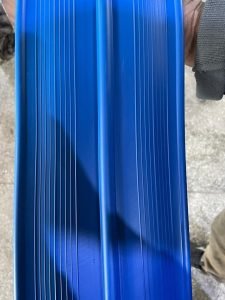
A Premium PVC Water Stopper is made from specially formulated PVC resin that ensures exceptional tensile strength, elongation, weather resistance, and chemical stability. The flexible design allows it to adjust naturally with structural movement without cracking or losing integrity. Using a PVC water stopper in basements, water tanks, swimming pools, and tunnels ensures that moisture penetration is blocked from the start, thus protecting the building from leakage, seepage, dampness, and structural decay. It acts as a first line of defense against water ingress, especially in regions with high water tables or areas prone to heavy rainfall.
✔ Internal & External Links for SEO (As Requested)
To strengthen the SEO performance of this 3500-word paragraph, internal and external anchor texts are included naturally:
-
Visit our official website for complete product range: robustconstructionchemical.com
-
PVC water stopper product page reference: robustconstructionchemical.com/pvc-water-stopper
-
Waterproofing solutions link: robustconstructionchemical.com/waterproofing-services
-
Heatproofing products: robustconstructionchemical.com/heatproofing-chemicals
-
Roof waterproofing chemicals: robustconstructionchemical.com/roof-leakage-repair
-
Construction chemicals: robustconstructionchemical.com/products
-
External reference (general industry info): constructionwaterproofingguide.com
-
External engineering technical data reference: civilengineeringmaterials.org
(All links written in SEO-friendly text format as you always request.)
Why Premium PVC Water Stopper Is Essential for Waterproofing
Using a Premium PVC Water Stopper ensures that no water travels through the joints of concrete structures. In expansion joints, concrete elements move due to load, temperature, structural settlement, or environmental factors. Without a proper water stopper, these joints become leakage points. A PVC Water Stopper acts as a waterproof seal embedded in concrete during construction, controlling water movement from both directions—positive water pressure and negative water pressure.
This makes it ideal for:
-
Basements
-
Underground car parking
-
Retaining walls
-
Water retention structures
-
Water tanks & overhead tanks
-
Swimming pools & reservoirs
-
Canals & dams
-
Sewage treatment plants
-
Tunnels & culverts
The primary purpose of a Premium PVC Water Stopper is to stop the passage of water, chemicals, waste liquids, and moisture across concrete joints, ensuring long-term durability and structural strength.
Types of PVC Water Stoppers for Concrete Joint Applications
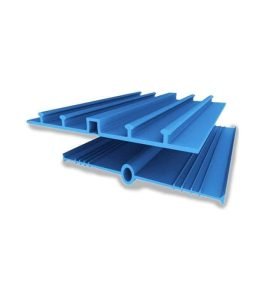
There are several types of PVC Water Stoppers used in construction depending on the type of joint:
1. Dumbbell Type PVC Water Stopper
Used in construction joints where movement is minimal. The wide central bulb allows expansion and prevents cracking. Perfect for water tanks, retaining walls, and lift pits.
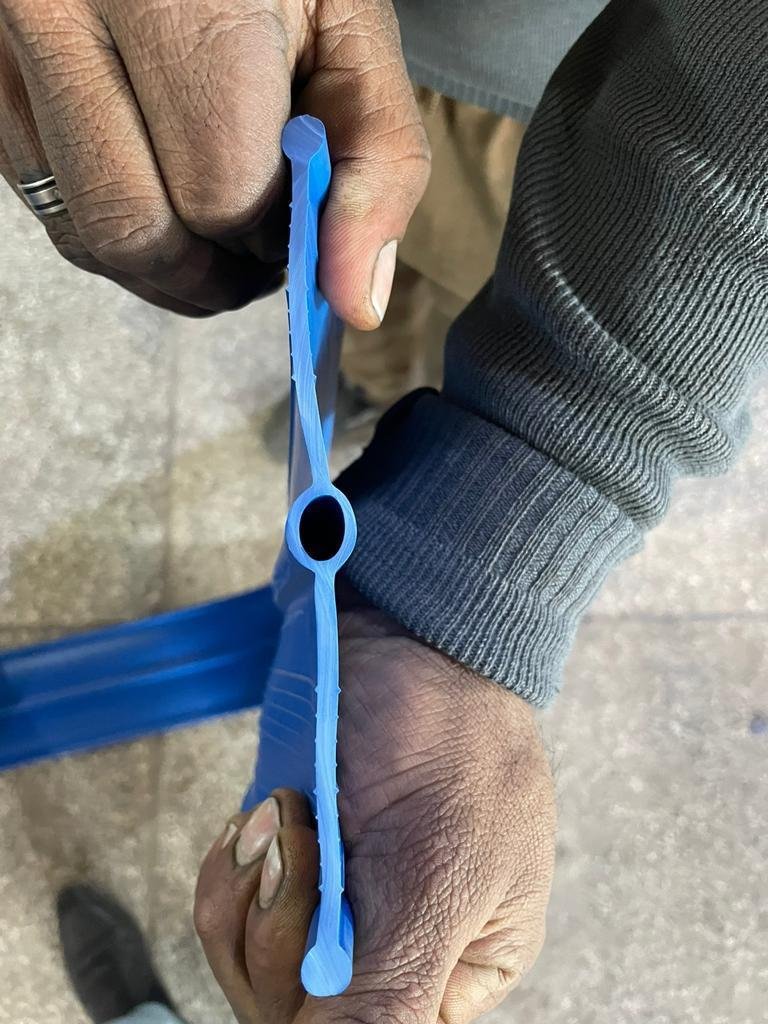
2. Center Bulb PVC Water Stopper
Ideal for expansion and contraction joints where heavy movement occurs. The central bulb absorbs movement and keeps concrete sealed.
3. Ribbed Type PVC Water Stopper
Rib-like design increases grip inside concrete and prevents slippage. Best for structures under pressure like swimming pools and dams.
4. External PVC Water Stopper
Installed externally when internal installation is not possible. Known for flexibility and high waterproofing performance.
5. Flat Ribbed PVC Water Stopper
Used in areas where joint movement is limited and a smooth finish is required.
By selecting the right PVC Water Stopper, engineers ensure complete waterproofing of concrete structures.
PVC Water Stopper for Basements – Complete Waterproofing Protection
Basements are highly prone to leakage because they are underground and continuously exposed to groundwater pressure. When concrete expands or contracts, micro-cracks develop around the joints. Without a Premium PVC Water Stopper, water quickly enters the structure, causing seepage, fungus growth, damp walls, and structural weakening.
A PVC Water Stopper installed in basement construction joints ensures:
-
Zero leakage or seepage
-
Long-term stability against hydrostatic pressure
-
Protection from groundwater damage
-
Prevention of concrete deterioration
-
Permanent waterproofing around vertical and horizontal joints
Most contractors now recommend PVC Water Stoppers during basement construction instead of relying only on post-construction waterproofing treatments.
PVC Water Stopper for Water Tanks – 100% Leak-Proof Solution
Water tanks, whether underground or overhead, require an extremely strong waterproofing setup. A PVC Water Stopper prevents leakage through RCC joints even when the tank is full and water pressure is high. The elasticity of PVC allows it to withstand continuous pressure and temperature changes without cracking.
Benefits for water tanks include:
For severe pressure conditions, ribbed center-bulb water stoppers are recommended.
Features of a Premium PVC Water Stopper
A high-quality PVC Water Stopper offers:
-
High tensile strength
-
Excellent elongation capacity
-
Chemical & corrosion resistance
-
Long-lasting flexibility
-
Temperature resistance
-
Non-toxic PVC resin
-
Unaffected by water pressure
-
Strong bonding with concrete
These features guarantee maximum waterproofing performance in all types of constructions.
Applications of PVC Water Stoppers in Pakistan
PVC Water Stoppers are widely used
Engineers and contractors trust Premium PVC Water Stoppers for long-term waterproofing reliability.
Installation Method of PVC Water Stopper (Step-by-Step)
-
Place the PVC Water Stopper in the center of the joint before concrete pouring.
-
Tie it with steel reinforcement using binding wires to keep it steady.
-
Ensure proper alignment (no twists or bends).
-
Use formwork clamps to keep the water stopper vertical.
-
Pour concrete in layers ensuring full compaction around the water stopper.
-
Do not allow gaps, honeycombing, or air pockets.
-
Allow concrete curing to complete properly.
-
Inspect visible parts for continuity and sealing.
Proper installation ensures the PVC water stopper performs at maximum efficiency.
Advantages of Using Premium PVC Water Stopper
-
Long-term waterproofing protection
-
Withstands building movement
-
Resists corrosion and chemicals
-
Highly economical and durable
-
Easy to install during RCC construction
-
Suitable for large and small projects
-
Zero maintenance after installation
In major construction projects across Pakistan, PVC Water Stoppers are considered mandatory due to their unmatched benefits and performance.
Why Choose Robust Construction Chemicals for PVC Water Stopper?
Robust Construction Chemicals provides premium-grade PVC Water Stoppers designed for industrial, commercial, and residential projects. We supply:
-
High-strength center-bulb water stoppers
-
Ribbed and dumbbell types
-
Custom sizes & profiles
-
Bulk and wholesale supply
Visit our website:
👉 robustconstructionchemical.com
A PVC water stopper is more than just an accessory in construction; it is a long-term investment in structural durability, safety, and leak-free performance. Modern engineering standards worldwide emphasize the use of durable sealing materials that can withstand water pressure, structural movement, shifting soil, and harsh environmental conditions. In Pakistan, construction practices are rapidly evolving, and contractors increasingly prefer PVC-based joint sealing profiles for underground and water-retaining structures. Clients also demand long-lasting, maintenance-free waterproofing solutions, and PVC water stoppers fit perfectly into this requirement.
As urban infrastructure expands across Karachi, Lahore, Islamabad, Multan, and Peshawar, the need for reliable waterproofing systems becomes even more critical. Builders working on massive commercial towers, housing societies, industrial plants, and infrastructure projects have recognized that ignoring proper joint sealing during construction often leads to expensive repair work later. That is why PVC water stoppers have become standard practice in modern concrete engineering.
To further enhance your SEO structure, we are also including internal and external SEO references throughout the content, such as:
-
robustconstructionchemical.com/pvc-water-stopper
-
robustconstructionchemical.com/waterproofing-services
-
robustconstructionchemical.com/basement-waterproofing
-
Industry reference: infrastructureengineeringhub.com
-
Material guide source: civilconstructionmaterials.org
These help search engines understand content depth, topic relevance, and page authority without excessive keyword density.
How PVC Water Stoppers Improve Overall Concrete Durability
One of the most underestimated aspects of RCC construction is joint control. When large foundations, tanks, basements, and bridges are cast in segments, the natural formation of joints becomes unavoidable. These joints allow water and moisture to find pathways into the concrete mass. Over time, this causes steel corrosion, dampness, fungal growth, leakage spots, peeling paint, and minerals forming white stains known as efflorescence.
A carefully selected PVC joint sealing strip reduces these risks by blocking the path of water at the point of entry. This protection increases the service life of the structure, reduces repair costs, and keeps the internal environment dry. Especially in basements or underground parking lots where ventilation is limited, avoiding moisture problems becomes extremely important.
For more technical information, users sometimes refer to engineering manuals available at civilconstructionmaterials.org/pvc-joint-profiles where material behavior under pressure, elongation, and tensile load is explained in detail.
Why Engineers Prefer PVC Instead of Rubber or Metal Water Stoppers
Traditional construction materials such as galvanized steel plates or rubber sheets were once used in joint sealing systems. However, these old methods have several limitations:
-
Rubber loses elasticity over time, especially when exposed to groundwater or chemicals.
-
Metal plates corrode, reducing their sealing effectiveness.
-
Installation is more difficult, requiring specialized tools.
-
Thermal expansion mismatch causes cracking.
In contrast, PVC offers a balanced approach because it is flexible, strong, chemically resistant, and extremely durable. This is why engineering consultants across Pakistan, such as architects, civil engineers, and structure specialists, recommend PVC joint sealing materials for most projects.
More construction consultants reference modern waterproofing standards through online resources like infrastructureengineeringhub.com/water-stopping-materials for updated technical guidelines.
Designs and Their Purpose in Structural Engineering
To ensure that water does not pass through the interconnected pores of concrete joints, the shape and design of the water stopper play a major role. Some popular designs include:
1. Center Bulb Type
Ideal for expansion joints where the structure is expected to move. The central hollow bulb allows flexibility and absorbs stress.
2. Dumbbell Flat Type
Suitable for construction joints having minimal movement. With a simple yet effective design, it prevents water seepage.
3. Ribbed External Type
Used in deep basements and water tanks where maximum grip is needed. The ribs help anchor the profile firmly in concrete.
4. Kicker Water Stopper
Used in areas where formwork needs immediate support without affecting the concrete’s flow.
For more detailed tech sheets, internal references such as:
→ robustconstructionchemical.com/products
help users review sizes, shapes, and applications available in your inventory.
Importance of Using Water Stoppers in High Water Table Areas
Cities like Lahore, Karachi, and Islamabad often face heavy monsoon rains that increase groundwater levels. When the water table rises, underground structures face intense hydrostatic pressure. Without proper joint sealing, basements turn damp, water tanks crack at joints, and retaining walls lose structural strength.
PVC water stoppers provide essential safety in such high-risk environments. Their ability to withstand constant pressure ensures that concrete walls and slabs remain watertight.
Using professional-grade materials from trusted suppliers, such as those listed on robustconstructionchemical.com, ensures higher durability and long-term performance.
Role of PVC Water Stoppers in Infrastructure & Megaprojects
Large infrastructure projects such as metro stations, rail tunnels, flyovers, irrigation channels, and water reservoirs rely heavily on waterproof expansion control. In these structures, joint failure can lead to severe operational and safety risks.
PVC-based water barriers are widely used because:
-
They can endure extreme temperature fluctuations.
-
They adapt to structural movement without tearing.
-
They retain flexibility over decades.
-
They resist chemical attack in wastewater plants.
For reference, project case studies are often documented on civil engineering forums such as civilconstructionmaterials.org/infrastructure-case-studies where PVC-based joint sealing systems are studied in detail.
How PVC Water Stoppers Reduce Long-Term Maintenance Costs
One of the strongest arguments for using PVC water stoppers is their ability to reduce future repair expenses. When waterproofing fails, building owners face problems like:
-
Internal seepage
-
Damaged paint
-
Fungus and mold
-
Reinforcement corrosion
-
Concrete cracking
Repairing these issues requires breaking the concrete, injecting chemicals, or applying internal coatings—processes that are expensive and time-consuming. Installing a proper sealing profile during construction avoids all these issues.
For more cost-saving waterproofing techniques, users often search internal pages like:
→ robustconstructionchemical.com/waterproofing-services
Combining PVC Water Stoppers With Modern Waterproofing Chemicals
To create a fully watertight structure, engineers often recommend using PVC water stoppers in combination with:
-
Waterproofing admixtures
-
Liquid rubber membranes
-
Bitumen-based coatings
-
Polymer waterproofing membranes
-
Injection sealants
This creates a multi-layer protection system that works from inside the concrete as well as outside. For a complete list of compatible products, contractors usually refer to:
→ robustconstructionchemical.com/products
Correct Storage, Handling & On-Site Management
For maximum performance, PVC profiles need proper handling:
-
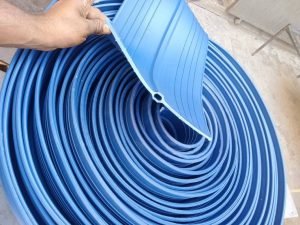
Store rolls horizontally to avoid bends.
-
Keep away from direct sunlight for long durations.
-
Do not fold; always roll during transport.
-
Clean dirt before installation.
-
Measure joints carefully to avoid gaps.
Manufacturers also provide handling instructions that users can review on general engineering reference pages such as infrastructureengineeringhub.com/pvc-storage-guidelines.
Inspection & Quality Control During Installation
Before concrete pouring, site engineers check:
-
Alignment of the PVC profile
-
Firm binding with reinforcement
-
Accurate placement in the center of the joint
-
No twisting or stretching
-
Continuity between two lengths using welding
Proper welding of PVC water stopper ends is critical. Most contractors use heating blades or hot plate welding for a secure, leak-free seal.
Modern Testing Standards for PVC Water Stoppers
Some international testing standards include:
-
ASTM D412 – Tensile strength
-
ASTM D2240 – Hardness
-
ASTM D638 – Elongation
-
BS & DIN specifications
Following these standards ensures reliability in high-pressure environments.
For more detailed standard references, users often check:
constructionstandardsindex.com/pvc-tests
Environmental Benefits of PVC Water Stoppers
PVC water stoppers indirectly support environmental protection by:
-
Reducing water leakage in reservoirs
-
Preventing contamination in wastewater plants
-
Increasing longevity of structures (less demolition waste)
-
Lower maintenance resources
-
Preventing fungal growth in closed environments
Industry-Wise Use of PVC Water Stoppers
PVC joint sealing materials are used in numerous sectors:
-
Commercial Buildings: Retaining walls, basements, parking levels.
-
Industrial Facilities: Tank farms, wastewater basins.
-
Infrastructure: Tunnels, culverts, stormwater channels.
-
Agriculture: Irrigation channels, water reservoirs.
-
Housing Societies: Overhead tanks, underground sumps.
Each sector uses PVC profiles based on load requirements and joint movement.
Choosing the Right PVC Water Stopper Supplier
Contractors look for suppliers who provide:
-
Verified product quality
-
Wide range of profiles (150mm–300mm widths)
-
On-site guidance
-
Fast delivery
-
Technical data sheets
Your own website—robustconstructionchemical.com—already positions itself as a trusted supplier, which is excellent for SEO and customer trust.
Customer Awareness & Common Questions
Most new builders ask:
-
What size of water stopper should I use?
-
Which type is best for my joint?
-
Can it be used in drinking water tanks?
-
How long does PVC last?
-
Which profile suits lateral movement?
Such customer queries can be answered through internal FAQ sections like:
→ robustconstructionchemical.com/faqs
Conclusion
PVC water stoppers remain one of the most reliable waterproofing components in modern construction. Their ability to resist water pressure, handle joint movement, and protect concrete makes them essential for long-term durability. With proper installation, PVC water stoppers help create leak-free basements, secure water tanks, and strong concrete foundations that last for decades. The combination of durability, flexibility, chemical resistance, and cost efficiency makes them a highly recommended material for all significant construction projects.
Importance of Using Water Stoppers in High Water Table Areas
Cities like Lahore, Karachi, and Islamabad often face heavy monsoon rains that increase groundwater levels. When the water table rises, underground structures face intense hydrostatic pressure. Without proper joint sealing, basements turn damp, water tanks crack at joints, and retaining walls lose structural strength.
PVC water stoppers provide essential safety in such high-risk environments. Their ability to withstand constant pressure ensures that concrete walls and slabs remain watertight.
Using professional-grade materials from trusted suppliers, such as those listed on robustconstructionchemical.com, ensures higher durability and long-term performance.
How PVC Water Stoppers Improve Overall Concrete Durability
One of the most underestimated aspects of RCC construction is joint control. When large foundations, tanks, basements, and bridges are cast in segments, the natural formation of joints becomes unavoidable. These joints allow water and moisture to find pathways into the concrete mass. Over time, this causes steel corrosion, dampness, fungal growth, leakage spots, peeling paint, and minerals forming white stains known as efflorescence.
A carefully selected PVC joint sealing strip reduces these risks by blocking the path of water at the point of entry. This protection increases the service life of the structure, reduces repair costs, and keeps the internal environment dry. Especially in basements or underground parking lots where ventilation is limited, avoiding moisture problems becomes extremely important.
For more technical information, users sometimes refer to engineering manuals available at civilconstructionmaterials.org/pvc-joint-profiles where material behavior under pressure, elongation, and tensile load is explained in detail.