Original price was: ₨ 1,600.₨ 1,500Current price is: ₨ 1,500.
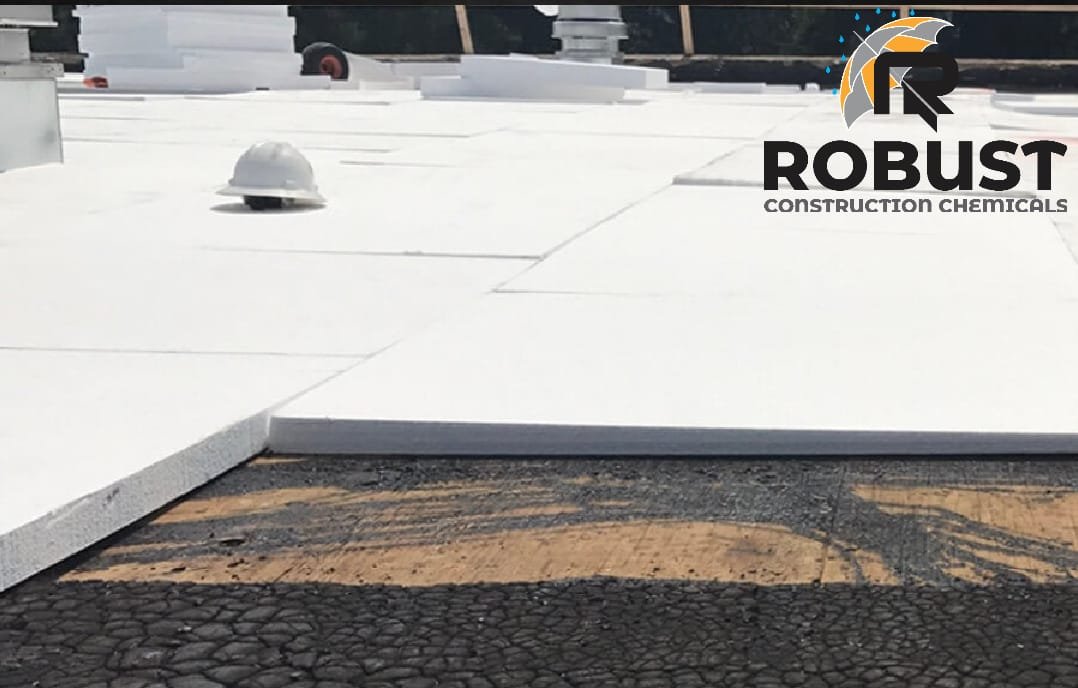
Robust EPS (Expanded Polystyrene) sheets, commonly known as thermocol, offer excellent thermal insulation, lightweight properties, and durability. Ideal for packaging, construction, and insulation applications, these sheets are highly versatile and eco-friendly.
Description
“Robust Grade” / Upgraded Specification for Demanding Uses
Robust EPS (Expanded Polystyrene) sheets, popularly referred to as thermocol, are a premium solution for a variety of applications, including construction, insulation, and packaging. Manufactured using advanced technology, these sheets provide superior thermal insulation, ensuring energy efficiency and comfort. Their lightweight nature makes them easy to handle, install, and transport, while their robust structure ensures long-lasting durability.
These sheets are highly resistant to moisture, chemicals, and weathering, making them ideal for use in both indoor and outdoor environments. Widely used in building insulation systems, they help maintain stable indoor temperatures, reducing energy costs. Additionally, their shock-absorbing properties make them perfect for packaging fragile and valuable items.
Eco-friendly and customizable in size and thickness, Robust EPS sheets are a reliable and sustainable choice for various industrial and personal applications.
What is an EPS / Thermocol Sheet
-
“Thermocol” is a common name in Pakistan for rigid foam boards made of expanded polystyrene (EPS). E.g., a supplier: “THERMOCOL EPS Sheets – Cut sheets (insulation panels) … in Cavity Wall, Roof top, duct and floor insulation, void filling and packaging applications.”
-
EPS sheets are lightweight, closed‑cell foam insulation boards made by pre‑expanding polystyrene beads and moulding or cutting into sheets. They provide thermal insulation, some structural support (depending on density), moisture resistance, etc.
Typical Specifications in Pakistan (Standard / Good Grade)
Here are example specification ranges you’ll find locally:
| Parameter | Typical Range / Example | Notes |
|---|---|---|
| Density | ~ 12‑30 kg/m³ (for many sheets) | Standard insulated sheet, lower strength. |
| Size / Sheet dimensions | Common sizes: 1 m × 1 m, 1 m × 2 m, 4 ft×4 ft, 6×4, 8×4, even up to 24×4 (ft) for large panels) | Large boards reduce joints and wastage. |
| Thickness | From ~½ inch (~12‑13 mm) up to 30″ (~750 mm) in some cases. | Thickness chosen by insulation requirement. |
| Thermal performance | One local study: use of thermocol/EPS sheets reduced indoor roof zone temp by ~8 °C compared to conventional roof. | Good indicator of value. |
| Water / moisture resistance | Closed‑cell EPS resists water absorption, retains performance in damp conditions. | Important for roof / wall applications. |
“Robust Grade” / Upgraded Specification for Demanding Uses
Since you are in waterproofing & heat‑proofing business, for “robust” usage (e.g., roof insulation under topping, high‑load floor build‑ups, cold storage, sandwich panels) you may want upgraded EPS sheets with higher performance:
-
Density: Target ~ 35‑45 kg/m³ (or higher) rather than standard 12‑30. For example, one product “THERMOPORE‑BLUE® Insulation Sheets” in Pakistan: manufactured at min 35 kg/m³ density.
-
Closed‑cell percentage / bead adhesion: Upgraded materials might include additives for higher compressive strength, better water‑vapour resistance. Example: Thermopore‑Blue adds carbon compound filler for better adhesion.
-
Compressive strength: While not always listed explicitly, for floor/roof with traffic or topping, the sheet must handle load without deformation. Look for specs or manufacturer data.
-
Fire‑retardant / flame‐resistant grade: Since EPS is combustible unless treated, for commercial buildings check for FR rated version.
-
Long‑term stability: Warranty for insulation value retention may indicate quality. For example “life time warranty of insulation value retention” appears in product spec.
Benefits for Your Waterproofing & Heat‑Proofing Business
-
Improved thermal insulation: Using EPS sheets under your waterproofing system will reduce heat gain (in summer) or heat loss (in winter) substantially. Local data: thermocol sheets reduced zone air temperature by ~8°C.
-
Lightweight: Easy to handle, transport, and install — reduces dead load on structure.
-
Compatibility with waterproofing & finishing layers: As you supply waterproofing chemicals and systems, pairing with EPS adds value — roof build‑ups: substrate → EPS sheet → waterproof membrane → protective screed/finish.
-
Moisture resistance: Good EPS will resist water vapor, helping protect waterproof membrane and underlying structure from humidity.
-
Versatility: Can be used for roofs, walls, false ceilings, cold rooms, sandwich panels, etc. Good for diverse projects.
Limitations / Things to Watch Out
-
Even “robust grade” EPS, while strong, has limits. Under heavy point loads (e.g., rooftop equipment, heavy traffic) you may need higher compressive strength or load‐distributing layer.
-
Fire hazard: Unless fire retardant treated, EPS is combustible — verify local building/ fire code compliance.
-
UV exposure / direct sun: Although insulated, outer finishing may be needed to protect foam from heating or degradation.
-
Jointing/thermal bridging: Sheets with many joints or poor edge sealing reduce insulation performance.
-
Compatibility with adhesives/solvents: Some waterproofing finishes or adhesives might affect EPS (e.g., solvent‐based adhesives that attack polystyrene) — ensure compatibility.
-
Recyclability / environmental concerns: EPS is recyclable but local waste‑management may be limited — good to highlight ecological claims.
Specification Checklist for Procurement
When selecting EPS sheets for your projects, specify or check:
-
Density (kg/m³) and compressive strength (kPa)
-
Thermal conductivity (λ value) or R‑value for thickness requested
-
Water absorption / vapour permeability data
-
Fire‑retardant grade or certification (if needed)
-
Sheet size & thickness — minimize joints where possible
-
Edge profile, whether interlocking or overlapping sheets are offered (reduces thermal bridging)
-
Manufacturer’s warranty or retention of R‑value over time
-
Compatibility with your waterproofing membranes/chemicals
-
Local availability (stock in Lahore/Karachi) & delivery logistics
-
Cut‑to‑size or custom profiles if required for projects
Example Local Product(s)
-
“THERMOPORE‑BLUE® Insulation Sheets” by Industrial Enterprises (Pvt) Ltd Pakistan: Standard density 35 kg/m³ and above; “97.3% closed‑cell foam made from pre‐expanded polystyrene beads”.
-
“THERMOCOL EPS Sheets – Cut Sheets” by Thermocol (Pakistan): Can be manufactured densities 12‑40 kg/m³, thickness from 0.5″ up to 30″, sizes from 1m × 1m etc.
Recommendation for Your Business Applications
Given your business is waterproofing & heat‑proofing, here are some suggested targeted specifications and application guidance:
-
For flat roof insulation under new waterproofing system in Lahore climate: Use EPS sheet density ~35 kg/m³, thickness ~50‑75 mm (2″‑3″) to provide meaningful insulation.
-
For floors (if you place screed on top) or roof terraces with pedestrian traffic: Use higher density EPS sheet (35‑45 kg/m³) and specify compressive strength accordingly.
-
For retrofits where weight must be minimized: Use thinner high‑density EPS and integrate into your waterproofing overlay system.
-
For cold‐storage / refrigerated rooms: Use EPS sheet of higher density (maybe 40‑50 kg/m³), ensure exact thickness per thermal load, and ensure moisture barrier underneath.
-
Always provide edge‐sealing, staggered joints, and cover the EPS with waterproof membrane (your specialty) plus protective finish to shield from sunlight and mechanical damage.
1. Introduction: What are EPS sheets / thermocol sheets
Expanded Polystyrene (EPS) is a rigid, closed‑cell foam made from polystyrene beads that are pre‑expanded (typically with a blowing agent such as pentane) and then moulded or cut into blocks or sheets. In many markets (including Pakistan) such foam boards/sheets are often called “thermocol sheets” when used for insulation or building purposes.
The typical manufacturing process: raw polystyrene beads are pre‑expanded, steam‐cured, they expand into a foam ball, then these are moulded, fused, cut to boards. The material is largely air (trapped bubbles), which provides low thermal conductivity.
EPS sheets are used widely as insulation boards for roofs, walls, floors, sandwich panels, cold storage, under screed, etc. In your domain—waterproofing & heat‑proofing—they offer a cost‑effective thermal insulation layer that can be integrated with membranes / coatings for combined performance.
In Pakistan the term “thermocol” is commonly used for sheet form EPS insulation. For example, one supplier describes: “THERMOCOL EPS cut sheets (insulation panels) … in cavity wall, roof top, duct and floor insulation, void filling and packaging applications.”
“Robust” in this context means a specification suitably high for demanding applications (e.g., roof insulation under waterproofing, floor build‑up under traffic, industrial building roof with external loads) rather than simple low‑density insulation used for non‑structural applications. We will explore what “robust” means in terms of density, compressive strength, durability, fire rating, etc.
2. Material properties and performance benchmarks
When choosing robust EPS sheets, you need to check and specify a range of physical, thermal and structural properties. Below are key parameters, typical ranges, and what constitutes “robust” performance.
2.1 Density / Bulk Density
-
The density (often expressed in kg/m³) of EPS sheets strongly influences compressive strength, durability, dimensional stability, and cost. Low densities cost less but bring lower strength and durability.
-
Many standard EPS sheets may have densities in the ~12‑30 kg/m³ range. For instance: one Pakistani website states “THERMOCOL EPS sheets can be manufactured from 12‑40 kgs/m3, special densities can be manufactured on demand.”
-
For enhanced (robust) applications a higher density is desirable: e.g., the “THERMOBOARD®” product from a Pakistani manufacturer reports density of 35‑38 kg/m³. Specification documents: one manufacturer’s technical manual shows “Thermopore‑BLUE® High Density EPS Sheets … produced at a standard high density of 35kg/m³ … thickness 0.5″ to 30″.”
-
Therefore, as a guideline: For “robust” roof/floor insulation under load you might target densities of ≈ 35‑45 kg/m³ or more depending on loading, rather than the minimum insulation densities used for lighter duty.
2.2 Thermal Conductivity (λ) / R‑Value / Thermal Resistivity
-
Thermal conductivity (λ) is the rate at which heat passes through the material; the lower the λ, the better the insulation. Thermal resistivity (or R‑value) is the reciprocal (in some units) and essentially indicates insulation performance.
-
Example: The “THERMOBOARD®” spec lists thermal conductivity = 0.026 W/(m·K) (density 35‑38 kg/m³) in the Pakistani market. Other generic sources: for EPS foam material in Europe: λ approx 0.020‑0.040 W/(m·K) (depending on density) per one technical source.
-
For roof specification manuals (e.g., Canadian/US): They refer to EPS board thermal resistance of RSI ≈ 0.74 per 25 mm (≈ R‑4.27 per inch) for heavier loads.
-
In your local context: a thermal conductivity of ~0.026‑0.030 W/(m·K) or R‑value of ~R‑4.5 to R‑5 per inch would be considered good for robust insulation.
-
The insulation value must be matched to thickness for your climate and energy‑saving goals. For Lahore/Pakistan (hot climate) you’ll want sufficient thickness to reduce roof heat gain considerably.
2.3 Compressive Strength / Load Bearing Capacity
-
For insulation boards that will underlie floors, roofs subject to traffic, topping screed, ballast, equipment etc., compressive strength is a key spec.
-
One source for EPS sheet: compressive strength ~290 kPa (≈ 42 psi) for density ~35‐38 kg/m³.
-
In Europe, generic EPS grades: For density 30 kg/m³, compressive strength might be ~70 kPa at 10% deformation (per Isover data) – though that is lower grade.
-
For “robust” usage under load, you should specify compressive strength that meets project flat roof loads or floor loads plus safety factor. For example, flat roof with pedestrian access + screed might require >150‑200 kPa (or more) depending on topping.
-
One spec from a roofing board manufacturer: “Compressive Strength @10% (kPa): 150” for a high density EPS board.
-
In your country context, to ensure long term durability and minimize deflection, specifying compressive strength in the range of 250‑300 kPa (or higher) is desirable for “robust” sheets.
2.4 Water Absorption / Moisture Resistance
-
One of EPS’s advantages is low water absorption compared to many other insulation materials (though not as good as XPS in some cases).
-
Example: For the “THERMOBOARD®” Pakistani product: Water Absorption (ASTM C‑578) immersion = 0.15%. Very low.
-
Typical values for water absorption in EPS: Some sources mention 0.5‑1.5% by volume absorption for densities ~15‑30 kg/m³ when tested under standard conditions. For roof applications especially, you must also consider vapour permeability, risk of moisture ingress, and condensation issues. One spec: water vapour permeance = 0.3 mg/m² (for the 35‑38 kg/m³ board) (Pakistani spec).
-
For “robust” usage ensure that the sheet has closed‐cell formation, low water absorption, and that in your local climate of high humidity and intense sun (Lahore), you integrate with a good waterproofing membrane.
2.5 Fire Rating / Combustibility
-
Standard EPS is combustible unless treated or supplemented with flame retardant additives. In many jurisdictions building codes require fire‑retardant (FR) or Class B1/B2 or ~Euroclass E or better.
-
A German expert article notes: EPS is open‐pored compared to XPS; “EPS can only be used as flat roof insulation under the waterproofing” (which implies additional protection layer needed).
-
One Indian supplier of EPS sheets states “Fire Retardant (Available in Self‑Extinguishing Grade)”.
-
In your context (building insulation in Pakistan) you should ensure the EPS sheets are either fire‑retardant grade or incorporated with a protective layer, depending on local building/ fire code requirements.
-
It is wise to request certification or compliance documentation (ASTM, ISO, national code) from supplier.
2.6 Dimensional Stability, Aging, Thermal Drift
-
One of the advantages of EPS for roof insulation: It “has no thermal drift and does not use blowing agents that diffuse out of the insulation; R‑Values remain stable over its entire life.” (Source: EPS roof insulation page)
-
Dimensional stability (expansion/contraction) matters for rooftop applications where daily temperature variation is large; the spec for one board: coefficient of linear thermal expansion = 0.07 mm/m·K (Pakistani spec).
-
Check manufacturer’s warranty; one local product promises “+25 years” useful life for the board.
-
Bending strength (flexural strength) is also relevant if the board is subject to point loads or in floor assemblies. E.g., the “THERMOBOARD®” spec lists bending strength = 110 psi (~758 kPa) for the 35‑38 kg/m³ board.
-
Also consider edge profiles (e.g., tongue‑and‑groove, bevelled edges) or interlocking sheets to reduce thermal bridging and ease of installation.
-
Sound insulation: EPS is not a good sound absorber (due to closed‑cell structure) but can provide some acoustic benefit when combined with other layers.
2.8 Thickness & Board Size
-
Thickness is a key determinant of insulation performance (R‑value) once other material properties are fixed. You must choose thickness based on your thermal load calculation.
-
Example local board: thickness available from 0.5″ (~12.5 mm) to up to 30″ (~750 mm) in some Pakistani manufacture spec.
-
Board size / dimensions: One supplier lists sizes 8′×4′, 6′×4′, 4′×4′, 2 m × 3 m etc.
-
Larger boards reduce number of joints and installation time; for “robust” applications aim for large standard board size (4 ft×8 ft or metric equivalent) where feasible.
-
In addition to thickness, consider layering (for example, multiple boards with offset joints) to improve thermal bridging resistance.
3. Why EPS sheets / Thermocol are relevant for waterproofing & heat‑proofing business
Given your company is focused on waterproofing and heat‑proofing chemicals and systems, integrating robust EPS thermocol sheets offers a number of key benefits and synergies:
3.1 Thermal insulation & energy savings
-
In climates like Lahore (hot summers, high solar load) a major portion of heat arrives via the roof. Insulating the roof with EPS sheets can reduce heat transfer into the structure, thereby reducing air‐conditioning load, improving comfort and lowering energy consumption.
-
Example from a local study: Use of thermocol/EPS sheets in a roof reportedly reduced indoor zone temperature by ~8 °C compared to conventional roof build‐up. (Lahore conference paper)
-
Thus, by adding EPS insulation under or above the waterproofing layer, you offer both waterproofing and thermal control — an enhanced value proposition to clients.
3.2 Lightweight structure and ease of installation
-
EPS sheets are very light compared to heavy insulation boards or masonry additions. This reduces dead load on roofs and structures, which is important in retrofit scenarios.
-
For example, one EPS sandwich panel spec (density ~16‑21 kg/m³) lists reduced weight as a benefit.For field installation this means faster labor, less structural reinforcement, and less risk of structural overload.
3.3 Compatibility with waterproofing systems
-
A good waterproofing system often requires a stable substrate. EPS sheets provide a stable, smooth, dimensionally stable surface for application of waterproof membranes/coatings. In roof build‑up you might have: existing deck → EPS sheet layer → waterproof membrane → protection layer/ballast.
-
Further, since EPS has low moisture absorption, it protects the waterproofing membrane from thermal cycling and condensation damage.
3.4 Versatility across different application types
-
EPS sheets can be used on roofs, walls, floors, ceilings, cold‐storage rooms, sandwich panels, void filling etc. For your waterproofing/heat‐proof business this versatility allows you to offer expanded services. For example: cold storage insulation (EPS + waterproofing), roof insulation (EPS + waterproofing membrane), external wall insulation (EPS + render + waterproof coating).
-
One local supplier lists multiple uses: “cut sheets (insulation panels) … cavity wall, roof top, duct and floor insulation, void filling…”
3.5 Cost‑effectiveness
-
Compared to more expensive insulation materials (like PIR, polyiso, some high‐density XPS), EPS often offers good value per unit R‐value. One comparison document lists “Cost per R‑value” for EPS vs other insulation in Pakistan. For example: EPS (density ~35 kg/m³) cost per R‑value ~Rs 4.79 / (F·ft²·h/Btu) in one Pakistani product.
-
This means that for many standard roof insulation projects in Pakistan, EPS is an economically viable choice while still delivering good insulation.
3.6 Long life and durability (when properly selected)
-
When manufactured and installed properly, EPS boards can have long useful life. For example one local manufacturer guarantees +25 years useful life for their high density EPS board.
-
UV exposure, moisture and mechanical damage are the main durability issues — but with proper design these can be mitigated.
-
Because EPS does not rely on blowing agents that diffuse over time (unlike some other rigid foams), the thermal performance remains stable.
4. Sourcing & procurement: What to specify and what to check
In your procurement of EPS thermocol sheets (for integration into your waterproofing/heat‑proofing systems) you should prepare a specification sheet and evaluation checklist for suppliers. Here’s a detailed breakdown:
4.1 Specification sheet – what you should ask from supplier
Include the following minimum attributes in your specification (you may adjust numbers based on project or cost constraints):
-
Material: Expanded Polystyrene (EPS) foam board / sheet.
-
Density: e.g., ≥ 35 kg/m³ (for robust grade).
-
Thermal conductivity (λ) at a given temperature (e.g., 10 °C): specify e.g., ≤ 0.026 W/(m·K).
-
Thermal Resistivity / R‑value: Provide manufacturer’s R‑value per inch or per mm.
-
Compressive Strength: At 10% deformation (kPa) or at a specific load. E.g., ≥ 250‑300 kPa.
-
Bending Strength / Flexural strength if required.
-
Water absorption (immersion %), water vapour permeance, closed‐cell content (e.g., 97% closed cells). E.g., <0.2% absorption.
-
Fire Rating: Specify the grade required (fire‑retardant, self‑extinguishing, class B1/B2 or local equivalent). Provide certificates.
-
Dimensions: board thickness (mm or inches), board width/length (e.g., 8′×4′, 4′×4′ or metric equivalent). Provide size options and tolerances.
-
Edge profile: list interlocking/tongue‑and‑groove or straight edge; mention if overlapping edges.
-
Warranty: Useful life (e.g., 25 years), R‑value retention over time, manufacturer’s guarantee.
-
Surface finish / smoothness: For good adherence of waterproofing membrane.
-
Compatibility: Confirm the board is compatible with adhesives, membranes, coatings used in your waterproofing business (no solvents that damage EPS).
-
Scope of supply: Boards only, or boards pre‑cut, or custom size, plus packaging, transport to site.
-
Installation instructions: Provide for how to install board, fix joints, interface with waterproofing layer, safe handling etc.
-
Delivery & logistic: Lead time, stacking limitations, moisture protection during transit.
-
Storage & handling: On site storage instructions to protect from sunlight, rain, mechanical damage.
-
Sustainability: Statement on CFC/HCFC free, recyclability, environmental impact. For example, “no CFCs or HCFCs used” is listed in one spec.
-
Manufacturer’s technical datasheet/s. For example: “Thermopore Company Profile” lists thickness, density, sizes, life warranty.
-
Independent test reports: For compressive strength, thermal conductivity, water absorption.
-
Fire‑rating certificates or compliance with local building code.
-
Warranty statement: number of years, conditions.
-
Manufacturing plant location, quality control procedures (e.g., EPS roof insulation manufacturer emphasises “random sampling by outside independent laboratories” for quality assurance)
-
Supply & logistics: best to check local stock availability in Lahore/Karachi etc (to avoid import delays).
-
Prior project references: Where the boards have been used in roof/wall build‐up in Pakistan or similar climate.
4.3 Site procurement/acceptance criteria
When boards arrive on site:
-
Inspect for damage, warping, deformation, moisture contamination.
-
Check that board thickness, density/grade, size match specification.
-
Check that joints/edges are clean and free from major defects.
-
Ensure storage: Boards should be stacked flat, off ground, protected from direct sun, rain, wind, to avoid distortion or moisture ingress.
-
Fix boards quickly into correct build‑up of waterproofing system to avoid exposure.
-
Keep records of lot numbers, dates of manufacture.
4.4 Cost & value analysis
-
Compare cost per unit area and cost per R‑value. For example: in Pakistan one board spec quoted cost Rs 28/sq ft per inch thickness for their board.Calculate how much insulation thickness you need for your thermal target (e.g., reducing roof heat gain by X°C). Then compute total cost for board + installation + waterproofing interaction.
-
Evaluate lifecycle cost: Given energy savings via reduced HVAC load, specifying high performance EPS board may pay back via reduced electricity, greater comfort, longer lifespan of waterproofing system (because substrate is less thermally stressed).
-
Include logistic and handling costs for Pakistan (transport from supplier to Lahore site).
-
Consider cost implications of board disposal or recycling (if future replacement) though EPS is recyclable.
4.5 Local market factors (Pakistan)
-
Availability: Some local manufacturers (e.g., in Lahore) produce EPS sheets, which reduces import cost and leadtime. Example: Industrial Enterprises (Pvt) Ltd in Lahore produces “Thermopore” series EPS boards.
-
Sizes and thickness: Local boards may be offered in thicknesses 0.5″ to 30″ (i.e., ~12 mm to ~750 mm) and sizes 8′×4′ etc. Check that supplier can meet custom sizing if you need large widths for fewer joints.
-
Climate: Pakistan’s hot and humid climate (especially Lahore) means roof insulation must block solar heat gain and handle daily temperature swings. Higher thickness may be needed vs cooler climates.
-
Construction practice: Integration with waterproofing systems typical in Pakistan roof construction—make sure installers are aware of board handling, fixings, and joint sealing appropriate for local labour skills.
-
Import tariffs & logistics: If importing high‑density or specialty EPS boards, consider duties, shipping, customs clearance, storage.
-
Local building code: Verify fire and insulation requirements for Pakistani commercial buildings; ensure EPS board meets or exceeds local code (fire rating may be important).
-
Labour & installation: Ensure contractors/installation teams understand use of EPS boards under membrane, correct fixing methods, protection from mechanical damage and sunlight exposure during construction.
-
Marketing: Because you supply waterproofing/heat‐proofing chemicals, offering a combined solution (EPS board + membrane + chemical system) can be a value‐add for clients.
5. Installation & integration with waterproofing/heat‑proofing systems
For your business, the installation details of robust EPS sheets and how they integrate with waterproofing/heat‑proofing systems is critical. Poor installation can undermine performance (thermal bridging, moisture ingress, membrane failure). Below are key practices:
5.1 Typical roof build‑up example
A typical robust roof insulation + waterproofing build‑up might be:
Deck (e.g., concrete slab) → primer/levelling layer → EPS sheet (insulation board) → joints sealed/taped or overlapping edges → waterproofing membrane or coating (your chemical/asset) → protective screed/ballast/tiles as finish or walkable surface.
In some cases, board may be laid above the waterproofing membrane (in inverted roof systems) but for most practical Pakistani new build or retrofit roofs, insulation board under the membrane is common.
5.2 Board fixing and joint treatment
-
Fix boards tightly against each other; avoid gaps or voids between boards that create cold/heat bridges.
-
Use taped or sealed joints (tape, foam sealant, overlapping edges) especially if the board forms part of vapour barrier or air barrier.
-
Ensure board edges are tightly butted to walls, parapets, penetrations; leave space for movement as required.
-
If board is under walking finish (tiles, pavers) ensure relevant fixings for surface load; board must have the compressive strength to support finish loads.
-
In Pakistan’s sun/UV environment: protect EPS boards during installation – avoid long exposure to sun or rain, and ensure boards are installed before membrane to avoid degradation.
5.3 Interface with waterproofing membrane/coating
-
The board surface must be clean, dry, level and firm before applying membrane. Clean off dust, debris.
-
Some membranes use adhesives; ensure those adhesives are compatible with EPS (some solvents may damage polystyrene). Manufacturer’s guidance must be followed. For instance, one technical data sheet warns that EPS is vulnerable to ketones, esters and hydrocarbon chlorides. isover.co.za
-
For liquid‑applied waterproofing (e.g., your chemicals), ensure board edges and transitions (parapets, drains, upstands) are sealed and reinforced properly.
-
In retrofit jobs: If insulation is added over existing membrane, or board placed above the membrane (inverted roof), ensure drainage and ballast systems are properly designed to avoid water saturation of board.
5.4 Protection and finish layer
-
After membrane, you may require a protection layer (e.g., screed, tile finish, pavers) especially where foot traffic or mechanical loads are expected. The board beneath must be strong enough; otherwise you might need a load distribution board above EPS or choose higher density.
-
For rooftops with parapet, drainage, penetrations, solar panels etc, the board must accommodate fixings or provide a “pedestal” or paver system to avoid point loading.
-
Ensure joints between board and waterproofing/trims are compatible, and detail at edges, corners, or roof‑wall junctions is executed properly to avoid leaks and thermal bridging.
5.5 Wall and floor applications
-
Walls (especially external walls): EPS sheet can be used as external insulation (cladding system) or internal insulation behind waterproofing/damp proofing. In such contexts fixings (anchors, adhesives) must accommodate vertical loads (gravity) and wind loads (for external panels).
-
Floors: For ground floor slab or suspended floor where insulation is needed, EPS boards can be laid under screed. Here compressive strength is especially critical; other considerations include moisture ingress from slab, vapour barrier, and load from floor finish/furniture/equipment.
-
Cold storage / refrigerated rooms: In this application, EPS boards are commonly used and combined with vapour barrier membranes and sandwich panel cladding. Board thickness is more than standard; high density ensures lower thermal conductivity and better durability under refrigeration demands.
5.6 Retrofitting and DIY considerations in Pakistan
-
In retrofit roof jobs (e.g., topping up insulation over existing roof) EPS boards are ideal because they are lightweight and can be installed over existing surface without major structural change.
-
But ensure existing roof surface is in sound condition (no major cracks, ponding, moisture ingress) before installing insulation plus waterproofing.
-
Labour skill: In Pakistan some subcontractors may not be familiar with foam board installation under membranes—training is essential for correct execution and warranty preservation.
-
Storage on site: EPS boards are sensitive to direct sun/UV, physical impact, solvents; store boards under cover, off ground, and protect from moisture.
6. Durability, maintenance & performance over time
A robust insulation system needs to perform not only initially, but over decades. Here’s what to consider:
6.1 Longevity and thermal performance stability
-
EPS, unlike some foam boards, does not rely on blowing agents that diffuse out over time; hence it typically has stable R‑value for the life of the board. For example: “EPS roof insulation … R‑Values remain stable over its entire life” (source: ACH Foam).
-
One local product states “Useful life +25 years” for the board.
-
Ensure the waterproofing system above is also properly specified; if the insulation board is undermined by moisture or mechanical damage, performance may degrade.
6.2 Mechanical durability & structural loading
-
In roof or floor applications where the board supports finish layers, foot traffic, ballast, or wind uplift, mechanical durability matters. Higher density boards resist compression, creep and deformation better.
-
Watch for long‑term creep under load: for example, boards under continuous heavy load may deform or crush, reducing insulation gap or damaging membrane. Ensuring the board is specified for expected load plus safety margin is important.
6.3 Moisture ingress / condensation / vapor issues
-
Although EPS has low water absorption, moisture ingress via joints, faults in waterproofing, or condensation can degrade insulation performance or promote corrosion of structure beneath.
-
Design vapour/air barrier layers, ensure good joints/seals, correct drainage and fix design to local climate (i.e., Lahore summer + winter fluctuations, humidity).
-
Also ensure board underneath waterproofing is kept dry during installation; prolonged exposure to rain may cause surface wetting or inhibit adhesion of membrane.
6.4 UV, sun exposures, chemical damage
-
EPS boards exposed to UV (direct sunlight) for prolonged periods may degrade or become dusty; while that might not necessarily impair insulation significantly, surface finish may degrade and membrane adhesion may be affected.
-
Also, EPS is vulnerable to certain solvents: “EPS is vulnerable to ketones, esters, hydrocarbon chlorides, benzol, petrol, fuel, turpentine ether.”
-
In practice, ensure board is not exposed or unprotected for extended periods; once installation is complete, membrane/finish must be applied promptly.
6.5 Maintenance / inspection
-
Include inspection of roof insulation systems at regular intervals (say every 5‑10 years) especially in commercial/industrial buildings: check waterproofing integrity, surface loadings, board condition (visible deformation, wet spots, discoloration).
-
Where damage or modification occurs (e.g., roof mounted equipment installed later) verify that insulation boards under new penetrations or fixings are not crushed or compromised.
-
Keep records of board installation (lot numbers, thickness, density) so if warranty claim arises you have documentation.
7. Common pitfalls & how to avoid them
Despite the many benefits, use of EPS sheets (thermocol) in insulation/heat‑proofing/waterproofing systems can fall short if not done correctly. Here are common issues and recommended mitigation strategies:
7.1 Inadequate specification (density/thickness/strength)
-
Pitfall: Using low density boards (e.g., 12‑20 kg/m³) for roof folders where foot traffic, ballast or heavy mechanical equipment exist, resulting in board crushing, membrane failure, or increased thermal bridging.
-
Solution: Carefully match board density & compressive strength to load scenario; for heavy duty use choose high density (≥ 35 kg/m³) and compressive strength ≥ 200‑300 kPa.
-
Also check thickness: insulation should be thick enough to meet thermal performance targets—not simply the “minimum board”. E.g., in hot climate you may need 50‑75 mm thickness or more, not just 20 mm.
7.2 Poor board jointing / thermal bridging
-
Pitfall: Joints between boards left open or misaligned, board cut badly, resulting in significant thermal bridging (heat conduction through gap), reduced insulation performance and possible condensation/thermal stress points.
-
Solution: Use overlapping or taped joints, interlocking edges, stagger board positions, ensure tight fit to parapets/penetrations; seal gaps or fill with foam as needed. Ensure board installation instructions are followed strictly.
7.3 Poor board‑waterproofing interface
-
Pitfall: Direct membrane application on board without proper priming/cleaning or without checking compatibility; adhesives or coatings damaging EPS; board edge indentations/roughness causing membrane defects.
-
Solution: Clean board surface, ensure level finish, confirm adhesives/chemicals are EPS compatible (avoid solvents harmful to EPS). Provide proper transition details at upstands, parapets, drains, penetrations. Manufacturer instructions for both board and membrane must be followed.
7.4 Exposure of boards before covering/protection
-
Pitfall: Boards left exposed to heavy sun, rain, wind or mechanical damage before waterproofing finish is applied; this can cause board distortion, UV damage, moisture uptake, poor adhesion of membrane.
-
Solution: Schedule installation so board and membrane are installed promptly. Store boards under cover, off ground. Protect from UV and weather if extended exposure is unavoidable.
7.5 Overlooking local climate & structural conditions
-
Pitfall: Applying board thickness designed for cool climate in hot climate (e.g., Europe) without adjusting for higher solar load; ignoring fire rating or building code requirements; ignoring structural loading from solar panels or roof‑mounted equipment typical in Pakistan.
-
Solution: Perform local load & thermal calculations; include fire rating appropriate for local building code; ensure board density/strength addresses local rooftop equipment, wind uplift, foot traffic common in region.
7.6 Underestimating installation & labour quality
-
Pitfall: Boards installed by untrained labour leading to misalignment, poor sealing, damage during installation; finishing layers (tiles/pavers) not considered in board compressive strength.
-
Solution: Provide detailed installation training/specs to contractors; use quality control checklist at site; supervise installation especially for large projects. Consider protective layer design if board is to carry finish loads.
7.7 Not planning for maintenance or future modifications
-
Pitfall: Boards under future mechanical installations or services penetrations (e.g., HVAC units, solar panels) are crushed or modified without proper patching, causing insulation bypass/heat gain.
-
Solution: Plan fixings/penetrations at design stage; use pedestal systems for solar panel mounting; patch boards properly after any cutting; maintain as part of roof maintenance schedule.
8. Application cases & design recommendations (with Pakistan/your business focus)
Here are some typical application cases (with design suggestions) relevant to your waterproofing & heat‑proofing business in Pakistan (Lahore, Punjab) and how robust EPS sheets fit into them.
8.1 Flat roof insulation for commercial building
-
Scenario: A 5‑storey commercial building in Lahore with flat concrete roof (exposed to intense sun). Client wishes to reduce heat gain, improve comfort, lower air‑conditioning load and provide long‑term waterproofing.
-
Proposed build‑up: Concrete slab → primer/levelling mortar → robust EPS board (density ≥35 kg/m³, thickness 50‑75 mm) → cold‑applied waterproofing membrane (your chemical layer) → protective screed or ceramic pavers for walkway/maintenance zone.
-
Specification details:
-
Board: density ~35 kg/m³, compressive strength ~290 kPa, thermal conductivity ~0.026 W/(m·K). (As per Thermopore spec)
-
Thickness 75 mm provides R‑value roughly (assuming R ≈ 4.5 per inch) ~R‑13 (imperial) or ~2.3 RSI (metric) – decent for Lahore roof.
-
Waterproof membrane: ensure expansion joints, board joints aligned, drainage slopes >1.5% to avoid ponding.
-
Finishing screed/pavers: ensure board compressive strength can handle paver loads + foot traffic + occasional light maintenance vehicle. If heavier loads (e.g., roof mounted HVAC) consider increased density or load distribution slab.
-
-
Benefits: reduced heat transfer, comfort improvement, waterproofing system longevity increased (less thermal stress on membrane), reduced HVAC running cost.
-
Maintenance: inspect annually, verify no ponding, board joints remain tight, pavers intact, no mechanical damage.
8.2 Retrofit of old roof with added insulation
-
Scenario: An existing commercial/industrial building has an old waterproofing membrane nearing end of life; the client wants insulation upgrade and new waterproofing in one operation.
-
Proposed approach: Remove or overlay old membrane (depending on condition) → install EPS board above structurally sound deck or on existing membrane (depending on inverted design) → new waterproofing membrane or coating → protective topping.
-
Advantage of EPS: lightweight so minimal extra structural load; quick installation; minimal disruption.
-
For retrofit ensure: existing deck is stable, no major cracks/leaks; remediate any damage before board installation; ensure drainage still effective (existing slope can cause ponding with added board thickness if not managed).
-
Thickness: For retrofit may choose higher thickness (e.g., 100mm) if budget allows to maximize insulation benefit.
8.3 Cold storage or refrigerated room insulation
-
Scenario: A cold storage facility requires high performance insulation for walls/roof to maintain internal low temperatures and reduce energy cost.
-
Proposed build‑up: Steel panel sandwich structure (metal skins + EPS core) or separate EPS board + applied lining + membrane.
-
Requirements: Very low thermal conductivity, minimal moisture infiltration, high compressive strength (because of internal racks, stored goods), good fire rating.
-
Example from sandwich panel spec: core thickness 50/75/100/150/200 mm, thermal conductivity ~0.038‑0.043 W/(m·K) for EPS panels. In Pakistan context, you might specify EPS board density 40‑45 kg/m³ or more, thickness 100‑150 mm, plus vapour barrier and proper panel finish to maintain cold chain.
-
Integration with waterproofing: While the building is enclosed, you must still consider waterproofing at roof deck, deck insulation, eaves/penetrations; board helps thermal side.
8.4 External wall insulation (retrofit or new build)
-
Scenario: A residential or hotel building in Lahore desires improved facade insulation + waterproofing to reduce heat ingress and façade damp issues.
-
Proposed: Exterior wall substrate → damp proof / waterproof coating → EPS board (robust grade) fixed to wall (adhesive + mechanical fixings) → render or cladding finish.
-
Board thickness maybe 50‑100mm depending on space budget; density still of moderate value for fixings/fasteners.
-
Consider: wind load on external insulation; board fixings; movement joints; detailing at windows/doors.
-
Benefit: integrated thermal insulation + waterproofing leads to better comfort, lower energy bills, improved weather resistance.
8.5 Under‑floor insulation for raised floor or slab
-
Scenario: A residential or office floor build‑up where insulation beneath screed is desired (to reduce heat/cold transfer through floor, enhance comfort).
-
Use EPS boards as under‑screed insulation. The board must support screed load, furniture loads etc. So compressive strength and board thickness must match.
-
Example: One spec for “EPS panel 70mm” lists compressive strength ≥ 70 kPa (for light duty).
-
For more robust application in Pakistan select higher strength board (≥150‑200 kPa) and thickness maybe 50‑70 mm. Include moisture barrier if slab is ground level.
-
Integration: Screed → board → moisture barrier → structural slab. Waterproofing may not be as intense as roof, but damp proofing is essential.
9. Costing, ROI, and business opportunity
Given your business is in waterproofing & heat‑proofing chemicals/systems, adding robust EPS sheets to your offering can provide new revenue streams and business differentiation. Here’s a detailed cost/ROI and business perspective.
9.1 Cost structure
-
Board cost: For example local board quoting ~Rs 28/sq ft per inch thickness (Pakistani product) for 35‑38 kg/m³ board.
-
Example: For 50mm (~2″) thickness (assuming approx 2 inches) cost ≈ Rs 56/sq ft (if linear).
-
-
Installation labour: cost of fixing boards, sealing joints, interfacing with waterproofing membrane. Labour cost in Pakistan will vary by locality.
-
Waterproofing membrane/coating cost: since you already supply these, you may bundle board + membrane + labour.
-
Finishing cost: Screed/pavers, tiles, ballast etc if required above insulation.
-
Overhead: Transport, storage, wastage, cutting/trimming, edge finishing.
-
Maintenance cost: Periodic inspection, possible replacement of membrane only (board remains).
9.2 Return on Investment (ROI) / Value proposition
-
Energy savings: The board reduces heat gain (or loss) through the roof/wall/floor, thereby lowering HVAC energy consumption. For hot climate like Lahore, the cooling load reduction may be significant.
-
Example: If the roof area is 1,000 m², and insulation reduces cooling load by even 10‑15%, client may see substantial electricity savings over 10+ years.
-
-
Extended life of waterproofing membrane: Because board reduces thermal load on membrane, less thermal cycling, less chance of cracks – lower maintenance/repair cost.
-
Comfort & occupant satisfaction: Better comfort leads to fewer complaints, higher tenant retention, possible premium rent for buildings branded as thermally efficient.
-
Marketing differentiation: Offering a combined waterproofing + high‑performance insulation package positions your business competitively.
-
Upsell potential: You can offer “robust EPS sheet + membrane + finish” as a premium solution vs standard membrane only.
-
Long term asset value: The building owner benefits from energy efficiency, improved durability and may capture the benefit of lower life‑cycle cost; you can promote this to clients.
9.3 Business opportunity and positioning
-
Because many clients are still using conventional roof finishes (e.g., bitumen + tiles) without insulation, there is a large market for upgrading to thermally insulated waterproofed roofs.
-
Corporate/industrial clients (factories, warehouses, cold storage, commercial buildings) have high roof areas and high cooling load — high potential for your product offering.
-
Government/municipal incentives: If Pakistan has incentives/regulations for energy efficiency (check local codes), you may leverage that in sales.
-
Collaboration with architects/contractors: Position your offering early in design to influence insulation thickness, board selection, and integrate your waterproofing system accordingly.
-
Service differentiation: Offer full service package (insulation board supply + installation + waterproofing + finishing) rather than only chemicals — control quality and margins.
-
After‑sales maintenance: Offer inspection/maintenance packages for roofs/walls – board + membrane – for recurring revenue.
9.4 Cost vs thickness/benefit modelling
-
You may want to provide clients with a “thickness vs investment vs payback” table. For example:
-
50mm board (density 35 kg/m³) + membrane + finish = cost X; predicted energy savings Y; payback Z years.
-
75mm board = cost X+30%; savings Y+some; payback maybe similar or slightly improved.
-
-
Use local climate data (solar irradiance, roof area, building usage) to estimate cooling load simplification. Combine with local electricity cost to show financial benefit.
-
Use case: “If we reduce roof heat flux by 30%, cooling energy maybe down 10‑15%, which at Rs / kWh electricity cost of Rs 25 may mean saving Rs 100,000 per annum on a 1,000 m² roof” (hypothetical) – something you can illustrate for clients.
10. Standards, codes & compliance
When dealing with insulation boards, especially integrated with waterproofing systems in buildings, compliance with building codes and standards is necessary. Here are key references:
-
EPS board standard: e.g., ASTM C578 (“Standard Specification for Rigid, Cellular Polystyrene Thermal Insulation”) – one spec mentions EPS boards to Type IX for significant loading.
-
National/Local Pakistani code: Verify Pakistan building code for thermal insulation of roofs/walls, fire safety code for insulation materials, and any insulation material certification requirement (e.g., Pakistan Standards and Quality Control Authority – PSQCA).
-
Manufacturer test standard references: ASTM (C‑165, C‑203, C‑578), BS (BS 4370 method13 for linear thermal expansion) — e.g., the “THERMOBOARD®” spec uses these.
-
Construction contract technical spec: Example: “The expanded polystyrene block insulation shall be fire retardant quality and shall have a maximum thermal conductivity of 0.026 Kcal m/‑…” (in a large India/Energy project spec)
-
Ensure your waterproofing system specification takes insulation board coefficient of thermal expansion, adhesion to board, and compatibility with board surfaces into account (as per board technical data sheet).
-
Also check any local fire code requirement for insulation on roof (e.g., for commercial/industrial buildings) and whether board requires special fire‑retardant version.
-
Sustainability/environment: Board manufacturer data mention “CFC free product” (Pakistani spec – may be relevant for green building certification (LEED, GBC, etc).
11. Detailed comparison vs other insulation materials
To position robust EPS sheets appropriately, it helps to compare with other insulation materials (e.g., XPS, PIR, mineral wool) to highlight strengths/weaknesses.
11.1 EPS vs XPS (Extruded Polystyrene)
-
XPS has a fully closed‐cell structure, often lower water absorption, higher compressive strength, slightly better R‑value per inch. Some forum discussion:
“EPS can also be produced in very thick boards … However XPS … is uniquely suited to be used in PMR (protected membrane roof) or inverted roof assemblies.
-
EPS advantages: lower cost, widely available, stable R‑value, lighter weight. Some spec sources show EPS R/inch ~4.17‑4.8 (imperial).
-
XPS disadvantages: higher cost, may give off gases (depending on manufacturing) though this is less of a concern today; also may be heavier; local availability in Pakistan may be less widespread or more expensive.
-
For many roof/wall applications in Pakistan, robust EPS (proper density, thickness, installation) offers very good value and performance vs going to XPS unless extreme load/ moisture case.
-
In cases of inverted roofs or heavy ballast/soil (green roofs) you may choose XPS or very high density EPS, but for standard commercial roofs robust EPS is often sufficient.
11.2 EPS vs PIR (Polyisocyanurate) / Phenolic
-
PIR boards offer higher R‑values per inch (better thermal performance) and often excellent compressive strength, often used in Europe for high performance insulation.
-
However PIR is more expensive, may require more careful fire/health compliance, and boards may not be as widely available locally.
-
EPS boards, while lower R per inch, can nevertheless deliver required thermal performance if thickness is adequate; plus their cost and ease of availability make them attractive in the Pakistan region.
-
In your business context, unless the project demands extremely high thermal resistance in minimal thickness, robust EPS is a competitive choice.
11.3 EPS vs Mineral Wool / Rock Wool
-
Mineral/rock wool offers good fire resistance, sound absorption, and is non‑combustible. However its thermal conductivity is higher (i.e., lower R per thickness) and it may absorb moisture, thus reducing performance in humid/wet environments unless protected.
-
EPS has lower water absorption (especially high‑density boards) and performs well in roof/flat surfaces. One article notes EPS is “more open‑pored” than XPS but still gives good thermal performance.
-
For roofs where a waterproof membrane is applied, EPS may integrate more easily; mineral wool may require boards or special fixings and may be heavier.
11.4 Summary of trade‑offs
| Material | Typical R/inch | Cost | Compress Strength | Moisture Resist | Fire Rating | Best Use Case |
|---|---|---|---|---|---|---|
| EPS (robust grade) | ~R‑4.5 to R‑5 based on density | Moderate | Good (if high density) | Low water absorption | Needs FR version | Roofs, walls, floors in budget/standard duty |
| XPS | ~R‑5 per inch or slightly more | Higher | Very good | Excellent | Better fire rating (depending) | Inverted roofs, heavy duty, high moisture |
| PIR/Phenolic | ~R‑6 to R‑7 per inch | High | Good | Fair | Variable (check) | When space is constrained, premium performance |
| Mineral/Rock wool | ~R‑3.5 to R‑4 per inch | Moderate | Moderate | Medium (needs protection) | Excellent fire resistance | Fire‑critical walls, acoustic zones |
Hence, robust EPS presents a balanced high‑value solution for many typical Pakistani construction scenarios. Your business can emphasise “value + durability + integrated system” rather than cheapest board or highest performance highest cost material.
12. Specification template for robust EPS sheet (for your business)
Here’s a recommended specification template you can use/modify for procurement or project documentation:
Product: Expanded Polystyrene (EPS) Insulation Board – Robust Grade (Thermocol Sheet)
Manufacturer: [Supplier Name]
Product Brand: [e.g., Thermopore®, Thermocol® etc]
Board Dimensions: e.g., 8 ft × 4 ft (approx 2440 mm × 1220 mm) or custom; thickness as specified.
Thickness: [e.g., 50 mm (2″) or as per design]
Density: ≥ 35 kg/m³ (nominal)
Thermal Conductivity (λ): ≤ 0.026 W/(m·K) at 10 °C
Thermal Resistivity / R‑value: approx R‑4.5 per inch (imperial) or equivalent (metric)
Compressive Strength: ≥ 250 kPa (at 10% deformation)
Bending Strength: ≥ X kPa (as per supplier)
Water Absorption (immersion): ≤ 0.2% by volume
Water Vapour Permeance: ≤ 0.5 mg/m²h (or as per manufacturer)
Closed‑cell content: ≥ 97%
Fire Rating: [State local required rating – e.g., self‑extinguishing Grade, Class B1/B2 or equivalent]
Edge Profile: [Straight / tongue‑and‑groove / bevelled]
Board Finish: Smooth surface, compatible with adhesive/membrane.
Warranty: Minimum 25 years for R‑value retention and board integrity.
Environment/Health: CFC/HCFC free; recyclable.
Installation Conditions: Install in strict accordance with manufacturer’s instructions, align boards, seal joints, protect from direct sun/rain during storage/installation.
Application Areas: Roof insulation under waterproofing membrane, floor insulation under screed, wall insulation (external/internal), cold rooms, etc.
Packaging & Delivery: Boards delivered flat stacked, protected by sheet/pallet, off the ground, labelled with manufacturer, lot number, density, thickness.
Storage: Store indoors or under cover, avoid direct sunlight, ensure surface remains dry and clean until installation.
Compatibility: Confirm adhesives, waterproofing membranes and coatings used in system are compatible with EPS (no solvents that degrade polystyrene).
Quality Assurance: Supplier shall provide test certificates for key properties (density, λ, compressive strength, water absorption) for each batch or representative batch.
Safety & Handling: Boards must be cut/trimmed using safe tools; combustible material; abide by site fire safety regulations.
Using this template you can align your procurement or specification process uniformly across projects and ensure you deliver consistent value to clients.
13. Quality control & inspection checklist
For assurance of board performance and correct installation, carry out the following QC/inspection steps:
Pre‑installation:
-
Verify supplier documentation: board brand, density, size, thickness, test certificate.
-
Inspect delivered boards: No warping, damage, moisture stains, cuts or dents.
-
Check packaging: Boards stacked flat, protected; lot numbers labelled.
-
Site readiness: Roof deck/substrate level, clean, dry, free of debris; specified primer/levelling applied.
During installation:
-
Board layout: stagger joints (not aligned every row), align board edges with wall/edge upstands.
-
Joints sealed/taped: Ensure no gaps; use recommended tape or sealant.
-
Board fixation: Use mechanical or adhesive fixings as per design; fasteners not excessive creating thermal bridges.
-
Edge details: Fill gap between board and parapet/penetration; allow for movement/expansion.
-
Board cutouts/penetrations: Trim board neatly; install blocking or separate board piece around penetrations; avoid leaving voids.
-
Clean surface: Remove dust/debris before applying waterproofing membrane/coating.
Post‑installation / Before finishing:
-
Check level of board surface: ensure no major high spots or low spots to facilitate uniform membrane application.
-
Check board surface for compatibility: no residue of solvents or contaminants.
-
Ensure board is dry: no water staining or moisture logged.
-
Record installation date, board batch numbers, thickness, installer.
-
Ensure protective layer/screed/tiles are planned and will not overload board beyond design.
Maintenance/Periodic inspection:
-
After membrane application: Inspect for signs of movement, ponding, discolouration, cracks in membrane.
-
After 2‑3 years, then every 5 years: examine roof surface finish, foot traffic damage, any patching, board exposed due to penetrations.
-
Document maintenance of waterproofing layer; any repair work must include check of underlying board condition.
-
At major building lifecycle intervals (e.g., 10‑15 years), inspect board edges, joints, insulation performance visually (where possible) or via thermal imaging to detect hot spots.
14. Marketing and sales positioning advice for your business
Because you run a waterproofing & heat‑proofing chemicals company, here are ways you can incorporate robust EPS sheets into your offering and market them effectively:
14.1 Positioning message
-
“High‑performance roof/wall insulation + waterproofing system: reduce heat gain, cut energy bills, prolong waterproofing life.”
-
Emphasise the term “robust” (i.e., high‑density, high strength, long life) versus cheap insulation boards.
-
Package: “Board + waterproof membrane + finishing layer” as integrated solution rather than separate supply.
-
For industrial/commercial clients: emphasise reduced life‑cycle cost, less maintenance, improved tenant comfort, competitive advantage.
-
For residential clients: emphasise cooler interiors, lower air‑conditioning bills, better resale value, modern insulation‐standard building.
-
For retrofit projects: emphasise lightweight upgrade, minimal disruption, fast installation.
14.2 Sales material and tools
-
Provide spec sheets, test certificates, warranties of board + membrane.
-
Provide case studies of previous installations in Pakistan (or region) showing temperature reduction, energy savings.
-
Provide thermal imaging photographs or client testimonials showing difference in temperatures before/after insulation.
-
Provide cost vs benefit calculation (investment vs energy savings).
-
Provide demonstration board sample(s) so client can feel the thickness/density.
-
Offer board size & thickness options with pricing tiers (standard vs premium).
-
Include maintenance / service package: e.g., periodic roof inspection contracted with your company for membrane + board system.
14.3 Training & installation support
-
Ensure your installation teams (or partner contractors) are trained in board installation and interface with your waterproofing chemicals.
-
Provide installation manuals/flash sheets for board installation (joint sealing, fixings, board cutting, storage).
-
Provide QA checklist for site installation to assure clients of quality.
-
Emphasise your company’s value added: not just chemicals, but full system integration and long‑term performance.
14.4 After‑sales & warranty support
-
Offer combined warranty: e.g., board (25 years) + waterproofing (10‑15 years) if installed by your certified installer.
-
Provide scheduled inspection/maintenance service packages to monitor roof system (board + waterproofing).
-
Maintain records of installations, board lot numbers, thickness, building data so you can provide warranty claims support easily.
14.5 Target markets
-
Industrial warehouses/factories (large flat roof area, high cooling load).
-
Commercial buildings (shopping centres, offices), retrofit of old buildings.
-
Cold storage / refrigerated rooms (specialised but high value).
-
Hotels/resorts (where guest comfort is important).
-
Educational/research buildings (where insulation and comfort is emphasised).
-
Residential high‑end buildings (market segmentation for premium insulation + waterproofing).
15. Local Pakistan market considerations & challenges
Operating in Lahore / Punjab / Pakistan introduces specific local market considerations and challenges you must be aware of when supplying robust EPS thermocol sheets.
15.1 Climate and roof conditions
-
Lahore has hot summers, high solar radiation, and significant diurnal temperature swing. Thus, roof insulation must handle thermal cycling, prevent heat gain and prevent interior overheating.
-
Rainy season/humidity (monsoon) may cause temporary high humidity on roof decks; board moisture resistance is critical.
-
Local roof construction may include traditional materials (bitumen, screed, tiles) and may need retrofitting; ensure board fits into local build‑ups.
15.2 Labour & installation skills
-
Some local contractors may not have prior experience with robust EPS board installation; they may treat boards like simple cheap insulation. Therefore training and supervision is required.
-
Labour cost may be low, but quality may suffer; you might need to maintain a certified installer list to ensure correct system installation (board + waterproofing).
-
Availability of measurement and cutting tools, site storage may be less ideal; ensure site logistics and storage plan for boards to avoid damage/warping.
15.3 Supply chain & local manufacturing
-
Local manufacture (e.g., Lahore) reduces lead time and transport cost; e.g., Industrial Enterprises (Pvt) Ltd in Lahore produces robust EPS board
-
However ensure local supplier capacity, quality control, and consistency in material properties. Some boards imported may have higher cost or longer lead times; evaluate cost vs import benefits.
-
Transport of large boards, especially in urban Lahore, may be challenging (road conditions, handling on site). Ensure supplier handles delivery logistics to site safe stack.
15.4 Cost sensitivity and budget constraints
-
Many clients may be highly cost‑sensitive; showing value for money and ROI is crucial. Provide options: standard EPS board vs premium high density board; explain trade‑off.
-
Budget projects may be tempted to use low density boards (e.g., 12‑20 kg/m³) which may not deliver long‑term performance; you must educate clients on risk of cheaper boards (better to call them “standard” not robust).
-
Provide clear cost breakdown and highlight long‑term benefits (energy saving, longer waterproofing life) rather than focusing only on upfront cost.
15.5 Regulatory & code environment
-
Check Pakistan’s building energy code (if applicable) and fire safety regulations for insulation materials; while enforcement may vary, specifying compliant materials improves credibility.
-
Clients may ask for certification; ensure you have test reports and product data sheets for boards you supply.
-
Local standards such as PSQCA, or energy efficiency standards for buildings (especially in government projects) may influence choice of insulation.
15.6 Stock & leadtime risk
-
For large roof areas you need board supply in bulk; ensure your supplier has adequate stock or production capacity to deliver timely.
-
In case of custom thicknesses/sizes, lead times may increase; clients pay for delays. Build buffer or order early.
15.7 Disposal, recycling, sustainability concerns
-
EPS is recyclable, but local recycling options may be limited in Pakistan; some clients (especially international or green‑certified projects) may ask for sustainability credentials.
-
You can include a sustainability statement: board is CFC/HCFC free, recyclable, long life – aligns with green building goals.
16. Future trends and value‑added opportunities
Looking ahead, your business can leverage some emerging trends and value‑added opportunities when working with robust EPS sheets in waterproofing/heat‑proofing systems:
16.1 Increased demand for energy efficient buildings
-
With rising electricity costs, demand for insulating roofs and walls will increase. Clients will be more conscious of ROI of insulation + waterproofing systems.
-
Government or donor‑funded projects may start including insulation requirements; positioning your company early gives advantage.
16.2 Sandwich panel systems & prefabrication
-
EPS core sheets are increasingly used in sandwich panels for industrial buildings, cold rooms, modular buildings. Example: “EPS Panels – Expanded Polystyrene Panels” specification shows core thickness up to 200 mm for panels.
-
You could partner with panel manufacturers or provide EPS board + waterproofing system to panel building contractors.
16.3 Integration with solar / rooftop equipment
-
Many roofs will have solar PV installations; insulation boards under membrane plus waterproofing plus pedestal systems will be important. Insulation must handle additional load, fixings for pedestals etc – your robust EPS board specification must anticipate these loads.
-
You can create “solar‐ready roof package”: insulation board + membrane + pedestal mounting zone for solar panels + service access.
16.4 Green roofs / inverted roofs / reflective insulation systems
-
As buildings aim for higher green credentials, inverted roofs (roof membrane → board → ballast/green zone) may become more common. Use of high density EPS boards under ballast or green roof elements could be a niche. Example: EPS boards used as “Profiled Roof Board Insulation” under profiled roof decks.
-
Provide clients with alternate finish (cool roof coating, green roof modules) along with insulation board to maximize energy performance.
16.5 Smart materials / enhanced boards
-
Some board manufacturers are enhancing EPS board with reflective foil facings, improved compressive strength, flame retardant additives, improved dimensional stability. Monitor these developments to stay ahead.
-
For example, local product “Thermopore‑BLUE®” uses a blue pigment and claims higher bonding and appearance.
-
If you can offer boards with foil facings or integrated radiant barrier you can upsell higher value packages.
16.6 Digitised building performance modelling
-
Use building energy modelling (roof heat gain calculations, insulation thickness optimisation) to show clients the benefit of your insulation + waterproofing system, rather than just quoting “we’ll put board”. Providing a quantified benefit (e.g., “reduces indoor roof zone temperature by 7‑9 °C” as some specs claim) adds credibility. Example: Thermopore‑BLUE® claims “Guaranteed 7° C to 9° C difference”.
-
You may develop simulation spreadsheets for clients in Pakistan (based on solar radiation, roof area, board thickness) to quantify payback.
17. Summary & call to action
In summary:
-
Robust EPS thermocol sheets, when properly specified (density ≥35 kg/m³, low thermal conductivity, high compressive strength, good moisture resistance, appropriate board size/thickness), form an excellent foundation (no pun) for insulation solutions integrated with waterproofing and heat‑proofing.
-
The advantages are strong: thermal insulation, lightweight, cost‑effective, long term performance, compatibility with waterproofing systems—exactly aligned with your business domain.
-
The key to success in your context (Lahore/Pakistan) is careful specification, quality procurement, correct installation, and full integration with your waterproofing systems.
-
There is a strong business opportunity: differentiate your company by offering the complete “insulation + waterproofing” system, position the robust board as premium solution, provide maintenance/service packages, target high‑value clients (commercial, industrial, cold storage).
-
Maintain quality control, training of installers, rigorous specification, good supply chain and local market considerations (pricing, lead time, labour skill).
-
Include ROI/benefit modelling for clients to justify premium cost; emphasise value rather than just cost.
Next step for you:
-
Decide your “standard robust specification” (density, thickness, board size) that your company will adopt (e.g., board with density 40 kg/m³, thickness 50mm for standard roofs; thicker for premium).
-
Identify 2‑3 reliable suppliers/manufacturers in Pakistan (Lahore/Karachi) who can supply boards meeting that spec. Request test certificates, lead time, pricing.
-
Develop installation guidelines for your contractors (board handling, jointing, membrane interface).
-
Create marketing collateral (spec sheet, case study, cost/benefit table) for clients.
-
Pilot one project using robust EPS board + waterproofing system and collect client feedback/thermal performance data for your marketing use.
Additional information
| Weight | 248 kg |
|---|---|
| Dimensions | 8 × 4 × 2 cm |
Related products
-
Sale!
Robust Tile Bond
Original price was: ₨ 750.₨ 700Current price is: ₨ 700. Add to cart -
Sale!
Robust Hot Bitumen Drum
Original price was: ₨ 48,000.₨ 46,000Current price is: ₨ 46,000. Add to cart -
Sale!
Robust termite control
Original price was: ₨ 4,500.₨ 4,300Current price is: ₨ 4,300. Add to cart -
Sale!
Robust SBR Latex
Original price was: ₨ 650.₨ 600Current price is: ₨ 600. Add to cart