Original price was: ₨ 1,630.₨ 1,530Current price is: ₨ 1,530.
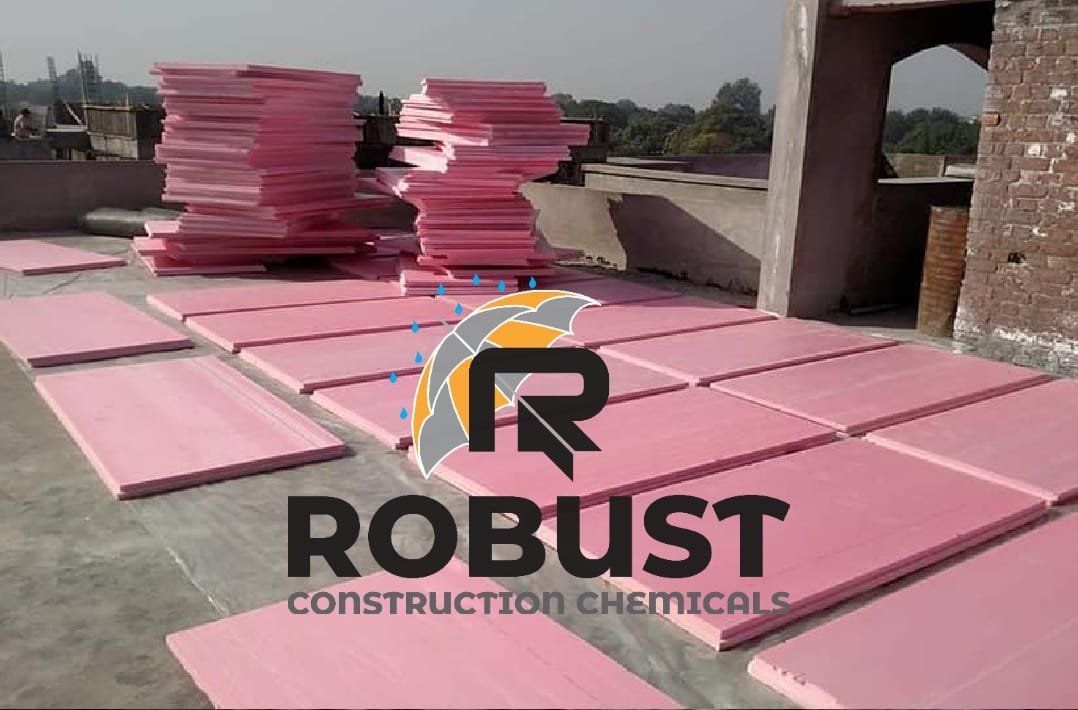
Robust XPS Sheets (Jambolne) are high-performance extruded polystyrene insulation boards known for their exceptional thermal insulation, moisture resistance, and durability. Ideal for construction projects requiring energy efficiency and long-lasting performance.
XPS Sheets – High-Performance Thermal and Waterproofing Insulation by Robust Construction Chemicals
Extruded Polystyrene (XPS) sheets have emerged as one of the most reliable and efficient solutions for insulation in modern construction. Manufactured with a precise extrusion process, XPS sheets combine thermal resistance, high compressive strength, and long-term durability, making them a preferred choice for residential, commercial, and industrial applications. Robust Construction Chemicals offers premium XPS sheets designed to provide exceptional protection against heat, moisture, and structural stress while enhancing the energy efficiency of buildings.
What Are XPS Sheets?
XPS sheets are rigid insulation boards made from extruded polystyrene foam. Unlike other insulation materials, XPS features a closed-cell structure that provides superior water resistance, thermal insulation, and compressive strength. This structure ensures that moisture, vapor, and environmental conditions have minimal impact on the material, allowing XPS sheets to maintain their insulating properties for decades. With thicknesses ranging from 20mm to 100mm and high compressive strength, XPS sheets are ideal for various applications including roofs, walls, floors, basements, and cold storage facilities.
Technical Specifications of XPS Sheets
Robust Construction Chemicals ensures that every XPS sheet meets international quality standards. The key technical specifications include:
- Thermal Conductivity (λ): 0.029–0.035 W/m·K, providing excellent thermal insulation.
- Compressive Strength: 200–700 kPa, suitable for heavy-load applications like floors and roof decks.
- Water Absorption: Less than 0.5% by volume, ensuring minimal water penetration.
- Service Temperature: -50°C to +75°C, usable in extreme climatic conditions.
- Fire Rating: Class E (with fire retardant additives available).
- Density: Typically between 25–45 kg/m³, depending on the application and load requirements.
Applications of XPS Sheets
- Roof Insulation
XPS sheets are widely used in both flat and sloped roofing systems. Their high compressive strength allows them to withstand foot traffic and environmental loads without deformation. When installed above or below waterproofing membranes, XPS sheets provide an energy-efficient barrier, reducing heat gain in summer and heat loss in winter. They are particularly effective in green roofs, terrace insulation, and commercial roofing projects where durability and thermal performance are critical. - Wall Insulation
For exterior walls, XPS sheets enhance energy efficiency and thermal comfort. By reducing heat transfer, they lower heating and cooling costs while protecting the building from temperature fluctuations. Internal wall insulation with XPS also improves indoor comfort, reduces sound transmission, and protects against moisture penetration, making it ideal for basements and high-humidity environments. - Basement and Foundation Protection
Moisture penetration and water seepage in basements and foundations can lead to structural damage and mold growth. XPS sheets, with their water-resistant properties and high compressive strength, act as a reliable barrier against dampness. They maintain integrity under soil pressure, ensuring long-term performance in underground structures. XPS insulation in basements also contributes to energy efficiency by reducing heat loss from the ground. - Floor Insulation
XPS sheets are commonly used under concrete slabs for flooring systems, especially in heated floors or areas requiring additional thermal comfort. Their high load-bearing capacity allows them to support heavy traffic while preventing thermal bridging. By reducing heat loss through floors, XPS insulation contributes significantly to energy savings in both residential and commercial buildings. - Cold Storage and Refrigeration Applications
XPS sheets are ideal for cold storage warehouses, refrigerated transport containers, and food processing facilities. Their closed-cell structure ensures minimal thermal conductivity and prevents moisture infiltration, maintaining stable temperatures efficiently. They are also resistant to chemicals and microbial growth, making them safe for food storage and hygiene-critical environments. - Road and Landscaping Projects
Lightweight XPS boards are used for road embankments, pavements, and landscaping projects where soil settlement is a concern. They reduce pressure on soft soils and provide a durable base for construction while maintaining thermal insulation in certain outdoor applications.
Advantages of XPS Sheets
- Superior Thermal Insulation: XPS sheets maintain indoor temperatures efficiently, reducing heating and cooling costs and promoting energy conservation.
- High Moisture Resistance: The closed-cell structure prevents water absorption, ensuring protection against dampness, mold, and structural damage.
- Long-Term Durability: Resistant to rot, mold, and decay, XPS insulation has a lifespan of 25–50 years with minimal maintenance.
- High Compressive Strength: Suitable for load-bearing applications such as floors, roofs, and exterior paving.
- Easy Installation: Lightweight and cuttable to size, XPS sheets can be installed using adhesives or mechanical fixings, reducing labor costs and installation time.
- Eco-Friendly Options: Many XPS sheets are made from recyclable materials and contribute to energy-efficient building designs.
- Versatility: Usable in a wide range of applications from residential buildings to industrial cold storage facilities.
Installation Guidelines
- Ensure the surface is clean, dry, and level before installing XPS sheets.
- Use compatible adhesives or mechanical fasteners for secure attachment.
- Seal joints with foam or tape to prevent thermal bridging and maintain insulation efficiency.
- In roofing applications, XPS sheets can be installed above or below waterproofing membranes depending on project design.
- For basements and foundation insulation, ensure proper drainage and waterproofing to avoid water accumulation behind the sheets.
Comparison With Other Insulation Materials
| Feature | XPS | EPS | PU Foam |
|---|---|---|---|
| Water Resistance | Very High | Medium | Medium |
| Compressive Strength | High | Low | Medium |
| Thermal Conductivity | Good | Good | Excellent |
| Durability | 25–50 Years | 10–20 Years | 20–30 Years |
| Installation Ease | Easy | Easy | Requires Spray or Mold |
Why Choose Robust Construction Chemicals’ XPS Sheets?
Robust Construction Chemicals provides premium XPS sheets engineered for superior thermal performance, moisture resistance, and structural reliability. Our products are tested to meet international standards and deliver consistent quality for every construction project. Choosing our XPS sheets ensures:
- Long-lasting insulation and protection for roofs, walls, floors, and basements.
- Reduced energy costs due to superior thermal resistance.
- Enhanced building durability and moisture protection.
- Easy installation and versatility across multiple applications.
Conclusion
XPS sheets from Robust Construction Chemicals represent the ultimate solution for modern construction needs. Their combination of thermal efficiency, water resistance, high compressive strength, and long-term durability makes them indispensable in residential, commercial, and industrial projects. Whether it’s insulating a rooftop, protecting a basement, or constructing a cold storage facility, our XPS sheets provide reliable performance, energy savings, and structural protection. By choosing XPS sheets from Robust Construction Chemicals, builders and architects can ensure superior quality, cost-effectiveness, and long-term building performance.
Invest in XPS insulation today to enhance energy efficiency, durability, and comfort in your construction projects. Robust Construction Chemicals’ XPS sheets are designed to withstand extreme conditions, provide long-lasting performance, and deliver unmatched value for every building application.
Keywords for SEO: XPS sheets, extruded polystyrene sheets, thermal insulation, moisture-resistant insulation, roof insulation, wall insulation, floor insulation, basement insulation, cold storage insulation, Robust Construction Chemicals, waterproofing, energy-efficient insulation, high compressive strength insulation.
Description
Robust XPS Sheets (Extruded Polystyrene Sheets)
Definition:
XPS sheets are high-performance insulation boards made from extruded polystyrene foam. They are lightweight, rigid, and provide excellent thermal insulation.
Key Features:
-
High thermal resistance (R-value): Keeps buildings warm in winter and cool in summer.
-
Water resistance: Low water absorption prevents moisture damage.
-
High compressive strength: Can bear heavy loads, suitable for flooring and roofing.
-
Durability: Resistant to mold, rot, and chemical damage.
-
Lightweight and easy to install: Reduces construction time and labor costs.
Applications:
-
Roof insulation (flat and sloped roofs)
-
Wall insulation (external and internal)
-
Basement and foundation insulation
-
Flooring under concrete slabs
-
Cold storage and refrigeration units
Advantages:
-
Energy-efficient: Reduces heating and cooling costs
-
Long-lasting: Can last for decades without performance loss
-
Environmentally friendly: Often recyclable and reduces energy consumption
-
Versatile: Can be cut, shaped, and installed in multiple construction areas
Comparison with Other Insulation Materials:
| Feature | XPS | EPS | PU Foam |
|---|---|---|---|
| Water Resistance | High | Medium | Medium |
| Compressive Strength | High | Low | Medium |
| Thermal Insulation | Good | Good | Excellent |
| Durability | Excellent | Moderate | Good |
obust XPS Sheets (Jambolne) are premium-grade extruded polystyrene (XPS) insulation boards engineered for superior thermal insulation and moisture resistance. Designed with precision and innovation, these sheets provide an unmatched balance of strength, lightweight construction, and thermal efficiency.
Key Features:
Thermal Efficiency: Exceptional thermal resistance (R-value), ensuring energy efficiency in both residential and commercial applications.
Moisture Resistance: Non-porous surface prevents water absorption, making it ideal for areas prone to moisture exposure.
Durability: High compressive strength supports heavy loads without deformation, ensuring longevity.
Versatility: Suitable for walls, roofs, floors, and foundations in diverse climates.
Eco-Friendly: Manufactured with sustainable practices, ensuring minimal environmental impact.
These sheets are perfect for builders, architects, and engineers looking to enhance energy efficiency and structural integrity. Whether for insulation in modern buildings or retrofitting older structures, Robust XPS Sheets (Jambolne) deliver reliable and consistent performance.
1. What are XPS Sheets?
Extruded Polystyrene (XPS) Sheets are a type of rigid foam insulation material produced by extruding polystyrene resin mixed with blowing agents. This process creates a closed-cell structure, giving XPS its strength, low water absorption, and excellent thermal insulation properties.
-
Material Composition: Polystyrene polymer + additives for UV resistance and fire retardancy.
-
Form Factor: Sheets of varying thicknesses (commonly 20mm to 100mm) and standard sizes like 600mm x 1200mm.
-
Density: Typically ranges between 25–45 kg/m³ depending on application.
2. Technical Properties
| Property | Typical Value | Importance |
|---|---|---|
| Thermal Conductivity (λ) | 0.029–0.035 W/m·K | Indicates insulation efficiency |
| Water Absorption | < 0.5% by volume | Excellent moisture resistance |
| Compressive Strength | 200–700 kPa | Suitable for load-bearing floors and roofs |
| Fire Rating | Class E (can vary with additives) | Safety compliance in construction |
| Service Temperature | -50°C to +75°C | Usable in extreme climates |
| Lifespan | 25–50 years | Long-term durability |
Key Point: The closed-cell structure ensures that water, vapor, and moisture cannot penetrate, making XPS ideal for damp areas like basements and roofing.
3. Applications of XPS Sheets
XPS sheets are extremely versatile in construction and industrial applications:
-
Roof Insulation
-
Flat and sloped roofs
-
Protects against heat gain and prevents water seepage
-
Often used under bitumen waterproofing layers
-
-
Wall Insulation
-
External walls: Provides energy efficiency and reduces heating/cooling costs
-
Internal walls: Thermal comfort and sound insulation
-
-
Basements & Foundations
-
High compressive strength prevents deformation under soil pressure
-
Protects against water ingress in underground structures
-
-
Floor Insulation
-
Under concrete slabs, especially in heated floors
-
Reduces heat loss and improves energy efficiency
-
-
Cold Storage & Refrigeration
-
Extremely effective in maintaining low temperatures
-
Used in warehouses, cold rooms, and transport refrigeration
-
-
Roads & Landscaping
-
Lightweight load-bearing panels for pavements and landscaping
-
Reduces settlement in soft soil areas
-
4. Advantages of XPS Sheets
-
Thermal Efficiency
-
Reduces energy consumption by maintaining stable indoor temperatures
-
Excellent for climates with extreme heat or cold
-
-
Moisture Resistance
-
Closed-cell structure prevents water absorption
-
Protects concrete and building structures from dampness
-
-
High Compressive Strength
-
Supports heavy loads, making it ideal for flooring and roof insulation
-
Maintains shape under long-term load
-
-
Durability
-
Resistant to mold, fungi, and decay
-
Long lifespan of 25–50 years with minimal maintenance
-
-
Lightweight and Easy to Install
-
Can be cut, shaped, and adhered easily with adhesives or mechanical fixings
-
Reduces labor costs and construction time
-
-
Eco-Friendly Options
-
Some XPS boards are made from recyclable materials
-
Helps reduce the carbon footprint of buildings
-
5. Installation Tips
-
Ensure the surface is clean, dry, and level before placing XPS sheets
-
Use adhesive or mechanical fasteners to fix sheets in place
-
Overlap joints and seal gaps with foam or tape to maintain insulation efficiency
-
In roofing, place XPS above the waterproofing membrane or within the insulation layer depending on design
-
For basements, ensure proper drainage and apply waterproofing before installing XPS
6. Comparison with Other Insulation Materials
| Feature | XPS | EPS (Expanded Polystyrene) | PU Foam (Polyurethane) |
|---|---|---|---|
| Water Resistance | Very High | Medium | Medium |
| Compressive Strength | High | Low | Medium |
| Thermal Conductivity | Good | Good | Excellent |
| Durability | 25–50 years | 10–20 years | 20–30 years |
| Installation Ease | Easy | Easy | Requires spray/molding |
Why XPS is preferred: The combination of water resistance, compressive strength, and thermal insulation makes it ideal for demanding construction environments.
7. Precautions and Considerations
-
Avoid prolonged UV exposure; use protective layers when exposed outdoors
-
Not suitable for temperatures above 75°C continuously
-
Ensure fire safety compliance in buildings; use fire-resistant coatings if needed
-
Avoid using in areas with chemical exposure that can degrade polystyrene
XPS Sheets – Detailed Overview
1. Definition and Composition:
XPS sheets (Extruded Polystyrene Sheets) are rigid foam boards produced through an extrusion process that creates a closed-cell structure. This structure gives XPS sheets their key properties: low water absorption, high compressive strength, thermal insulation, and durability. The material is composed primarily of polystyrene with additives for fire retardancy, UV resistance, and improved mechanical performance.
2. Key Properties:
-
Closed-Cell Structure: Prevents water infiltration and maintains insulation performance over time.
-
Lightweight and Rigid: Easy to transport and handle while offering high load-bearing capacity.
-
Thermal Efficiency: Offers excellent thermal resistance (R-value), reducing energy costs in buildings.
-
Moisture Resistance: Ideal for areas prone to dampness, like basements and rooftops.
-
Durability: Resistant to mold, rot, and chemical damage.
3. Dimensions and Grades:
-
Thickness: 20mm – 100mm (depending on application)
-
Standard Sheet Size: 600mm × 1200mm (other sizes available on request)
-
Density: 25–45 kg/m³
-
Compressive Strength: 200–700 kPa
4. Applications:
-
Roof Insulation: Reduces heat gain in summer and heat loss in winter; suitable for flat, sloped, and green roofs.
-
Wall Insulation: For exterior and interior walls; improves thermal comfort and prevents moisture penetration.
-
Basements & Foundations: Protects against water seepage, dampness, and structural damage.
-
Floor Insulation: Under concrete slabs for heated floors or heavy-load areas.
-
Cold Storage & Refrigeration: Maintains low temperatures efficiently in warehouses and transport containers.
-
Road & Landscaping Projects: Reduces settlement pressure on soft soils and provides thermal insulation where needed.
5. Advantages of XPS Sheets:
-
High thermal insulation efficiency
-
Water-resistant and mold-resistant
-
Long-lasting performance (25–50 years)
-
High compressive strength for load-bearing applications
-
Easy to cut, shape, and install
-
Environmentally friendly and energy-efficient
-
Versatile for multiple construction uses
6. Installation Guidelines:
-
Surface must be clean, dry, and level
-
Use adhesives or mechanical fasteners for secure installation
-
Seal joints with foam or tape to prevent thermal bridging
-
In roofs, can be placed above or below waterproofing membranes
-
Ensure proper drainage for basement and foundation applications
7. Comparison with Other Insulation Materials:
| Feature | XPS | EPS | PU Foam |
|---|---|---|---|
| Water Resistance | Very High | Medium | Medium |
| Compressive Strength | High | Low | Medium |
| Thermal Conductivity | Good | Good | Excellent |
| Durability | 25–50 Years | 10–20 Years | 20–30 Years |
| Installation Ease | Easy | Easy | Requires Spray or Mold |
8. Why Choose Robust Construction Chemicals’ XPS Sheets:
-
Superior quality and tested to meet international standards
-
Provides long-term thermal and moisture protection
-
Easy and versatile installation across multiple applications
-
Cost-effective and energy-efficient solution for buildings
XPS Sheet Installation Guide
Proper installation of XPS sheets is crucial to maximize their thermal efficiency, moisture resistance, and structural performance. The following steps provide a comprehensive method for installing XPS sheets in various applications:
1. Surface Preparation
-
Ensure the surface (roof, wall, floor, or basement) is clean, dry, and level.
-
Remove debris, dust, loose particles, or moisture to guarantee proper adhesion.
-
For uneven surfaces, use a self-leveling compound or screed before laying XPS sheets.
2. Layout Planning
-
Measure the area accurately to determine the number and size of XPS sheets required.
-
Plan the staggered layout to avoid aligning joints in consecutive rows, which prevents thermal bridging and improves insulation efficiency.
3. Fixing Methods
-
Adhesive Fixing: Apply a suitable construction adhesive or thin-bed mortar on the back of the sheet. Press firmly to secure the sheet to the substrate.
-
Mechanical Fixing: For walls, roofs, or vertical applications, use special fasteners or anchors to ensure the sheets stay firmly in place.
-
Ensure full contact between the sheet and the substrate to prevent air gaps, which reduce insulation effectiveness.
4. Joint Sealing
-
Align the sheets edge-to-edge and seal gaps using polyurethane foam, tape, or compatible sealant.
-
Sealing prevents heat loss, moisture penetration, and air leakage.
5. Multi-Layer Installation (if required)
-
For high-performance insulation, multiple layers of XPS sheets can be applied.
-
Stagger joints between layers to eliminate continuous thermal bridges.
6. Roofing Applications
-
XPS sheets can be installed above or below waterproofing membranes depending on roof design.
-
For exposed applications, consider a protective screed, ballast, or membrane to shield XPS from UV exposure.
7. Basement and Foundation Applications
-
Ensure proper drainage systems are in place to avoid water accumulation.
-
Apply waterproofing membranes before installing XPS sheets against foundation walls.
-
Place sheets vertically or horizontally based on wall structure and layout.
8. Floor Applications
-
Install XPS sheets under concrete slabs to improve energy efficiency in heated floors or cold storage areas.
-
Ensure sheets are properly supported to handle construction loads.
9. Cold Storage & Refrigeration
-
XPS sheets must be tight-fitted with sealed joints to maintain temperature stability.
-
Protect the sheets from mechanical damage during installation using temporary covers or boards.
10. Finishing
-
Once sheets are installed, protect them with suitable surface finishes, like cement screed, tiles, or protective membranes, depending on the application.
-
Check for gaps, misalignment, or compression and correct immediately to maintain optimal insulation performance.
Tips for Best Results:
-
Always use manufacturer-recommended adhesives and fasteners.
-
Avoid cutting XPS sheets with tools that generate heat, as this may melt edges.
-
Store sheets flat in a dry, shaded area before installation to prevent warping or moisture absorption.
-
Regularly inspect joints and edges during installation to ensure continuous insulation coverage.
Additional information
| Dimensions | 6 × 3 × 2 cm |
|---|
Related products
-
Sale!
Robust Polyurethane foam spray
Original price was: ₨ 2,750.₨ 2,500Current price is: ₨ 2,500. Add to cart -
Sale!
Robust geotextile roll
Original price was: ₨ 5,500.₨ 5,000Current price is: ₨ 5,000. Add to cart -
Sale!
Robust Epoxy flooring
Original price was: ₨ 48,000.₨ 45,000Current price is: ₨ 45,000. Add to cart -
Sale!
Robust hot bitumen
Original price was: ₨ 55,000.₨ 52,000Current price is: ₨ 52,000. Add to cart