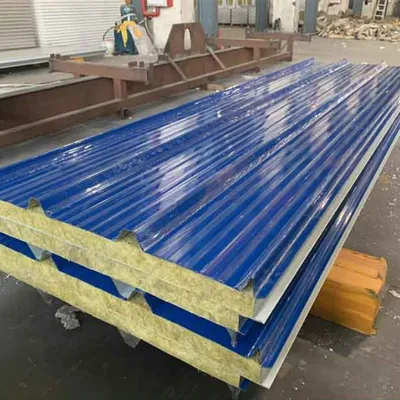
What is a Robust Sandwich Panel?
A Robust sandwich panel is a structural composite material made of two outer layers (called skins) bonded to a lightweight core. The combination provides high strength, durability, and insulation properties while being lightweight and easy to install. Sandwich panels are widely used in construction, industrial buildings, cold storage, and roofing systems.
Components of a Sandwich Panel:
-
Outer Layers (Skins): Usually made from metal sheets like steel, aluminum, or sometimes composite materials. These layers provide strength, impact resistance, and protection from environmental factors.
-
Core Material: Typically made of polyurethane (PU), polyisocyanurate (PIR), polystyrene (EPS), or mineral wool. The core determines the thermal insulation, fire resistance, and soundproofing properties of the panel.
Types of Sandwich Panels:
-
PU/PIR Sandwich Panels: Excellent insulation, lightweight, commonly used in cold storage and roofing.
-
EPS Sandwich Panels: Affordable, good thermal insulation, used in walls and ceilings.
-
Mineral Wool Sandwich Panels: Fire-resistant, soundproof, ideal for industrial and commercial buildings.
-
Metal Sandwich Panels: Durable, high load-bearing capacity, used for facades and heavy-duty applications.
Applications of Sandwich Panels:
-
Industrial warehouses and factories
-
Cold storage and refrigeration units
-
Residential and commercial roofing
-
Clean rooms and hospitals
-
Soundproofing and fire-resistant walls
Advantages:
-
Quick and easy installation
-
High strength-to-weight ratio
-
Energy-efficient (excellent insulation)
-
Fire and corrosion-resistant (depending on core)
-
Long-lasting and low maintenance
-
Comprehensive Guide to Sandwich Panels
1. Definition
A sandwich panel is a composite construction material consisting of three layers: two thin, strong outer layers (skins) bonded to a lightweight core. This design combines the strength of the outer skins with the insulating and lightweight properties of the core, providing structural stability, thermal efficiency, and durability. The sandwich structure allows panels to resist bending, compression, and environmental stresses while remaining lightweight and easy to handle.
2. Components of a Sandwich Panel
-
Outer Layers (Skins)
-
Usually made of galvanized steel, aluminum, or fiber-reinforced polymer.
-
Provides structural strength, protects against impact, moisture, and corrosion, and gives panels a finished aesthetic look.
-
Thickness varies depending on the application (usually 0.3–1.0 mm for metal sheets).
-
-
Core Material
-
Lightweight material sandwiched between skins, providing thermal insulation, fire resistance, and soundproofing.
-
Common materials:
-
EPS (Expanded Polystyrene): Low cost, good thermal insulation, lightweight.
-
PU/PIR (Polyurethane/Polyisocyanurate): High insulation efficiency, lightweight, moisture-resistant.
-
Mineral Wool: Fire-resistant, excellent soundproofing, ideal for industrial applications.
-
Honeycomb Cores: Often aluminum or cardboard-based for specialized applications needing high stiffness.
-
-
Core thickness usually ranges from 30 mm to 200 mm depending on insulation needs.
-
3. Types of Sandwich Panels
-
PU/PIR Sandwich Panels
-
High thermal insulation with low thermal conductivity.
-
Used for cold storage rooms, refrigeration units, and industrial roofing.
-
Lightweight, easy to handle, and resistant to moisture.
-
-
EPS Sandwich Panels
-
Economical, widely used in residential and commercial wall and ceiling construction.
-
Provides decent thermal insulation and structural performance.
-
Lightweight and easy to cut and install.
-
-
Mineral Wool Sandwich Panels
-
Fire-resistant up to 2 hours depending on thickness.
-
Excellent soundproofing and thermal insulation.
-
Suitable for industrial buildings, chemical plants, and high-risk fire areas.
-
-
Metal Sandwich Panels
-
Core may be aluminum honeycomb or similar.
-
High strength, often used in facades, industrial walls, and roofs.
-
Combines structural rigidity with fire resistance and aesthetic appeal.
-
4. Manufacturing Process
-
Step 1: Core Preparation – Core material is cut or molded to the required thickness.
-
Step 2: Skin Application – Metal or composite sheets are cleaned and coated to ensure proper adhesion.
-
Step 3: Bonding – Adhesive or hot-press lamination is applied to bond skins to the core.
-
Step 4: Curing – Panels are pressed and heated to ensure firm adhesion and structural integrity.
-
Step 5: Finishing – Panels are trimmed, edges sealed, and surface coating applied (if required).
5. Installation
-
Lightweight Panels: Can be installed manually or with small machinery.
-
Fixing Methods: Screws, clips, or interlocking systems are used to secure panels to roof frames or walls.
-
Sealing: Joints are sealed with polyurethane foam, silicone, or specialized tapes to ensure waterproofing and airtightness.
-
Time Efficiency: Installation is fast and labor-saving compared to traditional brick or concrete walls.
6. Advantages of Sandwich Panels
-
Thermal Insulation: Maintains internal temperature and reduces energy costs.
-
Lightweight: Easy handling and transportation.
-
Durable: Resistant to corrosion, moisture, and environmental wear.
-
Fire Resistance: Especially with mineral wool cores.
-
Sound Insulation: Effective at reducing noise pollution.
-
Time and Cost Efficiency: Faster construction compared to traditional materials.
-
Versatility: Suitable for walls, roofs, cold storage, factories, and modular construction.
7. Disadvantages
-
Can be susceptible to impact damage if thin skins are used.
-
EPS cores are flammable; PU/PIR cores are better but costlier.
-
Repairs can be more complicated than conventional walls.
-
High initial cost for premium fire-resistant panels.
8. Applications
-
Industrial Buildings: Factories, warehouses, workshops.
-
Cold Storage & Refrigeration: Temperature-controlled rooms and frozen warehouses.
-
Commercial Buildings: Offices, shopping malls, schools.
-
Residential Construction: Roofs, walls, and insulated panels for modular homes.
-
Clean Rooms & Hospitals: Controlled environments with hygienic and insulation requirements.
-
Soundproofing Walls: Auditoriums, studios, and industrial noise control.
9. Market Trends
-
Rising demand in energy-efficient buildings.
-
Increasing use of fire-resistant and eco-friendly cores.
-
Growth in prefabricated and modular construction boosts sandwich panel usage.
-
Innovations like colored coatings, anti-corrosion layers, and UV-resistant surfaces are trending.
-
Comprehensive Guide to Sandwich Panels
1. Definition
A sandwich panel is a composite construction material consisting of three layers: two thin, strong outer layers (skins) bonded to a lightweight core. This design combines the strength of the outer skins with the insulating and lightweight properties of the core, providing structural stability, thermal efficiency, and durability. The sandwich structure allows panels to resist bending, compression, and environmental stresses while remaining lightweight and easy to handle.
2. Components of a Sandwich Panel
-
Outer Layers (Skins)
-
Usually made of galvanized steel, aluminum, or fiber-reinforced polymer.
-
Provides structural strength, protects against impact, moisture, and corrosion, and gives panels a finished aesthetic look.
-
Thickness varies depending on the application (usually 0.3–1.0 mm for metal sheets).
-
-
Core Material
-
Lightweight material sandwiched between skins, providing thermal insulation, fire resistance, and soundproofing.
-
Common materials:
-
EPS (Expanded Polystyrene): Low cost, good thermal insulation, lightweight.
-
PU/PIR (Polyurethane/Polyisocyanurate): High insulation efficiency, lightweight, moisture-resistant.
-
Mineral Wool: Fire-resistant, excellent soundproofing, ideal for industrial applications.
-
Honeycomb Cores: Often aluminum or cardboard-based for specialized applications needing high stiffness.
-
-
Core thickness usually ranges from 30 mm to 200 mm depending on insulation needs.
-
3. Types of Sandwich Panels
-
PU/PIR Sandwich Panels
-
High thermal insulation with low thermal conductivity.
-
Used for cold storage rooms, refrigeration units, and industrial roofing.
-
Lightweight, easy to handle, and resistant to moisture.
-
-
EPS Sandwich Panels
-
Economical, widely used in residential and commercial wall and ceiling construction.
-
Provides decent thermal insulation and structural performance.
-
Lightweight and easy to cut and install.
-
-
Mineral Wool Sandwich Panels
-
Fire-resistant up to 2 hours depending on thickness.
-
Excellent soundproofing and thermal insulation.
-
Suitable for industrial buildings, chemical plants, and high-risk fire areas.
-
-
Metal Sandwich Panels
-
Core may be aluminum honeycomb or similar.
-
High strength, often used in facades, industrial walls, and roofs.
-
Combines structural rigidity with fire resistance and aesthetic appeal.
-
4. Manufacturing Process
-
Step 1: Core Preparation – Core material is cut or molded to the required thickness.
-
Step 2: Skin Application – Metal or composite sheets are cleaned and coated to ensure proper adhesion.
-
Step 3: Bonding – Adhesive or hot-press lamination is applied to bond skins to the core.
-
Step 4: Curing – Panels are pressed and heated to ensure firm adhesion and structural integrity.
-
Step 5: Finishing – Panels are trimmed, edges sealed, and surface coating applied (if required).
5. Installation
-
Lightweight Panels: Can be installed manually or with small machinery.
-
Fixing Methods: Screws, clips, or interlocking systems are used to secure panels to roof frames or walls.
-
Sealing: Joints are sealed with polyurethane foam, silicone, or specialized tapes to ensure waterproofing and airtightness.
-
Time Efficiency: Installation is fast and labor-saving compared to traditional brick or concrete walls.
6. Advantages of Sandwich Panels
-
Thermal Insulation: Maintains internal temperature and reduces energy costs.
-
Lightweight: Easy handling and transportation.
-
Durable: Resistant to corrosion, moisture, and environmental wear.
-
Fire Resistance: Especially with mineral wool cores.
-
Sound Insulation: Effective at reducing noise pollution.
-
Time and Cost Efficiency: Faster construction compared to traditional materials.
-
Versatility: Suitable for walls, roofs, cold storage, factories, and modular construction.
7. Disadvantages
-
Can be susceptible to impact damage if thin skins are used.
-
EPS cores are flammable; PU/PIR cores are better but costlier.
-
Repairs can be more complicated than conventional walls.
-
High initial cost for premium fire-resistant panels.
8. Applications
-
Industrial Buildings: Factories, warehouses, workshops.
-
Cold Storage & Refrigeration: Temperature-controlled rooms and frozen warehouses.
-
Commercial Buildings: Offices, shopping malls, schools.
-
Residential Construction: Roofs, walls, and insulated panels for modular homes.
-
Clean Rooms & Hospitals: Controlled environments with hygienic and insulation requirements.
-
Soundproofing Walls: Auditoriums, studios, and industrial noise control.
9. Market Trends
-
Rising demand in energy-efficient buildings.
-
Increasing use of fire-resistant and eco-friendly cores.
-
Growth in prefabricated and modular construction boosts sandwich panel usage.
-
Innovations like colored coatings, anti-corrosion layers, and UV-resistant surfaces are trending.
-
2. Types of Sandwich Panels
a) Polyurethane (PU) Sandwich Panels:
-
High thermal insulation (low thermal conductivity).
-
Lightweight and durable.
-
Often used in cold storage, roofing, and wall cladding.
b) Expanded Polystyrene (EPS) Sandwich Panels:
-
Affordable and widely used.
-
Provides good insulation but less fire resistance compared to PU or mineral wool.
-
Used for warehouses, industrial buildings, and residential applications.
c) Mineral Wool Sandwich Panels:
-
High fire resistance.
-
Good thermal and sound insulation.
-
Commonly used in industrial buildings and fire-sensitive areas.
d) Polyisocyanurate (PIR) :
-
Enhanced fire and thermal performance compared to PU.
-
Used in industrial buildings, cold storage, and energy-efficient buildings.
3. Structure and Thickness
-
Face Sheets: 0.3 mm – 1.0 mm thick steel or aluminum.
-
Core Thickness: 25 mm – 200 mm depending on insulation needs.
-
Total thickness affects thermal insulation and structural strength.
4. Advantages of Sandwich Panels
-
Thermal Insulation: Keeps interiors hot in winter and cool in summer.
-
Sound Insulation: Reduces noise pollution.
-
Lightweight: Easy to transport and install.
-
Durable and Strong: Resistant to wind, rain, and impact.
-
Quick Installation: Prefabricated, reducing labor and construction time.
-
Fire Resistance: Especially mineral wool and PIR panels.
-
Aesthetic Finish: Smooth, clean exterior finish suitable for modern construction.
5. Applications of Sandwich Panels
-
Industrial buildings: Factories, warehouses, workshops.
-
Commercial buildings: Offices, shopping malls, showrooms.
-
Cold storage & food industry: Chillers, freezers, refrigerated warehouses.
-
Residential buildings: Prefab homes, roofing, and walls.
-
Clean rooms & hospitals: Areas requiring controlled temperature and hygiene.
6. Installation Notes
-
Robust Sandwich panels are modular, making them suitable for prefabricated constructions.
-
They are connected using interlocking joints or fasteners.
-
Roof panels are often installed with a slight slope for water drainage.
-
Panels should be protected from moisture ingress at joints to prevent core damage.
-
Sandwich Panels in Pakistan | Best Insulated Construction Panels for Walls, Roofs & Cold Storage Solutions
are transforming the construction industry in Pakistan by providing a perfect combination of strength, insulation, durability, and aesthetics.
-
These high-performance construction materials are widely used in industrial buildings, commercial complexes, cold storage units, prefabricated homes, and modern roofing systems.
-
Sandwich panels are engineered for thermal insulation, soundproofing, fire resistance, and quick installation, making them the ideal choice for builders, contractors, and property developers seeking long-lasting, efficient, and cost-effective solutions.
-
In Pakistan, where climate varies from scorching heat in summer to cold winters, insulated sandwich panels play a crucial role in maintaining comfortable indoor environments and reducing energy costs.
The structure of a sandwich panel consists of two strong outer sheets and a core insulating layer.
-
The outer layers are typically made of galvanized steel, aluminum, or stainless steel, ensuring maximum durability, impact resistance, and weatherproofing.
-
The core layer, sandwiched between these sheets, can be polyurethane (PU), expanded polystyrene (EPS), polyisocyanurate (PIR), or mineral wool, depending on the required insulation, fire resistance, and budget.
-
This layered structure provides excellent thermal performance, sound absorption, and structural rigidity, making sandwich panels a premium choice for modern construction projects in Pakistan.
Polyurethane (PU) sandwich panels are among the most popular in Pakistan, offering exceptional thermal insulation, lightweight construction, and robust performance under extreme weather conditions.
-
PU panels have a low thermal conductivity, ensuring buildings remain cooler in summer and warmer in winter.
-
These panels are ideal for cold storage, food processing units, commercial buildings, and roofing projects.
-
The combination of strength, lightweight, and energy efficiency makes PU sandwich panels the most trusted solution for industrial and residential construction in Pakistan.
Expanded Polystyrene (EPS) sandwich panels are another widely used option, offering affordable insulation and lightweight construction.
-
EPS panels are easy to install, provide reasonable thermal insulation, and are highly suited for warehouses, factories, and commercial structures.
-
While EPS panels have slightly lower fire resistance compared to PU or mineral wool, they remain a cost-effective and practical solution for many construction projects.
-
EPS sandwich panels are also widely preferred for prefabricated homes and temporary structures, delivering quick, strong, and reliable results.
Mineral wool sandwich panels are the fire-resistant champions of the sandwich panel world.
-
They offer high thermal insulation, soundproofing, and non-combustible properties, making them perfect for industrial units, chemical plants, and areas where fire safety is paramount.
-
Mineral wool panels are highly resistant to moisture, pests, and corrosion, providing long-term durability and maintenance-free construction.
-
For projects in Pakistan where safety regulations demand fire-rated materials, mineral wool sandwich panels are the ultimate choice.
Polyisocyanurate (PIR) sandwich panels are designed for enhanced fire resistance and superior thermal insulation.
-
PIR panels are increasingly popular in cold storage warehouses, industrial buildings, and high-end commercial projects.
-
These panels offer excellent energy efficiency, low thermal conductivity, and durability, making them ideal for projects requiring strict temperature control and superior building performance.
-
PIR sandwich panels are the modern, high-tech solution for Pakistani builders looking for state-of-the-art construction materials.
The thickness of sandwich panels varies depending on the application. Typically, the outer sheets range from 0.3 mm to 1 mm, while the core insulation thickness ranges from 25 mm to 200 mm, providing options for lightweight roofing to heavy-duty industrial walls.
-
Thicker cores ensure better thermal insulation and higher fire resistance, while thinner panels are suitable for standard roofing and partitions.
-
The choice of thickness allows customized construction solutions for various projects, from residential housing to large-scale industrial complexes.
One of the major advantages of sandwich panels is energy efficiency.
-
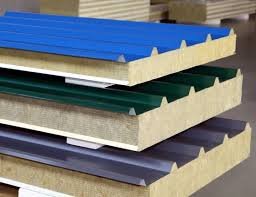
Sandwich Panels in Pakistan | Premium Insulated Wall & Roof Panels for Industrial, Comme By providing excellent thermal insulation, help reduce electricity consumption for air conditioning and heating, which is especially important in Pakistan where energy costs are rising rapidly.
-
Buildings constructed with sandwich panels maintain stable indoor temperatures, improving comfort, productivity, and energy savings.
-
This eco-friendly and cost-saving solution makes sandwich panels an essential material for sustainable construction in Pakistan.
Sound insulation is another critical benefit . With urbanization increasing in cities like Karachi, Lahore, and Islamabad, noise pollution is a growing concern.
-
Sandwich panels provide effective sound absorption, ensuring quiet and peaceful indoor environments for offices, factories, hospitals, and residential areas.
-
Mineral wool and PIR panels, in particular, offer superior acoustic insulation, making them ideal for sound-sensitive projects.
The durability and structural strength of make them resistant to harsh weather conditions, including heavy rain, strong winds, and extreme temperatures.
-
The metallic outer layers protect the core from corrosion, moisture, and mechanical damage, ensuring a long service life with minimal maintenance.
-
This makes the perfect solution for industrial buildings, cold storage facilities, and prefabricated structures across Pakistan.
Installation of sandwich panels is fast, efficient, and cost-effective. Panels are prefabricated, which reduces labor costs and construction time.
-
They can be easily connected using interlocking joints, screws, and sealants, creating a tight, weatherproof structure.
-
Roof panels are installed with a slight slope for water drainage, while wall panels are fixed with precision alignment to prevent leaks.
-
The modular design allows for easy expansion, modification, or relocation, making sandwich panels a flexible choice for modern construction needs.
In Pakistan, sandwich panels are widely used in several sectors:
-
Industrial Buildings: Factories, warehouses, workshops, and production units rely on sandwich panels for durable, insulated, and fire-resistant walls and roofs.
-
Cold Storage & Food Industry: Sandwich panels are the top choice for temperature-controlled storage, preserving food, pharmaceuticals, and perishable goods.
-
Commercial Buildings: Offices, shopping malls, and showrooms benefit from lightweight, aesthetically pleasing, and energy-efficient panels.
-
Residential Projects: Prefabricated homes and modern villas use sandwich panels for roofing, walls, and partitions, ensuring quick construction and energy savings.
-
Hospitals & Clean Rooms: Panels provide controlled temperature, hygiene, and soundproofing, essential for sensitive environments.
-
Educational Institutions & Public Buildings: Schools, universities, and government facilities benefit from cost-effective, durable, and fire-resistant .
Maintenance of sandwich panels is minimal.
-
-
The outer metal sheets are resistant to rust, corrosion, and impact, while the core insulation remains unaffected by moisture if properly sealed.
-
Cleaning is simple using mild detergents and water, ensuring long-lasting aesthetics and performance. Regular inspection of joints and fasteners guarantees optimal performance and durability.
Environmental benefits of sandwich panels include energy efficiency, recyclable materials, and reduced carbon footprint.
-
Many panels use eco-friendly insulation materials, contributing to green building certifications and sustainable construction practices.
-
By choosing sandwich panels, builders in Pakistan not only achieve high-performance structures but also support environmentally responsible development.
For roofing, provide excellent heat and waterproofing, preventing leakage, condensation, and heat buildup.
-
In commercial and industrial buildings, they ensure stable indoor temperatures, reducing the burden on air conditioning systems and minimizing energy bills. roof panels are designed with interlocking joints to ensure tight, weatherproof construction, making them ideal for monsoon-prone regions in Pakistan.
Wall panels made from enhance structural integrity, thermal performance, and aesthetics. Available in various colors, textures, and finishes, these panels offer architects and builders the flexibility to create modern, visually appealing designs.
-
Sandwich wall panels are particularly effective for partitioning, cladding, and insulation in both industrial and residential settings.
The cost-effectiveness of is another key advantage. While the initial investment may be slightly higher than traditional materials, the long-term benefits—including energy savings, durability, minimal maintenance, and quick installation—make sandwich panels a profitable and sustainable choice for any construction project.
in Pakistan are supplied by numerous manufacturers, offering high-quality PU, EPS, PIR, and mineral wool options. Builders are advised to select certified, high-performance panels with proven durability and insulation properties to ensure maximum efficiency and satisfaction. Choosing premium panels guarantees long-lasting performance, structural integrity, and compliance with safety standards.
In conclusion, ultimate solution for modern construction in Pakistan, offering strength, insulation, fire resistance, aesthetic appeal, and energy efficiency.
-
From industrial factories and cold storage warehouses to residential homes and commercial complexe provide reliable, cost-effective, and sustainable construction solutions.
-
With their fast installation, lightweight structure, minimal maintenance, and long service life,are rapidly becoming the preferred choice for builders, architects, and developers across Pakistan.
Meta Description:
Buy high-quality sandwich panels in Pakistan for walls, roofs, cold storage, and industrial buildings. Premium PU, EPS, PIR, and mineral wool panels with superior thermal insulation, fire resistance, and durability. -
Robust Sandwich Panels in Pakistan | Premium Insulated Wall & Roof Panels for Industrial, Commercial & Cold Storage Solutions -
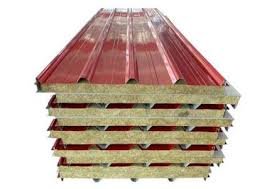
Robust Sandwich Panels in Pakistan | Premium Insulated Wall & Roof Panels for Industrial, Commercial & Cold Storage Solutions
-
-
-