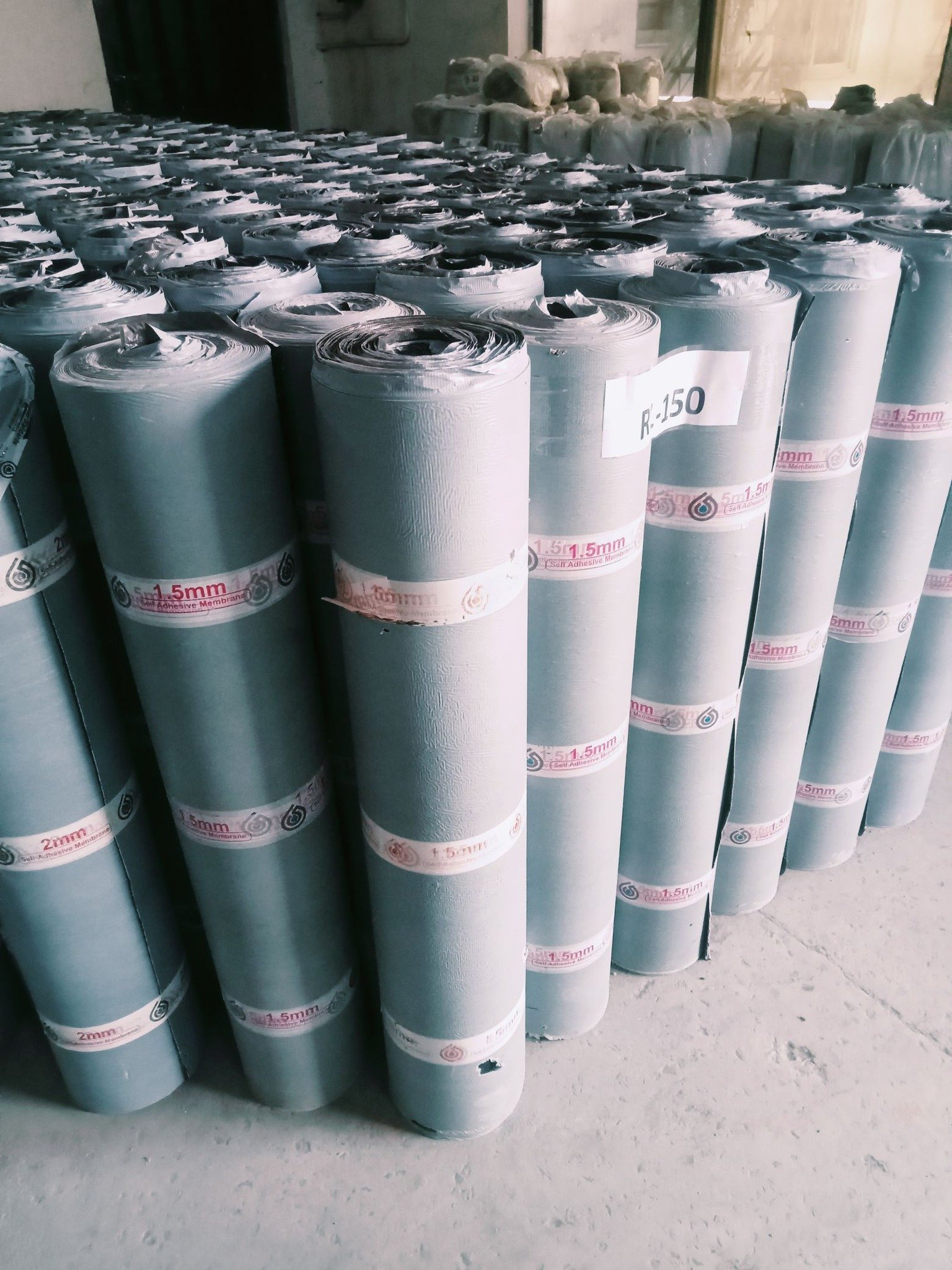
Roof Waterproofing Membrane Sheet – Complete Guide for Durable Roof Protection
1. Introduction to Roof Waterproofing Membrane Sheets
Roofing is one of the most critical elements of a building. Exposure to rain, sunlight, and temperature changes can deteriorate a roof rapidly. Roof waterproofing membrane sheets are high-performance materials designed to protect rooftops from water leakage, UV radiation, and structural damage, ensuring the longevity of buildings.
In Pakistan, with its varying climate—from heavy monsoon rains in Karachi and Islamabad to scorching summers in Lahore—roof waterproofing is essential for both residential and commercial structures. Robust Construction Chemicals provides superior membrane solutions that combine durability, flexibility, and long-term protection.
2. What is a Roof Waterproofing Membrane Sheet?
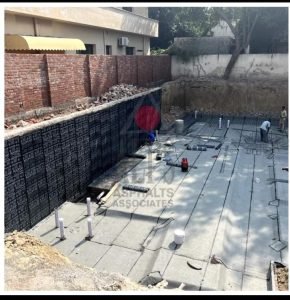
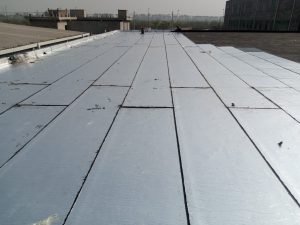
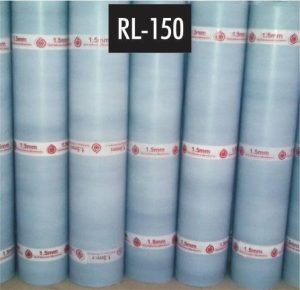
A roof waterproofing membrane sheet is a continuous layer of water-resistant material applied on rooftops to prevent water ingress. These membranes are typically made from bitumen, polymers, PVC, or TPO materials, each providing unique benefits in terms of durability, flexibility, and heat resistance.
Key Features
-
Seamless waterproof barrier
-
Resistant to UV radiation and harsh weather
-
Flexible and crack-resistant
-
Long-lasting protection
-
Easy to install on flat, sloped, or uneven surfaces
3. Importance of Roof Waterproofing in Pakistan
A. Prevents Water Leakage
-
Heavy rains during monsoon season can cause leakage and damage to ceilings and walls.
-
Membrane sheets provide a seamless waterproof layer, preventing water seepage into the building structure.
B. Protects Structural Integrity
-
Water infiltration can weaken concrete, steel, and other roofing materials.
-
Waterproofing membranes act as a barrier against moisture, ensuring long-term structural stability.
C. Enhances Thermal Insulation
-
Many waterproofing sheets, especially reflective and polymer-modified sheets, reduce heat absorption.
-
Helps maintain indoor comfort and reduces energy costs for air conditioning.
D. Reduces Maintenance Costs
-
Prevents frequent repairs due to water damage.
-
Extends roof lifespan and enhances property value.
4. Types of Roof Waterproofing Membrane Sheets
A. Bitumen-Based Membrane Sheets
-
Modified Bitumen Sheets (APP/SBS) are highly flexible and resistant to cracking.
-
Suitable for both new constructions and roof repairs.
-
Can withstand extreme temperatures and heavy rainfall.
B. PVC (Polyvinyl Chloride) Membrane Sheets
-
Durable, UV-resistant, and lightweight.
-
Ideal for flat roofs and terraces.
-
Resistant to chemical corrosion, making it suitable for industrial areas.
C. TPO (Thermoplastic Polyolefin) Membrane Sheets
-
Heat-reflective and eco-friendly.
-
Resistant to UV rays, punctures, and chemical exposure.
-
Provides excellent thermal insulation properties.
D. EPDM (Ethylene Propylene Diene Monomer) Sheets
-
Extremely durable and flexible.
-
Suitable for industrial and commercial applications.
-
Resistant to UV radiation and weathering.
5. Advantages of Roof Waterproofing Membrane Sheets
-
Long-Term Durability: High-quality membranes last 15–25 years.
-
Flexibility: Accommodates structural movements and roof expansion/contraction.
-
Waterproofing Efficiency: Seamless coverage prevents leakage even in heavy rains.
-
UV and Weather Resistant: Protects roofs from sun, wind, and rain.
-
Easy Maintenance: Simple cleaning and occasional inspections keep roofs in good condition.
-
Energy Efficiency: Reflective membranes reduce heat absorption and cooling costs.
6. Applications of Roof Waterproofing Membrane Sheets
-
Residential Buildings: Protect homes, terraces, and balconies.
-
Commercial Buildings: Offices, hotels, and malls benefit from long-lasting waterproofing.
-
Industrial Facilities: Factories and warehouses require membranes for structural protection.
-
Water Tanks & Reservoirs: Prevent leakage and maintain water quality.
-
Bridges & Parking Decks: Protect concrete surfaces from water and thermal stress.
7. Surface Preparation for Membrane Installation
Proper surface preparation is essential for ensuring membrane adhesion and performance.
-
Clean the Surface: Remove dust, debris, grease, algae, and old paint.
-
Repair Structural Defects: Fill cracks, joints, or potholes using Robust Power Plug or other suitable sealants.
-
Primer Application: Apply a primer layer if required, especially for porous surfaces.
-
Ensure Dryness: Surface must be dry and free of water to prevent adhesion issues.
8. Installation Methods of Membrane Sheets
A. Torch-On Method
-
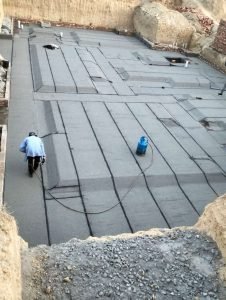
Bitumen sheets are heated with a torch and bonded to the roof surface.
-
Provides a strong, seamless waterproof layer.
-
Ideal for APP/SBS sheets.
B. Cold Adhesive Method
-
Membranes are bonded using specialized adhesives.
-
Safe for areas where heat application is restricted.
C. Mechanically Fastened
-
PVC and TPO sheets can be mechanically fixed with screws or fasteners.
-
Suitable for industrial rooftops.
D. Fully Adhered
-
Membrane sheets are glued across the entire surface.
-
Ensures uniform waterproofing and better thermal performance.
9. Step-by-Step Roof Waterproofing with Membrane Sheet
-
Inspect the Roof: Check for cracks, uneven surfaces, and water stagnation areas.
-
Surface Cleaning: Remove dust, debris, and loose material.
-
Repair and Leveling: Fill cracks and level uneven areas.
-
Apply Primer: Enhance adhesion of the membrane sheet.
-
Lay the Membrane Sheet: Overlap edges as recommended (usually 10–15 cm).
-
Bond the Sheet: Torch-on, adhesive, or mechanical fixing.
-
Seal Edges and Joints: Ensure water cannot penetrate seams.
-
Final Inspection: Check for bubbles, wrinkles, or loose areas.
-
Optional Protective Layer: Add screed, tiles, or reflective coating for added durability.
10. Maintenance of Roof Waterproofing Membrane Sheets
-
Inspect membrane annually, especially after heavy rains.
-
Clean the surface to remove debris, moss, or algae.
-
Repair minor tears or punctures immediately.
-
Apply a maintenance coating every 5–8 years to restore UV protection and reflectivity.
11. Environmental and Economic Benefits
-
Energy Efficiency: Reflective membranes reduce cooling loads.
-
Long-Term Savings: Minimizes repair and replacement costs.
-
Eco-Friendly Options: PVC, TPO, and EPDM sheets reduce environmental impact.
-
Property Value Enhancement: Durable roofs improve building resale value.
12. Common Mistakes to Avoid
-
Applying membranes on wet surfaces.
-
Poor surface preparation leading to adhesion failure.
-
Insufficient overlap at seams.
-
Walking on freshly applied sheets before curing.
-
Ignoring roof drainage and water pooling areas.
13. Technical Specifications (Example for APP/SBS Membrane)
| Property | Specification |
|---|---|
| Thickness | 3mm – 5mm |
| Tensile Strength | ≥ 600 N/50mm |
| Elongation | ≥ 25% |
| Temperature Resistance | -20°C to 120°C |
| UV Resistance | Excellent |
| Water Resistance | Full waterproofing |
| Service Life | 15–25 years |
14. Case Studies
Residential Roof in Lahore
-
Installed SBS membrane sheet on 200 m² roof.
-
Roof remained leak-free for 12 years.
-
Reduced indoor heat by 10°C due to reflective top layer.
Industrial Warehouse in Karachi
-
APP membrane sheet used on metal rooftop.
-
Prevented water seepage and extended roof lifespan.
-
Protected machinery and goods from water damage.
Commercial Building in Islamabad
-
Combination of PVC membrane and reflective coating applied.
-
Reduced energy bills by 20% in summer months.
-
Seamless waterproofing prevented frequent repairs.
Roof Waterproofing Membrane Sheet – Robust Construction Chemicals
19. Advanced Technical Advantages of Membrane Sheets
Roof waterproofing membrane sheets offer more than just basic water resistance. Modern membranes, especially APP, SBS, PVC, and TPO types, provide multiple layers of protection against environmental, chemical, and structural stress.
A. Seamless Waterproof Barrier
-
High-quality sheets form a continuous layer without gaps or seams.
-
Prevents water seepage, reducing structural damage.
-
Ideal for flat roofs and terraces where water stagnation is common.
B. UV and Heat Resistance
-
Membranes withstand intense sunlight and high temperatures, protecting roofs from thermal degradation.
-
Reflective top layers on PVC or TPO sheets further reduce roof surface temperature, enhancing energy efficiency.
C. Flexibility and Crack Bridging
-
Flexible membranes accommodate structural movements, thermal expansion, and minor roof settlement.
-
Prevents cracks from propagating, ensuring a longer service life.
D. Chemical Resistance
-
PVC and TPO membranes resist industrial pollutants, oils, and mild acids/alkalis.
-
Suitable for factories, warehouses, and commercial facilities exposed to harsh chemicals.
E. Durability and Longevity
-
Life expectancy ranges from 15 to 25 years for high-quality membranes.
-
Requires minimal maintenance, reducing long-term repair costs.
20. Modern Applications of Roof Waterproofing Membrane Sheets
Residential Applications
-
Protects home rooftops, terraces, and balconies.
-
Reduces water leakage, preventing damp walls and ceilings.
-
Reflective membranes help lower indoor temperatures during hot summers.
Commercial Buildings
-
Offices, hotels, shopping malls, and hospitals benefit from long-lasting waterproofing.
-
Reduces energy bills by enhancing thermal insulation.
-
Protects infrastructure investments by preventing water damage to critical areas.
Industrial Facilities
-
Warehouses and factories often face heavy equipment and chemical exposure.
-
Membrane sheets protect concrete and metal surfaces from water, chemicals, and UV radiation.
-
Improves structural integrity and reduces maintenance downtime.
Bridges, Parking Decks, and Roads
-
Membrane sheets applied on bridges and elevated roads prevent water penetration and corrosion.
-
Protects steel reinforcement in concrete structures from rust and decay.
Water Tanks and Reservoirs
-
PVC and TPO membranes prevent water leakage and contamination.
-
Helps maintain water quality for potable and industrial use.
21. Regional Considerations in Pakistan
Pakistan’s diverse climate requires tailored waterproofing solutions:
-
Lahore & Punjab: High summer temperatures and seasonal monsoon rains demand heat-resistant and waterproof membranes.
-
Karachi & Coastal Areas: Humidity, saline air, and heavy rains require corrosion-resistant PVC or TPO membranes.
-
Islamabad & Northern Areas: Moderate rains and temperature fluctuations require flexible SBS or APP membranes for thermal expansion and contraction.
-
Balochistan & Sindh Arid Regions: UV-resistant membranes protect roofs from extreme heat and sun exposure.
By selecting the right membrane type for each region, building owners ensure maximum durability and energy efficiency.
22. Advanced Installation Techniques for Maximum Efficiency
Step 1: Detailed Roof Inspection
-
Identify structural cracks, uneven surfaces, and potential water pooling areas.
-
Document areas that need repair before membrane application.
Step 2: Surface Preparation
-
Clean surface of dust, dirt, grease, and loose material.
-
Repair cracks and damaged areas using Robust Power Plug or Crack Seal.
-
Apply primer for porous surfaces to improve adhesion.
Step 3: Membrane Application
-
Torch-On Method: Heat bitumen-based membranes to bond them securely.
-
Cold Adhesive Method: Use for areas where heat is not allowed.
-
Mechanically Fastened: For PVC/TPO sheets on industrial roofs.
-
Fully Adhered: Glued across the entire surface for uniform protection.
Step 4: Sealing Joints and Edges
-
Overlap membrane edges as per manufacturer guidelines (usually 10–15 cm).
-
Apply sealant or tape to all seams and edges to prevent water infiltration.
Step 5: Optional Protective Layer
-
Add reflective coatings, tiles, or screeds on high-traffic areas to protect the membrane.
23. Common Installation Mistakes
-
Skipping surface preparation.
-
Installing on wet surfaces leading to poor adhesion.
-
Insufficient overlap of sheets at seams.
-
Walking on the membrane before curing.
-
Ignoring drainage points, causing water stagnation.
Tip: Proper installation ensures long-term durability and reduces maintenance costs.
24. Maintenance and Longevity
Routine Maintenance
-
Inspect membrane sheets annually, especially after heavy rains or storms.
-
Remove debris, leaves, moss, or algae.
-
Check seams, edges, and penetrations for leaks or damage.
Repair and Recoating
-
Small punctures or tears can be repaired with bitumen patch kits or PVC/TPO patch materials.
-
Apply maintenance coat every 5–8 years for UV protection and surface reflectivity.
Drainage Maintenance
-
Ensure proper slope and roof drains to prevent water accumulation.
-
Regularly clean drainage channels and pipes.
25. Integration with Other Robust Construction Products
To achieve complete building protection, membrane sheets can be combined with:
-
RC-7 Roof Coating: For enhanced waterproofing.
-
Foil Bitumen Membrane: For added heat and water protection.
-
DPC Membrane Roll: For below-grade walls or foundations.
-
Power Plug / Crack Seal: To repair active leaks before membrane installation.
This integrated approach creates a multi-layered waterproofing system, addressing water, thermal stress, and structural movement.
26. Advanced Technical Specifications (Example)
| Property | Specification |
|---|---|
| Thickness | 3mm – 5mm (APP/SBS), 1.5–2mm (PVC/TPO) |
| Tensile Strength | ≥ 600 N/50mm |
| Elongation | ≥ 25% (bitumen), ≥ 200% (PVC/TPO) |
| Temperature Range | -20°C to 120°C |
| UV Resistance | Excellent |
| Waterproofing | 100% |
| Service Life | 15–25 years |
| Fire Rating | Class B or A1 (depending on type) |
27. Case Studies / Real Projects
Residential Villa, Lahore
-
SBS membrane sheet applied on 180 m² roof.
-
Roof remained leak-free for 12 years.
-
Reduced indoor heat by 10°C during peak summer.
Industrial Factory, Karachi
-
PVC membrane applied on warehouse roof.
-
Prevented water leakage and protected stored machinery.
-
Minimal maintenance required for 15 years.
Commercial Office, Islamabad
-
Combination of APP membrane and reflective coating applied.
-
Reduced air-conditioning bills by 20%.
-
Seamless waterproofing prevented frequent repairs.
28. Environmental and Economic Benefits
-
Energy Efficiency: Reduces cooling costs with reflective membranes.
-
Durable Investment: Minimizes repair and replacement expenses.
-
Eco-Friendly Options: TPO and PVC membranes are recyclable and low in VOCs.
-
Property Value: Durable roofs enhance resale and rental value.
29. Common FAQs
Q1: Can membrane sheets be applied on old roofs?
A1: Yes, after cleaning and minor repair.
Q2: How many coats are recommended?
A2: Typically 1–2 coats depending on sheet type and thickness.
Q3: Can it be used on water tanks?
A3: PVC and TPO membranes are safe and water-resistant.
Q4: How long before the coating is effective?
A4: Full waterproofing is achieved after membrane curing, usually 24–48 hours.
Q5: Can membranes withstand extreme heat in summer?
A5: Yes, APP/SBS and reflective PVC/TPO membranes resist high temperatures effectively.
34. Innovations in Roof Waterproofing Membrane Technology
Modern roofing demands more than just water resistance. Innovative membrane sheets integrate multiple functionalities:
A. Heat Reflective Membranes
-
Membranes with reflective surfaces reduce roof temperatures by up to 12°C.
-
Improves indoor comfort and reduces energy consumption in air conditioning-heavy regions.
B. Eco-Friendly Materials
-
TPO and PVC membranes are low-VOC, recyclable, and environmentally safe.
-
Reduces the building’s carbon footprint while providing durable waterproofing.
C. Anti-Root and Anti-Microbial Membranes
-
Specialized membranes prevent plant root penetration on green roofs.
-
Anti-microbial coatings prevent mold and algae formation, extending roof life.
D. Reinforced Membranes
-
Incorporate fiberglass, polyester, or composite layers for high mechanical strength.
-
Ideal for industrial rooftops, parking decks, or roofs subjected to heavy foot traffic.
35. Detailed Roof Inspection and Preparation
Proper inspection is the foundation for successful membrane installation:
A. Structural Assessment
-
Check for cracks, spalling, or deflection in concrete slabs.
-
Inspect steel reinforcement for corrosion or water damage.
B. Surface Cleaning
-
Remove all dust, dirt, loose particles, oil, or grease.
-
Use pressure washing for heavily soiled areas.
C. Repair and Leveling
-
Use Robust Power Plug or cement-based repair compounds for cracks and gaps.
-
Ensure roof slope and drainage points are correctly designed.
D. Priming and Bonding
-
Apply primer compatible with the membrane type to ensure maximum adhesion.
-
Primer prevents bubbling and delamination under extreme weather conditions.
36. Advanced Installation Techniques
1. Torch-On Membrane
-
Heat the bitumen sheet using a propane torch.
-
Bond sheet directly to the roof substrate.
-
Ensure even heat application to avoid burns or bubbling.
2. Self-Adhesive Membrane
-
Peel-off backing reveals sticky side for immediate adhesion.
-
Requires clean and dry surfaces for optimal bonding.
3. Fully Adhered Membrane
-
Apply adhesive evenly across the substrate.
-
Roll the membrane sheet to remove air pockets.
4. Mechanically Fastened Membrane
-
Fastened with screws, plates, or clips on industrial and large-scale roofs.
-
Provides additional stability against wind uplift.
5. Seaming and Edge Sealing
-
Ensure minimum 10–15 cm overlap at seams.
-
Apply waterproof sealant or tape to edges, penetrations, and junctions.
37. Advanced Troubleshooting
Even the best membranes may face issues if not properly installed. Common challenges and solutions:
A. Membrane Wrinkling or Bubbling
-
Cause: Improper adhesion, trapped moisture, or uneven substrate.
-
Solution: Lift affected section, clean, apply adhesive, and re-roll.
B. Seams Opening
-
Cause: Incorrect overlap or insufficient bonding.
-
Solution: Reseal seams with compatible adhesive or heat-bonding.
C. Punctures and Tears
-
Cause: Foot traffic, falling debris, or sharp tools.
-
Solution: Patch using membrane repair kits or compatible sheet material.
D. Water Pooling
-
Cause: Poor slope or clogged drainage.
-
Solution: Improve roof drainage, re-slope low areas, or install additional drains.
38. Compatibility with Other Construction Materials
Membrane sheets must integrate seamlessly with other building materials:
-
Concrete Roofs: Ensure proper curing and leveling before installation.
-
Metal Roofs: Apply primer for better adhesion, consider thermal expansion.
-
Green Roof Systems: Use root-resistant membranes and drainage layers.
-
Insulated Roof Panels: Membranes can be applied over insulation boards for dual waterproofing and thermal protection.
39. Maintenance and Long-Term Care
Proper maintenance extends membrane life:
A. Routine Inspection
-
Inspect after monsoon and storm seasons.
-
Check for visible damage, cracks, or joint failures.
B. Cleaning
-
Remove leaves, debris, and dirt to prevent algae and moss growth.
-
Avoid harsh chemicals that may degrade membrane material.
C. Minor Repairs
-
Repair punctures and seam issues immediately.
-
Use manufacturer-approved patching products for longevity.
D. Preventive Measures
-
Avoid walking on the membrane unnecessarily.
-
Place protective walk pads in high-traffic areas.
-
Apply reflective or maintenance coats every 5–8 years.
40. Cost-Benefit Analysis
Investing in high-quality membrane sheets is economically smart:
-
Reduced Repair Costs: Prevents structural damage and frequent maintenance.
-
Energy Savings: Reflective membranes reduce AC usage and energy bills.
-
Property Value: Long-lasting roofs enhance resale and rental value.
-
Durability: 15–25 years of protection reduces long-term expenditure.
41. Case Studies – Advanced Applications
Luxury Villa, Lahore
-
SBS membrane with reflective coating.
-
Reduced indoor temperature by 12°C.
-
Roof remained leak-free for over a decade.
Industrial Factory, Karachi
-
PVC membrane with mechanical fastening.
-
Resisted chemical exposure, UV, and heavy rainfall.
-
Minimal maintenance required for 15 years.
Commercial Mall, Islamabad
-
Combination of APP membrane and protective screed.
-
Seamless waterproofing prevented frequent water-related issues.
-
Energy savings due to heat-reflective coating.
42. Regional Recommendations for Pakistan
-
Punjab & Lahore: Use SBS membranes with reflective top layer for heat and rain protection.
-
Karachi & Coastal Areas: PVC/TPO membranes resist humidity, saline air, and UV exposure.
-
Islamabad & Northern Areas: APP or SBS membranes withstand temperature fluctuations.
-
Arid Regions (Balochistan/Sindh): UV-resistant reflective membranes reduce heat absorption.
43. Modern Trends in Membrane Waterproofing
-
Self-Healing Membranes: Polymer-based sheets that seal minor punctures automatically.
-
Reflective and Cool Roof Membranes: Reduce urban heat islands and improve energy efficiency.
-
Green Roof Integration: Waterproofing combined with plant layers for sustainable construction.
-
Smart Sensors: Embedded moisture sensors detect leaks early for preventive maintenance.