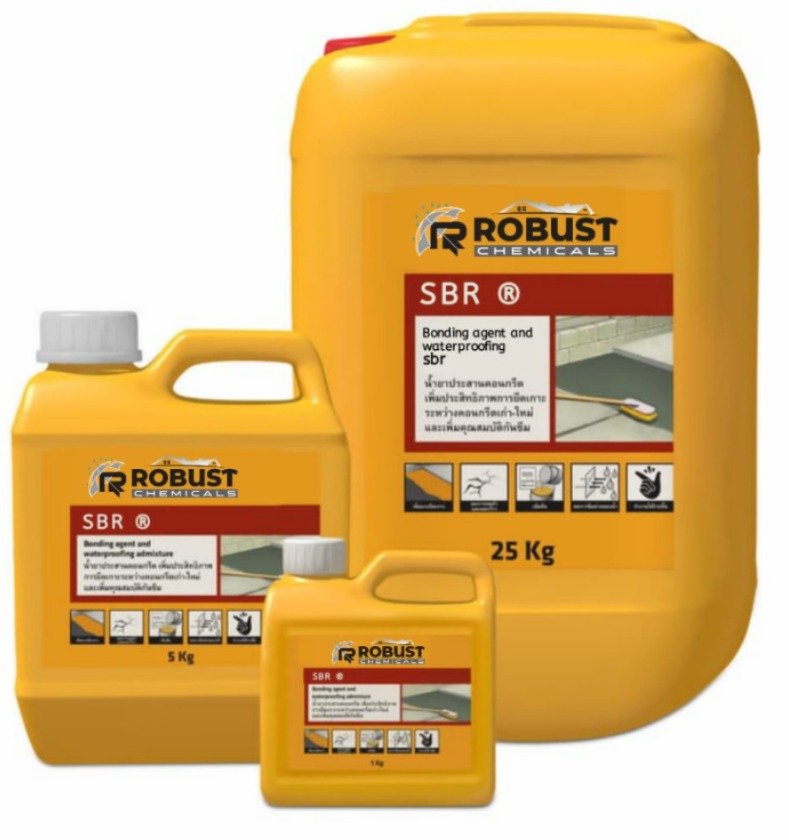
Styrene-Butadiene Rubber (SBR) is a versatile synthetic polymer that has transformed various industries, especially due to its affordability and adaptability. Originally developed to address shortages during wartime, SBR has grown into a staple in manufacturing, construction, and numerous other sectors. Its unique properties make it a suitable replacement for natural rubber in many applications, and it has a wide range of uses thanks to its flexibility, durability, and resilience under pressure. Let’s delve into SBR, its properties, and its myriad applications across industries.
What is Styrene-Butadiene Rubber (SBR)?
Styrene-Butadiene Rubber is a copolymer made from two primary monomers: styrene and butadiene. Its creation involves the polymerization of these monomers, combining their individual characteristics to form a compound that mimics natural rubber but offers improved qualities. Styrene provides rigidity and strength, while butadiene adds flexibility and resilience. Together, these properties make SBR an excellent material for products requiring durability and versatility.
SBR was initially created to counteract rubber shortages during World War II. With limited access to natural rubber, scientists developed synthetic alternatives. Since then, SBR has continued to evolve, serving as a reliable material in fields requiring both flexibility and strength.
Key Properties of SBR
One of the most significant advantages of SBR is its balanced set of properties, which make it a cost-effective and high-performing alternative to natural rubber. Here are some key characteristics:
- Abrasion Resistance: SBR is highly resistant to wear and tear, making it an ideal choice for products that undergo frequent friction. This is especially beneficial in applications like tire production, where durability is essential.
- Flexibility: SBR remains flexible under a wide range of temperatures, which is why it’s used in industries like automotive and construction. Its flexibility also reduces the likelihood of cracking or breaking under pressure.
- Aging Resistance: While SBR is more susceptible to UV and ozone damage than some other synthetic rubbers, it remains quite stable under controlled conditions. This makes it suitable for indoor applications or those where protective coatings are used to mitigate environmental damage.
- Low Water Absorption: SBR does not absorb much moisture, making it valuable in applications that require resistance to water, such as flooring or waterproofing materials.
- Cost-Effectiveness: Compared to natural rubber, SBR is much more affordable. This makes it a popular choice for manufacturers looking to reduce costs without sacrificing performance.
- Good Adhesion: SBR’s structure allows it to bond well with various surfaces, enhancing its utility in applications like adhesives and coatings.
Applications of SBR
Thanks to its versatile nature, SBR is used in several applications across different industries:
1. Tire Manufacturing
One of the most notable applications of SBR is in tire production. SBR tires are durable, resistant to abrasion, and provide a balanced grip, making them ideal for everyday road vehicles. It is often combined with natural rubber to enhance its performance in challenging conditions, such as extreme temperatures. This blending also allows tire manufacturers to control the quality and cost of production more effectively.
2. Footwear
SBR’s flexibility and abrasion resistance make it a popular choice for shoe soles. It withstands wear from constant movement, making it a practical choice for athletic footwear, casual shoes, and industrial boots. SBR outsoles offer durability and provide traction, giving wearers stability on various surfaces.
3. Automotive Parts
In addition to tires, SBR is used to manufacture various automotive parts, such as seals, gaskets, and hoses. These components benefit from SBR’s flexibility and resistance to oils and greases, which are common in automotive environments. Its durability helps extend the lifespan of these parts, reducing the need for frequent replacements.
4. Industrial and Construction Uses
SBR is used in adhesives, coatings, and sealants for industrial and construction applications. For example, it serves as a key ingredient in waterproofing products, providing a protective layer that prevents moisture penetration. SBR-based coatings also enhance surface durability, which is crucial for flooring and roofing materials exposed to heavy foot traffic and weathering.
5. Consumer Goods
In the consumer goods sector, SBR is found in products like toys, flooring materials, and even medical supplies. Its durability and safety make it suitable for products that require frequent handling, including children’s toys and household items. Additionally, its resistance to temperature changes makes it useful for products stored or used in different environmental conditions.
6. Adhesives and Sealants
Due to its strong adhesive properties, SBR is commonly used in glues, sealants, and caulking materials. It bonds well with other materials and is resilient to environmental changes, making it an ideal component in construction adhesives that need to withstand shifts in temperature and humidity.
Types of SBR
There are two main types of SBR, each produced using different processes:
- Emulsion SBR (E-SBR): Produced through the emulsion polymerization of styrene and butadiene, E-SBR is the most common type. It is widely used in tire manufacturing and other general-purpose applications. Although it offers good durability, it can be susceptible to UV and ozone degradation.
- Solution SBR (S-SBR): Solution SBR is produced through a solution polymerization process, which allows for better control over the material’s properties. This type of SBR offers improved performance, such as enhanced grip and stability, making it preferable for high-performance tires. It also has a higher resistance to aging and weathering compared to E-SBR.
Environmental Impact and Sustainability
While SBR offers many advantages, it’s essential to consider its environmental impact. SBR is derived from petroleum-based products, and its production involves energy-intensive processes. Additionally, like many synthetic polymers, SBR is not biodegradable, posing challenges when it comes to disposal.
Some manufacturers are exploring sustainable production methods, including the incorporation of recycled SBR in new products. This approach not only reduces waste but also lowers the demand for virgin raw materials. Moreover, advancements in recycling technologies allow used tires and other SBR products to be repurposed into materials for playground surfaces, sports fields, and even construction materials.
Future Trends in SBR Development
With a growing focus on sustainability and performance, the SBR industry is seeing advancements in technology and applications:
- Green SBR: Researchers are working on bio-based alternatives to traditional SBR. By using plant-based monomers, companies aim to reduce reliance on petroleum, making SBR production more environmentally friendly.
- Enhanced Durability: New formulations are being developed to increase SBR’s durability and resistance to environmental degradation. This includes modifications to make SBR more resistant to UV and ozone, extending its life in outdoor applications.
- Advanced Tire Technology: As the automotive industry advances toward electric vehicles and autonomous driving, tire requirements are also evolving. Solution SBR’s role in high-performance tires is likely to expand, as it provides better grip and efficiency, both essential for electric vehicles.
- Increased Recycling: The industry is making strides in recycling technology, allowing for more efficient reuse of SBR. This will help reduce environmental impact and create a circular economy for rubber products.
Styrene-Butadiene Rubber (SBR) – High-Performance Synthetic Rubber for Industrial Applications
Introduction
In modern manufacturing and engineering, the demand for durable, flexible, and cost-effective materials continues to grow. Among the most widely used synthetic rubbers is Styrene-Butadiene Rubber (SBR) — a versatile elastomer known for its excellent abrasion resistance, aging stability, and cost-efficiency.
SBR is used in thousands of products around the world, from tires and footwear to industrial gaskets, hoses, conveyor belts, and seals. It offers a balance between performance and price, making it a cornerstone in both the automotive and industrial sectors.
This article explores what SBR is, its manufacturing process, key properties, advantages, applications, and how it compares with other elastomers like natural rubber (NR) and nitrile rubber (NBR).
What is Styrene-Butadiene Rubber (SBR)?
Styrene-Butadiene Rubber (SBR) is a synthetic copolymer made from styrene and butadiene monomers. It is one of the most popular synthetic rubbers, accounting for a significant portion of global rubber consumption.
The styrene component gives SBR its rigidity and strength, while butadiene provides flexibility and elasticity. The ratio of these two monomers can be adjusted to achieve specific performance characteristics depending on the application.
There are two main types of SBR based on their production methods:
-
Emulsion SBR (E-SBR):
Produced through an emulsion polymerization process. Commonly used in tires, shoe soles, and adhesives. -
Solution SBR (S-SBR):
Made via solution polymerization, offering improved wear resistance, better performance, and enhanced dynamic properties — often used in high-performance tires.
Manufacturing Process of SBR
1. Emulsion Polymerization (E-SBR):
This process uses styrene and butadiene monomers, an emulsifier, initiator, and stabilizers. The reaction occurs in an aqueous medium, forming a latex which is later coagulated, washed, and dried into solid rubber.
2. Solution Polymerization (S-SBR):
Here, polymerization occurs in an organic solvent with specialized catalysts. This process allows better control over molecular weight and distribution, resulting in improved performance, flexibility, and temperature resistance.
Key Difference:
Solution SBR provides superior abrasion resistance, lower rolling resistance, and better wet grip, making it ideal for modern high-performance tires.
Physical and Chemical Properties of SBR
| Property | Typical Range / Description |
|---|---|
| Appearance | White or light-colored solid |
| Density | 0.94 – 0.98 g/cm³ |
| Hardness | 50–90 Shore A (depending on compound) |
| Tensile Strength | 15 – 25 MPa |
| Elongation at Break | 300 – 500% |
| Compression Set | Good |
| Abrasion Resistance | Excellent |
| Temperature Range | -50°C to +100°C |
| Weathering Resistance | Moderate (can be improved with additives) |
| Oil & Chemical Resistance | Fair |
Key Features and Advantages of Styrene-Butadiene Rubber
1. Excellent Abrasion Resistance
SBR is known for its outstanding wear and tear resistance, which makes it the preferred rubber for products subjected to continuous friction — like tires, conveyor belts, and footwear soles.
2. Good Aging and Heat Resistance
When compounded with antioxidants, SBR demonstrates good resistance to aging, oxidation, and heat degradation, offering long service life.
3. Cost-Effective Alternative to Natural Rubber
SBR provides performance similar to natural rubber (NR) but at a lower cost, making it a popular choice in large-scale manufacturing.
4. Flexibility and Elasticity
SBR maintains its elastic behavior over a wide temperature range, ensuring flexibility even in cold conditions.
5. Excellent Bonding Properties
It adheres well to metals, textiles, and other rubbers, making it suitable for reinforced components like hoses and belts.
6. Good Water and Air Resistance
SBR exhibits low permeability to air and moisture, which enhances durability in exposed applications.
7. Uniform Quality
Unlike natural rubber, which varies due to biological factors, synthetic SBR offers consistent physical and chemical properties from batch to batch.
Applications of Styrene-Butadiene Rubber
Because of its balance of performance, durability, and affordability, SBR is used in a wide variety of products across multiple industries.
1. Tire Manufacturing
The largest consumer of SBR is the automotive tire industry, accounting for over 50% of total production.
SBR is blended with natural rubber to produce tread and sidewall compounds, offering:
-
Better abrasion resistance
-
Improved traction and grip
-
Lower rolling resistance
-
Enhanced fuel efficiency
High-performance tires use solution SBR (S-SBR) for superior performance under diverse weather conditions.
2. Footwear and Sports Equipment
SBR’s flexibility and shock absorption make it ideal for shoe soles, sports mats, and grips. It ensures durability and comfort even under continuous mechanical stress.
3. Conveyor Belts and Industrial Hoses
In industries such as mining, agriculture, and manufacturing, SBR is used to produce belts, hoses, and gaskets that require abrasion resistance and flexibility.
4. Seals, Gaskets, and Dampers
SBR is suitable for general-purpose sealing where oil and chemical exposure is minimal. It provides reliable performance in water, air, and mild chemical environments.
5. Flooring and Coatings
SBR is used in rubber flooring, playground mats, and coatings for shock absorption, slip resistance, and surface protection.
6. Adhesives and Latex Products
Emulsion SBR (E-SBR) is a key component in pressure-sensitive adhesives, carpet backing, and paper coatings, due to its excellent binding and film-forming abilities.
7. Automotive Components
Used for bushings, vibration mounts, dust covers, and suspension parts, SBR improves comfort and reduces noise in vehicles.
Styrene-Butadiene Rubber vs. Natural Rubber
| Property | SBR | Natural Rubber (NR) |
|---|---|---|
| Source | Synthetic (Petrochemical) | Natural (Latex from Rubber Trees) |
| Consistency | Uniform | Variable |
| Abrasion Resistance | Excellent | Good |
| Aging & Ozone Resistance | Better (with additives) | Poor |
| Oil Resistance | Fair | Poor |
| Temperature Range | -50°C to +100°C | -60°C to +80°C |
| Cost | Lower | Higher |
| Application Focus | Tires, Hoses, Belts | Tires, Shock Mounts, General Rubber Goods |
Conclusion:
While natural rubber provides superior elasticity, SBR offers higher durability, better wear resistance, and more consistent performance in industrial environments.
Styrene-Butadiene Rubber vs. Nitrile Rubber (NBR)
| Property | SBR | NBR |
|---|---|---|
| Oil & Fuel Resistance | Fair | Excellent |
| Abrasion Resistance | Excellent | Very Good |
| Heat Resistance | Good | Good |
| Flexibility at Low Temp | Excellent | Moderate |
| Cost | Lower | Higher |
| Common Uses | Tires, Belts, Footwear | Oil Seals, Gaskets, Hoses |
Key Takeaway:
SBR is ideal for general-purpose and mechanical applications, while NBR is used when oil and fuel resistance are critical.
Advantages of Using SBR in Industrial and Automotive Sectors
-
High tensile and tear strength
-
Long service life under mechanical stress
-
Superior dynamic performance
-
Compatibility with fillers and additives
-
Easy to process and mold
-
Excellent blending properties with NR and BR (Butadiene Rubber)
Because of these characteristics, SBR continues to be a top choice for cost-effective, high-volume rubber goods worldwide.
Environmental and Safety Aspects
Modern SBR manufacturing processes emphasize sustainability and worker safety. Key points include:
-
Reduced Emissions: Use of eco-friendly catalysts and solvents.
-
Recycling: SBR scraps can be reused in various applications.
-
Safety: Non-toxic and chemically stable under normal conditions.
-
Compliance: Meets REACH and RoHS standards in most regions.
Future Trends and Innovations in SBR
The global demand for energy-efficient and eco-friendly tires is driving innovations in solution SBR with enhanced rolling resistance and grip performance.
Additionally, advancements in bio-based SBR production are being developed to reduce dependence on petrochemical feedstocks.
With ongoing research in nanocomposite and reinforced SBR materials, the future promises improved mechanical strength, weather resistance, and sustainability.
Conclusion
Styrene-Butadiene Rubber (SBR) stands as one of the most versatile and reliable synthetic rubbers in the world. Combining durability, flexibility, and cost-effectiveness, it is used extensively in automotive, construction, footwear, and industrial sectors.
From high-performance tires to flexible gaskets and shock-absorbing mats, SBR provides an ideal balance of performance and affordability. As industries move toward sustainability and energy efficiency, SBR continues to evolve, offering enhanced formulations that meet the needs of modern engineering and environmental standards.
Choosing a trusted SBR manufacturer or supplier ensures consistent quality, optimized performance, and long-term reliability for your industrial and commercial applications.
Styrene-Butadiene Rubber (SBR) – High-Performance Synthetic Rubber for Industrial Applications
Introduction
In today’s industrial landscape, manufacturers are constantly seeking materials that offer reliability, durability, and cost efficiency. One such material that has earned a leading position is Styrene-Butadiene Rubber (SBR). This high-performance synthetic elastomer combines excellent abrasion resistance, flexibility, and mechanical strength with affordability — making it a preferred choice across numerous industries.
From automotive tires and footwear to industrial hoses, gaskets, and rubber flooring, SBR provides a stable balance of elasticity and resilience. Its widespread adoption stems from its versatility, consistent quality, and easy processing. As the global demand for sustainable, high-performance rubbers continues to rise, SBR remains at the forefront of innovation, offering enhanced formulations for modern engineering applications.
What is Styrene-Butadiene Rubber (SBR)?
Styrene-Butadiene Rubber (SBR) is a copolymer of styrene and butadiene, two petrochemical monomers that, when combined, produce a durable and flexible synthetic rubber. It was developed as an alternative to natural rubber (NR), especially during World War II when natural rubber supplies were limited.
The styrene component contributes rigidity, processability, and strength, while butadiene imparts elasticity and impact resistance. The proportion of these monomers can vary, typically between 23 % styrene and 77 % butadiene, depending on the desired performance characteristics.
SBR is one of the most widely used synthetic rubbers worldwide, accounting for more than one-third of global synthetic rubber production. Its adaptability allows manufacturers to fine-tune properties for specific industrial needs — from soft, flexible soles to tough, abrasion-resistant treads.
Manufacturing Process of SBR
SBR is produced using two main polymerization methods:
1. Emulsion Polymerization (E-SBR)
This traditional method involves dispersing styrene and butadiene in water with emulsifiers and initiators. The resulting latex emulsion is then coagulated, washed, and dried to form solid rubber. E-SBR offers excellent processability and cost efficiency, which is why it remains common in tires, adhesives, and coatings.
2. Solution Polymerization (S-SBR)
In this process, the monomers are polymerized in an organic solvent using specialized catalysts such as lithium compounds. Solution polymerization provides better control over molecular structure, resulting in superior mechanical properties, uniformity, and enhanced dynamic behavior.
S-SBR is preferred for high-performance tires that demand excellent grip, rolling resistance, and heat stability.
Key Point:
S-SBR technology has transformed the tire industry by enabling improved fuel efficiency and wet traction, contributing directly to sustainability and safety.