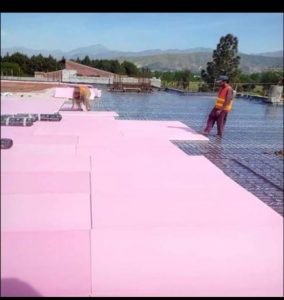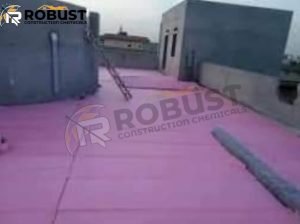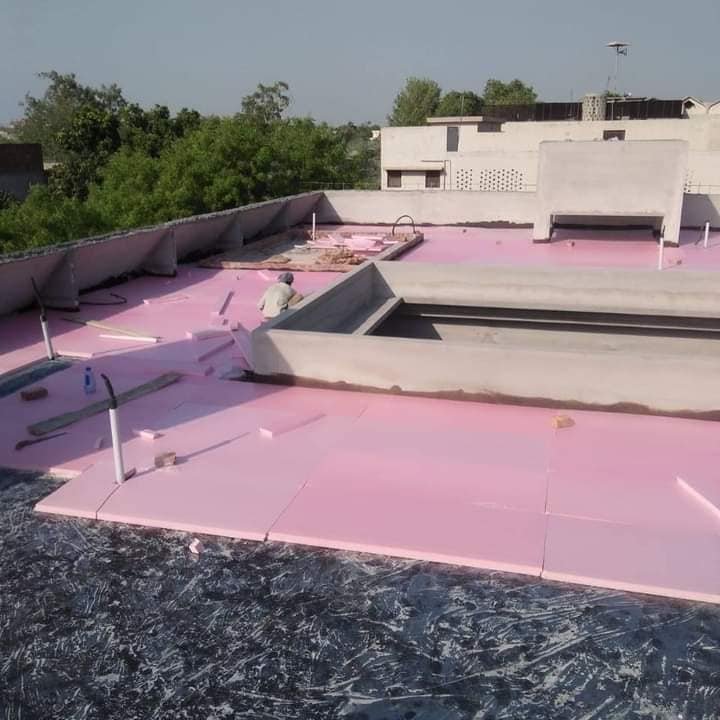
Top Jambolone Heatproofing Solutions for Roofs & Walls in Pakistan
With rising global temperatures and increasing energy costs, protecting buildings from heat has become essential. Roofs and walls exposed to direct sunlight absorb massive amounts of heat, resulting in higher indoor temperatures, increased air-conditioning costs, and faster structural deterioration. Jambolone Heatproofing offers a superior, eco-friendly, and long-lasting solution for thermal insulation, designed to protect rooftops and walls from extreme heat in Pakistan’s diverse climate.
Robust Construction Chemicals brings you top Jambolone heatproofing solutions, trusted by engineers, contractors, and homeowners across Lahore, Islamabad, Karachi, and other major cities. With advanced polymer-based formulations, Jambolone provides high thermal reflection, UV resistance, and waterproofing — all in a single coating.
1. What is Jambolone Heatproofing?
Jambolone Heatproofing is a liquid-applied, polymer-modified coating designed for roofs, terraces, and walls. It forms a seamless, reflective, and flexible membrane that prevents heat transfer from external surfaces into buildings. Unlike conventional paints, it combines thermal insulation, waterproofing, and UV protection, making it an ideal solution for both residential and commercial structures.
Key Features:
-
Reflects solar radiation, reducing heat absorption.
-
Flexible and crack-resistant, accommodating structural movement.
-
Forms a seamless, durable, and waterproof membrane.
-
Resistant to weathering, UV rays, and harsh environmental conditions.
-
Eco-friendly, non-toxic, and odorless formulation.
2. Importance of Heatproofing Roofs and Walls in Pakistan
Pakistan experiences extreme heat conditions, particularly during summer months. Roofs and walls can reach temperatures over 60°C in direct sunlight, resulting in:
-
Increased Indoor Temperature: Traditional roofs without insulation transfer heat directly inside, making rooms uncomfortably hot.
-
High Energy Consumption: Increased reliance on air-conditioning leads to higher electricity bills.
-
Structural Damage: Prolonged heat exposure causes concrete to crack, paint to peel, and metal to expand, reducing building lifespan.
-
Waterproofing Issues: Heat accelerates water seepage in roofs and walls during rains, as cracks develop.
Jambolone Heatproofing addresses all these challenges simultaneously by reflecting heat, preventing cracks, and adding waterproofing protection, ensuring a comfortable and energy-efficient building environment.
3. How Jambolone Works
Jambolone is formulated with high-performance polymers and reflective pigments, which provide:
-
Solar Reflective Action: Reflects up to 90% of solar radiation, reducing surface temperature by 10–15°C.
-
Crack Bridging: Flexible polymer matrix accommodates roof expansion and contraction, preventing crack formation.
-
Waterproofing Layer: Forms a continuous membrane that prevents water seepage during rains.
-
UV Protection: Stabilized pigments resist ultraviolet degradation, keeping the coating effective for years.
The coating adheres to concrete, brick, or metal surfaces, creating a long-lasting barrier against heat and water simultaneously.
4. Applications of Jambolone Heatproofing
Jambolone Heatproofing is versatile and suitable for a wide range of structures:
A. Residential Buildings
-
Protects rooftops, terraces, and exterior walls.
-
Reduces indoor temperatures, improving comfort and lowering air-conditioning costs.
-
Ideal for high-rise apartments and villas.
B. Commercial Buildings
-
Offices, shops, and malls benefit from reduced cooling costs.
-
Enhances durability of roofs and walls exposed to direct sunlight.
C. Industrial Structures
-
Factories, warehouses, and cold storage units gain energy efficiency.
-
Prevents heat damage to machinery and stored goods.
D. Educational & Healthcare Facilities
-
Schools, colleges, and hospitals remain cooler without excessive reliance on HVAC systems.
E. Water Tanks and Overhead Structures
-
Protects water tanks from heating, reducing water temperature and microbial growth.
5. Advantages of Jambolone Heatproofing
-
Reduces Indoor Temperature: Keeps homes and offices cooler by reflecting heat.
-
Energy-Efficient: Lowers air-conditioning costs significantly.
-
Seamless Waterproofing: Prevents leaks and moisture ingress.
-
Crack-Resistant: Flexible coating bridges minor cracks, preventing damage.
-
UV-Resistant: Protects roof and wall surfaces from sun damage.
-
Long-Lasting Durability: Maintains effectiveness for 8–12 years depending on exposure.
-
Eco-Friendly & Non-Toxic: Safe for residential and commercial use.
-
Cost-Effective Solution: Reduces maintenance and structural repair costs.
6. Technical Specifications
| Property | Specification |
|---|---|
| Type | Polymer-Modified Liquid Coating |
| Color | White / Reflective Light Shade |
| Drying Time | 4–6 hours per coat |
| Coverage | 1 kg/m² for 2 coats |
| Elongation | ≥ 150% |
| Crack Bridging | Up to 2 mm |
| Solar Reflectance | Up to 90% |
| Water Resistance | Excellent |
| Temperature Resistance | -10°C to 80°C |
| Shelf Life | 12 months in sealed container |
7. Surface Preparation for Application
Proper surface preparation ensures long-lasting adhesion and effectiveness:
-
Cleaning: Remove dust, grease, algae, mold, and loose material. Use a wire brush or pressure washer.
-
Repair: Fill visible cracks and joints using Robust Crack Seal or Robust Power Plug.
-
Dry Surface: Ensure surface is completely dry before application.
-
Priming: Apply a primer if recommended for porous surfaces to enhance bonding.
8. Application Instructions
Step 1: Mixing
-
Stir Jambolone coating thoroughly to achieve uniform consistency.
-
Avoid using water or solvents unless specified by the manufacturer.
Step 2: First Coat
-
Apply evenly using a roller, brush, or airless spray.
-
Maintain a coverage of 0.5 kg/m² for the first coat.
-
Allow 4–6 hours drying time depending on temperature.
Step 3: Second Coat
-
Apply the second coat perpendicular to the first.
-
Coverage: 0.5–0.6 kg/m².
-
Ensure full surface coverage with no pinholes or thin areas.
Step 4: Optional Protective Layer
-
For exposed roofs, apply reflective paint or protective cement screed over Jambolone.
-
Enhances durability and heat resistance.
9. Recommended System Integration
For best results, Jambolone can be used in combination with other Robust Construction Chemicals products:
-
Robust RC-7 Roof Coating: For enhanced waterproofing.
-
Robust Foil Bitumen Membrane: Additional thermal and waterproof protection.
-
Robust DPC Membrane: Protects below-grade walls and foundations.
-
Robust Power Plug: Stops active leaks before heatproofing application.
10. Maintenance and Longevity
-
Inspect roof and wall surfaces annually for damage or wear.
-
Reapply a thin maintenance coat every 6–8 years to refresh heatproofing efficiency.
-
Keep surfaces clean to maximize solar reflectance.
Proper maintenance ensures up to 12 years of effective thermal and waterproofing protection.
11. Case Studies
Case Study 1: Residential Villa in Lahore
-
Roof temperature reduced by 12°C after applying Jambolone coating.
-
Indoor air-conditioning use dropped by 30%.
Case Study 2: Commercial Office in Islamabad
-
Jambolone applied on terrace and walls.
-
Employee comfort increased, and electricity bills reduced significantly.
Case Study 3: Industrial Warehouse in Karachi
-
Jambolone reduced internal temperature in storage areas.
-
Heat-sensitive products remained protected during summer months.
12. Environmental and Economic Benefits
-
Reduces heat gain, saving energy costs.
-
Extends roof and wall lifespan, preventing cracks and water leakage.
-
Eco-friendly coating reduces carbon footprint by lowering AC energy consumption.
-
Minimizes future maintenance and repair costs.
13. Common Questions About Jambolone Heatproofing
Q1: Can it be applied on old roofs?
A1: Yes, after cleaning and minor repair, Jambolone can be applied to both new and old roofs.
Q2: Is it safe for potable water tanks?
A2: Yes, non-toxic formulations are safe for water storage.
Q3: How many coats are required?
A3: At least 2 coats are recommended for effective heatproofing and waterproofing.
Q4: What surfaces can it be applied on?
A4: Concrete, brick, metal sheets, and plastered walls.
Q5: How long does it last?
A5: 8–12 years depending on exposure and maintenance.
Jambolone Heatproofing Solutions for Roofs & Walls
18. Detailed Technical Advantages of Jambolone Heatproofing
Jambolone Heatproofing is not just a standard coating; it is an advanced polymer-based solution engineered for thermal, waterproofing, and structural protection. Its technical superiority lies in the combination of flexible polymers, UV-stable pigments, and water-resistant binders, which make it highly effective in extreme conditions.
Key Technical Advantages:
-
High Thermal Reflectance:
-
Jambolone reflects up to 90% of solar radiation, reducing roof surface temperature by 10–15°C.
-
This lowers indoor heat gain, improving energy efficiency.
-
-
Crack Bridging Capacity:
-
With elongation above 150%, it accommodates concrete movement caused by thermal expansion and contraction.
-
Prevents formation of hairline cracks and water leakage.
-
-
Waterproof Membrane Formation:
-
Forms a continuous, seamless waterproof barrier that prevents rainwater seepage.
-
Can be applied over flat, sloped, or curved surfaces.
-
-
UV and Weather Resistance:
-
Stabilized pigments resist sun degradation, maintaining coating efficiency for 8–12 years.
-
Suitable for coastal areas where salt and humidity can accelerate deterioration.
-
-
Chemical Resistance:
-
Resistant to mild acids, alkalis, and atmospheric pollutants.
-
Ensures durability in industrial zones with chemical exposure.
-
-
Flexible and Adhesive:
-
Bonds strongly with concrete, metal, and brick surfaces.
-
Does not peel, blister, or detach over time.
-
19. Advanced Applications of Jambolone Heatproofing
Beyond residential rooftops and walls, Jambolone is suitable for industrial, commercial, and infrastructural applications:
A. Industrial Roofs
-
Factories, warehouses, and workshops benefit from reduced indoor temperature.
-
Protects machinery, stored materials, and energy-intensive equipment from heat damage.
B. Educational and Healthcare Institutions
-
Schools, colleges, and hospitals remain cooler, improving comfort and productivity.
-
Reduces HVAC demand, lowering operational costs.
C. Commercial Complexes
-
Office buildings, malls, and hotels experience enhanced energy efficiency.
-
Provides a seamless exterior finish that is resistant to cracking and water infiltration.
D. Water Tanks & Overhead Structures
-
Reduces water temperature in storage tanks, preserving water quality.
-
Minimizes microbial growth in potable water systems.
E. Bridges and Parking Decks
-
Protects concrete surfaces exposed to high sun exposure.
-
Adds thermal resistance and prevents surface deterioration.
20. Installation Best Practices for Maximum Efficiency
For long-lasting performance, proper application is crucial. Here is a step-by-step guide:
Step 1: Surface Preparation
-
Cleaning: Remove dirt, dust, algae, mold, loose paint, and debris using a wire brush or pressure washer.
-
Repair: Fill cracks and joints with Robust Crack Seal or Robust Power Plug for structural integrity.
-
Priming: Apply a primer to porous or dusty surfaces for enhanced adhesion.
Step 2: Mixing
-
Stir Jambolone thoroughly to achieve uniform consistency.
-
Avoid diluting with water unless specified by the manufacturer.
Step 3: First Coat Application
-
Apply the first coat using a roller, brush, or airless spray.
-
Coverage: ~0.5 kg/m² per coat.
-
Allow 4–6 hours for drying depending on ambient temperature.
Step 4: Second Coat Application
-
Apply perpendicular to the first coat to ensure full coverage.
-
Coverage: 0.5–0.6 kg/m².
-
Ensure there are no pinholes, gaps, or thin areas.
Step 5: Optional Protective Top Layer
-
For high-traffic or highly exposed roofs, apply a reflective topcoat or cementitious screed over Jambolone.
-
Enhances longevity and UV protection.
Pro Tip: Avoid applying on wet surfaces or during rainfall. Application during the early morning or late afternoon is ideal in hot climates to prevent premature drying.
21. Integration with Other Robust Construction Chemicals Products
To achieve complete waterproofing and heatproofing, Jambolone works synergistically with other products:
-
RC-7 Roof Coating: Additional waterproofing layer for high rainfall areas.
-
Foil Bitumen Membrane: Provides dual protection against heat and water.
-
DPC Membrane: Ensures damp-proofing in below-grade walls.
-
Power Plug: Seals active leaks before heatproofing application.
Using these products in combination provides a full-proof building envelope, ensuring roofs and walls remain cool, dry, and crack-free.
22. Common Issues and Troubleshooting
Even with high-quality coatings, improper application can lead to problems. Here’s how to avoid and fix them:
| Issue | Cause | Solution |
|---|---|---|
| Blistering | Moisture trapped beneath coating | Ensure surface is dry before application |
| Peeling | Poor adhesion or dusty surface | Clean and prime surface; ensure proper mixing |
| Cracks | Structural movement beyond coating capacity | Repair with elastomeric coating; apply additional flexible top layer |
| Uneven Finish | Inconsistent application | Use roller or spray; apply in multiple thin coats |
| Reduced Reflectivity | Dirt or algae accumulation | Clean roof regularly; recoat every 6–8 years |
23. Maintenance Guide for Longevity
-
Inspect roofs and walls annually for damage or wear.
-
Remove dust, leaves, and debris to maintain reflectivity.
-
Reapply a maintenance coat every 6–8 years to restore thermal efficiency.
-
Clean water tanks coated with Jambolone periodically to ensure potable water safety.
Proper maintenance ensures 10–12 years of optimal heatproofing performance.
24. Case Studies / Success Stories
Case Study 1: Residential Villa, Lahore
-
Roof temperature reduced by 12°C.
-
Air-conditioning usage decreased by 30%, resulting in significant electricity savings.
Case Study 2: Commercial Office, Islamabad
-
Jambolone applied on walls and rooftop.
-
Indoor thermal comfort increased, reducing operational costs.
Case Study 3: Industrial Warehouse, Karachi
-
Internal temperatures in storage areas decreased by 8–10°C.
-
Heat-sensitive goods remained protected even during peak summer.
Case Study 4: Water Tank, Faisalabad
-
Water temperature reduced by 6°C after coating.
-
Microbial growth minimized, improving water quality.
25. Environmental & Economic Benefits
-
Reduces energy consumption by lowering indoor temperatures.
-
Extends lifespan of roofs and walls, preventing cracking and seepage.
-
Eco-friendly and non-toxic, safe for residential and commercial applications.
-
Cost-effective, minimizing future maintenance and repairs.
26. Frequently Asked Questions (FAQs)
Q1: Can Jambolone be applied on old roofs?
A1: Yes, after cleaning and minor repair, it adheres to existing surfaces.
Q2: How many coats are recommended?
A2: At least 2 coats are recommended for effective thermal insulation.
Q3: Can it be used on potable water tanks?
A3: Yes, Jambolone is safe and non-toxic.
Q4: How long does it last?
A4: 8–12 years depending on exposure and maintenance.
Q5: Can it be applied during summer?
A5: Yes, but avoid peak sunlight; early morning or late afternoon is recommended.
31. Jambolone Heatproofing for Different Roof Types
Different roof constructions in Pakistan require customized heatproofing strategies. Jambolone is versatile and can be applied on multiple roof types:
A. Flat Concrete Roofs
-
Most common in residential and commercial buildings.
-
Direct sunlight causes high surface temperatures.
-
Jambolone creates a seamless reflective layer, reducing surface heat absorption and protecting concrete from UV-induced deterioration.
-
Best applied in two coats, with an optional reflective topcoat for maximum effect.
B. Sloped Terracotta or Tile Roofs
-
Tiles absorb heat and transfer it to indoor spaces.
-
Jambolone can be applied directly on tiles or on underlayment to reduce heat transmission.
-
Helps in extending tile lifespan and reducing indoor cooling costs.
C. Metal Roofs (Zinc, Galvanized, or Aluminum)
-
Metal surfaces heat up quickly under direct sunlight.
-
Jambolone’s reflective properties significantly reduce heat absorption.
-
Provides waterproofing and corrosion resistance, preventing rust formation.
D. Green Roofs / Terraces
-
Jambolone acts as a thermal barrier under soil and plants.
-
Enhances energy efficiency while protecting waterproof membranes from UV and thermal stress.
32. Jambolone Heatproofing in Extreme Climates of Pakistan
Pakistan has a diverse climate, from hot deserts in Sindh and Balochistan to humid coastal areas of Karachi and cold northern regions. Jambolone is engineered to perform in all conditions:
-
Hot Arid Climates: Reflects solar heat, lowers indoor temperatures, and prevents thermal cracking.
-
Humid Coastal Areas: Resistant to salt, moisture, and UV degradation; prevents corrosion and mold formation.
-
Rainy Monsoon Regions: Seamless waterproofing prevents water seepage and protects structures from hydrostatic pressure.
-
Cold Northern Areas: Flexible polymers accommodate thermal contraction and expansion without cracking.
By providing multi-climatic protection, Jambolone ensures energy efficiency and durability for all building types.
33. Advanced Installation Techniques for Maximum Effectiveness
Proper application is crucial for achieving long-term heatproofing and waterproofing performance:
Step 1: Detailed Surface Inspection
-
Check for existing cracks, water damage, and weak points.
-
Identify areas with potential leakage or structural movement.
-
Document problem areas to address before coating.
Step 2: Repair and Priming
-
Use Robust Power Plug or Robust Crack Seal for repairing leaks and cracks.
-
Apply primer on highly porous surfaces to enhance adhesion.
-
Ensure all repairs are fully cured before applying Jambolone.
Step 3: Application of Jambolone Coating
-
Stir thoroughly to achieve uniform consistency.
-
Apply first coat evenly using a brush, roller, or airless sprayer.
-
Maintain recommended coverage of 0.5 kg/m² per coat.
-
Allow sufficient drying time before applying the second coat.
Step 4: Second Coat and Optional Protective Layer
-
Apply the second coat perpendicular to the first for uniform coverage.
-
For high-traffic roofs, terraces, or industrial floors, add a reflective or cementitious top layer to protect against mechanical wear.
-
Ensure that all corners, edges, and junctions are fully covered.
Step 5: Final Inspection
-
Inspect coating for pinholes, thin areas, or inconsistencies.
-
Correct any defects immediately before curing.
-
Conduct water ponding or infrared thermography tests to verify performance.
34. Benefits for Modern Construction Practices
A. Energy Efficiency
-
Reduces indoor temperatures by 8–12°C.
-
Decreases reliance on air-conditioning systems, saving electricity costs.
B. Structural Protection
-
Prevents cracking caused by thermal stress.
-
Provides seamless waterproofing to protect concrete and steel from water damage.
C. Durability and Longevity
-
Flexible polymer-based coating withstands expansion and contraction.
-
UV-stabilized pigments prevent color fading and coating degradation.
D. Environmental Sustainability
-
Eco-friendly and non-toxic formulation.
-
Reduces carbon footprint by lowering energy consumption.
E. Economic Advantages
-
Minimizes future maintenance costs.
-
Increases the life span of roofs, terraces, and walls.
-
Adds long-term value to residential, commercial, and industrial properties.
35. Integration with Other Building Solutions
To achieve comprehensive thermal and waterproofing performance, Jambolone can be combined with:
-
Robust RC-7 Coating: For additional waterproofing and protection against water seepage.
-
Robust DPC Membrane: For below-grade walls and foundations.
-
Foil Bitumen Membrane: Adds extra insulation and heat reflection.
-
Power Plug / Crack Seal: Prepares surface for seamless coating.
This integrated approach ensures multi-layered protection, addressing heat, moisture, and structural stress simultaneously.
36. Project Examples and Case Studies
Residential Rooftop in Lahore
-
Jambolone applied on 150 m² roof area.
-
Roof temperature reduced by 12°C during peak summer.
-
Air-conditioning bills decreased by 25% over 6 months.
Industrial Warehouse in Karachi
-
Roof and wall heatproofing reduced internal temperatures by 10°C.
-
Equipment and stored goods protected from thermal stress.
Commercial Office in Islamabad
-
Terrace and wall coating provided dual heat and water protection.
-
Employees reported significant improvement in indoor comfort.
Water Storage Tanks in Faisalabad
-
Jambolone reduced water temperature by 5–6°C.
-
Improved water quality and reduced microbial growth.
37. Maintenance Recommendations
-
Inspect roofs and walls at least once a year.
-
Remove dust, leaves, and algae to maintain reflectivity.
-
Reapply maintenance coat every 6–8 years to restore thermal efficiency.
-
Ensure proper drainage to prevent standing water on coated surfaces.
Tip: Regular maintenance preserves reflectivity, waterproofing, and thermal performance.