Top-Quality EPS Thermacol Sheet | Thermal Protection & Energy Saving Solution
is a high-performance, lightweight, and durable insulation material designed to provide superior thermal, acoustic, and moisture protection for residential, commercial, and industrial buildings.
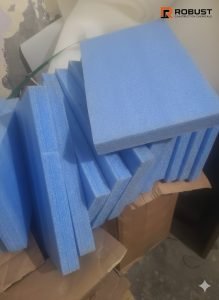
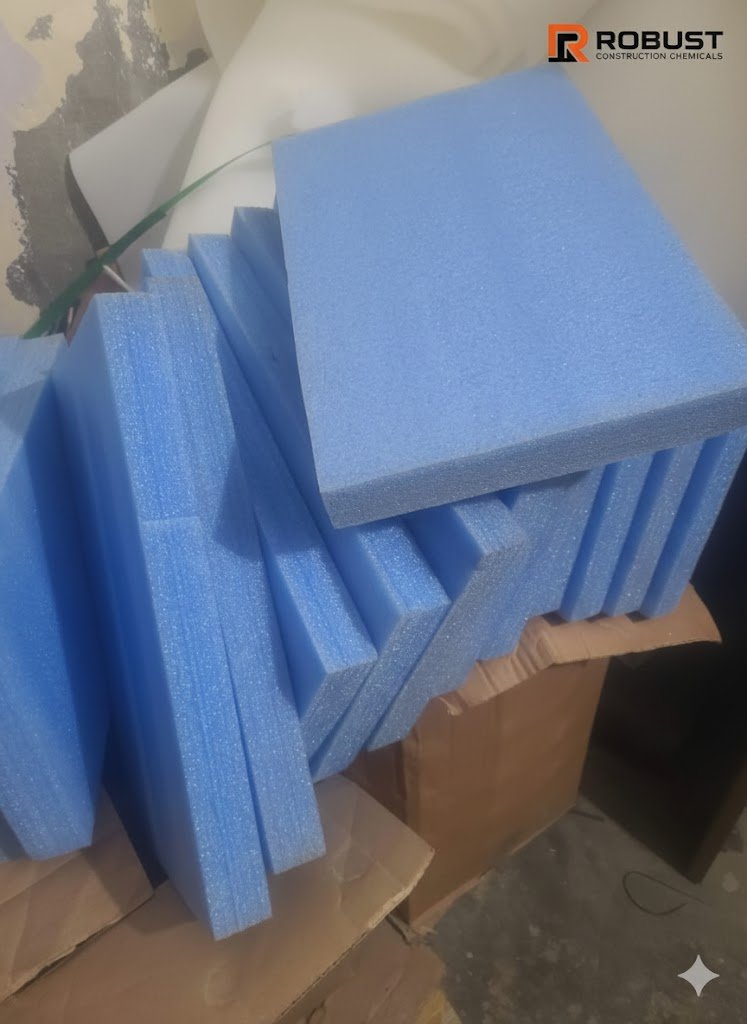
EPS (Expanded Polystyrene) Thermacol sheets are engineered using advanced polymer technology to create a closed-cell structure that offers excellent heat resistance, low thermal conductivity, and long-term dimensional stability, making them an ideal solution for energy-efficient construction and sustainable building practices.
These sheets are widely used in roofs, walls, floors, cold storage facilities, refrigerated warehouses, HVAC systems, and soundproofing applications, providing comprehensive insulation while reducing energy consumption and operational costs.
EPS Thermacol sheets act as a thermal barrier, preventing heat transfer between indoor and outdoor environments, which helps maintain comfortable indoor temperatures in both hot summers and cold winters.
This thermal protection minimizes the need for excessive heating or cooling, lowering electricity bills and reducing the carbon footprint of buildings. The closed-cell structure of EPS also provides excellent moisture resistance, preventing water absorption, dampness, mold formation, and structural degradation over time.
By keeping walls, roofs, and floors dry, EPS sheets enhance the durability of construction materials and protect reinforcement steel and concrete from corrosion caused by moisture penetration.
In addition to thermal performance, EPS Thermacol sheets offer significant sound insulation benefits. The material’s lightweight yet dense structure absorbs and reduces airborne and impact noise, making it an excellent choice for apartments, offices, schools, hospitals, and industrial facilities where acoustic comfort is essential.
EPS sheets can be used alone or in combination with other soundproofing materials to achieve higher noise reduction levels for complex architectural designs.
EPS Thermacol sheets are highly versatile and easy to handle, cut, and install, allowing architects, builders, and contractors to achieve precise fitting in various applications. Their lightweight nature reduces structural load, making them suitable for retrofitting older buildings as well as new construction projects.
The sheets are compatible with a wide range of construction materials, including concrete, brick, metal, plywood, and gypsum boards, which ensures seamless integration into diverse building systems.
High-density EPS Thermacol sheets are particularly suitable for areas exposed to high thermal stress or heavy mechanical loads.
These sheets maintain their shape and performance over long periods without sagging, shrinking, or deforming, ensuring consistent thermal protection and energy savings.
In addition, EPS sheets are resistant to most chemicals, fungi, and pests, making them suitable for industrial and agricultural storage applications where environmental conditions can be challenging.
EPS Thermacol sheets play a crucial role in energy-efficient building certifications, such as LEED (Leadership in Energy and Environmental Design) and Green Building standards, by contributing to reduced energy consumption and improved thermal comfort.
Their high insulation value allows for smaller HVAC system capacity, further reducing construction and operational costs. In commercial and residential roofing systems, EPS sheets prevent heat gain in summer and heat loss in winter, enhancing the overall building performance and comfort for occupants.
Cold storage facilities, refrigeration warehouses, and perishable goods storage rely heavily on EPS Thermacol sheets to maintain precise temperature control.
By minimizing thermal bridging and preventing heat infiltration, these sheets ensure energy-efficient operation and preservation of sensitive goods. Similarly, in HVAC ductwork insulation, EPS sheets reduce heat loss or gain, improve system efficiency, and contribute to lower energy usage over time.
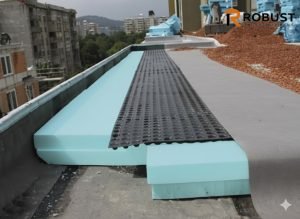
EPS Thermacol sheets are also used in waterproofing systems as insulation layers beneath membranes, tiles, or screeds.
They provide an additional layer of protection against moisture while simultaneously contributing to thermal performance, creating multi-functional building envelopes that resist environmental challenges effectively.
From a sustainability perspective, EPS Thermacol sheets are eco-friendly, lightweight, and recyclable, reducing environmental impact during production and at the end of the building lifecycle.
Their durability and long service life minimize replacement needs, further promoting resource efficiency and sustainable construction practices.
In industrial buildings, factories, warehouses, and cold storage units, EPS Thermacol sheets provide both thermal and structural benefits.
Their ability to resist high temperatures and mechanical stress ensures safe storage of materials and maintains operational efficiency while protecting equipment and inventory from heat-induced damage.
EPS Thermacol sheets are designed to accommodate building movement, expansion, and contraction without cracking or losing insulation properties.
This flexibility ensures that they perform effectively in regions experiencing significant seasonal or temperature fluctuations, preventing gaps, thermal bridges, or insulation failures.
Installation of EPS Thermacol sheets is straightforward and cost-effective. They can be bonded, mechanically fixed, or sandwiched between layers of concrete or plaster, depending on project requirements.
Skilled installation ensures complete coverage, airtight joints, and optimal insulation performance, maximizing energy savings and structural protection.
Architects and engineers prefer EPS Thermacol sheets for their combination of lightweight performance, durability, and superior thermal and acoustic insulation.
Their versatility allows integration into walls, roofs, floors, ceilings, and specialized applications such as green roofs, podium slabs, and soundproof panels.
Overall, Top-Quality EPS Thermacol Sheet | Thermal Protection & Energy Saving Solution offers a comprehensive insulation package that addresses heat, sound, and moisture challenges in modern construction.
By combining energy efficiency, durability, moisture resistance, and acoustic performance, EPS Thermacol sheets ensure that buildings remain comfortable, sustainable, and protected for decades.
Whether used in residential, commercial, or industrial projects, these sheets provide a reliable, long-lasting, and cost-effective insulation solution that meets the highest construction and environmental standards.
Top-Quality EPS Thermacol Sheet | Thermal Protection & Energy Saving Solution
is a high-performance, lightweight, and durable insulation material designed to provide superior thermal, acoustic, and moisture protection for residential, commercial, and industrial buildings.
EPS (Expanded Polystyrene) Thermacol sheets are engineered using advanced polymer technology to create a closed-cell structure that offers excellent heat resistance, low thermal conductivity, and long-term dimensional stability, making them an ideal solution for energy-efficient construction and sustainable building practices.
These sheets are widely used in roofs, walls, floors, cold storage facilities, refrigerated warehouses, HVAC systems, and soundproofing applications, providing comprehensive insulation while reducing energy consumption and operational costs.
EPS Thermacol sheets act as a thermal barrier, preventing heat transfer between indoor and outdoor environments, which helps maintain comfortable indoor temperatures in both hot summers and cold winters.
This thermal protection minimizes the need for excessive heating or cooling, lowering electricity bills and reducing the carbon footprint of buildings. The closed-cell structure of EPS also provides excellent moisture resistance, preventing water absorption, dampness, mold formation, and structural degradation over time.
By keeping walls, roofs, and floors dry, EPS sheets enhance the durability of construction materials and protect reinforcement steel and concrete from corrosion caused by moisture penetration.
In addition to thermal performance, EPS Thermacol sheets offer significant sound insulation benefits. The material’s lightweight yet dense structure absorbs and reduces airborne and impact noise, making it an excellent choice for apartments, offices, schools, hospitals, and industrial facilities where acoustic comfort is essential.
EPS sheets can be used alone or in combination with other soundproofing materials to achieve higher noise reduction levels for complex architectural designs.
EPS Thermacol sheets are highly versatile and easy to handle, cut, and install, allowing architects, builders, and contractors to achieve precise fitting in various applications. Their lightweight nature reduces structural load, making them suitable for retrofitting older buildings as well as new construction projects.
The sheets are compatible with a wide range of construction materials, including concrete, brick, metal, plywood, and gypsum boards, which ensures seamless integration into diverse building systems.
High-density EPS Thermacol sheets are particularly suitable for areas exposed to high thermal stress or heavy mechanical loads.
These sheets maintain their shape and performance over long periods without sagging, shrinking, or deforming, ensuring consistent thermal protection and energy savings.
In addition, EPS sheets are resistant to most chemicals, fungi, and pests, making them suitable for industrial and agricultural storage applications where environmental conditions can be challenging.
EPS Thermacol sheets play a crucial role in energy-efficient building certifications, such as LEED (Leadership in Energy and Environmental Design) and Green Building standards, by contributing to reduced energy consumption and improved thermal comfort.
Their high insulation value allows for smaller HVAC system capacity, further reducing construction and operational costs. In commercial and residential roofing systems, EPS sheets prevent heat gain in summer and heat loss in winter, enhancing the overall building performance and comfort for occupants.
Cold storage facilities, refrigeration warehouses, and perishable goods storage rely heavily on EPS Thermacol sheets to maintain precise temperature control.
By minimizing thermal bridging and preventing heat infiltration, these sheets ensure energy-efficient operation and preservation of sensitive goods. Similarly, in HVAC ductwork insulation, EPS sheets reduce heat loss or gain, improve system efficiency, and contribute to lower energy usage over time.
EPS Thermacol sheets are also used in waterproofing systems as insulation layers beneath membranes, tiles, or screeds.
They provide an additional layer of protection against moisture while simultaneously contributing to thermal performance, creating multi-functional building envelopes that resist environmental challenges effectively.
From a sustainability perspective, EPS Thermacol sheets are eco-friendly, lightweight, and recyclable, reducing environmental impact during production and at the end of the building lifecycle.
Their durability and long service life minimize replacement needs, further promoting resource efficiency and sustainable construction practices.
In industrial buildings, factories, warehouses, and cold storage units, EPS Thermacol sheets provide both thermal and structural benefits.
Their ability to resist high temperatures and mechanical stress ensures safe storage of materials and maintains operational efficiency while protecting equipment and inventory from heat-induced damage.
EPS Thermacol sheets are designed to accommodate building movement, expansion, and contraction without cracking or losing insulation properties.
This flexibility ensures that they perform effectively in regions experiencing significant seasonal or temperature fluctuations, preventing gaps, thermal bridges, or insulation failures.
Installation of EPS Thermacol sheets is straightforward and cost-effective. They can be bonded, mechanically fixed, or sandwiched between layers of concrete or plaster, depending on project requirements.
Skilled installation ensures complete coverage, airtight joints, and optimal insulation performance, maximizing energy savings and structural protection.
Architects and engineers prefer EPS Thermacol sheets for their combination of lightweight performance, durability, and superior thermal and acoustic insulation.
Their versatility allows integration into walls, roofs, floors, ceilings, and specialized applications such as green roofs, podium slabs, and soundproof panels.
Overall, Top-Quality EPS Thermacol Sheet | Thermal Protection & Energy Saving Solution offers a comprehensive insulation package that addresses heat, sound, and moisture challenges in modern construction.
By combining energy efficiency, durability, moisture resistance, and acoustic performance, EPS Thermacol sheets ensure that buildings remain comfortable, sustainable, and protected for decades.
Whether used in residential, commercial, or industrial projects, these sheets provide a reliable, long-lasting, and cost-effective insulation solution that meets the highest construction and environmental standards.
Top-Quality EPS Thermacol Sheet | Thermal Protection & Energy Saving Solution
is a high-performance, lightweight, and durable insulation material designed to provide superior thermal, acoustic, and moisture protection for residential, commercial, and industrial buildings.
EPS (Expanded Polystyrene) Thermacol sheets are engineered using advanced polymer technology to create a closed-cell structure that offers excellent heat resistance, low thermal conductivity, and long-term dimensional stability, making them an ideal solution for energy-efficient construction and sustainable building practices.
These sheets are widely used in roofs, walls, floors, cold storage facilities, refrigerated warehouses, HVAC systems, and soundproofing applications, providing comprehensive insulation while reducing energy consumption and operational costs.
EPS Thermacol sheets act as a thermal barrier, preventing heat transfer between indoor and outdoor environments, which helps maintain comfortable indoor temperatures in both hot summers and cold winters.
This thermal protection minimizes the need for excessive heating or cooling, lowering electricity bills and reducing the carbon footprint of buildings. The closed-cell structure of EPS also provides excellent moisture resistance, preventing water absorption, dampness, mold formation, and structural degradation over time.
By keeping walls, roofs, and floors dry, EPS sheets enhance the durability of construction materials and protect reinforcement steel and concrete from corrosion caused by moisture penetration.
In addition to thermal performance, EPS Thermacol sheets offer significant sound insulation benefits. The material’s lightweight yet dense structure absorbs and reduces airborne and impact noise, making it an excellent choice for apartments, offices, schools, hospitals, and industrial facilities where acoustic comfort is essential.
EPS sheets can be used alone or in combination with other soundproofing materials to achieve higher noise reduction levels for complex architectural designs.
EPS Thermacol sheets are highly versatile and easy to handle, cut, and install, allowing architects, builders, and contractors to achieve precise fitting in various applications. Their lightweight nature reduces structural load, making them suitable for retrofitting older buildings as well as new construction projects.
The sheets are compatible with a wide range of construction materials, including concrete, brick, metal, plywood, and gypsum boards, which ensures seamless integration into diverse building systems.
High-density EPS Thermacol sheets are particularly suitable for areas exposed to high thermal stress or heavy mechanical loads.
These sheets maintain their shape and performance over long periods without sagging, shrinking, or deforming, ensuring consistent thermal protection and energy savings.
In addition, EPS sheets are resistant to most chemicals, fungi, and pests, making them suitable for industrial and agricultural storage applications where environmental conditions can be challenging.
EPS Thermacol sheets play a crucial role in energy-efficient building certifications, such as LEED (Leadership in Energy and Environmental Design) and Green Building standards, by contributing to reduced energy consumption and improved thermal comfort.
Their high insulation value allows for smaller HVAC system capacity, further reducing construction and operational costs. In commercial and residential roofing systems, EPS sheets prevent heat gain in summer and heat loss in winter, enhancing the overall building performance and comfort for occupants.
Cold storage facilities, refrigeration warehouses, and perishable goods storage rely heavily on EPS Thermacol sheets to maintain precise temperature control.
By minimizing thermal bridging and preventing heat infiltration, these sheets ensure energy-efficient operation and preservation of sensitive goods. Similarly, in HVAC ductwork insulation, EPS sheets reduce heat loss or gain, improve system efficiency, and contribute to lower energy usage over time.
EPS Thermacol sheets are also used in waterproofing systems as insulation layers beneath membranes, tiles, or screeds.
They provide an additional layer of protection against moisture while simultaneously contributing to thermal performance, creating multi-functional building envelopes that resist environmental challenges effectively.
From a sustainability perspective, EPS Thermacol sheets are eco-friendly, lightweight, and recyclable, reducing environmental impact during production and at the end of the building lifecycle.
Their durability and long service life minimize replacement needs, further promoting resource efficiency and sustainable construction practices.
In industrial buildings, factories, warehouses, and cold storage units, EPS Thermacol sheets provide both thermal and structural benefits.
Their ability to resist high temperatures and mechanical stress ensures safe storage of materials and maintains operational efficiency while protecting equipment and inventory from heat-induced damage.
EPS Thermacol sheets are designed to accommodate building movement, expansion, and contraction without cracking or losing insulation properties.
This flexibility ensures that they perform effectively in regions experiencing significant seasonal or temperature fluctuations, preventing gaps, thermal bridges, or insulation failures.
Installation of EPS Thermacol sheets is straightforward and cost-effective. They can be bonded, mechanically fixed, or sandwiched between layers of concrete or plaster, depending on project requirements.
Skilled installation ensures complete coverage, airtight joints, and optimal insulation performance, maximizing energy savings and structural protection.
Architects and engineers prefer EPS Thermacol sheets for their combination of lightweight performance, durability, and superior thermal and acoustic insulation.
Their versatility allows integration into walls, roofs, floors, ceilings, and specialized applications such as green roofs, podium slabs, and soundproof panels.
Overall, Top-Quality EPS Thermacol Sheet | Thermal Protection & Energy Saving Solution offers a comprehensive insulation package that addresses heat, sound, and moisture challenges in modern construction.
By combining energy efficiency, durability, moisture resistance, and acoustic performance, EPS Thermacol sheets ensure that buildings remain comfortable, sustainable, and protected for decades.
Whether used in residential, commercial, or industrial projects, these sheets provide a reliable, long-lasting, and cost-effective insulation solution that meets the highest construction and environmental standards.
H2: What Is EPS Thermacol Sheet
H3: High-Performance Thermal and Acoustic Insulation
H4: Provides Heat, Sound, and Moisture Protection for Buildings
H2: Key Features of EPS Thermacol Sheet
H3: Lightweight and Durable Material
H4: Reduces Structural Load While Maintaining Long-Term Stability
H3: Excellent Thermal Insulation
H4: Minimizes Heat Transfer to Save Energy and Reduce Cooling Costs
H3: Moisture and Water-Resistant
H4: Prevents Dampness, Mold Growth, and Structural Damage
H3: Superior Acoustic Performance
H4: Absorbs and Reduces Noise for Residential and Commercial Buildings
H2: Applications of EPS Thermacol Sheet
H3: Roofs, Terraces, and Podium Slabs
H4: Maintains Thermal Comfort and Protects Against Heat Stress
H3: Walls and Floors
H4: Provides Continuous Thermal Barrier and Moisture Protection
H3: Cold Storage and Refrigerated Warehouses
H4: Ensures Energy Efficiency and Temperature Stability
H3: Industrial and Commercial Buildings
H4: Protects Against Heat, Moisture, and Noise in Harsh Environments
H2: Benefits of Using EPS Thermacol Sheet
H3: Energy Efficiency and Cost Savings
H4: Reduces HVAC Load and Lowers Operational Costs
H3: Long-Lasting Durability
H4: Maintains Shape, Strength, and Performance Over Time
H3: Easy Installation and Versatility
H4: Can Be Cut, Shaped, and Integrated into Various Construction Systems
H2: Installation Guidelines
H3: Surface Preparation and Sheet Placement
H4: Ensures Proper Adhesion and Optimal Insulation Performance
H3: Bonding and Fixing Techniques
H4: Mechanical or Adhesive Methods for Secure Installation
H3: Joint Detailing and Layering
H4: Provides Continuous Coverage Without Thermal Bridges
H2: Conclusion – Reliable Thermal and Acoustic Insulation
H3: EPS Thermacol Sheet for Energy-Efficient Buildings
H4: Ideal for Residential, Commercial, and Industrial Projects
TOP
TOP
TOP
TOPTOPTOPTOPTOPTOPTOPTOPTOPTOPTOPTOPTOPTOPTOPTOPTOPTOPTOPTOPTOPTOPTOP
H2: EPS Thermacol Sheet for Thermal Insulation
H3: High-Performance Heat Resistance for Roofs and Walls
H4: Lightweight Sheets to Reduce Energy Consumption
H3: Closed-Cell Structure for Moisture Protection
H4: Prevents Dampness, Mold, and Water Damage
H2: Acoustic Benefits of EPS Thermacol Sheet
H3: Soundproofing for Residential and Commercial Buildings
H4: Absorbs Noise and Reduces Sound Transmission
H3: Industrial Applications for Noise Control
H4: Effective in Factories, Warehouses, and Office Buildings
H2: Applications of EPS Thermacol Sheets
H3: Roofs, Terraces, and Podiums
H4: Heat & Waterproofing Protection for Residential and Commercial Roofs
H3: Floors and Walls
H4: Thermal Barrier for Energy Efficiency and Comfort
H3: Cold Storage and Refrigeration
H4: Maintains Stable Temperatures and Reduces Energy Costs
H2: Advantages of EPS Thermacol Sheets
H3: Lightweight, Durable, and Easy to Install
H4: Quick Application Saves Labor and Time
H3: Long-Lasting Energy Savings
H4: Reduces Heating and Cooling Expenses
H3: Environmentally Friendly & Sustainable
H4: Recyclable Material for Green Building Projects
H2: Installation Tips for EPS Thermacol Sheet
H3: Surface Preparation for Maximum Adhesion
H4: Clean and Dry Substrates Ensure Better Performance
H3: Proper Layering and Fixing
H4: Avoids Thermal Bridges and Ensures Continuous Insulation
H2: Why Choose EPS Thermacol Sheet
H3: Premium Thermal Protection
H4: Ideal for Residential, Commercial, and Industrial Use
H3: Cost-Effective and Efficient
H4: Reduces Long-Term Maintenance and Energy Costs