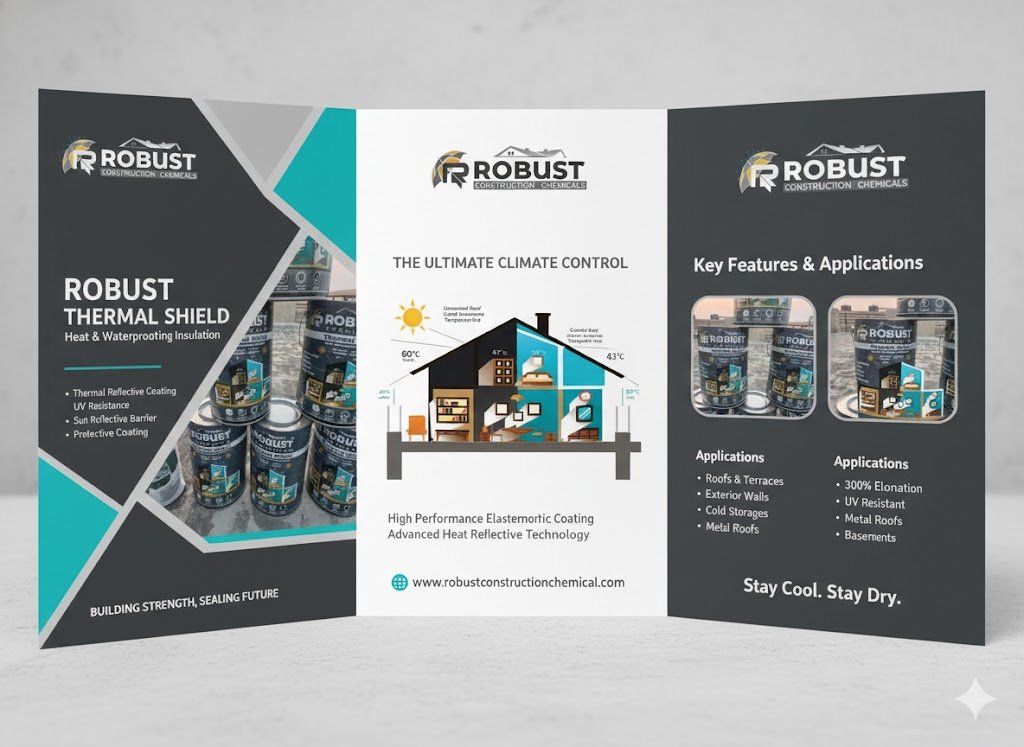
Waterproofing and Heatproofing Companies Worldwide – Global Leaders in Building Protection
The modern construction industry is facing unprecedented challenges due to climate change, extreme weather patterns, and rising global temperatures. Buildings today must withstand heavy rainfall, flooding, humidity, intense solar radiation, and heat waves. As a result, waterproofing and heatproofing companies worldwide play a critical role in ensuring structural durability, energy efficiency, and long-term performance of residential, commercial, industrial, and infrastructure projects.
From advanced chemical formulations to innovative application technologies, global waterproofing and heatproofing companies deliver high-performance solutions that protect buildings from water ingress and excessive heat. These companies operate across continents, serving diverse climates and construction standards.
This detailed guide explores waterproofing and heatproofing companies worldwide, the technologies they offer, global market trends, applications, benefits, and future outlook.
Why Waterproofing and Heatproofing Are Essential Globally
Buildings in regions such as United States, United Arab Emirates, India, Germany, and Pakistan face different environmental stresses, yet share common risks:
-
Heavy rainfall and flooding
-
High humidity and moisture penetration
-
Extreme heat and UV radiation
-
Freeze–thaw cycles in colder climates
-
Urban heat island effects
Without effective waterproofing and heatproofing systems, buildings may suffer from:
-
Roof leakage and damp walls
-
Mold and mildew growth
-
Cracking and corrosion of reinforcement
-
Increased energy consumption
-
Reduced building lifespan
Global companies now focus on integrated waterproofing and thermal protection systems to address these challenges.
Evolution of Waterproofing and Heatproofing Companies
Traditional Era
Earlier construction relied on:
-
Bitumen felt and asphalt
-
Lime-based coatings
-
Clay tiles and thick masonry
These methods offered basic protection but limited durability.
Modern Era
Today’s global companies invest heavily in:
-
Polymer science
-
Nano-technology
-
Chemical engineering
-
Sustainable materials
Modern systems are lighter, stronger, more durable, and environmentally friendly.
Major Technologies Offered by Global Companies
1. Cementitious Waterproofing Systems
Widely produced by companies across Asia, the Middle East, and Africa.
Features:
-
Strong adhesion to concrete
-
Easy application
-
Cost-effective
Applications: Bathrooms, basements, water tanks.
2. Crystalline Waterproofing Technology
Advanced companies offer crystalline chemicals that penetrate concrete and seal pores internally.
Key advantage: Permanent waterproofing.
Used for: Foundations, tunnels, dams, underground structures.
3. Bitumen & Modified Bitumen Systems
Still a core product for many global waterproofing companies.
Types:
-
Torch-applied membranes
-
Self-adhesive sheets
-
Polymer-modified bitumen
Applications: Roofs, podium slabs, basements, bridges.
4. Liquid-Applied Waterproofing Membranes
Seamless, joint-free protection.
Materials include:
-
Acrylic coatings
-
Polyurethane (PU) membranes
-
Elastomeric liquid rubber
These are popular in commercial and industrial projects.
5. Heatproofing & Thermal Protection Systems
Heatproofing companies develop advanced coatings and insulation products.
Common solutions:
-
Heat reflective roof coatings
-
Elastomeric thermal paints
-
PU spray foam insulation
-
Ceramic and nano-technology coatings
Global Regions with Leading Waterproofing & Heatproofing Companies
North America
Companies focus on high-performance, certified, and energy-efficient systems, driven by green building standards.
Europe
Countries like Germany lead in eco-friendly and sustainable waterproofing and heatproofing solutions.
Middle East
Extreme climate conditions in Saudi Arabia and the United Arab Emirates drive strong demand for advanced thermal and waterproofing technologies.
Asia
Manufacturing hubs in China, India, and Pakistan supply cost-effective solutions to global markets.
Africa
Rapid urbanization has increased reliance on imported waterproofing and heatproofing materials for residential and infrastructure development.
Applications Served by Waterproofing & Heatproofing Companies
Residential Construction
-
Roof slabs and terraces
-
Bathrooms and kitchens
-
External walls
Commercial Buildings
-
Shopping malls
-
Office towers
-
Parking structures
Industrial Facilities
-
Factories and warehouses
-
Cold storage units
-
Power plants
Infrastructure Projects
-
Bridges and flyovers
-
Tunnels and metros
-
Dams and reservoirs
Benefits of Choosing Global Waterproofing & Heatproofing Companies
-
Long-Term Protection – 20–30 years durability
-
Energy Efficiency – Reduced cooling costs
-
Climate Resistance – Performance in extreme weather
-
Structural Safety – Protection against corrosion
-
Low Maintenance Costs
-
Eco-Friendly Solutions
Certifications and International Standards
Reputable companies comply with:
-
ISO quality management systems
-
ASTM testing standards
-
EN European norms
-
Green building certifications
These ensure consistent performance worldwide.
Role of Export-Oriented Companies
Many waterproofing and heatproofing companies operate globally through:
-
Export networks
-
Local distributors
-
Technical partnerships
Export-focused companies provide:
-
Bulk supply capability
-
Climate-specific formulations
-
Technical documentation and training
Emerging Trends in the Global Industry
Hybrid Waterproofing + Heatproofing Systems
Single products providing dual protection.
Nano & Ceramic Technology
Higher reflectivity and durability.
Sustainable Construction Chemicals
Low-VOC and water-based products.
Smart Systems
Moisture and temperature monitoring technologies.
How to Choose the Right Waterproofing & Heatproofing Company
Key selection criteria include:
-
Global project experience
-
Product certifications
-
Technical support
-
Climate-specific solutions
-
Long-term warranties
Future Outlook (2025–2035)
The global waterproofing and heatproofing market will continue to grow due to:
-
Climate change impacts
-
Urban population growth
-
Energy efficiency regulations
-
Infrastructure expansion
Companies investing in innovation, sustainability, and integrated solutions will dominate the future market.
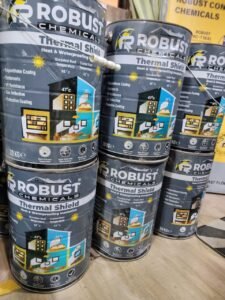
Waterproofing and Heatproofing Companies Worldwide – Global Leaders in Building Protection
The modern construction industry is facing unprecedented challenges due to climate change, extreme weather patterns, and rising global temperatures. Buildings today must withstand heavy rainfall, flooding, humidity, intense solar radiation, and heat waves. As a result, waterproofing and heatproofing companies worldwide play a critical role in ensuring structural durability, energy efficiency, and long-term performance of residential, commercial, industrial, and infrastructure projects.
From advanced chemical formulations to innovative application technologies, global waterproofing and heatproofing companies deliver high-performance solutions that protect buildings from water ingress and excessive heat. These companies operate across continents, serving diverse climates and construction standards.
This detailed guide explores waterproofing and heatproofing companies worldwide, the technologies they offer, global market trends, applications, benefits, and future outlook.
Why Waterproofing and Heatproofing Are Essential Globally
Buildings in regions such as United States, United Arab Emirates, India, Germany, and Pakistan face different environmental stresses, yet share common risks:
-
Heavy rainfall and flooding
-
High humidity and moisture penetration
-
Extreme heat and UV radiation
-
Freeze–thaw cycles in colder climates
-
Urban heat island effects
Without effective waterproofing and heatproofing systems, buildings may suffer from:
-
Roof leakage and damp walls
-
Mold and mildew growth
-
Cracking and corrosion of reinforcement
-
Increased energy consumption
-
Reduced building lifespan
Global companies now focus on integrated waterproofing and thermal protection systems to address these challenges.
Evolution of Waterproofing and Heatproofing Companies
Traditional Era
Earlier construction relied on:
-
Bitumen felt and asphalt
-
Lime-based coatings
-
Clay tiles and thick masonry
These methods offered basic protection but limited durability.
Modern Era
Today’s global companies invest heavily in:
-
Polymer science
-
Nano-technology
-
Chemical engineering
-
Sustainable materials
Modern systems are lighter, stronger, more durable, and environmentally friendly.
Major Technologies Offered by Global Companies
1. Cementitious Waterproofing Systems
Widely produced by companies across Asia, the Middle East, and Africa.
Features:
-
Strong adhesion to concrete
-
Easy application
-
Cost-effective
Applications: Bathrooms, basements, water tanks.
2. Crystalline Waterproofing Technology
Advanced companies offer crystalline chemicals that penetrate concrete and seal pores internally.
Key advantage: Permanent waterproofing.
Used for: Foundations, tunnels, dams, underground structures.
3. Bitumen & Modified Bitumen Systems
Still a core product for many global waterproofing companies.
Types:
-
Torch-applied membranes
-
Self-adhesive sheets
-
Polymer-modified bitumen
Applications: Roofs, podium slabs, basements, bridges.
4. Liquid-Applied Waterproofing Membranes
Seamless, joint-free protection.
Materials include:
-
Acrylic coatings
-
Polyurethane (PU) membranes
-
Elastomeric liquid rubber
These are popular in commercial and industrial projects.
5. Heatproofing & Thermal Protection Systems
Heatproofing companies develop advanced coatings and insulation products.
Common solutions:
-
Heat reflective roof coatings
-
Elastomeric thermal paints
-
PU spray foam insulation
-
Ceramic and nano-technology coatings
Global Regions with Leading Waterproofing & Heatproofing Companies
North America
Companies focus on high-performance, certified, and energy-efficient systems, driven by green building standards.
Europe
Countries like Germany lead in eco-friendly and sustainable waterproofing and heatproofing solutions.
Middle East
Extreme climate conditions in Saudi Arabia and the United Arab Emirates drive strong demand for advanced thermal and waterproofing technologies.
Asia
Manufacturing hubs in China, India, and Pakistan supply cost-effective solutions to global markets.
Africa
Rapid urbanization has increased reliance on imported waterproofing and heatproofing materials for residential and infrastructure development.
Applications Served by Waterproofing & Heatproofing Companies
Residential Construction
-
Roof slabs and terraces
-
Bathrooms and kitchens
-
External walls
Commercial Buildings
-
Shopping malls
-
Office towers
-
Parking structures
Industrial Facilities
-
Factories and warehouses
-
Cold storage units
-
Power plants
Infrastructure Projects
-
Bridges and flyovers
-
Tunnels and metros
-
Dams and reservoirs
Benefits of Choosing Global Waterproofing & Heatproofing Companies
-
Long-Term Protection – 20–30 years durability
-
Energy Efficiency – Reduced cooling costs
-
Climate Resistance – Performance in extreme weather
-
Structural Safety – Protection against corrosion
-
Low Maintenance Costs
-
Eco-Friendly Solutions
Certifications and International Standards
Reputable companies comply with:
-
ISO quality management systems
-
ASTM testing standards
-
EN European norms
-
Green building certifications
These ensure consistent performance worldwide.
Role of Export-Oriented Companies
Many waterproofing and heatproofing companies operate globally through:
-
Export networks
-
Local distributors
-
Technical partnerships
Export-focused companies provide:
-
Bulk supply capability
-
Climate-specific formulations
-
Technical documentation and training
Emerging Trends in the Global Industry
Hybrid Waterproofing + Heatproofing Systems
Single products providing dual protection.
Nano & Ceramic Technology
Higher reflectivity and durability.
Sustainable Construction Chemicals
Low-VOC and water-based products.
Smart Systems
Moisture and temperature monitoring technologies.
How to Choose the Right Waterproofing & Heatproofing Company
Key selection criteria include:
-
Global project experience
-
Product certifications
-
Technical support
-
Climate-specific solutions
-
Long-term warranties
Future Outlook (2025–2035)
The global waterproofing and heatproofing market will continue to grow due to:
-
Climate change impacts
-
Urban population growth
-
Energy efficiency regulations
-
Infrastructure expansion
Companies investing in innovation, sustainability, and integrated solutions will dominate the future market.
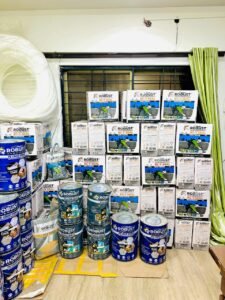
Waterproofing and Heatproofing Companies Worldwide – Global Leaders in Building Protection
The modern construction industry is facing unprecedented challenges due to climate change, extreme weather patterns, and rising global temperatures. Buildings today must withstand heavy rainfall, flooding, humidity, intense solar radiation, and heat waves. As a result, waterproofing and heatproofing companies worldwide play a critical role in ensuring structural durability, energy efficiency, and long-term performance of residential, commercial, industrial, and infrastructure projects.
From advanced chemical formulations to innovative application technologies, global waterproofing and heatproofing companies deliver high-performance solutions that protect buildings from water ingress and excessive heat. These companies operate across continents, serving diverse climates and construction standards.
This detailed guide explores waterproofing and heatproofing companies worldwide, the technologies they offer, global market trends, applications, benefits, and future outlook.
Why Waterproofing and Heatproofing Are Essential Globally
Buildings in regions such as United States, United Arab Emirates, India, Germany, and Pakistan face different environmental stresses, yet share common risks:
-
Heavy rainfall and flooding
-
High humidity and moisture penetration
-
Extreme heat and UV radiation
-
Freeze–thaw cycles in colder climates
-
Urban heat island effects
Without effective waterproofing and heatproofing systems, buildings may suffer from:
-
Roof leakage and damp walls
-
Mold and mildew growth
-
Cracking and corrosion of reinforcement
-
Increased energy consumption
-
Reduced building lifespan
Global companies now focus on integrated waterproofing and thermal protection systems to address these challenges.
Evolution of Waterproofing and Heatproofing Companies
Traditional Era
Earlier construction relied on:
-
Bitumen felt and asphalt
-
Lime-based coatings
-
Clay tiles and thick masonry
These methods offered basic protection but limited durability.
Modern Era
Today’s global companies invest heavily in:
-
Polymer science
-
Nano-technology
-
Chemical engineering
-
Sustainable materials
Modern systems are lighter, stronger, more durable, and environmentally friendly.
Major Technologies Offered by Global Companies
1. Cementitious Waterproofing Systems
Widely produced by companies across Asia, the Middle East, and Africa.
Features:
-
Strong adhesion to concrete
-
Easy application
-
Cost-effective
Applications: Bathrooms, basements, water tanks.
2. Crystalline Waterproofing Technology
Advanced companies offer crystalline chemicals that penetrate concrete and seal pores internally.
Key advantage: Permanent waterproofing.
Used for: Foundations, tunnels, dams, underground structures.
3. Bitumen & Modified Bitumen Systems
Still a core product for many global waterproofing companies.
Types:
-
Torch-applied membranes
-
Self-adhesive sheets
-
Polymer-modified bitumen
Applications: Roofs, podium slabs, basements, bridges.
4. Liquid-Applied Waterproofing Membranes
Seamless, joint-free protection.
Materials include:
-
Acrylic coatings
-
Polyurethane (PU) membranes
-
Elastomeric liquid rubber
These are popular in commercial and industrial projects.
5. Heatproofing & Thermal Protection Systems
Heatproofing companies develop advanced coatings and insulation products.
Common solutions:
-
Heat reflective roof coatings
-
Elastomeric thermal paints
-
PU spray foam insulation
-
Ceramic and nano-technology coatings
Global Regions with Leading Waterproofing & Heatproofing Companies
North America
Companies focus on high-performance, certified, and energy-efficient systems, driven by green building standards.
Europe
Countries like Germany lead in eco-friendly and sustainable waterproofing and heatproofing solutions.
Middle East
Extreme climate conditions in Saudi Arabia and the United Arab Emirates drive strong demand for advanced thermal and waterproofing technologies.
Asia
Manufacturing hubs in China, India, and Pakistan supply cost-effective solutions to global markets.
Africa
Rapid urbanization has increased reliance on imported waterproofing and heatproofing materials for residential and infrastructure development.
Applications Served by Waterproofing & Heatproofing Companies
Residential Construction
-
Roof slabs and terraces
-
Bathrooms and kitchens
-
External walls
Commercial Buildings
-
Shopping malls
-
Office towers
-
Parking structures
Industrial Facilities
-
Factories and warehouses
-
Cold storage units
-
Power plants
Infrastructure Projects
-
Bridges and flyovers
-
Tunnels and metros
-
Dams and reservoirs
Benefits of Choosing Global Waterproofing & Heatproofing Companies
-
Long-Term Protection – 20–30 years durability
-
Energy Efficiency – Reduced cooling costs
-
Climate Resistance – Performance in extreme weather
-
Structural Safety – Protection against corrosion
-
Low Maintenance Costs
-
Eco-Friendly Solutions
Certifications and International Standards
Reputable companies comply with:
-
ISO quality management systems
-
ASTM testing standards
-
EN European norms
-
Green building certifications
These ensure consistent performance worldwide.
Role of Export-Oriented Companies
Many waterproofing and heatproofing companies operate globally through:
-
Export networks
-
Local distributors
-
Technical partnerships
Export-focused companies provide:
-
Bulk supply capability
-
Climate-specific formulations
-
Technical documentation and training
Emerging Trends in the Global Industry
Hybrid Waterproofing + Heatproofing Systems
Single products providing dual protection.
Nano & Ceramic Technology
Higher reflectivity and durability.
Sustainable Construction Chemicals
Low-VOC and water-based products.
Smart Systems
Moisture and temperature monitoring technologies.
How to Choose the Right Waterproofing & Heatproofing Company
Key selection criteria include:
-
Global project experience
-
Product certifications
-
Technical support
-
Climate-specific solutions
-
Long-term warranties
Future Outlook (2025–2035)
The global waterproofing and heatproofing market will continue to grow due to:
-
Climate change impacts
-
Urban population growth
-
Energy efficiency regulations
-
Infrastructure expansion
Companies investing in innovation, sustainability, and integrated solutions will dominate the future market.
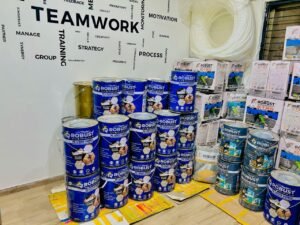
Waterproofing and Heatproofing Companies Worldwide – Global Leaders in Building Protection
The modern construction industry is facing unprecedented challenges due to climate change, extreme weather patterns, and rising global temperatures. Buildings today must withstand heavy rainfall, flooding, humidity, intense solar radiation, and heat waves. As a result, waterproofing and heatproofing companies worldwide play a critical role in ensuring structural durability, energy efficiency, and long-term performance of residential, commercial, industrial, and infrastructure projects.
From advanced chemical formulations to innovative application technologies, global waterproofing and heatproofing companies deliver high-performance solutions that protect buildings from water ingress and excessive heat. These companies operate across continents, serving diverse climates and construction standards.
This detailed guide explores waterproofing and heatproofing companies worldwide, the technologies they offer, global market trends, applications, benefits, and future outlook.
Why Waterproofing and Heatproofing Are Essential Globally
Buildings in regions such as United States, United Arab Emirates, India, Germany, and Pakistan face different environmental stresses, yet share common risks:
-
Heavy rainfall and flooding
-
High humidity and moisture penetration
-
Extreme heat and UV radiation
-
Freeze–thaw cycles in colder climates
-
Urban heat island effects
Without effective waterproofing and heatproofing systems, buildings may suffer from:
-
Roof leakage and damp walls
-
Mold and mildew growth
-
Cracking and corrosion of reinforcement
-
Increased energy consumption
-
Reduced building lifespan
Global companies now focus on integrated waterproofing and thermal protection systems to address these challenges.
Evolution of Waterproofing and Heatproofing Companies
Traditional Era
Earlier construction relied on:
-
Bitumen felt and asphalt
-
Lime-based coatings
-
Clay tiles and thick masonry
These methods offered basic protection but limited durability.
Modern Era
Today’s global companies invest heavily in:
-
Polymer science
-
Nano-technology
-
Chemical engineering
-
Sustainable materials
Modern systems are lighter, stronger, more durable, and environmentally friendly.
Major Technologies Offered by Global Companies
1. Cementitious Waterproofing Systems
Widely produced by companies across Asia, the Middle East, and Africa.
Features:
-
Strong adhesion to concrete
-
Easy application
-
Cost-effective
Applications: Bathrooms, basements, water tanks.
2. Crystalline Waterproofing Technology
Advanced companies offer crystalline chemicals that penetrate concrete and seal pores internally.
Key advantage: Permanent waterproofing.
Used for: Foundations, tunnels, dams, underground structures.
3. Bitumen & Modified Bitumen Systems
Still a core product for many global waterproofing companies.
Types:
-
Torch-applied membranes
-
Self-adhesive sheets
-
Polymer-modified bitumen
Applications: Roofs, podium slabs, basements, bridges.
4. Liquid-Applied Waterproofing Membranes
Seamless, joint-free protection.
Materials include:
-
Acrylic coatings
-
Polyurethane (PU) membranes
-
Elastomeric liquid rubber
These are popular in commercial and industrial projects.
5. Heatproofing & Thermal Protection Systems
Heatproofing companies develop advanced coatings and insulation products.
Common solutions:
-
Heat reflective roof coatings
-
Elastomeric thermal paints
-
PU spray foam insulation
-
Ceramic and nano-technology coatings
Global Regions with Leading Waterproofing & Heatproofing Companies
North America
Companies focus on high-performance, certified, and energy-efficient systems, driven by green building standards.
Europe
Countries like Germany lead in eco-friendly and sustainable waterproofing and heatproofing solutions.
Middle East
Extreme climate conditions in Saudi Arabia and the United Arab Emirates drive strong demand for advanced thermal and waterproofing technologies.
Asia
Manufacturing hubs in China, India, and Pakistan supply cost-effective solutions to global markets.
Africa
Rapid urbanization has increased reliance on imported waterproofing and heatproofing materials for residential and infrastructure development.
Applications Served by Waterproofing & Heatproofing Companies
Residential Construction
-
Roof slabs and terraces
-
Bathrooms and kitchens
-
External walls
Commercial Buildings
-
Shopping malls
-
Office towers
-
Parking structures
Industrial Facilities
-
Factories and warehouses
-
Cold storage units
-
Power plants
Infrastructure Projects
-
Bridges and flyovers
-
Tunnels and metros
-
Dams and reservoirs
Benefits of Choosing Global Waterproofing & Heatproofing Companies
-
Long-Term Protection – 20–30 years durability
-
Energy Efficiency – Reduced cooling costs
-
Climate Resistance – Performance in extreme weather
-
Structural Safety – Protection against corrosion
-
Low Maintenance Costs
-
Eco-Friendly Solutions
Certifications and International Standards
Reputable companies comply with:
-
ISO quality management systems
-
ASTM testing standards
-
EN European norms
-
Green building certifications
These ensure consistent performance worldwide.
Role of Export-Oriented Companies
Many waterproofing and heatproofing companies operate globally through:
-
Export networks
-
Local distributors
-
Technical partnerships
Export-focused companies provide:
-
Bulk supply capability
-
Climate-specific formulations
-
Technical documentation and training
Emerging Trends in the Global Industry
Hybrid Waterproofing + Heatproofing Systems
Single products providing dual protection.
Nano & Ceramic Technology
Higher reflectivity and durability.
Sustainable Construction Chemicals
Low-VOC and water-based products.
Smart Systems
Moisture and temperature monitoring technologies.
How to Choose the Right Waterproofing & Heatproofing Company
Key selection criteria include:
-
Global project experience
-
Product certifications
-
Technical support
-
Climate-specific solutions
-
Long-term warranties
Future Outlook (2025–2035)
The global waterproofing and heatproofing market will continue to grow due to:
-
Climate change impacts
-
Urban population growth
-
Energy efficiency regulations
-
Infrastructure expansion
Companies investing in innovation, sustainability, and integrated solutions will dominate the future market.