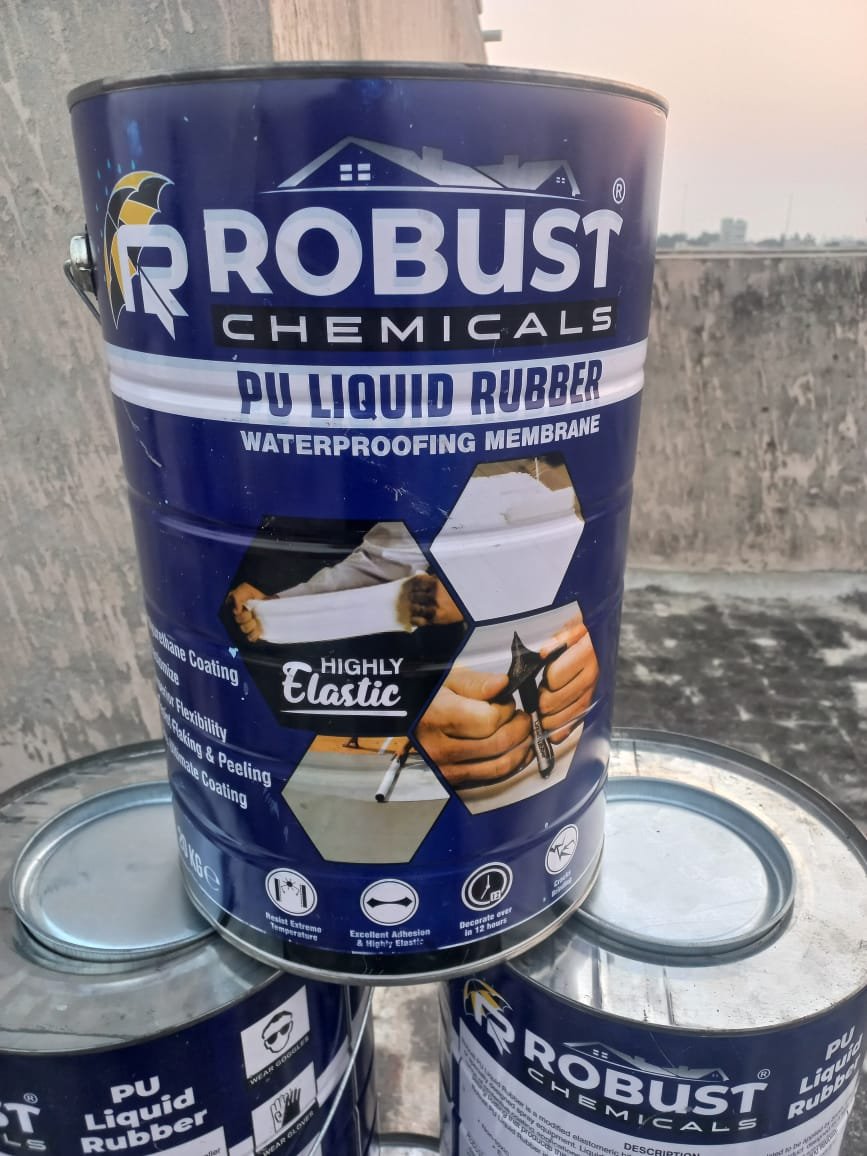
Waterproofing Solutions for Marine Applications – Protecting Vessels, Offshore Platforms, and Coastal Infrastructure
Marine environments are some of the most challenging conditions for construction and industrial operations. Constant exposure to saltwater, waves, high humidity, UV radiation, and extreme weather makes marine structures highly susceptible to corrosion, water ingress, and structural damage.
To combat these challenges, specialized waterproofing solutions for marine applications are essential. These solutions ensure long-lasting protection, corrosion resistance, and operational safety for ships, offshore platforms, docks, seawalls, and coastal buildings. Leading global manufacturers supply advanced chemical coatings, membranes, and hybrid systems engineered specifically for marine environments.
This comprehensive guide explores waterproofing solutions for marine applications, technologies, benefits, standards, applications, and future trends.
Why Waterproofing Is Critical for Marine Applications
Marine structures face unique challenges compared to conventional construction:
-
Constant exposure to saltwater causing corrosion and concrete spalling
-
High humidity and mist increasing moisture absorption
-
UV radiation accelerating coating deterioration
-
Mechanical stress from waves, tides, and vessel operations
-
Temperature fluctuations between day and night or between water and air
Without proper waterproofing:
-
Structural steel corrodes rapidly
-
Concrete cracks, allowing water ingress
-
Operational safety is compromised
-
Maintenance costs and downtime increase
-
Service life of vessels and structures is reduced
Advanced marine waterproofing solutions are designed to provide long-term durability, chemical resistance, and protection against harsh marine conditions.
Key Waterproofing Technologies for Marine Applications
1. Epoxy Coatings
Epoxy coatings are widely used in marine environments due to their high chemical resistance and adhesion properties.
Benefits:
-
Protects steel and concrete from saltwater corrosion
-
Provides a seamless protective layer
-
Resistant to abrasion and mechanical stress
Applications:
-
Hulls and decks of ships
-
Offshore platform structures
-
Coastal concrete piers and jetties
2. Polyurethane (PU) Coatings
PU coatings offer flexible, long-lasting waterproofing suitable for fluctuating environmental conditions.
Advantages:
-
Crack-bridging ability
-
Resistant to UV, chemicals, and water
-
Durable under extreme temperature variations
Applications:
-
Deck surfaces
-
Offshore installations
-
Storage areas and containment units
3. Elastomeric Waterproofing Membranes
Elastomeric membranes stretch and recover with substrate movements, making them ideal for dynamic marine structures.
Benefits:
-
Seamless, joint-free application
-
Resistant to wave-induced structural movement
-
Long-term durability in humid, salty environments
Applications:
-
Floating docks
-
Offshore walkways
-
Industrial ship decks
4. Cementitious Waterproofing Systems
Polymer-modified cementitious coatings provide robust waterproofing for concrete substrates.
Advantages:
-
Strong adhesion
-
Resistance to hydrostatic pressure
-
Easy application for vertical and horizontal surfaces
Applications:
-
Marine retaining walls
-
Coastal bridges
-
Underground marine infrastructure
5. Crystalline Waterproofing Technology
Crystalline waterproofing offers integral protection from the inside of concrete.
Benefits:
-
Self-healing of micro-cracks
-
Resistance to high water pressure and saltwater penetration
-
Long service life
Applications:
-
Pile foundations
-
Jetty slabs
-
Offshore concrete platforms
6. Nano-Technology Waterproofing
Nano-engineered coatings provide hydrophobic protection and long-term durability.
Advantages:
-
Deep penetration into substrates
-
Breathable yet waterproof
-
Resists saltwater, UV, and chemical exposure
Applications:
-
Ship hull surfaces
-
Coastal concrete structures
-
Offshore facilities
7. Hybrid Waterproofing Systems
Hybrid systems combine multiple waterproofing technologies to achieve maximum protection.
Examples:
-
Crystalline + elastomeric membrane
-
Polymer-modified cement + PU coating
-
Waterproofing + anti-corrosion hybrid systems
Benefits:
-
Multi-layer protection
-
High resistance to harsh marine environments
-
Reduced risk of structural failure
Applications of Marine Waterproofing Solutions
Vessels and Ships
-
Hull and deck protection
-
Cargo and fuel storage areas
-
Ballast tanks
Offshore Platforms
-
Oil and gas platforms
-
Wind energy platforms
-
Maintenance decks and walkways
Coastal Infrastructure
-
Piers, docks, and jetties
-
Seawalls and breakwaters
-
Coastal buildings and warehouses
Industrial Marine Facilities
-
Shipyards and dry docks
-
Petrochemical marine terminals
-
Offshore storage units
Benefits of Advanced Marine Waterproofing
-
Corrosion Protection – Shields steel and concrete from saltwater
-
Extended Lifespan – Reduces structural degradation
-
Safety Assurance – Maintains operational integrity
-
Reduced Maintenance Costs – Less frequent repairs and downtime
-
Chemical Resistance – Safe against oil, fuel, and solvents
-
UV Resistance – Maintains performance under direct sunlight
Global Standards and Certifications
Marine waterproofing products comply with:
-
ISO 9001 – Quality management
-
ASTM – Chemical and mechanical performance
-
IMO – International Maritime Organization standards
-
EN – European construction norms
-
Local marine and environmental regulations
Compliance ensures international acceptance and long-term reliability.
Choosing the Right Marine Waterproofing Solution
Factors to consider:
-
Type of substrate (steel, concrete, composite)
-
Exposure to saltwater, UV, chemicals, and waves
-
Structural movement and mechanical load
-
Lifecycle cost vs. durability
-
Manufacturer certification and experience
Professional consultation ensures the best system selection for marine environments.
Future Trends in Marine Waterproofing
-
Self-healing marine coatings for crack recovery
-
Nano-ceramic waterproofing for deep penetration
-
Hybrid waterproofing + anti-corrosion systems
-
Eco-friendly, low-VOC marine coatings
-
Smart coatings with real-time moisture monitoring
These innovations aim to maximize durability, safety, and operational efficiency.
Waterproofing Solutions for Marine Applications – Protecting Vessels, Offshore Platforms, and Coastal Infrastructure
Marine environments are some of the most challenging conditions for construction and industrial operations. Constant exposure to saltwater, waves, high humidity, UV radiation, and extreme weather makes marine structures highly susceptible to corrosion, water ingress, and structural damage.
To combat these challenges, specialized waterproofing solutions for marine applications are essential. These solutions ensure long-lasting protection, corrosion resistance, and operational safety for ships, offshore platforms, docks, seawalls, and coastal buildings. Leading global manufacturers supply advanced chemical coatings, membranes, and hybrid systems engineered specifically for marine environments.
This comprehensive guide explores waterproofing solutions for marine applications, technologies, benefits, standards, applications, and future trends.
Why Waterproofing Is Critical for Marine Applications
Marine structures face unique challenges compared to conventional construction:
-
Constant exposure to saltwater causing corrosion and concrete spalling
-
High humidity and mist increasing moisture absorption
-
UV radiation accelerating coating deterioration
-
Mechanical stress from waves, tides, and vessel operations
-
Temperature fluctuations between day and night or between water and air
Without proper waterproofing:
-
Structural steel corrodes rapidly
-
Concrete cracks, allowing water ingress
-
Operational safety is compromised
-
Maintenance costs and downtime increase
-
Service life of vessels and structures is reduced
Advanced marine waterproofing solutions are designed to provide long-term durability, chemical resistance, and protection against harsh marine conditions.
Key Waterproofing Technologies for Marine Applications
1. Epoxy Coatings
Epoxy coatings are widely used in marine environments due to their high chemical resistance and adhesion properties.
Benefits:
-
Protects steel and concrete from saltwater corrosion
-
Provides a seamless protective layer
-
Resistant to abrasion and mechanical stress
Applications:
-
Hulls and decks of ships
-
Offshore platform structures
-
Coastal concrete piers and jetties
2. Polyurethane (PU) Coatings
PU coatings offer flexible, long-lasting waterproofing suitable for fluctuating environmental conditions.
Advantages:
-
Crack-bridging ability
-
Resistant to UV, chemicals, and water
-
Durable under extreme temperature variations
Applications:
-
Deck surfaces
-
Offshore installations
-
Storage areas and containment units
3. Elastomeric Waterproofing Membranes
Elastomeric membranes stretch and recover with substrate movements, making them ideal for dynamic marine structures.
Benefits:
-
Seamless, joint-free application
-
Resistant to wave-induced structural movement
-
Long-term durability in humid, salty environments
Applications:
-
Floating docks
-
Offshore walkways
-
Industrial ship decks
4. Cementitious Waterproofing Systems
Polymer-modified cementitious coatings provide robust waterproofing for concrete substrates.
Advantages:
-
Strong adhesion
-
Resistance to hydrostatic pressure
-
Easy application for vertical and horizontal surfaces
Applications:
-
Marine retaining walls
-
Coastal bridges
-
Underground marine infrastructure
5. Crystalline Waterproofing Technology
Crystalline waterproofing offers integral protection from the inside of concrete.
Benefits:
-
Self-healing of micro-cracks
-
Resistance to high water pressure and saltwater penetration
-
Long service life
Applications:
-
Pile foundations
-
Jetty slabs
-
Offshore concrete platforms
6. Nano-Technology Waterproofing
Nano-engineered coatings provide hydrophobic protection and long-term durability.
Advantages:
-
Deep penetration into substrates
-
Breathable yet waterproof
-
Resists saltwater, UV, and chemical exposure
Applications:
-
Ship hull surfaces
-
Coastal concrete structures
-
Offshore facilities
7. Hybrid Waterproofing Systems
Hybrid systems combine multiple waterproofing technologies to achieve maximum protection.
Examples:
-
Crystalline + elastomeric membrane
-
Polymer-modified cement + PU coating
-
Waterproofing + anti-corrosion hybrid systems
Benefits:
-
Multi-layer protection
-
High resistance to harsh marine environments
-
Reduced risk of structural failure
Applications of Marine Waterproofing Solutions
Vessels and Ships
-
Hull and deck protection
-
Cargo and fuel storage areas
-
Ballast tanks
Offshore Platforms
-
Oil and gas platforms
-
Wind energy platforms
-
Maintenance decks and walkways
Coastal Infrastructure
-
Piers, docks, and jetties
-
Seawalls and breakwaters
-
Coastal buildings and warehouses
Industrial Marine Facilities
-
Shipyards and dry docks
-
Petrochemical marine terminals
-
Offshore storage units
Benefits of Advanced Marine Waterproofing
-
Corrosion Protection – Shields steel and concrete from saltwater
-
Extended Lifespan – Reduces structural degradation
-
Safety Assurance – Maintains operational integrity
-
Reduced Maintenance Costs – Less frequent repairs and downtime
-
Chemical Resistance – Safe against oil, fuel, and solvents
-
UV Resistance – Maintains performance under direct sunlight
Global Standards and Certifications
Marine waterproofing products comply with:
-
ISO 9001 – Quality management
-
ASTM – Chemical and mechanical performance
-
IMO – International Maritime Organization standards
-
EN – European construction norms
-
Local marine and environmental regulations
Compliance ensures international acceptance and long-term reliability.
Choosing the Right Marine Waterproofing Solution
Factors to consider:
-
Type of substrate (steel, concrete, composite)
-
Exposure to saltwater, UV, chemicals, and waves
-
Structural movement and mechanical load
-
Lifecycle cost vs. durability
-
Manufacturer certification and experience
Professional consultation ensures the best system selection for marine environments.
Future Trends in Marine Waterproofing
-
Self-healing marine coatings for crack recovery
-
Nano-ceramic waterproofing for deep penetration
-
Hybrid waterproofing + anti-corrosion systems
-
Eco-friendly, low-VOC marine coatings
-
Smart coatings with real-time moisture monitoring
These innovations aim to maximize durability, safety, and operational efficiency.
Waterproofing Solutions for Marine Applications – Protecting Vessels, Offshore Platforms, and Coastal Infrastructure
Marine environments are some of the most challenging conditions for construction and industrial operations. Constant exposure to saltwater, waves, high humidity, UV radiation, and extreme weather makes marine structures highly susceptible to corrosion, water ingress, and structural damage.
To combat these challenges, specialized waterproofing solutions for marine applications are essential. These solutions ensure long-lasting protection, corrosion resistance, and operational safety for ships, offshore platforms, docks, seawalls, and coastal buildings. Leading global manufacturers supply advanced chemical coatings, membranes, and hybrid systems engineered specifically for marine environments.
This comprehensive guide explores waterproofing solutions for marine applications, technologies, benefits, standards, applications, and future trends.
Why Waterproofing Is Critical for Marine Applications
Marine structures face unique challenges compared to conventional construction:
-
Constant exposure to saltwater causing corrosion and concrete spalling
-
High humidity and mist increasing moisture absorption
-
UV radiation accelerating coating deterioration
-
Mechanical stress from waves, tides, and vessel operations
-
Temperature fluctuations between day and night or between water and air
Without proper waterproofing:
-
Structural steel corrodes rapidly
-
Concrete cracks, allowing water ingress
-
Operational safety is compromised
-
Maintenance costs and downtime increase
-
Service life of vessels and structures is reduced
Advanced marine waterproofing solutions are designed to provide long-term durability, chemical resistance, and protection against harsh marine conditions.
Key Waterproofing Technologies for Marine Applications
1. Epoxy Coatings
Epoxy coatings are widely used in marine environments due to their high chemical resistance and adhesion properties.
Benefits:
-
Protects steel and concrete from saltwater corrosion
-
Provides a seamless protective layer
-
Resistant to abrasion and mechanical stress
Applications:
-
Hulls and decks of ships
-
Offshore platform structures
-
Coastal concrete piers and jetties
2. Polyurethane (PU) Coatings
PU coatings offer flexible, long-lasting waterproofing suitable for fluctuating environmental conditions.
Advantages:
-
Crack-bridging ability
-
Resistant to UV, chemicals, and water
-
Durable under extreme temperature variations
Applications:
-
Deck surfaces
-
Offshore installations
-
Storage areas and containment units
3. Elastomeric Waterproofing Membranes
Elastomeric membranes stretch and recover with substrate movements, making them ideal for dynamic marine structures.
Benefits:
-
Seamless, joint-free application
-
Resistant to wave-induced structural movement
-
Long-term durability in humid, salty environments
Applications:
-
Floating docks
-
Offshore walkways
-
Industrial ship decks
4. Cementitious Waterproofing Systems
Polymer-modified cementitious coatings provide robust waterproofing for concrete substrates.
Advantages:
-
Strong adhesion
-
Resistance to hydrostatic pressure
-
Easy application for vertical and horizontal surfaces
Applications:
-
Marine retaining walls
-
Coastal bridges
-
Underground marine infrastructure
5. Crystalline Waterproofing Technology
Crystalline waterproofing offers integral protection from the inside of concrete.
Benefits:
-
Self-healing of micro-cracks
-
Resistance to high water pressure and saltwater penetration
-
Long service life
Applications:
-
Pile foundations
-
Jetty slabs
-
Offshore concrete platforms
6. Nano-Technology Waterproofing
Nano-engineered coatings provide hydrophobic protection and long-term durability.
Advantages:
-
Deep penetration into substrates
-
Breathable yet waterproof
-
Resists saltwater, UV, and chemical exposure
Applications:
-
Ship hull surfaces
-
Coastal concrete structures
-
Offshore facilities
7. Hybrid Waterproofing Systems
Hybrid systems combine multiple waterproofing technologies to achieve maximum protection.
Examples:
-
Crystalline + elastomeric membrane
-
Polymer-modified cement + PU coating
-
Waterproofing + anti-corrosion hybrid systems
Benefits:
-
Multi-layer protection
-
High resistance to harsh marine environments
-
Reduced risk of structural failure
Applications of Marine Waterproofing Solutions
Vessels and Ships
-
Hull and deck protection
-
Cargo and fuel storage areas
-
Ballast tanks
Offshore Platforms
-
Oil and gas platforms
-
Wind energy platforms
-
Maintenance decks and walkways
Coastal Infrastructure
-
Piers, docks, and jetties
-
Seawalls and breakwaters
-
Coastal buildings and warehouses
Industrial Marine Facilities
-
Shipyards and dry docks
-
Petrochemical marine terminals
-
Offshore storage units
Benefits of Advanced Marine Waterproofing
-
Corrosion Protection – Shields steel and concrete from saltwater
-
Extended Lifespan – Reduces structural degradation
-
Safety Assurance – Maintains operational integrity
-
Reduced Maintenance Costs – Less frequent repairs and downtime
-
Chemical Resistance – Safe against oil, fuel, and solvents
-
UV Resistance – Maintains performance under direct sunlight
Global Standards and Certifications
Marine waterproofing products comply with:
-
ISO 9001 – Quality management
-
ASTM – Chemical and mechanical performance
-
IMO – International Maritime Organization standards
-
EN – European construction norms
-
Local marine and environmental regulations
Compliance ensures international acceptance and long-term reliability.
Choosing the Right Marine Waterproofing Solution
Factors to consider:
-
Type of substrate (steel, concrete, composite)
-
Exposure to saltwater, UV, chemicals, and waves
-
Structural movement and mechanical load
-
Lifecycle cost vs. durability
-
Manufacturer certification and experience
Professional consultation ensures the best system selection for marine environments.
Future Trends in Marine Waterproofing
-
Self-healing marine coatings for crack recovery
-
Nano-ceramic waterproofing for deep penetration
-
Hybrid waterproofing + anti-corrosion systems
-
Eco-friendly, low-VOC marine coatings
-
Smart coatings with real-time moisture monitoring
These innovations aim to maximize durability, safety, and operational efficiency.
Waterproofing Solutions for Marine Applications – Protecting Vessels, Offshore Platforms, and Coastal Infrastructure
Marine environments are some of the most challenging conditions for construction and industrial operations. Constant exposure to saltwater, waves, high humidity, UV radiation, and extreme weather makes marine structures highly susceptible to corrosion, water ingress, and structural damage.
To combat these challenges, specialized waterproofing solutions for marine applications are essential. These solutions ensure long-lasting protection, corrosion resistance, and operational safety for ships, offshore platforms, docks, seawalls, and coastal buildings. Leading global manufacturers supply advanced chemical coatings, membranes, and hybrid systems engineered specifically for marine environments.
This comprehensive guide explores waterproofing solutions for marine applications, technologies, benefits, standards, applications, and future trends.
Why Waterproofing Is Critical for Marine Applications
Marine structures face unique challenges compared to conventional construction:
-
Constant exposure to saltwater causing corrosion and concrete spalling
-
High humidity and mist increasing moisture absorption
-
UV radiation accelerating coating deterioration
-
Mechanical stress from waves, tides, and vessel operations
-
Temperature fluctuations between day and night or between water and air
Without proper waterproofing:
-
Structural steel corrodes rapidly
-
Concrete cracks, allowing water ingress
-
Operational safety is compromised
-
Maintenance costs and downtime increase
-
Service life of vessels and structures is reduced
Advanced marine waterproofing solutions are designed to provide long-term durability, chemical resistance, and protection against harsh marine conditions.
Key Waterproofing Technologies for Marine Applications
1. Epoxy Coatings
Epoxy coatings are widely used in marine environments due to their high chemical resistance and adhesion properties.
Benefits:
-
Protects steel and concrete from saltwater corrosion
-
Provides a seamless protective layer
-
Resistant to abrasion and mechanical stress
Applications:
-
Hulls and decks of ships
-
Offshore platform structures
-
Coastal concrete piers and jetties
2. Polyurethane (PU) Coatings
PU coatings offer flexible, long-lasting waterproofing suitable for fluctuating environmental conditions.
Advantages:
-
Crack-bridging ability
-
Resistant to UV, chemicals, and water
-
Durable under extreme temperature variations
Applications:
-
Deck surfaces
-
Offshore installations
-
Storage areas and containment units
3. Elastomeric Waterproofing Membranes
Elastomeric membranes stretch and recover with substrate movements, making them ideal for dynamic marine structures.
Benefits:
-
Seamless, joint-free application
-
Resistant to wave-induced structural movement
-
Long-term durability in humid, salty environments
Applications:
-
Floating docks
-
Offshore walkways
-
Industrial ship decks
4. Cementitious Waterproofing Systems
Polymer-modified cementitious coatings provide robust waterproofing for concrete substrates.
Advantages:
-
Strong adhesion
-
Resistance to hydrostatic pressure
-
Easy application for vertical and horizontal surfaces
Applications:
-
Marine retaining walls
-
Coastal bridges
-
Underground marine infrastructure
5. Crystalline Waterproofing Technology
Crystalline waterproofing offers integral protection from the inside of concrete.
Benefits:
-
Self-healing of micro-cracks
-
Resistance to high water pressure and saltwater penetration
-
Long service life
Applications:
-
Pile foundations
-
Jetty slabs
-
Offshore concrete platforms
6. Nano-Technology Waterproofing
Nano-engineered coatings provide hydrophobic protection and long-term durability.
Advantages:
-
Deep penetration into substrates
-
Breathable yet waterproof
-
Resists saltwater, UV, and chemical exposure
Applications:
-
Ship hull surfaces
-
Coastal concrete structures
-
Offshore facilities
7. Hybrid Waterproofing Systems
Hybrid systems combine multiple waterproofing technologies to achieve maximum protection.
Examples:
-
Crystalline + elastomeric membrane
-
Polymer-modified cement + PU coating
-
Waterproofing + anti-corrosion hybrid systems
Benefits:
-
Multi-layer protection
-
High resistance to harsh marine environments
-
Reduced risk of structural failure
Applications of Marine Waterproofing Solutions
Vessels and Ships
-
Hull and deck protection
-
Cargo and fuel storage areas
-
Ballast tanks
Offshore Platforms
-
Oil and gas platforms
-
Wind energy platforms
-
Maintenance decks and walkways
Coastal Infrastructure
-
Piers, docks, and jetties
-
Seawalls and breakwaters
-
Coastal buildings and warehouses
Industrial Marine Facilities
-
Shipyards and dry docks
-
Petrochemical marine terminals
-
Offshore storage units
Benefits of Advanced Marine Waterproofing
-
Corrosion Protection – Shields steel and concrete from saltwater
-
Extended Lifespan – Reduces structural degradation
-
Safety Assurance – Maintains operational integrity
-
Reduced Maintenance Costs – Less frequent repairs and downtime
-
Chemical Resistance – Safe against oil, fuel, and solvents
-
UV Resistance – Maintains performance under direct sunlight
Global Standards and Certifications
Marine waterproofing products comply with:
-
ISO 9001 – Quality management
-
ASTM – Chemical and mechanical performance
-
IMO – International Maritime Organization standards
-
EN – European construction norms
-
Local marine and environmental regulations
Compliance ensures international acceptance and long-term reliability.
Choosing the Right Marine Waterproofing Solution
Factors to consider:
-
Type of substrate (steel, concrete, composite)
-
Exposure to saltwater, UV, chemicals, and waves
-
Structural movement and mechanical load
-
Lifecycle cost vs. durability
-
Manufacturer certification and experience
Professional consultation ensures the best system selection for marine environments.
Future Trends in Marine Waterproofing
-
Self-healing marine coatings for crack recovery
-
Nano-ceramic waterproofing for deep penetration
-
Hybrid waterproofing + anti-corrosion systems
-
Eco-friendly, low-VOC marine coatings
-
Smart coatings with real-time moisture monitoring
These innovations aim to maximize durability, safety, and operational efficiency. solutionssolutionssolutionssolutionssolutionssolutionssolutionssolutionssolutionssolutions