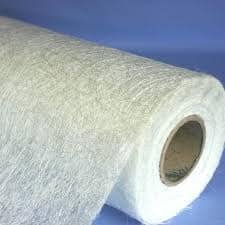
Robust Fiber Mesh Roll Installation Instructions
Robust Fiber Mesh Roll is a high-strength reinforcing material used in construction to enhance the durability, flexibility, and crack resistance of concrete, plaster, and waterproofing systems. Made from alkali-resistant fiberglass, this mesh acts as a support layer that distributes stress evenly across surfaces, preventing cracking, shrinking, or deformation over time.
Composition and Material
Fiber mesh rolls are typically made from E-glass (alkali-resistant fiberglass), coated with a chemical binder that provides superior bonding with cementitious and waterproof coatings. This ensures long-term stability even in alkaline environments.
Key Features of Fiber Mesh Roll
-
High Tensile Strength: Improves structural integrity by reinforcing weak points in concrete or plaster.
-
Crack Resistance: Prevents surface cracking caused by shrinkage, thermal expansion, or structural movement.
-
Alkali Resistance: Special chemical coating prevents degradation in contact with cement or lime.
-
Lightweight & Easy to Apply: Supplied in convenient rolls that are easy to cut, handle, and embed into coatings or plasters.
-
Improved Adhesion: Ensures strong bonding with waterproofing layers, paints, or plasters.
-
Durability: Extends the life of the surface by enhancing impact and wear resistance.
Applications of Fiber Mesh Roll
-
Reinforcement in cement plaster and stucco.
-
Used in wall insulation systems (EIFS).
-
Strengthening cementitious waterproof coatings.
-
Tile adhesive reinforcement to prevent delamination.
-
Roof and wall crack repairs.
-
Reinforcement for gypsum and POP plastering systems.
Installation Process
-
Clean the surface properly before application.
-
Apply a thin base coat or waterproofing slurry.
-
While the layer is wet, embed the fiber mesh roll using a trowel or brush.
-
Overlap edges by about 5–10 cm to ensure continuity.
-
Apply a second layer of coating or plaster to completely cover the mesh.
Available Sizes
-
Standard roll width: 1 meter
-
Roll length: 45 to 50 meters
-
Mesh density: 45–160 g/m², depending on application.
Advantages of Using Fiber Mesh Roll
-
Reduces maintenance and repair costs.
-
Enhances the life of waterproofing and heatproofing layers.
-
Provides superior impact resistance on walls and floors.
-
Ideal for both indoor and outdoor use.
-
Compatible with cementitious, acrylic, and bituminous coatings.
Conclusion
The Fiber Mesh Roll is an essential component for modern construction, ensuring long-term performance, flexibility, and strength of coatings, plasters, and waterproofing systems. It’s an economical and highly effective reinforcement solution that delivers durability and crack-free finishes for both residential and commercial projects.
Introduction:
Robust Fiber Mesh Roll is a premium-grade, alkali-resistant fiberglass reinforcement material designed by Robust Construction Chemicals to provide superior strength, durability, and crack resistance in a wide range of construction applications. Manufactured using high-quality E-glass fiber and advanced coating technology, this mesh roll enhances the performance of plaster, concrete, waterproofing membranes, and thermal insulation systems. It acts as a reliable reinforcing layer that distributes stress evenly, ensuring long-lasting and crack-free finishes in both interior and exterior environments.
What is Robust Fiber Mesh Roll?
Robust Fiber Mesh Roll is a woven fiberglass fabric that serves as a reinforcement layer in cement-based coatings, plasters, and waterproofing systems. The mesh structure prevents surface cracks caused by shrinkage, thermal movement, and structural vibration. Its strong bonding capability and resistance to alkali make it a trusted reinforcement choice for modern construction projects.
This product is part of Robust Construction Chemicals’ advanced line of reinforcement and waterproofing solutions, developed to increase the longevity and strength of buildings in Pakistan’s challenging climate conditions.
Technical Specifications
| Property | Specification |
|---|---|
| Material | E-glass (Alkali-resistant fiberglass) |
| Mesh Size | 4 x 4 mm / 5 x 5 mm |
| Roll Width | 1 meter |
| Roll Length | 45 to 50 meters |
| Weight | 45 – 160 g/m² |
| Color | White / Blue / Yellow (customizable) |
| Tensile Strength | > 1250 N/50 mm |
| Alkali Resistance | Excellent |
| Temperature Resistance | -50°C to +300°C |
| Water Absorption | Very Low |
| Shelf Life | Unlimited under dry conditions |
Key Features of Robust Fiber Mesh Roll
High Tensile Strength:
Provides exceptional mechanical strength and stability, preventing cracks and surface deformation in plaster, concrete, and waterproof coatings.
Alkali Resistant:
Special polymer coating ensures resistance to alkali and cement chemicals, maintaining performance over time.
Superior Crack Prevention:
Minimizes shrinkage and temperature-related cracks by evenly distributing surface tension.
Excellent Adhesion:
Ensures seamless bonding with cementitious materials, waterproof coatings, and heat-proofing compounds.
Lightweight and Easy to Use:
Flexible, lightweight, and easy to cut and handle during application—saving labor time and effort.
Long-Lasting Durability:
Protects surfaces against impact, vibration, and environmental wear, ensuring extended life of finishing layers.
Weather and Corrosion Resistant:
Performs reliably under all weather conditions, from extreme heat to high humidity.
Compatible with Multiple Systems:
Can be used in plastering, waterproofing, and thermal insulation applications without compromising quality.
Applications of Robust Fiber Mesh Roll
The Robust Fiber Mesh Roll is suitable for a wide variety of applications, including:
1. Cement Plaster Reinforcement:
Used in cement and sand plaster to prevent cracking and improve bonding strength, especially on large wall and ceiling areas.
2. Waterproofing Membrane Reinforcement:
Acts as a reinforcing layer in bituminous, acrylic, and cementitious waterproof coatings for roofs, basements, water tanks, and walls.
3. EIFS & Thermal Insulation Systems:
Enhances strength and stability in External Insulation Finishing Systems (EIFS) and heat-proof coatings.
4. Tile Adhesive and Render Support:
Used between tile adhesives or renders to prevent delamination and surface cracking.
5. Crack Repair and Retrofitting:
Perfect for repairing surface cracks in old buildings, concrete structures, and plastered walls.
6. Gypsum and POP Plaster Reinforcement:
Improves the durability of gypsum-based coatings and prevents flaking or powdering.
Installation Method of Robust Fiber Mesh Roll
-
Surface Preparation:
Clean the surface to remove dirt, oil, dust, or loose particles. Ensure the surface is dry and even. -
Base Coat Application:
Apply the first layer of plaster, waterproof coating, or adhesive evenly over the surface. -
Embedding the Mesh:
While the base layer is still wet, lay the Robust Fiber Mesh Roll gently over the surface. Press it using a trowel to ensure full embedding without wrinkles or air bubbles. -
Overlap Joints:
Overlap the edges of the mesh by 5–10 cm to ensure complete coverage and prevent weak joints. -
Second Coat Application:
Once the mesh is properly embedded, apply the second coat of plaster or coating to cover it completely. Smooth the surface with a trowel. -
Curing:
Allow proper curing as per coating or plaster type for optimal bonding and long-lasting strength.
Advantages of Robust Fiber Mesh Roll
-
Prevents cracking, peeling, and surface deformation.
-
Reduces maintenance and repair costs.
-
Increases durability and impact resistance.
-
Provides flexibility and uniform stress distribution.
-
Enhances adhesion of waterproofing and plaster coatings.
-
Improves heat and moisture resistance.
-
Ensures smooth, durable, and long-lasting finishes.
-
Ideal for both residential and industrial projects.
Ideal Areas of Use
-
Roof waterproofing systems
-
Exterior and interior wall plastering
-
Basement waterproofing
-
Water tank lining
-
Heat insulation coatings
-
Bridge decks and retaining walls
-
Tunnel and underpass waterproofing
-
Cementitious coating systems
Why Choose Robust Fiber Mesh Roll?
Choosing Robust Fiber Mesh Roll means choosing quality, reliability, and innovation. Designed and tested under strict quality standards, it ensures superior bonding, crack resistance, and strength for all types of construction. Robust Construction Chemicals takes pride in offering advanced materials that meet the modern demands of sustainable and high-performance construction.
Our mesh roll is not just a reinforcement layer—it’s a protection system that extends the lifespan of your coatings, plasters, and waterproofing applications. Whether you are working on a new project or restoring an old structure, Robust Fiber Mesh Roll ensures long-term performance and safety.
Technical Benefits
-
Compatible with all major waterproofing and insulation coatings.
-
Maintains flexibility and strength even under extreme temperature changes.
-
Resistant to UV radiation and environmental degradation.
-
Provides enhanced surface smoothness and uniformity.
-
Reduces thermal stress and extends coating life.
Packaging and Storage
-
Available in rolls of 1m x 45m / 50m.
-
Store in a dry, cool place away from direct sunlight.
-
Avoid folding or compressing the roll.
Safety Instructions
-
Use protective gloves during installation.
-
Avoid direct inhalation of fiberglass dust.
-
Ensure adequate ventilation during application.
Conclusion
Robust Fiber Mesh Roll is an essential reinforcement product that provides unmatched strength, crack resistance, and durability in construction. Whether used in plaster, concrete, or waterproofing systems, it guarantees smooth finishes, long-term performance, and superior protection against environmental stress.
Engineered by Robust Construction Chemicals, it is the perfect choice for builders, contractors, and waterproofing professionals seeking a cost-effective, long-lasting reinforcement solution
Installation Instructions for Robust Fiber Mesh Roll
Purpose:
Robust Fiber Mesh Roll is designed to reinforce plaster, concrete, waterproofing coatings, and thermal insulation systems. Proper installation ensures maximum crack resistance, bonding strength, and durability.
1. Surface Preparation
-
Ensure the surface is clean, dry, and free of dust, oil, grease, or loose particles.
-
Repair major cracks or holes before mesh application.
-
For concrete or masonry surfaces, remove any laitance or weak layers using a wire brush or grinder.
2. Base Coat / Primer Application
-
Apply a thin base coat of cementitious plaster, waterproofing slurry, or adhesive evenly over the surface.
-
The base coat should be wet but not runny, providing a proper layer for embedding the mesh.
3. Embedding the Fiber Mesh
-
Roll out the Robust Fiber Mesh over the wet base coat.
-
Use a trowel or brush to gently press the mesh into the coating. Ensure there are no wrinkles, folds, or air pockets.
-
Overlap adjacent mesh sheets by 5–10 cm to maintain continuous reinforcement across the surface.
4. Second Coat / Covering Layer
-
Once the mesh is properly embedded, apply a second coat of plaster, cementitious layer, or waterproofing compound.
-
Spread evenly to fully cover the mesh.
-
Smooth the surface with a trowel or float for a uniform finish.
5. Curing
-
Allow the applied layer to cure according to the material type:
-
Cement plaster or slurry: Keep moist for at least 7 days.
-
Waterproof coatings: Follow manufacturer’s specific curing instructions.
-
-
Avoid heavy traffic or load on the surface until fully cured.
6. Recommended Applications
-
Roofs, balconies, and terraces for waterproofing reinforcement.
-
Exterior and interior wall plaster for crack prevention.
-
Water tanks and basements for moisture resistance.
-
Thermal insulation systems (EIFS) and POP/Gypsum surfaces for extra strength.
7. Safety Instructions
-
Wear gloves and protective clothing while handling fiberglass mesh.
-
Avoid inhaling fiberglass dust; use a mask in enclosed areas.
-
Keep away from children and pets during installation.
8. Storage Guidelines
-
Store in a dry, cool place, away from direct sunlight and moisture.
-
Do not fold or compress the roll, as it may damage the mesh structure.
Tip for Best Results:
Always embed the mesh while the base coat is still wet and ensure the top coat completely covers the mesh to maximize reinforcement and longevity.
If you want, I can also create a step-by-step illustrated visual guide for Robust Fiber Mesh Roll installation that you can use on your website or product brochures—it will make the instructions much easier for contractors to follow.
The Robust Fiber Mesh Roll is a premium‑grade reinforcing fabric designed to be embedded in cementitious plasters, waterproofing systems, render, tile adhesive layers and insulation systems. It serves as a stress‑distributor and crack‑resistance layer, improving durability and life‑span of coatings, plasters and membranes. To achieve its full performance, correct installation is essential. This guide walks you through every step, from surface preparation through final curing, including best practices, common pitfalls, safety and storage instructions.
1. Pre‑Installation Planning and Safety
1.1 Project scope and specification
Before starting, review the project drawings/specifications and check where the mesh will be used: e.g., exterior wall plaster, roof waterproofing, basement lining, EIFS system, internal gypsum render etc. Determine substrate types (concrete, masonry, steel, wood) and ambient conditions (temperature, humidity, exposure). Confirm compatibility of the mesh with the selected coating/waterproofing/plaster system.
1.2 Material check
-
Confirm that the Robust Fiber Mesh Roll supplied matches the width (e.g., 1 m) and roll length (e.g., 45–50 m) your specification calls for.
-
Check mesh weight (e.g., 45–160 g/m²) and verify alkali‑resistant coating (for fibreglass) has been applied by the manufacturer.
-
Ensure product label and batch number, manufacturing date and storage condition are acceptable.
-
Inspect roll visually for damage: no tears, folds, or contamination.
1.3 Site conditions and environmental considerations
-
Ambient temperature: Ensure the substrate and work environment are within the recommended temperature range (typically above 5 °C and below 40 °C, though check your coating’s spec).
-
Humidity: Very high humidity or rainfall may require postponing application.
-
Substrate moisture: The surface should be suitably dry or damp (per coating specification) — avoid standing water or saturation.
-
Wind or dust: For exterior works, high wind might disturb wet coatings or embedded mesh; protect the work area.
-
Safety: Wear appropriate PPE – gloves, dust‑mask (if cutting mesh), eye protection. Prepare for safe working at heights if required (roofs, balconies).
-
Movement joints: Identify any control joints, expansion joints or structural interfaces (windows, door frames) — these require special detailing; the mesh must not bridge uncontrolled movement without a proper joint system. (See section on joints.)
2. Surface Preparation
A good substrate is critical to get full efficacy from the mesh.
2.1 Cleaning
-
Remove all loose particles: dust, laitance, plaster residue, old coatings, oil, grease, curing agents, mould or algae.
-
For concrete surfaces: Use mechanical methods (wire brush, grinder) if required to remove weak cement skin.
-
For masonry: Remove any loose mortar or chipped edges.
-
For previously waterproofed surfaces: Confirm adhesion of existing layers; ensure compatibility of new coating.
-
For tile and adhesive works: Ensure substrate is sound, clean and free of movement.
2.2 Repair of defects
-
Fill and repair large cracks, voids, honeycombing, spalls or blowholes in the substrate. Use appropriate repair mortars or epoxy fillers as per coating’s responsibility.
-
Guarantee that repaired areas are flush and sound before mesh embedding.
-
Ensure that structural movement cracks are assessed by engineer and either treated or isolated.
2.3 Drying / Moisture check
-
Check substrate moisture (e.g., via CM‑meter if required) to ensure it’s within permissible limits defined by the coating system.
-
For cementitious surfaces, allow curing of repairs as specified.
-
Remove residual moisture by drying or venting if required. Avoid application when surface is saturated or after heavy rainfall until conditions stabilise.
2.4 Priming (if required)
-
Some systems require a primer coat or bonding slurry. If so, apply per manufacturer’s instructions and allow specified open time. The mesh will then be applied into the wet primer or base coat.
-
Check that the primer is compatible with both the substrate and the coating/membrane system.
3. Base Coat / First Layer Application
This is the preparatory coating into which the mesh will be embedded.
3.1 Selecting the base coat
-
Depends on the system: cementitious plaster, waterproofing slurry, tile adhesive or render.
-
Ensure that the base coat has sufficient workability and bond strength to accept mesh embedding.
3.2 Mixing and preparation
-
Prepare the base coat material according to manufacturer’s instructions (mix water/material ratio, mixing time, consistency).
-
Use clean mixing equipment and ensure no lumps or unmixed powder remains.
3.3 Application of the base coat
-
Apply the base coat evenly across the area to be reinforced. Typical thickness might be 2‑4 mm for embedding the mesh, or thicker if part of a render layer; follow system specification.
-
Work in manageable areas (so that mesh can be embedded while the base coat is still wet).
-
Ensure the base coat covers the area fully and provides a uniform substrate for the mesh.
4. Embedding the Mesh
This is the core step where the Robust Fiber Mesh Roll is integrated into the system.
4.1 Cutting and measuring
-
Unroll the mesh and cut to the required lengths using scissors or knife.
-
For vertical surfaces: cut strips a little longer than the surface height to allow slight overlap at edges.
-
For horizontal surfaces: cut widths matching the roll width (typically 1 m) or smaller as convenient.
-
Remove wrinkles or folds; mesh must lie flat.
-
Make sure each sheet/strip overlaps the adjacent by 5–10 cm (check specification; many datasheets require 5 cm minimum).
4.2 Placement of mesh
-
Lay the first sheet of mesh into the wet base coat. Press it gently with a trowel or float such that the mesh is fully embedded, but not overly pressed such that the base coat is squeezed out.
-
Smooth the mesh gently to remove air pockets and ensure full contact with the base coat.
-
Ensure there are no wrinkles or folds — these can create weak spots.
-
Proceed to next sheet, maintaining the recommended overlap. At corners, cut and fold mesh neatly into the corner, ensuring continuous reinforcement without bulges.
-
For vertical transitions (e.g., wall‑to‑ceiling): wrap the mesh slightly onto adjacent surfaces or provide a “return” of mesh into the adjoining plane to avoid a weak junction.
4.3 Special detail areas
-
Movement/control joints: Do not embed the mesh across uncontrolled structural joints unless the system requires mesh bridging together with a flexible joint filler. Refer to coating/membrane spec. Penetrations (pipes, drains, outlets): Cut mesh neatly around penetration, embed strips to reinforce the immediate area, and ensure continuity of coating at penetration.
-
Corners and edges: Corners (external edges) are high stress zones. Provide extra mesh wrap or corner reinforcement strips (e.g., 100 mm wide mesh wrap) to strengthen these zones.
-
Curved or sloped surfaces: On roofs, balconies or curved walls, ensure mesh conforms smoothly. Cut small relief slits if necessary (without compromising tensile structure) to allow lay‑flat.
-
Terminations: At breaks in coating or substrate changes, ensure mesh terminates neatly and is properly embedded under next adjacent layer or edge trim as per system.
5. Cover Coat / Top Plaster or Coating
Once the mesh is embedded, a covering layer must be applied to fully encapsulate and protect the mesh.
5.1 Application of covering layer
-
Apply the next coat of plaster/render/waterproofing compound directly over the embedded mesh. Cover thickness depends on system (e.g., 4‑6 mm for some renders, thicker for waterproofing membranes).
-
Use a trowel or float to apply evenly, ensuring the mesh is fully covered (mesh should not be visible on the surface).
-
Remove any excess material to achieve a uniform finish.
-
Ensure coating covers overlaps and edges of mesh uniformly.
5.2 Surface finishing
-
Depending on the requirement, finish the surface smooth, textured or in preparation for tile adhesive, paint or other finishing.
-
If the surface will receive tiles, ensure appropriate tile adhesive is used and the mesh location is within the adhesive bed as required.
-
For waterproofing systems, ensure finishing as per the system specification (which may include further coatings, membrane layers or sealants).
6. Curing and Protection
Proper curing and protection significantly influence the long‑term performance of the system and embedded mesh.
6.1 Curing
-
For cementitious plasters and base coats: Maintain moist‑cure (or as per manufacturer instructions) for at least 7 days (or longer depending on thickness and ambient conditions).
-
For waterproofing systems: Follow the coating producer’s curing schedule (could range 24‑72 hours or more depending on system).
-
Prevent rapid drying or overheating (especially on flat roofs or external walls under sun) as this can lead to cracking or weak bond.
6.2 Protection and traffic
-
Until full cure is achieved, restrict traffic, load, or mechanical damage on the applied surface.
-
Protect from rain, wind, dust, falling objects etc.
-
If applied on external horizontal surfaces (terraces, roofs), consider covering with tarpaulin or shade until cure is complete.
6.3 Final Inspection
-
Confirm that the mesh is fully concealed, no mesh edges are exposed.
-
Check for any visible defects: blisters, cracks, pin‑holes, debonding or voids.
-
If tiling or painting is to follow, ensure substrate is firm, dry, and prepared for subsequent works.
7. Detailing and Application‑Specific Instructions
7.1 Exterior Wall Plaster Reinforcement
-
Use mesh over large format wall areas especially when base coat is thin or substrate irregular (e.g., lightweight blockwork) to reduce shrinkage and temperature‑movement cracks.
-
Extend mesh continuous from one elevation to next (wrap around corners) for uninterrupted reinforcement.
-
For parapets or overhangs, ensure mesh is anchored sufficiently into adjacent vertical surfaces to avoid delamination due to wind uplift.
7.2 Waterproofing Roofs and Terraces
-
On horizontal surfaces (roof decks, balconies): Apply mesh between waterproofing layers (e.g., bituminous or cementitious slurry).
-
Work in manageable areas so mesh embedment can be done while layer is still wet.
-
Provide additional reinforcement around roof drains, upstands, expansion joints and pipe penetrations.
-
Consider the slope of the roof (for drainage) and ensure mesh does not bridge ponding – mesh is part of substrate reinforcement but ponding must be avoided by correct slope design.
-
Once waterproofing is cured, tile or finish layer may be applied, but ensure mesh remains within the waterproof layer as per system.
7.3 Tiling and Adhesive Layers
-
When using mesh in tile adhesive, the mesh helps reduce delamination and tile cracking due to substrate movement.
-
Embed mesh into a mortar bed before tile placement. Mesh should be within the adhesive layer and fully covered by the adhesive.
-
Ensure mesh overlaps at least 5 cm at joints and is free of wrinkles.
-
For large tiles or heavy loads, consider additional reinforcement at corners or transitions.
7.4 Insulation Systems / EIFS
-
In External Insulation Finishing Systems (EIFS), mesh is embedded in a reinforced base coat over the insulation board.
-
Wrap mesh around corners and edges, and overlapping sheet joints are essential.
-
Ensure mesh is compatible with insulation system adhesives and finishes.
-
Avoid bridging movement joints unfilled; mesh should terminate where the insulation system allows expansion.
7.5 Repair and Retrofitting
-
For structural crack repair or retrofitted applications: Clean cracked area, enlarge crack if required, apply mesh patch over crack and embed and cover as above.
-
In repairs, ensure existing coating is removed or roughened to ensure bond with new overlay.
-
Use mesh to distribute stress and reduce future crack propagation.
8. Quality Control and Verification
8.1 Visual Inspection
-
Check mesh embedment: Should be flat, with no folds, voids, or exposed strands.
-
Overlaps: Confirm minimum overlap (usually 5 cm) across all joints.
-
Edges: Mesh should terminate neatly and be covered by coating.
-
Surface finish: Coating over mesh must be uniform, smooth (or textured if required) and fully cover the mesh.
8.2 Adhesion/Bond Testing
-
For critical applications, bond tests can be performed (pull‑off tests) to verify the coating‑mesh‑substrate system is bonded.
-
Check that the mesh does not delaminate when the adhesive/plaster is stressed.
8.3 Documentation and Reporting
-
Record lot number of mesh roll, supplier, manufacturing date, batch, width/length, area covered.
-
Photograph each stage: substrate, mesh placement, coverage, cured finish.
-
Maintain installation logs: date, crew, weather conditions, surface conditions, curing start/finish.
9. Common Problems and Remedies
| Issue | Cause | Remedy |
|---|---|---|
| Mesh visible on final surface | Coating layer too thin or applied incorrectly | Increase coating thickness; ensure full coverage over mesh |
| Wrinkles or folds in mesh | Mesh laid when base coat too firm or incorrect positioning | Re‑apply mesh while base coat still wet; press flat |
| Mesh delimitation or lifting | Poor bond, substrate contamination or movement | Ensure substrate is cleaned; embed mesh properly; isolate movement joints |
| Cracks on surface over mesh | Substrate movement; incorrect joint detailing; insufficient embedment | Detail movement/control joints; extend mesh across weak zones; ensure full embedment and coating thickness |
| Mesh exposure to weather before cover coat | Delay in cover coat; mesh left exposed to rain/UV | Cover mesh immediately or apply cover coat promptly; protect from elements |
| Delamination of tile or render | Mesh bridging poor substrate or incorrect adhesive | Ensure substrate preparation; use correct adhesive/plaster; embed mesh fully |
10. Storage, Handling and Logistics
10.1 Storage
-
Store rolls in a dry, cool location, protected from direct sunlight and extreme temperatures.
-
Keep rolls off the floor (e.g., on pallets) to avoid moisture ingress.
-
Do not fold, kink or compress the rolls as this may damage the fibreglass and alter mechanical properties.
-
Avoid stacking too many rolls on top of each other to prevent deformation.
10.2 Handling
-
When transporting the rolls on site, use care to prevent tears or damage.
-
For cutting, use sharp scissors or knives; ensure clean cuts (no fraying).
-
Wear gloves and, if generating dust when cutting/trimming, a dust mask is recommended.
10.3 Logistics and wastage
-
Plan roll usage to minimise off‑cut wastage: measure areas before cutting to optimize roll lengths.
-
Keep record of opened rolls, batch numbers, and leftover lengths for traceability.
-
Dispose of off‑cuts or damaged mesh in compliance with site waste management procedures.
11. Technical Support and Training
-
Provide installation crews with training on mesh embedding techniques, overlapping, corner detailing, and movement/expansion joint treatment.
-
Site supervision should include checks at each key stage: substrate prep, mesh laying, cover coat application.
-
If the project involves unusual conditions (e.g., severe temperature variation, long unsupported spans, dynamic loads), consult the manufacturer (Robust) or coating system provider for advice on additional reinforcement, supplementary layers or special detailing.
12. Environmental and Sustainability Considerations
-
Using mesh reinforcement extends the lifetime of coatings and membranes, reducing maintenance, repair and reconstruction demands — which is beneficial for sustainability.
-
Ensure that the coating/plaster systems used alongside the mesh are certified for low VOC, environmental compliance if required.
-
At end of life, leftover mesh should be handled according to local regulations — although fibreglass is inert, proper disposal or recycling (if available) is recommended.
-
Document performance benefits (e.g., reduced crack frequency, longer service life) for feedback into sustainable construction practices.
13. Transition to Finishing & Handover
13.1 Following trades
-
For render/plaster finishes: Allow the substrate to reach required strength (drying, curing) before decorative finishes or paints.
-
For tiling: Once the adhesive and mesh-lay system has cured, proceed with tile laying, grout, sealant etc.
-
For waterproofing: Once the system has cured, verify water‑tightness (flood test, leak test) before handing over or overlaying finishes.
13.2 Inspection before handover
-
Carry out final inspection: no visible reinforcement, no blisters, no cracks, no sign of delamination.
-
Review installation records: mesh batch, areas covered, overlaps, curing log.
-
Issue maintenance guidelines to building owner/occupier: e.g., “Do not drill into the reinforced membrane”, “Check drain flashings annually”, “Avoid mechanical damage to surfaces”.
13.3 Warranty and documentation
-
If your company or product provides warranty, ensure that the installation has met all manufacturer’s conditions (e.g., embedding the mesh, coverage thickness, curing).
-
Provide the client with product data sheet, installation log, batch number of mesh and coatings, and contact details for any performance support.
14. Project Specific Situations in Pakistan Context
Given your location (Pakistan, Lahore / Punjab region) and climate, you may face particular site‑challenges. Here are some tailored considerations:
14.1 Weather / climate
-
High daytime temperatures: Surfaces exposed to intense sun (roofs, parapets) can cause accelerated drying of base coat – this may impede proper embedment of mesh if the base coat skins too fast. Mitigate by working earlier in day, shading surface, or lightly dampening substrate (if permitted).
-
Monsoon / heavy rainfall: For external surfaces, schedule mesh embedment and coating application outside heavy rain periods. Protect freshly applied layers with temporary covers if unexpected rain occurs.
-
Variation in ambient humidity: In high humidity months, longer curing times may be required.
-
UV exposure: While fibreglass mesh is alkali‑resistant, the coating and system finishing must protect it from UV exposure over sustained periods.
14.2 Substrate types common in local construction
-
Hollow block masonry: May have more deflection/movement compared to concrete; mesh reinforcement is useful but ensure movement joints are correctly located.
-
Terraces with waterproofing over bricks and screed: Use mesh in the waterproof layer and ensure drainage slope is adequate; mesh may lie on screed under waterproof coating.
-
Basements and underground walls: Damp conditions may require special waterproofing systems; embed mesh in systems rated for below‑ground use.
-
Retrofitting old buildings: Old plaster surfaces may have hidden defects; consider removing weak plaster before applying new system with mesh.
14.3 Contractor workforce & training
-
Ensure contractors understand the concept of embedding mesh while the base coat is still workable — this is a common failure point when labour rushes or uses dry base coat.
-
Provide local language training (Urdu / Punjabi) if crews speak regional languages.
-
Issue QA checklists covering mesh overlap widths, no wrinkles, correct embedment, and curing times.
14.4 Supply chain and storage on‑site
-
In Pakistan’s heat and dusty sites, protect mesh rolls from dust ingress, bird droppings, direct sunlight etc.
-
On busy sites with many subcontractors, label rolls clearly and store in a designated space to prevent damage or mix‑ups.
-
If import duties / local manufacturing vary, ensure you hold sufficient stock to avoid delays and ensure batch consistency.
15. Cutting‑Edge Tips & Best Practices
-
Use contrasting colour mesh (for example blue or yellow) so you can visually verify proper coverage under translucent renders or coatings.
-
Mark mesh overlap edges with a chalk line before application to ensure consistent overlap across the job.
-
At high‑risk zones (corners, parapet edges, drains), install a “double layer” of mesh (two sheets overlapping) for extra reinforcement.
-
After placing mesh and before cover coat, you can lightly mark the edge of substrate penetrations (pipes etc) so you know where extra reinforcement is embedded.
-
For large‑scale grids (e.g., large wall areas > 100 m²), install temporary tie‑rods or bracing to control movement during the application process.
-
Keep a “defect log” during installation: if you find damaged mesh, or areas you skip embedding due to scheduling, note them and rectify so warranty isn’t voided.
-
Use light inspection torch or shadowing technique to verify no mesh is exposed after cover coat application (visible “shine” where mesh might show).
-
If applying over existing coatings, run a “pull‑off” test on one area to verify adhesion is acceptable before proceeding with full installation.
16. Frequently Asked Questions (FAQ)
Q1: Can the mesh be used for both internal and external applications?
A1: Yes. The alkali‑resistant fibreglass construction and coated mesh make it suitable for both internal (plasters, gypsum render) and external (waterproofing, render) uses. Ensure the rest of the coating system is rated for the environment.
Q2: What is the minimum required overlap between mesh sheets?
A2: Most technical data recommends at least 5 cm (50 mm) overlap. Some applications may specify 10 cm for high‑stress zones.
Q3: Can I apply the mesh onto a dry base coat?
A3: No. The mesh must be embedded while the base coat is still wet and workable. Embedding into a hardened or skin‑set base coat will impair bond and performance.
Q4: What if the surface has movement/expansion joints?
A4: The mesh should not rigidly bridge uncontrolled movement joints unless the system is engineered for it. Provide joint fillers or system‑approved joint details to allow movement and avoid cracking
Q5: How long must I cure after embedding the mesh?
A5: It depends on the coating system. For cementitious plasters: typically 7 days moist‑cure minimum. For polymeric or acrylic waterproofings: refer to manufacturer’s cure time (sometimes 24‑72 hours). It’s essential to follow the coating specification in addition to mesh installation.
Q6: Is the mesh visible after installation?
A6: No — the mesh should be fully covered by the top coat/render/coating. Visible mesh indicates insufficient cover coat and may lead to early failure.
Q7: Can the mesh be cut on site to shape around penetrations?
A7: Yes. Cut carefully using scissors or a sharp knife. Trim to shape around pipes, drains, or irregular geometry. Avoid leaving mesh overhangs or loosely laid sections.
17. Technical Data – Example Specification (to adapt)
Product: Robust Fiber Mesh Roll
Material: Fibreglass (E‑glass), alkali‑resistant coating
Roll width: 1.0 m (custom widths available)
Roll length: 45‑50 m (or as per order)
Mesh weight: 45‑160 g/m² (depending on version)
Mesh size/opening: 4 × 4 mm or 5 × 5 mm (specify)
Tensile strength: >1250 N/50 mm (depending on version)
Elongation at break: <3%
Temperature resistance: ‑50 °C to +300 °C (approx)
Alkali resistance: Conforms to relevant standards (e.g., EN ISO 9001 coated fibreglass)
Shelf life: Unlimited in dry storage conditions
Colour: White/Blue/Yellow (as per customer requirement)
Roll weight: Approx. (roll width × length × mesh weight) e.g., 1 m × 50 m × 0.12 kg/m² ≈ 6 kg
(Note: These are example values. Adapt the actual values your manufacturing line yields and include in your datasheet.)
18. Integration into Product Documentation & Marketing
18.1 Use in specification sheets
Include a section in your product datasheet: “Installation Instructions – see separate detailed manual”. Summarise key steps (Surface Prep → Base Coat → Mesh Embedment → Cover Coat → Curing). Provide diagrams or illustrations (for example: mesh overlap, corner detail, movement joint detail).
18.2 Contractor hand‑out
Provide a 2‑page version: bullet list of steps, check boxes for QC, space for date/crew/area. This ensures consistency on site and supports warranty eligibility.
18.3 Website content
For your website, you can present the full installation manual as a downloadable PDF (e.g., “Robust Fiber Mesh – Installer Manual (v1.0)”). Use section headings for SEO: “Robust Fiber Mesh installation in Pakistan”, “How to embed fibre mesh in waterproofing systems”, “Crack prevention with fibreglass reinforcement”.
18.4 Training materials
Use the manual to create site‑specific training slides. Include photos of correct vs incorrect embedment, case‑studies of failed installations (to illustrate importance of correct embedment and curing).
19. Summary & Final Remarks
The Robust Fiber Mesh Roll is a highly effective reinforcement product when installed correctly. Its high tensile strength, alkali‑resistant coating and ease of use make it an ideal choice for enhancing plasters, render, waterproofing membranes and insulation systems — especially in challenging climates such as Pakistan’s. But the performance is only realised if installation follows sound workmanship: rigorous surface preparation, timely embedment while base coat is wet, correct overlaps and full coverage by the top coat, proper curing, and attention to detail in joints, corners and penetrations.
Correctly applied, your mesh will help the coating system resist crack propagation, thermal movement, shrinkage, and load‑induced stress — thereby extending service life, reducing maintenance and enhancing building durability. Documenting each installation, providing training to crews and enforcing QC checks will further safeguard performance and support your brand promise of quality.