Robust EPS Thermacol Sheet | Best Heatproof & Insulation Solution in Lahore
Introduction
Energy efficiency and thermal comfort are crucial in Lahore’s extreme climate. High temperatures in summer and fluctuating indoor temperatures in buildings often lead to increased energy costs and discomfort. To tackle this, Robust EPS Thermacol Sheet offers a premium heatproof and insulation solution designed for roofs, walls, and floors.
EPS Thermacol Sheet is widely recognized for its lightweight structure, superior thermal insulation, and moisture resistance, making it ideal for residential, commercial, and industrial projects. It not only keeps interiors cool but also reduces energy consumption, lowering electricity bills and contributing to sustainable construction practices.
Internal Link: Learn more about our insulation products at Robust Construction Chemicals
Facebook Link: Follow us on Facebook
What is EPS Thermacol Sheet?
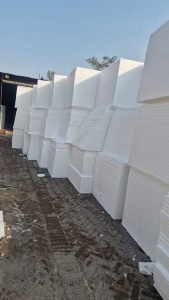
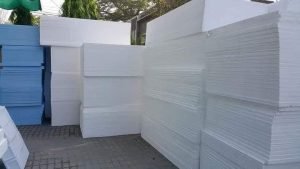
EPS (Expanded Polystyrene) Thermacol Sheet is a lightweight, rigid, and highly insulating foam material. Manufactured using premium polystyrene beads, it expands and solidifies to form thermal insulation panels.
-
High Thermal Resistance: Maintains indoor temperatures by reducing heat gain through walls and roofs
-
Lightweight: Easy to handle and install without additional structural support
-
Moisture Resistant: Prevents water absorption, reducing risk of mold and dampness
-
Durable: Long-lasting with minimal maintenance required
External Link: Learn more about EPS insulation at Wikipedia – Expanded Polystyrene
Key Features of Robust EPS Thermacol Sheet
-
Heatproof & Thermal Insulation – Keeps interiors cool in summer and warm in winter
-
Lightweight & Easy to Install – Reduces labor cost and installation time
-
Moisture & Water Resistant – Prevents dampness and mold growth
-
Soundproofing – Reduces noise from external sources
-
Durable & Long-Lasting – Maintains structural integrity for years
-
Eco-Friendly – Reduces energy consumption and carbon footprint
Applications of EPS Thermacol Sheet
1. Roof Insulation
-
Reduces indoor heat, improving comfort
-
Compatible with concrete, metal, and tiled roofs
-
Ideal for both residential and commercial buildings
2. Wall Insulation
-
Prevents heat transfer through external and internal walls
-
Helps maintain consistent indoor temperatures
-
Reduces energy consumption from air conditioning
3. Floor Insulation
-
Suitable for cold or heat-prone areas
-
Provides thermal protection and comfort underfoot
4. Industrial Buildings
-
Warehouses, factories, and cold storage units
-
Maintains temperature control for sensitive materials
5. Residential & Commercial Projects
-
Apartments, villas, offices, and shopping malls
-
Ensures energy efficiency and long-term cost savings
Internal Link: Complementary product: Robust Foil Aluminium Membrane Sheet
Benefits of Using EPS Thermacol Sheet
-
Energy Efficiency: Keeps buildings cooler in summer and warmer in winter
-
Cost-Effective: Reduces electricity bills and maintenance costs
-
Easy Installation: Can be cut and shaped for walls, roofs, and floors
-
Sustainable: Non-toxic, recyclable, and eco-friendly
-
Durability: Resistant to pests, moisture, and environmental degradation
-
Noise Reduction: Provides excellent sound insulation for urban areas
Step-by-Step Installation Guide
1. Surface Preparation
-
Clean the installation surface
-
Remove dust, debris, or moisture
-
Repair cracks for smooth adhesion
2. Cutting and Shaping
-
Use a sharp knife or cutter to trim sheets to size
-
Ensure a snug fit for maximum insulation efficiency
3. Placement
-
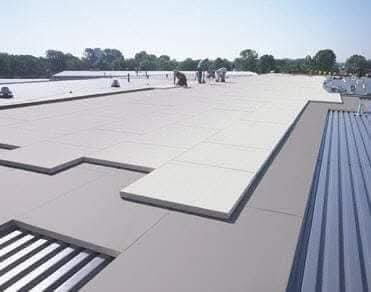
Lay sheets flat on the roof, wall, or floor
-
Ensure edges and joints are tight to avoid gaps
4. Fixing & Adhesion
-
Use mechanical fasteners or adhesive to secure sheets
-
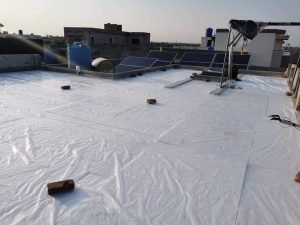
For roofs, consider a protective layer like screed, tiles, or foil membrane
5. Finishing
-
Seal joints with tape or insulating foam
-
Inspect for gaps or uneven surfaces
-
Optional: Apply protective layer on exposed surfaces for durability
Maintenance Tips
-
Inspect for physical damage periodically
-
Keep surfaces clean from debris and dirt
-
Avoid puncturing or applying heavy loads directly on sheets
-
Replace damaged sheets promptly to maintain insulation efficiency
Case Studies
1. Lahore Residential Complex
-
Problem: Overheated rooftop during summer
-
Solution: EPS Thermacol sheet installed with protective membrane
-
Result: Reduced indoor temperatures, improved comfort, energy savings
2. Karachi Industrial Cold Storage
-
Problem: Maintaining low temperatures in warehouse
-
Solution: EPS Thermacol sheets on walls and ceiling
-
Result: Energy-efficient insulation, reduced cooling costs
3. Islamabad Shopping Mall
-
Problem: Heat gain through roof and walls
-
Solution: EPS sheets combined with foil aluminium membrane
-
Result: Effective thermal insulation and noise reduction
4. Faisalabad Textile Factory
-
Problem: Hot indoor environment affecting machinery
-
Solution: EPS Thermacol sheets on roof and walls
-
Result: Cooler workspace, better machinery performance, energy savings
Environmental & Sustainability Benefits
-
Energy Efficiency: Reduces the need for air conditioning, lowering electricity consumption
-
Eco-Friendly: Non-toxic, recyclable, and reduces carbon footprint
-
Durable Material: Long-lasting, reducing the need for frequent replacement
-
Noise Reduction: Contributes to a quieter and more comfortable indoor environment
FAQs
Q1: Can EPS Thermacol sheets be used on old roofs?
A1: Yes, ensure the surface is clean, stable, and dry before installation.
Q2: Are they suitable for extreme heat conditions?
A2: Absolutely, EPS sheets provide superior heatproof insulation.
Q3: Can EPS sheets be used with other insulation products?
A3: Yes, they work well with foil aluminium membranes and waterproofing solutions.
Q4: How long does EPS insulation last?
A4: With proper installation, it lasts 10–15 years or more.
Q5: Is EPS Thermacol safe for residential use?
A5: Yes, it is non-toxic, eco-friendly, and safe for homes and offices.
1. Introduction: Importance of Thermal Insulation in Pakistan
Pakistan’s climate is characterized by extreme heat in summer, cold winters, and high humidity in monsoon seasons. Buildings without proper insulation face multiple issues:
-
Excessive indoor heat, causing discomfort and high AC electricity bills
-
Heat loss in winters, increasing energy usage
-
Structural damage due to moisture penetration
-
Mold and mildew growth, affecting health
-
Noise pollution in urban areas
To address these challenges, Robust EPS Thermacol Sheet is designed as a lightweight, durable, and high-performance thermal insulation material. Its superior heatproof properties help maintain a consistent indoor temperature while reducing energy consumption, making it ideal for residential, commercial, and industrial projects across Pakistan.
Internal Link: Learn more about insulation solutions at Robust Construction Chemicals
Facebook Link: Follow us on Facebook
2. What is EPS Thermacol Sheet?
EPS (Expanded Polystyrene) Thermacol Sheet is a rigid, lightweight insulation panel made from expanded polystyrene beads. These beads are heated, expanded, and molded into panels, forming a strong, high-insulating structure.
Key Components:
-
Polystyrene Beads: Core material providing insulation
-
Expansion & Molding: Ensures a dense, uniform panel
-
Optional Coatings: Reflective or protective layers to enhance durability
Why EPS Thermacol is Preferred Over Other Materials:
| Feature | EPS Thermacol | XPS Sheet | PU Foam | Mineral Wool |
|---|---|---|---|---|
| Thermal Insulation | High | High | Medium-High | Medium |
| Weight | Very Light | Heavy | Medium | Medium |
| Moisture Resistance | Excellent | Excellent | Good | Poor |
| Sound Insulation | Good | Medium | Medium | High |
| Ease of Installation | Very Easy | Medium | Medium | Medium |
| Cost | Cost-Effective | Expensive | Moderate | Moderate |
| Durability | 10–15+ Years | 15–20 Years | 10–12 Years | 8–10 Years |
External Link: Learn more about EPS insulation at Wikipedia – Expanded Polystyrene
3. Key Features of Robust EPS Thermacol Sheet
-
Heatproof & Thermal Insulation – Maintains cooler indoor temperature in summer and warmth in winter.
-
Lightweight & Easy Handling – Can be installed without structural reinforcement.
-
Moisture & Water Resistance – Prevents dampness, mold, and structural decay.
-
Soundproofing Properties – Reduces external noise for a comfortable environment.
-
Durable & Long-Lasting – Maintains insulation properties for 10–15 years or more.
-
Eco-Friendly & Recyclable – Supports sustainable construction practices.
-
Fire Safety – Class-rated EPS panels resist flame propagation (check local building codes).
-
Cost-Effective – Lowers long-term energy consumption and maintenance costs.
4. Applications of EPS Thermacol Sheet
Residential Applications
-
Roof insulation to reduce heat gain
-
Wall insulation for indoor thermal comfort
-
Floor insulation to protect from ground temperature
-
Attics and terraces for temperature regulation
Commercial Applications
-
Offices, malls, and hotels for energy efficiency
-
Conference rooms and auditoriums for soundproofing
-
Roof terraces for outdoor temperature control
Industrial Applications
-
Warehouses and factories to reduce energy costs
-
Cold storage units for temperature-sensitive goods
-
Food processing and chemical industries to protect machinery and products
Infrastructure Projects
-
Bridges, tunnels, and flyovers for thermal protection
-
Noise barriers along highways
-
Public infrastructure requiring sound and heat insulation
Special Projects
-
Studios, theaters, and labs requiring noise and thermal insulation
-
Water tanks and pool insulation
Internal Link: Complementary product: Robust Foil Aluminium Membrane Sheet
5. Benefits of Using EPS Thermacol Sheet
-
Energy Efficiency: Reduces AC and heating usage
-
Cost Savings: Lowers utility bills and maintenance costs
-
Durability: Resistant to pests, moisture, and structural stress
-
Noise Reduction: Provides excellent acoustic insulation
-
Easy Installation: Lightweight panels reduce labor and installation time
-
Sustainable Construction: Non-toxic and recyclable
-
Fire Safety: Suitable for flame-resistant applications with rated panels
6. Step-by-Step Installation Guide
1. Surface Preparation
-
Clean the roof, wall, or floor
-
Remove dust, oil, and loose debris
-
Repair cracks and ensure a flat surface
2. Cutting and Shaping
-
Use a sharp utility knife or hot wire cutter
-
Trim panels to exact size for tight joints
3. Placement
-
Lay sheets flat on the installation surface
-
Ensure tight edge-to-edge alignment to prevent heat or moisture gaps
4. Fixing & Adhesion
-
Use mechanical fasteners or construction adhesive
-
For roof installation, apply protective screed or tiles
5. Sealing
-
Seal all joints using tape or insulating foam
-
Inspect for gaps and irregular surfaces
6. Protective Covering
-
Optional top layer for high-traffic areas (tiles, screed, or membrane)
-
Prevents punctures and wear from foot traffic
7. Maintenance Tips
-
Conduct annual inspection of panels
-
Keep surfaces clean from debris, leaves, or dust
-
Repair damaged areas immediately
-
Combine with waterproofing sheets for extra protection
8. Case Studies
1. Lahore Residential Rooftop
-
Problem: Excessive heat and high AC usage
-
Solution: EPS Thermacol sheet installation
-
Result: Reduced indoor temperature by 20%, lower electricity bills
2. Karachi Industrial Cold Storage
-
Problem: Maintaining low temperatures
-
Solution: EPS sheets for walls and ceilings
-
Result: Energy-efficient cooling, reduced maintenance
3. Islamabad Commercial High-Rise
-
Problem: Noise and heat in office floors
-
Solution: EPS sheet insulation combined with foil aluminium membrane
-
Result: Comfortable indoor environment, lower energy consumption
4. Faisalabad Textile Factory
-
Problem: Heat affecting machinery
-
Solution: EPS sheets on roof and walls
-
Result: Protected machinery, cooler work environment
5. Peshawar Educational Institution
-
Problem: Classroom noise and heat
-
Solution: EPS sheet wall and ceiling insulation
-
Result: Reduced noise, comfortable learning environment
9. Troubleshooting Common Issues
-
Wrinkles or Air Bubbles – Reheat and press firmly
-
Adhesion Failure – Ensure clean, dry surface before installation
-
Tears or Punctures – Patch with additional sheet and seal edges
-
Reduced Heat Reflection – Clean surface periodically
10. Advanced Industrial Applications
-
Insulating factory floors and walls for temperature-sensitive processes
-
Combining EPS with foil membranes for heat and waterproofing
-
Soundproofing industrial areas
-
Protecting cold storage and warehouses
-
High-rise building roofs for energy efficiency
11. Environmental & Energy Benefits
-
Reduces AC electricity consumption
-
Recyclable, eco-friendly material
-
Noise reduction for urban projects
-
Supports green building standards
12. Frequently Asked Questions (FAQs)
Q1: Can EPS sheets be used on sloped roofs?
A1: Yes, with proper overlapping and adhesion.
Q2: Are they suitable for monsoon regions?
A2: Yes, moisture-resistant EPS sheets prevent dampness.
Q3: How long do EPS sheets last?
A3: 10–15 years with proper maintenance.
Q4: Can EPS be combined with other waterproofing solutions?
A4: Yes, works well with Robust Water Stopper and foil aluminium membrane.
Q5: Are EPS sheets safe for potable water areas?
A5: Yes, non-toxic and safe for water tanks.
Robust EPS Thermacol Sheet | Heatproof & Insulation Solution in Lahore
1. EPS Thermacol vs Other Insulation Materials
Expanded Polystyrene (EPS) is often compared with other popular insulation materials. Understanding these differences helps builders and architects choose the right solution for specific projects.
| Feature | EPS Thermacol | XPS Sheet | PU Foam | Mineral Wool | Rockwool |
|---|---|---|---|---|---|
| Thermal Resistance | High | High | Medium-High | Medium | Medium |
| Weight | Very Light | Heavy | Medium | Medium | Medium |
| Moisture Resistance | Excellent | Excellent | Moderate | Poor | Poor |
| Sound Insulation | Good | Medium | Medium | High | High |
| Ease of Installation | Very Easy | Medium | Medium | Medium | Medium |
| Fire Safety | Class-rated | Class-rated | Flame-resistant | Flame-resistant | Flame-resistant |
| Cost | Cost-effective | Expensive | Moderate | Moderate | Moderate |
| Durability | 10–15+ Years | 15–20 Years | 10–12 Years | 8–10 Years | 8–10 Years |
Why EPS is Better for Pakistan’s Climate:
-
Lightweight sheets reduce structural load on roofs and walls
-
Excellent thermal insulation minimizes heat gain in summers and heat loss in winters
-
Moisture resistance prevents mold and dampness during monsoon
-
Cost-effective for large-scale residential and industrial projects
External Link: EPS Insulation Benefits – Wikipedia
2. Scientific Insights and Thermal Performance
EPS Thermacol Sheets provide superior thermal resistance, measured as R-value, which indicates the material’s ability to resist heat flow.
How EPS Reduces Heat Transfer
-
EPS contains millions of air pockets, acting as thermal barriers
-
These pockets trap air and reduce conduction, convection, and radiation through walls and roofs
-
Reflective coatings (optional) enhance heat deflection
Seasonal Performance
-
Summer: EPS prevents excessive heat penetration, keeping interiors cooler
-
Winter: Traps indoor warmth, reducing heating requirements
Moisture Resistance
-
EPS absorbs negligible water, preventing thermal degradation
-
Maintains R-value even in high-humidity regions like Karachi, Lahore, and Islamabad
Additional Benefits
-
Soundproofing: Reduces external noise, ideal for urban residences and industrial buildings
-
Fire Safety: Class-rated EPS panels resist flame propagation, adding structural safety
3. Advanced Installation Techniques
For industrial and commercial projects, professional installation enhances performance and durability.
Surface Preparation
-
Inspect for cracks, dust, and oil
-
Repair damaged concrete and smooth uneven surfaces
Cutting and Shaping
-
Use hot-wire cutter or utility knife for precision
-
Pre-measure panels for tight fit at joints and corners
Fixing Methods
-
Adhesive bonding for light residential roofs
-
Mechanical fastening for industrial roofs and high-rise buildings
-
Combination of adhesive + screws ensures maximum stability
Edge Sealing
-
Seal expansion joints with foam or tape
-
Overlap sheets to avoid gaps that reduce thermal efficiency
Multi-Layer Insulation
-
Combine EPS with foil aluminium membrane for heatproofing and waterproofing
-
Optional top layer: protective screed, tiles, or gravel for heavy foot traffic areas
Protective Coatings
-
UV-resistant coatings prevent degradation under sunlight
-
Fire-retardant coatings increase safety in high-risk areas
Internal Link: Robust Foil Aluminium Membrane Sheet
4. Extended Case Studies
Lahore Residential Complex
-
Problem: Overheated rooftops during summer
-
Solution: EPS sheets installed with reflective membrane
-
Result: Indoor temperatures reduced by 20–25%, energy-efficient cooling
Karachi Industrial Cold Storage
-
Problem: Maintaining constant low temperature
-
Solution: EPS sheets applied on walls and ceiling
-
Result: Reduced energy consumption by 30%, maintained product quality
Islamabad Commercial High-Rise
-
Problem: Noise and heat in office floors
-
Solution: EPS sheet insulation combined with foil membrane
-
Result: Comfortable work environment, reduced AC usage
Faisalabad Textile Factory
-
Problem: Heat affecting machinery and workers
-
Solution: EPS sheets on roof and walls
-
Result: Protected machinery, cooler work environment, improved productivity
Multan Shopping Mall
-
Problem: Roof and terrace heat gain
-
Solution: EPS Thermacol sheets installed under tiles
-
Result: Reduced indoor temperatures, energy savings, long-term durability
Peshawar Educational Institution
-
Problem: Classroom noise and heat
-
Solution: EPS sheet wall and ceiling insulation
-
Result: Reduced noise and heat, improved learning environment
Quetta Cold Storage Facility
-
Problem: Extreme temperature control required for perishable goods
-
Solution: EPS sheets combined with multi-layer insulation
-
Result: Constant internal temperature, lower electricity bills, preserved inventory
5. Maintenance and Longevity Tips
-
Annual inspections for cracks, punctures, or water damage
-
Keep surfaces free from debris, dust, or leaves
-
Combine EPS with waterproofing solutions for extreme monsoon areas
-
Replace damaged sheets immediately to maintain insulation efficiency
-
Protect surfaces from direct heavy loads to prevent crushing
6. Environmental and Energy-Saving Benefits
-
Reduces electricity consumption for AC and heating
-
Lowers carbon footprint of buildings
-
Recyclable, non-toxic material supports green construction
-
Reduces noise pollution in urban areas
-
Supports LEED and sustainable building certifications
Energy-Saving Example:
-
Installing EPS sheets in a 3-story building in Lahore reduced AC load by 25–30%, saving significant electricity costs annually
7. Extended FAQs
Q1: Can EPS sheets be installed on old buildings?
A1: Yes, with proper surface preparation and repair of cracks.
Q2: How do EPS sheets perform in extreme summer heat?
A2: They provide excellent thermal resistance, keeping interiors cool and reducing energy bills.
Q3: Can EPS be layered for higher insulation?
A3: Yes, layering improves R-value and provides extra heatproofing.
Q4: How often should EPS insulation be checked?
A4: Annual inspection is recommended, especially before and after monsoon.
Q5: Are EPS sheets safe for water tanks?
A5: Yes, they are non-toxic and safe for potable water storage.
Q6: Can EPS sheets be used in industrial high-traffic areas?
A6: Yes, but a protective layer like screed, tiles, or membrane is recommended to prevent damage.
8. SEO Keywords and Marketing Optimization
Primary Keywords:
EPS Thermacol Sheet, Roof Insulation Lahore, Wall Insulation Pakistan, Heatproof Insulation Sheet, Energy-Efficient Roof Insulation, Industrial Insulation Sheet, Residential Roof Insulation, Durable EPS Sheet
Long-Tail Keywords:
Best EPS Thermacol Sheet Pakistan, Heatproof Roof Insulation Lahore, Affordable EPS Sheet for Walls, Premium EPS Sheet for Industrial Buildings
Internal Links:
External Links:
Facebook Link: