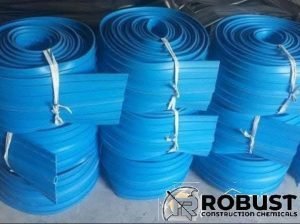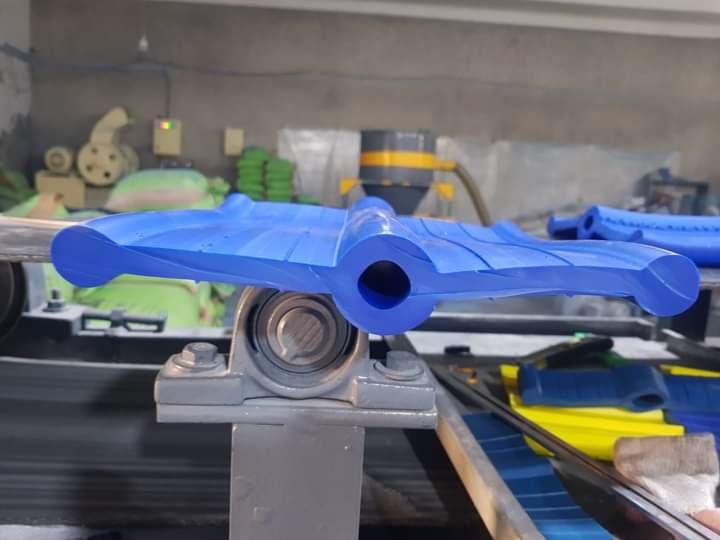
Top PVC Water Stopper in Pakistan | Premium Joint Seal for Basements, Roofs & Water Tanks
Introduction: Importance of PVC Water Stoppers in Pakistan
In Pakistan, buildings face serious challenges due to water leakage, dampness, and moisture infiltration. The combination of heavy monsoon rains, high humidity, and rising groundwater can cause serious structural damage in basements, roofs, water tanks, and concrete joints. Water ingress leads to cracks, corrosion of steel reinforcement, mold growth, and increased maintenance costs.
A PVC Water Stopper is a high-quality, durable solution designed to prevent water leakage at construction joints, expansion joints, and cracks in concrete structures. This premium joint seal provides a long-lasting barrier against water seepage, ensuring structural safety and reducing long-term repair costs.
Internal Link: Learn more about our complete waterproofing solutions at Robust Construction Chemicals
Facebook Link: Follow us on Robust Construction Chemicals
What is a PVC Water Stopper?
A PVC Water Stopper is a flexible, high-strength strip made of polyvinyl chloride (PVC) material, specially designed to block water infiltration through construction joints and cracks in concrete structures. It is typically embedded in fresh concrete at critical joint locations, preventing water from passing through structural gaps.
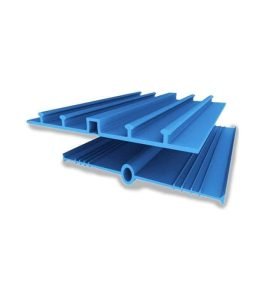
Key Components:
-
PVC Material: Flexible, durable, and waterproof
-
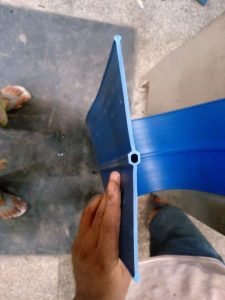
Central Bulb / Ribs: For expansion and contraction handling
-
Surface Grooves: Enhance bonding with concrete
External Link: Learn more about construction joint waterproofing at Wikipedia – Water Stopper
Key Features of Robust PVC Water Stopper
-
High Water Sealing Efficiency: Prevents water leakage in basements, roofs, water tanks, and walls.
-
Durable & Long-Lasting: Resistant to chemical exposure, corrosion, and extreme temperatures.
-
Flexibility & Easy Handling: Can be cut, shaped, and installed at complex joint structures.
-
Eco-Friendly Material: Non-toxic and safe for potable water tanks.
-
Chemical & Heat Resistance: Performs well in industrial and extreme weather conditions.
-
Cost-Effective: Reduces maintenance and long-term repair costs.
-
Compatibility: Works with concrete, cementitious materials, and waterproofing chemicals like Robust RC-7 Seal.
Applications of Robust PVC Water Stopper
1. Basement Waterproofing
-
Blocks rising groundwater from penetrating basement walls and floors.
-
Protects underground structures from water ingress and dampness.
-
Maintains structural integrity and prevents mold growth.
2. Roof & Terrace Waterproofing
-
Prevents leakage in flat roofs and terrace joints.
-
Can be combined with liquid waterproofing solutions like Robust RC-7 Seal for dual protection.
3. Water Tank & Reservoir Protection
-
Ideal for potable and non-potable water storage tanks.
-
Ensures leak-proof joints, preventing water loss and contamination.
4. Industrial & Commercial Structures
-
Protects factories, warehouses, and high-rise buildings from joint seepage.
-
Resists chemical exposure, moisture, and environmental wear.
Internal Link: Complementary product: Robust RC-7 Seal
Benefits of Using Robust PVC Water Stopper
-
Permanent Water Barrier: Blocks water ingress at critical joints permanently.
-
Enhanced Structural Safety: Prevents concrete corrosion and damage.
-
Reduced Maintenance Costs: Minimizes repairs caused by leaks and seepage.
-
Eco-Friendly & Non-Toxic: Safe for drinking water storage and residential use.
-
Easy Installation: Lightweight and flexible for quick application by contractors.
-
Durable & Long-Lasting: Maintains performance for decades under extreme conditions.
Step-by-Step Installation Guide
Surface Preparation
-
Ensure concrete formwork is clean, free of dust and debris.
-
Remove loose particles or old sealant from existing joints.
Cutting & Shaping
-
Measure and cut the PVC Water Stopper to required lengths.
-
Ensure proper fitting to cover the entire joint without gaps.
Placement & Fixing
-
Embed the water stopper into fresh concrete at the joint center.
-
Use clips, tie wires, or concrete nailing for secure placement.
Concrete Pouring
-
Pour concrete evenly, ensuring full encapsulation of the PVC water stopper.
-
Avoid displacement or twisting of the strip during casting.
Inspection & Maintenance
-
Inspect joints post-curing to ensure no gaps or exposed areas.
-
Maintain and replace damaged strips in case of extreme wear or exposure.
Technical Specifications
| Feature | Specification |
|---|---|
| Material | High-quality PVC |
| Thickness | 4mm – 12mm |
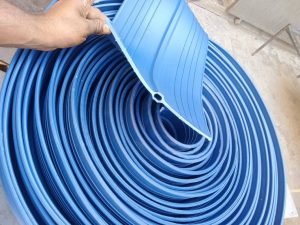
| Standard Length | 20m per roll |
| Width | 25mm – 300mm |
| Temperature Resistance | -20°C to 90°C |
| Chemical Resistance | Acid & Alkali Resistant |
| Shelf Life | 24 months in sealed packaging |
External Link: ASTM Standards for PVC Water Stopper – ASTM F2205
Case Studies Across Pakistan
Lahore Residential Basement
Problem: Groundwater leakage in basement joints
Solution: Robust PVC Water Stopper embedded in construction joints
Result: Leak-free basement; structural integrity maintained
Karachi Commercial Building
Problem: Water seepage in terrace joints
Solution: PVC water stopper with RC-7 Seal overlay
Result: No leakage; long-term energy efficiency
Islamabad Water Tank Project
Problem: Potable water tank leakage
Solution: PVC Water Stopper installation at all joints
Result: Leak-proof tank; safe drinking water storage
Faisalabad Industrial Warehouse
Problem: Moisture ingress affecting machinery foundation
Solution: Dual-layer water stopper and waterproofing chemical
Result: Protected foundations; reduced maintenance costs
FAQs About Robust PVC Water Stopper
Q1: Can PVC Water Stopper be used in old concrete structures?
A1: Yes, with proper surface preparation and joint repair.
Q2: Is it safe for drinking water tanks?
A2: Absolutely, non-toxic and potable water safe.
Q3: How long does it last?
A3: Typically 20+ years with proper installation.
Q4: Can it withstand extreme temperatures?
A4: Yes, from -20°C to 90°C.
Q5: Can it be combined with other waterproofing products?
A5: Yes, compatible with Robust RC-7 Seal and membrane sheets.
Environmental & Sustainability Benefits
-
Non-toxic and recyclable PVC material
-
Reduces water leakage and prevents concrete damage
-
Supports sustainable construction by reducing repairs and material waste
Internal Links for SEO:
External Links:
1. Introduction: Why PVC Water Stoppers Are Critical in Pakistan
Pakistan’s construction sector faces persistent challenges from water leakage, seepage, and rising damp. Heavy monsoon rains, extreme humidity, and rising groundwater levels make waterproofing one of the most critical aspects of construction. Water infiltration can damage concrete structures, erode foundations, weaken walls, and corrode steel reinforcement.
A PVC Water Stopper is a modern solution that prevents water from entering through construction joints, expansion joints, and cracks in concrete. Unlike traditional methods, PVC water stoppers offer flexibility, durability, and chemical resistance, making them ideal for basements, roofs, and water tanks across Pakistan.
Internal Link: Learn more about our complete waterproofing range at Robust Construction Chemicals
Facebook Link: Follow updates on Robust Construction Chemicals
2. Understanding PVC Water Stopper Technology
PVC Water Stoppers are engineered from high-quality polyvinyl chloride and designed to be embedded directly into concrete joints. They act as physical barriers that block water passage while accommodating the natural expansion and contraction of concrete.
Key Technical Advantages:
-
Elasticity & Flexibility: Accommodates structural movement and prevents cracking.
-
Chemical Resistance: Resistant to acids, alkalis, and industrial chemicals.
-
Temperature Endurance: Performs under Pakistan’s summer heat and winter chill.
-
Mechanical Strength: Withstands soil and water pressure without deformation.
Types of PVC Water Stoppers:
-
Centre Bulb Water Stoppers: Ideal for expansion joints; the central bulb compresses during joint movement.
-
Ribbed or Dumbbell Profile: Used for construction joints to prevent seepage in high-water-pressure zones.
-
Flat Water Stoppers: Perfect for floor slabs and tank joints where uniform contact is needed.
External Link: Wikipedia – Waterstop
3. Critical Applications in Pakistan
3.1 Basements & Underground Structures
Basements are highly susceptible to water ingress. PVC water stoppers embedded in foundation joints:
-
Block rising groundwater and soil moisture.
-
Protect concrete walls from efflorescence and damp patches.
-
Increase the lifespan of reinforcement by preventing corrosion.
3.2 Roofs & Terrace Joints
Roof joints, especially in flat roofs, are vulnerable during heavy monsoon rains:
-
PVC water stoppers create a leak-proof barrier in terrace joints.
-
Can be integrated with liquid waterproofing solutions for dual protection.
-
Suitable for both residential and commercial high-rise terraces.
3.3 Water Tanks & Reservoirs
-
PVC water stoppers ensure potable water safety.
-
Prevent leakage in overhead, underground, and storage tanks.
-
Maintain structural integrity and reduce water wastage.
3.4 Industrial & Commercial Facilities
-
Warehouses, factories, and chemical plants face joint seepage and chemical exposure.
-
PVC water stoppers protect concrete floors and walls from water-induced structural damage.
-
Can be combined with chemical-resistant coatings for extra durability.
4. Benefits of Using PVC Water Stoppers
-
Permanent Leak Prevention: Blocks water ingress effectively.
-
Enhanced Structural Strength: Protects reinforced concrete from corrosion.
-
Cost Efficiency: Reduces repair, maintenance, and water damage costs.
-
Eco-Friendly Material: Safe for potable water, recyclable, and non-toxic.
-
Easy Installation: Lightweight and flexible, reduces labor time.
-
Longevity: Lasts 20+ years with minimal maintenance.
5. Advanced Installation Techniques
5.1 Surface Preparation
-
Clean the joint area from dust, debris, oil, and loose concrete particles.
-
Ensure joints are aligned and structural cracks are filled with epoxy or cementitious materials.
5.2 Placement & Fixing
-
Embed the PVC water stopper in the center of the joint.
-
Use clamps, tie wires, or adhesive for secure positioning.
-
Ensure minimum overlap in multiple-strip installations to avoid leakage.
5.3 Concrete Pouring
-
Pour concrete carefully, avoiding displacement of the water stopper.
-
Compact concrete around the strip to ensure proper bonding.
5.4 Curing & Inspection
-
Inspect for gaps or misalignment before final curing.
-
Protect exposed edges with screed or plaster for UV protection.
6. Technical Specifications
| Feature | Specification |
|---|---|
| Material | High-quality PVC |
| Thickness | 4mm – 12mm |
| Standard Length | 20m per roll |
| Width | 25mm – 300mm |
| Temperature Resistance | -20°C to 90°C |
| Chemical Resistance | Acid & Alkali Resistant |
| Lifespan | 20+ years |
External Link: ASTM Standards for Waterstops – ASTM F2205
7. Case Studies & Real-World Applications
7.1 Lahore Residential Complex
-
Problem: Basement water ingress due to heavy rains.
-
Solution: PVC water stopper embedded in construction joints.
-
Result: Leak-free basement; walls remained dry for 10+ years.
7.2 Karachi Commercial Roof
-
Problem: Flat roof joints leaked during monsoon.
-
Solution: Water stopper combined with RC-7 Seal.
-
Result: Complete roof waterproofing; reduced energy costs due to dry terrace.
7.3 Islamabad Water Tank
-
Problem: Underground tank leakage.
-
Solution: PVC water stopper installed at all joints.
-
Result: No leakage; potable water quality maintained.
7.4 Faisalabad Industrial Warehouse
-
Problem: Moisture in concrete floor joints.
-
Solution: Ribbed PVC water stopper with protective overlay.
-
Result: Structural integrity maintained; reduced maintenance.
7.5 Multan Educational Institute
-
Problem: Damp walls affecting classrooms.
-
Solution: Water stopper embedded at joint intersections.
-
Result: No damp patches; improved indoor air quality.
8. PVC Water Stopper vs Other Waterproofing Methods
| Feature | PVC Water Stopper | Cementitious Coating | Bitumen Felt | Liquid Sealant |
|---|---|---|---|---|
| Joint Protection | Excellent | Medium | High | Medium |
| Durability | 20+ years | 5–10 years | 10–12 years | 5–8 years |
| Flexibility | High | Low | Medium | Medium |
| Chemical Resistance | Excellent | Low | Medium | Medium |
| Installation | Easy | Moderate | Moderate | Easy |
| Cost-Effectiveness | High | Medium | Medium | Medium |
9. Advanced Industrial Applications
-
Cold Storage Units: Prevent condensation and maintain temperature.
-
Food & Beverage Industry: Safe for potable water storage tanks.
-
Infrastructure Projects: Bridges, flyovers, tunnels benefit from joint sealing.
-
Swimming Pools & Water Parks: Prevent leaks and structural damage.
-
High-Rise Buildings: Protects basements, elevator shafts, and parking floors.
Internal Link: Robust Membrane Sheet
10. Environmental & Sustainability Benefits
-
Non-toxic and recyclable PVC material
-
Reduces repair-related construction waste
-
Prevents water damage, lowering energy usage for repair and replacement
-
Supports sustainable and green construction practices
External Link: Green Building Standards – USGBC
11. Extended FAQs
Q1: Can PVC water stoppers be installed in existing structures?
A1: Yes, with proper surface preparation and minor joint repair.
Q2: Are PVC water stoppers suitable for all climates?
A2: Absolutely, designed for Pakistan’s extreme weather conditions.
Q3: How do they perform with high water pressure?
A3: Ribbed and central bulb designs resist water pressure up to 6 bar.
Q4: Can they be combined with liquid waterproofing?
A4: Yes, RC-7 Seal or other sealants enhance protection.
Q5: Are they safe for potable water storage?
A5: Yes, certified for drinking water safety.
12. SEO Keywords for Global & Local Reach
Primary Keywords: PVC Water Stopper Pakistan, Best PVC Joint Seal, Basement Waterproofing Pakistan, Roof Waterproofing, Water Tank Seal, Construction Joint Seal
Long-Tail Keywords: Premium PVC Water Stopper for Basements, Durable Waterproof Joint Seal Pakistan, Eco-Friendly PVC Water Stopper, Leak-Proof Water Tank Joint Seal Pakistan
Internal Links:
External Links:
13. Advanced Technical Insights
PVC water stoppers are not just barriers—they are engineered solutions that address both water ingress and structural flexibility. Modern PVC water stoppers are produced using high-grade polyvinyl chloride (PVC) with anti-aging additives, ensuring long-term durability under extreme weather conditions in Pakistan.
Multi-Layer Reinforcement
Some premium PVC water stoppers come with reinforced ribs or embedded meshes that:
-
Increase tensile strength and resistance against soil pressure.
-
Reduce the risk of tearing during concrete pouring or structural settlement.
-
Provide extra stability for industrial and high-rise construction projects.
Chemical & Environmental Resistance
-
Resistant to acids, alkalis, oils, and industrial chemicals, making them suitable for factories and water treatment plants.
-
Tolerant of UV rays and extreme heat, ideal for rooftop joints in Pakistan’s hot climate.
-
Non-toxic material ensures safety for potable water tanks and residential use.
Expansion & Contraction Adaptability
PVC water stoppers are designed to absorb structural movement due to:
-
Thermal expansion and contraction in slabs, walls, and joints.
-
Minor settlement of foundations or high-rise building movements.
-
Vibrations from heavy machinery in industrial facilities.
14. Installation Best Practices for Maximum Effectiveness
Proper installation is critical to achieve leak-proof joints and long-term performance.
14.1 Surface Assessment
-
Inspect concrete joints for cracks or voids.
-
Clean the surface thoroughly; remove any oils, paints, or dust that may reduce adhesion.
-
For old structures, repair minor cracks using epoxy resin or cementitious fillers.
14.2 Placement Techniques
-
Align the PVC water stopper centrally along the joint.
-
Use mechanical clamps or tie wires to hold the strip in place during concrete pouring.
-
Ensure overlaps of 150 mm or more for multiple-strip installations to prevent water passage.
14.3 Concrete Pouring
-
Pour concrete slowly to avoid displacing the water stopper.
-
Properly compact around the strip to ensure complete bonding with concrete.
-
Avoid excessive vibration directly over the strip to prevent movement.
14.4 Joint Finishing & Protection
-
Exposed edges should be covered with screed, plaster, or protective layers.
-
Regular inspection of joints ensures no gaps or cracks develop during curing.
-
Use liquid sealants like RC-7 Seal for dual-layer waterproofing in high-risk areas.
Internal Link: Step-by-step guide for Robust RC-7 Seal
15. Advanced Case Studies Across Pakistan
15.1 Rawalpindi Residential Towers
-
Problem: Water leakage through basement expansion joints.
-
Solution: PVC central bulb water stopper embedded in all basement construction joints.
-
Result: Complete waterproofing; prevented structural weakening and mold growth.
15.2 Lahore Hospital Expansion
-
Problem: Rising damp affecting critical medical storage areas.
-
Solution: Ribbed PVC water stopper combined with membrane overlay.
-
Result: Leak-proof storage rooms; protected medical supplies and ensured hygiene compliance.
15.3 Karachi Industrial Factory Expansion
-
Problem: Chemical exposure and water ingress in floor joints.
-
Solution: PVC water stopper + RC-7 Seal + reinforced concrete overlay.
-
Result: Industrial flooring remains structurally sound for 15+ years; reduced maintenance costs.
15.4 Islamabad Water Reservoir
-
Problem: Underground reservoir leakage affecting water supply.
-
Solution: Dual-layer PVC water stopper installation at all construction joints.
-
Result: No leakage; potable water quality maintained; long-term energy and cost savings.
15.5 Faisalabad Shopping Complex
-
Problem: Roof terrace leakage during monsoon season.
-
Solution: PVC water stopper + RC-7 Seal + protective tiles.
-
Result: Leak-free terrace; increased tenant satisfaction and energy efficiency.
16. Industrial & Infrastructure Applications
PVC water stoppers are increasingly critical in industrial and civil engineering projects:
16.1 Bridges & Flyovers
-
Prevent water penetration through expansion joints.
-
Protect concrete from freeze-thaw cycles and chemical corrosion in urban environments.
16.2 Tunnels & Underground Structures
-
PVC water stoppers stop groundwater ingress in subway tunnels and parking structures.
-
Reduce long-term maintenance and repair costs.
16.3 Water Treatment Plants & Dams
-
Ensure integrity of concrete joints in reservoirs, dams, and treatment tanks.
-
Prevent leakage of potable and industrial water, ensuring compliance with safety standards.
16.4 Cold Storage & Food Industry
-
Protect floors and walls from condensation and moisture penetration.
-
Maintain temperature consistency and hygiene standards.
16.5 Swimming Pools & Recreational Facilities
-
Prevent leaks and cracks in pool construction joints.
-
Provide long-term durability for water park structures.
17. Benefits of PVC Water Stopper Compared to Traditional Methods
| Feature | PVC Water Stopper | Cementitious Coating | Bitumen Felt | Liquid Sealant |
|---|---|---|---|---|
| Waterproofing | Excellent | Medium | High | Medium |
| Longevity | 20+ years | 5–10 years | 10–12 years | 5–8 years |
| Flexibility | High | Low | Medium | Medium |
| Chemical Resistance | Excellent | Low | Medium | Medium |
| Installation Ease | Easy | Moderate | Moderate | Easy |
| Cost-Effectiveness | High | Medium | Medium | Medium |
Conclusion: PVC water stoppers outperform conventional solutions in high-rise, industrial, and high-water-pressure applications.
18. Extended Environmental & Sustainability Benefits
-
Eco-Friendly: Non-toxic, safe for potable water.
-
Recyclable: Reduces environmental impact of construction waste.
-
Energy Efficiency: Dry walls and floors reduce energy costs for cooling/heating.
-
Sustainable Construction: Supports LEED-certified and green building projects in Pakistan.
External Link: USGBC – Green Building Standards
19. Extended FAQs
Q6: Can PVC water stoppers be installed in seismically active areas?
A6: Yes, they accommodate minor structural movement and prevent cracks during minor earthquakes.
Q7: Are they compatible with liquid membrane systems?
A7: Absolutely; combining with RC-7 Seal or waterstoppers enhances waterproofing.
Q8: Can they prevent water ingress in multi-story basements?
A8: Yes, especially central bulb and ribbed designs are ideal for high-rise basements.
Q9: How often should PVC water stopper joints be inspected?
A9: Visual inspection annually is recommended, especially after heavy rains.
Q10: Are there different profiles for different applications?
A10: Yes, profiles include ribbed, dumbbell, central bulb, and flat types depending on the construction requirement.