Water Repellent Coating | Superior Protection Against Water, Dampness & Rain in Pakistan
Water Repellent Coating is one of the most advanced and reliable solutions for protecting walls, roofs, ceilings, terraces, and concrete surfaces from water penetration, dampness, and rain damage in Pakistan.
It is specially formulated to provide a long-lasting barrier that prevents moisture absorption, protects surfaces from efflorescence, and keeps structures durable and safe from water-related damages.
In cities like Lahore, Karachi, Islamabad, Peshawar, Faisalabad, and Multan, where rainfall, humidity, and leakage problems are common, water repellent coatings are now an essential part of modern construction and building maintenance.
This high-performance coating is widely used by homeowners, builders, contractors, and engineers to ensure that buildings remain dry, strong, and protected for years.
The chemical formulation penetrates the surface deeply, forming a water-resistant layer that does not alter the natural appearance of walls or roofs.
It is compatible with a variety of construction materials including concrete, cement plaster, bricks, masonry, and stone surfaces.
The use of water repellent coating provides significant benefits in terms of durability and maintenance cost reduction.
Water ingress can lead to a range of structural issues such as cracks, peeling paint, corrosion of metal reinforcements, mold growth, and weakening of plaster.
Applying a high-quality water repellent chemical ensures that surfaces remain waterproof, reduces maintenance frequency, and protects against damage caused by monsoon rains and humid weather.
Homeowners in Pakistan often face frequent repairs and repainting due to water seepage; using water repellent coatings prevents these recurring problems, thereby saving time, effort, and money.
Additionally, water repellent coatings enhance the lifespan of the building by preventing deterioration caused by moisture and environmental exposure.
Water repellent coating works effectively on both horizontal and vertical surfaces, including rooftops, terraces, walls, balconies, and basements.
It penetrates pores and capillaries in the material, forming an invisible barrier that stops water while allowing the surface to breathe.
This breathability is important because trapped moisture can cause structural damage, blistering, or efflorescence.
In Pakistan, where temperature fluctuations and humidity levels vary across seasons, using a high-quality water repellent coating ensures that buildings remain structurally sound and free from water-related issues.
The coating also prevents moss, algae, and fungal growth on external walls, which is a common problem during the monsoon season.
Another key advantage of water repellent coatings is their ease of application and compatibility with most construction surfaces.
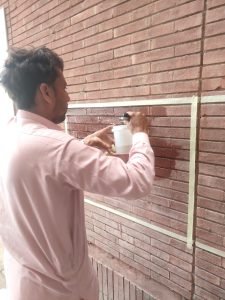
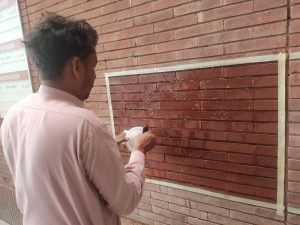
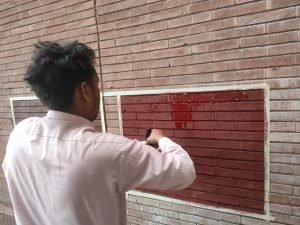
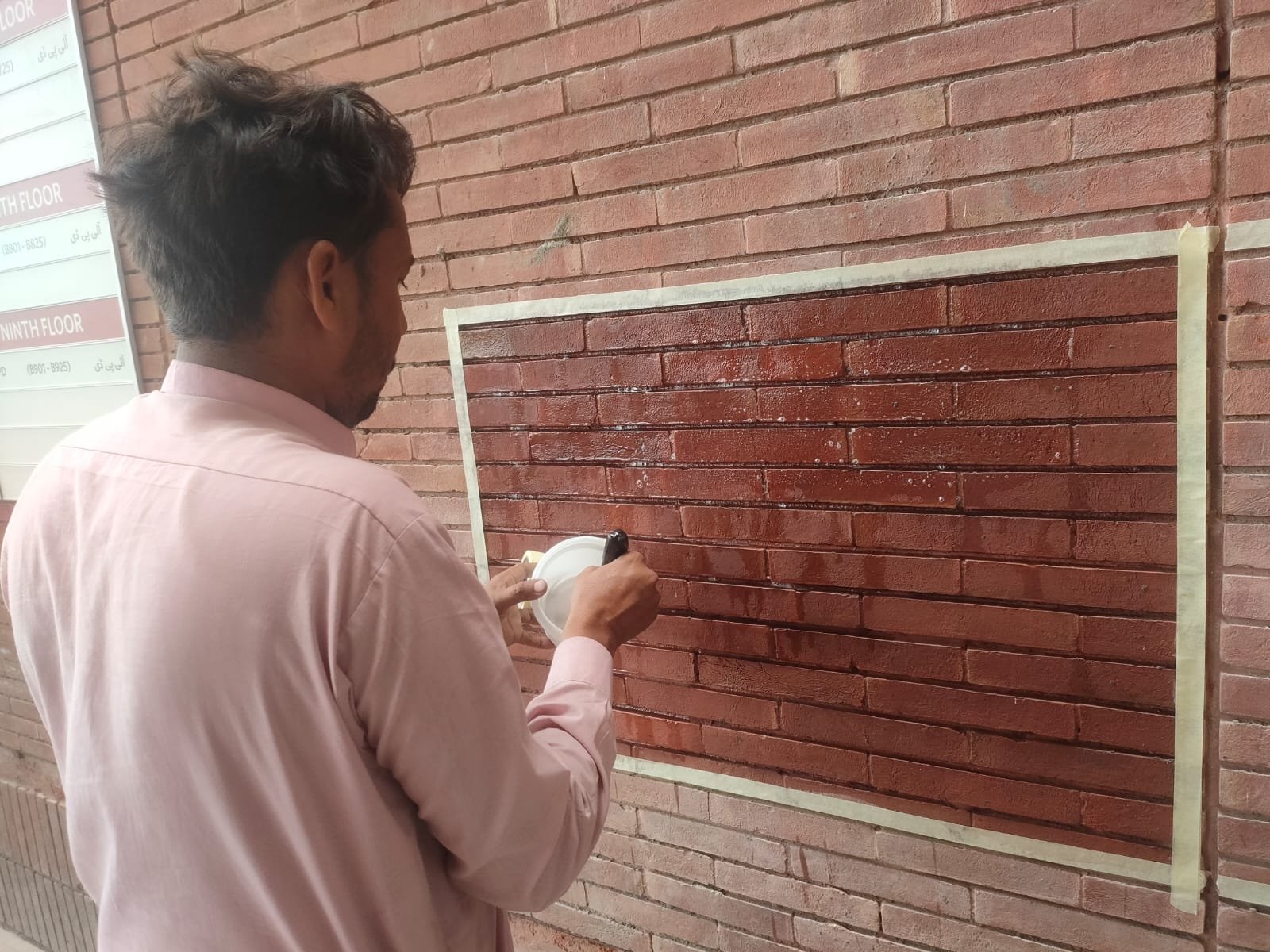
The coating can be applied using brushes, rollers, or spray equipment depending on the project size.
It is fast-drying, penetrates quickly, and forms a uniform protective layer that resists water, rain, and dampness.
Contractors in Pakistan prefer these coatings for both new constructions and renovation projects because they provide long-term protection without changing the aesthetic appeal of walls or roofs.
Water repellent coatings are also UV resistant, ensuring that surfaces do not deteriorate or lose effectiveness when exposed to sunlight.
The protective properties of water repellent coatings extend beyond just waterproofing.
They enhance the durability of paint and decorative finishes applied on top of the coating.
Walls treated with water repellent chemicals maintain their color, texture, and finish for longer periods compared to untreated surfaces.
This makes them ideal for both interior and exterior applications, including decorative facades, painted surfaces, exposed concrete, and brickwork.
In commercial buildings, residential apartments, and industrial facilities, water repellent coatings prevent costly repairs caused by water penetration, thereby protecting the investment of homeowners and builders alike.
Water repellent coatings are also environmentally friendly and safe to use.
Most modern formulations are low in VOC (volatile organic compounds), non-toxic, and odorless, making them suitable for indoor and outdoor applications.
They do not alter the natural color or texture of surfaces, maintaining the architectural aesthetics of buildings.
Many construction companies in Pakistan now prefer certified water repellent chemicals to ensure safety, durability, and compliance with environmental standards.
Using high-quality coatings improves structural performance while reducing environmental impact and promoting sustainable construction practices.
In Pakistan, water seepage and dampness are common challenges due to monsoon rains, leakage in old roofs, and poor-quality construction materials.
Water repellent coatings solve these problems effectively by forming a hydrophobic barrier that prevents water from penetrating walls and roofs.
They are widely used in residential buildings, schools, hospitals, commercial offices, factories, water tanks, and terraces.
Whether the surface is concrete, brick, or masonry, applying a water repellent coating ensures long-term protection, reduces maintenance frequency, and increases the lifespan of structures.
The performance of water repellent coatings depends on the quality of the chemical, the application method, and the surface preparation.
Clean, dry, and smooth surfaces ensure maximum penetration and adhesion of the coating.
For areas with severe water exposure, multiple coats can be applied to enhance protection.
In Pakistan, contractors often apply two or three coats on terraces and exposed walls to ensure resistance against heavy rains and water stagnation.
Water repellent coatings also help in reducing damp patches, salt deposits, and efflorescence, which are common in high-humidity regions.
Water repellent coatings provide a cost-effective solution for protecting buildings.
The long-term benefits of using water repellent chemicals far outweigh the initial investment.
By preventing water damage, reducing maintenance costs, and extending the life of walls and roofs, these coatings help homeowners and builders save money and effort in the long run.
They are an essential tool for modern construction and renovation projects in Pakistan, especially in areas with heavy rainfall or high moisture levels.
The use of water repellent coating also improves indoor comfort by preventing dampness, mold, and fungus growth.
Damp walls can lead to poor indoor air quality and health issues for occupants.
By keeping walls dry and moisture-free, water repellent coatings create a healthier living and working environment.
They are ideal for basements, bathrooms, kitchens, and terraces where water exposure is frequent.
The coating allows the surface to breathe, preventing trapped moisture that can lead to structural damage or health hazards.
Water repellent coatings are highly versatile and can be combined with other waterproofing solutions such as sealants, polymer additives, or PU membranes for enhanced performance.
In Pakistan, multi-layer waterproofing systems are often used for terraces, balconies, and water tanks to ensure complete protection against leaks and dampness.
Using water repellent coating as the first layer enhances the performance of additional waterproofing layers and provides long-term durability.
The application of water repellent coatings is simple and does not require heavy machinery or complicated procedures.
Contractors, builders, and DIY enthusiasts can apply the coating using brushes, rollers, or spray pumps depending on the area.
Proper surface preparation, cleaning, and drying are essential for optimal performance.
The coating penetrates deeply into the material, fills pores, and forms a protective hydrophobic layer that resists rain, dampness, and water absorption.
It is suitable for both old and new buildings, ensuring consistent protection across all surfaces.
In addition to waterproofing, water repellent coatings also improve the aesthetics of walls.
They prevent streaks, stains, and discoloration caused by water seepage and dampness.
Exterior walls maintain a fresh appearance for longer periods, even in areas with heavy rainfall.
This makes water repellent coatings popular for residential facades, commercial buildings, hotels, offices, and public institutions.
By protecting walls from moisture, the coating preserves the integrity and beauty of the structure while providing excellent durability.
Water repellent coatings are highly resistant to environmental factors such as UV rays, wind, and temperature fluctuations.
Surfaces treated with high-quality water repellent chemicals remain protected even under harsh weather conditions.
In Pakistan, where summers can be extremely hot and monsoon rains heavy, water repellent coatings ensure that walls, roofs, and terraces remain safe, dry, and damage-free.
This durability and resistance to environmental stress make water repellent coatings an essential component of modern construction practices.
Water Repellent Coating | Superior Protection Against Water, Dampness & Rain in Pakistan
Water Repellent Coating is one of the most advanced and reliable solutions for protecting walls, roofs, ceilings, terraces, and concrete surfaces from water penetration, dampness, and rain damage in Pakistan.
It is specially formulated to provide a long-lasting barrier that prevents moisture absorption, protects surfaces from efflorescence, and keeps structures durable and safe from water-related damages.
In cities like Lahore, Karachi, Islamabad, Peshawar, Faisalabad, and Multan, where rainfall, humidity, and leakage problems are common, water repellent coatings are now an essential part of modern construction and building maintenance.
This high-performance coating is widely used by homeowners, builders, contractors, and engineers to ensure that buildings remain dry, strong, and protected for years.
The chemical formulation penetrates the surface deeply, forming a water-resistant layer that does not alter the natural appearance of walls or roofs.
It is compatible with a variety of construction materials including concrete, cement plaster, bricks, masonry, and stone surfaces.
The use of water repellent coating provides significant benefits in terms of durability and maintenance cost reduction.
Water ingress can lead to a range of structural issues such as cracks, peeling paint, corrosion of metal reinforcements, mold growth, and weakening of plaster.
Applying a high-quality water repellent chemical ensures that surfaces remain waterproof, reduces maintenance frequency, and protects against damage caused by monsoon rains and humid weather.
Homeowners in Pakistan often face frequent repairs and repainting due to water seepage; using water repellent coatings prevents these recurring problems, thereby saving time, effort, and money.
Additionally, water repellent coatings enhance the lifespan of the building by preventing deterioration caused by moisture and environmental exposure.
Water repellent coating works effectively on both horizontal and vertical surfaces, including rooftops, terraces, walls, balconies, and basements.
It penetrates pores and capillaries in the material, forming an invisible barrier that stops water while allowing the surface to breathe.
This breathability is important because trapped moisture can cause structural damage, blistering, or efflorescence.
In Pakistan, where temperature fluctuations and humidity levels vary across seasons, using a high-quality water repellent coating ensures that buildings remain structurally sound and free from water-related issues.
The coating also prevents moss, algae, and fungal growth on external walls, which is a common problem during the monsoon season.
Another key advantage of water repellent coatings is their ease of application and compatibility with most construction surfaces.
The coating can be applied using brushes, rollers, or spray equipment depending on the project size.
It is fast-drying, penetrates quickly, and forms a uniform protective layer that resists water, rain, and dampness.
Contractors in Pakistan prefer these coatings for both new constructions and renovation projects because they provide long-term protection without changing the aesthetic appeal of walls or roofs.
Water repellent coatings are also UV resistant, ensuring that surfaces do not deteriorate or lose effectiveness when exposed to sunlight.
The protective properties of water repellent coatings extend beyond just waterproofing.
They enhance the durability of paint and decorative finishes applied on top of the coating.
Walls treated with water repellent chemicals maintain their color, texture, and finish for longer periods compared to untreated surfaces.
This makes them ideal for both interior and exterior applications, including decorative facades, painted surfaces, exposed concrete, and brickwork.
In commercial buildings, residential apartments, and industrial facilities, water repellent coatings prevent costly repairs caused by water penetration, thereby protecting the investment of homeowners and builders alike.
Water repellent coatings are also environmentally friendly and safe to use.
Most modern formulations are low in VOC (volatile organic compounds), non-toxic, and odorless, making them suitable for indoor and outdoor applications.
They do not alter the natural color or texture of surfaces, maintaining the architectural aesthetics of buildings.
Many construction companies in Pakistan now prefer certified water repellent chemicals to ensure safety, durability, and compliance with environmental standards.
Using high-quality coatings improves structural performance while reducing environmental impact and promoting sustainable construction practices.
In Pakistan, water seepage and dampness are common challenges due to monsoon rains, leakage in old roofs, and poor-quality construction materials.
Water repellent coatings solve these problems effectively by forming a hydrophobic barrier that prevents water from penetrating walls and roofs.
They are widely used in residential buildings, schools, hospitals, commercial offices, factories, water tanks, and terraces.
Whether the surface is concrete, brick, or masonry, applying a water repellent coating ensures long-term protection, reduces maintenance frequency, and increases the lifespan of structures.
The performance of water repellent coatings depends on the quality of the chemical, the application method, and the surface preparation.
Clean, dry, and smooth surfaces ensure maximum penetration and adhesion of the coating.
For areas with severe water exposure, multiple coats can be applied to enhance protection.
In Pakistan, contractors often apply two or three coats on terraces and exposed walls to ensure resistance against heavy rains and water stagnation.
Water repellent coatings also help in reducing damp patches, salt deposits, and efflorescence, which are common in high-humidity regions.
Water repellent coatings provide a cost-effective solution for protecting buildings.
The long-term benefits of using water repellent chemicals far outweigh the initial investment.
By preventing water damage, reducing maintenance costs, and extending the life of walls and roofs, these coatings help homeowners and builders save money and effort in the long run.
They are an essential tool for modern construction and renovation projects in Pakistan, especially in areas with heavy rainfall or high moisture levels.
The use of water repellent coating also improves indoor comfort by preventing dampness, mold, and fungus growth.
Damp walls can lead to poor indoor air quality and health issues for occupants.
By keeping walls dry and moisture-free, water repellent coatings create a healthier living and working environment.
They are ideal for basements, bathrooms, kitchens, and terraces where water exposure is frequent.
The coating allows the surface to breathe, preventing trapped moisture that can lead to structural damage or health hazards.
Water repellent coatings are highly versatile and can be combined with other waterproofing solutions such as sealants, polymer additives, or PU membranes for enhanced performance.
In Pakistan, multi-layer waterproofing systems are often used for terraces, balconies, and water tanks to ensure complete protection against leaks and dampness.
Using water coating as the first layer enhances the performance of additional waterproofing layers and provides long-term durability.
The application of water coatings is simple and does not require heavy machinery or complicated procedures.
Contractors, builders, and DIY enthusiasts can apply the coating using brushes, rollers, or spray pumps depending on the area.
Proper surface preparation, cleaning, and drying are essential for optimal performance.
The coating penetrates deeply into the material, fills pores, and forms a protective hydrophobic layer that resists rain, dampness, and water absorption.
It is suitable for both old and new buildings, ensuring consistent protection across all surfaces.
In addition to waterproofing, water repellent coatings also improve the aesthetics of walls.
They prevent streaks, stains, and discoloration caused by water seepage and dampness.
Exterior walls maintain a fresh appearance for longer periods, even in areas with heavy rainfall.
This makes water repellent coatings popular for residential facades, commercial buildings, hotels, offices, and public institutions.
By protecting walls from moisture, the coating preserves the integrity and beauty of the structure while providing excellent durability.
Water repellent coatings are highly resistant to environmental factors such as UV rays, wind, and temperature fluctuations.
Surfaces treated with high-quality water chemicals remain protected even under harsh weather conditions.
In Pakistan, where summers can be extremely hot and monsoon rains heavy, water repellent coatings ensure that walls, roofs, and terraces remain safe, dry, and damage-free.
This durability and resistance to environmental stress make water coatings an essential component of modern construction practices.
Water Coating | Superior Protection Against Water, Dampness & Rain in Pakistan
H2: Introduction to Water Coating
H3: What is Water Repellent Coating?
H3: Importance of Waterproofing in Pakistan
H3: Common Problems Without Water Repellent Coatings
H2: Benefits of Water Repellent Coating
H3: Long-Lasting Protection Against Water Damage
H3: Preventing Dampness and Mold Growth
H3: Enhancing Durability of Walls and Roofs
H3: Reducing Maintenance Costs
H2: Applications of Water Coatings
H3: Residential Buildings
H3: Commercial and Industrial Buildings
H3: Roofs, Terraces, and Balconies
H3: Basements and Concrete Surfaces
H2: How Water Coatings Work
H3: Hydrophobic Layer Formation
H3: Breathable Protection Against Trapped Moisture
H3: UV and Weather Resistance
H2: Types of Water Coatings
H3: Silane-Based Coatings
H3: Silicone-Based Coatings
H3: Acrylic and Polymer-Based Coatings
H2: Application Process
H3: Surface Preparation
H3: Tools for Application (Brush, Roller, Spray)
H3: Coating Thickness and Multiple Layers
H3: Safety Measures During Application
H2: Cost-Effectiveness and Longevity
H3: Long-Term Investment Benefits
H3: Comparison with Other Waterproofing Methods
H3: Maintenance Tips for Longevity
H2: Environmental and Safety Benefits
H3: Low VOC and Non-Toxic Formulations
H3: Eco-Friendly Construction Practices
H3: Safe for Indoor and Outdoor Use
H2: Frequently Asked Questions (FAQ)
H3: Is Water Coating Safe for All Surfaces?
H3: How Long Does the Coating Last?
H3: Can It Be Used on Old Structures?
H3: Does It Require Reapplication?
H2: Conclusion
H3: Why Choose Water Repellent Coating in Pakistan
H3: Final Recommendations for Homeowners and Builders