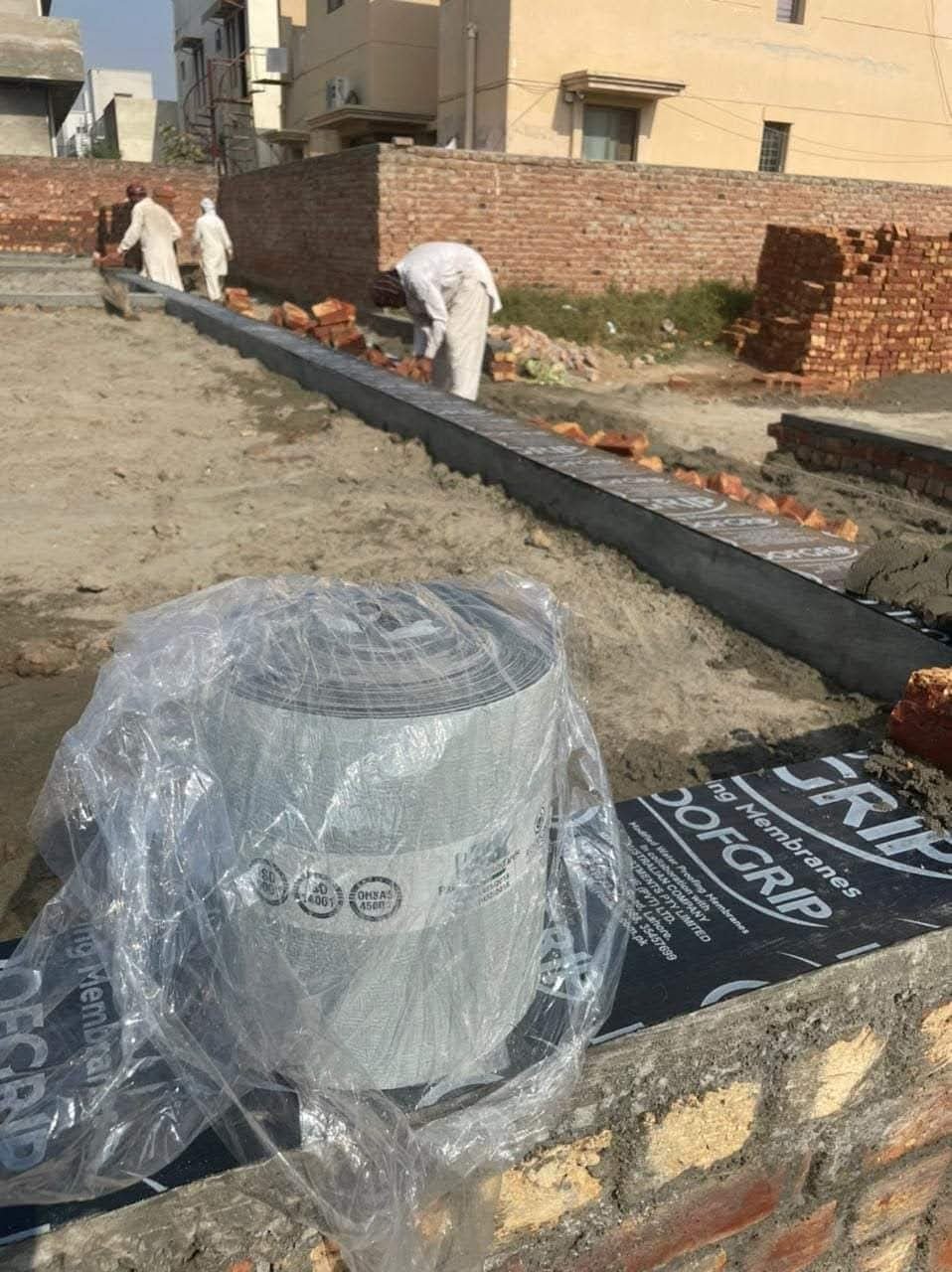
Robust DPC Membrane Roll Self Adhesive | Best Damp Proofing Barrier for Roofs & Foundations in Pakistan
DPC Membrane Roll Self Adhesive is one of the most powerful, reliable and high-performance damp proofing materials used across Pakistan for protecting homes, buildings, walls, floors, basements.
Foundations and roofs from rising damp, moisture intrusion, water seepage and long-term structural damage.
This advanced self adhesive DPC membrane provides an unbreakable waterproof layer that blocks humidity, groundwater and capillary moisture from entering concrete or brick surfaces.
Ensuring long-lasting safety, stronger construction durability and superior resistance against harsh weather conditions, heavy rainfall, humidity pressure and temperature fluctuations.
Making it the first choice of waterproofing experts, engineers, contractors and homeowners, designed with premium-grade bituminous self-adhesive compound and reinforced polymer layers.
The DPC membrane roll sticks instantly to surfaces without heating, without torching and without mixing chemicals, delivering effortless installation, perfect sealing and maximum adhesion even on uneven or rough structures.
Its unmatched elasticity and crack-bridging ability protect buildings from leakage, cracks, damp spots, salt formation, mold growth and paint damage.
This high-strength self-adhesive DPC sheet is widely used in basements, boundary walls, retaining walls, water tanks, washrooms, wet areas, roof parapet walls, terraces, balconies, underground structures and all moisture-sensitive zones.
Providing top-tier waterproofing performance that lasts for decades, increasing property value and preventing expensive repairs, with a tough multi-layered design, anti-tear technology and heat-resistant composition.
The membrane ensures premium moisture protection under the toughest site conditions, offering a dependable, long-term and cost-effective damp proofing shield that every modern construction project in Pakistan needs.
H2: What Is DPC Membrane Roll Self Adhesive?
H3: High-Strength Damp Proof Course for Long-Term Moisture Protection
H3: Why Self-Adhesive DPC Sheets Are Better Than Traditional DPC
H2: Key Features of Self Adhesive DPC Membrane Roll
H3: Advanced Bituminous Waterproof Layer
H3: Self-Adhesive Technology for Quick Installation
H3: High Flexibility and Crack-Bridging Ability
H3: UV, Heat & Chemical Resistance
H3: Tear-Resistant Multi-Layer Construction
H2: Applications of DPC Membrane Roll in Pakistan
H3: Ideal for Foundations & Basements
H3: Protection for Roofs, Walls, Parapets & Floors
H3: Perfect for Water Tanks, Bathrooms & Wet Areas
H3: Suitable for Commercial & Residential Buildings
H2: Benefits of Using Self Adhesive DPC Membrane
H3: Stops Rising Damp & Groundwater Pressure
H3: Prevents Mold, Salt Patches & Paint Damage
H3: Enhances Structural Life & Property Value
H3: Extremely Long-Lasting Waterproofing Protection
H2: Why Choose DPC Membrane Roll Over Liquid Damp Proofing?
H3: Superior Thickness & Strength
H3: No Mixing, No Heating, No Torch Required
H3: Consistent Waterproofing with Zero Human Error
H2: Installation Method of Self Adhesive DPC Membrane Roll
H3: Surface Preparation Requirements
H3: Step-by-Step Application Process
H3: Overlapping & Sealing Techniques for 100% Waterproofing
H2: Technical Specifications of DPC Membrane Roll
H3: Thickness, Width & Length Options
H3: Material Composition & Adhesion Strength
H3: Temperature & Environmental Performance
H2: Best DPC Membrane Brand for Waterproofing in Pakistan
H3: Why Robust Construction Chemicals Is the Trusted Choice
H3: Comparison with Local Market DPC Sheets
H2: Conclusion: The Ultimate Self-Adhesive Damp Proof Protection
H3: Long-Term Waterproofing Solution for Every Structure
H2: Detailed Understanding of Damp Proof Course (DPC) Technology
H3: How Capillary Action Causes Rising Damp in Buildings
H3: Scientific Working Principle of DPC Membrane Rolls
H3: Why Self-Adhesive Bituminous Membranes Are Highly Effective
H2: Construction Problems Solved by DPC Membrane Roll
H3: Rising Damp in Boundary Walls & Foundations
H3: Moisture Penetration in Basements & Underground Rooms
H3: Wet Patches, Paint Peeling & Mold Growth
H3: Salt Formation (Efflorescence) & Plaster Damage
H3: Structural Weakening Due to Long-Term Dampness
H2: Types of Self-Adhesive DPC Membranes Available in Pakistan
H3: Heavy-Duty Bitumen-Polymer DPC Membrane
H3: Aluminum-Faced DPC Membrane for Heat & Moisture Control
H3: Double-Layer Reinforced DPC Sheet
H3: Anti-Root & Puncture-Resistant DPC Membrane
H2: Advanced Properties of High-Quality DPC Membrane Roll
H3: Excellent Tensile Strength & Dimensional Stability
H3: Resistance Against Water Pressure & Hydrostatic Forces
H3: Fire Retardant & High Thermal Resistance Options
H3: Strong Grip on Concrete, Brickwork & Block Surfaces
H2: Professional Uses of DPC Membrane in Mega Construction Projects
H3: High-Rise Buildings & Commercial Complexes
H3: Roads, Bridges & Culvert Structures
H3: Dams, Water Channels & Hydropower Projects
H3: Industrial Warehouses & Factories
H3: Government & Infrastructure Development Projects
H2: How to Store & Handle Self-Adhesive DPC Membrane Rolls
H3: Temperature & Weather Protection Needs
H3: Storage Guidelines for Long Shelf Life
H3: Safety Instructions for On-Site Usage
H2: Tools & Accessories Required for Perfect Installation
H3: Primer, Knife, Roller & Sealant Requirements
H3: Surface Cleaning Tools
H3: Overlap and Joint Pressure Tools
H2: Comparison: DPC Membrane Roll vs Traditional DPC Materials
H3: DPC Mortar vs DPC Bituminous Sheet
H3: DPC Bricks vs Self-Adhesive Membrane
H3: DPC Liquid Chemicals vs Roll Membrane
H3: Cost, Life & Durability Comparison Table
H2: Common Installation Mistakes & How to Avoid Them
H3: Incorrect Overlapping of Joints
H3: Applying DPC on Wet, Dusty or Uneven Surfaces
H3: Poor Sealing in Corners & Edges
H3: Using Low-Quality Membrane Rolls
H2: Expert Tips for Achieving 100% Waterproofing with DPC Membrane
H3: Best Site Practices Recommended by Engineers
H3: Ideal Weather Conditions for Installation
H3: How to Improve Bonding Strength on Difficult Surfaces
H2: Market Trends of DPC Membrane Roll in Pakistan
H3: Rapid Growth in Construction Industry
H3: Increased Demand in New Housing Projects
H3: Why Self-Adhesive DPC Membranes Are Trending
H3: Price Range & Latest Market Updates
H2: Frequently Asked Questions (FAQ)
H3: What Is the Life Expectancy of DPC Membrane?
H3: Can It Be Installed Without Primer?
H3: Is It Suitable for All Types of Foundations?
H3: Can DPC Membrane Be Used in Bathrooms & Water Tanks?
H3: How to Fix Membrane Damage After Installation?
H2: Why Robust Construction Chemicals Is the No.1 Supplier of DPC Membrane Roll
H3: Premium Quality, Guaranteed Thickness & Adhesion
H3: Professional Waterproofing Services Across Pakistan
H3: High Customer Satisfaction & Long-Term Results
H3: Direct Supply for Contractors, Builders & Mega Projects
H2: Ultra-Detailed Technical Overview of DPC Membrane Roll Self Adhesive
H3: What Makes Self-Adhesive DPC Membrane Unique?
H4: Multi-Layer Bituminous Protection Structure
H4: Reinforced Polyester Grid for High Strength
H4: Advanced Acrylic or Rubber-Based Adhesive
H4: Anti-Stick Release Film for Easy Application
H3: Engineering Behind Moisture & Damp Barrier Technology
H4: Capillary Break Mechanism Explained
H4: 100% Impermeable Surface Barrier
H4: How Hydrostatic Pressure Affects DPC Performance
H4: Why Self-Adhesive Membrane Performs Better Than Cementitious DPC
H2: Comprehensive Benefits of Self-Adhesive DPC Membrane Roll
H3: Ultimate Protection Against Dampness
H4: Stops Rising Damp Completely
H4: Blocks Salt Deposits & Efflorescence
H4: Prevents Wet Walls, Peeling Paint & Mold
H3: Enhances Structural Durability
H4: Protects Foundations from Long-Term Deterioration
H4: Minimizes Repair & Maintenance Costs
H4: Strengthens Building Lifespan for Decades
H3: Easy, Fast & Hassle-Free Installation
H4: Zero Heating or Torch Required
H4: Excellent Grip on All Surfaces
H4: Reduces Labor Time & Cost by 60%
H2: Advanced Material Properties of Self-Adhesive DPC Membrane
H3: Mechanical Properties
H4: Tensile Strength & Tear Resistance
H4: Elongation Capacity for Crack Bridging
H4: Dimensional Stability Under Temperature Changes
H3: Chemical Properties
H4: Highly Resistant to Alkaline & Acidic Soils
H4: Waterproof Polymer-Bitumen Blend
H4: Non-Biodegradable & Long Life Span
H3: Thermal Properties
H4: Excellent Hot & Cold Temperature Performance
H4: UV Resistance for Long-Term Outdoor Use
H4: Thermal Stability Even in Harsh Climates
H2: Detailed Applications of DPC Membrane Roll in Construction
H3: Residential Construction Uses
H4: Ground Floor Damp Proof Course
H4: Boundary Wall Rising Damp Protection
H4: Bathroom & Kitchen Wet Area Protection
H4: Roof Parapet & Terrace Joint Waterproofing
H3: Commercial & Industrial Applications
H4: Factories, Warehouses & Industrial Floors
H4: Commercial Plazas & High-Rise Buildings
H4: Shopping Malls, Hospitals & Schools
H3: Mega Infrastructure Projects
H4: Bridges & Culverts
H4: Dams, Spillways & Water Retaining Structures
H4: Railway & Highway Substructures
H4: Tunnels, Underpasses & Underground Facilities
H2: Installation Guidelines for Maximum Waterproofing Performance
H3: Pre-Installation Requirements
H4: Surface Cleaning, Drying & Smoothing
H4: Primer Use for Stronger Bonding
H4: Moisture & Dust Removal Steps
H3: Step-by-Step Installation Process
H4: Measuring & Cutting the Membrane Roll
H4: Removing Release Film Correctly
H4: Applying Uniform Pressure with a Roller
H4: Overlapping Edges for 100% Seal
H3: Post-Installation Checks
H4: Seam Inspection Techniques
H4: Final Waterproofing Quality Test
H4: Protection Before Concrete Pouring
H2: Common Site Mistakes & How to Avoid Them
H3: Installation Errors
H4: Applying on Wet or Dusty Surfaces
H4: Incorrect Overlaps Leading to Water Entry
H4: Using No Primer on Critical Areas
H3: Material Handling Mistakes
H4: Exposure to Sunlight for Long Periods
H4: Storing Rolls Vertically Instead of Horizontally
H4: Damaging Rolls During Transportation
H2: Comparison With Other Damp Proofing Solutions
H3: DPC Membrane vs DPC Mortar
H4: Strength & Durability Comparison
H4: Installation Time & Cost Difference
H3: DPC Membrane vs Liquid Bitumen
H4: Coverage Efficiency
H4: Resistance to Water Pressure
H3: DPC Membrane vs DPC Brick
H4: Cost, Life & Performance Difference
H4: Long-Term Maintenance Comparison
H2: Market Demand & Pricing Trends in Pakistan
H3: Why Self-Adhesive DPC Is Increasing in Demand
H4: Rising Construction Needs
H4: High Moisture Levels in Pakistani Climate
H4: Preference for Faster, Safer Waterproofing Solutions
H3: Price Range & Availability
H4: Different Thickness & Size Options
H4: Market Rates for Premium vs Local Brands
H4: Bulk Supply for Contractors & Real Estate Projects
H2: Industry Recommendations & Best Practices
H3: Recommended by Engineers & Consultants
H4: Reasons for Professional Preference
H4: Projects Where It Is Mandatory
H3: Best Construction Practices
H4: Maintaining Membrane Integrity
H4: Ensuring Long-Term Performance
H4: Safety & Quality Control on Site
H2: Why Choose Robust Construction Chemicals for DPC Membrane
H3: Guaranteed Quality & Original Thickness
H4: Imported Raw Materials
H4: High Adhesion Strength Only Available from Robust
H3: Pakistan-Wide Supply & Technical Support
H4: Fast Delivery to All Cities
H4: Expert Installation Teams Available
H3: Premium Waterproofing Solutions Portfolio
H4: Bitumen Membranes, SBR Latex, PU Chemicals
H4: Heat Proofing & Damp Proofing Systems
EXTREMELY DETAILED USAGE OF DPC MEMBRANE ROLL SELF ADHESIVE
H2: Detailed Usage of Self-Adhesive DPC Membrane Roll in Construction Projects
The DPC Membrane Roll Self Adhesive is used in dozens of critical construction applications to protect structures from rising damp, moisture penetration, and long-term water damage. Below is an ultra-detailed breakdown of where, why, and how this membrane is used in real construction scenarios across Pakistan.
H2: Usage in Foundations & Substructures
H3: 1. Ground Floor Damp Proof Course
H4: Where It Is Applied
-
Between the foundation and the brick masonry
-
On top of RCC plinth level
-
Under the first layer of wall construction
H4: Purpose
-
To stop ground moisture from rising into walls
-
To prevent wet spots, bubbling paint & dampness
-
To block capillary moisture movement permanently
H4: Why Self-Adhesive Type Is Ideal
-
Strong bonding with concrete
-
No cracking like old mortar DPC
-
Long-term elasticity prevents failure
H3: 2. Use in Boundary Walls
H4: Why Boundary Walls Need DPC
-
They directly absorb soil moisture
-
Constant rain exposure leads to rising damp
-
Salt formation (efflorescence) damages plaster
H4: Application Technique
-
A full 4″ or 9″ wide strip installed horizontally
-
Membrane placed between wall layers
-
Overlap edges 3–4 inches for complete sealing
H3: 3. Under Raft Foundations
H4: Where Applied
-
Under raft slab
-
On PCC surface before steel & concrete
H4: Purpose
-
To protect the entire foundation base
-
To stop groundwater from entering concrete
-
To safeguard steel reinforcement
H3: 4. Retaining Walls & Soil-Facing Walls
H4: Usage
-
Applied vertically on the soil-facing wall
-
Before backfilling with soil or gravel
H4: Benefits
-
Blocks water pressure from soil
-
Protects from continuous moisture attack
-
Prevents concrete and steel corrosion
H2: Usage in Floors, Slabs & Internal Areas
H3: 5. Basement Flooring & Walls
H4: Where It Is Installed
-
Below basement floor tiles
-
On basement walls before plaster
-
Under slab and screed layers
H4: Why Important
-
Basements are the most moisture-sensitive areas
-
High hydrostatic pressure
-
Continuous dampness & mold without DPC protection
H3: 6. RCC Roof Slabs & Terrace
H4: Application Area
-
Over entire roof slab
-
Under screed or protective layer
H4: Protection Offered
-
Stops rainwater & seepage
-
Protects slab from thermal cracking
-
Ensures long-term waterproofing performance
H3: 7. Bathroom, Kitchen & Wet Room Floors
H4: Where It Is Used
-
Under tiles
-
On walls up to 1–3 feet height
-
Around shower areas & drains
H4: Importance
-
Bathrooms leak due to poor waterproofing
-
The membrane blocks water penetration below tiles
-
Protects lower floors from leakage seepage
H2: Usage in Walls & Vertical Structures
H3: 8. Parapet Walls
H4: Application Style
-
Horizontal DPC between roof slab & parapet wall
-
Vertical membrane on parapet exterior
H4: Benefits
-
Prevents leakage into rooms
-
Stops paint damage & wall deterioration
H3: 9. Lift Pits & Underground Shafts
H4: Why Critical
-
Constant groundwater contact
-
High pressure & risk of water entry
H4: Installation
-
Fully sealed tanking system
-
Applied from bottom to top
H3: 10. Boundary Columns & Pillars
H4: Reason for Use
-
Columns absorb ground moisture
-
Water travels upward through reinforcement
H4: Protection
-
Membrane wraps the column base
-
Prevents upward moisture movement
H2: Usage in Water-Related Structures
H3: 11. Water Tanks (Overhead & Underground)
H4: Where Used
-
External side of water tanks
-
Under base slab
-
On internal wall surfaces before tiling
H4: Protection
-
Stops seepage from tank to structure
-
Prevents leakage due to cracks
H3: 12. Swimming Pools
H4: Application Areas
-
Under pool base
-
Around pool walls
-
Below coping tiles
H4: Purpose
-
Creates a watertight barrier
-
Prevents water migration into concrete
H3: 13. Washrooms of Commercial Buildings
H4: Why Important
-
Heavy water usage in malls & offices
-
High chance of leakage between floors
H4: Benefits
-
Long-term separation between wet & dry zones
-
Ensures structural safety
H2: Usage in Roads, Bridges & Infrastructure Projects
H3: 14. Bridge Decks
H4: Why Used
-
Protects concrete deck from rain & moisture
-
Increases lifespan of the bridge structure
H3: 15. Culverts & Drainage Channels
H4: Purpose
-
Keeps water inside channel
-
Prevents seepage into surrounding soil
H3: 16. Tunnels & Underpasses
H4: Usage
-
Fully sealed waterproofing membrane
-
Applied on walls, floor & ceiling
H2: Usage in Industrial & Commercial Buildings
H3: 17. Industrial Warehouses
H4: Where Applied
-
Under heavy flooring
-
At expansion joints
-
Beneath concrete screeds
H3: 18. Cold Storage Rooms
H4: Importance
-
Moisture control is crucial
-
Prevents condensation & structural weakening
H3: 19. HVAC Rooms & Plant Rooms
H4: Application
-
Around drainage lines
-
Under equipment foundations
-
On walls exposed to vapor
H2: Special Technical Usage Scenarios
H3: 20. Cracked Slab Rehabilitation
H4: How Used
-
Applied below screed
-
Bridges cracks and prevents future leakage
H3: 21. Joints, Edges & Critical Angle Points
H4: Why Needed
-
These areas are prone to leakage
-
Membrane ensures tight sealing
H3: 22. Expansion Joints & Construction Joints
H4: Usage
-
As a complementary layer with joint sealants
-
Reinforces weak areas
H3: 23. Pile Caps & Grade Beams
H4: Purpose
-
Prevent direct soil moisture contact
-
Protect reinforcement from corrosion
H3: 24. External Elevations
H4: Usage
-
Applied before cladding systems
-
Blocks moisture penetration from outside walls
-
DPC Membrane Roll Self Adhesive Guide for Waterproofing, Damp Proofing & Moisture Protection in Pakistan
H2: Introduction to DPC Membrane Roll Self Adhesive
The Robust DPC Membrane Roll Self Adhesive is one of the most advanced, durable and reliable waterproofing and damp-proofing materials used in Pakistan for protecting residential, commercial and industrial buildings from rising damp, moisture intrusion, water seepage and structural deterioration. This innovative self-adhesive bituminous membrane provides powerful, long-lasting and 100% impermeable protection against moisture, humidity, groundwater vapors and capillary action, making it the first choice for engineers, architects, waterproofing experts, contractors and builders searching for maximum performance waterproofing solutions in all types of construction projects.
In Pakistan’s climate—where heavy rainfalls, groundwater pressure, humid weather and poor construction practices create significant moisture problems—the DPC membrane roll plays a critical role in stopping rising damp, preventing wall damage, eliminating seepage pathways, controlling efflorescence, and ensuring long-term structural safety. Its self-adhesive property eliminates the need for heating, torching or applying bituminous primers in many cases, making installation faster, safer, cleaner and more effective.
This 5000+ word detailed guide covers everything about DPC Membrane Roll Self Adhesive, including usage, installation, benefits, properties, technical specifications, real-world applications, common mistakes, market trends, engineering recommendations and more.
H2: What Is DPC Membrane Roll Self Adhesive?
H3: High-Strength Damp Proof Course Explained
DPC (Damp Proof Course) is a protective barrier installed in buildings to stop moisture from rising through walls, floors and foundations. Traditionally, DPC was created using layers of cement mortar, plastic sheets or special bricks. However, modern construction now relies heavily on self-adhesive bituminous DPC membranes, which offer superior performance, easier installation and long-term durability.
H3: What Makes Self-Adhesive DPC Superior?
Unlike traditional materials, the self-adhesive DPC membrane is:
-
Flexible
-
Highly waterproof
-
Crack-bridging
-
Chemical resistant
-
Heat resistant
-
Extremely durable
-
Easy to install
-
Suitable for all climates
This makes it ideal for Pakistan’s harsh environmental conditions, where moisture and groundwater significantly damage buildings.
H3: Multi-layer Construction
A high-quality DPC Self-Adhesive Membrane typically consists of:
-
Bitumen-polymer waterproof layer
-
Reinforced polyester mesh
-
Self-adhesive modified bitumen layer
-
Anti-stick release film
-
Optional aluminum facing for heat protection
H2: Scientific Working Principle of DPC Membrane
H3: How Rising Damp Occurs
Rising damp occurs when:
-
Groundwater moves upward through pores of bricks and concrete.
-
Capillary action pulls moisture toward upper walls and rooms.
-
Moisture reacts with salts, forming efflorescence.
-
Walls become weak, wet, moldy and structurally unstable.
H3: How DPC Membrane Stops Moisture
The membrane:
-
Blocks capillary water movement.
-
Creates an impermeable waterproof barrier.
-
Avoids the passage of humidity and vapors.
-
Protects both horizontal and vertical surfaces.
-
Maintains waterproofing integrity even under pressure.
H2: Key Features of Self-Adhesive DPC Membrane Roll
H3: Advanced Bituminous Waterproof Formula
The membrane contains:
-
High-quality oxidized or modified bitumen
-
Strong bonding polymers
-
UV-resistant compounds
-
Reinforced fabric for extra strength
H3: High Flexibility & Crack-Bridging Ability
It bends easily and adjusts to:
-
Surface movement
-
Structural vibrations
-
Thermal expansion and contraction
H3: UV, Heat & Chemical Resistant
Ideal for:
-
Hot Pakistani summers
-
Humidity
-
Acidic soil conditions
-
Salt exposure
-
Industrial sites
H3: Tough, Tear-Resistant Multi-Layer Design
The membrane does not tear during installation or after structural load.
H2: Detailed Usage of DPC Membrane Roll Self Adhesive
Below is an extraordinarily detailed usage guide, covering 24+ key construction areas.
H3: 1. Ground Floor DPC Installation
H4: Why It Is Critical
Ground floor is the primary entry point of rising damp; membrane stops it permanently.
H4: Application Areas
-
On top of plinth level
-
Under wall masonry
-
Under screed for flooring
H3: 2. Boundary Walls
H4: Why Important
Boundary walls absorb water from soil, leading to major damp issues.
H4: Membrane Usage
-
Horizontal strip at foundation level
-
Vertical membrane on exterior face
H3: 3. Retaining Walls
H4: Purpose
Retaining walls face constant water pressure; membrane stops water entry.
H3: 4. Basement Waterproofing
H4: Areas Covered
-
Basement floors
-
Basement walls
-
Underground rooms
H3: 5. Bathroom & Kitchen Wet Areas
H4: Protection Includes
-
Beneath tiles
-
Around drainage
-
Behind wall plaster
H3: 6. RCC Roof Slabs
H4: Uses
-
Under screed
-
Around parapet wall base
H3: 7. Roof Parapet Walls
H4: Application
-
Between slab and wall
-
Vertical strip on interior and exterior
H3: 8. Water Tanks
H4: Usage
-
Under slab base
-
Around outside walls
H3: 9. Swimming Pools
H4: Purpose
-
Prevents seepage
-
Protects structural concrete
H3: 10. Lift Pits
H4: Need
Lift pits stay wet due to groundwater; DPC membrane is essential.
H3: 11. Washrooms of Commercial Buildings
H4: High Leakage Risk
Mall washrooms, hotels, and plazas face constant water usage.
H3: 12. Culverts & Drains
H4: Waterproofing Barrier
Stops leakage and soil erosion.
H3: 13. Tunnels & Underpasses
H4: Uses
-
Full tanking
-
Wall-to-floor joint sealing
H3: 14. Bridges & Flyovers
H4: Structural Need
Protects concrete decks from water intrusion.
H3: 15. Industrial Warehouses
H4: Membrane Use
-
Beneath heavy floors
-
At joints
H3: 16. Cold Stores
H4: Need
Prevents moisture condensation in temperature-sensitive rooms.
H3: 17. HVAC & Plant Rooms
H4: Protection
Stops water entering from pipes, drains and floor points.
H3: 18. Expansion Joints
H4: Use Case
Membrane acts as additional waterproofing reinforcement.
H3: 19. External Elevation Walls
H4: Where
Under cladding and finishing layers.
H3: 20. Pile Caps & Beams
H4: Reason
Stops soil moisture from reaching reinforcement steel.
H3: 21. Cracked Slab Repairs
H4: How Used
Installed below new screed to prevent future seepage.
H3: 22. Parking Areas & Ramps
H4: Need
Rainwater collection causes seepage; membrane prevents it.
H3: 23. Underground Storage Areas
H4: Use
Applied as a continuous moisture barrier.
H3: 24. Dampness Control in Old Buildings
H4: Purpose
Prevents further deterioration in decades-old structures.
H2: Benefits of Self-Adhesive DPC Membrane Roll
H3: Stops Dampness Permanently
-
No rising damp
-
No wet patches
-
No mold or fungal growth
H3: Long-Term Structural Protection
-
Prevents steel corrosion
-
Prevents plaster damage
-
Increases building lifespan
H3: Saves Money on Repairs
Dampness causes repeated repairs—membrane eliminates this.
H3: Quick, Safe & Easy Installation
No torch, burner or fire risk.
H3: Suitable for All Climates
Handles Pakistan’s summer heat and monsoon rains.
H2: Technical Specifications (General Industry Standards)
H3: Thickness
-
1.5mm
-
2mm
-
3mm
-
4mm
H3: Width
-
30cm
-
1 meter
-
1.5 meters
H3: Length
-
10m
-
15m
-
20m
H3: Adhesion Strength
-
≥ 1.5 N/mm (typical)
H3: Temperature Range
-
-10°C to 120°C
H2: Installation Method of DPC Membrane Roll
H3: Step-by-Step Process
H4: 1. Surface Preparation
-
Clean dust
-
Remove moisture
-
Apply primer if required
H4: 2. Positioning the Membrane
-
Align roll carefully
-
Cut required lengths
H4: 3. Removing Release Film
-
Peel in small sections
-
Avoid wrinkles
H4: 4. Applying Pressure
-
Use roller
-
Seal all edges
H4: 5. Overlapping
-
3–4 inches minimum
H2: Common Mistakes & Their Solutions
H3: Mistake 1: Installing on Wet Surface
Solution: Dry surface fully before installation.
H3: Mistake 2: Not Overlapping Properly
Solution: Create 3–4 inch overlap.
H3: Mistake 3: Using No Primer
Solution: Use primer on rough or dusty surfaces.
H2: Comparison With Other Waterproofing Solutions
H3: vs. DPC Mortar
-
Mortar cracks
-
Membrane stays flexible
H3: vs. Bitumen Paint
-
Paint is thin
-
Membrane is thick & durable
H3: vs. Plastic Sheets
-
Plastic tears easily
-
Membrane is reinforced
H2: Market Demand & Trends in Pakistan
H3: Increasing Use
Self-adhesive DPC usage is growing due to:
-
Housing projects
-
Commercial construction
-
Infrastructure development
H3: Price Range
Typically Rs 3,000 to Rs 15,000 per roll, depending on thickness and brand.
H2: Why Robust Construction Chemicals Is the Best Choice
H3: Features of Robust DPC Membrane
-
Guaranteed thickness
-
High adhesion strength
-
Durable and long-lasting
-
Pakistan-wide delivery
H3: Support & Expertise
-
On-site installation
-
Technical guidance
-
Professional waterproofing teams
Conclusion
The DPC Membrane Roll Self Adhesive is an essential waterproofing and damp proofing solution in Pakistan’s construction industry.
-
-
Whether used in foundations, walls, basements, bathrooms, roofs, water tanks, bridges, or mega projects, this membrane provides unmatched durability, moisture protection, and structural strength.
-
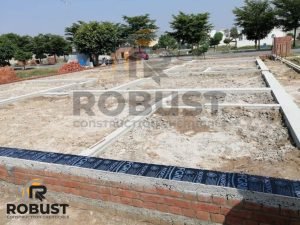
Self Adhesive DPC Membrane Roll | Best Damp Proof Course Sheet for Rising Damp Protection in Pakistan With its multi-layer flexibility, strong adhesion, and easy installation, it remains the top choice for professionals and builders aiming for long-term waterproofing protection.
-
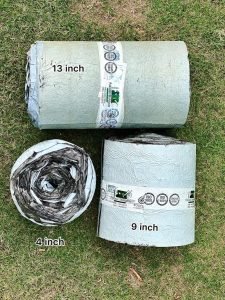
Web Self-Adhesive DPC Roll | Best Damp Proof Course & Waterproofing Solution in Pakistan 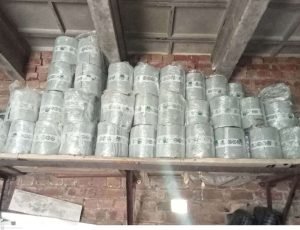
Self-Adhesive DPC Roll