Lightweight EPS Thermacol Sheet | Thermal Protection for Roofs & Walls
is a high-performance insulation material widely used in modern construction to control heat transfer, reduce energy consumption, and improve indoor comfort in residential, commercial, and industrial buildings.
EPS Thermacol sheet, manufactured from expanded polystyrene beads, features a closed-cell structure that traps air within millions of tiny cells, creating an excellent thermal barrier that significantly slows down heat flow through roofs and walls.
This lightweight yet durable insulation solution is especially effective in hot climates, where roofs and external walls are constantly exposed to intense sunlight and high temperatures, causing indoor spaces to overheat and increasing dependence on air conditioning systems.
By installing EPS Thermacol sheets beneath roofing systems or within wall assemblies, buildings gain long-lasting thermal protection that helps maintain stable indoor temperatures throughout the year while reducing electricity bills and overall energy demand.
EPS Thermacol sheets are valued for their extremely low thermal conductivity, which allows them to block heat penetration efficiently without adding excessive load to the structure.
Because the material is lightweight, it does not increase dead load on roofs or walls, making it ideal for both new construction and retrofit projects.
Older buildings that suffer from excessive heat gain can be upgraded easily using EPS Thermacol sheets without major structural modification.
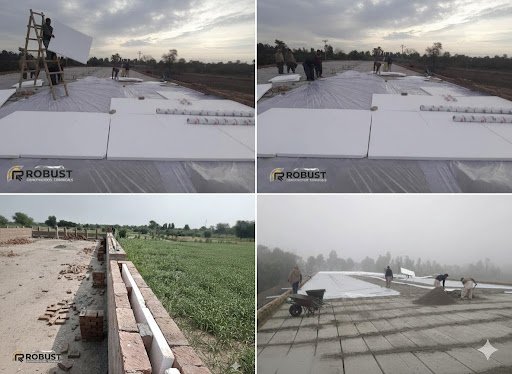
The lightweight nature also simplifies handling, cutting, and installation on site, saving labor time and costs while ensuring accurate fitting around corners, edges, and service penetrations.
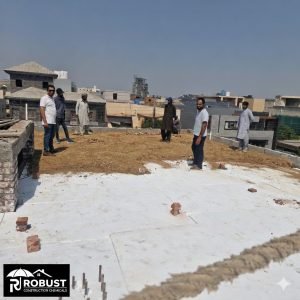
In roof insulation applications, EPS Thermacol sheets act as a powerful thermal shield against direct solar radiation. Roof slabs absorb large amounts of heat during the day, which is then transmitted into interior spaces, causing uncomfortable temperatures and increased cooling loads.
EPS Thermacol sheets installed above or below the roof slab reduce this heat transfer dramatically, keeping rooms cooler and improving living and working conditions.
When used beneath waterproofing membranes, tiles, or screeds, EPS sheets also protect waterproofing layers from extreme temperature fluctuations, extending their service life and reducing the risk of cracks or failures caused by thermal stress.
For wall insulation, EPS Thermacol sheets provide continuous thermal protection by reducing heat ingress through external walls. In buildings with large wall surfaces exposed to sunlight, heat gain through walls can be significant.
EPS insulation helps create a thermal envelope that stabilizes indoor temperatures and enhances occupant comfort.
In colder seasons or cooler regions, EPS Thermacol sheets also reduce heat loss from inside to outside, improving energy efficiency and maintaining warmth within interior spaces. This dual performance makes EPS Thermacol sheets suitable for year-round thermal control.
Another important advantage of EPS Thermacol sheets is their moisture resistance. The closed-cell structure limits water absorption, helping prevent dampness, mold growth, and insulation degradation over time.
When installed correctly, EPS sheets maintain their insulating properties even in humid conditions, making them suitable for roofs, external walls, and areas exposed to varying weather conditions.
By reducing moisture-related problems, EPS insulation contributes to healthier indoor environments and protects building materials such as concrete, plaster, and reinforcement steel from long-term damage.
EPS Thermacol sheets also offer notable acoustic benefits. Although primarily used for thermal insulation, their cellular structure helps absorb and reduce airborne noise to some extent, improving acoustic comfort in residential apartments, offices, schools, and commercial buildings.
When combined with other soundproofing materials, EPS sheets can form part of an effective noise control system, especially in urban environments where external noise pollution is common.
From a sustainability perspective, EPS Thermacol sheets play a key role in energy-efficient and green building practices.
By reducing the demand for heating and cooling, they lower energy consumption and associated carbon emissions over the building’s lifetime. Their durability and long service life mean fewer replacements and less material waste.
EPS is also recyclable, supporting environmentally responsible construction approaches when managed properly.
In industrial and commercial buildings, EPS Thermacol sheets are widely used for insulating large roof areas, wall panels, warehouses, factories, and storage facilities. Maintaining controlled indoor temperatures in such spaces is essential for worker comfort, equipment protection, and product storage.
EPS insulation helps stabilize internal conditions while minimizing energy costs, making it a cost-effective solution for large-scale applications.
Cold storage facilities and temperature-sensitive environments also rely heavily on EPS Thermacol sheets for their excellent insulation performance.
By reducing thermal bridging and maintaining stable temperatures, EPS sheets help ensure efficient operation of refrigeration systems and protect stored goods from temperature fluctuations. This performance makes EPS Thermacol sheets a trusted material in food storage, pharmaceuticals, and logistics sectors.
Installation flexibility is another reason EPS Thermacol sheets are preferred by architects and contractors.
They can be installed using adhesive bonding, mechanical fixing, or sandwiched between structural layers, depending on design requirements. EPS sheets are compatible with concrete, brickwork, metal decks, gypsum boards, and various finishing systems, allowing seamless integration into different construction methods. Proper installation ensures continuous insulation coverage, minimizing thermal bridges and maximizing energy efficiency.
In terms of cost efficiency, EPS Thermacol sheets offer excellent value compared to many other insulation materials.
Their balance of performance, durability, and affordability makes them accessible for small residential projects as well as large commercial developments.
The long-term savings achieved through reduced energy consumption often outweigh the initial investment, making EPS insulation a smart financial choice for building owners and developers.
Durability is another key feature of EPS Thermacol sheets.
They maintain dimensional stability over time, resisting shrinkage, sagging, and deformation under normal service conditions.
This stability ensures consistent thermal performance throughout the lifespan of the building. When protected by proper finishes and waterproofing layers, EPS insulation can perform effectively for decades without significant loss of efficiency.
Overall, Lightweight EPS Thermacol Sheet | Thermal Protection for Roofs & Walls represents a reliable, efficient, and versatile insulation solution for modern construction.
Its ability to reduce heat transfer, improve energy efficiency, resist moisture, and support sustainable building practices makes it an essential material for roofs and walls in residential, commercial, and industrial structures.
By choosing high-quality EPS Thermacol sheets and ensuring correct installation, builders and property owners can achieve long-lasting thermal comfort, lower energy costs, and enhanced building performance, making EPS insulation a future-proof investment in today’s demanding construction environment.
Lightweight EPS Thermacol Sheet | Thermal Protection for Roofs & Walls
is a high-performance insulation material widely used in modern construction to control heat transfer, reduce energy consumption, and improve indoor comfort in residential, commercial, and industrial buildings.
EPS Thermacol sheet, manufactured from expanded polystyrene beads, features a closed-cell structure that traps air within millions of tiny cells, creating an excellent thermal barrier that significantly slows down heat flow through roofs and walls.
This lightweight yet durable insulation solution is especially effective in hot climates, where roofs and external walls are constantly exposed to intense sunlight and high temperatures, causing indoor spaces to overheat and increasing dependence on air conditioning systems.
By installing EPS Thermacol sheets beneath roofing systems or within wall assemblies, buildings gain long-lasting thermal protection that helps maintain stable indoor temperatures throughout the year while reducing electricity bills and overall energy demand.
EPS Thermacol sheets are valued for their extremely low thermal conductivity, which allows them to block heat penetration efficiently without adding excessive load to the structure.
Because the material is lightweight, it does not increase dead load on roofs or walls, making it ideal for both new construction and retrofit projects.
Older buildings that suffer from excessive heat gain can be upgraded easily using EPS Thermacol sheets without major structural modification.
The lightweight nature also simplifies handling, cutting, and installation on site, saving labor time and costs while ensuring accurate fitting around corners, edges, and service penetrations.
In roof insulation applications, EPS Thermacol sheets act as a powerful thermal shield against direct solar radiation. Roof slabs absorb large amounts of heat during the day, which is then transmitted into interior spaces, causing uncomfortable temperatures and increased cooling loads.
EPS Thermacol sheets installed above or below the roof slab reduce this heat transfer dramatically, keeping rooms cooler and improving living and working conditions.
When used beneath waterproofing membranes, tiles, or screeds, EPS sheets also protect waterproofing layers from extreme temperature fluctuations, extending their service life and reducing the risk of cracks or failures caused by thermal stress.
For wall insulation, EPS Thermacol sheets provide continuous thermal protection by reducing heat ingress through external walls. In buildings with large wall surfaces exposed to sunlight, heat gain through walls can be significant.
EPS insulation helps create a thermal envelope that stabilizes indoor temperatures and enhances occupant comfort.
In colder seasons or cooler regions, EPS Thermacol sheets also reduce heat loss from inside to outside, improving energy efficiency and maintaining warmth within interior spaces. This dual performance makes EPS Thermacol sheets suitable for year-round thermal control.
Another important advantage of EPS Thermacol sheets is their moisture resistance. The closed-cell structure limits water absorption, helping prevent dampness, mold growth, and insulation degradation over time.
When installed correctly, EPS sheets maintain their insulating properties even in humid conditions, making them suitable for roofs, external walls, and areas exposed to varying weather conditions.
By reducing moisture-related problems, EPS insulation contributes to healthier indoor environments and protects building materials such as concrete, plaster, and reinforcement steel from long-term damage.
EPS Thermacol sheets also offer notable acoustic benefits. Although primarily used for thermal insulation, their cellular structure helps absorb and reduce airborne noise to some extent, improving acoustic comfort in residential apartments, offices, schools, and commercial buildings.
When combined with other soundproofing materials, EPS sheets can form part of an effective noise control system, especially in urban environments where external noise pollution is common.
From a sustainability perspective, EPS Thermacol sheets play a key role in energy-efficient and green building practices.
By reducing the demand for heating and cooling, they lower energy consumption and associated carbon emissions over the building’s lifetime. Their durability and long service life mean fewer replacements and less material waste.
EPS is also recyclable, supporting environmentally responsible construction approaches when managed properly.
In industrial and commercial buildings, EPS Thermacol sheets are widely used for insulating large roof areas, wall panels, warehouses, factories, and storage facilities. Maintaining controlled indoor temperatures in such spaces is essential for worker comfort, equipment protection, and product storage.
EPS insulation helps stabilize internal conditions while minimizing energy costs, making it a cost-effective solution for large-scale applications.
Cold storage facilities and temperature-sensitive environments also rely heavily on EPS Thermacol sheets for their excellent insulation performance.
By reducing thermal bridging and maintaining stable temperatures, EPS sheets help ensure efficient operation of refrigeration systems and protect stored goods from temperature fluctuations. This performance makes EPS Thermacol sheets a trusted material in food storage, pharmaceuticals, and logistics sectors.
Installation flexibility is another reason EPS Thermacol sheets are preferred by architects and contractors.
They can be installed using adhesive bonding, mechanical fixing, or sandwiched between structural layers, depending on design requirements. EPS sheets are compatible with concrete, brickwork, metal decks, gypsum boards, and various finishing systems, allowing seamless integration into different construction methods. Proper installation ensures continuous insulation coverage, minimizing thermal bridges and maximizing energy efficiency.
In terms of cost efficiency, EPS Thermacol sheets offer excellent value compared to many other insulation materials.
Their balance of performance, durability, and affordability makes them accessible for small residential projects as well as large commercial developments.
The long-term savings achieved through reduced energy consumption often outweigh the initial investment, making EPS insulation a smart financial choice for building owners and developers.
Durability is another key feature of EPS Thermacol sheets.
They maintain dimensional stability over time, resisting shrinkage, sagging, and deformation under normal service conditions.
This stability ensures consistent thermal performance throughout the lifespan of the building. When protected by proper finishes and waterproofing layers, EPS insulation can perform effectively for decades without significant loss of efficiency.
Overall, Lightweight EPS Thermacol Sheet | Thermal Protection for Roofs & Walls represents a reliable, efficient, and versatile insulation solution for modern construction.
Its ability to reduce heat transfer, improve energy efficiency, resist moisture, and support sustainable building practices makes it an essential material for roofs and walls in residential, commercial, and industrial structures.
By choosing high-quality EPS Thermacol sheets and ensuring correct installation, builders and property owners can achieve long-lasting thermal comfort, lower energy costs, and enhanced building performance, making EPS insulation a future-proof investment in today’s demanding construction environment.
Lightweight EPS Thermacol Sheet | Thermal Protection for Roofs & Walls
is a high-performance insulation material widely used in modern construction to control heat transfer, reduce energy consumption, and improve indoor comfort in residential, commercial, and industrial buildings.
EPS Thermacol sheet, manufactured from expanded polystyrene beads, features a closed-cell structure that traps air within millions of tiny cells, creating an excellent thermal barrier that significantly slows down heat flow through roofs and walls.
This lightweight yet durable insulation solution is especially effective in hot climates, where roofs and external walls are constantly exposed to intense sunlight and high temperatures, causing indoor spaces to overheat and increasing dependence on air conditioning systems.
By installing EPS Thermacol sheets beneath roofing systems or within wall assemblies, buildings gain long-lasting thermal protection that helps maintain stable indoor temperatures throughout the year while reducing electricity bills and overall energy demand.
EPS Thermacol sheets are valued for their extremely low thermal conductivity, which allows them to block heat penetration efficiently without adding excessive load to the structure.
Because the material is lightweight, it does not increase dead load on roofs or walls, making it ideal for both new construction and retrofit projects.
Older buildings that suffer from excessive heat gain can be upgraded easily using EPS Thermacol sheets without major structural modification.
The lightweight nature also simplifies handling, cutting, and installation on site, saving labor time and costs while ensuring accurate fitting around corners, edges, and service penetrations.
In roof insulation applications, EPS Thermacol sheets act as a powerful thermal shield against direct solar radiation. Roof slabs absorb large amounts of heat during the day, which is then transmitted into interior spaces, causing uncomfortable temperatures and increased cooling loads.
EPS Thermacol sheets installed above or below the roof slab reduce this heat transfer dramatically, keeping rooms cooler and improving living and working conditions.
When used beneath waterproofing membranes, tiles, or screeds, EPS sheets also protect waterproofing layers from extreme temperature fluctuations, extending their service life and reducing the risk of cracks or failures caused by thermal stress.
For wall insulation, EPS Thermacol sheets provide continuous thermal protection by reducing heat ingress through external walls. In buildings with large wall surfaces exposed to sunlight, heat gain through walls can be significant.
EPS insulation helps create a thermal envelope that stabilizes indoor temperatures and enhances occupant comfort.
In colder seasons or cooler regions, EPS Thermacol sheets also reduce heat loss from inside to outside, improving energy efficiency and maintaining warmth within interior spaces. This dual performance makes EPS Thermacol sheets suitable for year-round thermal control.
Another important advantage of EPS Thermacol sheets is their moisture resistance. The closed-cell structure limits water absorption, helping prevent dampness, mold growth, and insulation degradation over time.
When installed correctly, EPS sheets maintain their insulating properties even in humid conditions, making them suitable for roofs, external walls, and areas exposed to varying weather conditions.
By reducing moisture-related problems, EPS insulation contributes to healthier indoor environments and protects building materials such as concrete, plaster, and reinforcement steel from long-term damage.
EPS Thermacol sheets also offer notable acoustic benefits. Although primarily used for thermal insulation, their cellular structure helps absorb and reduce airborne noise to some extent, improving acoustic comfort in residential apartments, offices, schools, and commercial buildings.
When combined with other soundproofing materials, EPS sheets can form part of an effective noise control system, especially in urban environments where external noise pollution is common.
From a sustainability perspective, EPS Thermacol sheets play a key role in energy-efficient and green building practices.
By reducing the demand for heating and cooling, they lower energy consumption and associated carbon emissions over the building’s lifetime. Their durability and long service life mean fewer replacements and less material waste.
EPS is also recyclable, supporting environmentally responsible construction approaches when managed properly.
In industrial and commercial buildings, EPS Thermacol sheets are widely used for insulating large roof areas, wall panels, warehouses, factories, and storage facilities. Maintaining controlled indoor temperatures in such spaces is essential for worker comfort, equipment protection, and product storage.
EPS insulation helps stabilize internal conditions while minimizing energy costs, making it a cost-effective solution for large-scale applications.
Cold storage facilities and temperature-sensitive environments also rely heavily on EPS Thermacol sheets for their excellent insulation performance.
By reducing thermal bridging and maintaining stable temperatures, EPS sheets help ensure efficient operation of refrigeration systems and protect stored goods from temperature fluctuations. This performance makes EPS Thermacol sheets a trusted material in food storage, pharmaceuticals, and logistics sectors.
Installation flexibility is another reason EPS Thermacol sheets are preferred by architects and contractors.
They can be installed using adhesive bonding, mechanical fixing, or sandwiched between structural layers, depending on design requirements. EPS sheets are compatible with concrete, brickwork, metal decks, gypsum boards, and various finishing systems, allowing seamless integration into different construction methods. Proper installation ensures continuous insulation coverage, minimizing thermal bridges and maximizing energy efficiency.
In terms of cost efficiency, EPS Thermacol sheets offer excellent value compared to many other insulation materials.
Their balance of performance, durability, and affordability makes them accessible for small residential projects as well as large commercial developments.
The long-term savings achieved through reduced energy consumption often outweigh the initial investment, making EPS insulation a smart financial choice for building owners and developers.
Durability is another key feature of EPS Thermacol sheets.
They maintain dimensional stability over time, resisting shrinkage, sagging, and deformation under normal service conditions.
This stability ensures consistent thermal performance throughout the lifespan of the building. When protected by proper finishes and waterproofing layers, EPS insulation can perform effectively for decades without significant loss of efficiency.
Overall, Lightweight EPS Thermacol Sheet | Thermal Protection for Roofs & Walls represents a reliable, efficient, and versatile insulation solution for modern construction.
Its ability to reduce heat transfer, improve energy efficiency, resist moisture, and support sustainable building practices makes it an essential material for roofs and walls in residential, commercial, and industrial structures.
By choosing high-quality EPS Thermacol sheets and ensuring correct installation, builders and property owners can achieve long-lasting thermal comfort, lower energy costs, and enhanced building performance, making EPS insulation a future-proof investment in today’s demanding construction environment.
Lightweight
Lightweight
Lightweight
Lightweight
Lightweight
Lightweight
Lightweight
Lightweight