Construction Sealing Compound | Heavy-Duty Bitumen for Waterproofing Works
Construction Sealing Compound is a vital material used to protect buildings from water penetration and moisture damage.
Heavy-Duty Bitumen for Waterproofing Works provides long-lasting sealing and protection for concrete and masonry surfaces.
Bitumen is widely used in construction due to its strong adhesive properties and water resistance.
It forms a continuous barrier that prevents seepage and protects structures from deterioration.
This waterproofing solution is essential for roofs, foundations, basements, and infrastructure projects.
It ensures durability, safety, and structural integrity in both residential and industrial buildings.
H2: What Is Construction Sealing Compound Made from Bitumen
Construction sealing compound based on bitumen is a petroleum-derived waterproofing material.
It becomes fluid when heated and forms a thick protective coating after cooling.
Bitumen adheres strongly to concrete, metal, brick, and stone surfaces.
This makes it suitable for various construction waterproofing applications.
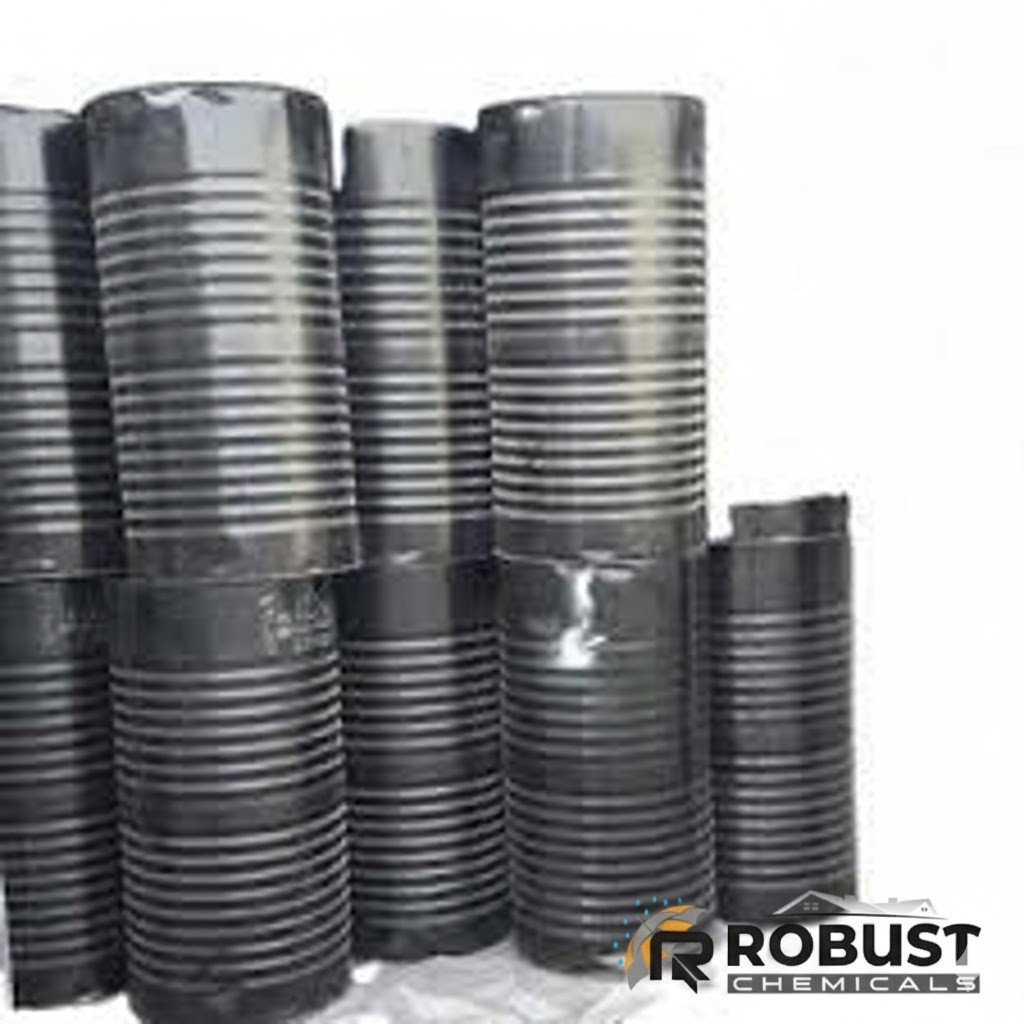
It is commonly supplied in solid blocks or drums for hot application.
When melted, it can be easily spread to create a seamless waterproof layer.
H3: Properties of Heavy-Duty Bitumen
Heavy-duty bitumen offers excellent water resistance and flexibility.
It remains stable under changing temperatures and weather conditions.
The material resists chemical attacks from soil and groundwater.
This protects underground structures from long-term damage.
Bitumen also acts as a protective coating against corrosion.
This is especially useful for metal structures and steel reinforcements.
H3: Why Bitumen Is Trusted in Waterproofing
Bitumen has been used for waterproofing for decades worldwide.
Its proven performance makes it a reliable choice for engineers and contractors.
It provides excellent bonding and sealing capability.
This ensures that water cannot pass through joints or cracks.
Bitumen coatings are easy to maintain and repair.
This increases the overall life cycle of waterproofing systems.
H2: Applications of Heavy-Duty Bitumen in Construction
Heavy-duty bitumen is used in many waterproofing and protection systems.
It provides strong moisture barriers for both above-ground and underground structures.
It is suitable for residential, commercial, and industrial construction projects.
Its versatility makes it one of the most widely used sealing materials.
H3: Roof Waterproofing Applications
Bitumen is applied on roof slabs to prevent rainwater penetration.
It forms a thick, seamless coating over concrete surfaces.
It is commonly used before installing protective screeds or tiles.
This ensures long-term roof protection against leakage.
Bitumen waterproofing reduces heat and moisture damage to concrete.
This helps extend the service life of roofing structures.
H3: Foundation and Basement Protection
Foundations are constantly exposed to soil moisture and groundwater.
Bitumen sealing prevents dampness from entering structural elements.
Basement walls and floors require strong waterproofing systems.
Bitumen coatings provide effective protection in such conditions.
This helps prevent mold growth and structural weakening.
It also improves indoor air quality in underground spaces.
H3: Damp Proof Course and Wall Protection
Bitumen is used in damp proof course systems between masonry layers.
It stops rising damp from traveling through walls.
External walls exposed to rain benefit from bitumen coatings.
This prevents water absorption and surface deterioration.
It also protects plaster and paint finishes from damage.
This reduces maintenance and repair costs for building owners.
H2: Advantages of Using Heavy-Duty Bitumen Sealing Compound
Heavy-duty bitumen offers many benefits in construction waterproofing.
It combines durability, flexibility, and strong adhesion.
It provides long-lasting protection with minimal maintenance.
This makes it cost-effective for large-scale projects.
H3: Strong Adhesion and Seamless Coverage
Bitumen bonds strongly with concrete and masonry surfaces.
This ensures no gaps or weak points in the waterproofing layer.
Seamless application prevents water paths through joints.
This significantly reduces leakage risks.
Strong bonding also improves coating stability.
It prevents peeling or detachment over time.
H3: Weather and Temperature Resistance
Bitumen performs well under extreme weather conditions.
It remains flexible in heat and cold cycles.
This prevents cracking and coating failure.
It ensures continuous waterproof protection throughout the year.
UV-resistant protective layers can be added over bitumen.
This further improves outdoor durability.
H3: Cost-Effective Waterproofing Solution
Bitumen provides excellent protection at affordable cost.
It is suitable for both small and large construction budgets.
Long service life reduces frequent repair expenses.
This improves overall project cost efficiency.
Availability and easy application reduce labor costs.
This makes it popular among contractors and builders.
H2: Installation Process of Hot Applied Bitumen
Proper installation is essential for effective waterproofing.
Surface preparation plays a key role in coating performance.
Concrete surfaces must be clean and dry before application.
Any dust or loose particles should be removed completely.
H3: Heating and Application Method
Bitumen is heated until it reaches liquid consistency.
It is then applied using brushes, rollers, or mops.
Uniform thickness ensures proper waterproofing coverage.
Multiple coats may be applied for heavy-duty protection.
Care must be taken to avoid overheating the material.
Correct temperature ensures smooth application and strong bonding.
H3: Safety Measures During Application
Protective clothing and gloves should be used.
This prevents burns from hot material handling.
Work areas should be well ventilated.
This reduces exposure to fumes during heating.
Proper equipment should be used for melting bitumen.
This ensures safe and efficient application on site.
H2: Compatibility with Other Waterproofing Systems
Bitumen works well with many modern waterproofing products.
It can be combined with membranes and protective coatings.
It is commonly used as primer for membrane installations.
This improves adhesion of waterproofing sheets.
Bitumen coatings can be protected with cement screeds.
This adds mechanical protection and load-bearing strength.
H3: Use with Bitumen Membrane Sheets
Hot bitumen acts as adhesive for membrane sheets.
It ensures strong bonding between membrane and concrete.
This creates double-layer waterproof protection.
It is widely used in roof and basement systems.
Membrane systems increase waterproofing reliability.
They are preferred for critical structural areas.
H3: Protective Layers Over Bitumen Coatings
Cement screeds are applied over bitumen on roofs.
This protects coating from physical damage.
Tiles and protective slabs can also be installed.
This improves roof usability and durability.
Protective layers extend waterproofing service life.
They reduce maintenance requirements significantly.
H2: Why Heavy-Duty Bitumen Is Ideal for Pakistan Climate
Pakistan experiences extreme summer heat and heavy monsoon rains.
Buildings require strong moisture protection and thermal stability.
Bitumen waterproofing performs well in hot climates.
It resists heat-related softening when applied correctly.
It also provides reliable protection during heavy rainfall.
This prevents leakage and structural moisture damage.
H3: Performance in High Temperature Conditions
Bitumen remains stable under normal roof temperatures.
Proper protective layers prevent surface overheating.
High-quality bitumen grades resist flow and cracking.
This ensures coating remains intact over time.
Heat-resistant formulations are available for roofing.
They are suitable for intense sun exposure areas.
H3: Performance During Monsoon Season
Bitumen coatings block rainwater penetration effectively.
They protect roof slabs and foundation walls.
Properly applied coatings prevent damp patches and seepage.
This maintains indoor comfort and building hygiene.
Reliable waterproofing reduces seasonal maintenance costs.
It protects long-term property investment.
H2: Role of Bitumen in Infrastructure Projects
Bitumen is used in major infrastructure construction.
It protects bridges, tunnels, and underground structures.
Waterproofing is critical in civil engineering projects.
Bitumen sealing ensures structural durability and safety.
It also protects steel components from corrosion.
This increases lifespan of infrastructure assets.
H3: Bridge and Tunnel Waterproofing
Bitumen coatings prevent water ingress into structural joints.
This reduces risk of concrete deterioration.
Tunnel waterproofing protects interior surfaces from groundwater.
This improves operational safety and maintenance efficiency.
Heavy-duty bitumen systems are widely used by contractors.
They meet engineering standards for civil works.
H3: Water Retaining Structures
Water tanks and reservoirs require leak-proof sealing.
Bitumen coatings provide strong waterproof barriers.
They prevent seepage and contamination.
This maintains water storage safety and hygiene.
Protective layers are added for drinking water safety.
This ensures compliance with construction standards.
H2: Maintenance and Repair of Bitumen Waterproofing
Bitumen waterproofing systems are easy to maintain.
Small repairs can be done without full system replacement.
Cracks and damaged areas can be reheated and resealed.
This restores waterproofing performance quickly.
Regular inspections help identify potential problem areas.
This prevents major structural damage.
H3: Repair Techniques
Damaged areas are cleaned and reheated.
Fresh bitumen is applied to seal cracks.
Protective layers can be restored after repair.
This maintains overall roof or foundation protection.
Maintenance is cost-effective compared to full replacement.
This makes bitumen systems economical in long term.
H3: Life Expectancy of Bitumen Coatings
Properly installed bitumen coatings last many years.
Protective screeds increase lifespan significantly.
Environmental exposure determines maintenance frequency.
Good installation reduces frequent repair needs.
Regular upkeep ensures continuous waterproof protection.
This safeguards building structural integrity.
H2: Conclusion – Reliable Construction Sealing Compound for Waterproofing Works
Construction Sealing Compound made from heavy-duty bitumen is a trusted waterproofing solution.
It provides strong protection for roofs, foundations, walls, and infrastructure projects.
Its durability, flexibility, and cost-effectiveness make it ideal for Pakistan construction industry.
It supports long-term building safety and reduced maintenance costs.
For contractors and suppliers like your construction chemicals business,
Heavy-duty bitumen remains an essential product for reliable waterproofing services.
Construction Sealing Compound | Heavy-Duty Bitumen for Waterproofing Works
Construction Sealing Compound is a vital material used to protect buildings from water penetration and moisture damage.
Heavy-Duty Bitumen for Waterproofing Works provides long-lasting sealing and protection for concrete and masonry surfaces.
Bitumen is widely used in construction due to its strong adhesive properties and water resistance.
It forms a continuous barrier that prevents seepage and protects structures from deterioration.
This waterproofing solution is essential for roofs, foundations, basements, and infrastructure projects.
It ensures durability, safety, and structural integrity in both residential and industrial buildings.
H2: What Is Construction Sealing Compound Made from Bitumen
Construction sealing compound based on bitumen is a petroleum-derived waterproofing material.
It becomes fluid when heated and forms a thick protective coating after cooling.
Bitumen adheres strongly to concrete, metal, brick, and stone surfaces.
This makes it suitable for various construction waterproofing applications.
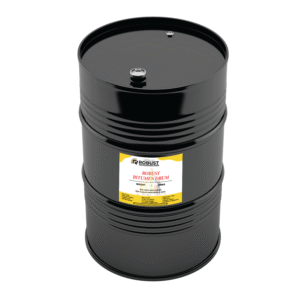
It is commonly supplied in solid blocks or drums for hot application.
When melted, it can be easily spread to create a seamless waterproof layer.
H3: Properties of Heavy-Duty Bitumen
Heavy-duty bitumen offers excellent water resistance and flexibility.
It remains stable under changing temperatures and weather conditions.
The material resists chemical attacks from soil and groundwater.
This protects underground structures from long-term damage.
Bitumen also acts as a protective coating against corrosion.
This is especially useful for metal structures and steel reinforcements.
H3: Why Bitumen Is Trusted in Waterproofing
Bitumen has been used for waterproofing for decades worldwide.
Its proven performance makes it a reliable choice for engineers and contractors.
It provides excellent bonding and sealing capability.
This ensures that water cannot pass through joints or cracks.
Bitumen coatings are easy to maintain and repair.
This increases the overall life cycle of waterproofing systems.
H2: Applications of Heavy-Duty Bitumen in Construction
Heavy-duty bitumen is used in many waterproofing and protection systems.
It provides strong moisture barriers for both above-ground and underground structures.
It is suitable for residential, commercial, and industrial construction projects.
Its versatility makes it one of the most widely used sealing materials.
H3: Roof Waterproofing Applications
Bitumen is applied on roof slabs to prevent rainwater penetration.
It forms a thick, seamless coating over concrete surfaces.
It is commonly used before installing protective screeds or tiles.
This ensures long-term roof protection against leakage.
Bitumen waterproofing reduces heat and moisture damage to concrete.
This helps extend the service life of roofing structures.
H3: Foundation and Basement Protection
Foundations are constantly exposed to soil moisture and groundwater.
Bitumen sealing prevents dampness from entering structural elements.
Basement walls and floors require strong waterproofing systems.
Bitumen coatings provide effective protection in such conditions.
This helps prevent mold growth and structural weakening.
It also improves indoor air quality in underground spaces.
H3: Damp Proof Course and Wall Protection
Bitumen is used in damp proof course systems between masonry layers.
It stops rising damp from traveling through walls.
External walls exposed to rain benefit from bitumen coatings.
This prevents water absorption and surface deterioration.
It also protects plaster and paint finishes from damage.
This reduces maintenance and repair costs for building owners.
H2: Advantages of Using Heavy-Duty Bitumen Sealing Compound
Heavy-duty bitumen offers many benefits in construction waterproofing.
It combines durability, flexibility, and strong adhesion.
It provides long-lasting protection with minimal maintenance.
This makes it cost-effective for large-scale projects.
H3: Strong Adhesion and Seamless Coverage
Bitumen bonds strongly with concrete and masonry surfaces.
This ensures no gaps or weak points in the waterproofing layer.
Seamless application prevents water paths through joints.
This significantly reduces leakage risks.
Strong bonding also improves coating stability.
It prevents peeling or detachment over time.
H3: Weather and Temperature Resistance
Bitumen performs well under extreme weather conditions.
It remains flexible in heat and cold cycles.
This prevents cracking and coating failure.
It ensures continuous waterproof protection throughout the year.
UV-resistant protective layers can be added over bitumen.
This further improves outdoor durability.
H3: Cost-Effective Waterproofing Solution
Bitumen provides excellent protection at affordable cost.
It is suitable for both small and large construction budgets.
Long service life reduces frequent repair expenses.
This improves overall project cost efficiency.
Availability and easy application reduce labor costs.
This makes it popular among contractors and builders.
H2: Installation Process of Hot Applied Bitumen
Proper installation is essential for effective waterproofing.
Surface preparation plays a key role in coating performance.
Concrete surfaces must be clean and dry before application.
Any dust or loose particles should be removed completely.
H3: Heating and Application Method
Bitumen is heated until it reaches liquid consistency.
It is then applied using brushes, rollers, or mops.
Uniform thickness ensures proper waterproofing coverage.
Multiple coats may be applied for heavy-duty protection.
Care must be taken to avoid overheating the material.
Correct temperature ensures smooth application and strong bonding.
H3: Safety Measures During Application
Protective clothing and gloves should be used.
This prevents burns from hot material handling.
Work areas should be well ventilated.
This reduces exposure to fumes during heating.
Proper equipment should be used for melting bitumen.
This ensures safe and efficient application on site.
H2: Compatibility with Other Waterproofing Systems
Bitumen works well with many modern waterproofing products.
It can be combined with membranes and protective coatings.
It is commonly used as primer for membrane installations.
This improves adhesion of waterproofing sheets.
Bitumen coatings can be protected with cement screeds.
This adds mechanical protection and load-bearing strength.
H3: Use with Bitumen Membrane Sheets
Hot bitumen acts as adhesive for membrane sheets.
It ensures strong bonding between membrane and concrete.
This creates double-layer waterproof protection.
It is widely used in roof and basement systems.
Membrane systems increase waterproofing reliability.
They are preferred for critical structural areas.
H3: Protective Layers Over Bitumen Coatings
Cement screeds are applied over bitumen on roofs.
This protects coating from physical damage.
Tiles and protective slabs can also be installed.
This improves roof usability and durability.
Protective layers extend waterproofing service life.
They reduce maintenance requirements significantly.
H2: Why Heavy-Duty Bitumen Is Ideal for Pakistan Climate
Pakistan experiences extreme summer heat and heavy monsoon rains.
Buildings require strong moisture protection and thermal stability.
Bitumen waterproofing performs well in hot climates.
It resists heat-related softening when applied correctly.
It also provides reliable protection during heavy rainfall.
This prevents leakage and structural moisture damage.
H3: Performance in High Temperature Conditions
Bitumen remains stable under normal roof temperatures.
Proper protective layers prevent surface overheating.
High-quality bitumen grades resist flow and cracking.
This ensures coating remains intact over time.
Heat-resistant formulations are available for roofing.
They are suitable for intense sun exposure areas.
H3: Performance During Monsoon Season
Bitumen coatings block rainwater penetration effectively.
They protect roof slabs and foundation walls.
Properly applied coatings prevent damp patches and seepage.
This maintains indoor comfort and building hygiene.
Reliable waterproofing reduces seasonal maintenance costs.
It protects long-term property investment.
H2: Role of Bitumen in Infrastructure Projects
Bitumen is used in major infrastructure construction.
It protects bridges, tunnels, and underground structures.
Waterproofing is critical in civil engineering projects.
Bitumen sealing ensures structural durability and safety.
It also protects steel components from corrosion.
This increases lifespan of infrastructure assets.
H3: Bridge and Tunnel Waterproofing
Bitumen coatings prevent water ingress into structural joints.
This reduces risk of concrete deterioration.
Tunnel waterproofing protects interior surfaces from groundwater.
This improves operational safety and maintenance efficiency.
Heavy-duty bitumen systems are widely used by contractors.
They meet engineering standards for civil works.
H3: Water Retaining Structures
Water tanks and reservoirs require leak-proof sealing.
Bitumen coatings provide strong waterproof barriers.
They prevent seepage and contamination.
This maintains water storage safety and hygiene.
Protective layers are added for drinking water safety.
This ensures compliance with construction standards.
H2: Maintenance and Repair of Bitumen Waterproofing
Bitumen waterproofing systems are easy to maintain.
Small repairs can be done without full system replacement.
Cracks and damaged areas can be reheated and resealed.
This restores waterproofing performance quickly.
Regular inspections help identify potential problem areas.
This prevents major structural damage.
H3: Repair Techniques
Damaged areas are cleaned and reheated.
Fresh bitumen is applied to seal cracks.
Protective layers can be restored after repair.
This maintains overall roof or foundation protection.
Maintenance is cost-effective compared to full replacement.
This makes bitumen systems economical in long term.
H3: Life Expectancy of Bitumen Coatings
Properly installed bitumen coatings last many years.
Protective screeds increase lifespan significantly.
Environmental exposure determines maintenance frequency.
Good installation reduces frequent repair needs.
Regular upkeep ensures continuous waterproof protection.
This safeguards building structural integrity.
H2: Conclusion – Reliable Construction Sealing Compound for Waterproofing Works
Construction Sealing Compound made from heavy-duty bitumen is a trusted waterproofing solution.
It provides strong protection for roofs, foundations, walls, and infrastructure projects.
Its durability, flexibility, and cost-effectiveness make it ideal for Pakistan construction industry.
It supports long-term building safety and reduced maintenance costs.
For contractors and suppliers like your construction chemicals business,
Heavy-duty bitumen remains an essential product for reliable waterproofing services.

sealingsealingsealingsealingsealingsealingsealingsealingsealingsealingsealingsealingsealing