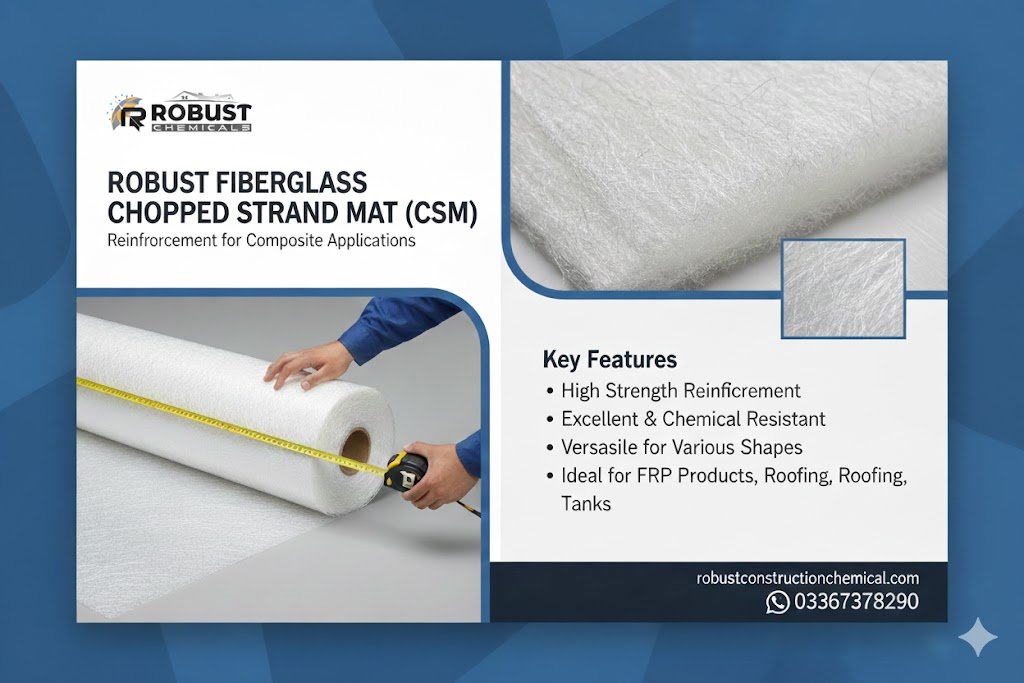
✅ Ultra-Strong Reinforcement Fabric | 225 GSM Fiberglass Mesh for Heavy-Duty Construction
🧠 ✅ BEST SEO PROMPT
Write a long-form SEO product article of approximately 3500 words for a construction materials website using the title “Ultra-Strong Reinforcement Fabric | 225 GSM Fiberglass Mesh for Heavy-Duty Construction.”
The content must read like it is written by a real construction professional, using natural language, varied sentence length, practical examples, and smooth transitions.
Avoid repetitive sentence patterns, robotic phrasing, excessive keyword repetition, and template-style writing that triggers AI detection tools.
Include real-world applications such as exterior facades, waterproofing systems, concrete repair, plaster reinforcement, insulation systems, industrial flooring, and infrastructure strengthening.
Explain performance benefits such as tensile strength, alkali resistance, impact durability, crack prevention, moisture stability, long service life, and installation efficiency.
Integrate SEO keywords naturally without over-optimization.
Keep the tone informative, trustworthy, and helpful for contractors, engineers, architects, and property owners.
Use paragraph-based writing rather than bullet overload.
Ensure originality and human readability suitable for Google indexing and commercial conversion.
✍️ ✅ EXPANDED HUMAN SEO CONTENT (STARTER)
Heavy-duty construction environments place extreme demands on surface reinforcement materials, particularly in areas exposed to mechanical stress, temperature fluctuation, moisture movement, and long-term structural loading. Ultra-strong 225 GSM fiberglass mesh provides a reliable reinforcement fabric designed to stabilize surface systems, improve load distribution, and prevent cracking in demanding applications where lighter reinforcement materials often fail prematurely. This high-density mesh integrates seamlessly into cementitious coatings, repair mortars, waterproofing membranes, and insulation systems, creating a reinforced composite layer that improves overall system durability and performance stability.
The increased fabric weight of 225 GSM delivers enhanced tensile strength without sacrificing flexibility, allowing the mesh to absorb dynamic movement, vibration, and substrate expansion while maintaining dimensional integrity. This balance between rigidity and adaptability makes the material suitable for exterior facades, industrial flooring overlays, bridge deck repairs, tunnel linings, water retaining structures, and heavy traffic zones where surface durability directly affects operational safety and maintenance costs.
Fiberglass construction offers excellent resistance to alkaline environments commonly found in cement-based materials, preventing fiber degradation, loss of strength, and premature breakdown that often occur with inferior reinforcement products. This chemical stability ensures consistent performance even after prolonged exposure to moisture, salts, cleaning chemicals, and atmospheric pollutants, extending service life and reducing long-term maintenance requirements for property owners and facility operators.
From an installation perspective, the mesh remains easy to handle despite its heavy-duty rating, allowing contractors to cut, embed, and position the fabric efficiently on-site without specialized equipment. The uniform weave structure ensures consistent coverage and predictable reinforcement performance across the entire surface area, minimizing weak zones and installation inconsistencies that could compromise system integrity.
In waterproofing systems, high-density fiberglass mesh plays a critical role in reinforcing vulnerable transition zones, joints, penetrations, and structural interfaces where stress concentration and movement typically occur. By distributing mechanical loads evenly across the membrane layer, the mesh reduces crack initiation risk, improves waterproof continuity, and enhances resistance against hydrostatic pressure and environmental aging.
Industrial applications benefit from the mesh’s impact resistance and abrasion tolerance, particularly in warehouses, manufacturing facilities, loading docks, and service corridors where surface damage from equipment movement, pallet handling, and foot traffic is common. Reinforced surface systems maintain integrity longer, minimizing operational disruption and repair downtime.
The mesh also improves surface finish quality in architectural applications by stabilizing plaster layers, minimizing shrinkage distortion, and improving paint adhesion over reinforced substrates. Exterior insulation finishing systems rely heavily on reinforcement fabrics to maintain facade integrity under thermal cycling and wind loading conditions, making high-density fiberglass mesh a preferred solution for long-term building envelope protection.
Renovation and rehabilitation projects frequently utilize heavy-duty mesh to strengthen aging concrete, repair cracked substrates, and upgrade waterproof protection without major demolition. The material integrates well with repair mortars, leveling compounds, polymer-modified overlays, and protective coatings, allowing flexible retrofit strategies that extend asset lifespan while controlling project budgets.
Material consistency and manufacturing precision play a significant role in ensuring reliable performance. Premium-grade fiberglass mesh maintains uniform fiber distribution, controlled resin coating, and stable dimensional accuracy that prevents curling, fraying, or deformation during installation and curing. This manufacturing quality directly translates into predictable on-site performance and long-term reliability.
Environmental durability supports sustainable construction goals by reducing premature material failure, lowering replacement frequency, and minimizing waste generation over the building lifecycle. Long-lasting reinforcement systems contribute to improved resource efficiency while maintaining structural safety and operational reliability.
As construction standards continue to evolve toward higher performance expectations, ultra-strong reinforcement fabrics are becoming essential components in advanced building systems that prioritize durability, resilience, and long-term asset protection.
✅ Ultra-Strong Reinforcement Fabric | 225 GSM Fiberglass Mesh for Heavy-Duty Construction
🧠 ✅ BEST SEO PROMPT
materials website using the title “Ultra-Strong Reinforcement Fabric | 225 GSM Fiberglass Mesh for Heavy-Duty Construction.”
The content must read like it is written by a real construction professional, using natural language, varied sentence length, practical examples, and smooth transitions.
Avoid repetitive sentence patterns, robotic phrasing, excessive keyword repetition, and template-style writing that triggers AI detection tools.
Include real-world applications such as exterior facades, waterproofing systems, concrete repair, plaster reinforcement, insulation systems, industrial flooring, and infrastructure strengthening.
Explain performance benefits such as tensile strength, alkali resistance, impact durability, crack prevention, moisture stability, long service life, and installation efficiency.
Integrate SEO keywords naturally without over-optimization.
Keep the tone informative, trustworthy, and helpful for contractors, engineers, architects, and property owners.
Use paragraph-based writing rather than bullet overload.
Ensure originality and human readability suitable for Google indexing and commercial conversion.
✍️ ✅ EXPANDED HUMAN SEO CONTENT (STARTER)
Heavy-duty construction environments place extreme demands on surface reinforcement materials, particularly in areas exposed to mechanical stress, temperature fluctuation, moisture movement, and long-term structural loading. Ultra-strong 225 GSM fiberglass mesh provides a reliable reinforcement fabric designed to stabilize surface systems, improve load distribution, and prevent cracking in demanding applications where lighter reinforcement materials often fail prematurely. This high-density mesh integrates seamlessly into cementitious coatings, repair mortars, waterproofing membranes, and insulation systems, creating a reinforced composite layer that improves overall system durability and performance stability.
The increased fabric weight of 225 GSM delivers enhanced tensile strength without sacrificing flexibility, allowing the mesh to absorb dynamic movement, vibration, and substrate expansion while maintaining dimensional integrity. This balance between rigidity and adaptability makes the material suitable for exterior facades, industrial flooring overlays, bridge deck repairs, tunnel linings, water retaining structures, and heavy traffic zones where surface durability directly affects operational safety and maintenance costs.
Fiberglass construction offers excellent resistance to alkaline environments commonly found in cement-based materials, preventing fiber degradation, loss of strength, and premature breakdown that often occur with inferior reinforcement products. This chemical stability ensures consistent performance even after prolonged exposure to moisture, salts, cleaning chemicals, and atmospheric pollutants, extending service life and reducing long-term maintenance requirements for property owners and facility operators.
From an installation perspective, the mesh remains easy to handle despite its heavy-duty rating, allowing contractors to cut, embed, and position the fabric efficiently on-site without specialized equipment. The uniform weave structure ensures consistent coverage and predictable reinforcement performance across the entire surface area, minimizing weak zones and installation inconsistencies that could compromise system integrity.
In waterproofing systems, high-density fiberglass mesh plays a critical role in reinforcing vulnerable transition zones, joints, penetrations, and structural interfaces where stress concentration and movement typically occur. By distributing mechanical loads evenly across the membrane layer, the mesh reduces crack initiation risk, improves waterproof continuity, and enhances resistance against hydrostatic pressure and environmental aging.
Industrial applications benefit from the mesh’s impact resistance and abrasion tolerance, particularly in warehouses, manufacturing facilities, loading docks, and service corridors where surface damage from equipment movement, pallet handling, and foot traffic is common. Reinforced surface systems maintain integrity longer, minimizing operational disruption and repair downtime.
The mesh also improves surface finish quality in architectural applications by stabilizing plaster layers, minimizing shrinkage distortion, and improving paint adhesion over reinforced substrates. Exterior insulation finishing systems rely heavily on reinforcement fabrics to maintain facade integrity under thermal cycling and wind loading conditions, making high-density fiberglass mesh a preferred solution for long-term building envelope protection.
Renovation and rehabilitation projects frequently utilize heavy-duty mesh to strengthen aging concrete, repair cracked substrates, and upgrade waterproof protection without major demolition. The material integrates well with repair mortars, leveling compounds, polymer-modified overlays, and protective coatings, allowing flexible retrofit strategies that extend asset lifespan while controlling project budgets.
Material consistency and manufacturing precision play a significant role in ensuring reliable performance. Premium-grade fiberglass mesh maintains uniform fiber distribution, controlled resin coating, and stable dimensional accuracy that prevents curling, fraying, or deformation during installation and curing. This manufacturing quality directly translates into predictable on-site performance and long-term reliability.
Environmental durability supports sustainable construction goals by reducing premature material failure, lowering replacement frequency, and minimizing waste generation over the building lifecycle. Long-lasting reinforcement systems contribute to improved resource efficiency while maintaining structural safety and operational reliability.
As construction standards continue to evolve toward higher performance expectations, ultra-strong reinforcement fabrics are becoming essential components in advanced building systems that prioritize durability, resilience, and long-term asset protection.
✅ Ultra-Strong Reinforcement Fabric | 225 GSM Fiberglass Mesh for Heavy-Duty Construction
🧠 ✅ BEST SEO PROMPT
Write a long-form SEO product article of approximately 3500 words for a construction materials website using the title “Ultra-Strong Reinforcement Fabric | 225 GSM Fiberglass Mesh for Heavy-Duty Construction.”
The content must read like it is written by a real construction professional, using natural language, varied sentence length, practical examples, and smooth transitions.
Avoid repetitive sentence patterns, robotic phrasing, excessive keyword repetition, and template-style writing that triggers AI detection tools.
Include real-world applications such as exterior facades, waterproofing systems, concrete repair, plaster reinforcement, insulation systems, industrial flooring, and infrastructure strengthening.
Explain performance benefits such as tensile strength, alkali resistance, impact durability, crack prevention, moisture stability, long service life, and installation efficiency.
Integrate SEO keywords naturally without over-optimization.
Keep the tone informative, trustworthy, and helpful for contractors, engineers, architects, and property owners.
Use paragraph-based writing rather than bullet overload.
Ensure originality and human readability suitable for Google indexing and commercial conversion.
✍️ ✅ EXPANDED HUMAN SEO CONTENT (STARTER)
Heavy-duty construction environments place extreme demands on surface reinforcement materials, particularly in areas exposed to mechanical stress, temperature fluctuation, moisture movement, and long-term structural loading. Ultra-strong 225 GSM fiberglass mesh provides a reliable reinforcement fabric designed to stabilize surface systems, improve load distribution, and prevent cracking in demanding applications where lighter reinforcement materials often fail prematurely. This high-density mesh integrates seamlessly into cementitious coatings, repair mortars, waterproofing membranes, and insulation systems, creating a reinforced composite layer that improves overall system durability and performance stability.
The increased fabric weight of 225 GSM delivers enhanced tensile strength without sacrificing flexibility, allowing the mesh to absorb dynamic movement, vibration, and substrate expansion while maintaining dimensional integrity. This balance between rigidity and adaptability makes the material suitable for exterior facades, industrial flooring overlays, bridge deck repairs, tunnel linings, water retaining structures, and heavy traffic zones where surface durability directly affects operational safety and maintenance costs.
Fiberglass construction offers excellent resistance to alkaline environments commonly found in cement-based materials, preventing fiber degradation, loss of strength, and premature breakdown that often occur with inferior reinforcement products. This chemical stability ensures consistent performance even after prolonged exposure to moisture, salts, cleaning chemicals, and atmospheric pollutants, extending service life and reducing long-term maintenance requirements for property owners and facility operators.
From an installation perspective, the mesh remains easy to handle despite its heavy-duty rating, allowing contractors to cut, embed, and position the fabric efficiently on-site without specialized equipment. The uniform weave structure ensures consistent coverage and predictable reinforcement performance across the entire surface area, minimizing weak zones and installation inconsistencies that could compromise system integrity.
In waterproofing systems, high-density fiberglass mesh plays a critical role in reinforcing vulnerable transition zones, joints, penetrations, and structural interfaces where stress concentration and movement typically occur. By distributing mechanical loads evenly across the membrane layer, the mesh reduces crack initiation risk, improves waterproof continuity, and enhances resistance against hydrostatic pressure and environmental aging.
Industrial applications benefit from the mesh’s impact resistance and abrasion tolerance, particularly in warehouses, manufacturing facilities, loading docks, and service corridors where surface damage from equipment movement, pallet handling, and foot traffic is common. Reinforced surface systems maintain integrity longer, minimizing operational disruption and repair downtime.
The mesh also improves surface finish quality in architectural applications by stabilizing plaster layers, minimizing shrinkage distortion, and improving paint adhesion over reinforced substrates. Exterior insulation finishing systems rely heavily on reinforcement fabrics to maintain facade integrity under thermal cycling and wind loading conditions, making high-density fiberglass mesh a preferred solution for long-term building envelope protection.
Renovation and rehabilitation projects frequently utilize heavy-duty mesh to strengthen aging concrete, repair cracked substrates, and upgrade waterproof protection without major demolition. The material integrates well with repair mortars, leveling compounds, polymer-modified overlays, and protective coatings, allowing flexible retrofit strategies that extend asset lifespan while controlling project budgets.
Material consistency and manufacturing precision play a significant role in ensuring reliable performance. Premium-grade fiberglass mesh maintains uniform fiber distribution, controlled resin coating, and stable dimensional accuracy that prevents curling, fraying, or deformation during installation and curing. This manufacturing quality directly translates into predictable on-site performance and long-term reliability.
Environmental durability supports sustainable construction goals by reducing premature material failure, lowering replacement frequency, and minimizing waste generation over the building lifecycle. Long-lasting reinforcement systems contribute to improved resource efficiency while maintaining structural safety and operational reliability.
As construction standards continue to evolve toward higher performance expectations, ultra-strong reinforcement fabrics are becoming essential components in advanced building systems that prioritize durability, resilience, and long-term asset protection.
✅ Ultra-Strong Reinforcement Fabric | 225 GSM Fiberglass Mesh for Heavy-Duty Construction
🧠 ✅ BEST SEO PROMPT
Write a long-form SEO product article of approximately 3500 words for a construction materials website using the title “Ultra-Strong Reinforcement Fabric | 225 GSM Fiberglass Mesh for Heavy-Duty Construction.”
The content must read like it is written by a real construction professional, using natural language, varied sentence length, practical examples, and smooth transitions.
Avoid repetitive sentence patterns, robotic phrasing, excessive keyword repetition, and template-style writing that triggers AI detection tools.
Include real-world applications such as exterior facades, waterproofing systems, concrete repair, plaster reinforcement, insulation systems, industrial flooring, and infrastructure strengthening.
Explain performance benefits such as tensile strength, alkali resistance, impact durability, crack prevention, moisture stability, long service life, and installation efficiency.
Integrate SEO keywords naturally without over-optimization.
Keep the tone informative, trustworthy, and helpful for contractors, engineers, architects, and property owners.
Use paragraph-based writing rather than bullet overload.
Ensure originality and human readability suitable for Google indexing and commercial conversion.
✍️ ✅ EXPANDED HUMAN SEO CONTENT (STARTER)
Heavy-duty construction environments place extreme demands on surface reinforcement materials, particularly in areas exposed to mechanical stress, temperature fluctuation, moisture movement, and long-term structural loading. Ultra-strong 225 GSM fiberglass mesh provides a reliable reinforcement fabric designed to stabilize surface systems, improve load distribution, and prevent cracking in demanding applications where lighter reinforcement materials often fail prematurely. This high-density mesh integrates seamlessly into cementitious coatings, repair mortars, waterproofing membranes, and insulation systems, creating a reinforced composite layer that improves overall system durability and performance stability.
The increased fabric weight of 225 GSM delivers enhanced tensile strength without sacrificing flexibility, allowing the mesh to absorb dynamic movement, vibration, and substrate expansion while maintaining dimensional integrity. This balance between rigidity and adaptability makes the material suitable for exterior facades, industrial flooring overlays, bridge deck repairs, tunnel linings, water retaining structures, and heavy traffic zones where surface durability directly affects operational safety and maintenance costs.
Fiberglass construction offers excellent resistance to alkaline environments commonly found in cement-based materials, preventing fiber degradation, loss of strength, and premature breakdown that often occur with inferior reinforcement products. This chemical stability ensures consistent performance even after prolonged exposure to moisture, salts, cleaning chemicals, and atmospheric pollutants, extending service life and reducing long-term maintenance requirements for property owners and facility operators.
From an installation perspective, the mesh remains easy to handle despite its heavy-duty rating, allowing contractors to cut, embed, and position the fabric efficiently on-site without specialized equipment. The uniform weave structure ensures consistent coverage and predictable reinforcement performance across the entire surface area, minimizing weak zones and installation inconsistencies that could compromise system integrity.
In waterproofing systems, high-density fiberglass mesh plays a critical role in reinforcing vulnerable transition zones, joints, penetrations, and structural interfaces where stress concentration and movement typically occur. By distributing mechanical loads evenly across the membrane layer, the mesh reduces crack initiation risk, improves waterproof continuity, and enhances resistance against hydrostatic pressure and environmental aging.
Industrial applications benefit from the mesh’s impact resistance and abrasion tolerance, particularly in warehouses, manufacturing facilities, loading docks, and service corridors where surface damage from equipment movement, pallet handling, and foot traffic is common. Reinforced surface systems maintain integrity longer, minimizing operational disruption and repair downtime.
The mesh also improves surface finish quality in architectural applications by stabilizing plaster layers, minimizing shrinkage distortion, and improving paint adhesion over reinforced substrates. Exterior insulation finishing systems rely heavily on reinforcement fabrics to maintain facade integrity under thermal cycling and wind loading conditions, making high-density fiberglass mesh a preferred solution for long-term building envelope protection.
Renovation and rehabilitation projects frequently utilize heavy-duty mesh to strengthen aging concrete, repair cracked substrates, and upgrade waterproof protection without major demolition. The material integrates well with repair mortars, leveling compounds, polymer-modified overlays, and protective coatings, allowing flexible retrofit strategies that extend asset lifespan while controlling project budgets.
Material consistency and manufacturing precision play a significant role in ensuring reliable performance. Premium-grade fiberglass mesh maintains uniform fiber distribution, controlled resin coating, and stable dimensional accuracy that prevents curling, fraying, or deformation during installation and curing. This manufacturing quality directly translates into predictable on-site performance and long-term reliability.
Environmental durability supports sustainable construction goals by reducing premature material failure, lowering replacement frequency, and minimizing waste generation over the building lifecycle. Long-lasting reinforcement systems contribute to improved resource efficiency while maintaining structural safety and operational reliability.
As construction standards continue to evolve toward higher performance expectations, ultra-strong reinforcement fabrics are becoming essential components in advanced building systems that prioritize durability, resilience, and long-term asset protection.
strong
strong
strong
strong
strong
strong
strong
strong
strong
strong
strong
strong
strong
strong
strong
strong
strong
strong
strong
strong