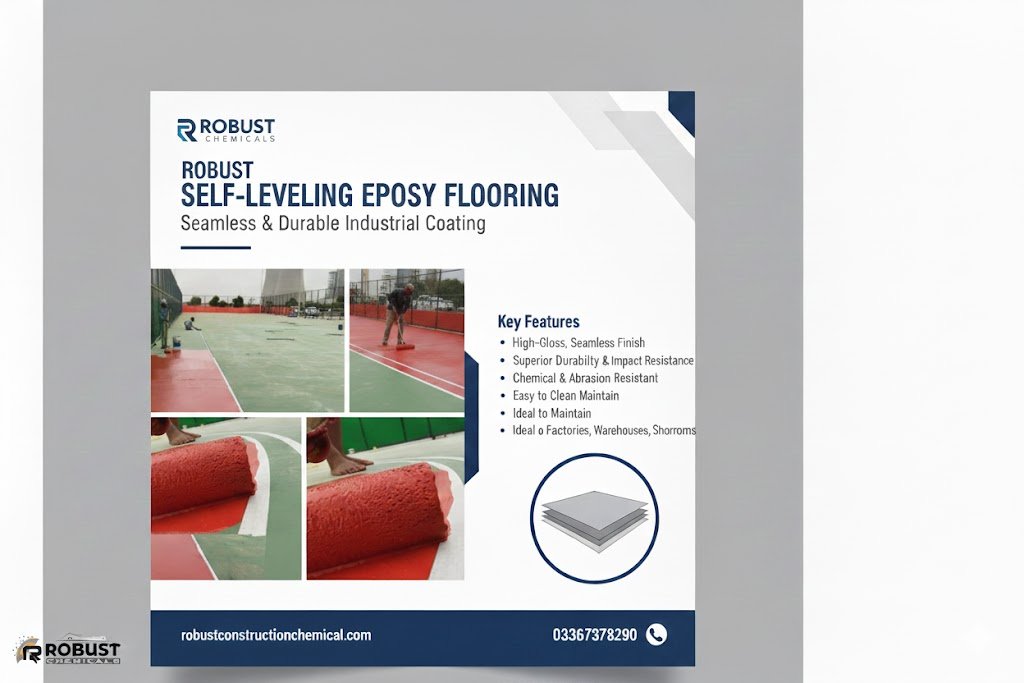
✅ Mirror Finish Industrial Floors | High-Flow Epoxy Leveling System for Heavy Use
Mirror finish industrial floors are the ultimate solution for modern warehouses, factories, laboratories, commercial showrooms, and high-traffic industrial spaces where durability, cleanliness, and aesthetics are essential. High-flow self-leveling epoxy systems create a seamless, ultra-smooth surface that naturally fills uneven concrete substrates, cracks, and imperfections, providing a perfectly flat and reflective finish that enhances both functionality and visual appeal. These floors are designed to withstand heavy machinery, forklifts, foot traffic, and chemical exposure, making them ideal for environments where conventional flooring would fail prematurely.
The self-leveling property of epoxy allows the resin to flow evenly across the floor surface, forming a consistent thickness and eliminating the need for excessive manual leveling. This feature saves labor time, reduces errors during application, and minimizes material waste, which is especially beneficial for large-scale industrial projects. Contractors value the high-flow epoxy system because it simplifies installation, ensuring precise coverage even in corners, joints, and penetrations, which are common areas for cracks or surface failures in traditional flooring solutions.
One of the major benefits of mirror-finish epoxy floors is their combination of aesthetic appeal and industrial performance. The reflective surface improves natural and artificial lighting efficiency, creating brighter workspaces and reducing energy costs in commercial and industrial facilities. In addition, the smooth, continuous surface prevents dust accumulation, bacteria growth, and moisture penetration, which is critical for laboratories, food processing plants, pharmaceutical units, and healthcare facilities where hygiene and surface cleanliness are strictly regulated.
High-flow epoxy leveling systems are also chemically resistant, allowing the flooring to withstand spills of oils, acids, alkalis, detergents, and other industrial liquids without deterioration. The resilient resin layer absorbs impact and resists abrasion, preventing surface scratches and maintaining a professional, polished appearance over years of intensive use. This combination of durability and chemical resistance makes epoxy flooring an ideal choice for industrial and commercial applications that demand both long-term reliability and aesthetic quality.
Surface preparation is a crucial step in achieving a long-lasting epoxy floor. Concrete substrates must be thoroughly cleaned, degreased, and mechanically prepared to remove laitance, dust, or contaminants that could interfere with adhesion. Any cracks, voids, or damaged areas should be repaired using compatible repair mortars or epoxy fillers. Once the substrate is ready, the high-flow epoxy mixture is poured, spread, and leveled using specialized tools such as squeegees or trowels. Proper curing conditions, including ambient temperature and humidity, ensure the floor reaches maximum hardness, chemical resistance, and mirror finish quality.
Self-leveling epoxy floors are highly versatile, suitable for a wide range of applications from heavy industrial use to aesthetic commercial spaces. Warehouses, production areas, food processing units, laboratories, and showrooms benefit from the seamless surface, which eliminates trip hazards, facilitates smooth movement of equipment, and improves workflow efficiency. In addition, these floors are compatible with decorative finishes, including metallic effects, color flakes, or gloss coatings, allowing facility owners to combine performance with premium visual appeal.
Maintenance of high-flow epoxy floors is straightforward due to the seamless and non-porous surface. Routine cleaning with mild detergents and water is sufficient to maintain hygiene and appearance, while the durable resin layer resists staining, chipping, and mechanical damage. This reduces the total cost of ownership compared to traditional flooring systems, which often require frequent repairs, resurfacing, or replacement in high-traffic areas.
The structural integrity of self-leveling epoxy floors is enhanced by the resin’s ability to absorb dynamic loads and vibrations without cracking or delaminating. This makes it suitable for heavy-duty industrial areas where forklifts, pallet jacks, or machinery operate daily. The epoxy’s adhesive properties ensure strong bonding to the concrete substrate, preventing separation or lifting over time, which is a common problem with poorly installed flooring systems.
Mirror finish epoxy floors also contribute to improved workplace safety. The seamless, level surface minimizes trip hazards, while chemical and moisture resistance reduces the risk of slips caused by liquid spills. In environments such as laboratories, factories, and cleanrooms, epoxy flooring supports compliance with safety regulations and reduces liability risks associated with accidents.
From an environmental and sustainability perspective, modern high-flow epoxy systems are formulated with low VOC content and reduced emissions during curing. This ensures safer installation conditions, reduces environmental impact, and supports green building certifications without compromising performance, durability, or aesthetic quality.
Investing in mirror-finish high-flow epoxy floors is cost-effective in the long term. While the initial installation requires precision and quality materials, the extended lifespan, low maintenance, chemical resistance, and durability against heavy traffic make it a highly efficient choice for industrial and commercial facilities. Over time, facility managers experience fewer repair costs, reduced downtime, and consistent performance, translating into significant operational savings.

✅ Mirror Finish Industrial Floors | High-Flow Epoxy Leveling System for Heavy Use
Mirror finish industrial floors are the ultimate solution for modern warehouses, factories, laboratories, commercial showrooms, and high-traffic industrial spaces where durability, cleanliness, and aesthetics are essential. High-flow self-leveling epoxy systems create a seamless, ultra-smooth surface that naturally fills uneven concrete substrates, cracks, and imperfections, providing a perfectly flat and reflective finish that enhances both functionality and visual appeal. These floors are designed to withstand heavy machinery, forklifts, foot traffic, and chemical exposure, making them ideal for environments where conventional flooring would fail prematurely.
The self-leveling property of epoxy allows the resin to flow evenly across the floor surface, forming a consistent thickness and eliminating the need for excessive manual leveling. This feature saves labor time, reduces errors during application, and minimizes material waste, which is especially beneficial for large-scale industrial projects. Contractors value the high-flow epoxy system because it simplifies installation, ensuring precise coverage even in corners, joints, and penetrations, which are common areas for cracks or surface failures in traditional flooring solutions.
One of the major benefits of mirror-finish epoxy floors is their combination of aesthetic appeal and industrial performance. The reflective surface improves natural and artificial lighting efficiency, creating brighter workspaces and reducing energy costs in commercial and industrial facilities. In addition, the smooth, continuous surface prevents dust accumulation, bacteria growth, and moisture penetration, which is critical for laboratories, food processing plants, pharmaceutical units, and healthcare facilities where hygiene and surface cleanliness are strictly regulated.
High-flow epoxy leveling systems are also chemically resistant, allowing the flooring to withstand spills of oils, acids, alkalis, detergents, and other industrial liquids without deterioration. The resilient resin layer absorbs impact and resists abrasion, preventing surface scratches and maintaining a professional, polished appearance over years of intensive use. This combination of durability and chemical resistance makes epoxy flooring an ideal choice for industrial and commercial applications that demand both long-term reliability and aesthetic quality.
Surface preparation is a crucial step in achieving a long-lasting epoxy floor. Concrete substrates must be thoroughly cleaned, degreased, and mechanically prepared to remove laitance, dust, or contaminants that could interfere with adhesion. Any cracks, voids, or damaged areas should be repaired using compatible repair mortars or epoxy fillers. Once the substrate is ready, the high-flow epoxy mixture is poured, spread, and leveled using specialized tools such as squeegees or trowels. Proper curing conditions, including ambient temperature and humidity, ensure the floor reaches maximum hardness, chemical resistance, and mirror finish quality.
Self-leveling epoxy floors are highly versatile, suitable for a wide range of applications from heavy industrial use to aesthetic commercial spaces. Warehouses, production areas, food processing units, laboratories, and showrooms benefit from the seamless surface, which eliminates trip hazards, facilitates smooth movement of equipment, and improves workflow efficiency. In addition, these floors are compatible with decorative finishes, including metallic effects, color flakes, or gloss coatings, allowing facility owners to combine performance with premium visual appeal.
Maintenance of high-flow epoxy floors is straightforward due to the seamless and non-porous surface. Routine cleaning with mild detergents and water is sufficient to maintain hygiene and appearance, while the durable resin layer resists staining, chipping, and mechanical damage. This reduces the total cost of ownership compared to traditional flooring systems, which often require frequent repairs, resurfacing, or replacement in high-traffic areas.
The structural integrity of self-leveling epoxy floors is enhanced by the resin’s ability to absorb dynamic loads and vibrations without cracking or delaminating. This makes it suitable for heavy-duty industrial areas where forklifts, pallet jacks, or machinery operate daily. The epoxy’s adhesive properties ensure strong bonding to the concrete substrate, preventing separation or lifting over time, which is a common problem with poorly installed flooring systems.
Mirror finish epoxy floors also contribute to improved workplace safety. The seamless, level surface minimizes trip hazards, while chemical and moisture resistance reduces the risk of slips caused by liquid spills. In environments such as laboratories, factories, and cleanrooms, epoxy flooring supports compliance with safety regulations and reduces liability risks associated with accidents.
From an environmental and sustainability perspective, modern high-flow epoxy systems are formulated with low VOC content and reduced emissions during curing. This ensures safer installation conditions, reduces environmental impact, and supports green building certifications without compromising performance, durability, or aesthetic quality.
Investing in mirror-finish high-flow epoxy floors is cost-effective in the long term. While the initial installation requires precision and quality materials, the extended lifespan, low maintenance, chemical resistance, and durability against heavy traffic make it a highly efficient choice for industrial and commercial facilities. Over time, facility managers experience fewer repair costs, reduced downtime, and consistent performance, translating into significant operational savings.

✅ Mirror Finish Industrial Floors | High-Flow Epoxy Leveling System for Heavy Use
Mirror finish industrial floors are the ultimate solution for modern warehouses, factories, laboratories, commercial showrooms, and high-traffic industrial spaces where durability, cleanliness, and aesthetics are essential. High-flow self-leveling epoxy systems create a seamless, ultra-smooth surface that naturally fills uneven concrete substrates, cracks, and imperfections, providing a perfectly flat and reflective finish that enhances both functionality and visual appeal. These floors are designed to withstand heavy machinery, forklifts, foot traffic, and chemical exposure, making them ideal for environments where conventional flooring would fail prematurely.
The self-leveling property of epoxy allows the resin to flow evenly across the floor surface, forming a consistent thickness and eliminating the need for excessive manual leveling. This feature saves labor time, reduces errors during application, and minimizes material waste, which is especially beneficial for large-scale industrial projects. Contractors value the high-flow epoxy system because it simplifies installation, ensuring precise coverage even in corners, joints, and penetrations, which are common areas for cracks or surface failures in traditional flooring solutions.
One of the major benefits of mirror-finish epoxy floors is their combination of aesthetic appeal and industrial performance. The reflective surface improves natural and artificial lighting efficiency, creating brighter workspaces and reducing energy costs in commercial and industrial facilities. In addition, the smooth, continuous surface prevents dust accumulation, bacteria growth, and moisture penetration, which is critical for laboratories, food processing plants, pharmaceutical units, and healthcare facilities where hygiene and surface cleanliness are strictly regulated.
High-flow epoxy leveling systems are also chemically resistant, allowing the flooring to withstand spills of oils, acids, alkalis, detergents, and other industrial liquids without deterioration. The resilient resin layer absorbs impact and resists abrasion, preventing surface scratches and maintaining a professional, polished appearance over years of intensive use. This combination of durability and chemical resistance makes epoxy flooring an ideal choice for industrial and commercial applications that demand both long-term reliability and aesthetic quality.
Surface preparation is a crucial step in achieving a long-lasting epoxy floor. Concrete substrates must be thoroughly cleaned, degreased, and mechanically prepared to remove laitance, dust, or contaminants that could interfere with adhesion. Any cracks, voids, or damaged areas should be repaired using compatible repair mortars or epoxy fillers. Once the substrate is ready, the high-flow epoxy mixture is poured, spread, and leveled using specialized tools such as squeegees or trowels. Proper curing conditions, including ambient temperature and humidity, ensure the floor reaches maximum hardness, chemical resistance, and mirror finish quality.
Self-leveling epoxy floors are highly versatile, suitable for a wide range of applications from heavy industrial use to aesthetic commercial spaces. Warehouses, production areas, food processing units, laboratories, and showrooms benefit from the seamless surface, which eliminates trip hazards, facilitates smooth movement of equipment, and improves workflow efficiency. In addition, these floors are compatible with decorative finishes, including metallic effects, color flakes, or gloss coatings, allowing facility owners to combine performance with premium visual appeal.
Maintenance of high-flow epoxy floors is straightforward due to the seamless and non-porous surface. Routine cleaning with mild detergents and water is sufficient to maintain hygiene and appearance, while the durable resin layer resists staining, chipping, and mechanical damage. This reduces the total cost of ownership compared to traditional flooring systems, which often require frequent repairs, resurfacing, or replacement in high-traffic areas.
The structural integrity of self-leveling epoxy floors is enhanced by the resin’s ability to absorb dynamic loads and vibrations without cracking or delaminating. This makes it suitable for heavy-duty industrial areas where forklifts, pallet jacks, or machinery operate daily. The epoxy’s adhesive properties ensure strong bonding to the concrete substrate, preventing separation or lifting over time, which is a common problem with poorly installed flooring systems.
Mirror finish epoxy floors also contribute to improved workplace safety. The seamless, level surface minimizes trip hazards, while chemical and moisture resistance reduces the risk of slips caused by liquid spills. In environments such as laboratories, factories, and cleanrooms, epoxy flooring supports compliance with safety regulations and reduces liability risks associated with accidents.
From an environmental and sustainability perspective, modern high-flow epoxy systems are formulated with low VOC content and reduced emissions during curing. This ensures safer installation conditions, reduces environmental impact, and supports green building certifications without compromising performance, durability, or aesthetic quality.
Investing in mirror-finish high-flow epoxy floors is cost-effective in the long term. While the initial installation requires precision and quality materials, the extended lifespan, low maintenance, chemical resistance, and durability against heavy traffic make it a highly efficient choice for industrial and commercial facilities. Over time, facility managers experience fewer repair costs, reduced downtime, and consistent performance, translating into significant operational savings.

✅ Mirror Finish Industrial Floors | High-Flow Epoxy Leveling System for Heavy Use
Mirror finish industrial floors are the ultimate solution for modern warehouses, factories, laboratories, commercial showrooms, and high-traffic industrial spaces where durability, cleanliness, and aesthetics are essential. High-flow self-leveling epoxy systems create a seamless, ultra-smooth surface that naturally fills uneven concrete substrates, cracks, and imperfections, providing a perfectly flat and reflective finish that enhances both functionality and visual appeal. These floors are designed to withstand heavy machinery, forklifts, foot traffic, and chemical exposure, making them ideal for environments where conventional flooring would fail prematurely.
The self-leveling property of epoxy allows the resin to flow evenly across the floor surface, forming a consistent thickness and eliminating the need for excessive manual leveling. This feature saves labor time, reduces errors during application, and minimizes material waste, which is especially beneficial for large-scale industrial projects. Contractors value the high-flow epoxy system because it simplifies installation, ensuring precise coverage even in corners, joints, and penetrations, which are common areas for cracks or surface failures in traditional flooring solutions.
One of the major benefits of mirror-finish epoxy floors is their combination of aesthetic appeal and industrial performance. The reflective surface improves natural and artificial lighting efficiency, creating brighter workspaces and reducing energy costs in commercial and industrial facilities. In addition, the smooth, continuous surface prevents dust accumulation, bacteria growth, and moisture penetration, which is critical for laboratories, food processing plants, pharmaceutical units, and healthcare facilities where hygiene and surface cleanliness are strictly regulated.
High-flow epoxy leveling systems are also chemically resistant, allowing the flooring to withstand spills of oils, acids, alkalis, detergents, and other industrial liquids without deterioration. The resilient resin layer absorbs impact and resists abrasion, preventing surface scratches and maintaining a professional, polished appearance over years of intensive use. This combination of durability and chemical resistance makes epoxy flooring an ideal choice for industrial and commercial applications that demand both long-term reliability and aesthetic quality.
Surface preparation is a crucial step in achieving a long-lasting epoxy floor. Concrete substrates must be thoroughly cleaned, degreased, and mechanically prepared to remove laitance, dust, or contaminants that could interfere with adhesion. Any cracks, voids, or damaged areas should be repaired using compatible repair mortars or epoxy fillers. Once the substrate is ready, the high-flow epoxy mixture is poured, spread, and leveled using specialized tools such as squeegees or trowels. Proper curing conditions, including ambient temperature and humidity, ensure the floor reaches maximum hardness, chemical resistance, and mirror finish quality.
Self-leveling epoxy floors are highly versatile, suitable for a wide range of applications from heavy industrial use to aesthetic commercial spaces. Warehouses, production areas, food processing units, laboratories, and showrooms benefit from the seamless surface, which eliminates trip hazards, facilitates smooth movement of equipment, and improves workflow efficiency. In addition, these floors are compatible with decorative finishes, including metallic effects, color flakes, or gloss coatings, allowing facility owners to combine performance with premium visual appeal.
Maintenance of high-flow epoxy floors is straightforward due to the seamless and non-porous surface. Routine cleaning with mild detergents and water is sufficient to maintain hygiene and appearance, while the durable resin layer resists staining, chipping, and mechanical damage. This reduces the total cost of ownership compared to traditional flooring systems, which often require frequent repairs, resurfacing, or replacement in high-traffic areas.
The structural integrity of self-leveling epoxy floors is enhanced by the resin’s ability to absorb dynamic loads and vibrations without cracking or delaminating. This makes it suitable for heavy-duty industrial areas where forklifts, pallet jacks, or machinery operate daily. The epoxy’s adhesive properties ensure strong bonding to the concrete substrate, preventing separation or lifting over time, which is a common problem with poorly installed flooring systems.
Mirror finish epoxy floors also contribute to improved workplace safety. The seamless, level surface minimizes trip hazards, while chemical and moisture resistance reduces the risk of slips caused by liquid spills. In environments such as laboratories, factories, and cleanrooms, epoxy flooring supports compliance with safety regulations and reduces liability risks associated with accidents.
From an environmental and sustainability perspective, modern high-flow epoxy systems are formulated with low VOC content and reduced emissions during curing. This ensures safer installation conditions, reduces environmental impact, and supports green building certifications without compromising performance, durability, or aesthetic quality.
Investing in mirror-finish high-flow epoxy floors is cost-effective in the long term. While the initial installation requires precision and quality materials, the extended lifespan, low maintenance, chemical resistance, and durability against heavy traffic make it a highly efficient choice for industrial and commercial facilities. Over time, facility managers experience fewer repair costs, reduced downtime, and consistent performance, translating into significant operational savings.
🔶 H2: What Is High-Flow Self-Leveling Epoxy Flooring
🔹 H3: Overview of Industrial Epoxy Floors
🔸 H4: Material Composition and Resin Technology
🔸 H4: Mirror Finish and Flow Properties
🔹 H3: Benefits of Self-Leveling Epoxy for Heavy-Duty Use
🔸 H4: Seamless Surface with Uniform Thickness
🔸 H4: Crack Prevention and Load Distribution
🔶 H2: Key Advantages of Mirror Finish Epoxy Flooring
🔹 H3: Durability and Chemical Resistance
🔸 H4: Protection Against Industrial Spills
🔸 H4: Long-Term Abrasion and Impact Resistance
🔹 H3: Aesthetic and Functional Benefits
🔸 H4: Enhanced Lighting and Visual Appeal
🔸 H4: Easy Cleaning and Maintenance
🔶 H2: Industrial and Commercial Applications
🔹 H3: Warehouses and Manufacturing Facilities
🔸 H4: Heavy Traffic and Machinery Load Handling
🔸 H4: Seamless Protection Against Wear and Tear
🔹 H3: Laboratories, Food Processing Units, and Showrooms
🔸 H4: Hygienic Surface and Spill Resistance
🔸 H4: Compliance With Safety and Industry Standards
🔶 H2: Installation Process for Best Performance
🔹 H3: Surface Preparation Guidelines
🔸 H4: Cleaning, Degreasing, and Crack Repair
🔸 H4: Concrete Profiling for Maximum Adhesion
🔹 H3: Application Techniques
🔸 H4: Pouring and Spreading High-Flow Epoxy
🔸 H4: Leveling, Curing, and Finishing Procedures
🔶 H2: Maintenance and Longevity
🔹 H3: Routine Cleaning and Upkeep
🔸 H4: Safe Cleaning Methods for Epoxy Surfaces
🔸 H4: Preventive Measures Against Wear
🔹 H3: Extending Floor Lifespan
🔸 H4: Environmental Protection and Safety Practices
🔸 H4: Periodic Inspection and Spot Repairs
🔶 H2: Why Choose High-Flow Mirror Finish Epoxy Floors
🔹 H3: Cost Efficiency and Long-Term Investment
🔸 H4: Reduced Maintenance Costs Over Time
🔸 H4: Improved Operational Safety and Productivity
🔹 H3: Environmental and Regulatory Compliance
🔸 H4: Low VOC Formulations for Safer Installation
🔸 H4: Sustainability Benefits and Green Building Support
mirrormirrormirrormirrormirrormirrormirrormirrormirrormirrormirrormirrormirror