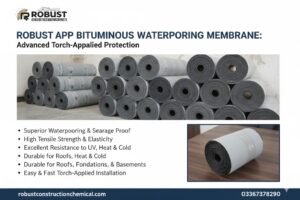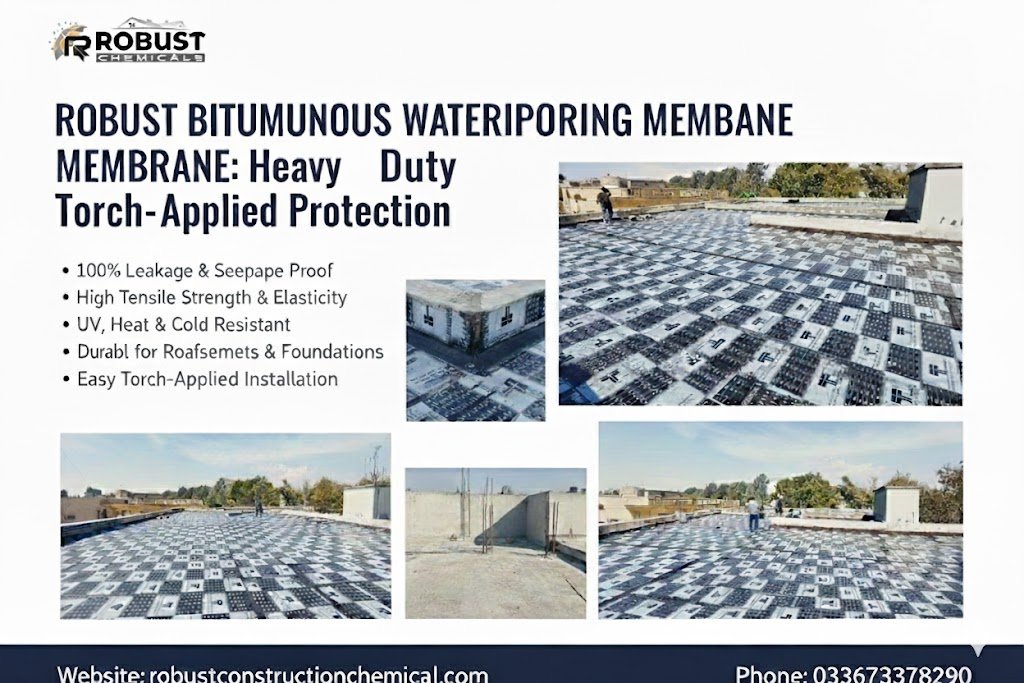
Waterproofing Membrane Installation Overview | Complete Guide for Long-Lasting Protection
Introduction to Waterproofing Membranes
Waterproofing membrane installation is a critical process in modern construction that ensures long-term protection of buildings against water ingress, leakage, and moisture-related damage.
As structures are continuously exposed to rain, groundwater, humidity, and temperature variations, effective waterproofing is essential to maintain structural integrity and indoor comfort.
Waterproofing membranes act as protective barriers that prevent water penetration into concrete, masonry, and structural components.
When installed correctly, these membranes significantly increase the lifespan of buildings and reduce costly repairs caused by dampness, corrosion, and structural weakening.
This overview explains waterproofing membrane systems, types, installation methods, applications, benefits, and best practices in detail.
What Is a Waterproofing Membrane?
A waterproofing membrane is a thin layer of water-resistant or waterproof material applied to surfaces to prevent water penetration.
It can be applied in liquid or sheet form and becomes an integral part of the building envelope.
Purpose of Waterproofing Membranes
-
Prevent water leakage and seepage
-
Protect structural elements from moisture damage
-
Enhance durability of concrete and masonry
-
Improve building performance and safety
-
Reduce maintenance and repair costs
Waterproofing membranes are widely used in residential, commercial, and industrial construction projects.
Importance of Waterproofing Membrane Installation
Improper or missing waterproofing is one of the main causes of building deterioration.
Water infiltration can lead to corrosion of reinforcement steel, concrete spalling, mold growth, and unhealthy indoor conditions.
Key Benefits of Proper Installation
-
Long-term water protection
-
Improved structural durability
-
Enhanced resistance to cracks and movement
-
Increased property value
-
Lower life-cycle costs
Correct installation is as important as selecting the right membrane material.
Types of Waterproofing Membranes
Waterproofing membranes are categorized based on material type, application method, and performance characteristics.
Sheet Waterproofing Membranes
Sheet membranes are factory-manufactured rolls that are applied to surfaces using adhesives, heat welding, or mechanical fixing.
Common Sheet Membrane Types
-
Bituminous membranes
-
PVC membranes
-
EPDM rubber membranes
-
TPO membranes
Advantages
-
Uniform thickness
-
High durability
-
Factory-controlled quality
Limitations
-
Requires skilled installation
-
Joints and overlaps must be sealed properly
Sheet membranes are commonly used for basements, foundations, roofs, and tunnels.
Liquid-Applied Waterproofing Membranes
Liquid membranes are applied in fluid form and cure into seamless, flexible coatings.
Characteristics
-
Seamless and joint-free
-
Excellent crack-bridging ability
-
Easy application on complex surfaces
Common Types
-
Polyurethane membranes
-
Acrylic membranes
-
Bituminous liquid membranes
-
Cementitious coatings
Liquid membranes are ideal for roofs, balconies, wet areas, and irregular surfaces.
Cementitious Waterproofing Membranes
Cementitious membranes are cement-based coatings mixed with polymers or additives.
Features
-
Easy application
-
Good adhesion to concrete
-
Suitable for internal wet areas
Typical Applications
-
Water tanks
-
Bathrooms
-
Basements
They offer limited flexibility and are best suited for areas with minimal structural movement.
Bituminous Waterproofing Membranes
Bituminous membranes are widely used due to their water resistance and affordability.
Forms
-
Torch-applied membranes
-
Cold-applied membranes
-
Self-adhesive membranes
Benefits
-
High water resistance
-
Suitable for underground structures
Proper protection layers are required to prevent UV damage.
Areas Requiring Waterproofing Membranes
Waterproofing membranes are used across various parts of a structure.
Roofs and Terraces
Prevent rainwater penetration and protect roof slabs.
Basements and Foundations
Protect against groundwater pressure and soil moisture.
Bathrooms and Wet Areas
Prevent seepage into walls and slabs.
Water Tanks and Pools
Ensure water retention and prevent leakage.
Balconies and Podiums
Protect exposed surfaces from weather damage.
Surface Preparation for Waterproofing Membrane Installation
Surface preparation is a critical step that directly impacts membrane performance.
Cleaning the Surface
-
Remove dust, oil, grease, and loose materials
-
Ensure a clean and dry substrate
Repairing Defects
-
Fill cracks and honeycombs
-
Repair damaged concrete
Surface Leveling
-
Smooth uneven surfaces
-
Ensure proper slopes for drainage
Poor surface preparation can lead to membrane failure.
Priming Before Membrane Application
Primers improve adhesion between the substrate and membrane.
Purpose of Primers
-
Enhance bonding
-
Seal porous surfaces
-
Improve membrane durability
Priming requirements depend on membrane type and substrate condition.
Waterproofing Membrane Installation Methods
Different membranes require different installation techniques.
Sheet Membrane Installation Process
Step 1: Surface Inspection
Ensure the surface is clean, dry, and structurally sound.
Step 2: Membrane Placement
Lay the membrane sheets according to layout planning.
Step 3: Joint Sealing
Seal overlaps using heat welding, adhesives, or tapes.
Step 4: Protection Layer
Apply protective screed or boards where required.
Liquid Membrane Installation Process
Step 1: Surface Preparation
Clean and repair the substrate thoroughly.
Step 2: Primer Application
Apply primer if recommended and allow it to dry.
Step 3: First Coat Application
Apply liquid membrane using brush, roller, or spray.
Step 4: Reinforcement
Embed fabric or mesh at joints and corners if required.
Step 5: Second Coat
Apply additional coats to achieve required thickness.
Step 6: Curing
Allow sufficient curing time before exposure.
Thickness and Coverage Control
Maintaining proper membrane thickness is essential.
-
Insufficient thickness reduces performance
-
Excessive thickness may cause cracking
-
Uniform application ensures durability
Manufacturers specify recommended coverage rates.
Detailing in Waterproofing Membrane Installation
Detailing is the most critical part of waterproofing.
Corners and Junctions
Extra reinforcement is required at corners and joints.
Pipe Penetrations
Sealing around pipes prevents leakage points.
Expansion Joints
Flexible detailing allows movement without failure.
Proper detailing ensures long-term waterproofing success.
Quality Control During Installation
Quality control measures help ensure system performance.
Visual Inspection
Check for pinholes, gaps, and uneven coating.
Thickness Measurement
Ensure membrane meets specified thickness.
Water Testing
Ponding tests verify waterproofing integrity.
Common Waterproofing Membrane Installation Mistakes
-
Applying on wet surfaces
-
Poor joint sealing
-
Inadequate curing time
-
Ignoring movement joints
Avoiding these mistakes improves reliability and lifespan.
Waterproofing Membrane Protection Systems
Membranes often require protection from mechanical damage.
Protection Methods
-
Screeds
-
Protection boards
-
Tiles or finishes
Protection layers extend membrane service life.
Maintenance of Waterproofing Membranes
Regular maintenance ensures continued performance.
Inspection
Periodic checks identify early issues.
Cleaning
Remove debris and standing water.
Repairs
Minor damages should be repaired promptly.
Well-maintained membranes can last for decades.
Cost Considerations in Waterproofing Membrane Installation
Costs depend on:
-
Membrane type
-
Area size
-
Surface condition
-
Labor and detailing complexity
While high-quality membranes may cost more initially, they reduce long-term repair expenses.
Environmental and Safety Considerations
Modern waterproofing membranes are designed to be safer and more sustainable.
-
Low VOC formulations
-
Reduced material waste
-
Improved durability
Safe handling and application practices are essential.
Choosing the Right Waterproofing Membrane System
Selection should be based on:
-
Exposure conditions
-
Structural movement
-
Water pressure
-
Project requirements
Consulting waterproofing professionals ensures correct system selection.
Role of Waterproofing Membranes in Modern Construction
Waterproofing membranes are essential for sustainable and durable buildings.
They protect structures, enhance comfort, and reduce long-term costs.
With increasing focus on building performance and durability, membrane waterproofing has become a standard construction requirement.
Future Trends in Waterproofing Membrane Installation
-
Advanced polymer membranes
-
Faster curing technologies
-
Improved flexibility and durability
-
Sustainable waterproofing solutions
These innovations continue to improve waterproofing performance.
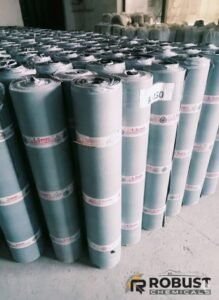
Waterproofing Membrane Installation Overview | Complete Guide for Long-Lasting Protection
Introduction to Waterproofing Membranes
Waterproofing membrane installation is a critical process in modern construction that ensures long-term protection of buildings against water ingress, leakage, and moisture-related damage.
As structures are continuously exposed to rain, groundwater, humidity, and temperature variations, effective waterproofing is essential to maintain structural integrity and indoor comfort.
Waterproofing membranes act as protective barriers that prevent water penetration into concrete, masonry, and structural components.
When installed correctly, these membranes significantly increase the lifespan of buildings and reduce costly repairs caused by dampness, corrosion, and structural weakening.
This overview explains waterproofing membrane systems, types, installation methods, applications, benefits, and best practices in detail.
What Is a Waterproofing Membrane?
A waterproofing membrane is a thin layer of water-resistant or waterproof material applied to surfaces to prevent water penetration.
It can be applied in liquid or sheet form and becomes an integral part of the building envelope.
Purpose of Waterproofing Membranes
-
Prevent water leakage and seepage
-
Protect structural elements from moisture damage
-
Enhance durability of concrete and masonry
-
Improve building performance and safety
-
Reduce maintenance and repair costs
Waterproofing membranes are widely used in residential, commercial, and industrial construction projects.
Importance of Waterproofing Membrane Installation
Improper or missing waterproofing is one of the main causes of building deterioration.
Water infiltration can lead to corrosion of reinforcement steel, concrete spalling, mold growth, and unhealthy indoor conditions.
Key Benefits of Proper Installation
-
Long-term water protection
-
Improved structural durability
-
Enhanced resistance to cracks and movement
-
Increased property value
-
Lower life-cycle costs
Correct installation is as important as selecting the right membrane material.
Types of Waterproofing Membranes
Waterproofing membranes are categorized based on material type, application method, and performance characteristics.
Sheet Waterproofing Membranes
Sheet membranes are factory-manufactured rolls that are applied to surfaces using adhesives, heat welding, or mechanical fixing.
Common Sheet Membrane Types
-
Bituminous membranes
-
PVC membranes
-
EPDM rubber membranes
-
TPO membranes
Advantages
-
Uniform thickness
-
High durability
-
Factory-controlled quality
Limitations
-
Requires skilled installation
-
Joints and overlaps must be sealed properly
Sheet membranes are commonly used for basements, foundations, roofs, and tunnels.
Liquid-Applied Waterproofing Membranes
Liquid membranes are applied in fluid form and cure into seamless, flexible coatings.
Characteristics
-
Seamless and joint-free
-
Excellent crack-bridging ability
-
Easy application on complex surfaces
Common Types
-
Polyurethane membranes
-
Acrylic membranes
-
Bituminous liquid membranes
-
Cementitious coatings
Liquid membranes are ideal for roofs, balconies, wet areas, and irregular surfaces.
Cementitious Waterproofing Membranes
Cementitious membranes are cement-based coatings mixed with polymers or additives.
Features
-
Easy application
-
Good adhesion to concrete
-
Suitable for internal wet areas
Typical Applications
-
Water tanks
-
Bathrooms
-
Basements
They offer limited flexibility and are best suited for areas with minimal structural movement.
Bituminous Waterproofing Membranes
Bituminous membranes are widely used due to their water resistance and affordability.
Forms
-
Torch-applied membranes
-
Cold-applied membranes
-
Self-adhesive membranes
Benefits
-
High water resistance
-
Suitable for underground structures
Proper protection layers are required to prevent UV damage.
Areas Requiring Waterproofing Membranes
Waterproofing membranes are used across various parts of a structure.
Roofs and Terraces
Prevent rainwater penetration and protect roof slabs.
Basements and Foundations
Protect against groundwater pressure and soil moisture.
Bathrooms and Wet Areas
Prevent seepage into walls and slabs.
Water Tanks and Pools
Ensure water retention and prevent leakage.
Balconies and Podiums
Protect exposed surfaces from weather damage.
Surface Preparation for Waterproofing Membrane Installation
Surface preparation is a critical step that directly impacts membrane performance.
Cleaning the Surface
-
Remove dust, oil, grease, and loose materials
-
Ensure a clean and dry substrate
Repairing Defects
-
Fill cracks and honeycombs
-
Repair damaged concrete
Surface Leveling
-
Smooth uneven surfaces
-
Ensure proper slopes for drainage
Poor surface preparation can lead to membrane failure.
Priming Before Membrane Application
Primers improve adhesion between the substrate and membrane.
Purpose of Primers
-
Enhance bonding
-
Seal porous surfaces
-
Improve membrane durability
Priming requirements depend on membrane type and substrate condition.
Waterproofing Membrane Installation Methods
Different membranes require different installation techniques.
Sheet Membrane Installation Process
Step 1: Surface Inspection
Ensure the surface is clean, dry, and structurally sound.
Step 2: Membrane Placement
Lay the membrane sheets according to layout planning.
Step 3: Joint Sealing
Seal overlaps using heat welding, adhesives, or tapes.
Step 4: Protection Layer
Apply protective screed or boards where required.
Liquid Membrane Installation Process
Step 1: Surface Preparation
Clean and repair the substrate thoroughly.
Step 2: Primer Application
Apply primer if recommended and allow it to dry.
Step 3: First Coat Application
Apply liquid membrane using brush, roller, or spray.
Step 4: Reinforcement
Embed fabric or mesh at joints and corners if required.
Step 5: Second Coat
Apply additional coats to achieve required thickness.
Step 6: Curing
Allow sufficient curing time before exposure.
Thickness and Coverage Control
Maintaining proper membrane thickness is essential.
-
Insufficient thickness reduces performance
-
Excessive thickness may cause cracking
-
Uniform application ensures durability
Manufacturers specify recommended coverage rates.
Detailing in Waterproofing Membrane Installation
Detailing is the most critical part of waterproofing.
Corners and Junctions
Extra reinforcement is required at corners and joints.
Pipe Penetrations
Sealing around pipes prevents leakage points.
Expansion Joints
Flexible detailing allows movement without failure.
Proper detailing ensures long-term waterproofing success.
Quality Control During Installation
Quality control measures help ensure system performance.
Visual Inspection
Check for pinholes, gaps, and uneven coating.
Thickness Measurement
Ensure membrane meets specified thickness.
Water Testing
Ponding tests verify waterproofing integrity.
Common Waterproofing Membrane Installation Mistakes
-
Applying on wet surfaces
-
Poor joint sealing
-
Inadequate curing time
-
Ignoring movement joints
Avoiding these mistakes improves reliability and lifespan.
Waterproofing Membrane Protection Systems
Membranes often require protection from mechanical damage.
Protection Methods
-
Screeds
-
Protection boards
-
Tiles or finishes
Protection layers extend membrane service life.
Maintenance of Waterproofing Membranes
Regular maintenance ensures continued performance.
Inspection
Periodic checks identify early issues.
Cleaning
Remove debris and standing water.
Repairs
Minor damages should be repaired promptly.
Well-maintained membranes can last for decades.
Cost Considerations in Waterproofing Membrane Installation
Costs depend on:
-
Membrane type
-
Area size
-
Surface condition
-
Labor and detailing complexity
While high-quality membranes may cost more initially, they reduce long-term repair expenses.
Environmental and Safety Considerations
Modern waterproofing membranes are designed to be safer and more sustainable.
-
Low VOC formulations
-
Reduced material waste
-
Improved durability
Safe handling and application practices are essential.
Choosing the Right Waterproofing Membrane System
Selection should be based on:
-
Exposure conditions
-
Structural movement
-
Water pressure
-
Project requirements
Consulting waterproofing professionals ensures correct system selection.
Role of Waterproofing Membranes in Modern Construction
Waterproofing membranes are essential for sustainable and durable buildings.
They protect structures, enhance comfort, and reduce long-term costs.
With increasing focus on building performance and durability, membrane waterproofing has become a standard construction requirement.
Future Trends in Waterproofing Membrane Installation
-
Advanced polymer membranes
-
Faster curing technologies
-
Improved flexibility and durability
-
Sustainable waterproofing solutions
These innovations continue to improve waterproofing performance.
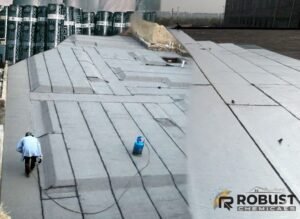
Waterproofing Membrane Installation Overview | Complete Guide for Long-Lasting Protection
Introduction to Waterproofing Membranes
Waterproofing membrane installation is a critical process in modern construction that ensures long-term protection of buildings against water ingress, leakage, and moisture-related damage.
As structures are continuously exposed to rain, groundwater, humidity, and temperature variations, effective waterproofing is essential to maintain structural integrity and indoor comfort.
Waterproofing membranes act as protective barriers that prevent water penetration into concrete, masonry, and structural components.
When installed correctly, these membranes significantly increase the lifespan of buildings and reduce costly repairs caused by dampness, corrosion, and structural weakening.
This overview explains waterproofing membrane systems, types, installation methods, applications, benefits, and best practices in detail.
What Is a Waterproofing Membrane?
A waterproofing membrane is a thin layer of water-resistant or waterproof material applied to surfaces to prevent water penetration.
It can be applied in liquid or sheet form and becomes an integral part of the building envelope.
Purpose of Waterproofing Membranes
-
Prevent water leakage and seepage
-
Protect structural elements from moisture damage
-
Enhance durability of concrete and masonry
-
Improve building performance and safety
-
Reduce maintenance and repair costs
Waterproofing membranes are widely used in residential, commercial, and industrial construction projects.
Importance of Waterproofing Membrane Installation
Improper or missing waterproofing is one of the main causes of building deterioration.
Water infiltration can lead to corrosion of reinforcement steel, concrete spalling, mold growth, and unhealthy indoor conditions.
Key Benefits of Proper Installation
-
Long-term water protection
-
Improved structural durability
-
Enhanced resistance to cracks and movement
-
Increased property value
-
Lower life-cycle costs
Correct installation is as important as selecting the right membrane material.
Types of Waterproofing Membranes
Waterproofing membranes are categorized based on material type, application method, and performance characteristics.
Sheet Waterproofing Membranes
Sheet membranes are factory-manufactured rolls that are applied to surfaces using adhesives, heat welding, or mechanical fixing.
Common Sheet Membrane Types
-
Bituminous membranes
-
PVC membranes
-
EPDM rubber membranes
-
TPO membranes
Advantages
-
Uniform thickness
-
High durability
-
Factory-controlled quality
Limitations
-
Requires skilled installation
-
Joints and overlaps must be sealed properly
Sheet membranes are commonly used for basements, foundations, roofs, and tunnels.
Liquid-Applied Waterproofing Membranes
Liquid membranes are applied in fluid form and cure into seamless, flexible coatings.
Characteristics
-
Seamless and joint-free
-
Excellent crack-bridging ability
-
Easy application on complex surfaces
Common Types
-
Polyurethane membranes
-
Acrylic membranes
-
Bituminous liquid membranes
-
Cementitious coatings
Liquid membranes are ideal for roofs, balconies, wet areas, and irregular surfaces.
Cementitious Waterproofing Membranes
Cementitious membranes are cement-based coatings mixed with polymers or additives.
Features
-
Easy application
-
Good adhesion to concrete
-
Suitable for internal wet areas
Typical Applications
-
Water tanks
-
Bathrooms
-
Basements
They offer limited flexibility and are best suited for areas with minimal structural movement.
Bituminous Waterproofing Membranes
Bituminous membranes are widely used due to their water resistance and affordability.
Forms
-
Torch-applied membranes
-
Cold-applied membranes
-
Self-adhesive membranes
Benefits
-
High water resistance
-
Suitable for underground structures
Proper protection layers are required to prevent UV damage.
Areas Requiring Waterproofing Membranes
Waterproofing membranes are used across various parts of a structure.
Roofs and Terraces
Prevent rainwater penetration and protect roof slabs.
Basements and Foundations
Protect against groundwater pressure and soil moisture.
Bathrooms and Wet Areas
Prevent seepage into walls and slabs.
Water Tanks and Pools
Ensure water retention and prevent leakage.
Balconies and Podiums
Protect exposed surfaces from weather damage.
Surface Preparation for Waterproofing Membrane Installation
Surface preparation is a critical step that directly impacts membrane performance.
Cleaning the Surface
-
Remove dust, oil, grease, and loose materials
-
Ensure a clean and dry substrate
Repairing Defects
-
Fill cracks and honeycombs
-
Repair damaged concrete
Surface Leveling
-
Smooth uneven surfaces
-
Ensure proper slopes for drainage
Poor surface preparation can lead to membrane failure.
Priming Before Membrane Application
Primers improve adhesion between the substrate and membrane.
Purpose of Primers
-
Enhance bonding
-
Seal porous surfaces
-
Improve membrane durability
Priming requirements depend on membrane type and substrate condition.
Waterproofing Membrane Installation Methods
Different membranes require different installation techniques.
Sheet Membrane Installation Process
Step 1: Surface Inspection
Ensure the surface is clean, dry, and structurally sound.
Step 2: Membrane Placement
Lay the membrane sheets according to layout planning.
Step 3: Joint Sealing
Seal overlaps using heat welding, adhesives, or tapes.
Step 4: Protection Layer
Apply protective screed or boards where required.
Liquid Membrane Installation Process
Step 1: Surface Preparation
Clean and repair the substrate thoroughly.
Step 2: Primer Application
Apply primer if recommended and allow it to dry.
Step 3: First Coat Application
Apply liquid membrane using brush, roller, or spray.
Step 4: Reinforcement
Embed fabric or mesh at joints and corners if required.
Step 5: Second Coat
Apply additional coats to achieve required thickness.
Step 6: Curing
Allow sufficient curing time before exposure.
Thickness and Coverage Control
Maintaining proper membrane thickness is essential.
-
Insufficient thickness reduces performance
-
Excessive thickness may cause cracking
-
Uniform application ensures durability
Manufacturers specify recommended coverage rates.
Detailing in Waterproofing Membrane Installation
Detailing is the most critical part of waterproofing.
Corners and Junctions
Extra reinforcement is required at corners and joints.
Pipe Penetrations
Sealing around pipes prevents leakage points.
Expansion Joints
Flexible detailing allows movement without failure.
Proper detailing ensures long-term waterproofing success.
Quality Control During Installation
Quality control measures help ensure system performance.
Visual Inspection
Check for pinholes, gaps, and uneven coating.
Thickness Measurement
Ensure membrane meets specified thickness.
Water Testing
Ponding tests verify waterproofing integrity.
Common Waterproofing Membrane Installation Mistakes
-
Applying on wet surfaces
-
Poor joint sealing
-
Inadequate curing time
-
Ignoring movement joints
Avoiding these mistakes improves reliability and lifespan.
Waterproofing Membrane Protection Systems
Membranes often require protection from mechanical damage.
Protection Methods
-
Screeds
-
Protection boards
-
Tiles or finishes
Protection layers extend membrane service life.
Maintenance of Waterproofing Membranes
Regular maintenance ensures continued performance.
Inspection
Periodic checks identify early issues.
Cleaning
Remove debris and standing water.
Repairs
Minor damages should be repaired promptly.
Well-maintained membranes can last for decades.
Cost Considerations in Waterproofing Membrane Installation
Costs depend on:
-
Membrane type
-
Area size
-
Surface condition
-
Labor and detailing complexity
While high-quality membranes may cost more initially, they reduce long-term repair expenses.
Environmental and Safety Considerations
Modern waterproofing membranes are designed to be safer and more sustainable.
-
Low VOC formulations
-
Reduced material waste
-
Improved durability
Safe handling and application practices are essential.
Choosing the Right Waterproofing Membrane System
Selection should be based on:
-
Exposure conditions
-
Structural movement
-
Water pressure
-
Project requirements
Consulting waterproofing professionals ensures correct system selection.
Role of Waterproofing Membranes in Modern Construction
Waterproofing membranes are essential for sustainable and durable buildings.
They protect structures, enhance comfort, and reduce long-term costs.
With increasing focus on building performance and durability, membrane waterproofing has become a standard construction requirement.
Future Trends in Waterproofing Membrane Installation
-
Advanced polymer membranes
-
Faster curing technologies
-
Improved flexibility and durability
-
Sustainable waterproofing solutions
These innovations continue to improve waterproofing performance.