Basement Waterproofing Chemicals | PVC Water Stopper for Long-Term Leak Protection
Introduction to Basement Waterproofing
Basement waterproofing is one of the most critical requirements in modern construction, especially for buildings exposed to groundwater, heavy rainfall, and high soil moisture levels.
Basements are constantly under hydrostatic pressure from surrounding soil and water, making them highly vulnerable to leakage, seepage, and dampness.
If basement waterproofing is not properly designed and executed, water ingress can lead to severe structural damage, corrosion of reinforcement steel, mold growth, unhealthy indoor environments, and costly repairs.
Among all basement waterproofing chemicals and systems, PVC Water Stoppers play a vital role in preventing water leakage through construction and expansion joints.
They form an integral part of durable and reliable basement waterproofing solutions.
What Is Basement Waterproofing?
Basement waterproofing is the process of protecting below-ground structures from water penetration using specialized materials, chemicals, and systems.
It involves controlling water movement, sealing joints, and creating barriers that prevent moisture ingress.
Objectives of Basement Waterproofing
-
Prevent groundwater seepage
-
Protect structural concrete and reinforcement
-
Maintain dry and usable basement spaces
-
Increase building lifespan
-
Reduce long-term maintenance costs
Basement waterproofing is essential for residential buildings, commercial complexes, parking basements, industrial facilities, and infrastructure projects.
Importance of Waterproofing Chemicals in Basements
Waterproofing chemicals are engineered products designed to enhance the water resistance of concrete and construction joints.
They work by blocking water pathways, reducing permeability, and sealing vulnerable areas.
Why Waterproofing Chemicals Are Essential
-
Concrete is porous and allows water penetration
-
Joints are the weakest points in basements
-
External waterproofing alone may not be sufficient
-
Chemicals provide internal and joint-level protection
PVC Water Stoppers are among the most effective waterproofing chemicals used specifically for joint sealing in basements.
Understanding PVC Water Stopper
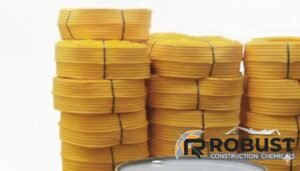
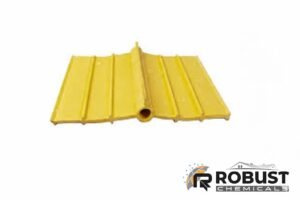
PVC Water Stopper is a flexible, extruded polyvinyl chloride profile used to prevent water passage through concrete joints.
It is embedded within concrete during construction and acts as a physical barrier against water flow.
PVC Water Stoppers are widely used in basements, foundations, retaining walls, water tanks, tunnels, and underground structures.
Role of PVC Water Stopper in Basement Waterproofing
Basements contain multiple construction joints, expansion joints, and cold joints where concrete pours meet.
These joints are the most vulnerable points for water leakage.
PVC Water Stoppers are installed at these joints to:
-
Block water movement
-
Withstand hydrostatic pressure
-
Maintain watertight integrity
-
Accommodate structural movement
They provide permanent protection throughout the life of the structure.
Types of PVC Water Stoppers Used in Basements
PVC Water Stoppers are available in different profiles depending on joint type and structural requirements.
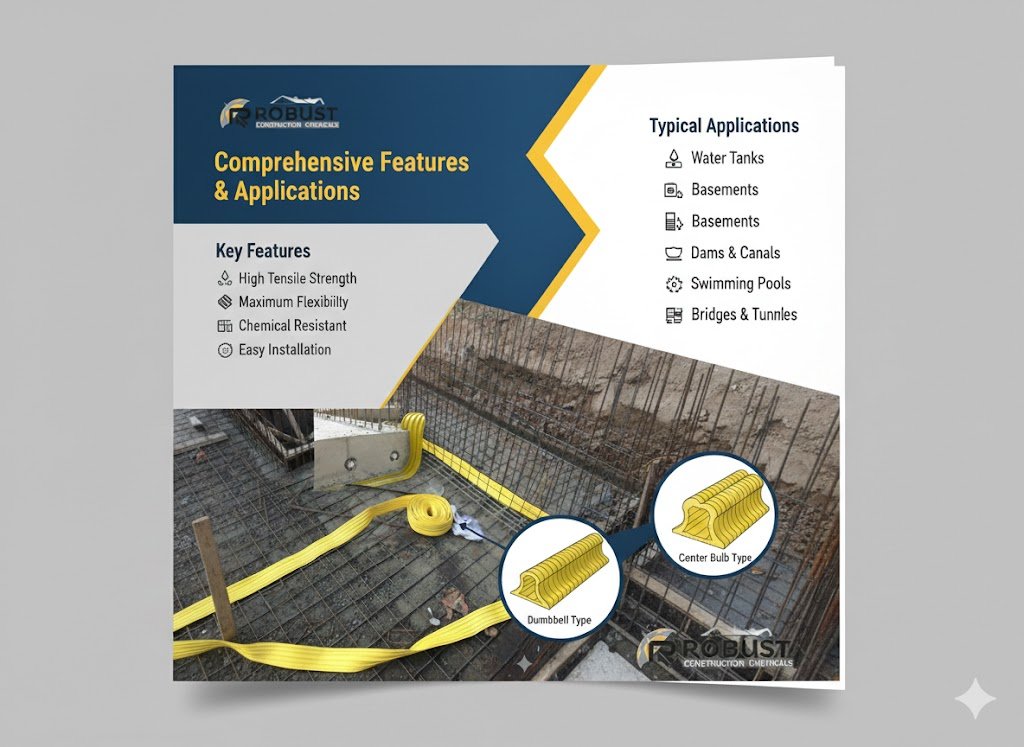
Center Bulb PVC Water Stopper
Center bulb PVC water stoppers are used in expansion joints where movement is expected.
Features
-
Central hollow bulb for movement absorption
-
High flexibility
-
Suitable for large joint movement
Applications
-
Basement expansion joints
-
Raft slabs
-
Retaining walls
Dumbbell Type PVC Water Stopper
Dumbbell type water stoppers are commonly used in construction joints.
Features
-
Solid profile with anchoring bulbs
-
Strong bonding with concrete
-
High resistance to water pressure
Applications
-
Basement construction joints
-
Vertical and horizontal joints
Ribbed PVC Water Stopper
Ribbed PVC water stoppers have surface ribs that enhance bonding with concrete.
Features
-
Improved anchorage
-
Reduced risk of displacement
-
Enhanced water tightness
End Bulb PVC Water Stopper
End bulb water stoppers are used in slab-to-wall joints and perimeter basement joints.
Features
-
Designed for edge placement
-
Effective against lateral water pressure
Key Properties of PVC Water Stopper
PVC Water Stoppers are preferred due to their superior physical and chemical properties.
Flexibility
Allows movement without cracking or failure.
Water Tightness
Provides an impermeable barrier against water.
Chemical Resistance
Resists chemicals commonly found in soil and groundwater.
Durability
Long service life with minimal degradation.
Easy Installation
Can be welded and joined easily on site.
Basement Areas Where PVC Water Stoppers Are Used
PVC Water Stoppers are installed at all critical joint locations in basements.
Raft Slab Construction Joints
Prevent water ingress through slab joints.
Basement Wall Joints
Seal vertical construction and expansion joints.
Slab-to-Wall Joints
Protect junctions between horizontal and vertical elements.
Lift Shafts and Pits
Ensure watertight integrity in deep basement areas.
Integration of PVC Water Stopper with Waterproofing Systems
PVC Water Stoppers work best when combined with other basement waterproofing chemicals.
Common Supporting Systems
-
Integral waterproofing admixtures
-
Crystalline waterproofing chemicals
-
External membrane systems
-
Injection grouting systems
This integrated approach ensures complete waterproofing protection.
Installation of PVC Water Stopper in Basements
Proper installation is critical for effective performance.
Pre-Installation Planning
-
Identify all joint locations
-
Select appropriate PVC water stopper profile
-
Plan fixing and alignment
Incorrect placement can compromise waterproofing performance.
Fixing and Positioning
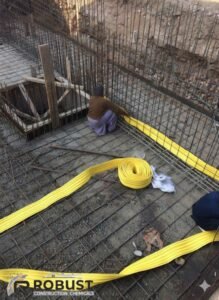
PVC Water Stoppers are fixed securely to reinforcement bars to prevent movement during concreting.
Key Guidelines
-
Center the water stopper accurately
-
Ensure half of the profile is embedded in first concrete pour
-
Avoid twisting or bending
Welding and Jointing of PVC Water Stoppers
PVC Water Stoppers are joined using heat welding.
Welding Best Practices
-
Ensure clean cut edges
-
Use proper heating equipment
-
Achieve uniform weld strength
Poor welding can lead to leakage points.
Concreting Around PVC Water Stopper
Concrete placement must be done carefully to avoid displacement.
Important Points
-
Proper vibration to eliminate voids
-
Avoid over-vibration near water stopper
-
Ensure full encapsulation
Concrete voids around the water stopper can cause leakage.
Advantages of PVC Water Stopper in Basement Waterproofing
Permanent Waterproofing Solution
Embedded within concrete, providing lifelong protection.
High Water Pressure Resistance
Withstands significant hydrostatic pressure.
Compatible with Concrete
Excellent bonding and integration with concrete structures.
Cost-Effective
Reduces future repair and maintenance costs.
Proven Performance
Widely used in large-scale infrastructure projects.
Comparison with Other Joint Waterproofing Methods
PVC Water Stopper vs Chemical Sealants
-
PVC water stoppers offer permanent protection
-
Sealants may degrade over time
PVC Water Stopper vs Injection Grouting
-
Water stoppers prevent leakage proactively
-
Grouting is a reactive repair method
PVC Water Stopper vs Bentonite Strips
-
Better chemical resistance
-
More durable under continuous water pressure
Common Basement Waterproofing Failures Without PVC Water Stopper
-
Leakage through construction joints
-
Seepage at slab-wall junctions
-
Damp basement walls
-
Corrosion of reinforcement
PVC Water Stoppers eliminate these common problems.
Quality Control and Inspection
Quality checks are essential during basement waterproofing.
Visual Inspection
Check alignment, fixing, and welding quality.
Concreting Supervision
Ensure no displacement during concrete pouring.
Water Testing
Confirm waterproofing effectiveness after construction.
Maintenance Requirements
PVC Water Stoppers require no maintenance once installed.
-
Embedded permanently in concrete
-
Resistant to aging and environmental effects
-
No periodic replacement needed
This makes them highly reliable for basement structures.
Cost Effectiveness of PVC Water Stopper System
While PVC Water Stoppers add to initial construction cost, they provide significant long-term savings.
Cost Benefits
-
Reduced repair expenses
-
Increased structural lifespan
-
Lower maintenance costs
They are a smart investment for any basement waterproofing project.
Environmental and Safety Considerations
Modern PVC Water Stoppers are manufactured with improved environmental standards.
-
Long service life reduces material wastage
-
Safe handling during installation
-
Minimal environmental impact
Proper disposal practices should be followed for leftover materials.
Basement Waterproofing in High Water Table Areas
Basements constructed in high water table zones face continuous hydrostatic pressure.
PVC Water Stoppers perform exceptionally well in such conditions by:
-
Blocking pressurized water flow
-
Maintaining joint integrity
-
Supporting other waterproofing systems
They are essential for deep basements and underground structures.
Choosing the Right PVC Water Stopper for Basement Projects
Selection depends on:
-
Joint type
-
Expected movement
-
Water pressure level
-
Structural design
Professional consultation ensures correct selection and installation.
Role of PVC Water Stopper in Modern Construction
With increasing demand for underground spaces such as parking, storage, and utility areas, basement waterproofing has become more critical than ever.
PVC Water Stoppers are now a standard component in modern basement construction due to their reliability, durability, and proven performance.
Future Trends in Basement Waterproofing Chemicals
-
Improved PVC formulations
-
Enhanced flexibility and durability
-
Integration with smart waterproofing systems
-
Greater focus on sustainability
PVC Water Stoppers will continue to play a key role in advanced basement waterproofing solutions.
Basement Waterproofing Chemicals | PVC Water Stopper for Long-Term Leak Protection
Introduction to Basement Waterproofing
Basement waterproofing is one of the most critical requirements in modern construction, especially for buildings exposed to groundwater, heavy rainfall, and high soil moisture levels.
Basements are constantly under hydrostatic pressure from surrounding soil and water, making them highly vulnerable to leakage, seepage, and dampness.
If basement waterproofing is not properly designed and executed, water ingress can lead to severe structural damage, corrosion of reinforcement steel, mold growth, unhealthy indoor environments, and costly repairs.
Among all basement waterproofing chemicals and systems, PVC Water Stoppers play a vital role in preventing water leakage through construction and expansion joints.
They form an integral part of durable and reliable basement waterproofing solutions.
What Is Basement Waterproofing?
Basement waterproofing is the process of protecting below-ground structures from water penetration using specialized materials, chemicals, and systems.
It involves controlling water movement, sealing joints, and creating barriers that prevent moisture ingress.
Objectives of Basement Waterproofing
-
Prevent groundwater seepage
-
Protect structural concrete and reinforcement
-
Maintain dry and usable basement spaces
-
Increase building lifespan
-
Reduce long-term maintenance costs
Basement waterproofing is essential for residential buildings, commercial complexes, parking basements, industrial facilities, and infrastructure projects.
Importance of Waterproofing Chemicals in Basements
Waterproofing chemicals are engineered products designed to enhance the water resistance of concrete and construction joints.
They work by blocking water pathways, reducing permeability, and sealing vulnerable areas.
Why Waterproofing Chemicals Are Essential
-
Concrete is porous and allows water penetration
-
Joints are the weakest points in basements
-
External waterproofing alone may not be sufficient
-
Chemicals provide internal and joint-level protection
PVC Water Stoppers are among the most effective waterproofing chemicals used specifically for joint sealing in basements.
Understanding PVC Water Stopper
PVC Water Stopper is a flexible, extruded polyvinyl chloride profile used to prevent water passage through concrete joints.
It is embedded within concrete during construction and acts as a physical barrier against water flow.
PVC Water Stoppers are widely used in basements, foundations, retaining walls, water tanks, tunnels, and underground structures.
Role of PVC Water Stopper in Basement Waterproofing
Basements contain multiple construction joints, expansion joints, and cold joints where concrete pours meet.
These joints are the most vulnerable points for water leakage.
PVC Water Stoppers are installed at these joints to:
-
Block water movement
-
Withstand hydrostatic pressure
-
Maintain watertight integrity
-
Accommodate structural movement
They provide permanent protection throughout the life of the structure.
Types of PVC Water Stoppers Used in Basements
PVC Water Stoppers are available in different profiles depending on joint type and structural requirements.
Center Bulb PVC Water Stopper
Center bulb PVC water stoppers are used in expansion joints where movement is expected.
Features
-
Central hollow bulb for movement absorption
-
High flexibility
-
Suitable for large joint movement
Applications
-
Basement expansion joints
-
Raft slabs
-
Retaining walls
Dumbbell Type PVC Water Stopper
Dumbbell type water stoppers are commonly used in construction joints.
Features
-
Solid profile with anchoring bulbs
-
Strong bonding with concrete
-
High resistance to water pressure
Applications
-
Basement construction joints
-
Vertical and horizontal joints
Ribbed PVC Water Stopper
Ribbed PVC water stoppers have surface ribs that enhance bonding with concrete.
Features
-
Improved anchorage
-
Reduced risk of displacement
-
Enhanced water tightness
End Bulb PVC Water Stopper
End bulb water stoppers are used in slab-to-wall joints and perimeter basement joints.
Features
-
Designed for edge placement
-
Effective against lateral water pressure
Key Properties of PVC Water Stopper
PVC Water Stoppers are preferred due to their superior physical and chemical properties.
Flexibility
Allows movement without cracking or failure.
Water Tightness
Provides an impermeable barrier against water.
Chemical Resistance
Resists chemicals commonly found in soil and groundwater.
Durability
Long service life with minimal degradation.
Easy Installation
Can be welded and joined easily on site.
Basement Areas Where PVC Water Stoppers Are Used
PVC Water Stoppers are installed at all critical joint locations in basements.
Raft Slab Construction Joints
Prevent water ingress through slab joints.
Basement Wall Joints
Seal vertical construction and expansion joints.
Slab-to-Wall Joints
Protect junctions between horizontal and vertical elements.
Lift Shafts and Pits
Ensure watertight integrity in deep basement areas.
Integration of PVC Water Stopper with Waterproofing Systems
PVC Water Stoppers work best when combined with other basement waterproofing chemicals.
Common Supporting Systems
-
Integral waterproofing admixtures
-
Crystalline waterproofing chemicals
-
External membrane systems
-
Injection grouting systems
This integrated approach ensures complete waterproofing protection.
Installation of PVC Water Stopper in Basements
Proper installation is critical for effective performance.
Pre-Installation Planning
-
Identify all joint locations
-
Select appropriate PVC water stopper profile
-
Plan fixing and alignment
Incorrect placement can compromise waterproofing performance.
Fixing and Positioning
PVC Water Stoppers are fixed securely to reinforcement bars to prevent movement during concreting.
Key Guidelines
-
Center the water stopper accurately
-
Ensure half of the profile is embedded in first concrete pour
-
Avoid twisting or bending
Welding and Jointing of PVC Water Stoppers
PVC Water Stoppers are joined using heat welding.
Welding Best Practices
-
Ensure clean cut edges
-
Use proper heating equipment
-
Achieve uniform weld strength
Poor welding can lead to leakage points.
Concreting Around PVC Water Stopper
Concrete placement must be done carefully to avoid displacement.
Important Points
-
Proper vibration to eliminate voids
-
Avoid over-vibration near water stopper
-
Ensure full encapsulation
Concrete voids around the water stopper can cause leakage.
Advantages of PVC Water Stopper in Basement Waterproofing
Permanent Waterproofing Solution
Embedded within concrete, providing lifelong protection.
High Water Pressure Resistance
Withstands significant hydrostatic pressure.
Compatible with Concrete
Excellent bonding and integration with concrete structures.
Cost-Effective
Reduces future repair and maintenance costs.
Proven Performance
Widely used in large-scale infrastructure projects.
Comparison with Other Joint Waterproofing Methods
PVC Water Stopper vs Chemical Sealants
-
PVC water stoppers offer permanent protection
-
Sealants may degrade over time
PVC Water Stopper vs Injection Grouting
-
Water stoppers prevent leakage proactively
-
Grouting is a reactive repair method
PVC Water Stopper vs Bentonite Strips
-
Better chemical resistance
-
More durable under continuous water pressure
Common Basement Waterproofing Failures Without PVC Water Stopper
-
Leakage through construction joints
-
Seepage at slab-wall junctions
-
Damp basement walls
-
Corrosion of reinforcement
PVC Water Stoppers eliminate these common problems.
Quality Control and Inspection
Quality checks are essential during basement waterproofing.
Visual Inspection
Check alignment, fixing, and welding quality.
Concreting Supervision
Ensure no displacement during concrete pouring.
Water Testing
Confirm waterproofing effectiveness after construction.
Maintenance Requirements
PVC Water Stoppers require no maintenance once installed.
-
Embedded permanently in concrete
-
Resistant to aging and environmental effects
-
No periodic replacement needed
This makes them highly reliable for basement structures.
Cost Effectiveness of PVC Water Stopper System
While PVC Water Stoppers add to initial construction cost, they provide significant long-term savings.
Cost Benefits
-
Reduced repair expenses
-
Increased structural lifespan
-
Lower maintenance costs
They are a smart investment for any basement waterproofing project.
Environmental and Safety Considerations
Modern PVC Water Stoppers are manufactured with improved environmental standards.
-
Long service life reduces material wastage
-
Safe handling during installation
-
Minimal environmental impact
Proper disposal practices should be followed for leftover materials.
Basement Waterproofing in High Water Table Areas
Basements constructed in high water table zones face continuous hydrostatic pressure.
PVC Water Stoppers perform exceptionally well in such conditions by:
-
Blocking pressurized water flow
-
Maintaining joint integrity
-
Supporting other waterproofing systems
They are essential for deep basements and underground structures.
Choosing the Right PVC Water Stopper for Basement Projects
Selection depends on:
-
Joint type
-
Expected movement
-
Water pressure level
-
Structural design
Professional consultation ensures correct selection and installation.
Role of PVC Water Stopper in Modern Construction
With increasing demand for underground spaces such as parking, storage, and utility areas, basement waterproofing has become more critical than ever.
PVC Water Stoppers are now a standard component in modern basement construction due to their reliability, durability, and proven performance.
Future Trends in Basement Waterproofing Chemicals
-
Improved PVC formulations
-
Enhanced flexibility and durability
-
Integration with smart waterproofing systems
-
Greater focus on sustainability
PVC Water Stoppers will continue to play a key role in advanced basement waterproofing solutions.