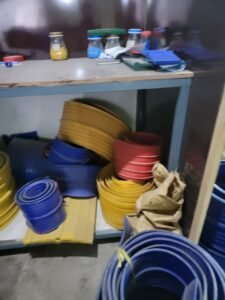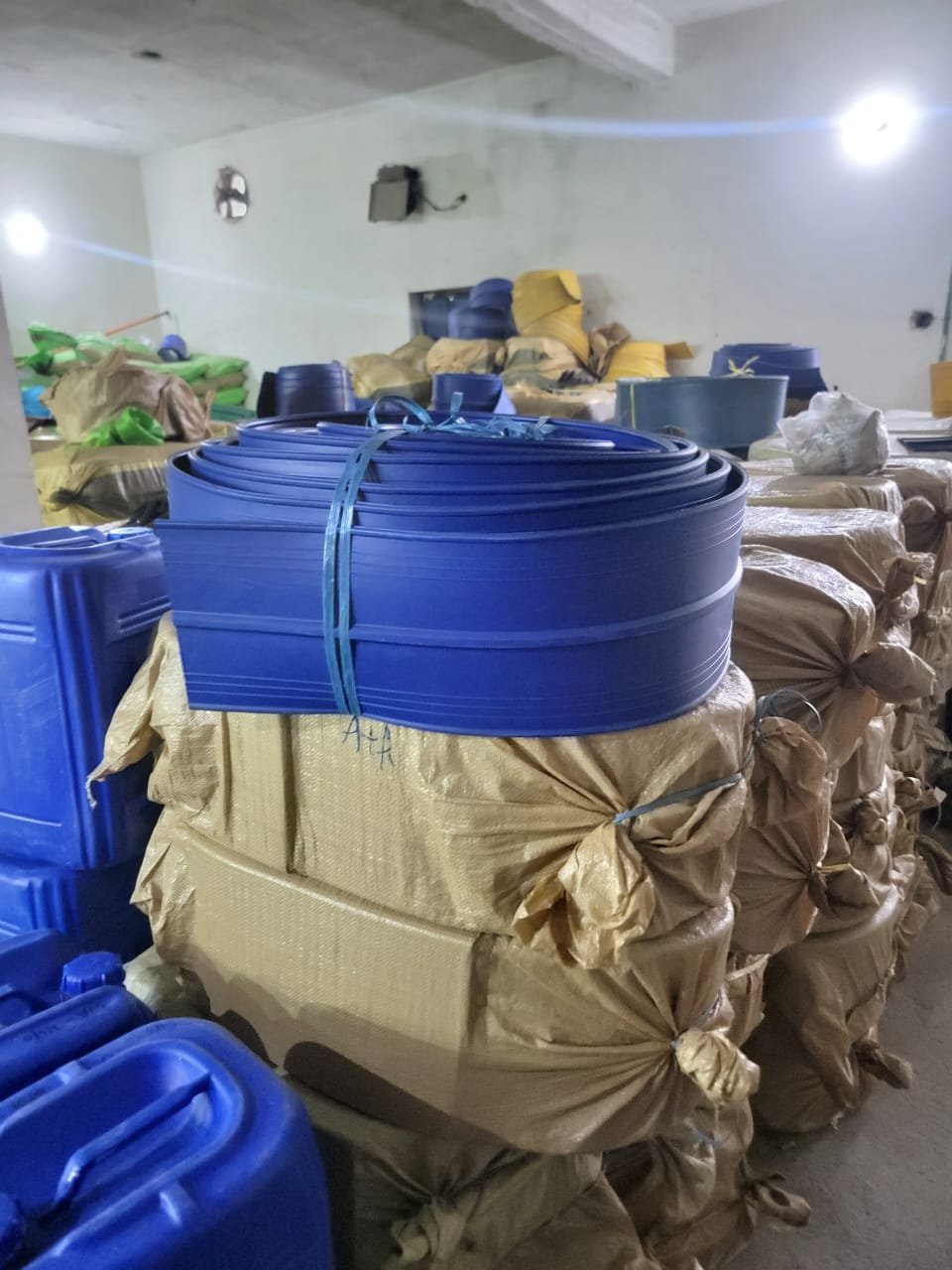
Advanced Waterproofing Technologies – Water Stopper | Next-Generation Protection for Modern Construction
Advanced waterproofing technologies are transforming the construction industry by offering stronger, longer-lasting, and more intelligent protection against water damage. In countries with demanding climatic conditions like Pakistan, waterproofing is no longer a basic construction step—it is a critical engineering requirement.
Among the modern solutions available today, Water Stopper has emerged as a trusted name by integrating advanced waterproofing technologies such as crystalline action, polymer modification, elastomeric membranes, and hybrid waterproofing systems. These technologies are designed to address the complex waterproofing challenges faced by residential, commercial, and industrial structures.
This in-depth guide explores advanced waterproofing technologies with Water Stopper, their working principles, applications, benefits, and why they represent the future of waterproofing in Pakistan.
The Evolution of Waterproofing Technologies
Traditional waterproofing relied heavily on basic cement mortar, bitumen layers, or surface paints. While these methods offered limited protection, they often failed under:
-
Heavy hydrostatic pressure
-
Structural movement
-
Long-term moisture exposure
-
Thermal expansion and contraction
Modern construction demands advanced waterproofing technologies that not only block water but also adapt to structural behavior, seal micro-cracks, and last for decades.
Water Stopper has responded to this demand by developing high-performance waterproofing systems that go beyond surface-level protection.
Why Advanced Waterproofing Is Essential Today
1. Climate Challenges
Heavy monsoon rains, rising groundwater levels, and humidity require waterproofing systems that can withstand continuous moisture exposure.
2. Modern Construction Complexity
High-rise buildings, basements, underground parking, water tanks, and industrial floors need specialized waterproofing solutions.
3. Rising Repair Costs
Water damage repair is expensive. Advanced waterproofing reduces long-term maintenance and repair costs.
4. Structural Safety
Water infiltration leads to corrosion of steel reinforcement, weakening concrete structures.
Advanced waterproofing technologies solve these problems at the root level.
What Makes Waterproofing “Advanced”?
Advanced waterproofing technologies differ from conventional systems in several ways:
-
Deep penetration into concrete
-
Chemical reaction with cement compounds
-
Flexibility to accommodate movement
-
Self-healing and crack-sealing ability
-
Long service life
-
Resistance to both positive and negative water pressure
Water Stopper incorporates these advanced features into its product systems.
Core Advanced Waterproofing Technologies Used by Water Stopper
1. Crystalline Waterproofing Technology
Crystalline waterproofing is one of the most powerful advanced technologies used by Water Stopper.
How It Works
When applied, the active chemicals react with moisture and cement particles inside concrete to form insoluble crystalline structures. These crystals grow deep within pores and capillaries, permanently blocking water pathways.
Key Advantages
-
Waterproofs concrete from inside
-
Self-seals micro-cracks
-
Works under high hydrostatic pressure
-
Long-lasting and permanent
Ideal Applications
-
Basements
-
Foundations
-
Water tanks
-
Underground structures
This technology makes concrete itself waterproof rather than relying on surface coatings.
2. Polymer-Modified Cementitious Waterproofing
Water Stopper integrates advanced polymer technology into cement-based waterproofing systems.
How It Works
Polymers enhance flexibility, adhesion, and crack-bridging ability of cementitious coatings.
Key Advantages
-
Improved elasticity
-
Strong bonding with concrete and masonry
-
Resistance to hairline cracks
-
Suitable for wet areas
Ideal Applications
-
Bathrooms and kitchens
-
Roof slabs
-
Balconies and terraces
Polymer-modified systems represent a major upgrade over rigid cement coatings.
3. Elastomeric Waterproofing Membrane Technology
Elastomeric technology allows waterproofing systems to stretch and recover without cracking.
How It Works
These membranes form a seamless, rubber-like layer that expands and contracts with roof movement.
Key Advantages
-
High flexibility
-
UV resistance
-
Crack-bridging capability
-
Waterproofing + protection combined
Ideal Applications
-
Roofs and terraces
-
External walls
-
Exposed concrete surfaces
Elastomeric waterproofing is essential for areas exposed to thermal stress.
4. Liquid-Applied Waterproofing Membranes
Liquid-applied membranes are advanced systems that cure into a seamless protective layer.
How It Works
Applied as liquid, the material flows into cracks and joints, creating a joint-free waterproof membrane.
Key Advantages
-
Seamless coverage
-
Easy application
-
Excellent adhesion
-
Uniform thickness
Ideal Applications
-
Roof waterproofing
-
Balconies
-
Wet areas
Liquid membranes eliminate weak joints found in sheet membranes.
5. Hybrid Waterproofing Technology
Hybrid systems combine crystalline, polymer, and membrane technologies into a single waterproofing solution.
Key Advantages
-
Multi-layer protection
-
Higher durability
-
Suitable for complex structures
Water Stopper hybrid systems are designed for high-risk waterproofing zones.
Advanced Waterproofing for Different Construction Areas
Advanced Roof Waterproofing
Roofs face extreme heat, rain, and UV exposure. Water Stopper uses advanced elastomeric and reflective technologies to provide:
-
Waterproofing
-
Heat resistance
-
Crack protection
Advanced Basement Waterproofing
Basements face constant groundwater pressure. Crystalline technology ensures:
-
Internal waterproofing
-
Resistance to negative water pressure
-
Long-term durability
Advanced Bathroom & Kitchen Waterproofing
Polymer-modified cementitious systems prevent leakage beneath tiles and slabs.
Advanced Water Tank Waterproofing
Non-toxic, cement-based crystalline systems ensure leak-free and hygienic water storage.
Advanced Foundation Waterproofing
Advanced systems protect foundations from moisture ingress, ensuring structural stability.
Benefits of Advanced Waterproofing Technologies by Water Stopper
✔ Permanent Waterproofing
Advanced systems integrate with concrete for long-term protection.
✔ Crack-Sealing Ability
Micro-cracks are automatically sealed through chemical action.
✔ Reduced Maintenance
Less need for repairs over the building’s lifespan.
✔ Cost Efficiency
Lower life-cycle cost compared to repeated repairs.
✔ Structural Protection
Prevents corrosion and deterioration.
Advanced Waterproofing vs Traditional Waterproofing
| Feature | Advanced Waterproofing | Traditional Waterproofing |
|---|---|---|
| Penetration | Deep | Surface-level |
| Crack Handling | Self-sealing | Fails |
| Durability | Long-term | Short-term |
| Maintenance | Low | High |
| Performance | High | Limited |
Advanced waterproofing clearly outperforms older systems.
Application Best Practices
-
Proper surface preparation
-
Correct product selection
-
Accurate mixing ratios
-
Skilled application
-
Proper curing
Advanced technology performs best when applied correctly.
Cost Consideration of Advanced Waterproofing
While initial cost may be slightly higher, advanced waterproofing:
-
Reduces repair expenses
-
Extends building life
-
Saves money long-term
It is an investment, not an expense.
Why Water Stopper Is a Leader in Advanced Waterproofing
Water Stopper focuses on:
-
Research-based formulations
-
Climate-specific solutions for Pakistan
-
Affordable advanced technology
-
Easy application for local contractors
This combination makes it a preferred choice in the construction industry.
Sustainability & Environmental Impact
Advanced waterproofing technologies:
-
Reduce material wastage
-
Improve building efficiency
-
Lower carbon footprint through durability
They support sustainable construction practices.
Future of Waterproofing in Pakistan
As construction standards rise, advanced waterproofing technologies will become mandatory rather than optional. Water Stopper continues to innovate to meet future demands.
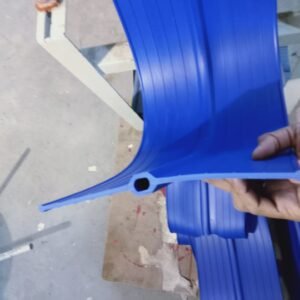
Advanced Waterproofing Technologies – Water Stopper | Next-Generation Protection for Modern Construction
Advanced waterproofing technologies are transforming the construction industry by offering stronger, longer-lasting, and more intelligent protection against water damage. In countries with demanding climatic conditions like Pakistan, waterproofing is no longer a basic construction step—it is a critical engineering requirement.
Among the modern solutions available today, Water Stopper has emerged as a trusted name by integrating advanced waterproofing technologies such as crystalline action, polymer modification, elastomeric membranes, and hybrid waterproofing systems. These technologies are designed to address the complex waterproofing challenges faced by residential, commercial, and industrial structures.
This in-depth guide explores advanced waterproofing technologies with Water Stopper, their working principles, applications, benefits, and why they represent the future of waterproofing in Pakistan.
The Evolution of Waterproofing Technologies
Traditional waterproofing relied heavily on basic cement mortar, bitumen layers, or surface paints. While these methods offered limited protection, they often failed under:
-
Heavy hydrostatic pressure
-
Structural movement
-
Long-term moisture exposure
-
Thermal expansion and contraction
Modern construction demands advanced waterproofing technologies that not only block water but also adapt to structural behavior, seal micro-cracks, and last for decades.
Water Stopper has responded to this demand by developing high-performance waterproofing systems that go beyond surface-level protection.
Why Advanced Waterproofing Is Essential Today
1. Climate Challenges
Heavy monsoon rains, rising groundwater levels, and humidity require waterproofing systems that can withstand continuous moisture exposure.
2. Modern Construction Complexity
High-rise buildings, basements, underground parking, water tanks, and industrial floors need specialized waterproofing solutions.
3. Rising Repair Costs
Water damage repair is expensive. Advanced waterproofing reduces long-term maintenance and repair costs.
4. Structural Safety
Water infiltration leads to corrosion of steel reinforcement, weakening concrete structures.
Advanced waterproofing technologies solve these problems at the root level.
What Makes Waterproofing “Advanced”?
Advanced waterproofing technologies differ from conventional systems in several ways:
-
Deep penetration into concrete
-
Chemical reaction with cement compounds
-
Flexibility to accommodate movement
-
Self-healing and crack-sealing ability
-
Long service life
-
Resistance to both positive and negative water pressure
Water Stopper incorporates these advanced features into its product systems.
Core Advanced Waterproofing Technologies Used by Water Stopper
1. Crystalline Waterproofing Technology
Crystalline waterproofing is one of the most powerful advanced technologies used by Water Stopper.
How It Works
When applied, the active chemicals react with moisture and cement particles inside concrete to form insoluble crystalline structures. These crystals grow deep within pores and capillaries, permanently blocking water pathways.
Key Advantages
-
Waterproofs concrete from inside
-
Self-seals micro-cracks
-
Works under high hydrostatic pressure
-
Long-lasting and permanent
Ideal Applications
-
Basements
-
Foundations
-
Water tanks
-
Underground structures
This technology makes concrete itself waterproof rather than relying on surface coatings.
2. Polymer-Modified Cementitious Waterproofing
Water Stopper integrates advanced polymer technology into cement-based waterproofing systems.
How It Works
Polymers enhance flexibility, adhesion, and crack-bridging ability of cementitious coatings.
Key Advantages
-
Improved elasticity
-
Strong bonding with concrete and masonry
-
Resistance to hairline cracks
-
Suitable for wet areas
Ideal Applications
-
Bathrooms and kitchens
-
Roof slabs
-
Balconies and terraces
Polymer-modified systems represent a major upgrade over rigid cement coatings.
3. Elastomeric Waterproofing Membrane Technology
Elastomeric technology allows waterproofing systems to stretch and recover without cracking.
How It Works
These membranes form a seamless, rubber-like layer that expands and contracts with roof movement.
Key Advantages
-
High flexibility
-
UV resistance
-
Crack-bridging capability
-
Waterproofing + protection combined
Ideal Applications
-
Roofs and terraces
-
External walls
-
Exposed concrete surfaces
Elastomeric waterproofing is essential for areas exposed to thermal stress.
4. Liquid-Applied Waterproofing Membranes
Liquid-applied membranes are advanced systems that cure into a seamless protective layer.
How It Works
Applied as liquid, the material flows into cracks and joints, creating a joint-free waterproof membrane.
Key Advantages
-
Seamless coverage
-
Easy application
-
Excellent adhesion
-
Uniform thickness
Ideal Applications
-
Roof waterproofing
-
Balconies
-
Wet areas
Liquid membranes eliminate weak joints found in sheet membranes.
5. Hybrid Waterproofing Technology
Hybrid systems combine crystalline, polymer, and membrane technologies into a single waterproofing solution.
Key Advantages
-
Multi-layer protection
-
Higher durability
-
Suitable for complex structures
Water Stopper hybrid systems are designed for high-risk waterproofing zones.
Advanced Waterproofing for Different Construction Areas
Advanced Roof Waterproofing
Roofs face extreme heat, rain, and UV exposure. Water Stopper uses advanced elastomeric and reflective technologies to provide:
-
Waterproofing
-
Heat resistance
-
Crack protection
Advanced Basement Waterproofing
Basements face constant groundwater pressure. Crystalline technology ensures:
-
Internal waterproofing
-
Resistance to negative water pressure
-
Long-term durability
Advanced Bathroom & Kitchen Waterproofing
Polymer-modified cementitious systems prevent leakage beneath tiles and slabs.
Advanced Water Tank Waterproofing
Non-toxic, cement-based crystalline systems ensure leak-free and hygienic water storage.
Advanced Foundation Waterproofing
Advanced systems protect foundations from moisture ingress, ensuring structural stability.
Benefits of Advanced Waterproofing Technologies by Water Stopper
✔ Permanent Waterproofing
Advanced systems integrate with concrete for long-term protection.
✔ Crack-Sealing Ability
Micro-cracks are automatically sealed through chemical action.
✔ Reduced Maintenance
Less need for repairs over the building’s lifespan.
✔ Cost Efficiency
Lower life-cycle cost compared to repeated repairs.
✔ Structural Protection
Prevents corrosion and deterioration.
Advanced Waterproofing vs Traditional Waterproofing
| Feature | Advanced Waterproofing | Traditional Waterproofing |
|---|---|---|
| Penetration | Deep | Surface-level |
| Crack Handling | Self-sealing | Fails |
| Durability | Long-term | Short-term |
| Maintenance | Low | High |
| Performance | High | Limited |
Advanced waterproofing clearly outperforms older systems.
Application Best Practices
-
Proper surface preparation
-
Correct product selection
-
Accurate mixing ratios
-
Skilled application
-
Proper curing
Advanced technology performs best when applied correctly.
Cost Consideration of Advanced Waterproofing
While initial cost may be slightly higher, advanced waterproofing:
-
Reduces repair expenses
-
Extends building life
-
Saves money long-term
It is an investment, not an expense.
Why Water Stopper Is a Leader in Advanced Waterproofing
Water Stopper focuses on:
-
Research-based formulations
-
Climate-specific solutions for Pakistan
-
Affordable advanced technology
-
Easy application for local contractors
This combination makes it a preferred choice in the construction industry.
Sustainability & Environmental Impact
Advanced waterproofing technologies:
-
Reduce material wastage
-
Improve building efficiency
-
Lower carbon footprint through durability
They support sustainable construction practices.
Future of Waterproofing in Pakistan
As construction standards rise, advanced waterproofing technologies will become mandatory rather than optional. Water Stopper continues to innovate to meet future demands.
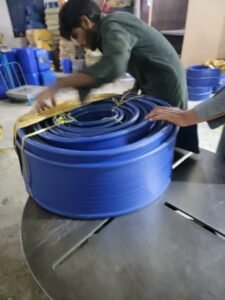
Advanced Waterproofing Technologies – Water Stopper | Next-Generation Protection for Modern Construction
Advanced waterproofing technologies are transforming the construction industry by offering stronger, longer-lasting, and more intelligent protection against water damage. In countries with demanding climatic conditions like Pakistan, waterproofing is no longer a basic construction step—it is a critical engineering requirement.
Among the modern solutions available today, Water Stopper has emerged as a trusted name by integrating advanced waterproofing technologies such as crystalline action, polymer modification, elastomeric membranes, and hybrid waterproofing systems. These technologies are designed to address the complex waterproofing challenges faced by residential, commercial, and industrial structures.
This in-depth guide explores advanced waterproofing technologies with Water Stopper, their working principles, applications, benefits, and why they represent the future of waterproofing in Pakistan.
The Evolution of Waterproofing Technologies
Traditional waterproofing relied heavily on basic cement mortar, bitumen layers, or surface paints. While these methods offered limited protection, they often failed under:
-
Heavy hydrostatic pressure
-
Structural movement
-
Long-term moisture exposure
-
Thermal expansion and contraction
Modern construction demands advanced waterproofing technologies that not only block water but also adapt to structural behavior, seal micro-cracks, and last for decades.
Water Stopper has responded to this demand by developing high-performance waterproofing systems that go beyond surface-level protection.
Why Advanced Waterproofing Is Essential Today
1. Climate Challenges
Heavy monsoon rains, rising groundwater levels, and humidity require waterproofing systems that can withstand continuous moisture exposure.
2. Modern Construction Complexity
High-rise buildings, basements, underground parking, water tanks, and industrial floors need specialized waterproofing solutions.
3. Rising Repair Costs
Water damage repair is expensive. Advanced waterproofing reduces long-term maintenance and repair costs.
4. Structural Safety
Water infiltration leads to corrosion of steel reinforcement, weakening concrete structures.
Advanced waterproofing technologies solve these problems at the root level.
What Makes Waterproofing “Advanced”?
Advanced waterproofing technologies differ from conventional systems in several ways:
-
Deep penetration into concrete
-
Chemical reaction with cement compounds
-
Flexibility to accommodate movement
-
Self-healing and crack-sealing ability
-
Long service life
-
Resistance to both positive and negative water pressure
Water Stopper incorporates these advanced features into its product systems.
Core Advanced Waterproofing Technologies Used by Water Stopper
1. Crystalline Waterproofing Technology
Crystalline waterproofing is one of the most powerful advanced technologies used by Water Stopper.
How It Works
When applied, the active chemicals react with moisture and cement particles inside concrete to form insoluble crystalline structures. These crystals grow deep within pores and capillaries, permanently blocking water pathways.
Key Advantages
-
Waterproofs concrete from inside
-
Self-seals micro-cracks
-
Works under high hydrostatic pressure
-
Long-lasting and permanent
Ideal Applications
-
Basements
-
Foundations
-
Water tanks
-
Underground structures
This technology makes concrete itself waterproof rather than relying on surface coatings.
2. Polymer-Modified Cementitious Waterproofing
Water Stopper integrates advanced polymer technology into cement-based waterproofing systems.
How It Works
Polymers enhance flexibility, adhesion, and crack-bridging ability of cementitious coatings.
Key Advantages
-
Improved elasticity
-
Strong bonding with concrete and masonry
-
Resistance to hairline cracks
-
Suitable for wet areas
Ideal Applications
-
Bathrooms and kitchens
-
Roof slabs
-
Balconies and terraces
Polymer-modified systems represent a major upgrade over rigid cement coatings.
3. Elastomeric Waterproofing Membrane Technology
Elastomeric technology allows waterproofing systems to stretch and recover without cracking.
How It Works
These membranes form a seamless, rubber-like layer that expands and contracts with roof movement.
Key Advantages
-
High flexibility
-
UV resistance
-
Crack-bridging capability
-
Waterproofing + protection combined
Ideal Applications
-
Roofs and terraces
-
External walls
-
Exposed concrete surfaces
Elastomeric waterproofing is essential for areas exposed to thermal stress.
4. Liquid-Applied Waterproofing Membranes
Liquid-applied membranes are advanced systems that cure into a seamless protective layer.
How It Works
Applied as liquid, the material flows into cracks and joints, creating a joint-free waterproof membrane.
Key Advantages
-
Seamless coverage
-
Easy application
-
Excellent adhesion
-
Uniform thickness
Ideal Applications
-
Roof waterproofing
-
Balconies
-
Wet areas
Liquid membranes eliminate weak joints found in sheet membranes.
5. Hybrid Waterproofing Technology
Hybrid systems combine crystalline, polymer, and membrane technologies into a single waterproofing solution.
Key Advantages
-
Multi-layer protection
-
Higher durability
-
Suitable for complex structures
Water Stopper hybrid systems are designed for high-risk waterproofing zones.
Advanced Waterproofing for Different Construction Areas
Advanced Roof Waterproofing
Roofs face extreme heat, rain, and UV exposure. Water Stopper uses advanced elastomeric and reflective technologies to provide:
-
Waterproofing
-
Heat resistance
-
Crack protection
Advanced Basement Waterproofing
Basements face constant groundwater pressure. Crystalline technology ensures:
-
Internal waterproofing
-
Resistance to negative water pressure
-
Long-term durability
Advanced Bathroom & Kitchen Waterproofing
Polymer-modified cementitious systems prevent leakage beneath tiles and slabs.
Advanced Water Tank Waterproofing
Non-toxic, cement-based crystalline systems ensure leak-free and hygienic water storage.
Advanced Foundation Waterproofing
Advanced systems protect foundations from moisture ingress, ensuring structural stability.
Benefits of Advanced Waterproofing Technologies by Water Stopper
✔ Permanent Waterproofing
Advanced systems integrate with concrete for long-term protection.
✔ Crack-Sealing Ability
Micro-cracks are automatically sealed through chemical action.
✔ Reduced Maintenance
Less need for repairs over the building’s lifespan.
✔ Cost Efficiency
Lower life-cycle cost compared to repeated repairs.
✔ Structural Protection
Prevents corrosion and deterioration.
Advanced Waterproofing vs Traditional Waterproofing
| Feature | Advanced Waterproofing | Traditional Waterproofing |
|---|---|---|
| Penetration | Deep | Surface-level |
| Crack Handling | Self-sealing | Fails |
| Durability | Long-term | Short-term |
| Maintenance | Low | High |
| Performance | High | Limited |
Advanced waterproofing clearly outperforms older systems.
Application Best Practices
-
Proper surface preparation
-
Correct product selection
-
Accurate mixing ratios
-
Skilled application
-
Proper curing
Advanced technology performs best when applied correctly.
Cost Consideration of Advanced Waterproofing
While initial cost may be slightly higher, advanced waterproofing:
-
Reduces repair expenses
-
Extends building life
-
Saves money long-term
It is an investment, not an expense.
Why Water Stopper Is a Leader in Advanced Waterproofing
Water Stopper focuses on:
-
Research-based formulations
-
Climate-specific solutions for Pakistan
-
Affordable advanced technology
-
Easy application for local contractors
This combination makes it a preferred choice in the construction industry.
Sustainability & Environmental Impact
Advanced waterproofing technologies:
-
Reduce material wastage
-
Improve building efficiency
-
Lower carbon footprint through durability
They support sustainable construction practices.
Future of Waterproofing in Pakistan
As construction standards rise, advanced waterproofing technologies will become mandatory rather than optional. Water Stopper continues to innovate to meet future demands.