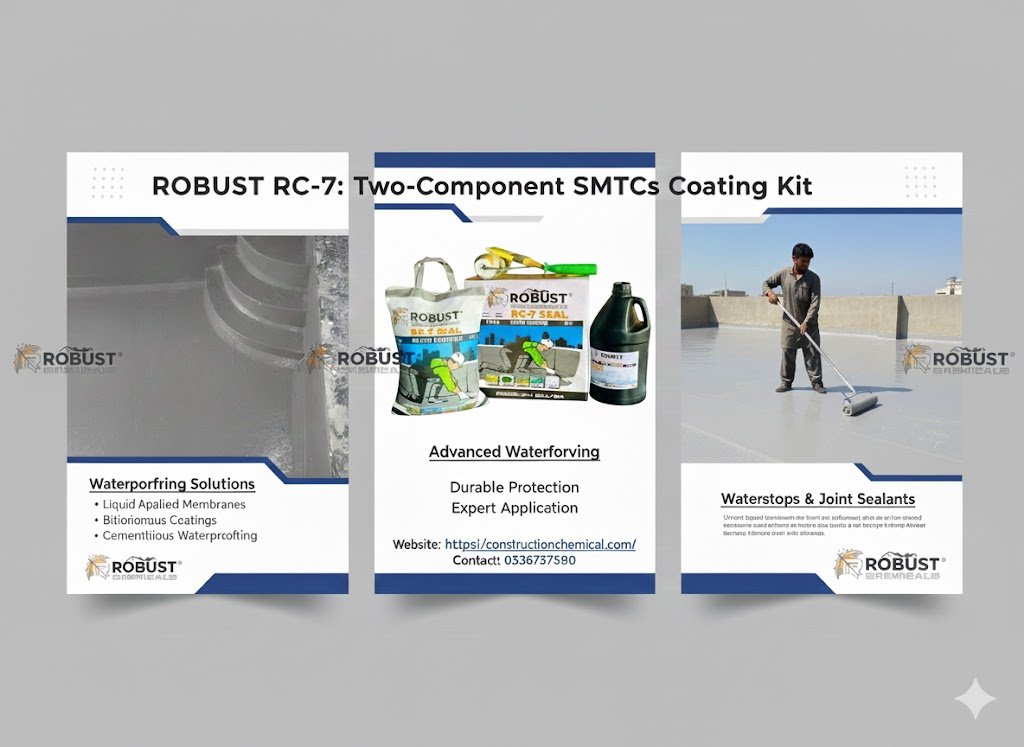
Best Waterproofing Systems 2026 – Modern Solutions for Residential & Commercial Buildings in Pakistan
In 2026, the demand for high-performance waterproofing systems is higher than ever, driven by extreme weather conditions, urban expansion, and modern construction standards. Buildings in Pakistan face challenges such as heavy monsoon rains, high humidity, rising groundwater levels, and harsh summer heat, which can cause leaks, structural damage, damp walls, and costly repairs if proper waterproofing is not implemented.
Choosing the best waterproofing system is now a critical part of construction planning for residential, commercial, and industrial projects. Modern systems are designed to last decades, resist environmental stress, and reduce long-term maintenance costs.
This comprehensive guide covers the best waterproofing systems in 2026, including types, materials, working mechanisms, applications, benefits, costs, and future trends.
Why Modern Waterproofing Systems Are Essential
Waterproofing is no longer optional; it is a structural necessity. In Pakistan, climate and environmental challenges have made advanced waterproofing systems vital:
-
Heavy Monsoon Rains: Roofs and basements are vulnerable to water ingress.
-
Extreme Heat & UV Exposure: Causes surface cracking and material deterioration.
-
Groundwater Pressure: Basement and foundation seepage is common.
-
Urban Construction Challenges: High-rise buildings need durable waterproofing to protect multi-story structures.
Without proper waterproofing, buildings can suffer:
-
Roof leakage and ponding
-
Wall dampness and mold growth
-
Foundation weakening
-
High repair and energy costs
Modern waterproofing systems address these problems with advanced technology and long-lasting solutions.
What Defines the Best Waterproofing System in 2026?
A high-quality waterproofing system must be:
-
Durable: Long-lasting performance under extreme weather conditions.
-
Flexible: Able to bridge cracks and accommodate building movement.
-
UV & Weather Resistant: Maintains integrity under sun, rain, and temperature changes.
-
Easy to Apply: Efficient installation reduces labor costs.
-
Environmentally Safe: Low VOC and suitable for potable water applications.
-
Multi-Functional: Offers protection against water, dampness, and heat where possible.
Leading brands in 2026 focus on hybrid technologies, combining polymer-modified, crystalline, bitumen, and liquid-applied systems to meet these requirements.
Top Types of Waterproofing Systems in 2026
1. Crystalline Waterproofing Systems
Crystalline waterproofing is considered one of the most advanced and reliable systems.
How It Works:
Crystalline chemicals penetrate concrete and react with moisture to form insoluble crystals, which block water pathways inside the structure.
Advantages:
-
Permanent waterproofing from inside
-
Self-sealing of micro-cracks
-
High hydrostatic pressure resistance
-
Long-term durability
Ideal Applications:
-
Basements
-
Foundations
-
Water tanks
-
Underground structures
2. Polymer-Modified Cementitious Systems
Polymer-enhanced cementitious coatings improve adhesion, flexibility, and crack resistance.
Advantages:
-
Excellent bonding with concrete and masonry
-
Crack-bridging capability
-
Durable under wet conditions
-
Easy to apply in thin layers
Applications:
-
Bathrooms and kitchens
-
Roofs and terraces
-
Balconies
3. Bitumen-Based Waterproofing Systems
Bitumen is a tried-and-tested waterproofing material for harsh climates.
Types:
-
Bituminous membranes (torch-on or self-adhesive)
-
Liquid bitumen coatings
-
Polymer-modified bitumen sheets
Advantages:
-
Superior water resistance
-
Flexibility under temperature fluctuations
-
UV and weather resistant
-
Ideal for both roofs and basements
Applications:
-
Roof slabs and terraces
-
Basements and foundations
-
Water tanks
4. Elastomeric Waterproofing Systems
Elastomeric membranes provide seamless, rubber-like protection that stretches and contracts with building movement.
Advantages:
-
Flexible and crack-bridging
-
UV resistant
-
Seamless application prevents weak joints
Applications:
-
Roofs and terraces
-
External walls
-
Industrial floors
5. Liquid-Applied Waterproofing Membranes
Liquid membranes are applied as a fluid and cure to form a seamless waterproof barrier.
Advantages:
-
Flows into cracks and joints
-
Uniform, joint-free coverage
-
Easy application on complex shapes
Applications:
-
Roof waterproofing
-
Balconies
-
Wet areas
6. Hybrid Waterproofing Systems
Hybrid systems combine multiple technologies, such as crystalline + polymer + membrane, to provide multi-layer protection.
Advantages:
-
Multi-functional protection
-
High durability
-
Suitable for complex structures and harsh conditions
Applications:
-
High-rise buildings
-
Industrial structures
-
Critical infrastructure
Applications of Best Waterproofing Systems in 2026
Residential Buildings
-
Roof slabs and terraces
-
Basements
-
Bathrooms and kitchens
Commercial Buildings
-
High-rise office buildings
-
Shopping malls
-
Parking structures
Industrial Facilities
-
Factories and warehouses
-
Chemical plants
-
Water storage tanks
Infrastructure Projects
-
Bridges and tunnels
-
Dams and water reservoirs
-
Underground metro and rail structures
Key Benefits of Using Modern Waterproofing Systems
-
Enhanced Durability: Extends building life and prevents structural failure.
-
Cost Savings: Reduces long-term repair and maintenance costs.
-
Energy Efficiency: Minimizes heat and moisture penetration, reducing cooling costs.
-
Indoor Comfort: Prevents dampness, mold, and unpleasant odors.
-
Structural Safety: Protects steel reinforcement from corrosion.
-
Environmental Sustainability: Advanced systems are often low-VOC and eco-friendly.
Best Practices for Applying Waterproofing Systems
-
Surface preparation is critical – clean, repair cracks, and ensure smooth surfaces.
-
Follow manufacturer instructions for mixing and curing.
-
Apply the recommended number of layers for full protection.
-
Use primers where required to improve adhesion.
-
Combine waterproofing with heatproofing for roof slabs in hot climates.
Maintenance and Inspection
Even the best waterproofing systems need periodic maintenance:
-
Inspect roofs, terraces, and membranes annually
-
Repair minor cracks immediately
-
Remove debris and standing water
-
Reapply protective coatings if necessary
Proper maintenance ensures decades of protection.
Cost Considerations for 2026 Waterproofing Systems
Costs vary depending on:
-
Type of system (crystalline, polymer, bitumen, elastomeric, hybrid)
-
Roof or surface area
-
Labor charges
-
Thickness and number of layers
While advanced systems may have higher upfront costs, they reduce life-cycle costs by preventing repairs and damage.
Emerging Trends in Waterproofing 2026
-
Smart Waterproofing Systems: Sensors detect leaks and structural moisture.
-
Eco-Friendly Products: Low-VOC, non-toxic solutions.
-
Hybrid Solutions: Multi-layer systems combining multiple technologies.
-
Integration with Heatproofing: Roof waterproofing with reflective and thermal protection.
Conclusion
The best waterproofing systems in 2026 combine durability, flexibility, and advanced technology to protect residential, commercial, and industrial buildings in harsh climates like Pakistan. From crystalline waterproofing for basements to polymer-modified, elastomeric, and hybrid systems for roofs and terraces, modern solutions provide long-term protection, reduce maintenance costs, and enhance structural safety.
For builders, homeowners, and contractors seeking reliable, long-lasting waterproofing in 2026, adopting advanced systems ensures buildings remain safe, dry, and structurally sound for decades.
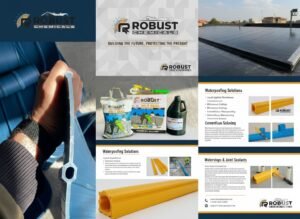
Best Waterproofing Systems 2026 – Modern Solutions for Residential & Commercial Buildings in Pakistan
In 2026, the demand for high-performance waterproofing systems is higher than ever, driven by extreme weather conditions, urban expansion, and modern construction standards. Buildings in Pakistan face challenges such as heavy monsoon rains, high humidity, rising groundwater levels, and harsh summer heat, which can cause leaks, structural damage, damp walls, and costly repairs if proper waterproofing is not implemented.
Choosing the best waterproofing system is now a critical part of construction planning for residential, commercial, and industrial projects. Modern systems are designed to last decades, resist environmental stress, and reduce long-term maintenance costs.
This comprehensive guide covers the best waterproofing systems in 2026, including types, materials, working mechanisms, applications, benefits, costs, and future trends.
Why Modern Waterproofing Systems Are Essential
Waterproofing is no longer optional; it is a structural necessity. In Pakistan, climate and environmental challenges have made advanced waterproofing systems vital:
-
Heavy Monsoon Rains: Roofs and basements are vulnerable to water ingress.
-
Extreme Heat & UV Exposure: Causes surface cracking and material deterioration.
-
Groundwater Pressure: Basement and foundation seepage is common.
-
Urban Construction Challenges: High-rise buildings need durable waterproofing to protect multi-story structures.
Without proper waterproofing, buildings can suffer:
-
Roof leakage and ponding
-
Wall dampness and mold growth
-
Foundation weakening
-
High repair and energy costs
Modern waterproofing systems address these problems with advanced technology and long-lasting solutions.
What Defines the Best Waterproofing System in 2026?
A high-quality waterproofing system must be:
-
Durable: Long-lasting performance under extreme weather conditions.
-
Flexible: Able to bridge cracks and accommodate building movement.
-
UV & Weather Resistant: Maintains integrity under sun, rain, and temperature changes.
-
Easy to Apply: Efficient installation reduces labor costs.
-
Environmentally Safe: Low VOC and suitable for potable water applications.
-
Multi-Functional: Offers protection against water, dampness, and heat where possible.
Leading brands in 2026 focus on hybrid technologies, combining polymer-modified, crystalline, bitumen, and liquid-applied systems to meet these requirements.
Top Types of Waterproofing Systems in 2026
1. Crystalline Waterproofing Systems
Crystalline waterproofing is considered one of the most advanced and reliable systems.
How It Works:
Crystalline chemicals penetrate concrete and react with moisture to form insoluble crystals, which block water pathways inside the structure.
Advantages:
-
Permanent waterproofing from inside
-
Self-sealing of micro-cracks
-
High hydrostatic pressure resistance
-
Long-term durability
Ideal Applications:
-
Basements
-
Foundations
-
Water tanks
-
Underground structures
2. Polymer-Modified Cementitious Systems
Polymer-enhanced cementitious coatings improve adhesion, flexibility, and crack resistance.
Advantages:
-
Excellent bonding with concrete and masonry
-
Crack-bridging capability
-
Durable under wet conditions
-
Easy to apply in thin layers
Applications:
-
Bathrooms and kitchens
-
Roofs and terraces
-
Balconies
3. Bitumen-Based Waterproofing Systems
Bitumen is a tried-and-tested waterproofing material for harsh climates.
Types:
-
Bituminous membranes (torch-on or self-adhesive)
-
Liquid bitumen coatings
-
Polymer-modified bitumen sheets
Advantages:
-
Superior water resistance
-
Flexibility under temperature fluctuations
-
UV and weather resistant
-
Ideal for both roofs and basements
Applications:
-
Roof slabs and terraces
-
Basements and foundations
-
Water tanks
4. Elastomeric Waterproofing Systems
Elastomeric membranes provide seamless, rubber-like protection that stretches and contracts with building movement.
Advantages:
-
Flexible and crack-bridging
-
UV resistant
-
Seamless application prevents weak joints
Applications:
-
Roofs and terraces
-
External walls
-
Industrial floors
5. Liquid-Applied Waterproofing Membranes
Liquid membranes are applied as a fluid and cure to form a seamless waterproof barrier.
Advantages:
-
Flows into cracks and joints
-
Uniform, joint-free coverage
-
Easy application on complex shapes
Applications:
-
Roof waterproofing
-
Balconies
-
Wet areas
6. Hybrid Waterproofing Systems
Hybrid systems combine multiple technologies, such as crystalline + polymer + membrane, to provide multi-layer protection.
Advantages:
-
Multi-functional protection
-
High durability
-
Suitable for complex structures and harsh conditions
Applications:
-
High-rise buildings
-
Industrial structures
-
Critical infrastructure
Applications of Best Waterproofing Systems in 2026
Residential Buildings
-
Roof slabs and terraces
-
Basements
-
Bathrooms and kitchens
Commercial Buildings
-
High-rise office buildings
-
Shopping malls
-
Parking structures
Industrial Facilities
-
Factories and warehouses
-
Chemical plants
-
Water storage tanks
Infrastructure Projects
-
Bridges and tunnels
-
Dams and water reservoirs
-
Underground metro and rail structures
Key Benefits of Using Modern Waterproofing Systems
-
Enhanced Durability: Extends building life and prevents structural failure.
-
Cost Savings: Reduces long-term repair and maintenance costs.
-
Energy Efficiency: Minimizes heat and moisture penetration, reducing cooling costs.
-
Indoor Comfort: Prevents dampness, mold, and unpleasant odors.
-
Structural Safety: Protects steel reinforcement from corrosion.
-
Environmental Sustainability: Advanced systems are often low-VOC and eco-friendly.
Best Practices for Applying Waterproofing Systems
-
Surface preparation is critical – clean, repair cracks, and ensure smooth surfaces.
-
Follow manufacturer instructions for mixing and curing.
-
Apply the recommended number of layers for full protection.
-
Use primers where required to improve adhesion.
-
Combine waterproofing with heatproofing for roof slabs in hot climates.
Maintenance and Inspection
Even the best waterproofing systems need periodic maintenance:
-
Inspect roofs, terraces, and membranes annually
-
Repair minor cracks immediately
-
Remove debris and standing water
-
Reapply protective coatings if necessary
Proper maintenance ensures decades of protection.
Cost Considerations for 2026 Waterproofing Systems
Costs vary depending on:
-
Type of system (crystalline, polymer, bitumen, elastomeric, hybrid)
-
Roof or surface area
-
Labor charges
-
Thickness and number of layers
While advanced systems may have higher upfront costs, they reduce life-cycle costs by preventing repairs and damage.
Emerging Trends in Waterproofing 2026
-
Smart Waterproofing Systems: Sensors detect leaks and structural moisture.
-
Eco-Friendly Products: Low-VOC, non-toxic solutions.
-
Hybrid Solutions: Multi-layer systems combining multiple technologies.
-
Integration with Heatproofing: Roof waterproofing with reflective and thermal protection.
Conclusion
The best waterproofing systems in 2026 combine durability, flexibility, and advanced technology to protect residential, commercial, and industrial buildings in harsh climates like Pakistan. From crystalline waterproofing for basements to polymer-modified, elastomeric, and hybrid systems for roofs and terraces, modern solutions provide long-term protection, reduce maintenance costs, and enhance structural safety.
For builders, homeowners, and contractors seeking reliable, long-lasting waterproofing in 2026, adopting advanced systems ensures buildings remain safe, dry, and structurally sound for decades.
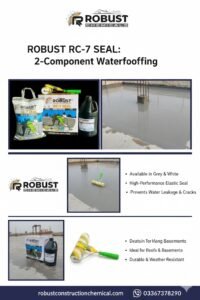
Best Waterproofing Systems 2026 – Modern Solutions for Residential & Commercial Buildings in Pakistan
In 2026, the demand for high-performance waterproofing systems is higher than ever, driven by extreme weather conditions, urban expansion, and modern construction standards. Buildings in Pakistan face challenges such as heavy monsoon rains, high humidity, rising groundwater levels, and harsh summer heat, which can cause leaks, structural damage, damp walls, and costly repairs if proper waterproofing is not implemented.
Choosing the best waterproofing system is now a critical part of construction planning for residential, commercial, and industrial projects. Modern systems are designed to last decades, resist environmental stress, and reduce long-term maintenance costs.
This comprehensive guide covers the best waterproofing systems in 2026, including types, materials, working mechanisms, applications, benefits, costs, and future trends.
Why Modern Waterproofing Systems Are Essential
Waterproofing is no longer optional; it is a structural necessity. In Pakistan, climate and environmental challenges have made advanced waterproofing systems vital:
-
Heavy Monsoon Rains: Roofs and basements are vulnerable to water ingress.
-
Extreme Heat & UV Exposure: Causes surface cracking and material deterioration.
-
Groundwater Pressure: Basement and foundation seepage is common.
-
Urban Construction Challenges: High-rise buildings need durable waterproofing to protect multi-story structures.
Without proper waterproofing, buildings can suffer:
-
Roof leakage and ponding
-
Wall dampness and mold growth
-
Foundation weakening
-
High repair and energy costs
Modern waterproofing systems address these problems with advanced technology and long-lasting solutions.
What Defines the Best Waterproofing System in 2026?
A high-quality waterproofing system must be:
-
Durable: Long-lasting performance under extreme weather conditions.
-
Flexible: Able to bridge cracks and accommodate building movement.
-
UV & Weather Resistant: Maintains integrity under sun, rain, and temperature changes.
-
Easy to Apply: Efficient installation reduces labor costs.
-
Environmentally Safe: Low VOC and suitable for potable water applications.
-
Multi-Functional: Offers protection against water, dampness, and heat where possible.
Leading brands in 2026 focus on hybrid technologies, combining polymer-modified, crystalline, bitumen, and liquid-applied systems to meet these requirements.
Top Types of Waterproofing Systems in 2026
1. Crystalline Waterproofing Systems
Crystalline waterproofing is considered one of the most advanced and reliable systems.
How It Works:
Crystalline chemicals penetrate concrete and react with moisture to form insoluble crystals, which block water pathways inside the structure.
Advantages:
-
Permanent waterproofing from inside
-
Self-sealing of micro-cracks
-
High hydrostatic pressure resistance
-
Long-term durability
Ideal Applications:
-
Basements
-
Foundations
-
Water tanks
-
Underground structures
2. Polymer-Modified Cementitious Systems
Polymer-enhanced cementitious coatings improve adhesion, flexibility, and crack resistance.
Advantages:
-
Excellent bonding with concrete and masonry
-
Crack-bridging capability
-
Durable under wet conditions
-
Easy to apply in thin layers
Applications:
-
Bathrooms and kitchens
-
Roofs and terraces
-
Balconies
3. Bitumen-Based Waterproofing Systems
Bitumen is a tried-and-tested waterproofing material for harsh climates.
Types:
-
Bituminous membranes (torch-on or self-adhesive)
-
Liquid bitumen coatings
-
Polymer-modified bitumen sheets
Advantages:
-
Superior water resistance
-
Flexibility under temperature fluctuations
-
UV and weather resistant
-
Ideal for both roofs and basements
Applications:
-
Roof slabs and terraces
-
Basements and foundations
-
Water tanks
4. Elastomeric Waterproofing Systems
Elastomeric membranes provide seamless, rubber-like protection that stretches and contracts with building movement.
Advantages:
-
Flexible and crack-bridging
-
UV resistant
-
Seamless application prevents weak joints
Applications:
-
Roofs and terraces
-
External walls
-
Industrial floors
5. Liquid-Applied Waterproofing Membranes
Liquid membranes are applied as a fluid and cure to form a seamless waterproof barrier.
Advantages:
-
Flows into cracks and joints
-
Uniform, joint-free coverage
-
Easy application on complex shapes
Applications:
-
Roof waterproofing
-
Balconies
-
Wet areas
6. Hybrid Waterproofing Systems
Hybrid systems combine multiple technologies, such as crystalline + polymer + membrane, to provide multi-layer protection.
Advantages:
-
Multi-functional protection
-
High durability
-
Suitable for complex structures and harsh conditions
Applications:
-
High-rise buildings
-
Industrial structures
-
Critical infrastructure
Applications of Best Waterproofing Systems in 2026
Residential Buildings
-
Roof slabs and terraces
-
Basements
-
Bathrooms and kitchens
Commercial Buildings
-
High-rise office buildings
-
Shopping malls
-
Parking structures
Industrial Facilities
-
Factories and warehouses
-
Chemical plants
-
Water storage tanks
Infrastructure Projects
-
Bridges and tunnels
-
Dams and water reservoirs
-
Underground metro and rail structures
Key Benefits of Using Modern Waterproofing Systems
-
Enhanced Durability: Extends building life and prevents structural failure.
-
Cost Savings: Reduces long-term repair and maintenance costs.
-
Energy Efficiency: Minimizes heat and moisture penetration, reducing cooling costs.
-
Indoor Comfort: Prevents dampness, mold, and unpleasant odors.
-
Structural Safety: Protects steel reinforcement from corrosion.
-
Environmental Sustainability: Advanced systems are often low-VOC and eco-friendly.
Best Practices for Applying Waterproofing Systems
-
Surface preparation is critical – clean, repair cracks, and ensure smooth surfaces.
-
Follow manufacturer instructions for mixing and curing.
-
Apply the recommended number of layers for full protection.
-
Use primers where required to improve adhesion.
-
Combine waterproofing with heatproofing for roof slabs in hot climates.
Maintenance and Inspection
Even the best waterproofing systems need periodic maintenance:
-
Inspect roofs, terraces, and membranes annually
-
Repair minor cracks immediately
-
Remove debris and standing water
-
Reapply protective coatings if necessary
Proper maintenance ensures decades of protection.
Cost Considerations for 2026 Waterproofing Systems
Costs vary depending on:
-
Type of system (crystalline, polymer, bitumen, elastomeric, hybrid)
-
Roof or surface area
-
Labor charges
-
Thickness and number of layers
While advanced systems may have higher upfront costs, they reduce life-cycle costs by preventing repairs and damage.
Emerging Trends in Waterproofing 2026
-
Smart Waterproofing Systems: Sensors detect leaks and structural moisture.
-
Eco-Friendly Products: Low-VOC, non-toxic solutions.
-
Hybrid Solutions: Multi-layer systems combining multiple technologies.
-
Integration with Heatproofing: Roof waterproofing with reflective and thermal protection.
Conclusion
The best waterproofing systems in 2026 combine durability, flexibility, and advanced technology to protect residential, commercial, and industrial buildings in harsh climates like Pakistan. From crystalline waterproofing for basements to polymer-modified, elastomeric, and hybrid systems for roofs and terraces, modern solutions provide long-term protection, reduce maintenance costs, and enhance structural safety.
For builders, homeowners, and contractors seeking reliable, long-lasting waterproofing in 2026, adopting advanced systems ensures buildings remain safe, dry, and structurally sound for decades.
bestbest best best best best