Waterproofing for Construction Industry: Complete Guide to Fiber Mesh 160 GSM
Introduction
Waterproofing plays a critical role in the construction industry, ensuring the durability, safety, and longevity of buildings and infrastructure. From residential houses and commercial complexes to industrial plants and large infrastructure projects, waterproofing systems protect structures from water ingress, seepage, cracking, and long-term deterioration. However, the effectiveness of any waterproofing system depends not only on coatings and membranes but also on reinforcement materials used within the system.
One of the most important reinforcement materials in modern waterproofing applications is Fiber Mesh 160 GSM. In the construction industry, fiber mesh is widely used to strengthen waterproofing layers, improve crack resistance, and enhance the overall performance of liquid membranes and cementitious coatings.
This comprehensive SEO guide explains everything about waterproofing for the construction industry using Fiber Mesh 160 GSM, including its role, properties, applications, benefits, installation methods, compatibility with waterproofing chemicals, and why it has become an essential component in professional waterproofing systems.
Importance of Waterproofing in the Construction Industry
Water is one of the most destructive forces acting on buildings. Without proper waterproofing, structures face serious issues such as:
-
Roof leakage and seepage
-
Basement dampness
-
Cracking due to moisture and thermal movement
-
Corrosion of steel reinforcement
-
Mold growth and unhealthy indoor environments
-
Reduced structural lifespan
-
Increased maintenance and repair costs
In the construction industry, waterproofing is no longer limited to surface protection—it is an integrated system involving chemicals, membranes, sealants, and reinforcement materials. Fiber mesh plays a key role in ensuring these systems perform effectively over time.
What Is Fiber Mesh 160 GSM?
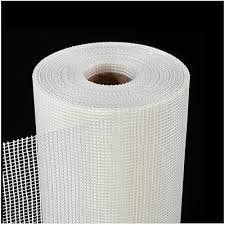
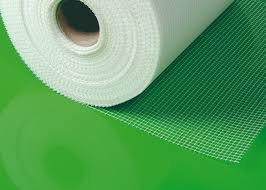
Fiber Mesh 160 GSM is a lightweight yet high-strength reinforcement fabric made from alkali-resistant glass fiber or synthetic fibers. The term 160 GSM refers to the weight of the mesh per square meter, indicating an ideal balance between strength, flexibility, and ease of application.
Fiber mesh is embedded into waterproofing layers to:
-
Reinforce coatings and membranes
-
Control cracking
-
Distribute stress evenly
-
Improve tensile strength
In waterproofing applications, Fiber Mesh 160 GSM acts as a structural support layer within liquid or cementitious waterproofing systems.
Role of Fiber Mesh in Waterproofing Systems
Waterproofing coatings and membranes are often flexible, but they can still crack due to:
-
Thermal expansion and contraction
-
Structural movement
-
Shrinkage of cement-based materials
-
Surface irregularities
Fiber Mesh 160 GSM helps overcome these challenges by:
-
Bridging hairline cracks
-
Absorbing tensile stress
-
Preventing propagation of cracks
-
Increasing durability of waterproofing layers
In the construction industry, fiber mesh is widely considered essential reinforcement for professional waterproofing applications.
Why 160 GSM Fiber Mesh Is Ideal for Construction Waterproofing
Fiber mesh is available in different weights, but 160 GSM is the most commonly specified grade for waterproofing due to its balanced performance.
Key Advantages of 160 GSM Mesh
-
Strong enough to reinforce membranes
-
Flexible for corners and joints
-
Easy to embed in coatings
-
Does not add excessive thickness
-
Cost-effective for large areas
This makes Fiber Mesh 160 GSM suitable for both new construction and repair projects.
Types of Fiber Mesh Used in Waterproofing
1. Glass Fiber Mesh (Alkali Resistant)
Most commonly used in cementitious waterproofing systems.
Key Features
-
Resistant to alkalis in cement
-
High tensile strength
-
Excellent durability
2. Synthetic Fiber Mesh
Used in polyurethane, acrylic, and elastomeric waterproofing systems.
Key Features
-
Flexible and lightweight
-
Compatible with liquid membranes
-
Excellent crack-bridging support
Fiber Mesh 160 GSM is available in both glass fiber and synthetic versions, depending on system requirements.
Applications of Fiber Mesh 160 GSM in the Construction Industry
Roof Waterproofing
Fiber mesh is extensively used on:
-
Concrete roof slabs
-
Flat roofs
-
Terraces
It is embedded into liquid waterproofing membranes to improve crack resistance and durability.
Basement Waterproofing
Basements face continuous moisture pressure. Fiber mesh reinforces:
-
Cementitious waterproof coatings
-
Slurry-based waterproofing systems
This ensures long-term resistance to seepage and cracking.
Bathroom and Wet Area Waterproofing
In wet areas such as:
-
Bathrooms
-
Kitchens
-
Washrooms
Fiber mesh strengthens waterproofing layers at:
-
Corners
-
Pipe penetrations
-
Floor-wall junctions
Water Tank Waterproofing
Fiber mesh is used in:
-
Underground water tanks
-
Overhead water tanks
It improves tensile strength and prevents cracks under water pressure.
Foundation and Plinth Protection
Fiber mesh enhances waterproofing systems applied to:
-
Foundations
-
Plinth beams
-
Retaining walls
This prevents rising damp and lateral water penetration.
Repair and Rehabilitation Projects
In old or cracked structures, Fiber Mesh 160 GSM is critical for:
-
Crack repair
-
Strengthening old waterproof layers
-
Extending service life
Compatibility of Fiber Mesh with Waterproofing Chemicals
Fiber Mesh 160 GSM is compatible with most modern waterproofing materials:
Cementitious Waterproofing
-
Reinforces slurry coatings
-
Prevents shrinkage cracks
Acrylic Waterproof Coatings
-
Improves crack-bridging performance
-
Enhances durability
PU Liquid Membranes
-
Strengthens flexible membranes
-
Ideal for movement joints and corners
Elastomeric Waterproofing Systems
-
Improves elasticity retention
-
Controls stress distribution
This compatibility makes fiber mesh a universal reinforcement solution.
Benefits of Using Fiber Mesh 160 GSM in Waterproofing
1. Crack Control
Prevents formation and expansion of cracks.
2. Improved Tensile Strength
Strengthens waterproofing layers under stress.
3. Enhanced Durability
Extends service life of waterproofing systems.
4. Better Load Distribution
Spreads stress evenly across surfaces.
5. Professional-Grade Performance
Meets modern construction standards.
6. Cost Efficiency
Reduces repair and maintenance costs over time.
Installation Method of Fiber Mesh in Waterproofing Systems
Correct installation is critical to performance.
Step 1: Surface Preparation
-
Clean surface from dust, oil, and loose material
-
Repair major cracks
Step 2: First Coat of Waterproofing
-
Apply base coat of waterproofing material
Step 3: Embedding Fiber Mesh
-
Lay Fiber Mesh 160 GSM onto wet coating
-
Press gently to ensure full embedment
-
Avoid wrinkles or air pockets
Step 4: Second Coat Application
-
Apply another coat over the mesh
-
Ensure complete coverage
Step 5: Curing
-
Allow system to cure as per specifications
This creates a reinforced waterproofing membrane with superior performance.
Areas Where Fiber Mesh Is Most Critical
-
Expansion joints
-
Corners and edges
-
Floor-wall junctions
-
Pipe penetrations
-
Drain outlets
-
Hairline crack zones
Reinforcing these weak points significantly reduces failure risks.
Waterproofing for Construction Industry: Complete Guide to Fiber Mesh 160 GSM
Introduction
Waterproofing plays a critical role in the construction industry, ensuring the durability, safety, and longevity of buildings and infrastructure. From residential houses and commercial complexes to industrial plants and large infrastructure projects, waterproofing systems protect structures from water ingress, seepage, cracking, and long-term deterioration. However, the effectiveness of any waterproofing system depends not only on coatings and membranes but also on reinforcement materials used within the system.
One of the most important reinforcement materials in modern waterproofing applications is Fiber Mesh 160 GSM. In the construction industry, fiber mesh is widely used to strengthen waterproofing layers, improve crack resistance, and enhance the overall performance of liquid membranes and cementitious coatings.
This comprehensive SEO guide explains everything about waterproofing for the construction industry using Fiber Mesh 160 GSM, including its role, properties, applications, benefits, installation methods, compatibility with waterproofing chemicals, and why it has become an essential component in professional waterproofing systems.
Importance of Waterproofing in the Construction Industry
Water is one of the most destructive forces acting on buildings. Without proper waterproofing, structures face serious issues such as:
-
Roof leakage and seepage
-
Basement dampness
-
Cracking due to moisture and thermal movement
-
Corrosion of steel reinforcement
-
Mold growth and unhealthy indoor environments
-
Reduced structural lifespan
-
Increased maintenance and repair costs
In the construction industry, waterproofing is no longer limited to surface protection—it is an integrated system involving chemicals, membranes, sealants, and reinforcement materials. Fiber mesh plays a key role in ensuring these systems perform effectively over time.
What Is Fiber Mesh 160 GSM?
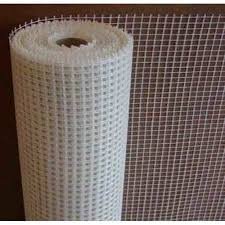
Fiber Mesh 160 GSM is a lightweight yet high-strength reinforcement fabric made from alkali-resistant glass fiber or synthetic fibers. The term 160 GSM refers to the weight of the mesh per square meter, indicating an ideal balance between strength, flexibility, and ease of application.
Fiber mesh is embedded into waterproofing layers to:
-
Reinforce coatings and membranes
-
Control cracking
-
Distribute stress evenly
-
Improve tensile strength
In waterproofing applications, Fiber Mesh 160 GSM acts as a structural support layer within liquid or cementitious waterproofing systems.
Role of Fiber Mesh in Waterproofing Systems
Waterproofing coatings and membranes are often flexible, but they can still crack due to:
-
Thermal expansion and contraction
-
Structural movement
-
Shrinkage of cement-based materials
-
Surface irregularities
Fiber Mesh 160 GSM helps overcome these challenges by:
-
Bridging hairline cracks
-
Absorbing tensile stress
-
Preventing propagation of cracks
-
Increasing durability of waterproofing layers
In the construction industry, fiber mesh is widely considered essential reinforcement for professional waterproofing applications.
Why 160 GSM Fiber Mesh Is Ideal for Construction Waterproofing
Fiber mesh is available in different weights, but 160 GSM is the most commonly specified grade for waterproofing due to its balanced performance.
Key Advantages of 160 GSM Mesh
-
Strong enough to reinforce membranes
-
Flexible for corners and joints
-
Easy to embed in coatings
-
Does not add excessive thickness
-
Cost-effective for large areas
This makes Fiber Mesh 160 GSM suitable for both new construction and repair projects.
Types of Fiber Mesh Used in Waterproofing
1. Glass Fiber Mesh (Alkali Resistant)
Most commonly used in cementitious waterproofing systems.
Key Features
-
Resistant to alkalis in cement
-
High tensile strength
-
Excellent durability
2. Synthetic Fiber Mesh
Used in polyurethane, acrylic, and elastomeric waterproofing systems.
Key Features
-
Flexible and lightweight
-
Compatible with liquid membranes
-
Excellent crack-bridging support
Fiber Mesh 160 GSM is available in both glass fiber and synthetic versions, depending on system requirements.
Applications of Fiber Mesh 160 GSM in the Construction Industry
Roof Waterproofing
Fiber mesh is extensively used on:
-
Concrete roof slabs
-
Flat roofs
-
Terraces
It is embedded into liquid waterproofing membranes to improve crack resistance and durability.
Basement Waterproofing
Basements face continuous moisture pressure. Fiber mesh reinforces:
-
Cementitious waterproof coatings
-
Slurry-based waterproofing systems
This ensures long-term resistance to seepage and cracking.
Bathroom and Wet Area Waterproofing
In wet areas such as:
-
Bathrooms
-
Kitchens
-
Washrooms
Fiber mesh strengthens waterproofing layers at:
-
Corners
-
Pipe penetrations
-
Floor-wall junctions
Water Tank Waterproofing
Fiber mesh is used in:
-
Underground water tanks
-
Overhead water tanks
It improves tensile strength and prevents cracks under water pressure.
Foundation and Plinth Protection
Fiber mesh enhances waterproofing systems applied to:
-
Foundations
-
Plinth beams
-
Retaining walls
This prevents rising damp and lateral water penetration.
Repair and Rehabilitation Projects
In old or cracked structures, Fiber Mesh 160 GSM is critical for:
-
Crack repair
-
Strengthening old waterproof layers
-
Extending service life
Compatibility of Fiber Mesh with Waterproofing Chemicals
Fiber Mesh 160 GSM is compatible with most modern waterproofing materials:
Cementitious Waterproofing
-
Reinforces slurry coatings
-
Prevents shrinkage cracks
Acrylic Waterproof Coatings
-
Improves crack-bridging performance
-
Enhances durability
PU Liquid Membranes
-
Strengthens flexible membranes
-
Ideal for movement joints and corners
Elastomeric Waterproofing Systems
-
Improves elasticity retention
-
Controls stress distribution
This compatibility makes fiber mesh a universal reinforcement solution.
Benefits of Using Fiber Mesh 160 GSM in Waterproofing
1. Crack Control
Prevents formation and expansion of cracks.
2. Improved Tensile Strength
Strengthens waterproofing layers under stress.
3. Enhanced Durability
Extends service life of waterproofing systems.
4. Better Load Distribution
Spreads stress evenly across surfaces.
5. Professional-Grade Performance
Meets modern construction standards.
6. Cost Efficiency
Reduces repair and maintenance costs over time.
Installation Method of Fiber Mesh in Waterproofing Systems
Correct installation is critical to performance.
Step 1: Surface Preparation
-
Clean surface from dust, oil, and loose material
-
Repair major cracks
Step 2: First Coat of Waterproofing
-
Apply base coat of waterproofing material
Step 3: Embedding Fiber Mesh
-
Lay Fiber Mesh 160 GSM onto wet coating
-
Press gently to ensure full embedment
-
Avoid wrinkles or air pockets
Step 4: Second Coat Application
-
Apply another coat over the mesh
-
Ensure complete coverage
Step 5: Curing
-
Allow system to cure as per specifications
This creates a reinforced waterproofing membrane with superior performance.
Areas Where Fiber Mesh Is Most Critical
-
Expansion joints
-
Corners and edges
-
Floor-wall junctions
-
Pipe penetrations
-
Drain outlets
-
Hairline crack zones
Reinforcing these weak points significantly reduces failure risks.
Waterproofing for Construction Industry: Complete Guide to Fiber Mesh 160 GSM
Introduction
Waterproofing plays a critical role in the construction industry, ensuring the durability, safety, and longevity of buildings and infrastructure. From residential houses and commercial complexes to industrial plants and large infrastructure projects, waterproofing systems protect structures from water ingress, seepage, cracking, and long-term deterioration. However, the effectiveness of any waterproofing system depends not only on coatings and membranes but also on reinforcement materials used within the system.
One of the most important reinforcement materials in modern waterproofing applications is Fiber Mesh 160 GSM. In the construction industry, fiber mesh is widely used to strengthen waterproofing layers, improve crack resistance, and enhance the overall performance of liquid membranes and cementitious coatings.
This comprehensive SEO guide explains everything about waterproofing for the construction industry using Fiber Mesh 160 GSM, including its role, properties, applications, benefits, installation methods, compatibility with waterproofing chemicals, and why it has become an essential component in professional waterproofing systems.
Importance of Waterproofing in the Construction Industry
Water is one of the most destructive forces acting on buildings. Without proper waterproofing, structures face serious issues such as:
-
Roof leakage and seepage
-
Basement dampness
-
Cracking due to moisture and thermal movement
-
Corrosion of steel reinforcement
-
Mold growth and unhealthy indoor environments
-
Reduced structural lifespan
-
Increased maintenance and repair costs
In the construction industry, waterproofing is no longer limited to surface protection—it is an integrated system involving chemicals, membranes, sealants, and reinforcement materials. Fiber mesh plays a key role in ensuring these systems perform effectively over time.
What Is Fiber Mesh 160 GSM?
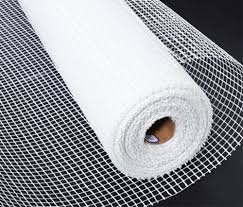
Fiber Mesh 160 GSM is a lightweight yet high-strength reinforcement fabric made from alkali-resistant glass fiber or synthetic fibers. The term 160 GSM refers to the weight of the mesh per square meter, indicating an ideal balance between strength, flexibility, and ease of application.
Fiber mesh is embedded into waterproofing layers to:
-
Reinforce coatings and membranes
-
Control cracking
-
Distribute stress evenly
-
Improve tensile strength
In waterproofing applications, Fiber Mesh 160 GSM acts as a structural support layer within liquid or cementitious waterproofing systems.
Role of Fiber Mesh in Waterproofing Systems
Waterproofing coatings and membranes are often flexible, but they can still crack due to:
-
Thermal expansion and contraction
-
Structural movement
-
Shrinkage of cement-based materials
-
Surface irregularities
Fiber Mesh 160 GSM helps overcome these challenges by:
-
Bridging hairline cracks
-
Absorbing tensile stress
-
Preventing propagation of cracks
-
Increasing durability of waterproofing layers
In the construction industry, fiber mesh is widely considered essential reinforcement for professional waterproofing applications.
Why 160 GSM Fiber Mesh Is Ideal for Construction Waterproofing
Fiber mesh is available in different weights, but 160 GSM is the most commonly specified grade for waterproofing due to its balanced performance.
Key Advantages of 160 GSM Mesh
-
Strong enough to reinforce membranes
-
Flexible for corners and joints
-
Easy to embed in coatings
-
Does not add excessive thickness
-
Cost-effective for large areas
This makes Fiber Mesh 160 GSM suitable for both new construction and repair projects.
Types of Fiber Mesh Used in Waterproofing
1. Glass Fiber Mesh (Alkali Resistant)
Most commonly used in cementitious waterproofing systems.
Key Features
-
Resistant to alkalis in cement
-
High tensile strength
-
Excellent durability
2. Synthetic Fiber Mesh
Used in polyurethane, acrylic, and elastomeric waterproofing systems.
Key Features
-
Flexible and lightweight
-
Compatible with liquid membranes
-
Excellent crack-bridging support
Fiber Mesh 160 GSM is available in both glass fiber and synthetic versions, depending on system requirements.
Applications of Fiber Mesh 160 GSM in the Construction Industry
Roof Waterproofing
Fiber mesh is extensively used on:
-
Concrete roof slabs
-
Flat roofs
-
Terraces
It is embedded into liquid waterproofing membranes to improve crack resistance and durability.
Basement Waterproofing
Basements face continuous moisture pressure. Fiber mesh reinforces:
-
Cementitious waterproof coatings
-
Slurry-based waterproofing systems
This ensures long-term resistance to seepage and cracking.
Bathroom and Wet Area Waterproofing
In wet areas such as:
-
Bathrooms
-
Kitchens
-
Washrooms
Fiber mesh strengthens waterproofing layers at:
-
Corners
-
Pipe penetrations
-
Floor-wall junctions
Water Tank Waterproofing
Fiber mesh is used in:
-
Underground water tanks
-
Overhead water tanks
It improves tensile strength and prevents cracks under water pressure.
Foundation and Plinth Protection
Fiber mesh enhances waterproofing systems applied to:
-
Foundations
-
Plinth beams
-
Retaining walls
This prevents rising damp and lateral water penetration.
Repair and Rehabilitation Projects
In old or cracked structures, Fiber Mesh 160 GSM is critical for:
-
Crack repair
-
Strengthening old waterproof layers
-
Extending service life
Compatibility of Fiber Mesh with Waterproofing Chemicals
Fiber Mesh 160 GSM is compatible with most modern waterproofing materials:
Cementitious Waterproofing
-
Reinforces slurry coatings
-
Prevents shrinkage cracks
Acrylic Waterproof Coatings
-
Improves crack-bridging performance
-
Enhances durability
PU Liquid Membranes
-
Strengthens flexible membranes
-
Ideal for movement joints and corners
Elastomeric Waterproofing Systems
-
Improves elasticity retention
-
Controls stress distribution
This compatibility makes fiber mesh a universal reinforcement solution.
Benefits of Using Fiber Mesh 160 GSM in Waterproofing
1. Crack Control
Prevents formation and expansion of cracks.
2. Improved Tensile Strength
Strengthens waterproofing layers under stress.
3. Enhanced Durability
Extends service life of waterproofing systems.
4. Better Load Distribution
Spreads stress evenly across surfaces.
5. Professional-Grade Performance
Meets modern construction standards.
6. Cost Efficiency
Reduces repair and maintenance costs over time.
Installation Method of Fiber Mesh in Waterproofing Systems
Correct installation is critical to performance.
Step 1: Surface Preparation
-
Clean surface from dust, oil, and loose material
-
Repair major cracks
Step 2: First Coat of Waterproofing
-
Apply base coat of waterproofing material
Step 3: Embedding Fiber Mesh
-
Lay Fiber Mesh 160 GSM onto wet coating
-
Press gently to ensure full embedment
-
Avoid wrinkles or air pockets
Step 4: Second Coat Application
-
Apply another coat over the mesh
-
Ensure complete coverage
Step 5: Curing
-
Allow system to cure as per specifications
This creates a reinforced waterproofing membrane with superior performance.
Areas Where Fiber Mesh Is Most Critical
-
Expansion joints
-
Corners and edges
-
Floor-wall junctions
-
Pipe penetrations
-
Drain outlets
-
Hairline crack zones
Reinforcing these weak points significantly reduces failure risks.