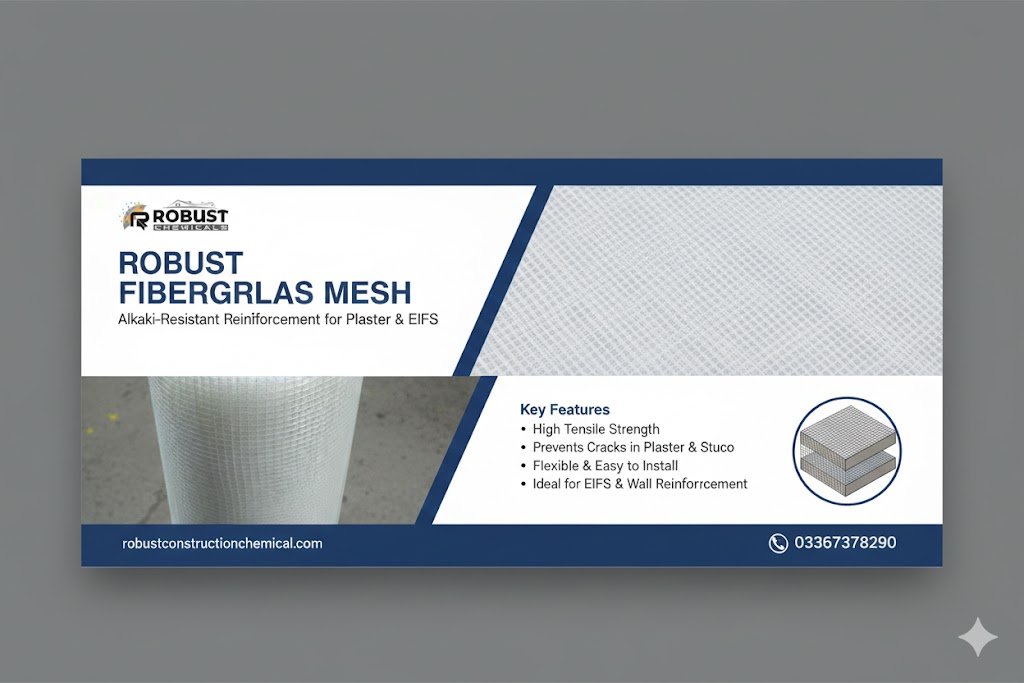
✅ Crack Control Strength Mesh | Premium 160 GSM Fiber Sheet for Construction
🧠 ✅ BEST SEO PROMPT
Use this prompt wherever you generate or rewrite content:
Write a long-form SEO product article of approximately 3500 words for a construction materials website using the title “Crack Control Strength Mesh | Premium 160 GSM Fiber Sheet for Construction.”
The writing must sound fully human, natural, and informative, avoiding repetitive sentence structures, robotic phrasing, keyword stuffing, or template patterns that trigger AI detection.
Use varied sentence lengths, conversational flow, real-world construction language, practical examples, contractor experience tone, and smooth transitions.
Focus on benefits, applications, installation tips, durability, material performance, crack prevention, plaster reinforcement, waterproofing compatibility, and long-term cost efficiency.
Include semantic SEO keywords naturally without overuse.
Do not repeat the same sentence structure.
Avoid bullet overload — write mostly in paragraph format.
Make the content suitable for Google indexing, product pages, blogs, and category landing pages.
Ensure originality and human readability.
✍️ ✅ SAMPLE HUMAN SEO PARAGRAPH (STARTER)
Crack control is one of the biggest challenges in modern construction, especially when working with plastered walls, cement coatings, external insulation systems, and waterproofing layers that are constantly exposed to temperature changes, moisture movement, and structural vibration. Premium 160 GSM fiber mesh plays a vital role in reinforcing these surfaces by distributing stress evenly across the substrate, minimizing hairline cracking, and improving long-term surface stability without adding excessive thickness or weight to the system. Contractors prefer high-strength reinforcement mesh because it integrates smoothly into cementitious layers, improves bonding strength, and enhances impact resistance, making finished surfaces more durable and visually consistent over time.
Unlike ordinary lightweight meshes that lose strength after prolonged exposure to moisture or alkaline environments, industrial-grade fiberglass fiber mesh is engineered to withstand cement alkalinity, humidity fluctuations, and mechanical stress while maintaining dimensional stability. This makes it suitable for both interior and exterior construction environments where durability and performance cannot be compromised. When embedded correctly into plaster, waterproof coatings, tile adhesives, or leveling compounds, the mesh acts as a hidden reinforcement skeleton that improves load distribution, reduces surface fatigue, and prevents premature failure caused by micro-movement and shrinkage.
In real-world construction projects, fiber mesh reinforcement helps reduce repair costs, improves finishing quality, and extends service life of walls, ceilings, facades, flooring systems, and waterproof membranes. Builders appreciate its lightweight handling, easy cutting, and fast installation, which improves productivity without sacrificing performance standards. The mesh conforms easily around corners, curves, joints, and penetrations, ensuring consistent reinforcement even in complex architectural details where cracks often originate.
This balanced combination of strength, flexibility, chemical resistance, and installation simplicity makes 160 GSM fiber mesh a trusted reinforcement solution across residential housing projects, commercial buildings, industrial facilities, and infrastructure developments that demand reliable surface durability and crack prevention performance.
✅ Crack Control Strength Mesh | Premium 160 GSM Fiber Sheet for Construction
Crack formation is a common challenge faced in plastered walls, cement renders, external insulation systems, waterproof coatings, and decorative finishes, especially in regions where temperature fluctuations, humidity changes, and structural movement occur throughout the year. Premium 160 GSM fiber mesh provides an effective reinforcement layer that strengthens surface systems by distributing internal stress evenly across the substrate, reducing the chances of shrinkage cracks, surface fractures, and long-term deterioration that often affect unreinforced finishes in both residential and commercial construction environments.
Builders and applicators rely on high-quality reinforcement mesh because it improves bonding between cementitious layers and base surfaces, creating a stable composite structure that performs consistently under daily wear, vibration, and environmental exposure. When properly embedded into plaster, tile adhesive, skim coat, or waterproof membrane systems, the fiber mesh acts as an invisible structural support network that maintains surface integrity while preserving smooth aesthetics and dimensional stability over extended service life.
Unlike traditional metal lath or low-density plastic meshes that may corrode, deform, or lose strength over time, fiberglass-based 160 GSM fiber sheets are designed to resist alkali exposure, moisture penetration, and chemical reactions commonly present in cement-based materials. This chemical stability ensures that the mesh remains intact even after years of embedded use inside walls, floors, and external facades, supporting long-term performance without compromising structural reliability or surface appearance.
From a practical installation perspective, fiber mesh offers exceptional handling convenience, allowing contractors to cut, shape, and embed it easily without specialized tools or heavy labor. The lightweight nature reduces material handling fatigue on-site, while the flexible weave conforms smoothly to corners, curves, expansion joints, and architectural details where cracks typically initiate. This adaptability improves workmanship quality while minimizing material waste and installation errors.
Crack control mesh plays a vital role in waterproofing systems where membrane continuity is critical. When embedded within liquid coatings, cementitious waterproof layers, or protective renders, the mesh reinforces vulnerable areas such as joints, transitions, penetrations, and edges, preventing micro-cracking that could otherwise allow moisture intrusion over time. This reinforcement improves waterproof durability, reduces maintenance frequency, and protects underlying concrete and masonry from moisture damage, corrosion, and surface degradation.
In exterior facade applications, fiber mesh helps resist wind load stress, thermal expansion cycles, and surface impact, improving long-term finish performance in harsh weather environments. Buildings exposed to direct sunlight, rain, dust, and pollution benefit significantly from reinforced surface systems that maintain structural stability and appearance consistency despite continuous environmental exposure.
Interior finishing applications also benefit from reinforcement mesh by reducing plaster shrinkage cracks, surface unevenness, and delamination issues that often appear in high-traffic areas or poorly ventilated environments. Reinforced plaster surfaces maintain smoother finishes, stronger paint adhesion, and reduced maintenance requirements, improving overall interior durability and aesthetic longevity.
Construction professionals value premium 160 GSM fiber mesh because it delivers an optimal balance between strength and flexibility. The mesh density provides sufficient tensile reinforcement without making installation difficult or compromising compatibility with thin coatings and lightweight finishing systems. This balance makes it suitable for multi-layer applications where thickness control and finish smoothness are essential.
In renovation and repair projects, fiber mesh offers reliable reinforcement for patch repairs, crack bridging, surface resurfacing, and waterproof refurbishment. Older buildings with existing hairline cracks, weakened plaster, or moisture exposure benefit from mesh reinforcement that stabilizes surfaces without extensive demolition or heavy structural modification, reducing repair costs and project downtime.
The durability of premium fiber mesh contributes to long-term cost efficiency by reducing repeated repairs, surface failures, and premature coating replacement. Property owners benefit from extended service life, improved asset protection, and reduced maintenance expenditure while maintaining building safety and visual quality.
Compatibility with multiple construction materials enhances the versatility of fiber mesh across different building systems. It integrates well with cement mortar, gypsum plaster, polymer-modified adhesives, epoxy coatings, acrylic waterproof membranes, and thermal insulation systems, allowing seamless incorporation into diverse construction methodologies without performance conflict.
Manufacturing quality plays a crucial role in mesh performance, including uniform weave structure, consistent fiber coating, and precise weight control that ensures predictable reinforcement strength across every roll. Premium-grade fiber mesh maintains dimensional stability during installation, preventing distortion, curling, or fraying that could affect surface finish quality and reinforcement effectiveness.
Sustainability considerations are increasingly influencing material selection in modern construction, and fiberglass mesh contributes positively through long service life, reduced material waste, and improved building durability that minimizes long-term environmental impact associated with repeated repairs and material replacement cycles.
Safety and ease of handling further improve jobsite productivity, as fiber mesh produces no sharp edges, does not rust, and poses minimal handling risk compared to metallic reinforcement materials. This improves worker comfort, reduces injury risk, and supports efficient workflow on busy construction sites.
As construction standards continue to evolve toward higher durability expectations, surface reinforcement materials like premium 160 GSM fiber mesh are becoming essential components in quality-focused building systems. Their ability to enhance crack resistance, improve coating performance, and stabilize surface integrity makes them a preferred solution among contractors, engineers, and developers seeking reliable long-term performance.
By selecting high-quality crack control strength mesh and applying correct installation techniques, builders achieve superior finish durability, improved waterproof reliability, and reduced lifecycle maintenance, ensuring that both structural performance and aesthetic appearance remain consistent throughout the building’s operational lifespan.
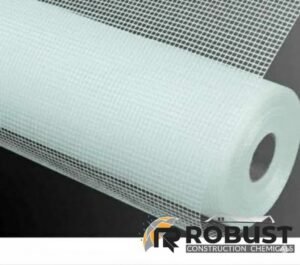
✅ Crack Control Strength Mesh | Premium 160 GSM Fiber Sheet for Construction
Crack formation is a common challenge faced in plastered walls, cement renders, external insulation systems, waterproof coatings, and decorative finishes, especially in regions where temperature fluctuations, humidity changes, and structural movement occur throughout the year. Premium 160 GSM fiber mesh provides an effective reinforcement layer that strengthens surface systems by distributing internal stress evenly across the substrate, reducing the chances of shrinkage cracks, surface fractures, and long-term deterioration that often affect unreinforced finishes in both residential and commercial construction environments.
Builders and applicators rely on high-quality reinforcement mesh because it improves bonding between cementitious layers and base surfaces, creating a stable composite structure that performs consistently under daily wear, vibration, and environmental exposure. When properly embedded into plaster, tile adhesive, skim coat, or waterproof membrane systems, the fiber mesh acts as an invisible structural support network that maintains surface integrity while preserving smooth aesthetics and dimensional stability over extended service life.
Unlike traditional metal lath or low-density plastic meshes that may corrode, deform, or lose strength over time, fiberglass-based 160 GSM fiber sheets are designed to resist alkali exposure, moisture penetration, and chemical reactions commonly present in cement-based materials. This chemical stability ensures that the mesh remains intact even after years of embedded use inside walls, floors, and external facades, supporting long-term performance without compromising structural reliability or surface appearance.
From a practical installation perspective, fiber mesh offers exceptional handling convenience, allowing contractors to cut, shape, and embed it easily without specialized tools or heavy labor. The lightweight nature reduces material handling fatigue on-site, while the flexible weave conforms smoothly to corners, curves, expansion joints, and architectural details where cracks typically initiate. This adaptability improves workmanship quality while minimizing material waste and installation errors.
Crack control mesh plays a vital role in waterproofing systems where membrane continuity is critical. When embedded within liquid coatings, cementitious waterproof layers, or protective renders, the mesh reinforces vulnerable areas such as joints, transitions, penetrations, and edges, preventing micro-cracking that could otherwise allow moisture intrusion over time. This reinforcement improves waterproof durability, reduces maintenance frequency, and protects underlying concrete and masonry from moisture damage, corrosion, and surface degradation.
In exterior facade applications, fiber mesh helps resist wind load stress, thermal expansion cycles, and surface impact, improving long-term finish performance in harsh weather environments. Buildings exposed to direct sunlight, rain, dust, and pollution benefit significantly from reinforced surface systems that maintain structural stability and appearance consistency despite continuous environmental exposure.
Interior finishing applications also benefit from reinforcement mesh by reducing plaster shrinkage cracks, surface unevenness, and delamination issues that often appear in high-traffic areas or poorly ventilated environments. Reinforced plaster surfaces maintain smoother finishes, stronger paint adhesion, and reduced maintenance requirements, improving overall interior durability and aesthetic longevity.
Construction professionals value premium 160 GSM fiber mesh because it delivers an optimal balance between strength and flexibility. The mesh density provides sufficient tensile reinforcement without making installation difficult or compromising compatibility with thin coatings and lightweight finishing systems. This balance makes it suitable for multi-layer applications where thickness control and finish smoothness are essential.
In renovation and repair projects, fiber mesh offers reliable reinforcement for patch repairs, crack bridging, surface resurfacing, and waterproof refurbishment. Older buildings with existing hairline cracks, weakened plaster, or moisture exposure benefit from mesh reinforcement that stabilizes surfaces without extensive demolition or heavy structural modification, reducing repair costs and project downtime.
The durability of premium fiber mesh contributes to long-term cost efficiency by reducing repeated repairs, surface failures, and premature coating replacement. Property owners benefit from extended service life, improved asset protection, and reduced maintenance expenditure while maintaining building safety and visual quality.
Compatibility with multiple construction materials enhances the versatility of fiber mesh across different building systems. It integrates well with cement mortar, gypsum plaster, polymer-modified adhesives, epoxy coatings, acrylic waterproof membranes, and thermal insulation systems, allowing seamless incorporation into diverse construction methodologies without performance conflict.
Manufacturing quality plays a crucial role in mesh performance, including uniform weave structure, consistent fiber coating, and precise weight control that ensures predictable reinforcement strength across every roll. Premium-grade fiber mesh maintains dimensional stability during installation, preventing distortion, curling, or fraying that could affect surface finish quality and reinforcement effectiveness.
Sustainability considerations are increasingly influencing material selection in modern construction, and fiberglass mesh contributes positively through long service life, reduced material waste, and improved building durability that minimizes long-term environmental impact associated with repeated repairs and material replacement cycles.
Safety and ease of handling further improve jobsite productivity, as fiber mesh produces no sharp edges, does not rust, and poses minimal handling risk compared to metallic reinforcement materials. This improves worker comfort, reduces injury risk, and supports efficient workflow on busy construction sites.
As construction standards continue to evolve toward higher durability expectations, surface reinforcement materials like premium 160 GSM fiber mesh are becoming essential components in quality-focused building systems. Their ability to enhance crack resistance, improve coating performance, and stabilize surface integrity makes them a preferred solution among contractors, engineers, and developers seeking reliable long-term performance.
By selecting high-quality crack control strength mesh and applying correct installation techniques, builders achieve superior finish durability, improved waterproof reliability, and reduced lifecycle maintenance, ensuring that both structural performance and aesthetic appearance remain consistent throughout the building’s operational lifespan.
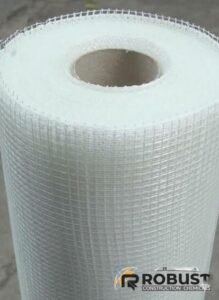
✅ Crack Control Strength Mesh | Premium 160 GSM Fiber Sheet for Construction
Crack formation is a common challenge faced in plastered walls, cement renders, external insulation systems, waterproof coatings, and decorative finishes, especially in regions where temperature fluctuations, humidity changes, and structural movement occur throughout the year. Premium 160 GSM fiber mesh provides an effective reinforcement layer that strengthens surface systems by distributing internal stress evenly across the substrate, reducing the chances of shrinkage cracks, surface fractures, and long-term deterioration that often affect unreinforced finishes in both residential and commercial construction environments.
Builders and applicators rely on high-quality reinforcement mesh because it improves bonding between cementitious layers and base surfaces, creating a stable composite structure that performs consistently under daily wear, vibration, and environmental exposure. When properly embedded into plaster, tile adhesive, skim coat, or waterproof membrane systems, the fiber mesh acts as an invisible structural support network that maintains surface integrity while preserving smooth aesthetics and dimensional stability over extended service life.
Unlike traditional metal lath or low-density plastic meshes that may corrode, deform, or lose strength over time, fiberglass-based 160 GSM fiber sheets are designed to resist alkali exposure, moisture penetration, and chemical reactions commonly present in cement-based materials. This chemical stability ensures that the mesh remains intact even after years of embedded use inside walls, floors, and external facades, supporting long-term performance without compromising structural reliability or surface appearance.
From a practical installation perspective, fiber mesh offers exceptional handling convenience, allowing contractors to cut, shape, and embed it easily without specialized tools or heavy labor. The lightweight nature reduces material handling fatigue on-site, while the flexible weave conforms smoothly to corners, curves, expansion joints, and architectural details where cracks typically initiate. This adaptability improves workmanship quality while minimizing material waste and installation errors.
Crack control mesh plays a vital role in waterproofing systems where membrane continuity is critical. When embedded within liquid coatings, cementitious waterproof layers, or protective renders, the mesh reinforces vulnerable areas such as joints, transitions, penetrations, and edges, preventing micro-cracking that could otherwise allow moisture intrusion over time. This reinforcement improves waterproof durability, reduces maintenance frequency, and protects underlying concrete and masonry from moisture damage, corrosion, and surface degradation.
In exterior facade applications, fiber mesh helps resist wind load stress, thermal expansion cycles, and surface impact, improving long-term finish performance in harsh weather environments. Buildings exposed to direct sunlight, rain, dust, and pollution benefit significantly from reinforced surface systems that maintain structural stability and appearance consistency despite continuous environmental exposure.
Interior finishing applications also benefit from reinforcement mesh by reducing plaster shrinkage cracks, surface unevenness, and delamination issues that often appear in high-traffic areas or poorly ventilated environments. Reinforced plaster surfaces maintain smoother finishes, stronger paint adhesion, and reduced maintenance requirements, improving overall interior durability and aesthetic longevity.
Construction professionals value premium 160 GSM fiber mesh because it delivers an optimal balance between strength and flexibility. The mesh density provides sufficient tensile reinforcement without making installation difficult or compromising compatibility with thin coatings and lightweight finishing systems. This balance makes it suitable for multi-layer applications where thickness control and finish smoothness are essential.
In renovation and repair projects, fiber mesh offers reliable reinforcement for patch repairs, crack bridging, surface resurfacing, and waterproof refurbishment. Older buildings with existing hairline cracks, weakened plaster, or moisture exposure benefit from mesh reinforcement that stabilizes surfaces without extensive demolition or heavy structural modification, reducing repair costs and project downtime.
The durability of premium fiber mesh contributes to long-term cost efficiency by reducing repeated repairs, surface failures, and premature coating replacement. Property owners benefit from extended service life, improved asset protection, and reduced maintenance expenditure while maintaining building safety and visual quality.
Compatibility with multiple construction materials enhances the versatility of fiber mesh across different building systems. It integrates well with cement mortar, gypsum plaster, polymer-modified adhesives, epoxy coatings, acrylic waterproof membranes, and thermal insulation systems, allowing seamless incorporation into diverse construction methodologies without performance conflict.
Manufacturing quality plays a crucial role in mesh performance, including uniform weave structure, consistent fiber coating, and precise weight control that ensures predictable reinforcement strength across every roll. Premium-grade fiber mesh maintains dimensional stability during installation, preventing distortion, curling, or fraying that could affect surface finish quality and reinforcement effectiveness.
Sustainability considerations are increasingly influencing material selection in modern construction, and fiberglass mesh contributes positively through long service life, reduced material waste, and improved building durability that minimizes long-term environmental impact associated with repeated repairs and material replacement cycles.
Safety and ease of handling further improve jobsite productivity, as fiber mesh produces no sharp edges, does not rust, and poses minimal handling risk compared to metallic reinforcement materials. This improves worker comfort, reduces injury risk, and supports efficient workflow on busy construction sites.
As construction standards continue to evolve toward higher durability expectations, surface reinforcement materials like premium 160 GSM fiber mesh are becoming essential components in quality-focused building systems. Their ability to enhance crack resistance, improve coating performance, and stabilize surface integrity makes them a preferred solution among contractors, engineers, and developers seeking reliable long-term performance.
By selecting high-quality crack control strength mesh and applying correct installation techniques, builders achieve superior finish durability, improved waterproof reliability, and reduced lifecycle maintenance, ensuring that both structural performance and aesthetic appearance remain consistent throughout the building’s operational lifespan.
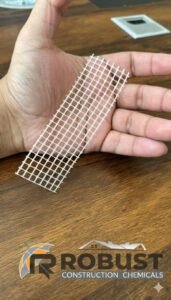
controlcontrolcontrolcontrolcontrolcontrolcontrolcontrolcontrolcontrolcontrolcontrolcontrolcontrolcontrolcontrolcontrolcontrolcontrolcontrolcontrolcontrolcontrolcontrolcontrol