Durable Waterproofing Products for Harsh Climates – Bitumen Solutions in Pakistan
Protecting buildings from water damage is a major challenge, especially in regions with harsh climates like Pakistan. Heavy rainfall, extreme heat, fluctuating temperatures, and seasonal humidity can compromise the durability of conventional construction materials, leading to leaks, dampness, structural damage, and costly repairs.
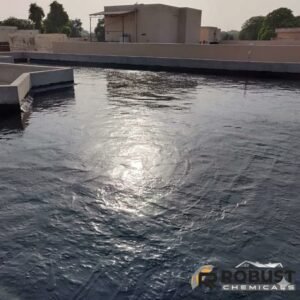
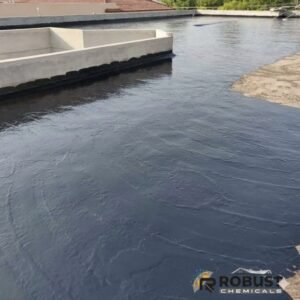
Bitumen-based waterproofing products are among the most trusted and durable solutions for harsh climates, providing long-term protection for residential, commercial, and industrial structures. With their proven performance under extreme weather conditions, bitumen systems are widely used for roofs, basements, water tanks, terraces, and foundations across Pakistan.
This comprehensive guide explores durable waterproofing products for harsh climates using bitumen, including types, benefits, applications, working mechanisms, cost considerations, and practical tips for homeowners, builders, and contractors.
Why Durable Waterproofing Is Essential in Harsh Climates
Harsh climatic conditions present unique challenges for buildings:
-
Heavy monsoon rains that exert hydrostatic pressure
-
Extreme summer heat that causes thermal expansion
-
Cold nights and winter temperature drops
-
High UV exposure causing surface degradation
-
Frequent humidity leading to damp walls and ceilings
Without proper waterproofing, buildings in harsh climates can experience:
-
Roof leakage and ponding water
-
Basement seepage and damp walls
-
Rusting of steel reinforcement
-
Peeling paint and plaster damage
-
Structural weakening over time
Durable bitumen waterproofing systems address these challenges by providing resilient, flexible, and long-lasting protection.
What Are Bitumen Waterproofing Products?
Bitumen waterproofing products are asphalt-based materials that create a flexible, water-resistant barrier on construction surfaces. These products can be applied as:
-
Bituminous membranes (torch-on or self-adhesive)
-
Liquid bitumen coatings
-
Polymer-modified bitumen sheets
Bitumen is naturally water-resistant and can withstand temperature fluctuations, UV exposure, and hydrostatic pressure, making it ideal for harsh climates.
Key Benefits of Bitumen Waterproofing Products
1. Superior Water Resistance
Bitumen forms a continuous, impermeable layer that prevents water penetration even under heavy rainfall or groundwater pressure.
2. Durability in Extreme Climates
Bitumen products are designed to withstand:
-
High summer temperatures
-
Cold winter conditions
-
Heavy monsoon rains
3. Flexibility and Crack-Bridge Ability
Polymer-modified bitumen systems are highly flexible, allowing them to bridge small cracks and structural movements without failing.
4. UV and Weather Resistance
Bitumen coatings resist sunlight degradation and provide long-term protection against environmental elements.
5. Cost-Effective and Long-Lasting
Although initial investment may be slightly higher, the life-cycle cost is lower due to reduced repairs and maintenance.
Types of Bitumen Waterproofing Products
1. Bituminous Membranes
Bituminous membranes are pre-fabricated sheets reinforced with polyester or fiberglass.
Features:
-
Torch-on or self-adhesive
-
High flexibility
-
UV resistant
-
Easy installation
Applications:
-
Roof slabs
-
Terraces
-
Commercial buildings
2. Liquid Bitumen Coatings
Liquid bitumen is applied as a paintable coating using brush, roller, or spray.
Features:
-
Seamless coverage
-
Penetrates surface irregularities
-
Easy to apply on complex shapes
Applications:
-
Water tanks
-
Basements
-
Foundation walls
3. Polymer-Modified Bitumen
Polymers enhance bitumen performance by increasing flexibility, durability, and crack resistance.
Features:
-
Flexible and elastic
-
Resistant to thermal expansion
-
Longer service life
Applications:
-
Roofs and terraces
-
Exposed walls
-
Industrial floors
4. Self-Adhesive Bitumen Sheets
These are ready-to-use waterproofing sheets that adhere directly to surfaces.
Features:
-
No heating required
-
Quick application
-
Strong bonding
Applications:
-
Roof repairs
-
Small terraces
-
Gutters and joints
How Bitumen Waterproofing Works
Bitumen waterproofing works through several mechanisms:
-
Physical Barrier: Forms a continuous layer that blocks water penetration.
-
Flexibility: Adapts to minor surface movements and prevents cracking.
-
Thermal Resistance: Withstands expansion and contraction due to temperature changes.
-
UV Protection: Maintains integrity under direct sunlight.
Combined, these features make bitumen ideal for durable waterproofing in harsh climates.
Applications of Bitumen Waterproofing in Harsh Climates
1. Roof Waterproofing
Bitumen membranes and polymer-modified coatings protect roofs from rain, UV, and temperature fluctuations.
2. Basement Waterproofing
Applied to foundation walls and basement slabs, bitumen prevents groundwater ingress.
3. Water Tank Waterproofing
Liquid bitumen provides a non-toxic, leak-proof lining for potable and storage tanks.
4. Terrace and Balcony Waterproofing
Flexible membranes or coatings ensure terraces remain leak-free despite seasonal weather.
5. Industrial and Commercial Floors
Bitumen-based systems protect floors from moisture, chemicals, and thermal stress.
Durable Waterproofing Benefits for Homes and Buildings
-
Long-term protection from harsh weather
-
Reduced maintenance and repair costs
-
Improved indoor comfort
-
Structural stability and longevity
-
Energy efficiency (less water penetration reduces damp cooling losses)
Surface Preparation for Bitumen Waterproofing
Proper surface preparation is critical:
-
Clean surface from dust, debris, oil, and loose particles
-
Repair cracks, honeycombs, and gaps
-
Ensure surface is dry or dampened as per manufacturer instructions
-
Apply primer if required for better adhesion
Bitumen Waterproofing Application Process
Step 1: Priming
Apply bitumen primer for enhanced adhesion, especially on porous surfaces.
Step 2: First Layer
Apply liquid bitumen or unroll membrane, ensuring uniform coverage.
Step 3: Second Layer
For membranes, apply overlapping sheets; for liquid coatings, apply cross-directional second coat.
Step 4: Protection
Add screed, tiles, or reflective coatings to protect the bitumen layer from UV and mechanical damage.
Common Mistakes to Avoid
-
Skipping surface preparation
-
Applying on wet or dusty surfaces
-
Using low-quality bitumen sheets
-
Incorrect curing or overlapping
-
Ignoring cracks and joints
Avoiding these mistakes ensures maximum durability.
Cost Consideration of Bitumen Waterproofing in Pakistan
Cost depends on:
-
Type of bitumen product
-
Area coverage
-
Labor charges
-
Thickness of application
Despite initial costs, bitumen provides long-term protection, reducing frequent repair expenses.
Bitumen Waterproofing vs Other Systems
| Feature | Bitumen Waterproofing | Cementitious | PU Coatings |
|---|---|---|---|
| Durability | High | Moderate | High |
| Flexibility | High (Polymer-modified) | Low | Very High |
| Water Resistance | Excellent | Good | Excellent |
| Cost | Affordable | Low | Expensive |
| Suitable for Harsh Climate | Yes | Moderate | Yes |
Maintenance Tips
-
Periodically inspect roofs and membranes
-
Remove debris and standing water
-
Repair minor cracks immediately
-
Reapply protective coatings when needed
Proper maintenance ensures 20+ years of protection.
Environmental and Safety Considerations
-
Use low-VOC polymer-modified bitumen for residential applications
-
Safe for potable water tanks if certified
-
Durable products reduce environmental impact through longer service life
Future of Bitumen Waterproofing in Pakistan
As Pakistan faces extreme weather conditions, demand for durable waterproofing products like bitumen is increasing. Builders and homeowners increasingly prefer:
-
Polymer-modified bitumen
-
Hybrid waterproofing systems
-
Sustainable, long-lasting solutions
Durable Waterproofing Products for Harsh Climates – Bitumen Solutions in Pakistan
Protecting buildings from water damage is a major challenge, especially in regions with harsh climates like Pakistan. Heavy rainfall, extreme heat, fluctuating temperatures, and seasonal humidity can compromise the durability of conventional construction materials, leading to leaks, dampness, structural damage, and costly repairs.
Bitumen-based waterproofing products are among the most trusted and durable solutions for harsh climates, providing long-term protection for residential, commercial, and industrial structures. With their proven performance under extreme weather conditions, bitumen systems are widely used for roofs, basements, water tanks, terraces, and foundations across Pakistan.
This comprehensive guide explores durable waterproofing products for harsh climates using bitumen, including types, benefits, applications, working mechanisms, cost considerations, and practical tips for homeowners, builders, and contractors.
Why Durable Waterproofing Is Essential in Harsh Climates
Harsh climatic conditions present unique challenges for buildings:
-
Heavy monsoon rains that exert hydrostatic pressure
-
Extreme summer heat that causes thermal expansion
-
Cold nights and winter temperature drops
-
High UV exposure causing surface degradation
-
Frequent humidity leading to damp walls and ceilings
Without proper waterproofing, buildings in harsh climates can experience:
-
Roof leakage and ponding water
-
Basement seepage and damp walls
-
Rusting of steel reinforcement
-
Peeling paint and plaster damage
-
Structural weakening over time
Durable bitumen waterproofing systems address these challenges by providing resilient, flexible, and long-lasting protection.
What Are Bitumen Waterproofing Products?
Bitumen waterproofing products are asphalt-based materials that create a flexible, water-resistant barrier on construction surfaces. These products can be applied as:
-
Bituminous membranes (torch-on or self-adhesive)
-
Liquid bitumen coatings
-
Polymer-modified bitumen sheets
Bitumen is naturally water-resistant and can withstand temperature fluctuations, UV exposure, and hydrostatic pressure, making it ideal for harsh climates.
Key Benefits of Bitumen Waterproofing Products
1. Superior Water Resistance
Bitumen forms a continuous, impermeable layer that prevents water penetration even under heavy rainfall or groundwater pressure.
2. Durability in Extreme Climates
Bitumen products are designed to withstand:
-
High summer temperatures
-
Cold winter conditions
-
Heavy monsoon rains
3. Flexibility and Crack-Bridge Ability
Polymer-modified bitumen systems are highly flexible, allowing them to bridge small cracks and structural movements without failing.
4. UV and Weather Resistance
Bitumen coatings resist sunlight degradation and provide long-term protection against environmental elements.
5. Cost-Effective and Long-Lasting
Although initial investment may be slightly higher, the life-cycle cost is lower due to reduced repairs and maintenance.
Types of Bitumen Waterproofing Products
1. Bituminous Membranes
Bituminous membranes are pre-fabricated sheets reinforced with polyester or fiberglass.
Features:
-
Torch-on or self-adhesive
-
High flexibility
-
UV resistant
-
Easy installation
Applications:
-
Roof slabs
-
Terraces
-
Commercial buildings
2. Liquid Bitumen Coatings
Liquid bitumen is applied as a paintable coating using brush, roller, or spray.
Features:
-
Seamless coverage
-
Penetrates surface irregularities
-
Easy to apply on complex shapes
Applications:
-
Water tanks
-
Basements
-
Foundation walls
3. Polymer-Modified Bitumen
Polymers enhance bitumen performance by increasing flexibility, durability, and crack resistance.
Features:
-
Flexible and elastic
-
Resistant to thermal expansion
-
Longer service life
Applications:
-
Roofs and terraces
-
Exposed walls
-
Industrial floors
4. Self-Adhesive Bitumen Sheets
These are ready-to-use waterproofing sheets that adhere directly to surfaces.
Features:
-
No heating required
-
Quick application
-
Strong bonding
Applications:
-
Roof repairs
-
Small terraces
-
Gutters and joints
How Bitumen Waterproofing Works
Bitumen waterproofing works through several mechanisms:
-
Physical Barrier: Forms a continuous layer that blocks water penetration.
-
Flexibility: Adapts to minor surface movements and prevents cracking.
-
Thermal Resistance: Withstands expansion and contraction due to temperature changes.
-
UV Protection: Maintains integrity under direct sunlight.
Combined, these features make bitumen ideal for durable waterproofing in harsh climates.
Applications of Bitumen Waterproofing in Harsh Climates
1. Roof Waterproofing
Bitumen membranes and polymer-modified coatings protect roofs from rain, UV, and temperature fluctuations.
2. Basement Waterproofing
Applied to foundation walls and basement slabs, bitumen prevents groundwater ingress.
3. Water Tank Waterproofing
Liquid bitumen provides a non-toxic, leak-proof lining for potable and storage tanks.
4. Terrace and Balcony Waterproofing
Flexible membranes or coatings ensure terraces remain leak-free despite seasonal weather.
5. Industrial and Commercial Floors
Bitumen-based systems protect floors from moisture, chemicals, and thermal stress.
Durable Waterproofing Benefits for Homes and Buildings
-
Long-term protection from harsh weather
-
Reduced maintenance and repair costs
-
Improved indoor comfort
-
Structural stability and longevity
-
Energy efficiency (less water penetration reduces damp cooling losses)
Surface Preparation for Bitumen Waterproofing
Proper surface preparation is critical:
-
Clean surface from dust, debris, oil, and loose particles
-
Repair cracks, honeycombs, and gaps
-
Ensure surface is dry or dampened as per manufacturer instructions
-
Apply primer if required for better adhesion
Bitumen Waterproofing Application Process
Step 1: Priming
Apply bitumen primer for enhanced adhesion, especially on porous surfaces.
Step 2: First Layer
Apply liquid bitumen or unroll membrane, ensuring uniform coverage.
Step 3: Second Layer
For membranes, apply overlapping sheets; for liquid coatings, apply cross-directional second coat.
Step 4: Protection
Add screed, tiles, or reflective coatings to protect the bitumen layer from UV and mechanical damage.
Common Mistakes to Avoid
-
Skipping surface preparation
-
Applying on wet or dusty surfaces
-
Using low-quality bitumen sheets
-
Incorrect curing or overlapping
-
Ignoring cracks and joints
Avoiding these mistakes ensures maximum durability.
Cost Consideration of Bitumen Waterproofing in Pakistan
Cost depends on:
-
Type of bitumen product
-
Area coverage
-
Labor charges
-
Thickness of application
Despite initial costs, bitumen provides long-term protection, reducing frequent repair expenses.
Bitumen Waterproofing vs Other Systems
| Feature | Bitumen Waterproofing | Cementitious | PU Coatings |
|---|---|---|---|
| Durability | High | Moderate | High |
| Flexibility | High (Polymer-modified) | Low | Very High |
| Water Resistance | Excellent | Good | Excellent |
| Cost | Affordable | Low | Expensive |
| Suitable for Harsh Climate | Yes | Moderate | Yes |
Maintenance Tips
-
Periodically inspect roofs and membranes
-
Remove debris and standing water
-
Repair minor cracks immediately
-
Reapply protective coatings when needed
Proper maintenance ensures 20+ years of protection.
Environmental and Safety Considerations
-
Use low-VOC polymer-modified bitumen for residential applications
-
Safe for potable water tanks if certified
-
Durable products reduce environmental impact through longer service life
Future of Bitumen Waterproofing in Pakistan
As Pakistan faces extreme weather conditions, demand for durable waterproofing products like bitumen is increasing. Builders and homeowners increasingly prefer:
-
Polymer-modified bitumen
-
Hybrid waterproofing systems
-
Sustainable, long-lasting solutions
Durable Waterproofing Products for Harsh Climates – Bitumen Solutions in Pakistan
Protecting buildings from water damage is a major challenge, especially in regions with harsh climates like Pakistan. Heavy rainfall, extreme heat, fluctuating temperatures, and seasonal humidity can compromise the durability of conventional construction materials, leading to leaks, dampness, structural damage, and costly repairs.
Bitumen-based waterproofing products are among the most trusted and durable solutions for harsh climates, providing long-term protection for residential, commercial, and industrial structures. With their proven performance under extreme weather conditions, bitumen systems are widely used for roofs, basements, water tanks, terraces, and foundations across Pakistan.
This comprehensive guide explores durable waterproofing products for harsh climates using bitumen, including types, benefits, applications, working mechanisms, cost considerations, and practical tips for homeowners, builders, and contractors.
Why Durable Waterproofing Is Essential in Harsh Climates
Harsh climatic conditions present unique challenges for buildings:
-
Heavy monsoon rains that exert hydrostatic pressure
-
Extreme summer heat that causes thermal expansion
-
Cold nights and winter temperature drops
-
High UV exposure causing surface degradation
-
Frequent humidity leading to damp walls and ceilings
Without proper waterproofing, buildings in harsh climates can experience:
-
Roof leakage and ponding water
-
Basement seepage and damp walls
-
Rusting of steel reinforcement
-
Peeling paint and plaster damage
-
Structural weakening over time
Durable bitumen waterproofing systems address these challenges by providing resilient, flexible, and long-lasting protection.
What Are Bitumen Waterproofing Products?
Bitumen waterproofing products are asphalt-based materials that create a flexible, water-resistant barrier on construction surfaces. These products can be applied as:
-
Bituminous membranes (torch-on or self-adhesive)
-
Liquid bitumen coatings
-
Polymer-modified bitumen sheets
Bitumen is naturally water-resistant and can withstand temperature fluctuations, UV exposure, and hydrostatic pressure, making it ideal for harsh climates.
Key Benefits of Bitumen Waterproofing Products
1. Superior Water Resistance
Bitumen forms a continuous, impermeable layer that prevents water penetration even under heavy rainfall or groundwater pressure.
2. Durability in Extreme Climates
Bitumen products are designed to withstand:
-
High summer temperatures
-
Cold winter conditions
-
Heavy monsoon rains
3. Flexibility and Crack-Bridge Ability
Polymer-modified bitumen systems are highly flexible, allowing them to bridge small cracks and structural movements without failing.
4. UV and Weather Resistance
Bitumen coatings resist sunlight degradation and provide long-term protection against environmental elements.
5. Cost-Effective and Long-Lasting
Although initial investment may be slightly higher, the life-cycle cost is lower due to reduced repairs and maintenance.
Types of Bitumen Waterproofing Products
1. Bituminous Membranes
Bituminous membranes are pre-fabricated sheets reinforced with polyester or fiberglass.
Features:
-
Torch-on or self-adhesive
-
High flexibility
-
UV resistant
-
Easy installation
Applications:
-
Roof slabs
-
Terraces
-
Commercial buildings
2. Liquid Bitumen Coatings
Liquid bitumen is applied as a paintable coating using brush, roller, or spray.
Features:
-
Seamless coverage
-
Penetrates surface irregularities
-
Easy to apply on complex shapes
Applications:
-
Water tanks
-
Basements
-
Foundation walls
3. Polymer-Modified Bitumen
Polymers enhance bitumen performance by increasing flexibility, durability, and crack resistance.
Features:
-
Flexible and elastic
-
Resistant to thermal expansion
-
Longer service life
Applications:
-
Roofs and terraces
-
Exposed walls
-
Industrial floors
4. Self-Adhesive Bitumen Sheets
These are ready-to-use waterproofing sheets that adhere directly to surfaces.
Features:
-
No heating required
-
Quick application
-
Strong bonding
Applications:
-
Roof repairs
-
Small terraces
-
Gutters and joints
How Bitumen Waterproofing Works
Bitumen waterproofing works through several mechanisms:
-
Physical Barrier: Forms a continuous layer that blocks water penetration.
-
Flexibility: Adapts to minor surface movements and prevents cracking.
-
Thermal Resistance: Withstands expansion and contraction due to temperature changes.
-
UV Protection: Maintains integrity under direct sunlight.
Combined, these features make bitumen ideal for durable waterproofing in harsh climates.
Applications of Bitumen Waterproofing in Harsh Climates
1. Roof Waterproofing
Bitumen membranes and polymer-modified coatings protect roofs from rain, UV, and temperature fluctuations.
2. Basement Waterproofing
Applied to foundation walls and basement slabs, bitumen prevents groundwater ingress.
3. Water Tank Waterproofing
Liquid bitumen provides a non-toxic, leak-proof lining for potable and storage tanks.
4. Terrace and Balcony Waterproofing
Flexible membranes or coatings ensure terraces remain leak-free despite seasonal weather.
5. Industrial and Commercial Floors
Bitumen-based systems protect floors from moisture, chemicals, and thermal stress.
Durable Waterproofing Benefits for Homes and Buildings
-
Long-term protection from harsh weather
-
Reduced maintenance and repair costs
-
Improved indoor comfort
-
Structural stability and longevity
-
Energy efficiency (less water penetration reduces damp cooling losses)
Surface Preparation for Bitumen Waterproofing
Proper surface preparation is critical:
-
Clean surface from dust, debris, oil, and loose particles
-
Repair cracks, honeycombs, and gaps
-
Ensure surface is dry or dampened as per manufacturer instructions
-
Apply primer if required for better adhesion
Bitumen Waterproofing Application Process
Step 1: Priming
Apply bitumen primer for enhanced adhesion, especially on porous surfaces.
Step 2: First Layer
Apply liquid bitumen or unroll membrane, ensuring uniform coverage.
Step 3: Second Layer
For membranes, apply overlapping sheets; for liquid coatings, apply cross-directional second coat.
Step 4: Protection
Add screed, tiles, or reflective coatings to protect the bitumen layer from UV and mechanical damage.
Common Mistakes to Avoid
-
Skipping surface preparation
-
Applying on wet or dusty surfaces
-
Using low-quality bitumen sheets
-
Incorrect curing or overlapping
-
Ignoring cracks and joints
Avoiding these mistakes ensures maximum durability.
Cost Consideration of Bitumen Waterproofing in Pakistan
Cost depends on:
-
Type of bitumen product
-
Area coverage
-
Labor charges
-
Thickness of application
Despite initial costs, bitumen provides long-term protection, reducing frequent repair expenses.
Bitumen Waterproofing vs Other Systems
| Feature | Bitumen Waterproofing | Cementitious | PU Coatings |
|---|---|---|---|
| Durability | High | Moderate | High |
| Flexibility | High (Polymer-modified) | Low | Very High |
| Water Resistance | Excellent | Good | Excellent |
| Cost | Affordable | Low | Expensive |
| Suitable for Harsh Climate | Yes | Moderate | Yes |
Maintenance Tips
-
Periodically inspect roofs and membranes
-
Remove debris and standing water
-
Repair minor cracks immediately
-
Reapply protective coatings when needed
Proper maintenance ensures 20+ years of protection.
Environmental and Safety Considerations
-
Use low-VOC polymer-modified bitumen for residential applications
-
Safe for potable water tanks if certified
-
Durable products reduce environmental impact through longer service life
Future of Bitumen Waterproofing in Pakistan
As Pakistan faces extreme weather conditions, demand for durable waterproofing products like bitumen is increasing. Builders and homeowners increasingly prefer:
-
Polymer-modified bitumen
-
Hybrid waterproofing systems
-
Sustainable, long-lasting solutions