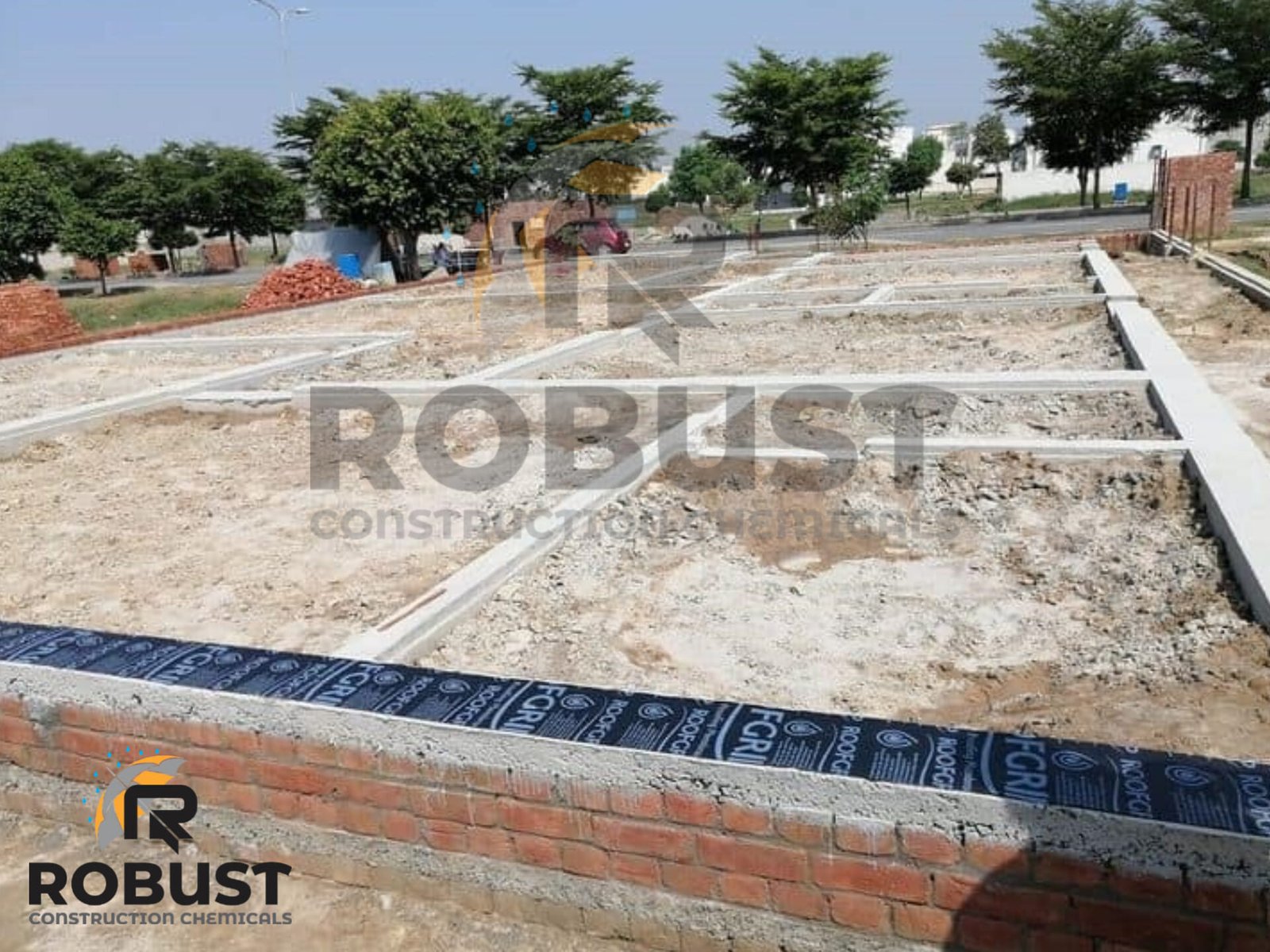
Original price was: ₨ 4,100.₨ 3,800Current price is: ₨ 3,800.
The Robust DPC Roll is a durable damp-proof course material designed to prevent rising damp and protect structures from moisture damage. Easy to install and highly resilient, it ensures long-lasting performance for residential, commercial, and industrial buildings.
Comprehensive Guide to Self-Adhesive DPC Membrane Rolls
1. Introduction to DPC Membrane
A Damp Proof Course (DPC) membrane is a critical component in modern construction, designed to prevent the upward movement of moisture through walls, floors, and foundations. Moisture ingress is a common issue in buildings, leading to damp walls, efflorescence, and structural damage. DPC membranes provide an impermeable barrier that ensures structural integrity and indoor comfort.
The self-adhesive variant of DPC membranes has revolutionized the installation process. Unlike traditional DPC systems that require torching or liquid adhesives, self-adhesive membranes come pre-coated with a sticky layer that bonds instantly to prepared surfaces, saving time, reducing labor costs, and improving overall performance.
2. Material Composition of Self-Adhesive DPC Membranes
Self-adhesive DPC membranes are engineered from high-quality materials to ensure durability, flexibility, and water resistance. Key components include:
- Base Layer: Typically made from high-density polyethylene (HDPE) or bitumen-polymer blends, providing strength and stability.
- Reinforcement Layer: Polyester or fiberglass mesh is embedded to resist tears and punctures during handling and installation.
- Adhesive Layer: Bitumen or polymer-based self-adhesive layer allows for immediate bonding to surfaces.
- Release Film: A protective layer of paper or plastic is applied over the adhesive, which is peeled off before installation.
3. Key Features and Benefits
Self-Adhesive DPC Membranes offer numerous advantages over traditional methods:
- Waterproofing Efficiency: Forms a reliable barrier against capillary action and water penetration.
- Ease of Installation: Eliminates the need for torches or liquid adhesives, making it user-friendly.
- Flexibility: Can adapt to uneven or curved surfaces, ensuring complete coverage.
- Durability: Resistant to UV, chemical exposure, and aging.
- Cost-Effective: Reduces labor costs and project timelines.
- Compatibility: Works well with concrete, brick, blockwork, and stone surfaces.
4. Applications of Self-Adhesive DPC Membranes
These membranes are highly versatile and used across various construction scenarios:
- Basements and Foundations: Prevents rising damp and groundwater seepage, maintaining structural integrity.
- Plinths: Placed at the base of walls to prevent moisture wicking into superstructures.
- Brickwork and Blockwork: Installed between wall courses to block water penetration.
- Roofing Details: Provides waterproofing around parapets, expansions joints, and valleys.
- Underground Structures: Ideal for tunnels, sewage tanks, retaining walls, and other subterranean constructions.
- Balconies and Terraces: Acts as a flexible waterproofing barrier for areas exposed to rain.
- Expansion Joints: Provides seamless protection at junctions where movement occurs.
5. Dimensions and Packaging
Self-adhesive DPC membranes are available in various sizes to suit different construction needs:
- Width: 300mm, 500mm, 1000mm.
- Length: 10m, 20m, 30m rolls.
- Thickness: 0.5mm to 2mm.
- Packaging: Each roll is wrapped in protective plastic to prevent damage during storage and transportation.
6. Installation Process
Proper installation is essential for the effectiveness of DPC membranes:
- Surface Preparation: Ensure the substrate is clean, dry, and free of dust, oil, or sharp edges.
- Primer Application (Optional): Porous surfaces may require a primer to enhance adhesion.
- Application Steps:
- Peel off the protective release film.
- Apply the sticky side firmly to the surface.
- Use a roller or hand pressure to ensure complete adhesion.
- Seam Overlap: Adjacent sheets should overlap by 50–100mm to prevent leaks.
- Protection: Cover the membrane with sand, screed, or other protective layers if exposed to mechanical stress or construction activity.
- Corners and Junctions: Use additional strips to ensure full coverage and prevent leaks in corners.
- Vertical Surfaces: Self-adhesive membranes can be applied vertically on walls to prevent moisture rise.
7. Advantages Over Traditional DPC Methods
- Time-Saving: Quick installation compared to torch-on or liquid-applied DPC.
- Safety: Eliminates fire hazards associated with torching methods.
- Environmentally Friendly: Reduces VOC emissions from adhesives.
- Long-Lasting Performance: Maintains effectiveness over decades.
- Consistency: Factory-produced membranes offer uniform thickness and quality.
- Adaptability: Suitable for both new constructions and renovations.
8. Common Problems Solved by Self-Adhesive DPC Membranes
- Rising Damp: Prevents capillary water from affecting walls.
- Efflorescence: Stops salt deposits caused by water movement.
- Structural Damage: Protects brickwork and concrete from moisture-induced weakening.
- Mold Growth: Reduces indoor humidity, preventing mold and mildew.
- Water Leakage: Seals cracks and gaps effectively when installed correctly.
- Cold Bridging: Acts as a barrier against thermal moisture transmission in certain applications.
9. Quality Standards
High-quality self-adhesive DPC membranes conform to international standards, including:
- ASTM D1970 – Standard Specification for Self-Adhering Polymer Modified Bituminous Sheet Materials.
- BS EN 13967 – Flexible sheets for waterproofing.
- ISO 9001 certified manufacturing processes.
- Local standards for waterproofing in Pakistan, UAE, and GCC regions.
10. Maintenance and Longevity
While self-adhesive DPC membranes are low maintenance, following practices can enhance longevity:
- Inspect seams periodically for damage or detachment.
- Avoid puncturing or cutting the membrane during subsequent works.
- Protect exposed surfaces until the structure is complete.
- Ensure no heavy mechanical loads are applied directly to the membrane.
- Regular inspections of basements, plinths, and other critical areas.
11. Choosing the Right DPC Membrane
When selecting a membrane, consider:
- Substrate Compatibility: Concrete, masonry, or metal surfaces.
- Thickness and Width: Based on project requirements.
- Adhesive Strength: Must provide strong bonding to resist water pressure.
- UV and Chemical Resistance: Important for exposed areas.
- Environmental Conditions: Consider humidity, temperature, and local weather patterns.
12. Environmental Considerations
Modern self-adhesive DPC membranes are designed with sustainability in mind:
- Non-toxic materials.
- Low VOC emissions.
- Recyclable packaging.
- Minimal environmental impact during manufacturing and disposal.
13. Cost Considerations
- Initial Investment: Slightly higher than traditional methods but saves on labor costs.
- Long-Term Value: Reduces maintenance and repair expenses.
- Efficiency: Quick installation shortens project timelines.
- Durability: Long lifespan justifies the cost.
14. Innovations and Modern Trends
- Cold-Applied Membranes: Eliminates the need for heating or torches.
- Reinforced Sheets: Extra tear resistance for high-traffic areas.
- Eco-Friendly Variants: Made with recycled materials and low VOC adhesives.
- Flexible Applications: Suitable for both horizontal and vertical surfaces.
- Integrated Protection Systems: Some membranes come with UV and chemical-resistant top layers for additional durability.
15. Frequently Asked Questions (FAQs)
Q1. Can I apply self-adhesive DPC in wet conditions?
A1. Some products allow installation on damp surfaces, but dry surfaces ensure maximum adhesion.
Q2. How long does a self-adhesive DPC membrane last?
A2. Typically 25–50 years depending on environmental exposure and installation quality.
Q3. Is primer necessary?
A3. Recommended for porous surfaces to enhance bonding.
Q4. Can it be applied over existing damp walls?
A4. Surfaces must be treated and dried before application for effective results.
Q5. Can it replace traditional DPC methods completely?
A5. Yes, in most modern construction scenarios, self-adhesive DPC is a superior alternative.
Q6. Are self-adhesive DPC membranes suitable for high-rise buildings?
A6. Yes, they are effective for basements, plinths, and vertical walls of high-rise structures.
Q7. What precautions are necessary during installation?
A7. Avoid sharp objects, ensure surface preparation, and maintain proper seam overlaps.
Q8. Can it be used in extreme temperatures?
A8. Most high-quality membranes are designed to withstand a wide temperature range; check manufacturer specifications.
16. Conclusion
Self-adhesive DPC membranes are a modern, efficient, and reliable solution for moisture protection in construction. Their ease of installation, durability, and versatility make them ideal for residential, commercial, and industrial projects. By preventing rising damp, water ingress, and structural damage, these membranes contribute to long-lasting and safe buildings.
Whether for new construction or renovation, selecting a high-quality self-adhesive DPC membrane ensures peace of mind, cost savings, and superior building performance. The combination of advanced materials, innovative design, and simple installation techniques makes self-adhesive DPC membranes an essential component of modern, sustainable, and durable construction.
Description
Robust Self-Adhesive DPC Membrane Rolls
The Robust DPC Roll is a premium-quality damp-proof course material designed to prevent rising damp in buildings and structures. Manufactured with high-grade polyethylene or bitumen-based materials, it offers exceptional durability, flexibility, and resistance to moisture penetration. This roll is ideal for use in construction projects, serving as a reliable barrier that safeguards walls and foundations from water ingress and related damage. Its robust construction ensures long-term performance, making it suitable for various applications, including residential, commercial, and industrial structures. The roll is lightweight and easy to install, simplifying construction processes while enhancing structural integrity. With its excellent tensile strength and resistance to environmental stress, the Robust DPC Roll is the perfect solution for modern construction needs.
1. Product Overview
A DPC membrane roll is a waterproofing material designed to prevent moisture from rising through walls or floors (capillary action). The self-adhesive type comes with a sticky backing, making installation easier and eliminating the need for additional adhesives or torching. It is commonly used in foundations, basements, plinths, and brickwork joints.
2. Material Composition
-
Base Material: High-density polyethylene (HDPE) or bitumen-saturated polymer.
-
Reinforcement Layer: Often reinforced with polyester or fiberglass for strength and tear resistance.
-
Adhesive Layer: A self-adhesive bitumen or polymer-based layer for instant bonding to surfaces.
-
Release Film: A protective paper or film covering the adhesive that is peeled off during installation.
3. Key Features
-
Self-Adhesive: Easy application without heating or external bonding agents.
-
Waterproofing: Creates an impermeable barrier against moisture and water seepage.
-
Durable: Resistant to aging, UV rays, and chemical corrosion.
-
Flexibility: Conforms to irregular surfaces and accommodates minor structural movements.
-
Tear-Resistant: Reinforced layer prevents punctures and rips during installation.
-
Temperature Resistant: Can withstand a wide range of temperatures depending on the polymer.
4. Applications
-
Basements and Foundations: Stops rising damp and groundwater ingress.
-
Plinths: Used at wall-to-floor junctions to prevent moisture from wicking up.
-
Brickwork & Blockwork: Between courses to prevent moisture penetration.
-
Roofing Details & Expansion Joints: Used as a flexible, watertight barrier.
-
Underground Structures: Sewage tanks, tunnels, and retaining walls.
5. Dimensions and Packaging
-
Width: 300mm, 500mm, 1000mm (varies by manufacturer)
-
Length: Typically 10m, 20m, or 30m per roll
-
Thickness: 0.5mm – 2mm
-
Packaging: Rolls wrapped in plastic for protection
6. Installation Guidelines
-
Surface Preparation: Ensure the surface is clean, dry, and free of dust, sharp edges, or debris.
-
Primer (Optional): Some manufacturers recommend a primer on porous surfaces to improve adhesion.
-
Application:
-
Peel off the release film.
-
Press the sticky side firmly onto the prepared surface.
-
Use a roller or hand pressure to ensure full contact.
-
-
Seam Overlap: Overlap adjacent sheets by 50–100mm for complete waterproofing.
-
Protection: If the membrane is exposed to traffic or masonry work, protect it with a screed, sand, or other covering.
7. Advantages
-
Easy and fast installation
-
Reduces labor costs compared to traditional torch-on membranes
-
Long-lasting barrier against moisture
-
Can be applied in wet or cold conditions (depending on product)
-
Environmentally friendly options are available
Comprehensive Guide to Self-Adhesive DPC Membrane Rolls
1. Introduction to DPC Membrane
A Damp Proof Course (DPC) membrane is a critical component in modern construction, designed to prevent the upward movement of moisture through walls, floors, and foundations. Moisture ingress is a common issue in buildings, leading to damp walls, efflorescence, and structural damage. DPC membranes provide an impermeable barrier that ensures structural integrity and indoor comfort.
The self-adhesive variant of DPC membranes has revolutionized the installation process. Unlike traditional DPC systems that require torching or liquid adhesives, self-adhesive membranes come pre-coated with a sticky layer that bonds instantly to prepared surfaces, saving time, reducing labor costs, and improving overall performance.
2. Material Composition of Self-Adhesive DPC Membranes
Self-adhesive DPC membranes are engineered from high-quality materials to ensure durability, flexibility, and water resistance. Key components include:
- Base Layer: Typically made from high-density polyethylene (HDPE) or bitumen-polymer blends, providing strength and stability.
- Reinforcement Layer: Polyester or fiberglass mesh is embedded to resist tears and punctures during handling and installation.
- Adhesive Layer: Bitumen or polymer-based self-adhesive layer allows for immediate bonding to surfaces.
- Release Film: A protective layer of paper or plastic is applied over the adhesive, which is peeled off before installation.
3. Key Features and Benefits
Self-Adhesive DPC Membranes offer numerous advantages over traditional methods:
- Waterproofing Efficiency: Forms a reliable barrier against capillary action and water penetration.
- Ease of Installation: Eliminates the need for torches or liquid adhesives, making it user-friendly.
- Flexibility: Can adapt to uneven or curved surfaces, ensuring complete coverage.
- Durability: Resistant to UV, chemical exposure, and aging.
- Cost-Effective: Reduces labor costs and project timelines.
- Compatibility: Works well with concrete, brick, blockwork, and stone surfaces.
4. Applications of Self-Adhesive DPC Membranes
These membranes are highly versatile and used across various construction scenarios:
- Basements and Foundations: Prevents rising damp and groundwater seepage, maintaining structural integrity.
- Plinths: Placed at the base of walls to prevent moisture wicking into superstructures.
- Brickwork and Blockwork: Installed between wall courses to block water penetration.
- Roofing Details: Provides waterproofing around parapets, expansions joints, and valleys.
- Underground Structures: Ideal for tunnels, sewage tanks, retaining walls, and other subterranean constructions.
5. Dimensions and Packaging
Self-adhesive DPC membranes are available in various sizes to suit different construction needs:
- Width: 300mm, 500mm, 1000mm.
- Length: 10m, 20m, 30m rolls.
- Thickness: 0.5mm to 2mm.
- Packaging: Each roll is wrapped in protective plastic to prevent damage during storage and transportation.
6. Installation Process
Proper installation is essential for the effectiveness of DPC membranes:
- Surface Preparation: Ensure the substrate is clean, dry, and free of dust, oil, or sharp edges.
- Primer Application (Optional): Porous surfaces may require a primer to enhance adhesion.
- Application Steps:
- Peel off the protective release film.
- Apply the sticky side firmly to the surface.
- Use a roller or hand pressure to ensure complete adhesion.
- Seam Overlap: Adjacent sheets should overlap by 50–100mm to prevent leaks.
- Protection: Cover the membrane with sand, screed, or other protective layers if exposed to mechanical stress or construction activity.
7. Advantages Over Traditional DPC Methods
- Time-Saving: Quick installation compared to torch-on or liquid-applied DPC.
- Safety: Eliminates fire hazards associated with torching methods.
- Environmentally Friendly: Reduces VOC emissions from adhesives.
- Long-Lasting Performance: Maintains effectiveness over decades.
8. Common Problems Solved by Self-Adhesive DPC Membranes
- Rising Damp: Prevents capillary water from affecting walls.
- Efflorescence: Stops salt deposits caused by water movement.
- Structural Damage: Protects brickwork and concrete from moisture-induced weakening.
- Mold Growth: Reduces indoor humidity, preventing mold and mildew.
9. Quality Standards
High-quality self-adhesive DPC membranes conform to international standards, including:
- ASTM D1970 – Standard Specification for Self-Adhering Polymer Modified Bituminous Sheet Materials.
- BS EN 13967 – Flexible sheets for waterproofing.
- ISO 9001 certified manufacturing processes.
10. Maintenance and Longevity
While self-adhesive DPC membranes are low maintenance, following practices can enhance longevity:
- Inspect seams periodically for damage or detachment.
- Avoid puncturing or cutting the membrane during subsequent works.
- Protect exposed surfaces until the structure is complete.
11. Choosing the Right DPC Membrane
When selecting a membrane, consider:
- Substrate Compatibility: Concrete, masonry, or metal surfaces.
- Thickness and Width: Based on project requirements.
- Adhesive Strength: Must provide strong bonding to resist water pressure.
- UV and Chemical Resistance: Important for exposed areas.
12. Environmental Considerations
Modern self-adhesive DPC membranes are designed with sustainability in mind:
- Non-toxic materials.
- Low VOC emissions.
- Recyclable packaging.
13. Frequently Asked Questions (FAQs)
Q1. Can I apply self-adhesive DPC in wet conditions?
A1. Some products allow installation on damp surfaces, but dry surfaces ensure maximum adhesion.
Q2. How long does a self-adhesive DPC membrane last?
A2. Typically 25–50 years depending on environmental exposure and installation quality.
Q3. Is primer necessary?
A3. Recommended for porous surfaces to enhance bonding.
Q4. Can it be applied over existing damp walls?
A4. Surfaces must be treated and dried before application for effective results.
Q5. Can it replace traditional DPC methods completely?
A5. Yes, in most modern construction scenarios, self-adhesive DPC is a superior alternative.
14. Conclusion
Self-adhesive DPC membranes are a modern, efficient, and reliable solution for moisture protection in construction. Their ease of installation, durability, and versatility make them ideal for residential, commercial, and industrial projects. By preventing rising damp, water ingress, and structural damage, these membranes contribute to long-lasting and safe buildings.
Whether for new construction or renovation, selecting a high-quality self-adhesive DPC membrane ensures peace of mind, cost savings, and superior building performance.
Additional information
| Dimensions | 50 × 9 × 1.5 cm |
|---|
Related products
-
Sale!
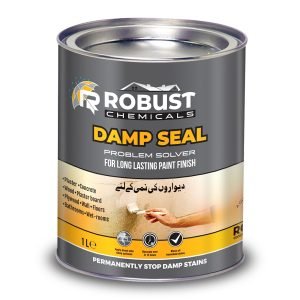
Robust Damp seal
Original price was: ₨ 2,500.₨ 2,000Current price is: ₨ 2,000. Add to cart -
Sale!
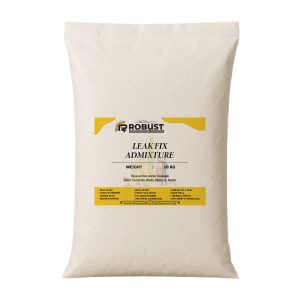
Robust Leak Fix Admixture
Original price was: ₨ 2,800.₨ 2,500Current price is: ₨ 2,500. Add to cart -
Sale!
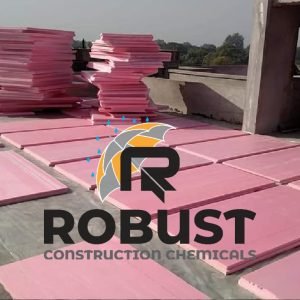
Robust XPS sheet (jumbolon)
Original price was: ₨ 1,630.₨ 1,530Current price is: ₨ 1,530. Add to cart -
Sale!
Robust Polyurethane foam spray
Original price was: ₨ 2,750.₨ 2,500Current price is: ₨ 2,500. Add to cart