
Original price was: ₨ 48,000.₨ 45,000Current price is: ₨ 45,000.
Robust Epoxy Flooring offers a seamless, durable, and aesthetically pleasing surface ideal for residential, commercial, and industrial spaces. Its chemical resistance, easy maintenance, and customizable design make it a versatile solution for enhancing any environment.
Description
Robust Epoxy Flooring System
Robust Epoxy Flooring is a high-performance flooring solution designed to meet the needs of modern spaces, whether residential, commercial, or industrial. This flooring combines strength and style, offering a seamless and glossy finish that enhances the aesthetic appeal of any environment. Its durability ensures long-lasting performance even in high-traffic areas, while its resistance to chemicals, stains, and abrasions makes it ideal for challenging conditions.
Additionally, Robust Epoxy Flooring is easy to clean and maintain, providing a hygienic surface suitable for hospitals, kitchens, and clean rooms. With customizable colors, patterns, and finishes, it allows users to create unique designs that complement their space. Whether you seek a functional surface for a factory or an elegant finish for a showroom, Robust Epoxy Flooring is a reliable choice that delivers both form and function.
obust Epoxy Flooring: Durable, High-Performance Flooring Solutions
Introduction
Robust Epoxy Flooring is a premium flooring solution designed to provide long-lasting durability, aesthetic appeal, and superior chemical and abrasion resistance. Engineered by Robust Construction Chemicals, this flooring system is ideal for residential, commercial, and industrial spaces where strength, safety, and hygiene are critical.
Key Features of Robust Epoxy Flooring
-
Durability and Strength: Epoxy flooring forms a tough, resilient surface that can withstand heavy foot traffic, machinery, and impact. It prevents cracking, chipping, and peeling over time.
-
Chemical Resistance: Perfect for industrial environments, epoxy floors resist spills from oils, acids, chemicals, and other corrosive substances.
-
Seamless and Hygienic Surface: The smooth, joint-free surface prevents dirt and bacteria accumulation, making it ideal for hospitals, laboratories, kitchens, and clean rooms.
-
Aesthetic Appeal: Available in a wide range of colors, patterns, and finishes, including glossy, matte, and metallic effects, enhancing the visual appeal of any space.
-
Easy Maintenance: Epoxy floors are easy to clean, resistant to stains, and require minimal maintenance, saving time and costs in the long term.
-
Slip-Resistant Options: For safety-conscious environments, slip-resistant finishes can be applied to reduce the risk of accidents.
Applications of Robust Epoxy Flooring
-
Industrial & Commercial Spaces: Factories, warehouses, automotive workshops, and manufacturing units.
-
Residential Areas: Garages, basements, kitchens, and living areas for a modern, sleek finish.
-
Public Spaces: Hospitals, schools, airports, shopping malls, and showrooms.
Why Choose Robust Epoxy Flooring?
Choosing Robust Epoxy Flooring means investing in a flooring system that guarantees reliability, durability, and long-term performance. Backed by Robust Construction Chemicals’ years of expertise, our epoxy flooring solutions ensure your spaces remain strong, clean, and visually appealing for years to come.
Installation Process
-
Surface Preparation: Cleaning and leveling of the existing concrete surface.
-
Primer Application: A primer coat ensures strong adhesion between the concrete and epoxy layers.
-
Epoxy Coating: Multiple layers of epoxy resin and hardener are applied for durability.
-
Finishing: Optional topcoat for gloss, color, and additional protection.
Conclusion
Robust Epoxy Flooring offers a high-performance, versatile, and visually appealing solution for any space, combining strength, safety, and style. It’s the ideal choice for those looking to enhance their floors with a long-lasting, resilient, and low-maintenance solution.
Introduction
In today’s industrial and commercial environments, floor surfaces are exposed to demanding conditions: heavy traffic, mechanical loads, chemical spills, heat loads, moisture ingress, and aesthetic requirements. For a company specialising in waterproofing and heatproofing chemicals, adding a high‑performance epoxy flooring system is a natural extension of your portfolio.
“Robust Epoxy Flooring” represents a premium flooring solution engineered to deliver excellent durability, chemical resistance, abrasion resistance, and long‑term performance in harsh environments. It is ideal for factories, warehouses, automotive workshops, food processing plants, pharmaceutical clean‑rooms, commercial showrooms, and even high‑end residential garages or basements.
In what follows, we break down the composition, performance specifications, installation process, benefits, limitations, local market considerations in Pakistan (including climate, substrate conditions, cost drivers), marketing positioning, and maintenance guidelines.
What is Epoxy Flooring?
Epoxy flooring is a resin‑based coating or system applied to a prepared concrete (or sometimes steel) substrate, using a two‑component or multi‑component epoxy resin + hardener formula, optionally loaded with fillers, aggregates or decorative flakes, and finished with a protective topcoat. Once properly installed and cured, it forms a tough, seamless, non‑porous surface that bonds strongly to the substrate.
Key characteristics:
-
High adhesive bond to properly prepared concrete. For example, one spec sheet shows bond strength (ASTM C‑882) ≈ 2,110 psi. Compressive or flexural strength of epoxy floor systems can reach thousands of psi. For instance: compressive ~9,910 psi in one data sheet.
-
Chemical resistance: Many systems resist acids, alkalis, solvents, oils, fuel, and detergents.
-
Seamless finish: Because epoxy spreads and self‑levels (in some systems) it forms a continuous surface which helps hygiene, cleanability, and aesthetics.
-
Customisable appearance: Pigments, colour flakes, metallic effects, gloss/matte finishes.
-
Long life span if properly installed and maintained.
When your company emphasises waterproofing & heatproofing technologies, epoxy flooring complements by providing the “top surface” protection — not only resisting moisture and heat but also offering a maintained surface that ties into your brand’s durability promise.
Key Performance Specifications
When specifying a “Robust Epoxy Flooring” system, you should define the performance criteria clearly. Below are typical technical specification ranges you should aim for (and can include in your marketing/spec sheets):
Substrate Requirements
-
Concrete must have cured for at least 28 days and have a minimum compressive strength (e.g., 3,000 psi / ~21 MPa) before epoxy application.
-
The slab must be dry and free of moisture migration or vapor drive issues; recommended moisture emission ≤ 5 lb/1,000 ft² / 24 h or RH ≤ 75% for many systems.
-
Concrete surface must be cleaned, profiled, free of oil/grease/sealers/curing agents. Surface profile might follow CSP (Concrete Surface Profile) standards: e.g., CSP 3‑5 for self‑leveling systems.
Material Properties
Example data from one manufacturer:
-
Mixing ratio: 2:1 by volume (resin:hardener)
-
Pot life: ~30 minutes (at typical temperature)
-
Bond strength: ~2,110 psi
-
Flexural strength (7 d): ~6,075 psi
-
Compressive strength: ~9,910 psi
-
Water absorption: ~0.6%
-
Hardness (Shore D): ~65 at 24 h, ~75 at 7 d
-
Chemical resistance: resistance to sulphuric acid 10%, hydrochloric acid 36%, sodium hydroxide 20%, xylene, toluene, gasoline 98 octane etc.
Another heavy‑duty system:
-
Pot life: 45‑60 mins
-
Full cure 7 days
-
Bond strength >2.5 N/mm² (~362 psi) at 7 days but in same sheet shows “30 N/mm² at 7 days” (~4,350 psi)
-
Compressive strength ~75 N/mm² (~10,875 psi) at 7 days
-
Service temperature domain: +6 °C to +70 °C
System Thickness / Layers
Typical systems may consist of:
-
Primer coat (to enhance adhesion, seal substrate)
-
Base coat (trowel or self‑leveling) – thickness may vary 2‑3 mm (≈80‑120 mils) or more depending on loading.
-
Broadcast/aggregate layer (for slip resistance or heavy duty wear)
-
Topcoat/seal coat – may be epoxy or polyaspartic/urethane for UV/chemical wear.
Installation spec: apply total system thickness not less than 1/8 inch (~3 mm) in one spec.
Environmental & Application Conditions
-
Ambient & substrate temperature: often minimum ~10‑13 °C (50‑55 °F) for proper cure. For example, one spec says slab must be at least 5 °F above dew point and maintain ambient 50‑70 °F or above.
-
Avoid high humidity or cold concrete; both can interfere with cure and adhesion.
Curing & Traffic
-
Light foot traffic: often after 24‑48 h at 20‑25 °C. Full mechanical/chemical properties may require 5‑7 days (or more) cure time.
Chemical and Wear Resistance
The system should be able to handle common industrial exposures: oils, greases, acids, alkalis, solvents, fuels, detergents. One spec lists resistance for 12 months to many harsh chemicals.
Aesthetic & Functional Options
-
Gloss/matte finishes
-
Colour and design flexibility (for branding, safety zones, hazards marking)
-
Slip‑resistant aggregates or textured finishes for safety
-
Broadcast flakes (for decorative floors) or metallic effects
-
UV stable topcoats for areas with daylight exposure (though indoor use is more common)
Installation Process – Step‑by‑Step
As a manufacturer or contractor of “Robust Epoxy Flooring”, you need to clearly define the installation workflow so your clients understand the value and why professional preparation matters. The installation process typically includes these phases:
1. Site Survey & Pre‑Installation Assessment
-
Inspect the substrate (concrete slab) for age, cure time, strength, contamination (oil, grease, coatings, sealers), flatness/levelness, cracks, joints, spalls.
-
Perform moisture testing (calcium chloride or in situ RH probes). For example, a good practice: ensure moisture emission <3‑5 lb/1000 ft²/24h or RH <75 %.
-
Determine substrate temperature, ambient conditions, dew point, humidity. For example application record might recommend substrate at least 3 °C above dew point. Map cracks and joints: determine which are to be filled, routed, or honoured (expansion joints should not be bridged unless specifically designed).
-
Confirm schedule: isolate or phase the area, ensure other trades are scheduled appropriately (e.g., plumbing, HVAC completed).
-
Mock‑up area: Many specifications require a sample or mock up for colour and gloss approval.
2. Surface Preparation
This is arguably the most critical stage for long‑term performance, as poor prep is the main cause of failures.Remove any existing coatings, paint, sealers, adhesives, laitance, contaminants.
-
Mechanical profiling: diamond grinding, shot blasting, scarifying may be used. The aim is to open up the concrete pores and provide a mechanical “key” for bonding. For heavy duty epoxy systems, a CSP of 3‑5 is common.Clean thoroughly: vacuum (HEPA preferable), sweep, degrease, wash if needed, ensure no dust, oil or other residues remain. Some specs emphasise “the surface must be clean enough to eat off.”Repair cracks, spalls, joints:
-
Non‑moving cracks: route and fill with compatible epoxy injection resin.
-
Joints or moving cracks may require flexible sealants or honouring the joint with matching profile.
-
-
Ensure the substrate is dry to required limits and at acceptable temperature and dew point conditions.
-
Mask or protect adjacent surfaces, install temporary covers if needed, ensure proper ventilation and lighting.
3. Primer Application
-
Many high‑performance epoxy systems require a primer coat to help seal the substrate, improve adhesion, and reduce risk of out‑gassing or entrapment of moisture. Mix the primer according to manufacturer instructions (e.g., Part A + Part B, stir 2‑3 minutes).
-
Apply at the correct coverage rate (which may vary depending on substrate porosity). Use squeegee and back‑roll method to ensure uniform spread and to eliminate puddles.
-
Allow primer to cure to the specified tack‑time before applying the base coat. E.g., one spec: cure 8‑12 hours at 75 °F before top‑coating.
4. Base Coat and/or Broadcast Layer
-
Once primer is set, apply the base coat of the epoxy resin/hardener system. Mixing must follow exact ratio (commonly 2:1 by volume or weight) and time. Example: mix for 3 minutes with low‑speed drill.
-
For a standard build the base may be trowel applied, self‑levelled, or roll‑applied depending on spec. Coverage rates and thickness need to be controlled.
-
If an aggregate broadcast is part of the system (for slip resistance or heavy duty wear), broadcast the aggregate (e.g., silica sand) into the wet base coat. Allow saturation. Then allow to cure, then sweep and vacuum off excess. After broadcast and/or base coat cure, ensure the surface is dust‑free and ready for top coat.
5. Topcoat / Seal Coat
-
Apply the topcoat to protect the system, lock in the decorative layer (if used), and provide the desired finish (gloss/matte, colour, texture).
-
Mixing again must follow specs (part A + part B, recommended induction/mixing time). For example: add anti‑skid fine aggregate at 8‑12 oz per gallon in one spec.Pour in ribbons and spread with squeegee then back‑roll perpendicular to squeegee direction to remove roller lines and bubbles. Example method: pour ribbons 4‑6 inches wide spaced ~3 ft apart, squeegee then back roll.Ensure application happens within the re‑coat window. If too early or too late, adhesion may be compromised. Example spec: apply topcoat within 12‑24 hours of base or sand primer if more than 24 h wait.
-
After application, the floor must be protected from traffic, dust, debris, moisture, and contamination until cured.
-
Minimum light traffic typically after 24‑48 h at ~20‑25 °C. Full cure (mechanical/chemical loading) may take 5‑7 days or more.Provide signage/tape to indicate no heavy loading, forklifts, wet cleaning until full cure.
-
Ventilate the space to remove residual volatiles and assist curing.
-
Inspect for defects: pinholes, bubbles, sags, adhesion issues, uneven finish. Undertake repairs as required prior to handover.
7. Handover & Maintenance Instructions
-
Provide the client with a maintenance plan, cleaning materials list, do’s & don’ts.
-
Advise on scheduled inspections, how to treat stains, how to repair damage, when to re‑seal.
-
Provide warranty details (for example some spec sheets require contractor/manufacturer warranty for 3 years)
Benefits of Robust Epoxy Flooring
Here are the key advantages you can highlight in your marketing to clients in Pakistan, with technical underpinning to support your claims:
1. Exceptional Durability & Wear Resistance
Because of high compressive and flexural strengths, properly installed epoxy flooring resists abrasion, heavy traffic (forklifts, pallet trucks), machinery vibration, occasional impacts. This means the floor lasts longer and requires fewer repairs.
2. Chemical & Spill Resistance
In industrial settings where oils, lubricants, acids, alkalis, solvents, and cleaning chemicals are used, epoxy flooring’s chemical resistance protects the substrate from corrosion, staining and damage. Example: one spec showed resistance against sulphuric acid 10% and hydrochloric 36%.
3. Seamless Hygienic Surface
Without joints or seams, the floor is easier to clean, less prone to dust buildup, bacteria growth, and easier to maintain a high hygiene standard (important for food, pharmaceutical, healthcare sectors).
4. Aesthetic Value & Branding Opportunities
You can offer colour choices, safety zone marking (yellow/black stripes), corporate branding logotypes, metallic or flake finishes for showrooms and retail spaces. This helps clients not only with performance but with aesthetic upgrade.
5. Cost‑effectiveness over Lifecycle
While the upfront cost may be higher than basic coatings, the long service life, lower maintenance costs (less frequent replacement, easier cleaning) means lower total cost of ownership. One Reddit commentary emphasises low maintenance.
6. Compatibility with Waterproofing & Heatproofing Solutions
Since your company already specialises in waterproofing and heatproofing chemicals, emphasise the complementary nature: your epoxy flooring integrates with the substrate protection you provide — moisture barriers, concrete repair, heat/thermal management — giving a holistic flooring system rather than an afterthought.
7. Quick Installation & Minimal Downtime (when well‑planned)
Professional installation allows clients to resume operations quickly. Some installations allow light traffic in ~24‑48 h; full cure in days
8. Enhanced Safety
You can offer slip‑resistant aggregate options and clearly demarcated zones. A seamless surface also reduces trip hazards and dust generation.
Limitations & Considerations
It’s important to be transparent about limitations (which you can turn into opportunities to show professionalism and value):
-
Surface Preparation is Critical
If substrate preparation is inadequate (poor cleaning, insufficient profile, moisture issues), the system can fail prematurely (peeling, delamination). As one article states: “If you get one step wrong you’ll be ripping it all up within months.”Moisture & Substrate Conditions
If concrete has excessive moisture or vapor drive, epoxy can delaminate or bubble. Therefore, proper testing and mitigation is required upfront. In humid climates like Pakistan, controlling moisture is key. -
Temperature & Humidity Sensitivity During Installation
Low temperatures, high humidity or low slab temperature can delay cure or affect performance. Correct ambient conditions must be maintainedSlippery When Wet (in Some Finishes)
A high‑gloss smooth epoxy floor may become slippery when wet. For wet or chemical‑spill areas, slip‑resistant top coat or aggregate broadcast is advisable. One Pakistan‑specific article notes this drawback. Not All Systems Are Suitable for Exterior Use
Most epoxy floorings are designed for indoor use; UV exposure, extreme temperatures and fluctuating freeze‑thaw can degrade some systems. One Pakistan‑guide emphasises this.Repairability
If damage occurs, repairs can be complex: unlike tiles, you can’t easily replace small sections unless prepared for that. Some systems may require full removal for proper patching. -
Initial Cost
Though cost‑effective over lifetime, initial cost is higher than simpler coatings — clients must see the value in long‑term durability and performance.
By emphasising your professional scope (substrate assessment, mitigation, high‑grade materials, warranty) you position your company as premium, rather than “cheap quick solution”.
Specific Considerations for Pakistan / Lahore / Punjab Market
Since you operate in Lahore, Punjab (Pakistan) and given your waterproofing & heatproofing chemical business, you should tailor your approach to local market specifics.
Climate & Substrate Factors
-
High ambient temperatures and humidity: During monsoon or hot seasons, ambient humidity may be high, and substrate moisture may be elevated. Ensure moisture tests and vapor barriers are emphasised.
-
Concrete quality issues: In some older buildings or factories, concrete might be lower strength, poorly cured, or have high moisture. You’ll need to emphasise substrate treatment, possibly overlay or patch.
-
Thermal loads: In warehouse settings with heavy heat (e.g., fabric drying, ovens), you might need epoxy systems compatible with higher service temperatures. Some data sheets support up to +70 °C
-
Cost pressure: Pakistani clients may compare with cheaper coatings — you must educate that your “Robust Epoxy Flooring” is a full system (prep + materials + warranty).
-
Logistics: Ensure your product sourcing, batching, mixing, skilled labour is planned for local conditions and labour market. Scheduling to avoid monsoon rain or heavy humidity days may be wise.
-
Maintenance culture: Clients may not always maintain floors properly — include simple maintenance plans and training as part of your service.
-
Local availability of materials: Ensure you stock right grade of epoxy resins, aggregates, primers, and ensure suppliers understand climatic needs (UV stability, high humidity cure).
-
Brand positioning: Link your waterproofing/heatproofing credentials with flooring: e.g., “Complete floor protection from substrate up to topcoat”.
Project Examples & Use Cases
-
Factories with chemical exposures (textile wet processing plants in Lahore)
-
Pharmaceutical cleanrooms (requiring hygienic seamless surfaces)
-
Automotive workshops or showrooms (heavy traffic, aesthetics)
-
Cold storage warehouses (need for moisture control and high wear)
-
High‑end residential garages or basements (value‑added spaces)
Marketing & Communication Tips
-
Use local success stories/photos: e.g., “Installed in Lahore turning 2,500 ft² warehouse into high‑performance floor in 5 days”.
-
Show before‑after photos emphasising durability, shine, ease of cleaning.
-
Provide technical literature: compressive strength, chemical resistance, life‑cycle cost savings.
-
Offer maintenance contracts and warranties (e.g., 3‑5 years).
-
Emphasise minimal downtime: “Light traffickable in 24‑48h, full operations in 7 days”.
-
Leverage your existing waterproofing/heatproofing clientele to cross‑sell flooring.
-
Highlight cost‑benefit: fewer repairs, less downtime, lower maintenance.
-
Provide safety credentials: slip‑resistant finishes, clean & seamless surfaces.
-
Offer free site survey and moisture testing as a lead generation tactic.
Sample Specification Text for “Robust Epoxy Flooring System”
You can include the following in your project proposals or marketing spec sheet:
System Name: Robust Epoxy Flooring System – “RESIST X” Series
Substrate: Concrete, cured minimum 28 days, minimum compressive strength 21 MPa (≈3,000 psi).
Moisture Emission: Verified less than 3 lb/1,000 ft²/24h (ASTM F1869) or RH <75% (ASTM F2170) before application.
Primer: 100% solids epoxy resin, applied at 0.15‑0.30 kg/m² or as recommended to seal substrate and promote adhesion.
Base Coat: 100% solids epoxy resin/hardener system, mixed at 2:1 by volume (or as manufacturer) with performance: bond strength >2,000 psi (ASTM C‑882), compressive strength ≥9,000 psi (ASTM D‑695), hardness Shore D ≥75 after 7 d. Pigmented as selected.
Broadcast Layer (optional): Silica sand aggregate broadcast to refusal, for slip resistance or heavy duty traffic.
Top Coat / Seal: Clear or pigmented epoxy or polyurethane/acrylic top coat, to protect colour layer and provide final finish; applied at specified coverage so final system thickness ≥3 mm (1/8 in).
Finish: Gloss or matte as selected, with anti‑skid aggregate addition as required (8‑12 oz per gallon).
Cure Times: Light foot traffic after 24 h at 20‑25 °C; full mechanical/chemical load after minimum 5‑7 days.
Warranty: 3‑year materials and workmanship warranty (extendable to 5 upon maintenance contract).
Application Conditions: Ambient temperature ≥10 °C (50 °F), substrate at least 3 °C above dew point, relative humidity ≤85 %, adequate ventilation and lighting ≥30 foot‑candles
Maintenance: Clean with neutral detergent, avoid abrasive scrubbers, inspect floor quarterly for chips/cracks, repair as needed.
How to Position Your Company & Services
Since your business is already in waterproofing and heatproofing chemicals, you can position the epoxy flooring service as a “complete floor protection and performance system”. Here’s how to structure your offering:
Service Package
-
Site assessment and substrate investigation: moisture testing, concrete strength, profiling requirement.
-
Surface preparation: mechanical profiling, cleaning, crack/joint repair, leveling if required.
-
Waterproofing/heatproofing integration: if necessary apply moisture barrier or heat barrier system before epoxy.
-
Epoxy flooring installation: primers, base coat, broadcast (if used), topcoat.
-
Safety & aesthetics options: colour coding, safety stripes, branding, slip‑resistant finish.
-
Quality assurance & documentation: test reports (moisture, pull‑off if needed), installation photos, warranty certificate.
-
Maintenance contract: annual inspection, cleaning regime, minor repairs, warranty extension.
Competitive Advantage
-
Technical sophistication: emphasise you use 100% solids, high‑performance epoxy systems (not thin ambient air‑dry paints).
-
Experience in waterproofing/heatproofing: meaning you understand concrete behaviour, moisture management, thermal stress.
-
Local climate know‑how: ability to deliver in Lahore/Punjab conditions (humidity, monsoon, temperature).
-
Turn‑key solution: your clients don’t need to coordinate multiple contractors — you handle substrate prep to final finish.
-
Warranty-backed: offer 3‑5 year warranty with documented specification and installation.
-
Maintenance and lifecycle cost focus: show total cost of ownership vs cheaper coatings.
-
Aesthetic value add: besides durability, you deliver visually enhanced floors for showrooms, offices, etc.
Pricing Strategy
-
Provide transparent breakdown: substrate prep + materials + labour + optional design elements.
-
Use “value based pricing”: emphasise reduced downtime, fewer repairs, longer lifespan.
-
Offer tiered solutions: Standard (industrial functional), Premium (decorative flakes/metallic finish), Ultra (heavy duty with aggregate and topcoat).
-
Provide cost comparison: e.g., “Typical epoxy system life 10‑20 years vs standard coating 3‑5 years” (backed by installer commentary)
Marketing Materials & Messaging
-
Case studies: before/after photos with client testimonials.
-
Technical sheets: summarising performance, chemical resistance, thickness, curing times.
-
Maintenance guides: show how easy it is to keep the floor spotless.
-
Safety benefits: slip‑resistant finishes, seamless surfaces.
-
Environmental benefits: fewer dust/pollution, fewer replacements, longer life.
-
Local focus: emphasise Lahore/Punjab, rapid local service, local references.
-
Cross‑selling: tie epoxyflooringepoxy flooring to your waterproofing/heatproofing portfolio with messages like: “From foundation moisture barrier to finished high‑performance floor”.
Maintenance and Lifecycle Considerations
Once the floor is installed, proper maintenance and periodic inspection help maximise life and deliver value.
Routine Maintenance
-
Daily/weekly cleaning: sweep or vacuum to remove dust and debris. Damp‑mop with neutral pH detergent; avoid harsh acidic or alkaline cleaners (unless system rated).
-
Immediately clean up spills (oils, chemicals) to avoid staining or chemical attack.
-
Use floor mats at entrance to minimise grit and debris that cause abrasion.
-
Use protective pads under heavy equipment, avoid dragging heavy machinery across the floor without protective routing.
Periodic Inspection
-
Check for: chips, cracks, delamination, flaking, surface dulling.
-
Inspect joints/edges for signs of movement or separation.
-
Confirm slip‑resistant surfaces have maintained aggregate exposure if required.
Repairs & Re‑coating
-
Minor surface damage: spot repair by routing/chamfering damaged area, cleaning and applying compatible epoxy patch.
-
For larger areas or if system nearing end‑of‑life: plan for full re‑coating or renewal. Ensure proper surface preparation.
-
Re‑coating schedule depends on traffic, wear and environment; many commercial floors may need refresh every 8‑15 years depending on use.
Lifecycle Cost Benefit
-
Because the system is seamless, fewer joints and cracks mean fewer maintenance disruptions.
-
Reduced downtime for client operations (important for factories/warehouses).
-
Better hygiene, fewer cleaning hours in sensitive industries (food/pharma).
-
Fewer replacement cycles = lower lifecycle cost.
Case Study Example (Hypothetical for Lahore)
Factory: Textile wet processing plant in Lahore – 4,000 m² floor area
Challenge: Concrete slab with previous coating showing peeling; chemical exposure (dyes, alkalis, acids); high ambient humidity; downtime must be limited to 7 days.
Solution by your company:
-
Day 0‑1: Site survey, moisture testing (RH <70% achieved with moisture mitigation); concrete profile CSP 4 achieved via shot blasting; old coating removed; cracks & joints mapped.
-
Day 2: Primer application of 100% solids epoxy primer; cured overnight.
-
Day 3: Base coat applied (2 mm thickness); silica broadcast for slip resistance; overnight cure.
-
Day 4: Sweep off excess aggregate, vacuum; apply topcoat pigmented finish; cure.
-
Day 5‑7: Light traffic allowed on Day 5; full chemical/foot traffic load from Day 8; Full production resumed on schedule.
-
3‑year warranty given; maintenance contract offered.
-
Benefit: Factory avoided replacement for another 10+ years, less downtime, better cleanability, chemical resistance.
Use such hypothetical or real examples in your marketing to build trust.
Summary & Key Takeaways
-
Robust Epoxy Flooring is a high‑performance flooring system engineered for durability, chemical resistance, and long service life.
-
A successful installation hinges on proper substrate preparation, correct materials specification, controlled application conditions, and professional workmanship.
-
For the Pakistani market (Lahore/Punjab) special attention must be given to moisture, concrete quality, ambient conditions and local service logistics.
-
Your company is well positioned to offer this as part of a full “floor system” (substrate protection + final finish) thanks to your waterproofing & heatproofing chemicals expertise.
-
In marketing you should emphasise total cost of ownership, lifecycle value, aesthetic enhancement, safety benefits and minimal downtime.
-
Maintenance is straightforward but should be part of the offering (inspection, cleaning, minor repair).
-
Transparency about limitations (slipperiness when wet, not ideal for exterior without UV‑stable topcoat, substrate conditions) builds credibility.
-
Use spec‑sheets, case studies, before/after visual content, warranty information and local references to establish yourself as premium provider.
Robust Epoxy Flooring is a high-performance flooring solution designed to meet the needs of modern spaces, whether residential, commercial, or industrial. This flooring combines strength and style, offering a seamless and glossy finish that enhances the aesthetic appeal of any environment. Its durability ensures long-lasting performance even in high-traffic areas, while its resistance to chemicals, stains, and abrasions makes it ideal for challenging conditions.
Additionally, Robust Epoxy Flooring is easy to clean and maintain, providing a hygienic surface suitable for hospitals, kitchens, and clean rooms. With customizable colors, patterns, and finishes, it allows users to create unique designs that complement their space. Whether you seek a functional surface for a factory or an elegant finish for a showroom, Robust Epoxy Flooring is a reliable choice that delivers both form and function.
obust Epoxy Flooring: Durable, High-Performance Flooring Solutions
Introduction
Robust Epoxy Flooring is a premium flooring solution designed to provide long-lasting durability, aesthetic appeal, and superior chemical and abrasion resistance. Engineered by Robust Construction Chemicals, this flooring system is ideal for residential, commercial, and industrial spaces where strength, safety, and hygiene are critical.
Key Features of Robust Epoxy Flooring
-
Durability and Strength: Epoxy flooring forms a tough, resilient surface that can withstand heavy foot traffic, machinery, and impact. It prevents cracking, chipping, and peeling over time.
-
Chemical Resistance: Perfect for industrial environments, epoxy floors resist spills from oils, acids, chemicals, and other corrosive substances.
-
Seamless and Hygienic Surface: The smooth, joint-free surface prevents dirt and bacteria accumulation, making it ideal for hospitals, laboratories, kitchens, and clean rooms.
-
Aesthetic Appeal: Available in a wide range of colors, patterns, and finishes, including glossy, matte, and metallic effects, enhancing the visual appeal of any space.
-
Easy Maintenance: Epoxy floors are easy to clean, resistant to stains, and require minimal maintenance, saving time and costs in the long term.
-
Slip-Resistant Options: For safety-conscious environments, slip-resistant finishes can be applied to reduce the risk of accidents.
Applications of Robust Epoxy Flooring
-
Industrial & Commercial Spaces: Factories, warehouses, automotive workshops, and manufacturing units.
-
Residential Areas: Garages, basements, kitchens, and living areas for a modern, sleek finish.
-
Public Spaces: Hospitals, schools, airports, shopping malls, and showrooms.
Why Choose Robust Epoxy Flooring?
Choosing Robust Epoxy Flooring means investing in a flooring system that guarantees reliability, durability, and long-term performance. Backed by Robust Construction Chemicals’ years of expertise, our epoxy flooring solutions ensure your spaces remain strong, clean, and visually appealing for years to come.
Installation Process
-
Surface Preparation: Cleaning and leveling of the existing concrete surface.
-
Primer Application: A primer coat ensures strong adhesion between the concrete and epoxy layers.
-
Epoxy Coating: Multiple layers of epoxy resin and hardener are applied for durability.
-
Finishing: Optional topcoat for gloss, color, and additional protection.
Conclusion
Robust Epoxy Flooring offers a high-performance, versatile, and visually appealing solution for any space, combining strength, safety, and style. It’s the ideal choice for those looking to enhance their floors with a long-lasting, resilient, and low-maintenance solution.
Introduction
In today’s industrial and commercial environments, floor surfaces are exposed to demanding conditions: heavy traffic, mechanical loads, chemical spills, heat loads, moisture ingress, and aesthetic requirements. For a company specialising in waterproofing and heatproofing chemicals, adding a high‑performance epoxy flooring system is a natural extension of your portfolio.
“Robust Epoxy Flooring” represents a premium flooring solution engineered to deliver excellent durability, chemical resistance, abrasion resistance, and long‑term performance in harsh environments. It is ideal for factories, warehouses, automotive workshops, food processing plants, pharmaceutical clean‑rooms, commercial showrooms, and even high‑end residential garages or basements.
In what follows, we break down the composition, performance specifications, installation process, benefits, limitations, local market considerations in Pakistan (including climate, substrate conditions, cost drivers), marketing positioning, and maintenance guidelines
Additional information
| Weight | 20 kg |
|---|
Related products
-
Sale!

Robust EPS sheet (Thermacol)
Original price was: ₨ 1,600.₨ 1,500Current price is: ₨ 1,500. Add to cart -
Sale!
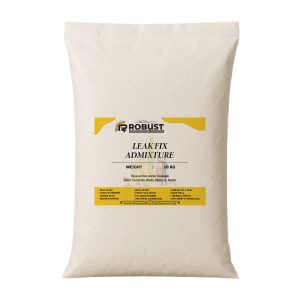
Robust Leak Fix Admixture
Original price was: ₨ 2,800.₨ 2,500Current price is: ₨ 2,500. Add to cart -
Sale!
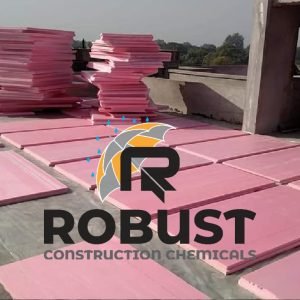
Robust XPS sheet (jumbolon)
Original price was: ₨ 1,630.₨ 1,530Current price is: ₨ 1,530. Add to cart -
Sale!
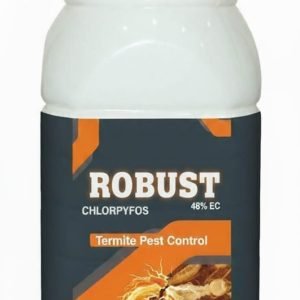
Robust termite control
Original price was: ₨ 4,500.₨ 4,300Current price is: ₨ 4,300. Add to cart