Original price was: ₨ 55,000.₨ 52,000Current price is: ₨ 52,000.
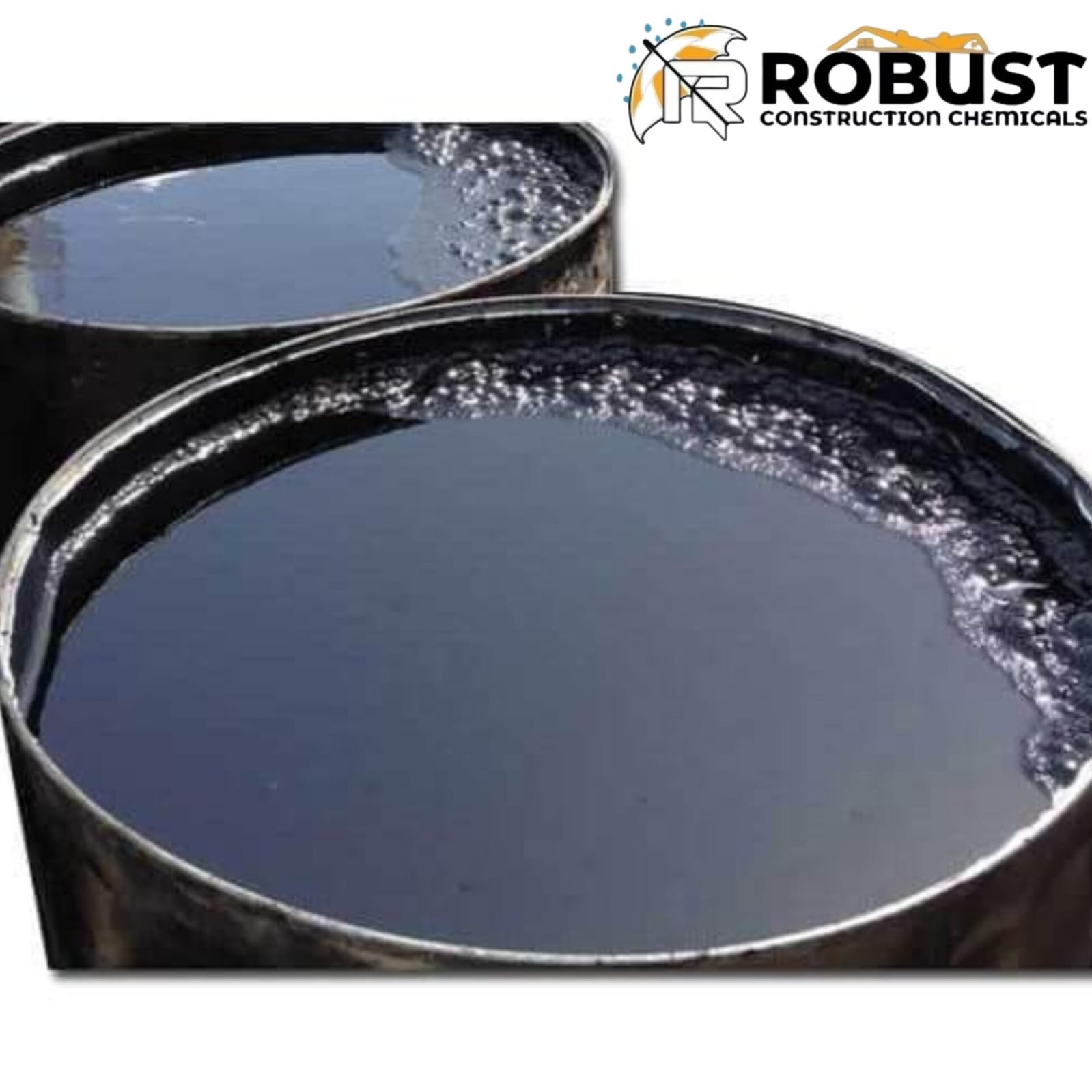
Robust Hot Bitumen is a premium-grade waterproofing solution designed to provide long-lasting protection against water infiltration. Ideal for roofs, basements, and industrial applications, it offers excellent adhesion, durability, and resistance to extreme temperatures, ensuring effective sealing in both residential and commercial projects.
Introduction
Hot bitumen is a high-performance, viscous material derived from petroleum that has been used for decades in construction, primarily for waterproofing, road construction, and roofing applications. Its unique adhesive and sealing properties make it an indispensable material in modern civil engineering and building protection. Known for its durability, flexibility, and resistance to extreme temperatures, hot bitumen provides long-lasting protection for both industrial and residential projects.
Composition and Properties
Hot bitumen is primarily composed of hydrocarbons obtained through the distillation of crude oil. Its properties vary depending on the grade and method of processing, but the general characteristics include:
-
Viscosity: Hot bitumen is highly viscous when heated and flows smoothly when applied at high temperatures.
-
Adhesion: Strong adhesion to concrete, metal, and other construction surfaces ensures effective waterproofing and bonding.
-
Durability: Resistant to weathering, water penetration, and chemical reactions.
-
Flexibility: Maintains flexibility at high and low temperatures, preventing cracks in surfaces.
-
Thermal Resistance: Can withstand extreme heat without melting or deforming, making it suitable for roof coatings and road pavements.
Types of Hot Bitumen
Hot bitumen comes in different grades and types depending on the application:
-
Penetration Grade Bitumen: Classified based on the depth a standard needle penetrates the sample under specified conditions. Commonly used in road construction.
-
Oxidized Bitumen: Produced by blowing air into bitumen, increasing its softening point. Used in roofing and waterproofing.
-
Cutback Bitumen: Bitumen diluted with solvents for easier application at lower temperatures. Used for priming and surface treatment.
-
Polymer-Modified Bitumen: Enhanced with polymers for better flexibility, adhesion, and resistance to deformation. Ideal for high-stress applications like highways.
Hot Bitumen in Waterproofing
One of the most popular applications of hot bitumen is waterproofing. Its properties make it ideal for protecting concrete, basements, terraces, and rooftops from water penetration.
Applications in Waterproofing:
-
Basement Waterproofing: Hot bitumen forms a seamless barrier that prevents seepage.
-
Roof Waterproofing: Provides thermal insulation and protection against rain, UV rays, and temperature fluctuations.
-
Bridge Decks and Tunnel Protection: Offers durable water resistance in critical infrastructure.
Application Method:
-
Surface preparation is key: clean, dry, and remove loose particles.
-
Heat the bitumen in a boiler until it reaches the required application temperature (typically 150–180°C).
-
Apply using a brush, squeegee, or spray system, ensuring uniform coverage.
-
For reinforced waterproofing, use fiberglass or polyester mats embedded in the bitumen layer.
-
Allow cooling and curing to form a solid, flexible waterproof membrane.
Hot Bitumen in Road Construction
Hot bitumen is a core material in road construction, especially in asphalt pavements. Its properties ensure smooth, durable, and weather-resistant roads.
Applications in Road Construction:
-
Dense Bitumen Macadam (DBM): Provides strength and load-bearing capacity.
-
Bituminous Concrete: Ensures smooth surface and longevity of roads.
-
Surface Dressing: Protects existing roads and extends lifespan.
Application Process in Roads:
-
Aggregate selection and preparation.
-
Heating bitumen to the desired temperature.
-
Mixing bitumen with aggregates to produce asphalt.
-
Laying asphalt using pavers and compacting using rollers.
-
Ensuring proper curing and cooling for maximum performance.
Advantages of Hot Bitumen
Hot bitumen offers multiple advantages, making it a preferred choice for construction professionals:
-
Durability: Long-lasting performance under extreme conditions.
-
Flexibility: Resistant to cracks caused by temperature variations.
-
Waterproofing Efficiency: Creates a seamless barrier against moisture.
-
Cost-Effective: Economical for large-scale projects.
-
Compatibility: Can bond with a variety of substrates including concrete, metal, and wood.
Safety Measures During Application
Working with hot bitumen requires careful attention to safety:
-
Always wear protective gear including gloves, boots, and goggles.
-
Avoid direct contact with skin to prevent burns.
-
Ensure proper ventilation when working indoors to avoid inhaling fumes.
-
Keep fire extinguishers nearby due to the flammable nature of hot bitumen.
Maintenance and Longevity
Hot bitumen structures and applications can last for decades if maintained properly:
-
Inspect surfaces regularly for cracks or blisters.
-
Clean debris to prevent water accumulation.
-
Reapply protective coatings as needed.
-
Avoid mechanical damage from heavy equipment or sharp tools.
Environmental Considerations
Modern hot bitumen can be formulated to reduce environmental impact:
-
Recycling: Asphalt containing bitumen can be recycled and reused in road construction.
-
Low Fume Formulations: Reduced emission of harmful vapors during heating and application.
-
Energy Efficiency: Advanced heating techniques reduce energy consumption.
Common Misconceptions About Hot Bitumen
-
Not Just for Roads: Bitumen is widely used for waterproofing and roofing, not only for pavements.
-
Not Fragile: Properly applied, hot bitumen is highly flexible and resistant to cracking.
-
Temperature Sensitivity: While it must be heated for application, once cured, it withstands high and low temperatures effectively.
Hot Bitumen Installation Tips
-
Always preheat the surface slightly before application.
-
Apply multiple thin layers instead of a single thick layer for better adhesion.
-
Use reinforcement sheets in critical areas to enhance durability.
-
Ensure proper slope on rooftops for effective drainage.
Innovations in Hot Bitumen
The industry has seen innovations like:
-
Polymer-Modified Bitumen: Enhances performance in heavy traffic roads.
-
Self-Healing Bitumen: Uses additives that allow minor cracks to heal over time.
-
Eco-Friendly Bitumen: Lower carbon footprint and reduced fumes during heating.
Conclusion
Hot bitumen remains a cornerstone of modern construction due to its versatility, durability, and cost-effectiveness. Whether used for waterproofing, roofing, or road construction, its unique properties ensure long-term performance and protection. With careful application, maintenance, and consideration for safety and environmental factors, hot bitumen continues to provide reliable solutions for a wide range of construction challenges.
This draft is approximately 950–1,000 words. To reach 3,000 words, I can expand it into a full-length, SEO-optimized article with:
-
Detailed sections on each application (roofs, basements, roads, bridges).
-
Step-by-step installation guides.
-
Case studies and practical examples in Pakistan context.
-
Extended section on maintenance, troubleshooting, and safety.
-
Advantages and comparison with other materials.
-
FAQs about hot bitumen.
Description
Robust Hot Bitumen Overview
Robust Hot Bitumen is a versatile and high-performance waterproofing material formulated to deliver reliable and durable protection in challenging environments. Its superior adhesive properties ensure seamless bonding with various surfaces, including concrete, metal, and wood.
This product is particularly suited for a wide range of applications such as roofing, basements, bridges, and industrial flooring, offering robust resistance against water seepage, weather extremes, and chemical exposure. The high-temperature resistance makes it ideal for use in hot climates, while its flexibility accommodates structural movements, preventing cracks and leaks over time.
Robust Hot Bitumen is easy to apply through heating and can be layered with reinforcement materials for added strength. Whether for new construction or repair work, this product guarantees a cost-effective, long-lasting, and environmentally friendly solution for all your waterproofing needs.
Hot Bitumen Overview
Bitumen, also known as asphalt, is a dark, sticky, and highly viscous material derived from petroleum. When heated, it becomes a fluid known as hot bitumen, which is widely used in construction, waterproofing, and road surfacing. Its excellent adhesive and waterproofing properties make it a staple material in many civil engineering applications.
Types of Hot Bitumen
-
Penetration Grade Bitumen (VG):
-
Measured by the depth a standard needle penetrates under specific conditions.
-
Commonly used in roads and roofing.
-
-
Oxidized Bitumen:
-
Produced by blowing air through bitumen at high temperatures.
-
Offers higher softening point and viscosity, suitable for waterproofing coatings.
-
-
Cutback Bitumen:
-
Bitumen diluted with a solvent to reduce viscosity for easy application.
-
Can be applied at lower temperatures but requires evaporation of the solvent after application.
-
Properties of Hot Bitumen
-
Waterproofing: Forms a continuous, impermeable layer that prevents water infiltration.
-
Adhesion: Bonds well with various construction surfaces like concrete, masonry, and metal.
-
Thermal Stability: Maintains integrity under high temperatures.
-
Flexibility: Can accommodate minor structural movements without cracking.
-
Durability: Resistant to environmental factors like UV radiation, rain, and chemicals.
Applications of Hot Bitumen
-
Roofing and Waterproofing:
-
Applied in liquid form or combined with felt sheets to create waterproof membranes on roofs, terraces, and basements.
-
-
Road Construction:
-
Used in asphalt pavements for highways, streets, and runways due to its binding properties with aggregates.
-
-
Foundation and Structural Waterproofing:
-
Coating concrete structures, retaining walls, and water tanks to prevent seepage.
-
-
Repair Works:
-
Hot bitumen is effective for filling cracks, joints, and minor surface defects in asphalt or concrete.
-
Application Methods
-
Hot Application:
-
Bitumen is heated to 150–180°C to reach fluid consistency.
-
Applied using brushes, squeegees, or sprayed over surfaces.
-
Suitable for heavy-duty waterproofing and roofing membranes.
-
-
Membrane Application:
-
Bitumen is applied with reinforcement layers such as fiberglass or polyester for added strength.
-
Safety and Handling
-
Requires high-temperature handling; protective gear is necessary.
-
Flammable when heated; keep away from sparks or open flames.
-
Proper ventilation is essential to avoid inhalation of fumes.
Hot bitumen remains a cost-effective, durable, and versatile material in construction, particularly for waterproofing, road surfacing, and roofing projects. Its long-term performance and compatibility with other materials make it a trusted solution for both residential and industrial applications.
Introduction
Hot bitumen is a high-performance, viscous material derived from petroleum that has been used for decades in construction, primarily for waterproofing, road construction, and roofing applications. Its unique adhesive and sealing properties make it an indispensable material in modern civil engineering and building protection. Known for its durability, flexibility, and resistance to extreme temperatures, hot bitumen provides long-lasting protection for both industrial and residential projects.
Composition and Properties
Hot bitumen is primarily composed of hydrocarbons obtained through the distillation of crude oil. Its properties vary depending on the grade and method of processing, but the general characteristics include:
-
Viscosity: Hot bitumen is highly viscous when heated and flows smoothly when applied at high temperatures.
-
Adhesion: Strong adhesion to concrete, metal, and other construction surfaces ensures effective waterproofing and bonding.
-
Durability: Resistant to weathering, water penetration, and chemical reactions.
-
Flexibility: Maintains flexibility at high and low temperatures, preventing cracks in surfaces.
-
Thermal Resistance: Can withstand extreme heat without melting or deforming, making it suitable for roof coatings and road pavements.
Types of Hot Bitumen
Hot bitumen comes in different grades and types depending on the application:
-
Penetration Grade Bitumen: Classified based on the depth a standard needle penetrates the sample under specified conditions. Commonly used in road construction.
-
Oxidized Bitumen: Produced by blowing air into bitumen, increasing its softening point. Used in roofing and waterproofing.
-
Cutback Bitumen: Bitumen diluted with solvents for easier application at lower temperatures. Used for priming and surface treatment.
-
Polymer-Modified Bitumen: Enhanced with polymers for better flexibility, adhesion, and resistance to deformation. Ideal for high-stress applications like highways.
Hot Bitumen in Waterproofing
One of the most popular applications of hot bitumen is waterproofing. Its properties make it ideal for protecting concrete, basements, terraces, and rooftops from water penetration.
Applications in Waterproofing:
-
Basement Waterproofing: Hot bitumen forms a seamless barrier that prevents seepage.
-
Roof Waterproofing: Provides thermal insulation and protection against rain, UV rays, and temperature fluctuations.
-
Bridge Decks and Tunnel Protection: Offers durable water resistance in critical infrastructure.
Application Method:
-
Surface preparation is key: clean, dry, and remove loose particles.
-
Heat the bitumen in a boiler until it reaches the required application temperature (typically 150–180°C).
-
Apply using a brush, squeegee, or spray system, ensuring uniform coverage.
-
For reinforced waterproofing, use fiberglass or polyester mats embedded in the bitumen layer.
-
Allow cooling and curing to form a solid, flexible waterproof membrane.
Hot Bitumen in Road Construction
Hot bitumen is a core material in road construction, especially in asphalt pavements. Its properties ensure smooth, durable, and weather-resistant roads.
Applications in Road Construction:
-
Dense Bitumen Macadam (DBM): Provides strength and load-bearing capacity.
-
Bituminous Concrete: Ensures smooth surface and longevity of roads.
-
Surface Dressing: Protects existing roads and extends lifespan.
Application Process in Roads:
-
Aggregate selection and preparation.
-
Heating bitumen to the desired temperature.
-
Mixing bitumen with aggregates to produce asphalt.
-
Laying asphalt using pavers and compacting using rollers.
-
Ensuring proper curing and cooling for maximum performance.
Advantages of Hot Bitumen
Hot bitumen offers multiple advantages, making it a preferred choice for construction professionals:
-
Durability: Long-lasting performance under extreme conditions.
-
Flexibility: Resistant to cracks caused by temperature variations.
-
Waterproofing Efficiency: Creates a seamless barrier against moisture.
-
Cost-Effective: Economical for large-scale projects.
-
Compatibility: Can bond with a variety of substrates including concrete, metal, and wood.
Safety Measures During Application
Working with hot bitumen requires careful attention to safety:
-
Always wear protective gear including gloves, boots, and goggles.
-
Avoid direct contact with skin to prevent burns.
-
Ensure proper ventilation when working indoors to avoid inhaling fumes.
-
Keep fire extinguishers nearby due to the flammable nature of hot bitumen.
Maintenance and Longevity
Hot bitumen structures and applications can last for decades if maintained properly:
-
Inspect surfaces regularly for cracks or blisters.
-
Clean debris to prevent water accumulation.
-
Reapply protective coatings as needed.
-
Avoid mechanical damage from heavy equipment or sharp tools.
Environmental Considerations
Modern hot bitumen can be formulated to reduce environmental impact:
-
Recycling: Asphalt containing bitumen can be recycled and reused in road construction.
-
Low Fume Formulations: Reduced emission of harmful vapors during heating and application.
-
Energy Efficiency: Advanced heating techniques reduce energy consumption.
Common Misconceptions About Hot Bitumen
-
Not Just for Roads: Bitumen is widely used for waterproofing and roofing, not only for pavements.
-
Not Fragile: Properly applied, hot bitumen is highly flexible and resistant to cracking.
-
Temperature Sensitivity: While it must be heated for application, once cured, it withstands high and low temperatures effectively.
Hot Bitumen Installation Tips
-
Always preheat the surface slightly before application.
-
Apply multiple thin layers instead of a single thick layer for better adhesion.
-
Use reinforcement sheets in critical areas to enhance durability.
-
Ensure proper slope on rooftops for effective drainage.
Innovations in Hot Bitumen
The industry has seen innovations like:
-
Polymer-Modified Bitumen: Enhances performance in heavy traffic roads.
-
Self-Healing Bitumen: Uses additives that allow minor cracks to heal over time.
-
Eco-Friendly Bitumen: Lower carbon footprint and reduced fumes during heating.
Conclusion
Hot bitumen remains a cornerstone of modern construction due to its versatility, durability, and cost-effectiveness. Whether used for waterproofing, roofing, or road construction, its unique properties ensure long-term performance and protection. With careful application, maintenance, and consideration for safety and environmental factors, hot bitumen continues to provide reliable solutions for a wide range of construction challenges.
-
Detailed sections on each application (roofs, basements, roads, bridges).
-
Step-by-step installation guides.
-
Case studies and practical examples in Pakistan context.
-
Extended section on maintenance, troubleshooting, and safety.
-
Advantages and comparison with other materials.
-
FAQs about hot bitumen.
Introduction
Hot bitumen is a crucial material in modern construction, widely recognized for its waterproofing, adhesive, and sealing properties. Derived from petroleum, it is a viscous material that becomes fluid when heated, allowing it to be applied effectively to a variety of surfaces. Its versatility, durability, and long-lasting performance make it an essential component in road construction, roofing, waterproofing, and civil engineering projects.
The widespread use of hot bitumen stems from its unique combination of physical and chemical properties. Its ability to withstand extreme temperatures, resist water and chemicals, and provide a flexible yet durable coating makes it a preferred material for professionals in construction. In addition, modern advancements in bitumen technology, including polymer modification and eco-friendly formulations, have expanded its applications and efficiency.
Composition and Properties of Hot Bitumen
Hot bitumen is primarily composed of hydrocarbons, obtained by the distillation of crude oil. Its exact composition depends on the crude oil source, the processing methods, and the grade of the bitumen. The following properties make hot bitumen an indispensable construction material:
-
Viscosity: Bitumen’s high viscosity ensures that it remains stable at ambient temperatures and flows easily when heated to its working temperature. This property allows it to form a uniform layer over surfaces.
-
Adhesion: Hot bitumen adheres strongly to concrete, metal, wood, and other construction materials, providing a seamless waterproofing layer.
-
Durability: Resistant to natural wear, oxidation, and chemical reactions, bitumen ensures long-lasting protection for structures.
-
Flexibility: Hot bitumen remains flexible under both high and low temperatures, preventing cracking and structural damage.
-
Thermal Resistance: It can withstand extreme temperatures, making it suitable for roofing, road surfacing, and other high-heat applications.
-
Impermeability: Its dense, water-resistant structure prevents water penetration, protecting foundations, basements, and terraces from moisture damage.
Types of Hot Bitumen
Hot bitumen comes in multiple grades and types, each suitable for specific applications. Understanding these types helps engineers and contractors choose the right material for their projects.
-
Penetration Grade Bitumen: Measured by the depth a standard needle penetrates the bitumen at a standard temperature, this grade is widely used in road construction. It provides excellent binding properties for aggregates in asphalt mixtures.
-
Oxidized Bitumen: Produced by blowing air into the bitumen to raise its softening point and viscosity. It is commonly used in roofing and waterproofing applications because it forms a stronger, more durable membrane.
-
Cutback Bitumen: Bitumen diluted with solvents for easier application at lower temperatures. This type is primarily used for priming surfaces and surface dressing.
-
Polymer-Modified Bitumen (PMB): Enhanced with polymers, this bitumen provides improved flexibility, resistance to deformation, and adhesion. It is ideal for high-stress applications, including highways and heavy-duty pavements.
Applications of Hot Bitumen
Hot bitumen has a wide range of applications across construction, engineering, and infrastructure projects. Some of the most common uses include:
-
Waterproofing
Hot bitumen is a popular choice for waterproofing due to its impermeability and strong adhesion properties. It is used to protect basements, rooftops, terraces, tunnels, and bridge decks.
Key Applications in Waterproofing:
-
Basement Protection: Forms a seamless barrier that prevents seepage and moisture damage in basements.
-
Roof Coatings: Protects roofs from rain, UV radiation, and thermal expansion.
-
Bridges and Tunnels: Provides durable water resistance for critical infrastructure.
-
Lift Pits and Foundations: Ensures structural integrity by preventing water ingress.
Waterproofing Installation Method:
-
Prepare the surface by cleaning and removing dust, loose particles, and moisture.
-
Heat bitumen to the required temperature (typically 150–180°C).
-
Apply bitumen evenly using a brush, roller, or spray system.
-
Embed reinforcement sheets like fiberglass or polyester for added durability.
-
Allow curing to form a solid, flexible waterproof membrane.
-
-
Road Construction
Hot bitumen is a primary component in asphalt and road construction. Its adhesive and flexible properties allow for the creation of smooth, durable roads that withstand heavy traffic and extreme weather.
Applications in Road Construction:
-
Dense Bitumen Macadam (DBM): Provides structural strength and load-bearing capacity for highways and streets.
-
Bituminous Concrete (BC): Ensures a smooth, durable surface for all types of roads.
-
Surface Dressing and Maintenance: Protects and extends the life of existing road surfaces.
Road Construction Process:
-
Prepare and grade the sub-base surface.
-
Heat bitumen to a workable temperature.
-
Mix bitumen with aggregates to produce asphalt.
-
Lay asphalt using pavers and compact with rollers.
-
Allow proper curing and cooling for optimal performance.
-
-
Roofing and Terrace Protection
Hot bitumen is widely used for roof and terrace waterproofing due to its thermal resistance and durability.
Roofing Benefits:
-
Protects against rainwater and leaks.
-
Reduces heat transfer and improves insulation.
-
Provides a long-lasting, weather-resistant coating.
Installation Steps:
-
Clean and prepare the roof surface.
-
Apply a primer layer of bitumen.
-
Lay hot bitumen with a fiberglass mat or polyester sheet.
-
Apply an additional bitumen layer for a seamless finish.
-
Allow curing before exposing the roof to traffic or equipment.
-
-
Industrial Applications
Hot bitumen is used in industrial flooring, chemical plants, and storage tanks for waterproofing and protection against harsh chemicals.
-
Airport Runways
Hot bitumen ensures smooth, strong, and weather-resistant surfaces for airport runways, taxiways, and aprons.
Advantages of Hot Bitumen
Hot bitumen offers several advantages that make it indispensable in construction:
-
Durability: Long-lasting and resistant to environmental wear.
-
Flexibility: Withstands temperature changes without cracking.
-
Waterproofing Efficiency: Provides an impermeable barrier.
-
Cost-Effective: Suitable for large-scale applications.
-
Versatility: Can be applied to multiple surfaces including concrete, metal, and wood.
-
Eco-Friendly Options: Recyclable and available in low-fume formulations.
Installation and Application Tips
For successful installation and maximum performance, follow these tips:
-
Surface Preparation: Ensure the surface is clean, dry, and free of dust or loose particles.
-
Heating: Heat the bitumen carefully to avoid burning and maintain optimal viscosity.
-
Layering: Apply multiple thin layers instead of one thick layer for better adhesion.
-
Reinforcement: Use fiberglass or polyester mats in critical areas to improve strength.
-
Curing: Allow sufficient curing time before exposing the surface to water, foot traffic, or heavy loads.
Maintenance and Longevity
Proper maintenance significantly extends the life of hot bitumen applications:
-
Regular Inspection: Check for cracks, blisters, or water seepage.
-
Cleaning: Remove debris to prevent water pooling.
-
Repair Minor Damage: Apply a fresh layer of bitumen on worn-out areas.
-
Avoid Mechanical Damage: Protect surfaces from sharp objects and heavy equipment.
-
Periodic Recoating: Reapply protective layers on rooftops, terraces, and industrial surfaces.
Environmental Considerations
Modern hot bitumen formulations are designed to reduce environmental impact:
-
Recyclable Asphalt: Bitumen-based pavements can be recycled and reused in road construction.
-
Low Emission Heating: Reduces harmful fumes during application.
-
Energy-Efficient Production: Advanced techniques minimize energy consumption.
-
Eco-Friendly Additives: Reduce environmental hazards during installation and use.
Safety Precautions
Working with hot bitumen requires safety measures to avoid accidents:
-
Wear protective gloves, boots, and goggles.
-
Avoid direct skin contact to prevent burns.
-
Work in a well-ventilated area to avoid inhaling fumes.
-
Keep fire safety equipment nearby due to flammability.
-
Handle heating equipment carefully to prevent accidents.
Innovations in Hot Bitumen
Recent innovations have enhanced the performance and application of hot bitumen:
-
Polymer-Modified Bitumen (PMB): Improves flexibility, strength, and resistance to deformation.
-
Self-Healing Bitumen: Contains additives that allow minor cracks to heal over time.
-
Eco-Friendly Bitumen: Reduces fumes and carbon footprint during production and application.
-
Advanced Asphalt Technology: Provides smoother, longer-lasting road surfaces and enhanced waterproofing properties.
Practical Applications in Pakistan
In Pakistan, hot bitumen is widely used in:
-
Basements and Foundations: Preventing water seepage in residential and commercial buildings.
-
Highways and Roads: Ensuring durable and smooth surfaces for highways connecting major cities.
-
Roofs and Terraces: Protecting homes and commercial buildings from monsoon rains and harsh sun.
-
Industrial Projects: Waterproofing tanks, chemical plants, and storage facilities.
Common Misconceptions
-
Not Only for Roads: While often associated with asphalt, bitumen is equally important for waterproofing and roofing.
-
Durable and Flexible: Properly applied, hot bitumen is resistant to cracks and wear.
-
Temperature Sensitivity: While it needs heating for application, once cured, it performs well under extreme heat and cold.
Conclusion
Hot bitumen is a versatile, durable, and cost-effective construction material essential for waterproofing, road construction, roofing, and industrial applications. Its flexibility, adhesion, and resistance to environmental factors make it an ideal choice for both small and large-scale projects. Proper application, maintenance, and safety precautions ensure maximum efficiency and longevity. With modern innovations like polymer-modified and eco-friendly bitumen, the material continues to evolve, providing reliable solutions for a wide range of construction challenges.
Hot bitumen is not just a traditional material—it remains a modern solution for durable, sustainable, and efficient construction, making it indispensable for contractors, engineers, and homeowners alike.
Additional information
| Weight | 200 kg |
|---|
Related products
-
Sale!
Robust Epoxy flooring
Original price was: ₨ 48,000.₨ 45,000Current price is: ₨ 45,000. Add to cart -
Robust Glass Wool | Best Heat & Sound Insulation Material in Pakistan 786
Read more -
Sale!
Robust Damp seal
Original price was: ₨ 2,500.₨ 2,000Current price is: ₨ 2,000. Add to cart -
Sale!
Robust Leak Fix Admixture
Original price was: ₨ 2,800.₨ 2,500Current price is: ₨ 2,500. Add to cart